Utility group
Germany
Miniature Schnauzer
The Miniature Schnauzer is a sharp, biddable German terrier type that rewards disciplined feeding and regular grooming with devoted, entertaining companionship.
Reviewed against Kennel Club and breed club health guidance
A sharp witted, wiry coated terrier type that watches the door and minds its diet in equal measure.
The short version
- Miniature Schnauzers are alert, intelligent and generally easy to train with positive methods.
- The breed is strongly prone to pancreatitis, so a consistent, low fat diet is essential rather than optional.
- Bladder and kidney stones are a known risk, making fresh water access and vet guided diet choices important.
- The wiry coat needs clipping or hand stripping every six to eight weeks, plus regular beard cleaning.
- Early socialisation and bark training help manage the breed's natural watchfulness in close quarters living.
- Weight
- 5 to 9 kg
- Height
- 30 to 36 cm
- Lifespan
- 12 to 15 yrs
- Size
- Small
- Group
- Utility
- Coat
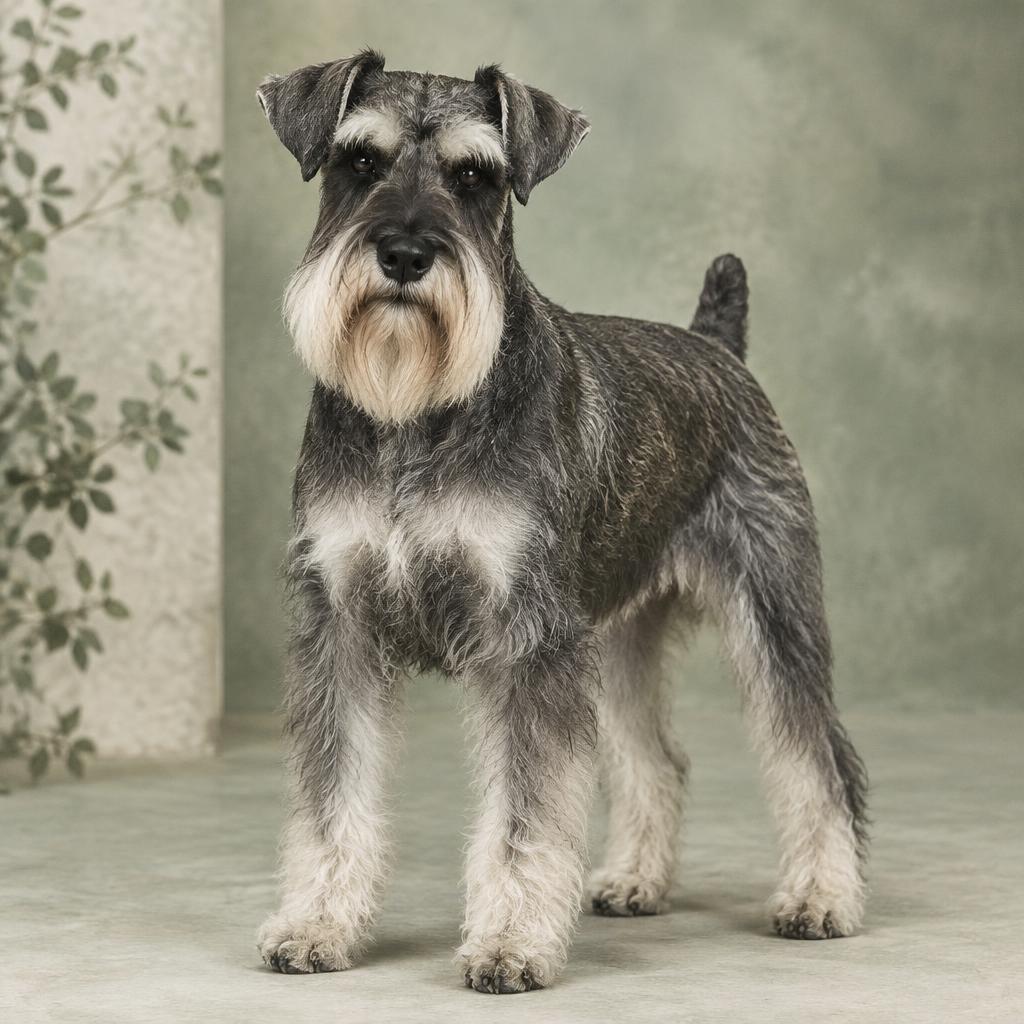
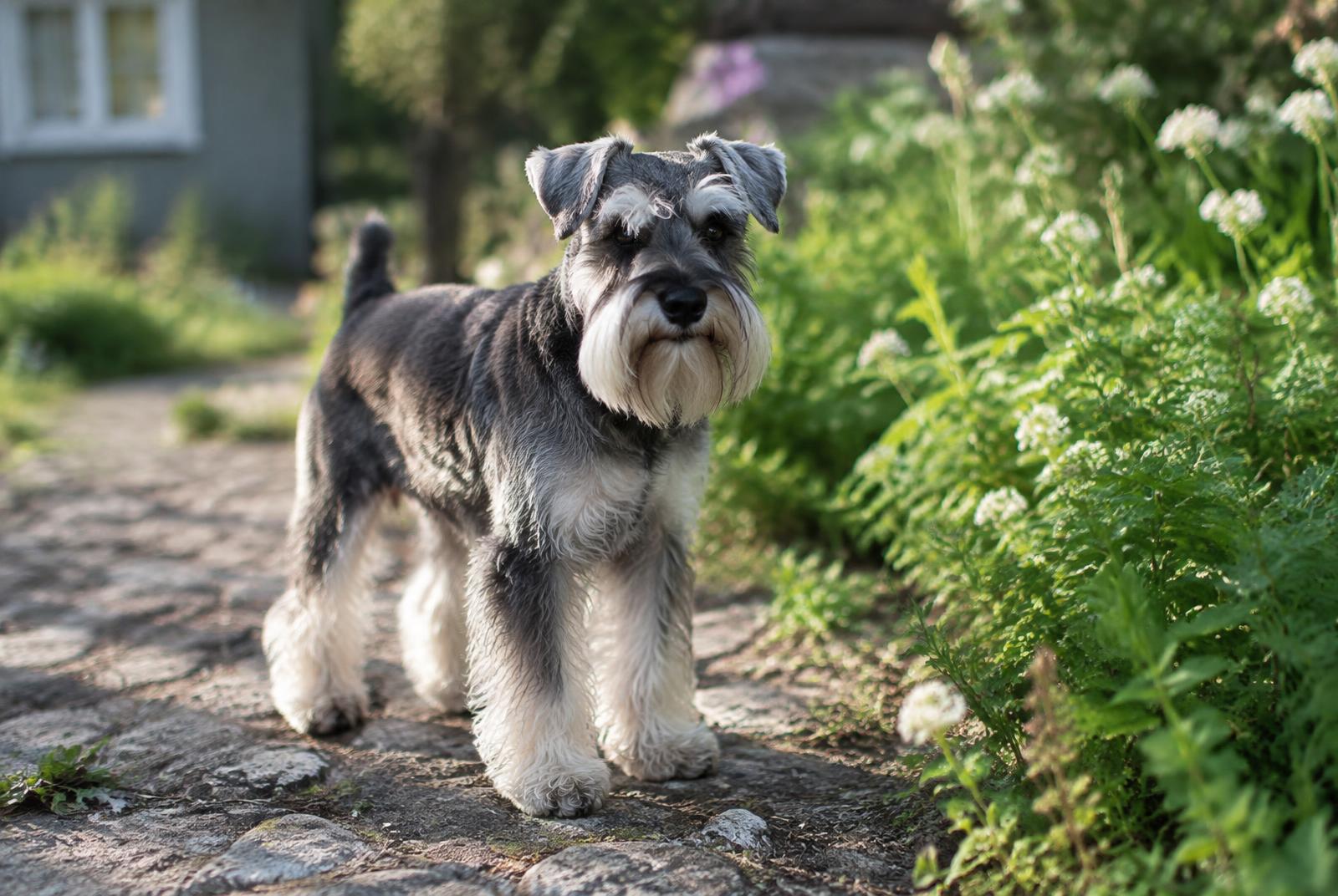
- Wiry, dense double coat with beard and leg furnishings
- Grown male
- 6 to 9 kg
- Grown female
- 5 to 8 kg
- Years to full size
- about 1
- One-off setup
- €300 to 600
Get one if…
- Owners who want an alert, trainable small dog with real character
- Families with older, sensible children who enjoy an active small breed
- People willing to commit to a strict, low fat feeding routine
- Owners prepared to book regular coat clipping or hand stripping
- First time owners ready to put in early recall and bark training
Think again if…
- Households wanting a dog that can share rich table scraps freely
- Owners unwilling to manage barking at visitors or passers by
- Anyone hoping for a coat that needs no professional grooming
- People seeking a naturally silent watchdog
- Owners unable to monitor water access and diet for stone prevention
Trait profile
The Miniature Schnauzer pairs sharp watchfulness and genuine trainability with a real need for dietary discipline, given its strong predisposition to pancreatitis and urinary stones.
Space & setup. A flat or house both suit this adaptable small breed well, provided daily walks and a secure garden or lead based toilet routine are available.
Allergies. The wiry coat sheds very little when properly stripped or clipped, though it still produces dander, so no breed can be called fully non-allergenic.
Living with a Miniature Schnauzer
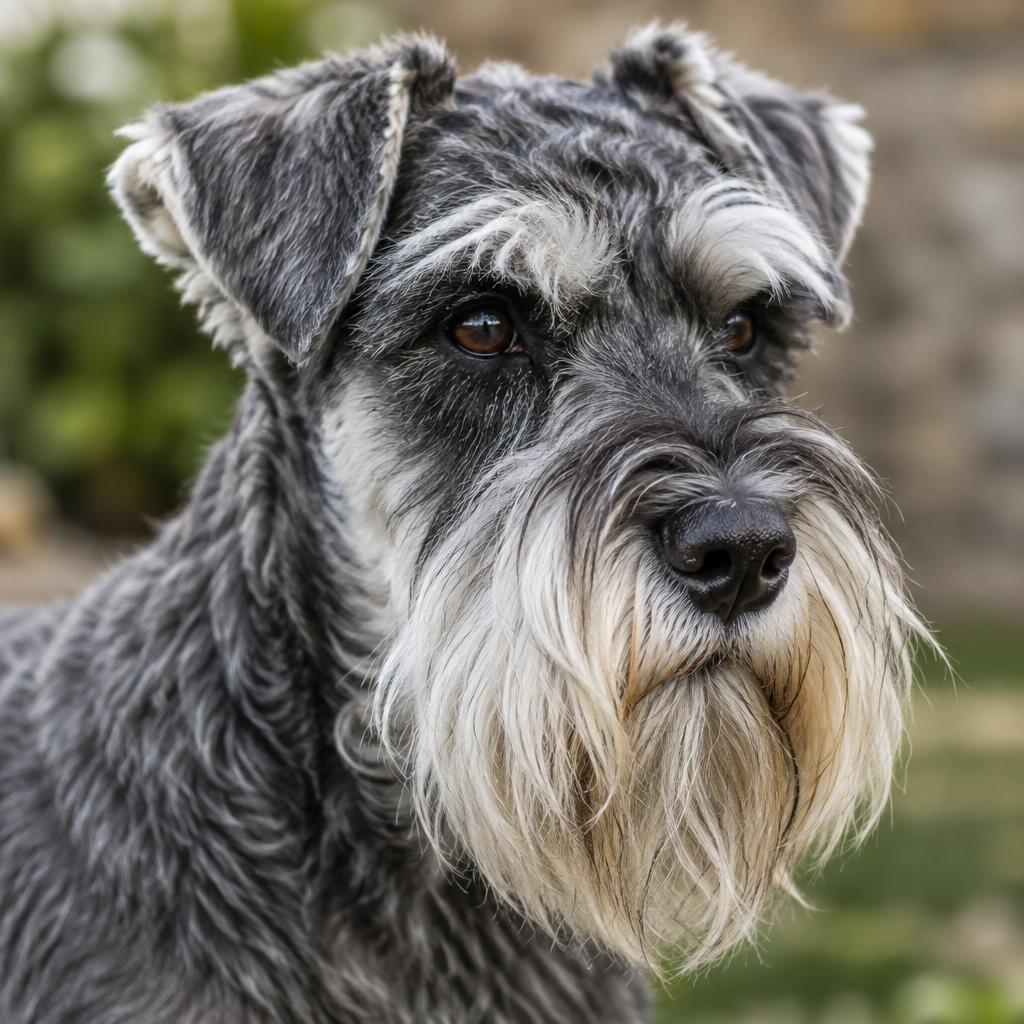
The Miniature Schnauzer is a small, sturdy Utility breed developed in Germany to work on farms before becoming a popular companion worldwide. It is known for its alert, trainable temperament, distinctive wiry coat with bearded muzzle, and a notable need for careful dietary management.
The Miniature Schnauzer was developed in nineteenth century Germany by breeders who wanted a smaller version of the Standard Schnauzer suited to farm life, crossing it down with breeds such as the Affenpinscher and Poodle. Its job was ratting and guarding small holdings, and that working background still shows in a dog that is alert, bright and far sturdier than its compact frame suggests. The breed arrived in Britain and the United States in the early twentieth century and has remained one of the most popular small Utility breeds ever since, prized for combining terrier grit with a notably biddable, trainable mind.
Daily life with a Miniature Schnauzer tends to be lively rather than restful. This is a dog that wants to be where the household action is, happy to potter about the kitchen, supervise the garden or sit at a window keeping watch on the street. It is intelligent and generally eager to please, which makes it more straightforward to train than many terriers, though its terrier ancestry still surfaces as a determined, sometimes stubborn streak when something interesting is underfoot. Owners who enjoy a dog with opinions and a sense of humour tend to get on very well with this breed.
The defining temperament trait is watchfulness paired with sociability. Miniature Schnauzers are naturally alert and will reliably announce visitors, deliveries or anything unusual, which makes them excellent watchdogs but also means barking needs active management from puppyhood if a quiet household matters. Unlike some more aloof terriers, most individuals are genuinely warm with their own family and, with proper socialisation, friendly toward visitors and other dogs rather than suspicious of them.
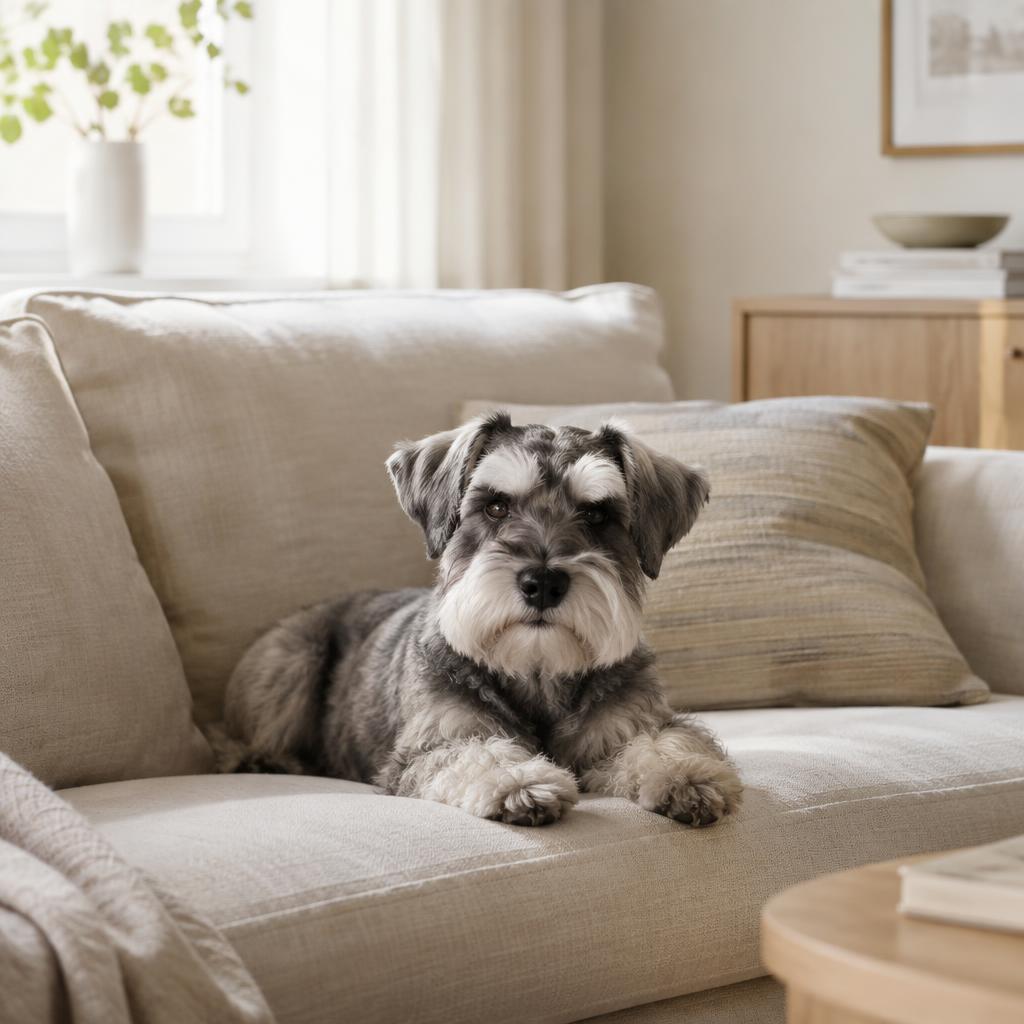
The honest limitation concerns diet and vigilance rather than temperament. Miniature Schnauzers are strongly predisposed to pancreatitis, an inflammation of the pancreas that can be triggered by fatty food, table scraps or sudden dietary changes, and episodes can be serious. This means owners must be disciplined about feeding, resisting the temptation to share rich leftovers regardless of how persuasively the dog begs. The breed is also prone to bladder and kidney stones, so fresh water access and, in some cases, a specific prescription diet recommended by a vet become part of ordinary life rather than an occasional precaution. Families wanting a completely low maintenance feeding regime should think carefully before choosing this breed.
Health more broadly is manageable with informed ownership. Beyond pancreatitis and urinary stones, the breed carries a known risk of myotonia congenita, a muscle condition for which DNA testing exists, along with eye conditions such as progressive retinal atrophy and cataracts that reputable breeders screen for. Hereditary hyperlipidaemia, raised fat levels in the blood, is also seen and links closely to the same dietary discipline that pancreatitis demands. None of this makes the breed fragile, but it does make an informed, careful owner far more important than with many small dogs that tolerate dietary carelessness without consequence.
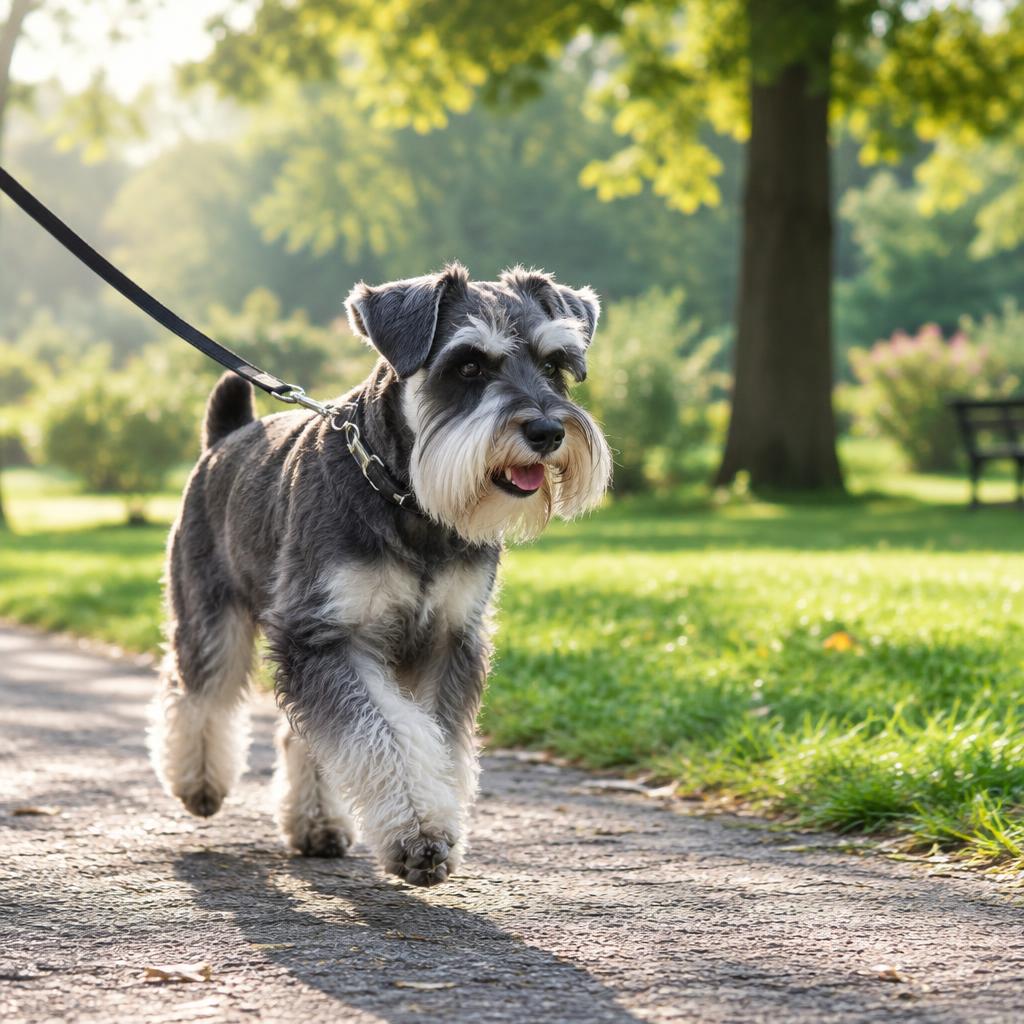
Exercise needs sit at a moderate, manageable level: around 45 minutes to an hour a day of walking plus some mental stimulation satisfies most individuals, since this is not a breed that demands miles of running. Training tends to go smoothly thanks to genuine intelligence and food motivation, though early, consistent work on recall and barking pays dividends, as the terrier instinct to chase and the guarding instinct to vocalise both need channelling rather than suppressing. Positive, reward based methods suit the breed far better than harsh correction, which tends to make a stubborn individual more resistant rather than less.
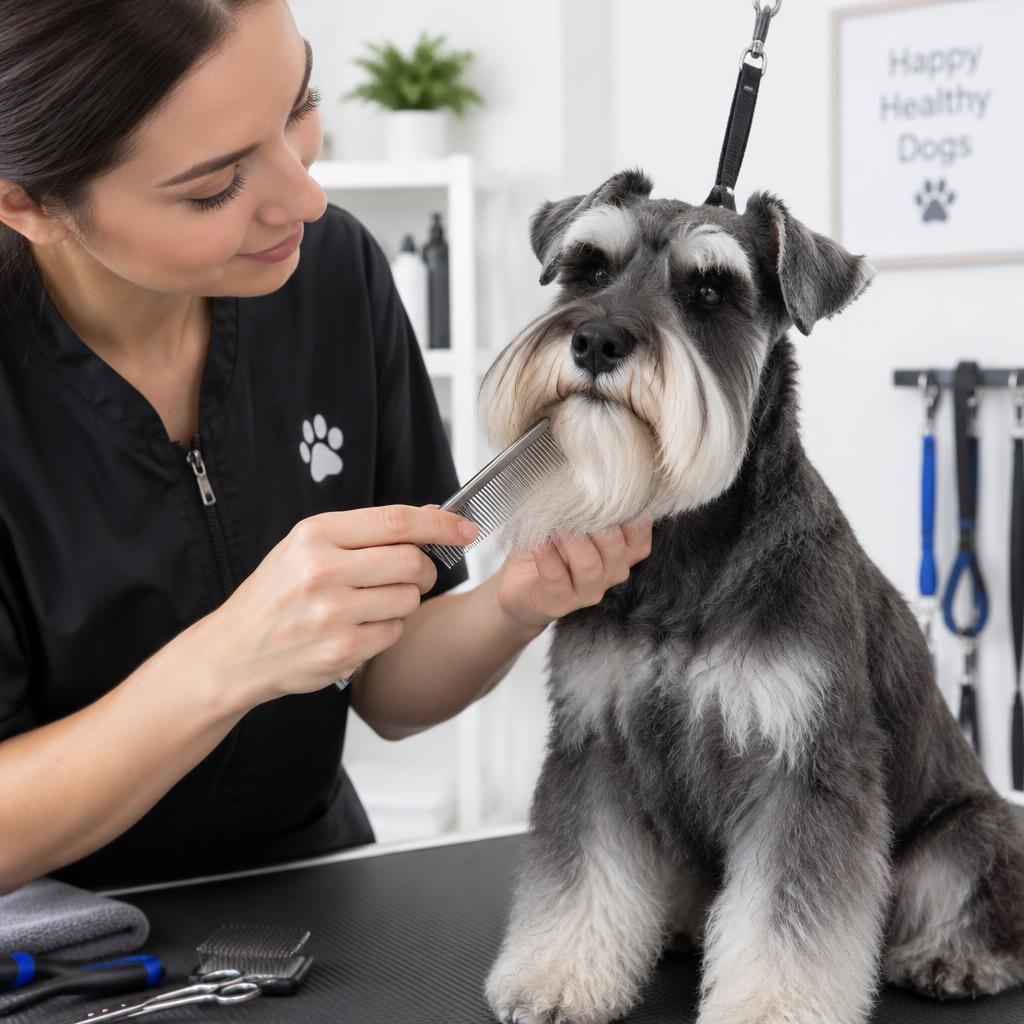
Grooming is where this breed demands real commitment. The distinctive wiry double coat, with its signature beard, eyebrows and leg furnishings, needs hand stripping or clipping every six to eight weeks to stay in proper condition, alongside daily beard maintenance since food and water collect there and can cause staining or skin irritation if ignored. Many pet owners opt for clipping rather than the more labour intensive hand stripping used for the show ring, which softens the coat texture slightly but is far more manageable for a busy household. Either way, this is not a wash and forget coat, and prospective owners should budget proper time or professional grooming costs into their planning.
Taken together, the Miniature Schnauzer suits owners who want an alert, affectionate, genuinely trainable small dog and who are prepared to be strict about diet and consistent about grooming and bark management. It works well for families with older, sensible children, for first time owners willing to learn its dietary needs, and for people in flats provided barking is addressed early through training. It does not suit households wanting a dog that will happily eat whatever falls on the kitchen floor, anyone unwilling to commit to regular coat maintenance, or owners hoping for a naturally silent watchdog. Given the right diet, grooming routine and training foundation, though, it rewards its owner with a sharp, loyal and thoroughly entertaining companion for well over a decade.
A bright, loyal little watchdog that needs a disciplined diet and a committed grooming routine in return for years of entertaining company.
Exercise, day to day
- 1Puppies (8 to 20 weeks): short, gentle sessions of around 5 minutes per month of age, avoiding stairs or hard jumping.
- 2Adults: 45 minutes to an hour a day, combining brisk walks with short training games.
- 3Mental stimulation: puzzle feeders and scent games suit this intelligent breed's need for a job to do.
- 4Recall work: practise consistently in secure areas, since terrier instinct can override a half trained recall.
- 5Bark management: reward calm responses to visitors and doorbells from puppyhood to prevent excessive alerting.
Grooming, realistically
- 1Clip or hand strip the coat every six to eight weeks to keep the wiry texture and prevent matting.
- 2Clean and dry the beard daily after meals, since trapped food and moisture can irritate the skin.
- 3Brush the coat two to three times a week to prevent tangles between professional grooming visits.
- 4Trim nails every three to four weeks and check ears for wax build up or odour.
- 5Brush teeth several times a week to help prevent dental tartar common in small breeds.
What you actually need
- Slicker brush
- Stripping knife or clippers
- Beard comb
- Dog nail clippers
- Ear cleaning solution
- Enzymatic dog toothpaste and brush
Puppy to adult
| Age | Male | Female | What is happening |
|---|---|---|---|
| 8 weeks | 1.3 to 1.8 kg | 1.2 to 1.6 kg | Small, sturdy puppy with early signs of the alert, inquisitive temperament. |
| 3 months | 2.3 to 3.2 kg | 2.1 to 3 kg | Steady early growth; introduce consistent, measured meal portions now. |
| 6 months | 4 to 5.5 kg | 3.8 to 5 kg | Adolescent stage brings testing behaviour and a growing beard that needs regular cleaning. |
| 9 months | 5 to 7 kg | 4.5 to 6.5 kg | Approaching adult height and weight, with the wiry adult coat beginning to establish. |
| 12 months | 5.5 to 8 kg | 5 to 7.5 kg | Close to adult weight; this is when strict portion habits really start to matter. |
| 18 months | 6 to 9 kg | 5 to 9 kg | Full adult size and coat texture reached. |
Ranges are typical, not targets. Judge condition by ribs and waist, and check with the ideal weight checker.
What to ask a breeder
- Can I see health screening results for myotonia congenita and hereditary eye conditions in both parents?
- Has either parent experienced pancreatitis or urinary stones, and how is diet managed in your line?
- Can I meet both parents and see how they respond to visitors and everyday noise?
- What coat care routine do you recommend, hand stripping or clipping, for a pet home?
- How do you socialise puppies to reduce excessive barking in adulthood?
- What feeding guidance do you give new owners to help prevent pancreatitis?
Health tests to ask for
Ask to see results for both parents before you put down a deposit.
- Myotonia congenita DNA test
- Hereditary cataracts and progressive retinal atrophy eye testing
- Hereditary hyperlipidaemia blood screening where available
- Patella luxation examination
- Family history review for pancreatitis and urinary stone episodes
Health watch-list
What to ask a breeder about, and what to watch for over a lifetime. This is orientation, not veterinary advice, anything you notice belongs in front of a vet.
Pancreatitis
CommonThe breed is strongly predisposed to inflammation of the pancreas, often triggered by fatty food; a consistent low fat diet and avoidance of scraps are the main preventive measures.
Bladder and kidney stones
CommonMiniature Schnauzers are prone to forming urinary stones; fresh water access and, in some cases, a vet recommended prescription diet help reduce the risk.
Myotonia congenita
UncommonAn inherited muscle stiffness condition with a known DNA test; screening breeding stock prevents affected puppies being produced.
Progressive retinal atrophy
UncommonAn inherited eye condition that leads to gradual vision loss; DNA and eye testing of breeding stock helps identify carriers early.
Hereditary hyperlipidaemia
NotableRaised fat levels in the blood are seen in the breed and link closely to diet; blood testing and dietary management help keep levels in check.
Cataracts
NotableClouding of the eye lens can develop with age or hereditary factors; annual eye examinations help catch changes early.
What it costs to keep one
Realistic running cost
€92 / month
About €1,104 a year, or roughly €15,456 across a 14-year life, before purchase price, neutering and one-off vet events.
Before the puppy arrives. Budget roughly €300 to 600 for a crate, bed, lead and harness, bowls, puppy classes, first vaccinations and grooming kit sized for this breed. Figures throughout are indicative and vary a good deal between countries.
Interactive · built for this breed
Is a Miniature Schnauzer right for your home?
Seven honest questions about your space, time and household, checked against this breed's exercise need, coat, sociability and tolerance for time alone.
Fit with your routine
95%
A strong fit
Your routine suits a Miniature Schnauzer well. Meet adult dogs of the line before you commit.
What to sort out first
- Needs more daily exercise than you have pencilled in.
- Coat needs more brushing or trimming than you have allowed.
Compare more breeds in the matchmaker, or plan meals with the portion calculator.
The verdict, by household
First-time owner
A good choice with preparation
Trainable and affectionate, but new owners must commit early to strict diet rules and a grooming schedule.
Family with children
A strong choice
Generally good with older, sensible children, though small size means play should always be supervised.
Active single or couple
An excellent match
Moderate exercise needs and genuine enthusiasm for walks and training suit an engaged single owner or couple well.
Owner in a flat with close neighbours
Workable with commitment
Compact size suits flat living, but natural watchfulness means bark training is essential around shared walls.
When to call your vet
- Vomiting, abdominal pain or reluctance to eat, which can indicate pancreatitis and needs prompt veterinary attention
- Straining to urinate, blood in urine or frequent small urinations, possible signs of bladder stones
- Cloudiness in the eyes or reduced vision, worth checking against hereditary eye conditions
- Sudden muscle stiffness or an odd gait after exercise, which could point to myotonia congenita
- Persistent scratching at the beard or chin area, which may indicate skin irritation from trapped food or moisture
Nothing here is a diagnosis. A swollen, hard belly with retching, collapse, breathing difficulty and sudden hind-leg weakness are emergencies: go straight away.
Miniature Schnauzer vs the closest alternatives
| Breed | Weight | Energy | Grooming | € / month |
|---|---|---|---|---|
| Miniature Schnauzer | 5 to 9 kg | 6/10 | 8/10 | €92 |
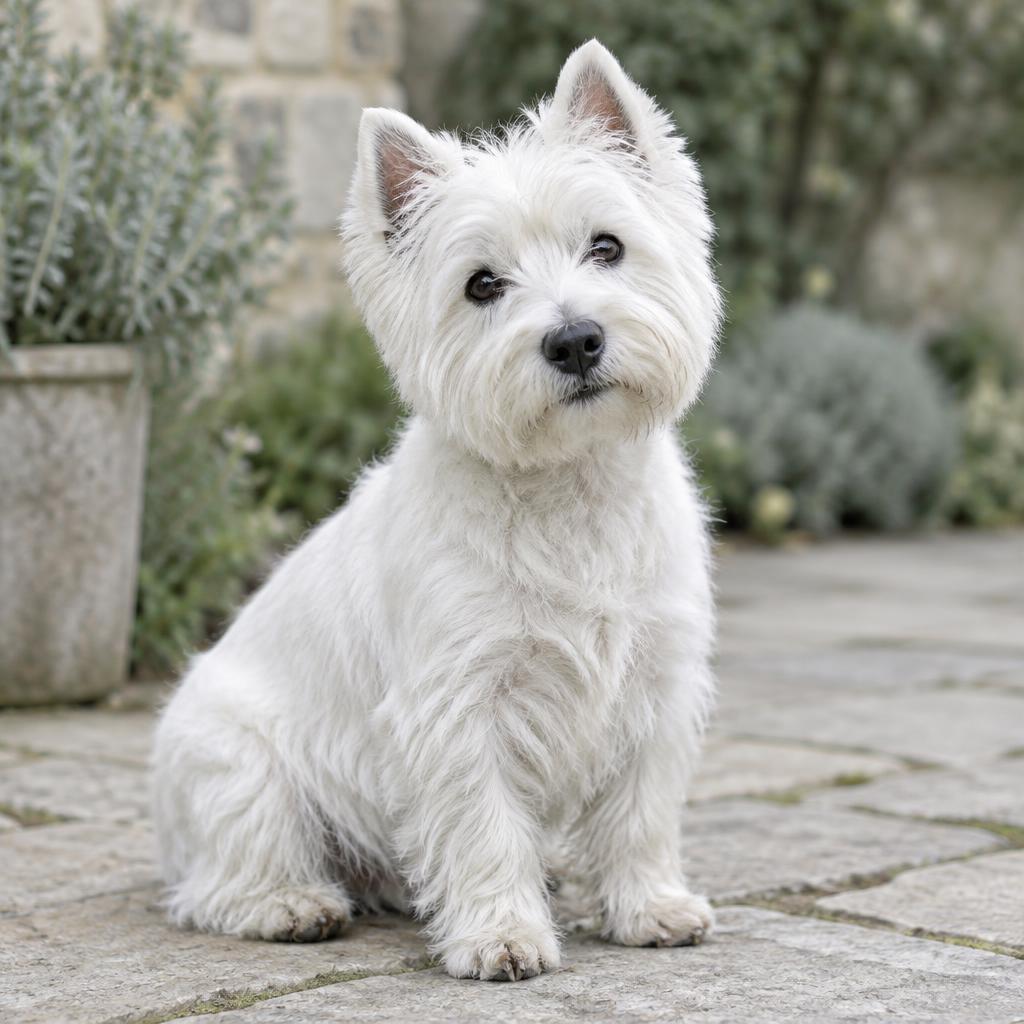
| West Highland White Terrier | 7 to 10 kg | 7/10 | 7/10 | €91 |
| Standard Schnauzer | 14 to 20 kg | 7/10 | 6/10 | €96 |
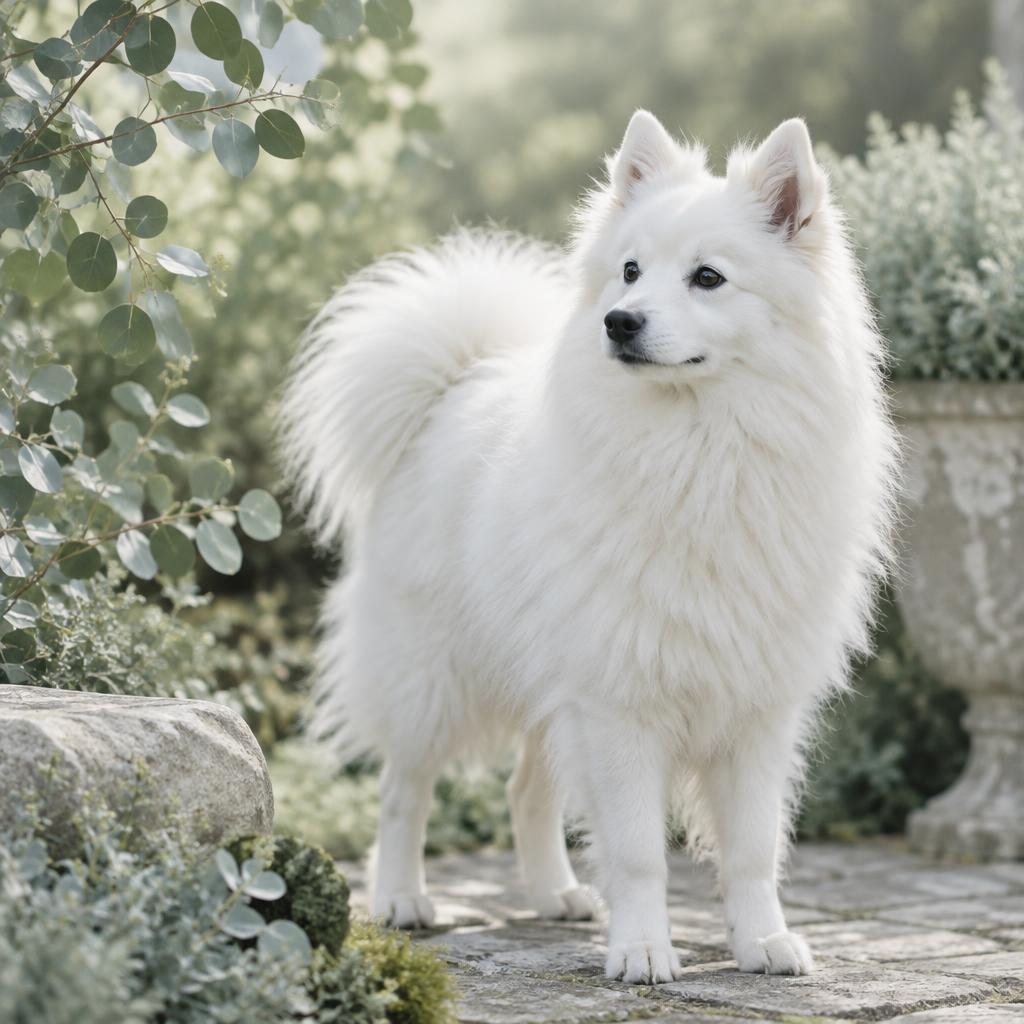
| American Eskimo Dog | 3 to 16 kg | 7/10 | 6/10 | €73 |
Miniature Schnauzer questions, answered
What is the temperament of a Miniature Schnauzer?
Miniature Schnauzers are alert, intelligent and genuinely affectionate with their family, bred originally as farm watchdogs in Germany. They are quick to notice visitors or unfamiliar sounds and will reliably announce them, so owners who want a naturally quiet dog should factor in some early bark training alongside the breed's many trainable strengths.
How big do Miniature Schnauzers get?
Males typically weigh 6 to 9 kg and females 5 to 8 kg, standing around 30 to 36 cm at the shoulder. They are classed as a small breed with a sturdy, compact build, reaching full adult size and coat texture by around one year old.
Do Miniature Schnauzers shed a lot?
Their wiry double coat sheds very little when properly maintained through regular clipping or hand stripping every six to eight weeks. This low shedding comes with a trade off, since the coat needs genuine ongoing grooming commitment rather than simple brushing alone.
How much exercise does a Miniature Schnauzer need?
Around 45 minutes to an hour a day of walking combined with some mental stimulation suits most individuals well. This moderately active breed also enjoys training games and puzzle feeders, which help satisfy its sharp, inquisitive mind alongside physical activity.
Are Miniature Schnauzers good with children?
Generally yes, particularly with older, sensible children who understand how to interact calmly with a small, sturdy dog. As with any breed, play should be supervised, and early socialisation helps the dog grow confident and relaxed around family life and visiting friends.
What health problems are common in Miniature Schnauzers?
The breed is strongly predisposed to pancreatitis and prone to bladder or kidney stones, both closely tied to diet and water access, so feeding discipline matters a great deal. Myotonia congenita, progressive retinal atrophy, hereditary hyperlipidaemia and cataracts are also worth screening for carefully in any breeding stock.
How much does it cost to own a Miniature Schnauzer?
Monthly costs typically include around 25 euros for food, 22 euros for insurance and roughly 35 euros for grooming given the coat's regular clipping needs, alongside an initial setup cost of about 300 to 600 euros. Veterinary costs can rise if pancreatitis or urinary stone management becomes necessary.
Sources
- Miniature Schnauzer breed standard, The Kennel Club
- Miniature Schnauzer breed information, American Kennel Club
- Breed specific DNA and eye testing requirements, The Kennel Club
- Eye scheme and canine health schemes, British Veterinary Association
- Pancreatitis in dogs, PDSA
Put it into practice
Reading that goes with this

Puppies
Crate Training a Puppy: A 14-Day Plan

Training
How to Stop a Dog Barking: A Practical Guide
Nutrition
Can Dogs Eat Cheese? Safe Types, Portions and When to Avoid It

Care
Dog Years to Human Years: The Real Science

Health
Dog Ear Infections: Signs, Causes and Treatment
Health
Dog Pancreatitis: Symptoms, Triggers and Recovery