Utility group
Germany
Standard Schnauzer
The original medium Schnauzer: an alert, energetic, low-shedding dog for active owners who enjoy training and want a watchful, characterful companion.
The original Schnauzer: bearded, bright and always on duty.
The short version
- The original Schnauzer; the Mini and Giant were bred from it
- Low shedding but needs hand-stripping or clipping every two months
- An hour to ninety minutes of exercise daily
- A serious watchdog bark; train a quiet cue early
- Generally robust with a long lifespan, often 13 to 16 years
Choose a variety
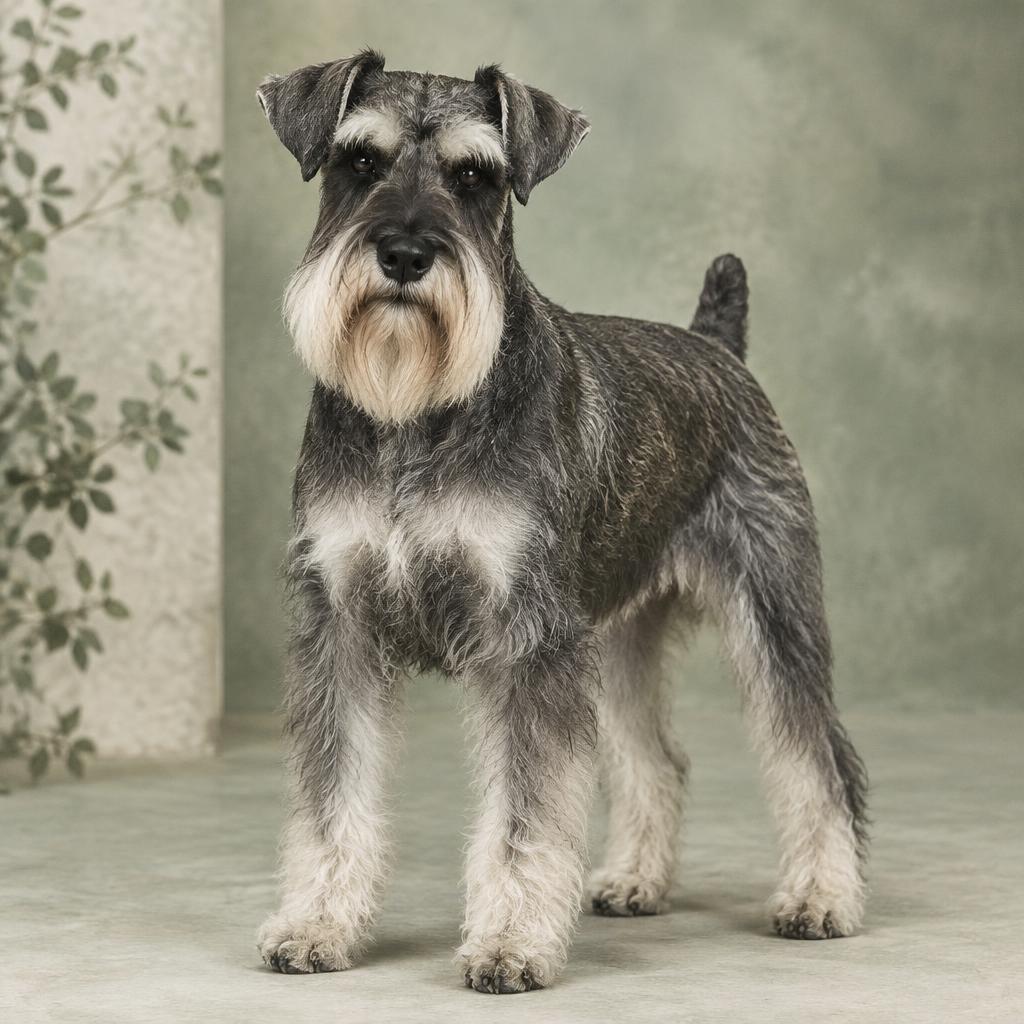
The classic grizzled grey with darker mask, beard and eyebrows.
- Weight
- 14 to 20 kg
- Height
- 45 to 50 cm
- Lifespan
- 13 to 16 yrs
- Size
- Medium
- Group
- Utility
- Coat
- Harsh wiry double coat with beard and eyebrows
- Years to full size
- about 1.5
- One-off setup
- €750 to 1500
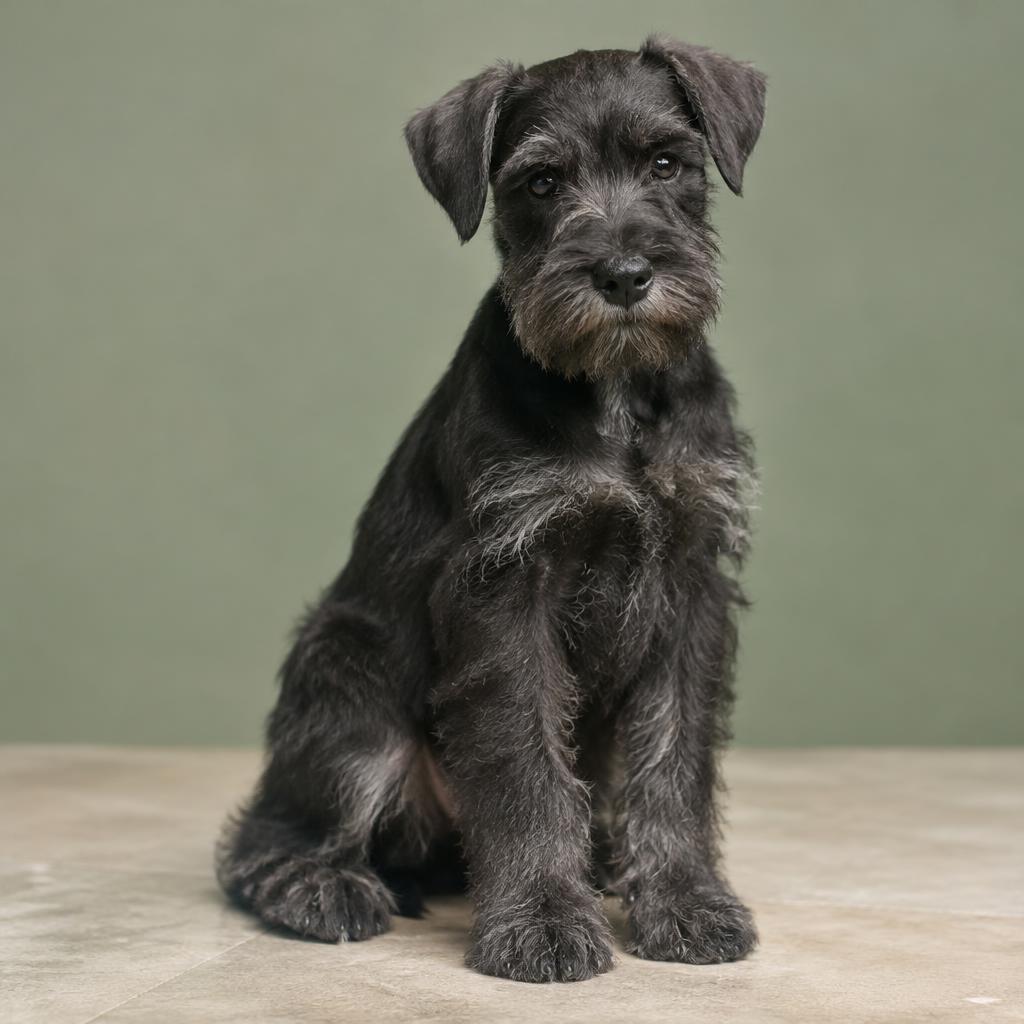
Get one if…
- Active families with children
- Owners wanting a low-shedding medium dog
- People who enjoy training and dog sports
- Households wanting a watchful but friendly dog
Think again if…
- Owners wanting a dog that ignores the doorbell
- People unwilling to maintain a wire coat
- Very sedentary households
- Homes wanting a dog that loves every stranger instantly
Trait profile
Scores reflect a versatile farm dog: energetic and alert, very low shedding, moderate grooming effort.
Space & setup. Adapts to houses or larger flats with daily exercise; the watchdog bark needs management in close quarters.
Allergies. The wiry coat sheds very little and is often tolerated by allergy sufferers, though no dog is truly hypoallergenic.
Living with a Standard Schnauzer
The Standard Schnauzer is the original of the three Schnauzer sizes, a German farm dog bred to guard, rat and drive cattle. Bearded, bushy-browed and full of character, it is alert, energetic and deeply loyal to its family. The wiry coat sheds very little but needs regular hand-stripping or clipping. It suits active owners who enjoy training and want a dog with opinions.
The Standard Schnauzer is the dog from which the Miniature and Giant were developed, and it appears in German art as far back as the fifteenth century, often at the side of a merchant or guarding a market cart. On Bavarian farms it did a bit of everything: ratting, driving cattle to market and watching the yard. That all-round farm heritage explains the modern dog: versatile, hardy, watchful and convinced it should be consulted on household decisions.
With its family the Standard Schnauzer is affectionate, playful and famously good with children it has been raised with. With strangers it is reserved, and the deep, serious bark is one of the best burglar alarms in the dog world, which neighbours may or may not appreciate. They are clever and trainable but not blindly obedient; they like to know what is in it for them, and repetitive drilling bores them. Keep training varied, fair and fun.
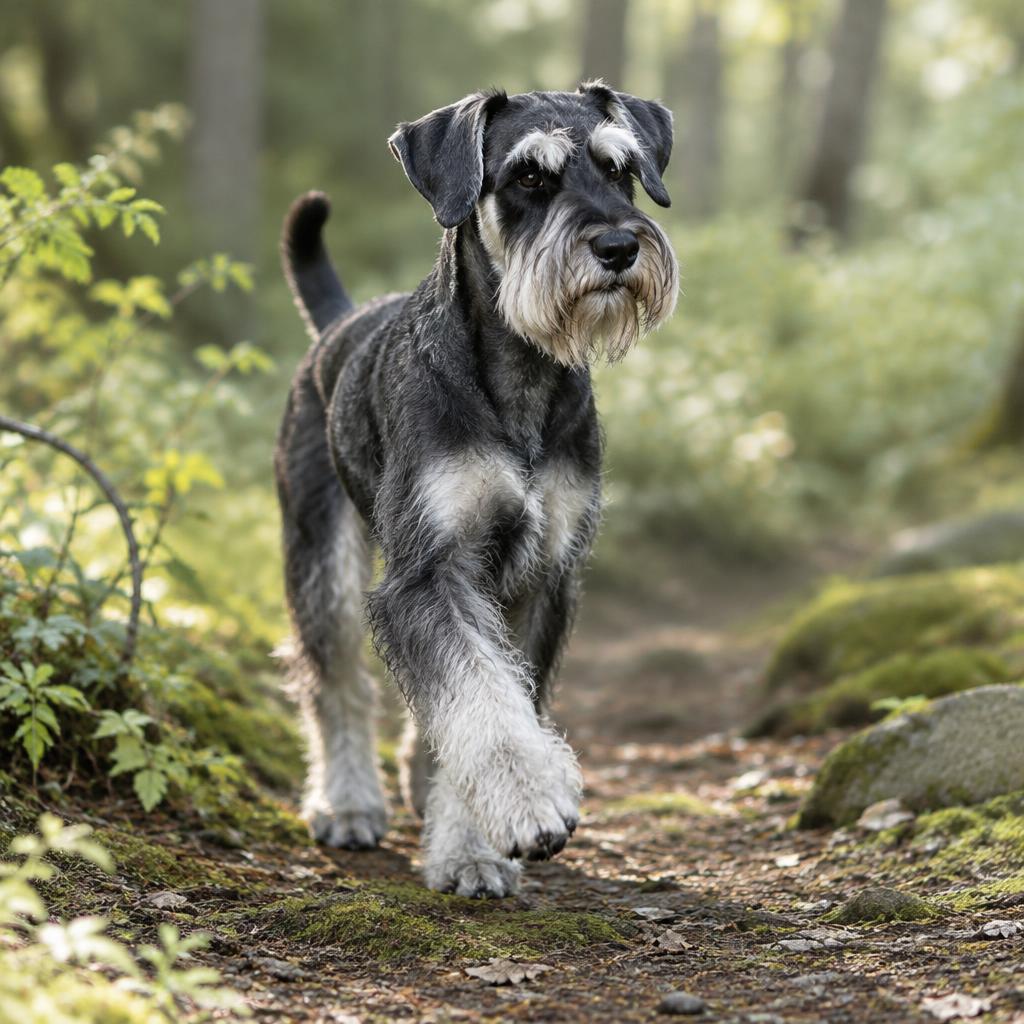
Exercise needs are moderate to high: an hour to ninety minutes a day, with off-lead running, games and training mixed in. They excel at agility, obedience and scent work. The wiry pepper-and-salt or black coat barely sheds, which many allergy-conscious families appreciate, but it is not maintenance-free: weekly brushing, daily beard rinses, and hand-stripping or clipping every couple of months. Health is generally robust, with a long lifespan for the size.
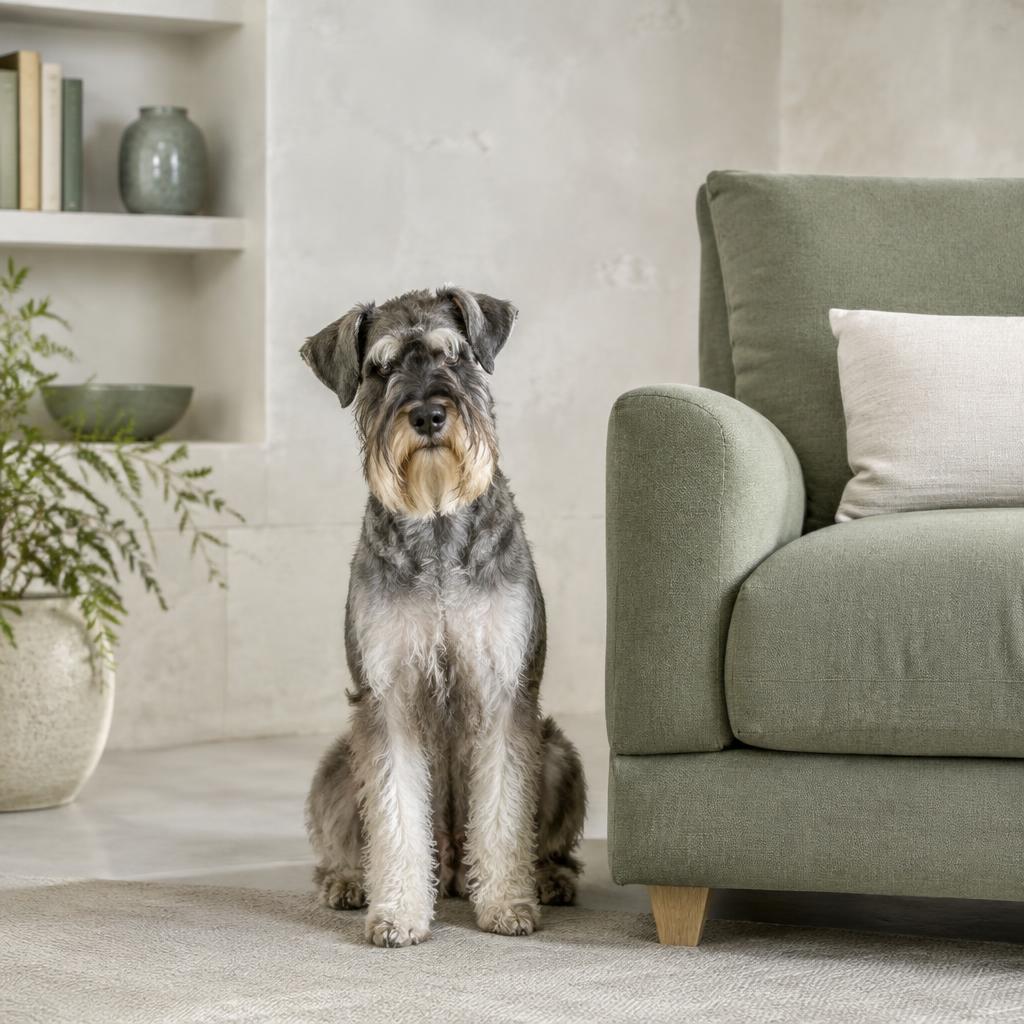
A robust, clever, low-shedding all-rounder with a proper watchdog bark. More dog than its size suggests, and all the better for it in the right hands.
Exercise, day to day
- 1Sixty to ninety minutes of exercise daily
- 2Off-lead running and games in safe areas most days
- 3Agility, obedience or scent work as a weekly outlet
- 4Training games on walks to keep the clever brain busy
Grooming, realistically
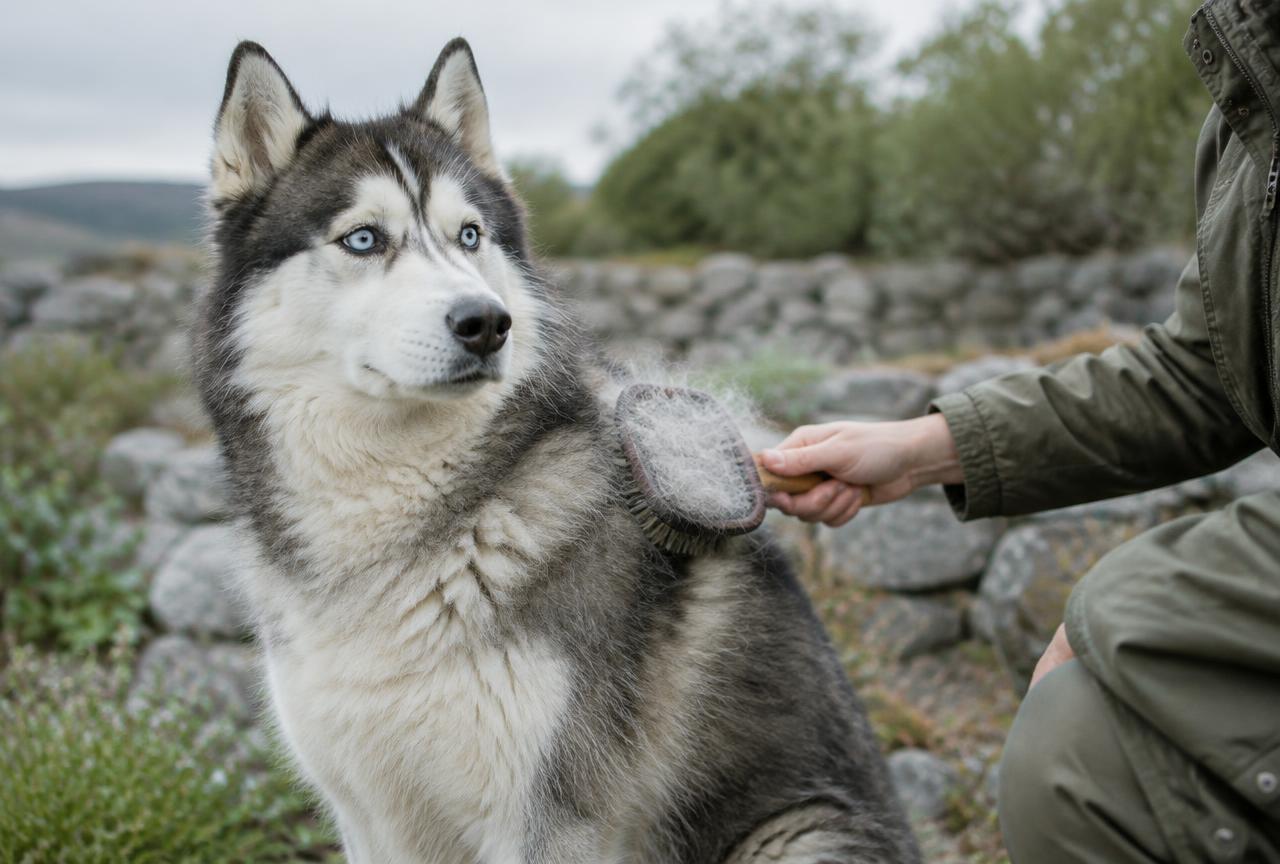
- 1Brush and comb twice a week, working through the leg furnishings and beard
- 2Hand-strip every six to eight weeks, or clip for a softer pet trim
- 3Rinse and comb the beard daily after meals
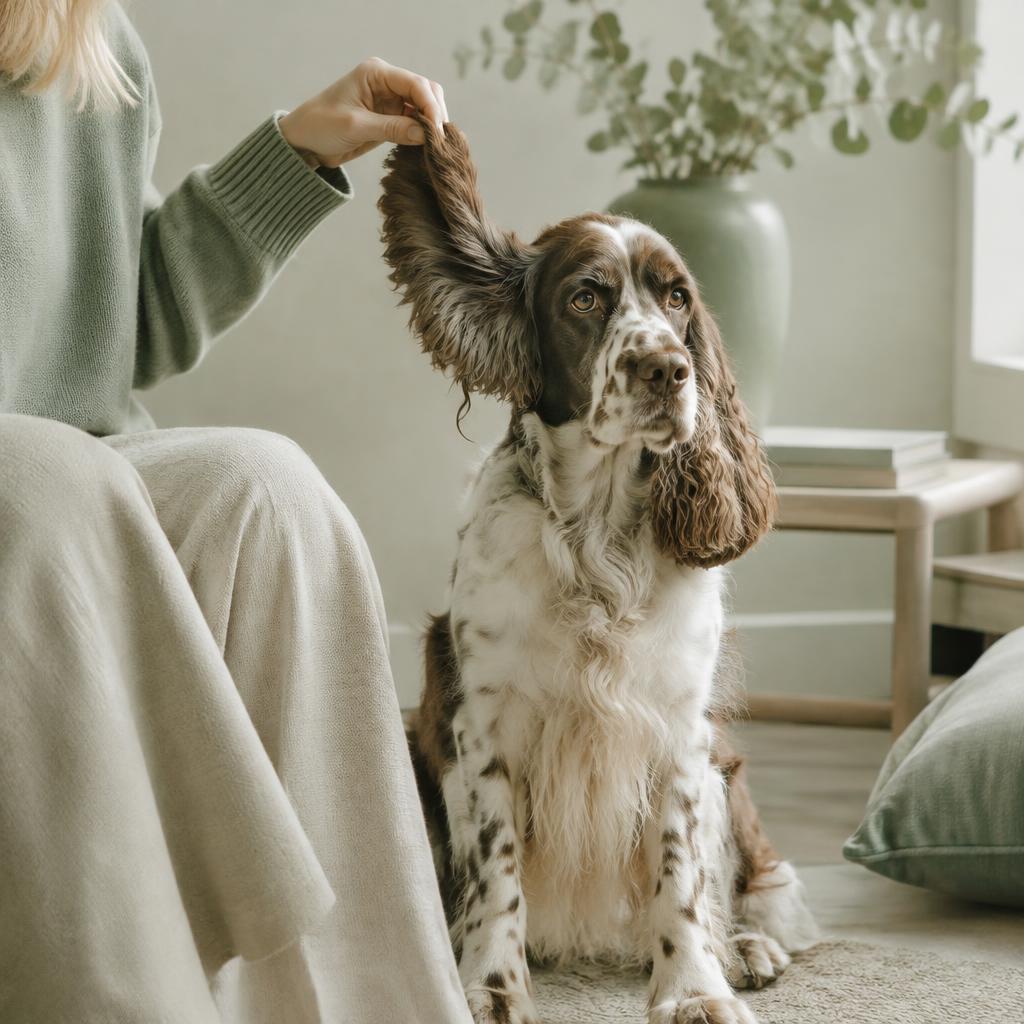
- 4Check ears weekly and keep hair in the ear canal tidy
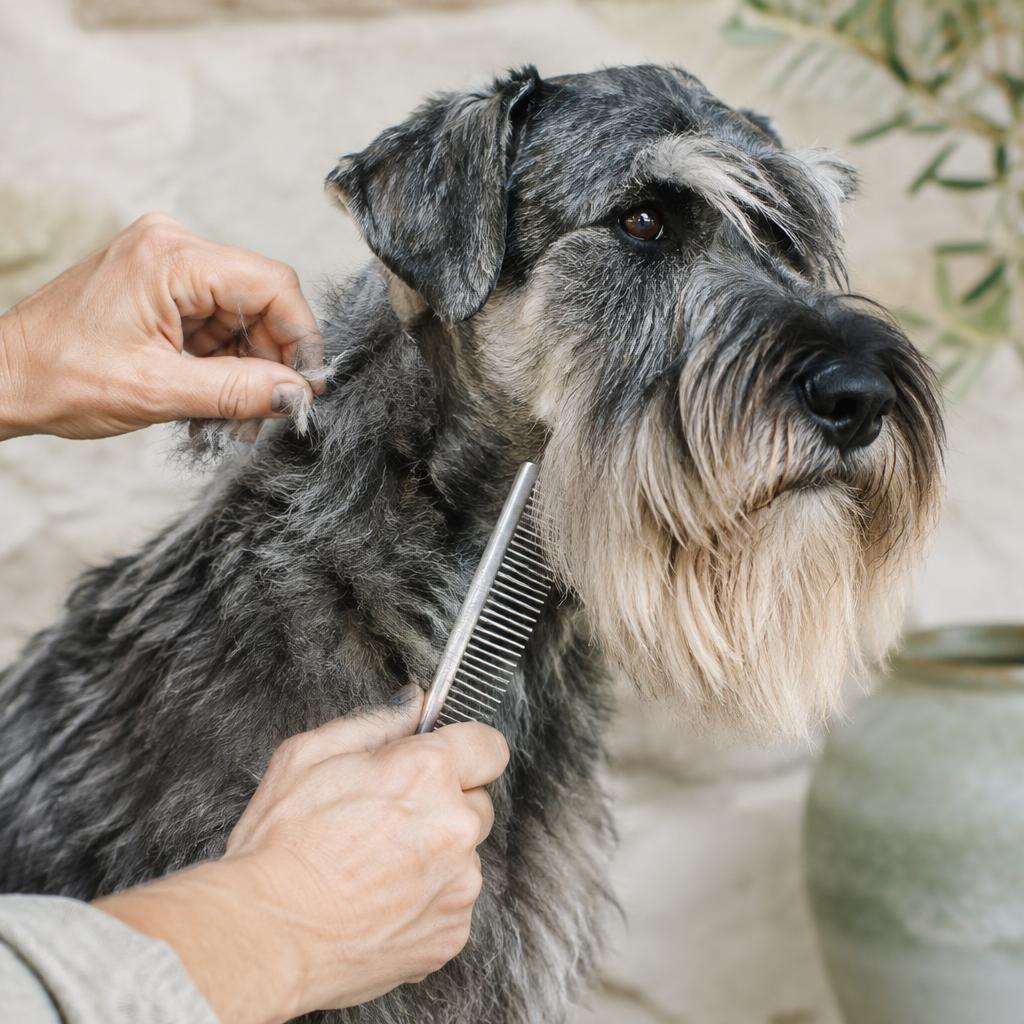
What you actually need
- Slicker brush
- Metal comb
- Stripping knife or stone
- Beard comb
- Ear cleaner
Puppy to adult
| Age | Male | Female | What is happening |
|---|---|---|---|
| 8 weeks | 2 to 3 kg | 1.8 to 2.8 kg | Bold and busy; start handling, name games and a toilet routine. |
| 3 months | 5 to 7 kg | 4.5 to 6.5 kg | Socialisation window; introduce visitors, dogs and town sounds. |
| 6 months | 9 to 13 kg | 8 to 12 kg | Adolescent opinions arrive; keep training varied and rewarding. |
| 9 months | 12 to 16 kg | 11 to 15 kg | Near adult height; first full coat may need its first strip. |
| 12 months | 14 to 18 kg | 13 to 17 kg | Close to adult size; beard and eyebrows well established. |
| 18 months | 15 to 20 kg | 14 to 18 kg | Fully grown; a confident, settled adult. |
Ranges are typical, not targets. Judge condition by ribs and waist, and check with the ideal weight checker.
What to ask a breeder
- Have the parents been hip scored and eye tested?
- Is there any family history of heart disease or cancer?
- Are the parents' temperaments steady with strangers and children?
- Do you hand-strip, and can you show me how?
- What health testing results can I see for both parents?
Health tests to ask for
Ask to see results for both parents before you put down a deposit.
- Hip scoring for both parents
- Eye examination by a veterinary ophthalmologist
- Ask about family history of heart disease and tumours
Health watch-list
What to ask a breeder about, and what to watch for over a lifetime. This is orientation, not veterinary advice, anything you notice belongs in front of a vet.
Hip dysplasia
UncommonUncommon but screened for. Ask for both parents' hip scores and keep youngsters lean while growing.
Eye conditions
UncommonHereditary cataracts occur in the breed. Parents should hold current eye examinations.
Heart disease
UncommonReported in some lines. Ask breeders about family history and keep up annual checks from middle age.
Tumours in old age
UncommonAs with many longer-lived breeds, lumps appear with age. Check the skin monthly and have new lumps assessed promptly.
Beard and skin irritation
CommonThe beard stays damp and can irritate the skin beneath. Rinse and dry it daily and comb out food debris.
What it costs to keep one
Realistic running cost
€96 / month
About €1,152 a year, or roughly €17,280 across a 15-year life, before purchase price, neutering and one-off vet events.
Before the puppy arrives. Budget roughly €750 to 1500 for a crate, bed, lead and harness, bowls, puppy classes, first vaccinations and grooming kit sized for this breed. Figures throughout are indicative and vary a good deal between countries.
Interactive · built for this breed
Is a Standard Schnauzer right for your home?
Seven honest questions about your space, time and household, checked against this breed's exercise need, coat, sociability and tolerance for time alone.
Fit with your routine
95%
A strong fit
Your routine suits a Standard Schnauzer well. Meet adult dogs of the line before you commit.
What to sort out first
- Needs more daily exercise than you have pencilled in.
- Coat needs more brushing or trimming than you have allowed.
Compare more breeds in the matchmaker, or plan meals with the portion calculator.
The verdict, by household
Excellent: robust, playful and devoted.
A good choice for owners who enjoy training and grooming routines.
One of the better medium breeds; very low shedding.
Workable with daily exercise, but the watchdog bark needs training.
When to call your vet
- Reluctance to exercise or stiffness after rest
- Cloudy eyes, redness or squinting
- New lumps or bumps, which are worth checking promptly at any age
- Coughing, breathlessness or reduced stamina, which can signal heart trouble
Nothing here is a diagnosis. A swollen, hard belly with retching, collapse, breathing difficulty and sudden hind-leg weakness are emergencies: go straight away.
Standard Schnauzer vs the closest alternatives
| Breed | Weight | Energy | Grooming | € / month |
|---|---|---|---|---|
| Standard Schnauzer | 14 to 20 kg | 7/10 | 6/10 | €96 |
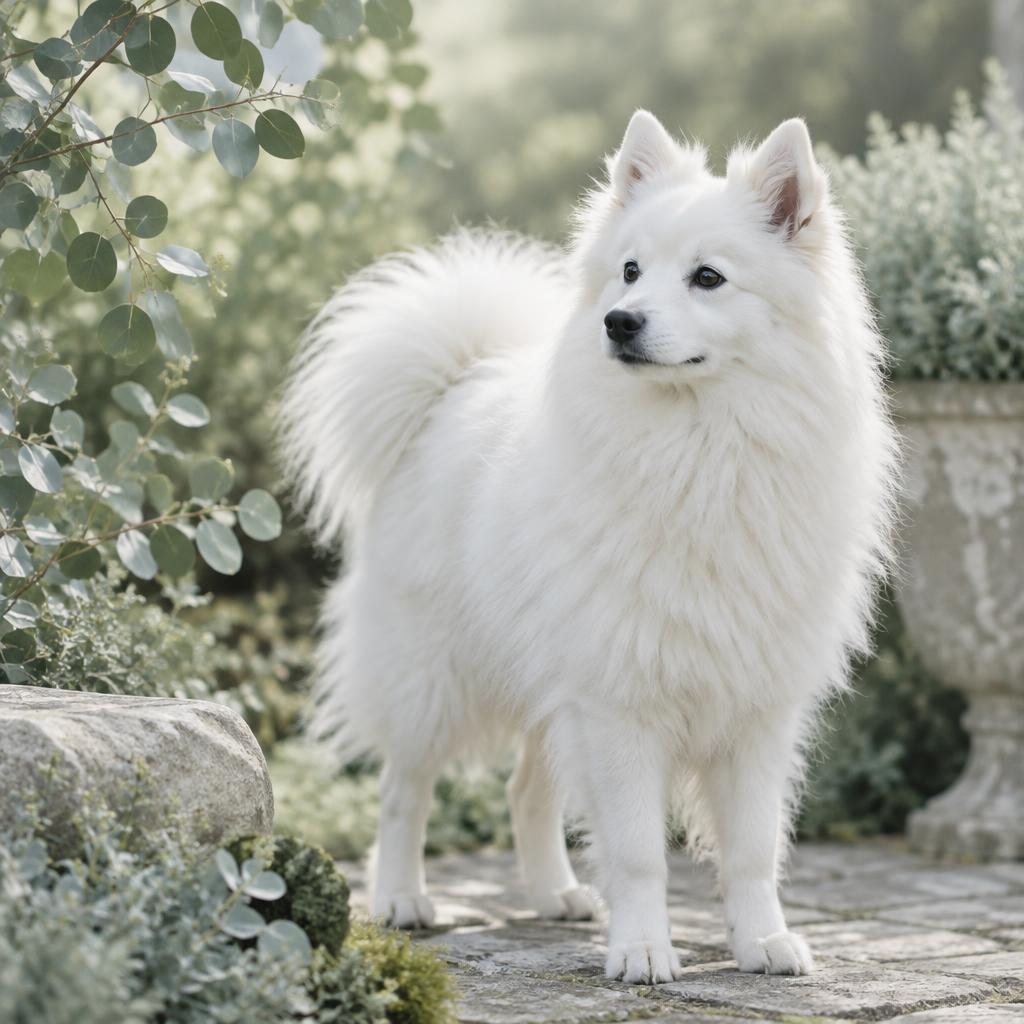
| American Eskimo Dog | 3 to 16 kg | 7/10 | 6/10 | €73 |
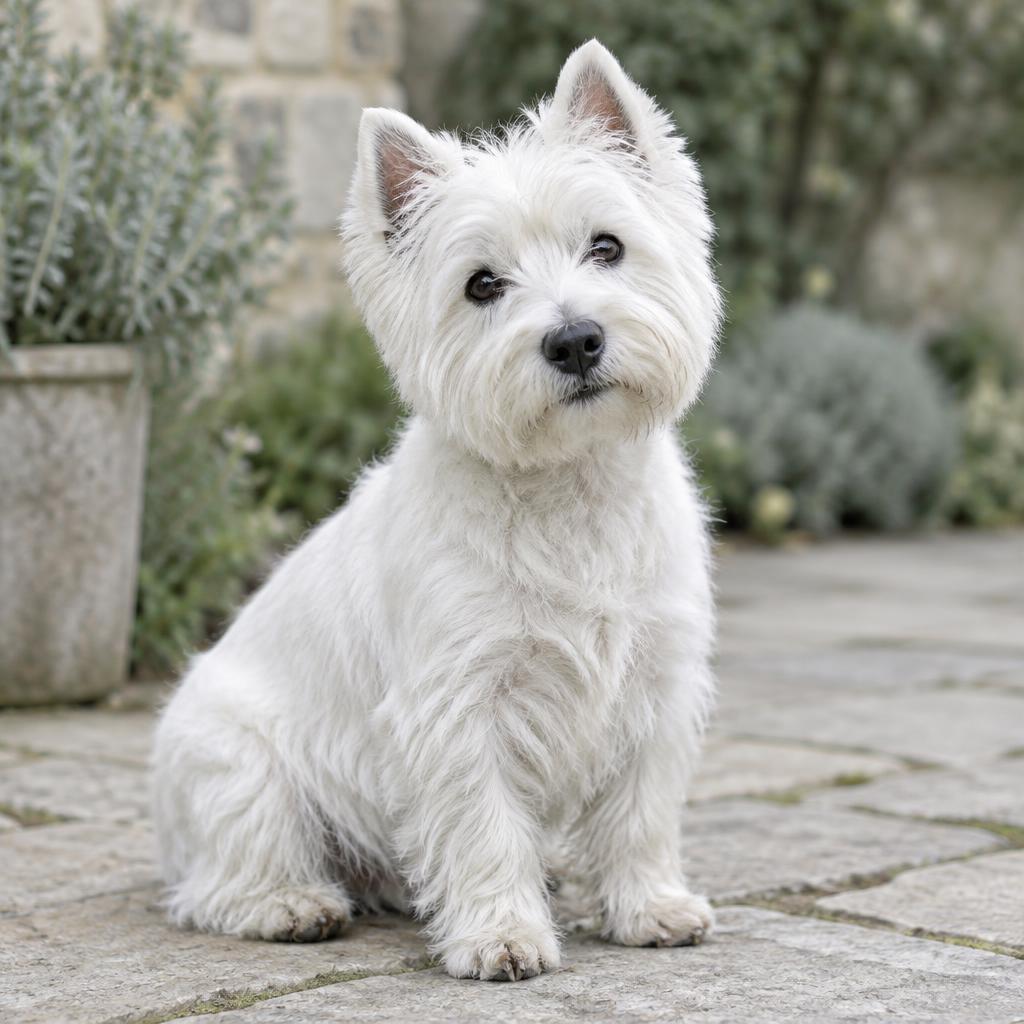
| West Highland White Terrier | 7 to 10 kg | 7/10 | 7/10 | €91 |
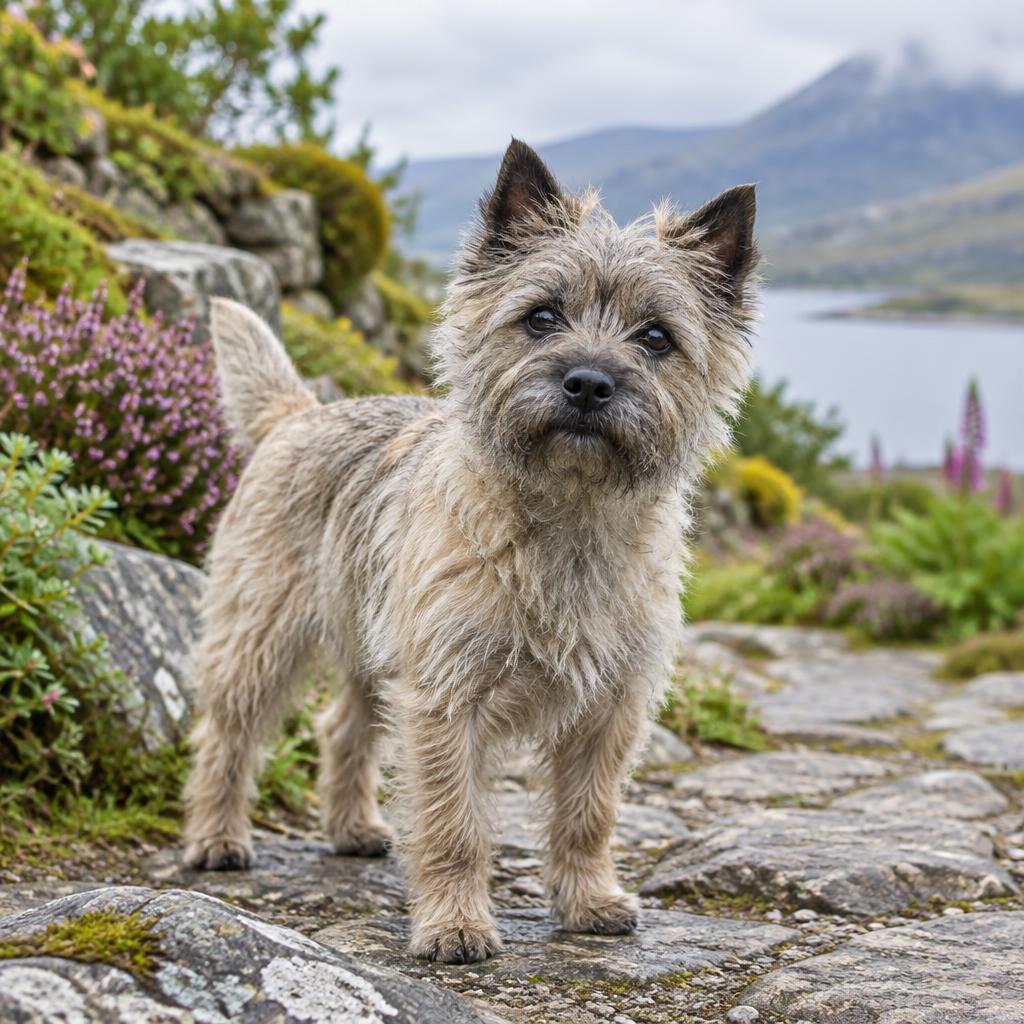
| Cairn Terrier | 5.5 to 8 kg | 7/10 | 6/10 | €110 |
Standard Schnauzer questions, answered
Do Standard Schnauzers shed?
Very little. The harsh double coat holds dead hair until stripped or brushed out, which makes the breed popular with allergy-conscious families. The trade-off is regular hand-stripping or clipping.
Are Standard Schnauzers good with children?
Yes, they are famously good with children in their own family: robust, playful and patient. As with any breed, supervise with young children and teach both sides the rules.
How much exercise does a Standard Schnauzer need?
Sixty to ninety minutes a day of walks, running, games and training. They are energetic and clever, so mental work matters as much as miles.
Do they bark a lot?
They are natural watchdogs with a deep, serious bark and they use it. Teach a quiet cue from puppyhood and give them enough to do; a bored Schnauzer comments on everything.
How much grooming does the coat need?
Brush and comb twice a week, rinse the beard daily, and hand-strip or clip every six to eight weeks. Many owners learn to strip at home; a groomer visit every couple of months is the alternative.
What is the difference between the three Schnauzer sizes?
The Standard is the original German farm dog at 14 to 20 kilos. The Miniature was bred down for ratting, the Giant bred up for driving and guard work. All share the bearded look and alert character, scaled to size.