Terrier group
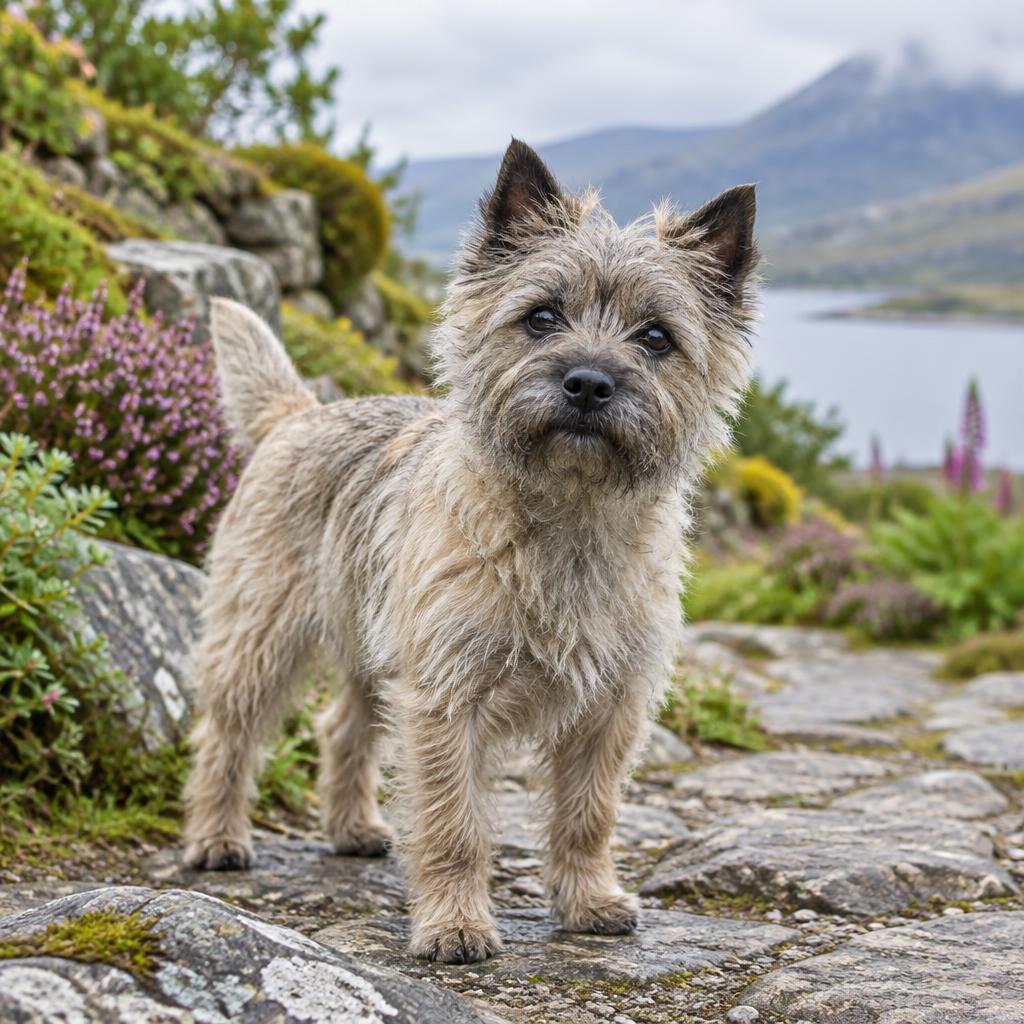
The Cairn Terrier developed on the Isle of Skye and across the Scottish Highlands, where crofters needed a small, game dog able to work its way into cairns of loose stone to flush foxes, otters and other vermin. It is one of the oldest of the Highland terrier breeds and shares ancestry with the West Highland White and Scottish Terrier. The breed gained worldwide fame when a Cairn Terrier played Toto in The Wizard of Oz, though the real dog behind that image is a tough working terrier rather than a decorative pet.
Cairn Terrier
The Cairn Terrier is a bold, shaggy little earth dog from the Scottish Highlands, famous as Toto but built for digging, chasing and standing its ground. It rewards owners who respect its independence and commit to its wiry coat.
Reviewed by the SniffScroll editorial desk
A small, shaggy earth dog with a big opinion about every rustle in the hedge.
The short version
- A genuine working terrier with strong digging and prey drive instincts.
- Alert and vocal by nature, needing training to manage barking in close quarters.
- Independent and intelligent, responding best to reward based training.
- The wiry coat benefits from hand stripping, though clipping is a common alternative.
- Typically a long-lived, sturdy small dog well suited to active family life.
- Weight
- 5.5 to 8 kg
- Height
- 23 to 28 cm
- Lifespan
- 12 to 15 yrs
- Size
- Small
- Group
- Terrier
- Coat
- Harsh, weatherproof double coat with a soft undercoat, in wheaten, red, grey, black or brindle.
- Grown male
- 6 to 8 kg
- Grown female
- 5.5 to 7.5 kg
- Years to full size
- about 1
- One-off setup
- €400 to 950
Get one if…
- Owners who enjoy a dog with real character and a stubborn streak
- People willing to commit to regular coat care, stripped or clipped
- Households with a secure garden rather than an open, unfenced space
- Families with children old enough to play respectfully with a small dog
- Flat dwellers who can give the breed a proper daily outlet for its energy
Think again if…
- Owners wanting a naturally quiet dog that rarely barks
- Homes with small pets such as rabbits or guinea pigs in the same space
- Anyone expecting a biddable dog that obeys without negotiation
- Households unable to provide a secure, fenced garden for digging and play
- Owners unwilling to groom regularly or pay for professional stripping
Trait profile
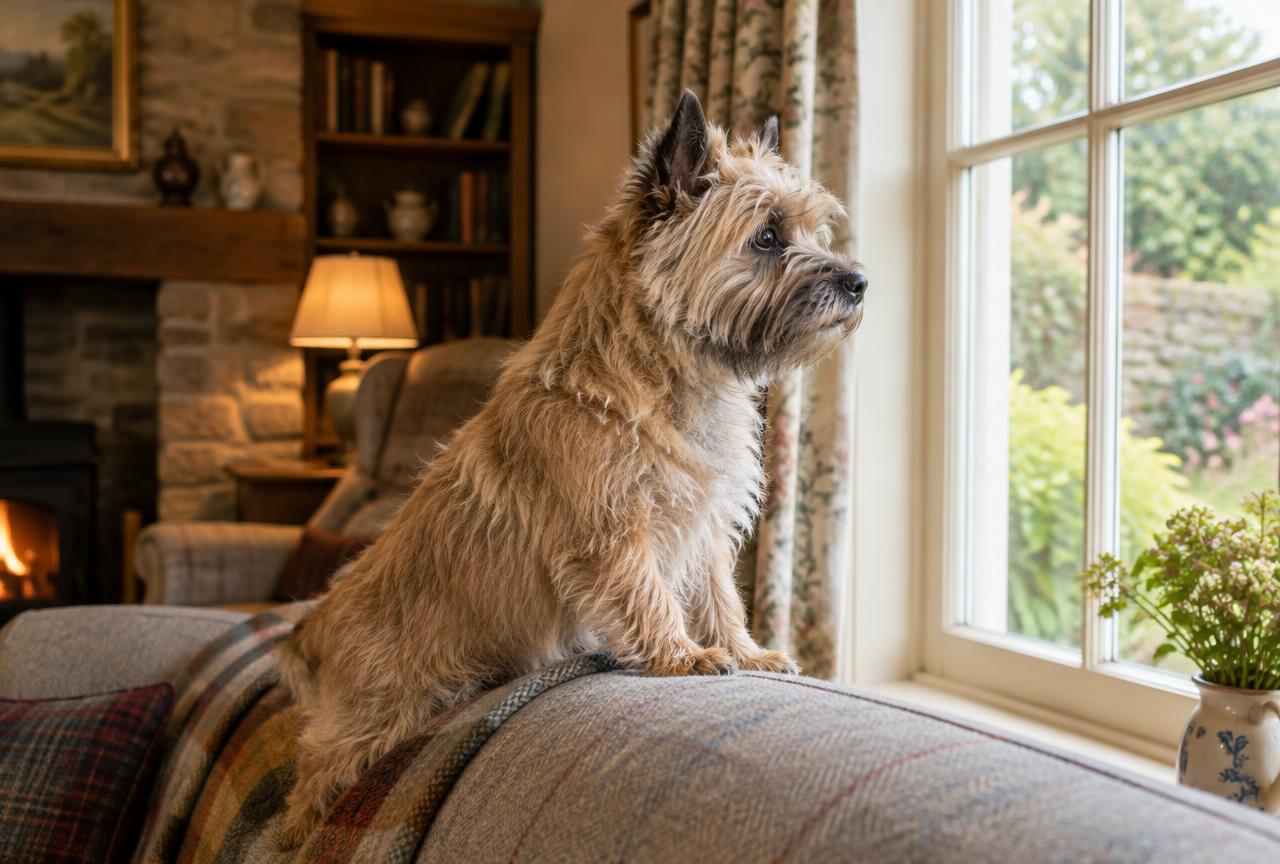
The Cairn Terrier is a genuine working earth dog at heart, built to dig, chase and alert, and it never quite forgets that job no matter how comfortable the sofa.
Space & setup. Cairn Terriers can do well in a flat provided they get daily walks and some off-lead running time in a secure space, as their terrier energy and vocal alertness need a proper outlet rather than confinement alone.
Allergies. The wiry, low-shedding coat is more manageable for some mildly allergic households than a smooth double coat, but the Cairn Terrier is not hypoallergenic and regular brushing still releases loose hair and dander.
Living with a Cairn Terrier
The Cairn Terrier is a sturdy, weatherproof little hunter from the Scottish Highlands, bred to bolt foxes and otters from rock piles called cairns. Beneath the tousled coat and the famous Toto association sits a bold, independent terrier with a strong prey drive and a mind of its own.
Most people meet the Cairn Terrier through a cinema screen. Toto, the plucky companion in The Wizard of Oz, gave the breed a reputation for being a soft, portable little dog that rides along quietly in a basket. The real Cairn Terrier is nothing of the sort. This is a working earth dog bred on Skye and across the Scottish Highlands to squeeze into cairns of loose stone and bolt foxes, otters and rats. Everything about the breed, from the compact, muscular body to the famously independent mind, was shaped by that job, and owners who understand this tend to get on with their Cairn far better than those expecting a cinematic lapdog.
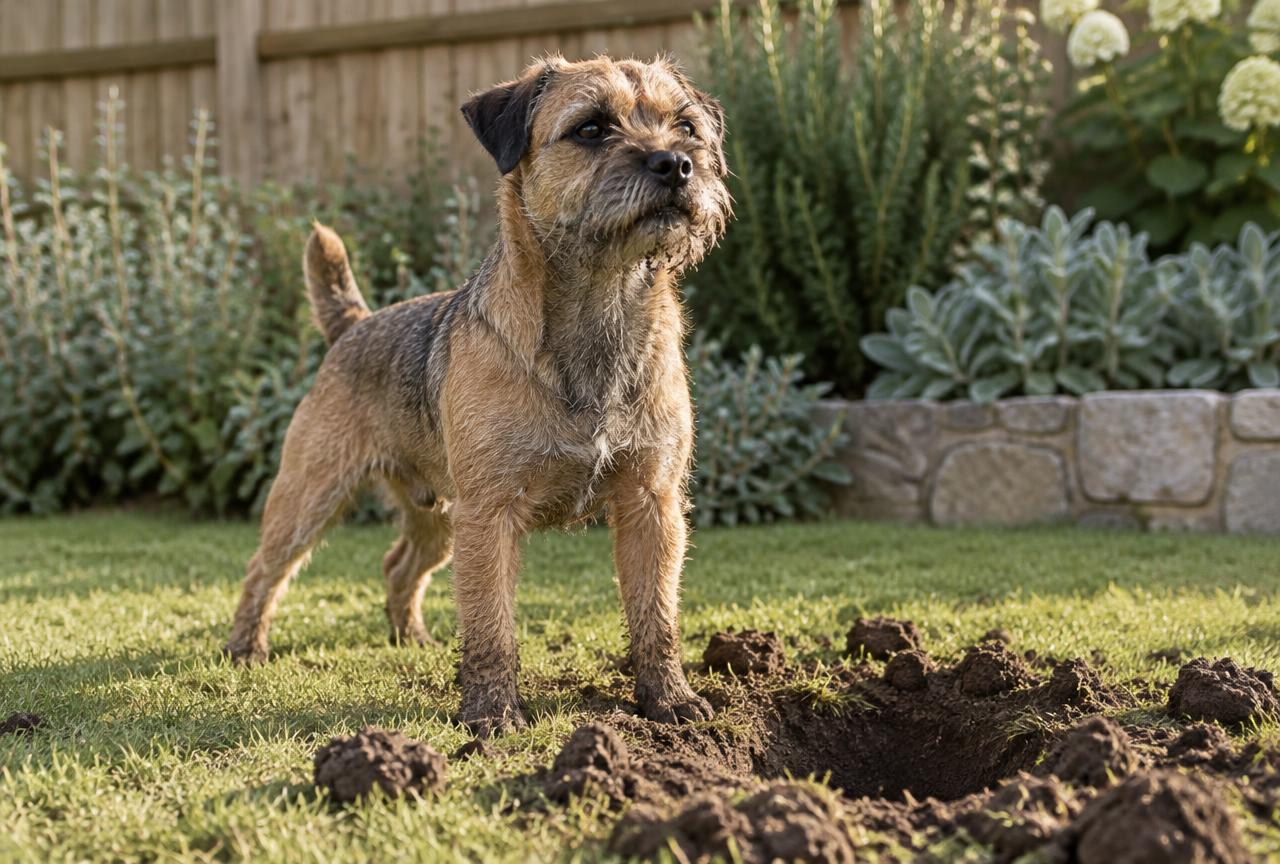
The defining trait of the Cairn Terrier is its terrier nature, full stop. These are bold, inquisitive dogs that notice everything and investigate most of it with their nose and their paws. Digging is not a bad habit to be trained out, it is close to a reflex, and a Cairn left alone in a garden will often reshape the flowerbeds within an afternoon. Prey drive is strong and genuine, not a quirk. A Cairn Terrier that spots a squirrel, a cat, or anything scuttling through the undergrowth is likely to give chase without a backward glance, and recall around genuinely tempting prey is never fully reliable. A secure garden and a lead in open spaces are non-negotiable rather than optional extras.
Alertness is another hallmark, and it comes with a vocal streak. Cairn Terriers were valued for announcing anything unusual, and that instinct has not faded. Expect barking at passers-by, delivery vans, next door's cat and the wind changing direction. This can be shaped with consistent training, teaching a dog to give one or two alert barks and then settle, but owners hoping for a naturally quiet dog should look elsewhere. In a flat with close neighbours this needs active management from puppyhood, not an afterthought once complaints start.
Training a Cairn Terrier is a genuinely rewarding but humbling experience. They are intelligent dogs, quick to learn what they want to learn, and considerably slower to comply with instructions that do not interest them. Food and play based reward training works far better than any attempt at forceful correction, which tends to produce a shut down or defiant dog rather than a cooperative one. Early, frequent socialisation matters enormously, particularly around larger dogs, since Cairns often have no sense of their own size and will stand their ground against dogs many times their weight. This boldness is endearing but can get a small dog into real trouble if it is not tempered by good manners around unfamiliar animals.
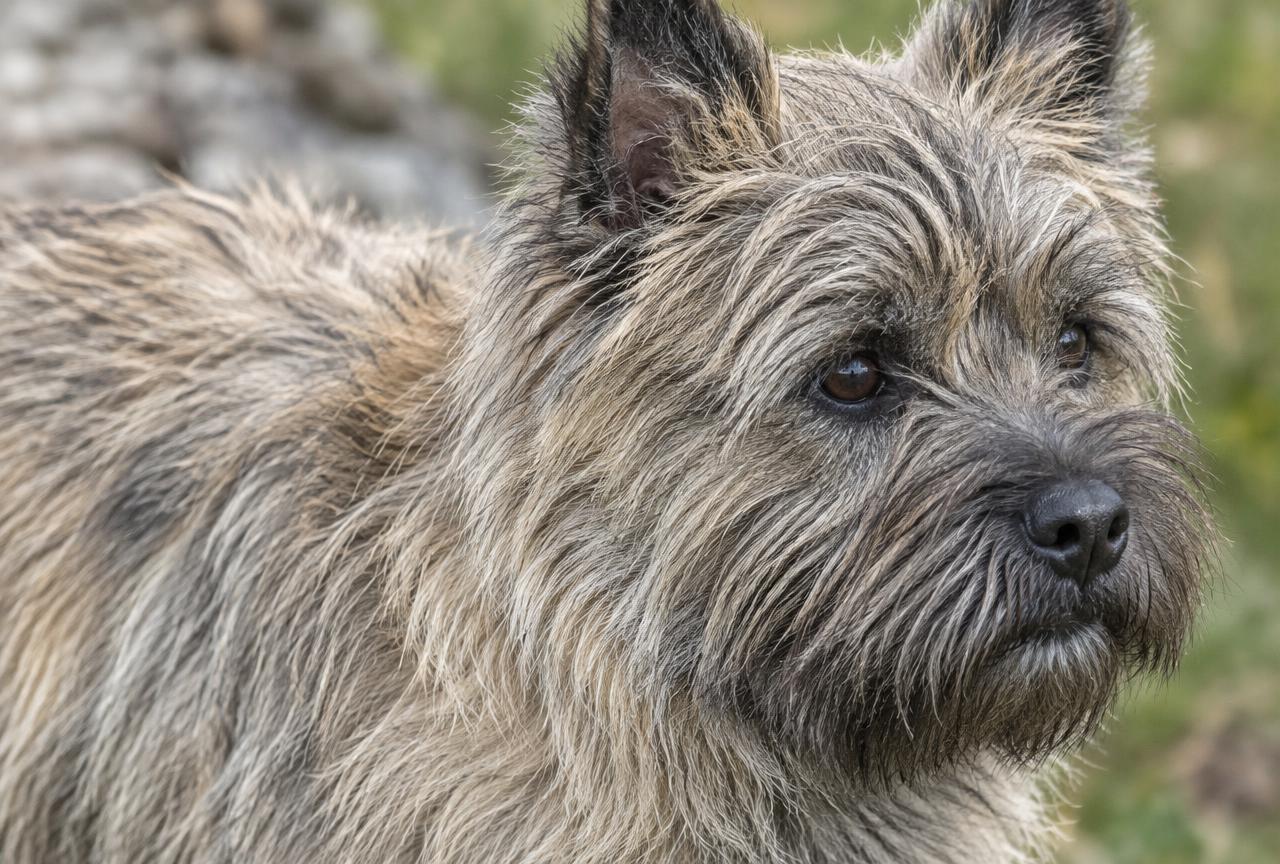
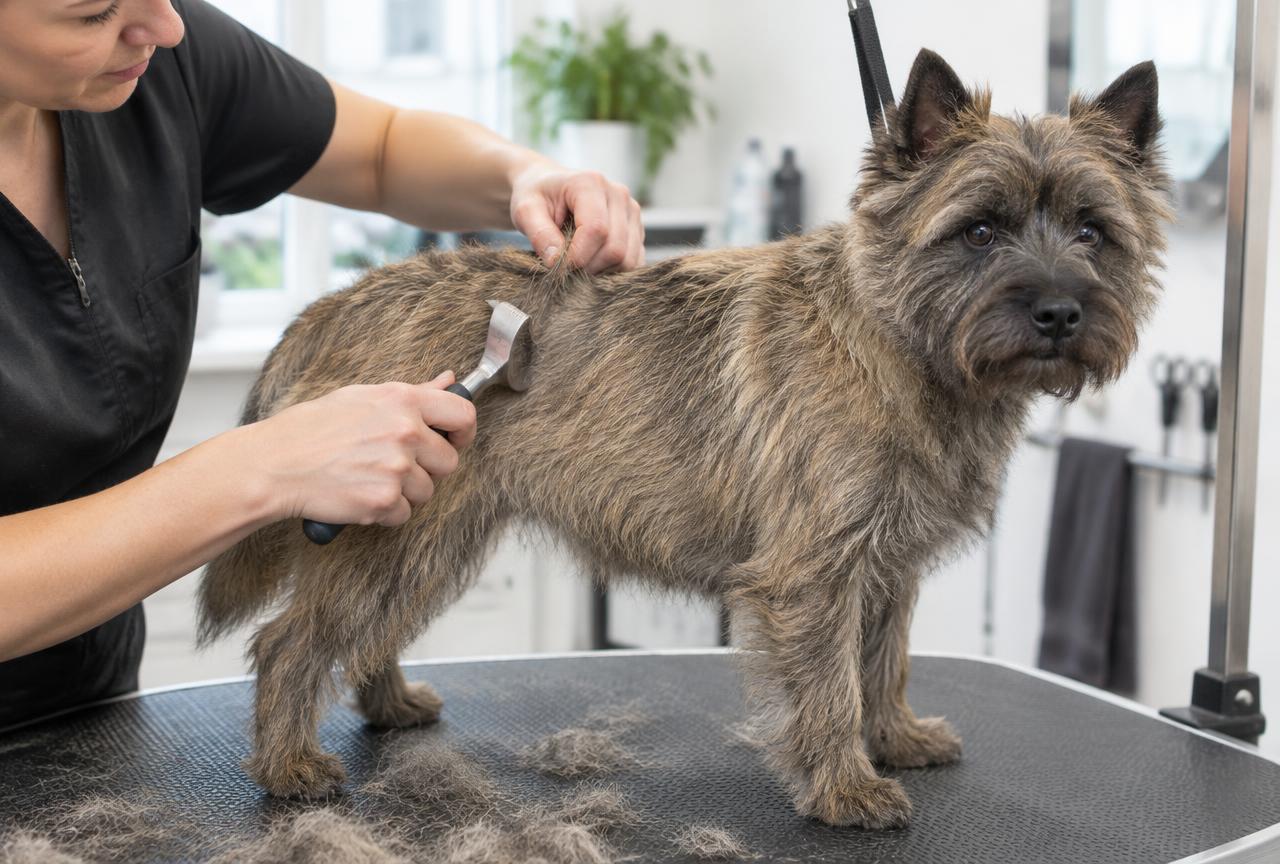
The coat is a defining feature and a genuine commitment. The harsh, weatherproof double coat was designed to shed mud and withstand brambles, and it needs regular brushing to prevent matting, particularly behind the ears and around the legs. Traditionally the coat is hand stripped, pulling out dead hair by hand or with a stripping knife to maintain the correct wiry texture and colour. Many pet owners choose clipping instead for convenience, which is a reasonable choice but will soften the coat texture and lighten the colour over time. Whichever route is chosen, this is a dog that needs a proper grooming routine, not an occasional brush when the fur starts clumping.
Health wise, the Cairn Terrier is a robust little breed and often lives a notably long life for a dog of any size, frequently into its mid teens. Patellar luxation, where the kneecap slips out of place, and dental crowding in the small jaw are the most common concerns, along with a tendency towards allergies and skin sensitivities. A rarer condition called craniomandibular osteopathy can affect puppies' jaws but is generally outgrown by adulthood. Responsible breeders screen for eye conditions including ocular melanosis, a condition more prevalent in this breed than many others, so health testing matters when choosing a puppy.
For the right home, a Cairn Terrier is a wonderfully game, loyal companion. They do well with children who treat them with the respect a feisty terrier deserves, they adapt surprisingly well to flat living provided their energy and prey drive have a proper outlet, and they bring a sense of humour and curiosity to daily life that larger, calmer breeds sometimes lack. What they ask for in return is patience with their independence, commitment to their coat, and an owner willing to manage a dog that genuinely believes it is in charge of the household's security.
The Cairn Terrier is a small dog with a large personality, happiest when it has a job, even if that job is self-appointed sentry duty. It suits owners who find terrier stubbornness charming rather than frustrating, and who will commit to the hand stripping or clipping the wiry coat needs.
Exercise, day to day
- 1Puppies: short, varied sessions of ten to fifteen minutes to protect developing joints.
- 2Adults: one to two walks a day totalling 45 to 60 minutes, mixed with sniffing and exploring time.
- 3Secure garden time: daily off-lead play in a fenced space to satisfy digging and chasing instincts.
- 4Mental stimulation: puzzle feeders and scent games to tire an active terrier mind.
- 5Lead discipline: keep on a lead near wildlife, livestock or roads given the strong prey drive.
Grooming, realistically
- 1Brush two to three times a week to prevent matting around the legs and ears.
- 2Decide between hand stripping and clipping; hand strip every four to six months for the correct texture and colour.
- 3If clipping instead, book a trim every six to eight weeks to keep the coat manageable.
- 4Check and clean ears weekly, as drop ears can trap moisture and debris.
- 5Brush teeth several times a week given the breed's tendency towards crowded, small jaws.
What you actually need
- Slicker brush
- Stripping knife or stripping mitt
- Wide-toothed metal comb
- Dog-safe ear cleaner and cotton pads
- Nail clippers or grinder
- Dog-safe toothpaste and toothbrush
Puppy to adult
| Age | Male | Female | What is happening |
|---|---|---|---|
| 8 weeks | 1.2 to 1.6 kg | 1.1 to 1.5 kg | Tiny and curious; begin gentle handling and early socialisation now. |
| 3 months | 2.3 to 3 kg | 2.1 to 2.8 kg | Energy is rising fast; short, varied walks suit this stage well. |
| 6 months | 4 to 5.2 kg | 3.7 to 4.8 kg | Adult teeth are in; coat texture starts to show its wiry character. |
| 9 months | 5 to 6.5 kg | 4.6 to 6 kg | Nearing adult proportions; prey drive and independence become clearer. |
| 12 months | 5.8 to 7.4 kg | 5.3 to 6.9 kg | Close to full size; first proper hand strip or clip is often due. |
| 18 months | 6 to 8 kg | 5.5 to 7.5 kg | Fully mature in body and temperament, with an established routine. |
Ranges are typical, not targets. Judge condition by ribs and waist, and check with the ideal weight checker.
What to ask a breeder
- Have the parents had their eyes checked for ocular melanosis and other eye conditions?
- Have the parents been assessed for patellar luxation?
- Is there any history of craniomandibular osteopathy in the line?
- How has the litter been socialised to noise, handling and other dogs?
- What is the recommended coat care routine for this particular bloodline?
Health tests to ask for
Ask to see results for both parents before you put down a deposit.
- Annual eye checks, including screening for ocular melanosis and glaucoma.
- Patella assessment to check for luxation at each veterinary visit.
- Dental examinations given the breed's tendency towards crowding and disease.
- Skin and allergy monitoring, particularly in warmer months.
- Jaw assessment in puppies if craniomandibular osteopathy is suspected.
Health watch-list
What to ask a breeder about, and what to watch for over a lifetime. This is orientation, not veterinary advice, anything you notice belongs in front of a vet.
Patellar luxation
CommonThe kneecap can slip out of its groove, causing an occasional skip or hop in the back leg. Mild cases need no treatment, but persistent slipping should be assessed by a vet.
Dental disease
CommonThe small jaw can lead to crowded teeth and tartar build up. A daily brushing habit from puppyhood makes a real difference over the dog's long lifespan.
Craniomandibular osteopathy
OccasionalThis puppy jaw condition causes painful bony growth around the jaw joint, usually appearing between four and eight months. Most puppies are outgrown of it by around a year old.
Ocular disorders
NotableCairn Terriers are prone to ocular melanosis and glaucoma, which can affect vision and comfort if untreated. Annual eye checks help catch changes early.
Allergies and skin sensitivities
NotableItching, licking and recurrent ear or skin irritation can point to environmental or food allergies. Identifying and managing triggers usually brings good control.
Obesity
Common with ageThis small, food motivated breed can gain weight easily as it ages and activity slows. Measured meals and regular exercise help protect the joints and heart.
What it costs to keep one
Realistic running cost
€110 / month
About €1,320 a year, or roughly €18,480 across a 14-year life, before purchase price, neutering and one-off vet events.
Before the puppy arrives. Budget roughly €400 to 950 for a crate, bed, lead and harness, bowls, puppy classes, first vaccinations and grooming kit sized for this breed. Figures throughout are indicative and vary a good deal between countries.
Interactive · built for this breed
Is a Cairn Terrier right for your home?
Seven honest questions about your space, time and household, checked against this breed's exercise need, coat, sociability and tolerance for time alone.
Fit with your routine
95%
A strong fit
Your routine suits a Cairn Terrier well. Meet adult dogs of the line before you commit.
What to sort out first
- Needs more daily exercise than you have pencilled in.
- Coat needs more brushing or trimming than you have allowed.
Compare more breeds in the matchmaker, or plan meals with the portion calculator.
The verdict, by household
Good
Manageable in size but the independent streak means patience and consistency matter from day one.
Good
Sturdy and playful with children who treat the dog respectfully and do not overwhelm it.
Excellent
A willing walking companion that thrives on varied, interesting outings and new environments.
Challenging
The breed's natural vocal alertness needs careful early training to avoid disturbing neighbours.

When to call your vet
- A kneecap that slips or a hopping, skipping gait, which may indicate patellar luxation.
- Bad breath or reluctance to chew, which can point to dental crowding or disease.
- Cloudiness, redness or visible pigment changes in the eyes, worth checking for ocular melanosis.
- Persistent scratching, licking or red skin, which may suggest allergies.
- Jaw swelling or pain in a young puppy, a sign of craniomandibular osteopathy.
Nothing here is a diagnosis. A swollen, hard belly with retching, collapse, breathing difficulty and sudden hind-leg weakness are emergencies: go straight away.
Cairn Terrier vs the closest alternatives
| Breed | Weight | Energy | Grooming | € / month |
|---|---|---|---|---|
| Cairn Terrier | 5.5 to 8 kg | 7/10 | 6/10 | €110 |
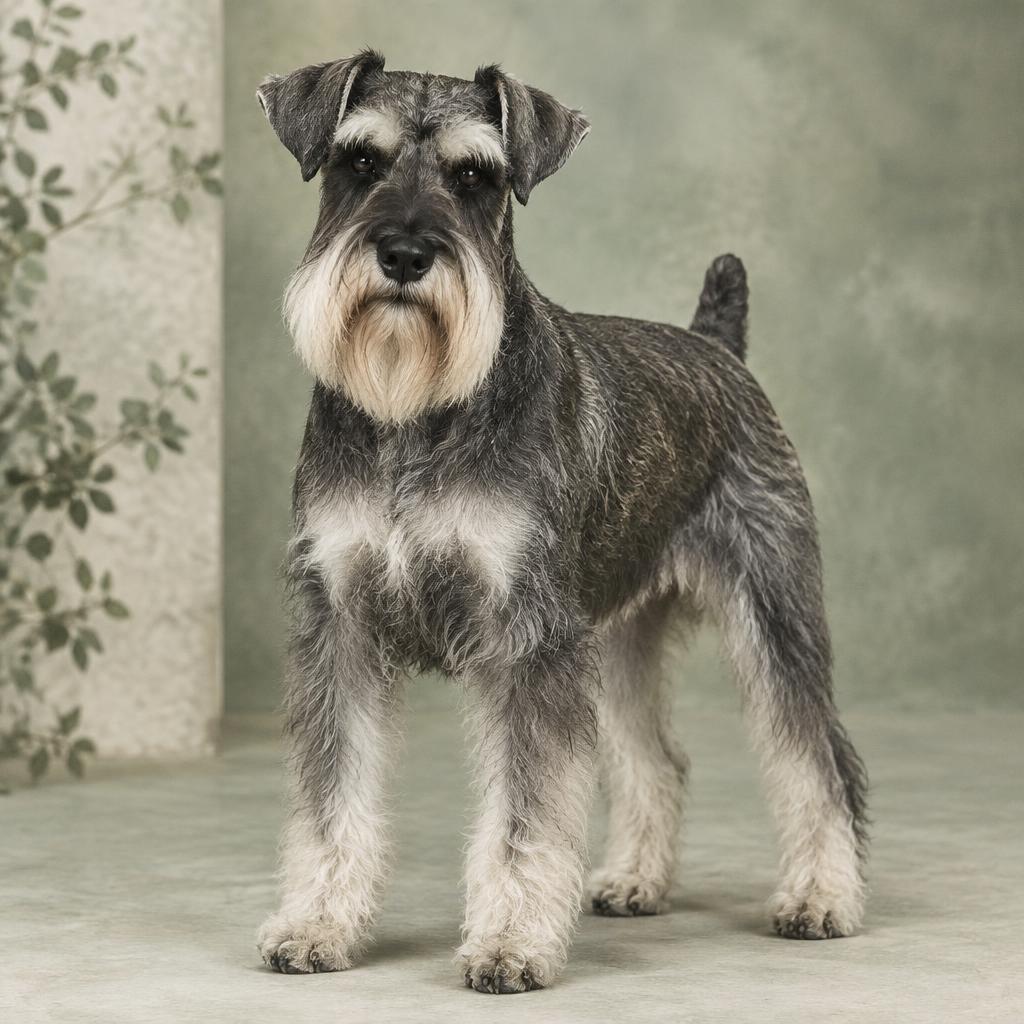
| Standard Schnauzer | 14 to 20 kg | 7/10 | 6/10 | €96 |
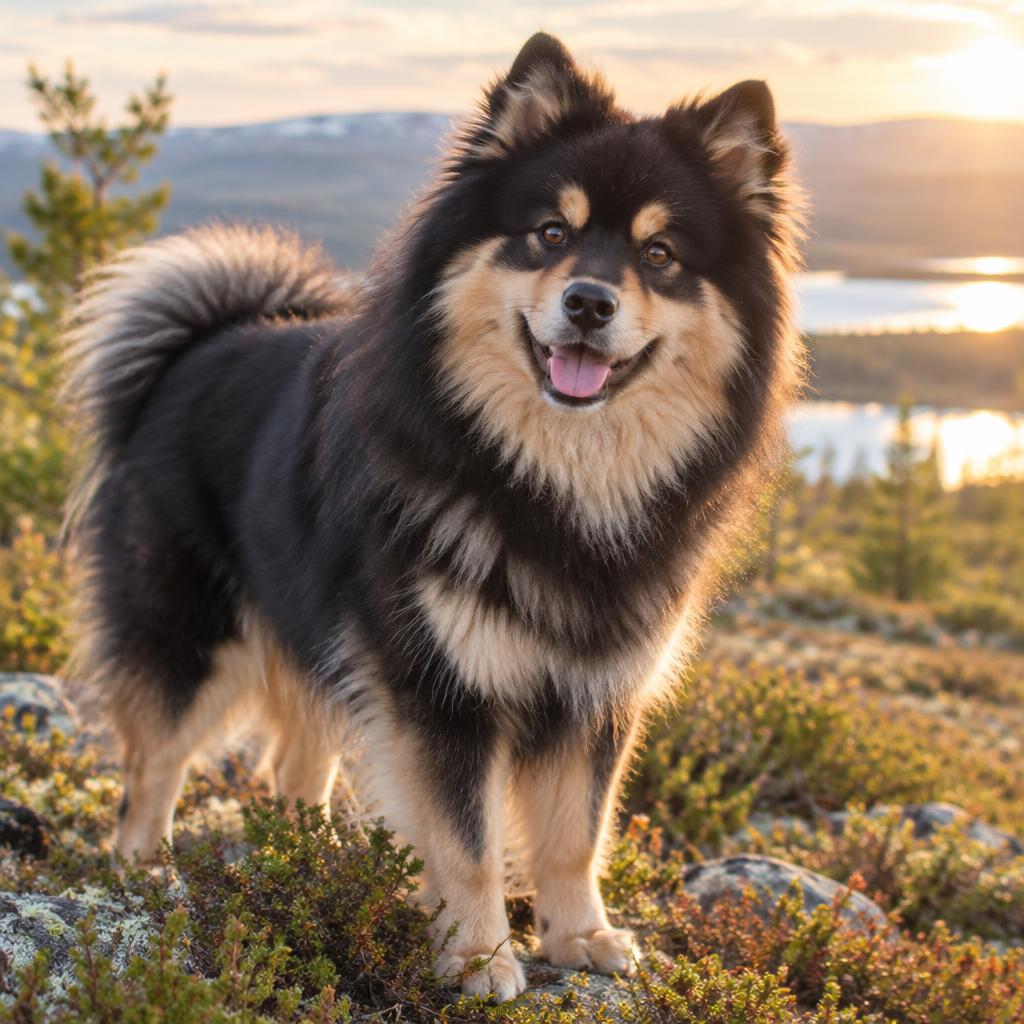
| Finnish Lapphund | 15 to 24 kg | 7/10 | 5/10 | €89 |
| American Eskimo Dog | 3 to 16 kg | 7/10 | 6/10 | €73 |
Cairn Terrier questions, answered
Are Cairn Terriers good family dogs?
Yes, Cairn Terriers are sturdy and playful with children who treat them respectfully, and their small size suits family life well. Supervision is still wise with very young children given the breed's bold, independent nature.
Do Cairn Terriers bark a lot?
They can be quite vocal, as the breed was bred to alert its owner to anything unusual. Early, consistent training can teach a Cairn Terrier to settle after a bark or two rather than continuing indefinitely.
Do Cairn Terriers shed?
Cairn Terriers shed lightly thanks to their wiry double coat, though regular brushing is still needed to remove loose and dead hair. They are not considered hypoallergenic despite the low shedding.
What is hand stripping?
Hand stripping is the traditional method of removing dead hair from a wiry coat by hand or with a stripping knife, rather than cutting it. It maintains the coat's correct harsh texture and true colour, and is usually done every four to six months.
Are Cairn Terriers good with other pets?
Their strong prey drive means they often chase cats, rabbits and other small animals, so introductions need care and should start young. They can live happily alongside other dogs, especially with good early socialisation.
How much exercise does a Cairn Terrier need?
Around 45 to 60 minutes of walking a day, combined with some off-lead time in a secure space, suits most adult Cairn Terriers well. They also appreciate mental stimulation such as scent games to tire an active mind.
How long do Cairn Terriers live?
Cairn Terriers are a notably long-lived small breed, typically reaching 12 to 15 years with good care. Regular health screening and a healthy weight help many dogs live well into their teens.