Pastoral group
Finland
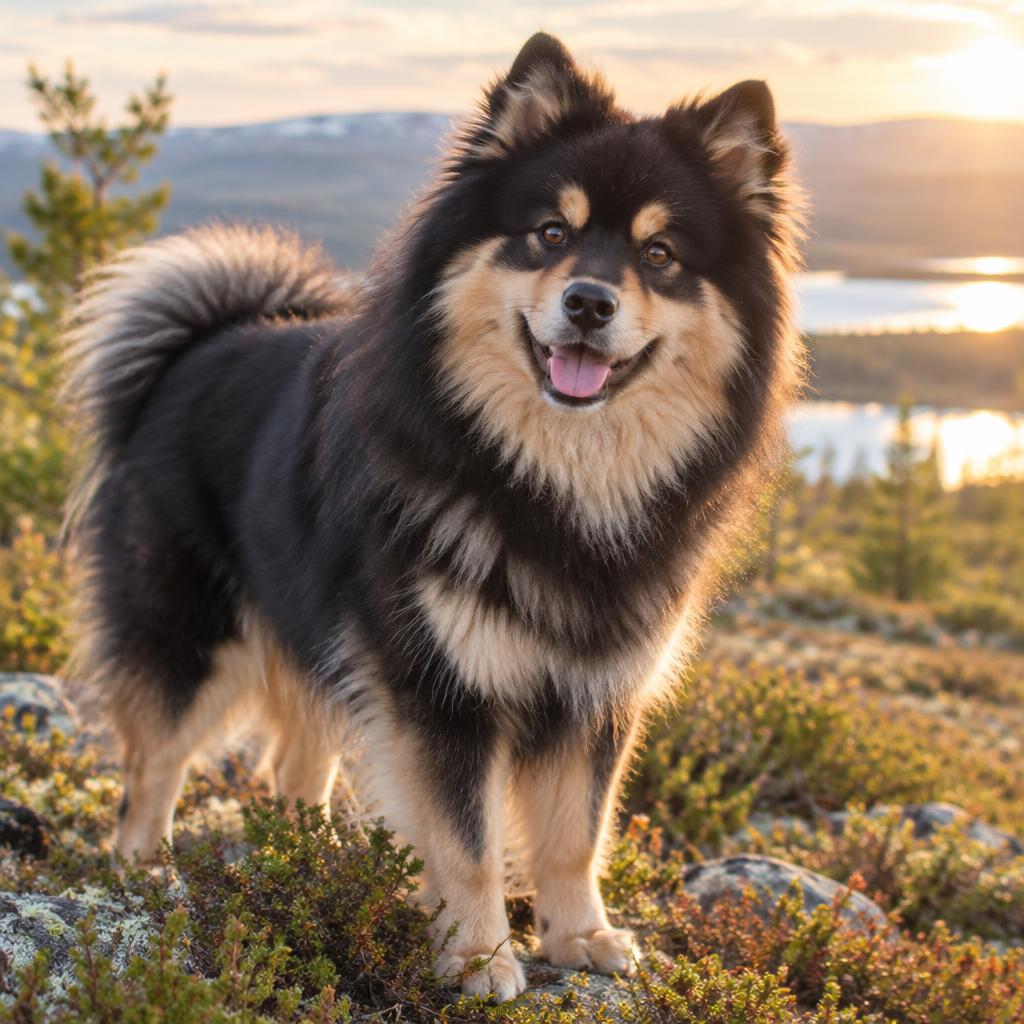
Finnish Lapphund
A friendly, clever reindeer herder for active families who can live with the voice and the coat.
Reviewed by the SniffScroll editorial team
The friendly reindeer herder
The short version
- Softer and more biddable than most spitz breeds,Alert and vocal: barking is bred in, train quiet early,Thick double coat needs real brushing, especially in shed season,DNA tests exist for PRA and Pompe disease: expect tested parents
- Weight
- 15 to 24 kg
- Height
- 41 to 52 cm
- Lifespan
- 12 to 15 yrs
- Size
- Medium
- Group
- Pastoral
- Coat
- Thick, profuse double coat, weatherproof
- Grown male
- 20 to 24 kg
- Grown female
- 15 to 20 kg
- Years to full size
- about 1.5
- One-off setup
- €700 to 1400
Get one if…
- Active families wanting a friendly northern breed
- Owners interested in agility, obedience or herding
- Cold-climate households
- People wanting a spitz type with a softer temperament
Think again if…
- Homes needing a quiet dog
- Low-activity households
- Allergy sufferers
- Hot climates
Trait profile
Scores reflect a friendly herding spitz: trainable and affectionate, vocal and hairy.
Space & setup. Adapts to various homes if exercised well; a secure garden helps for off-lead play.
Allergies. Not suitable for allergy sufferers; the profuse double coat sheds heavily twice a year.
Living with a Finnish Lapphund
The Finnish Lapphund herded reindeer for the Sami people above the Arctic Circle, and it carries that heritage in a thick double coat, a quick mind and a surprisingly soft, friendly temperament for a spitz. It is more biddable and people-focused than most northern breeds, good with children and other dogs, and increasingly popular as an active family companion. The honest costs are barking, shedding and a herding instinct that needs an outlet.
The Finnish Lapphund is the answer for people who love the spitz look but not the spitz attitude. Where many northern breeds are aloof and stubborn, the Lapphund is friendly, eager to please and genuinely biddable, the result of centuries working in close partnership with Sami herders.
At home it is a gentle, affectionate dog that is famously good with children and sociable with other dogs. It is alert and will announce visitors, and it is fair to say the breed likes the sound of its own voice: barking was how it moved reindeer, and modern Lapphunds retain the habit. Early training of a quiet cue is time well spent.
The herding brain needs work. Lapphunds are clever and learn fast, excelling at obedience, agility, herding trials and trick training. Ninety minutes of exercise a day, plus mental work, keeps them settled. Left under-stimulated they invent herding games with children, cars or other pets, and they can be noisy about it.
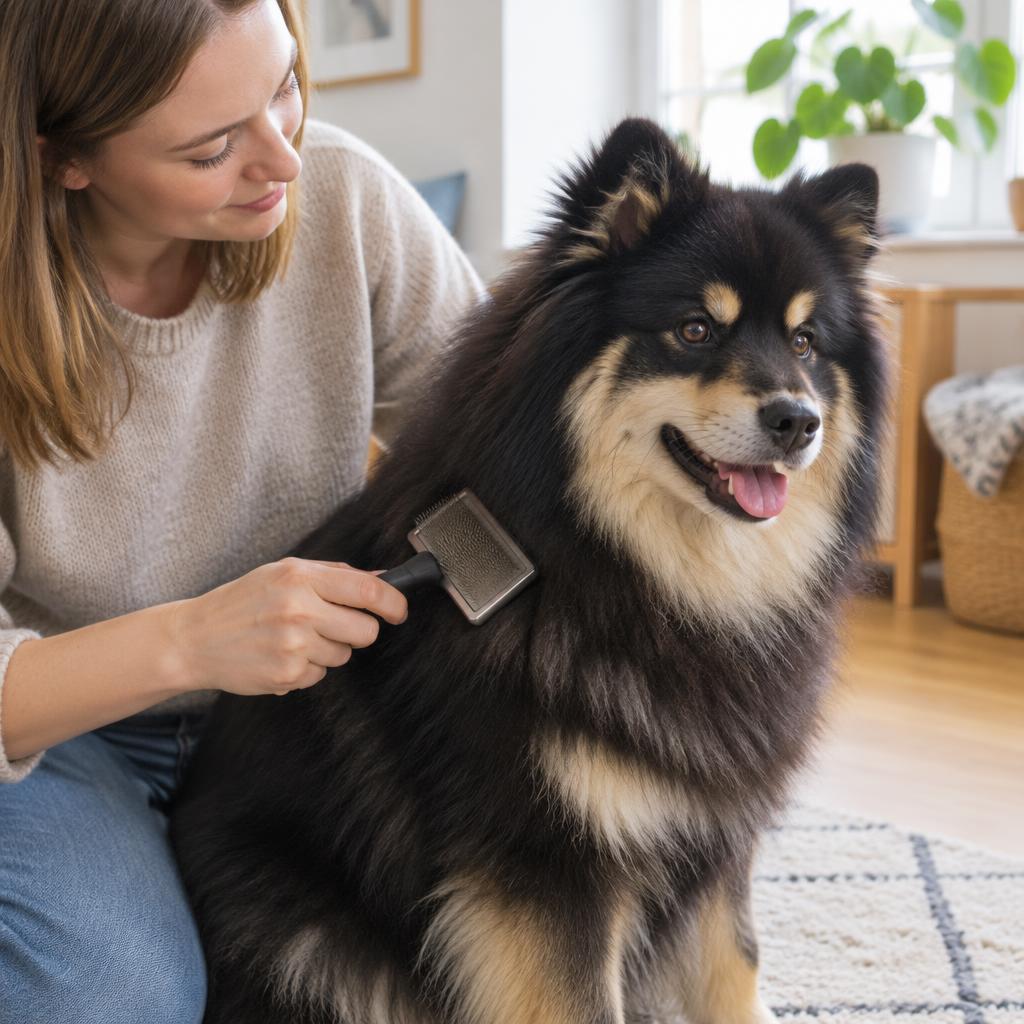
The coat is magnificent and honest work: a thick double coat that needs thorough brushing twice a week and daily attention during the heavy seasonal sheds. It is weatherproof and should never be shaved. The breed handles cold superbly and struggles in heat.
Health is generally good. Hip dysplasia, progressive retinal atrophy and Pompe disease (a glycogen storage disorder) are the key screening points, all with DNA tests or scoring schemes available, so there is no excuse for an untested litter. Lifespan is twelve to fifteen years.
Choose a Lapphund if you want a friendly, trainable northern dog for an active family and you accept the barking and the hair. Look elsewhere if you want silence, a spotless sofa, or a dog that is happy with a short daily walk.
A soft-hearted northern herder: friendlier than most spitz breeds, but vocal, hairy and in need of a job.
Exercise, day to day
- 1Ninety minutes of exercise daily with free running
- 2Agility, obedience or herding sessions weekly
- 3Scent and puzzle games for the working mind
Grooming, realistically
- 1Brush thoroughly twice a week, daily during sheds
- 2Never shave the double coat
- 3Bathe every two to three months
- 4Check ears, paws and nails monthly
What you actually need
- Slicker brush
- Undercoat rake
- Metal comb
- Nail clippers
Puppy to adult
| Age | Male | Female | What is happening |
|---|---|---|---|
| 8 weeks | |||
| 4 months | |||
| 6 months | |||
| 12 months | |||
| 18 months |
Ranges are typical, not targets. Judge condition by ribs and waist, and check with the ideal weight checker.
What to ask a breeder
- Are both parents DNA tested for PRA and Pompe disease?
- What are the hip scores of both parents?
- How vocal are the parents at home?
- How are puppies socialised with children and household life?
- What activities do you recommend for the breed?
Health tests to ask for
Ask to see results for both parents before you put down a deposit.
- Hip scores for both parents
- DNA tests for PRA and Pompe disease
- Annual eye examination
Health watch-list
What to ask a breeder about, and what to watch for over a lifetime. This is orientation, not veterinary advice, anything you notice belongs in front of a vet.
Hip dysplasia
CommonScore both parents; keep youngsters lean and growing slowly.
Progressive retinal atrophy
NotableDNA test available; expect tested parents.
Pompe disease
UncommonA glycogen storage disorder with a DNA test; carriers should not be bred together.
Cataracts
UncommonCloudy lenses with age; annual eye exams catch them early.
Hypothyroidism
UncommonLethargy, weight gain and coat changes; simple to treat.
Ear infections
UncommonHairy ears trap moisture; check and clean weekly.
What it costs to keep one
Realistic running cost
€89 / month
About €1,068 a year, or roughly €14,952 across a 14-year life, before purchase price, neutering and one-off vet events.
Before the puppy arrives. Budget roughly €700 to 1400 for a crate, bed, lead and harness, bowls, puppy classes, first vaccinations and grooming kit sized for this breed. Figures throughout are indicative and vary a good deal between countries.
Interactive · built for this breed
Is a Finnish Lapphund right for your home?
Seven honest questions about your space, time and household, checked against this breed's exercise need, coat, sociability and tolerance for time alone.
Fit with your routine
94%
A strong fit
Your routine suits a Finnish Lapphund well. Meet adult dogs of the line before you commit.
What to sort out first
- Needs more daily exercise than you have pencilled in.
Working in your favour
- Coat care fits the grooming time you offered.
Compare more breeds in the matchmaker, or plan meals with the portion calculator.
The verdict, by household
Yes
Friendly and trainable, a good first spitz for committed owners.
Yes
Gentle and playful with children; watch herding of toddlers.
Yes
A willing partner for hiking, agility and training sports.
With caution
Possible with real exercise, but the barking needs management.
When to call your vet
- Lameness or stiffness (hips)
- Night blindness or bumping into things (PRA)
- Poor coat condition or lethargy
- Exercise intolerance or muscle weakness (Pompe)
- Ear odour or head shaking
Nothing here is a diagnosis. A swollen, hard belly with retching, collapse, breathing difficulty and sudden hind-leg weakness are emergencies: go straight away.
Finnish Lapphund vs the closest alternatives
| Breed | Weight | Energy | Grooming | € / month |
|---|---|---|---|---|
| Finnish Lapphund | 15 to 24 kg | 7/10 | 5/10 | €89 |
| American Eskimo Dog | 3 to 16 kg | 7/10 | 6/10 | €73 |
| Pembroke Welsh Corgi | 10 to 14 kg | 6/10 | 5/10 | €95 |
| Border Terrier | 5.1 to 7.1 kg | 7/10 | 5/10 | €142 |
Finnish Lapphund questions, answered
Are Finnish Lapphunds good family dogs?
Yes, one of the best northern breeds for families. They are gentle, friendly and patient with children, more biddable than most spitz types, and sociable with other dogs.
Do Finnish Lapphunds bark a lot?
They are vocal. Barking moved reindeer, and the habit remains. Alert barking at visitors is normal; training a quiet cue early keeps it manageable.
Do Finnish Lapphunds shed?
Yes, heavily twice a year and steadily in between. The thick double coat needs thorough brushing twice a week and daily work during the shed. Never shave it.
How much exercise does a Finnish Lapphund need?
Around ninety minutes a day, plus mental work. They excel at agility, obedience and herding, and a bored Lapphund will herd children and cars instead.
What health tests should Finnish Lapphund parents have?
Hip scores, DNA tests for progressive retinal atrophy and Pompe disease, and annual eye examinations. All are available, so expect proof from any breeder.
Can Finnish Lapphunds live in warm climates?
They struggle in heat. The Arctic coat is superb in cold and a burden in summer: walk early and late, provide cooling, and consider whether your climate is fair to the dog.
How long do Finnish Lapphunds live?
Twelve to fifteen years, with good health overall when bred from tested parents.