Terrier group
Developed in the Cheviot Hills on the border between England and Scotland in the eighteenth century to work with foxhounds, running with the hunt and then going to ground to bolt the fox. The breed standard still describes a dog built for that job.
Border Terrier
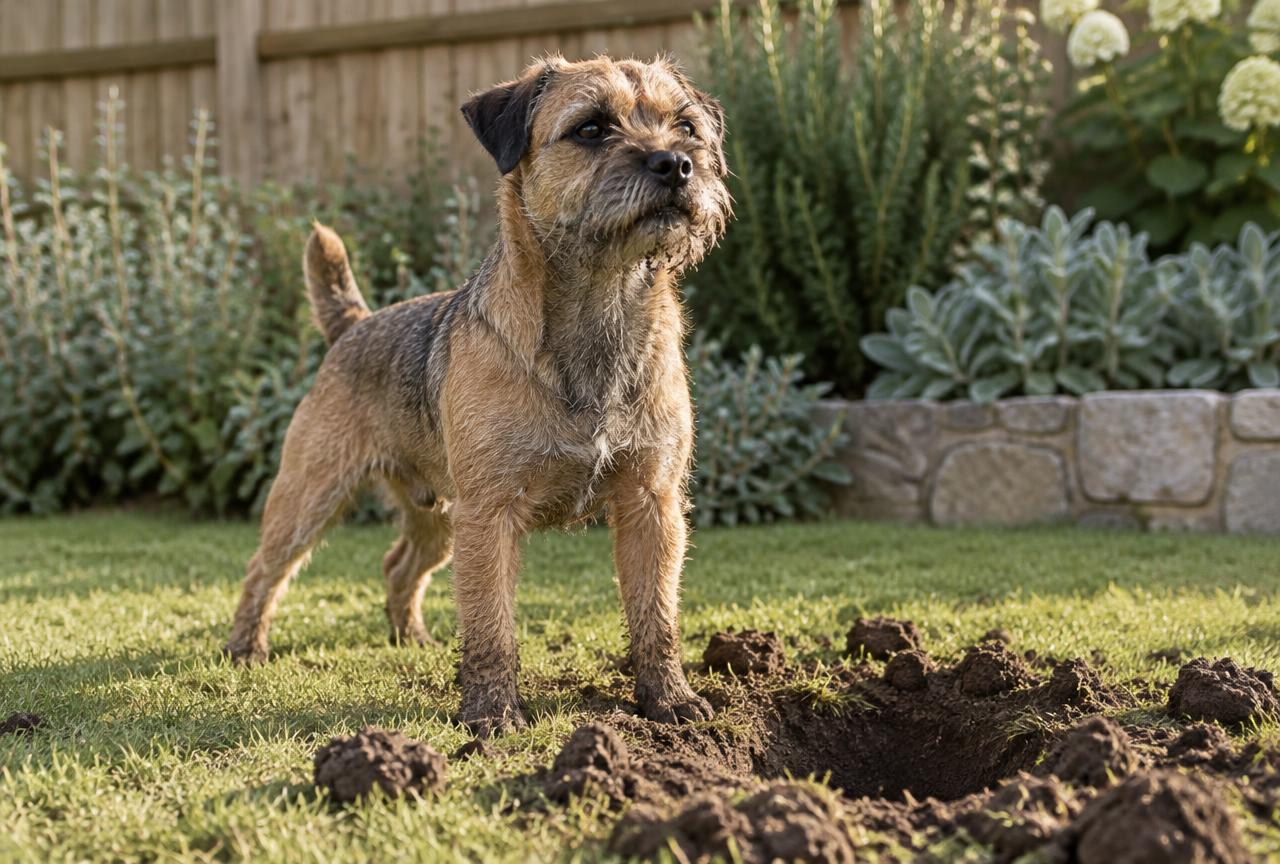
The Border Terrier is a small, wiry working terrier from the English-Scottish border, kinder and more biddable than most terriers, but still a terrier: it digs, it chases and it can squeeze through gaps you did not know existed.
Reviewed by the SniffScroll editorial desk
The easy-going terrier with an otter head and a working heart.
The short version
- The mildest and most trainable of the working terriers, but prey drive and digging are permanent features, not puppy phases.
- Needs a proper hour or more of exercise daily and makes a superb small hiking companion.
- Gardens must be escape-proofed: the breed digs under, climbs over and squeezes through.
- The wiry coat needs hand-stripping twice a year to stay weatherproof; clipping is easier but changes the coat.
- One of the hardier pedigree breeds, often living twelve to fifteen years.
- Weight
- 5.1 to 7.1 kg
- Height
- 28 to 40 cm
- Lifespan
- 12 to 15 yrs
- Size
- Small
- Group
- Terrier
- Coat
- Harsh, wiry double coat in red, wheaten, grizzle and tan, or blue and tan
- Grown male
- 5.9 to 7.1 kg
- Grown female
- 5.1 to 6.4 kg
- Years to full size
- about 1
- One-off setup
- €600 to 1100
Get one if…
- First-time terrier owners who want character without the sharpest edges
- Active singles, couples and families who walk properly every day
- Households with considerate children; the breed is sturdy and good-natured
- Owners happy to learn hand-stripping or pay a groomer who can do it
- Country and outdoorsy households wanting a small but genuinely tough dog
Think again if…
- Homes with rabbits, guinea pigs or other small pets in reach
- Gardens that cannot be made escape-proof
- Owners wanting a reliably off-lead dog around wildlife
- House-proud gardeners; a bored Border Terrier digs
- Anyone wanting a decorative low-exercise lap dog
Trait profile
Bred to run with hounds all day and then squeeze down a fox earth, the Border Terrier is narrow, brave and tireless, yet unusually biddable for a terrier. The prey drive and the digging are not trainable flaws to eliminate but the whole point of the dog, so the job is managing them, not removing them.
Space & setup. Small enough for a flat in theory, but this is a country working dog at heart that needs a proper daily walk and a securely fenced garden; escape-proofing matters more than square footage.
Allergies. The wiry coat sheds less than most breeds and is sometimes tolerated by mild allergy sufferers, but no terrier is truly hypoallergenic and individual reactions vary.
Living with a Border Terrier
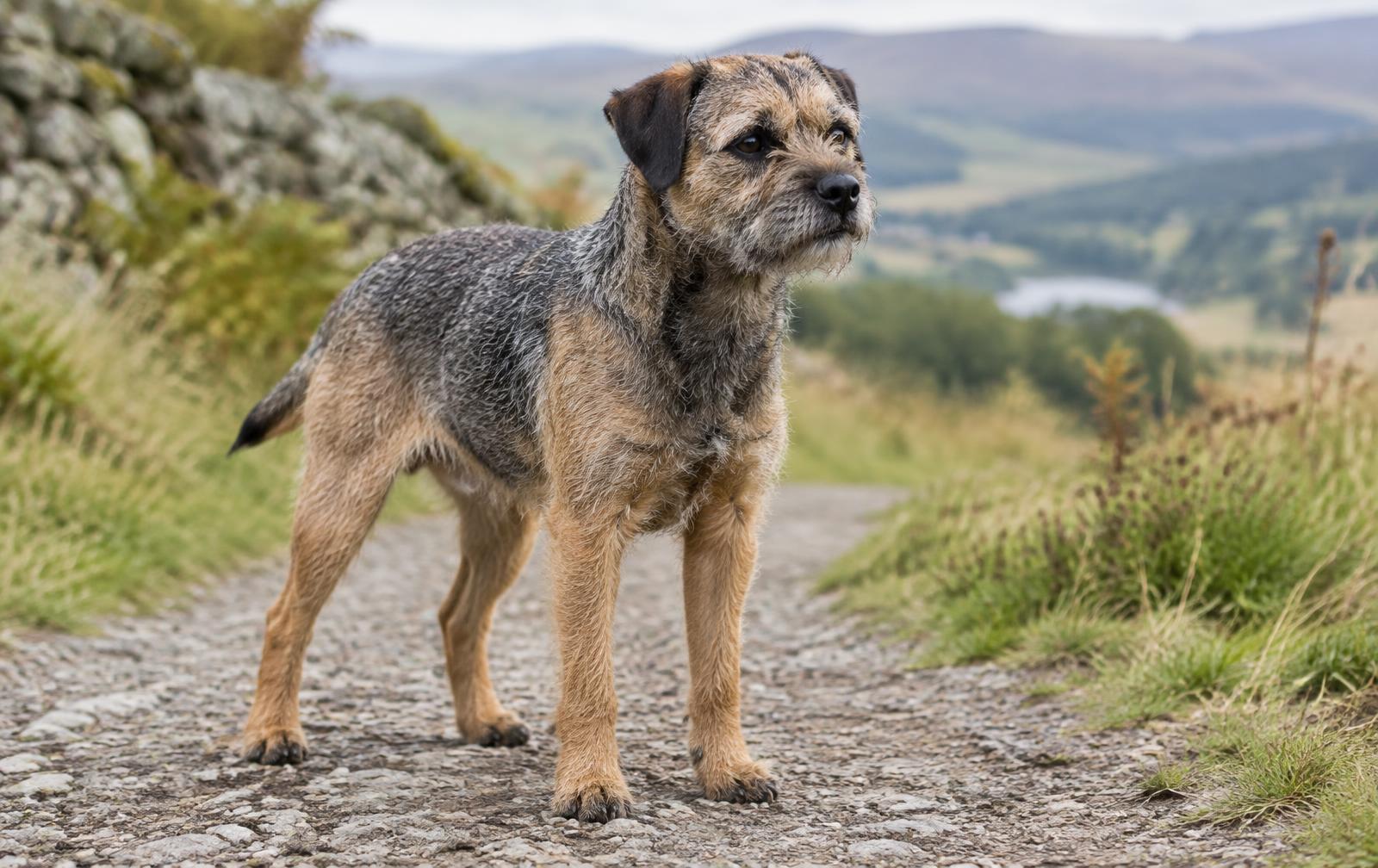
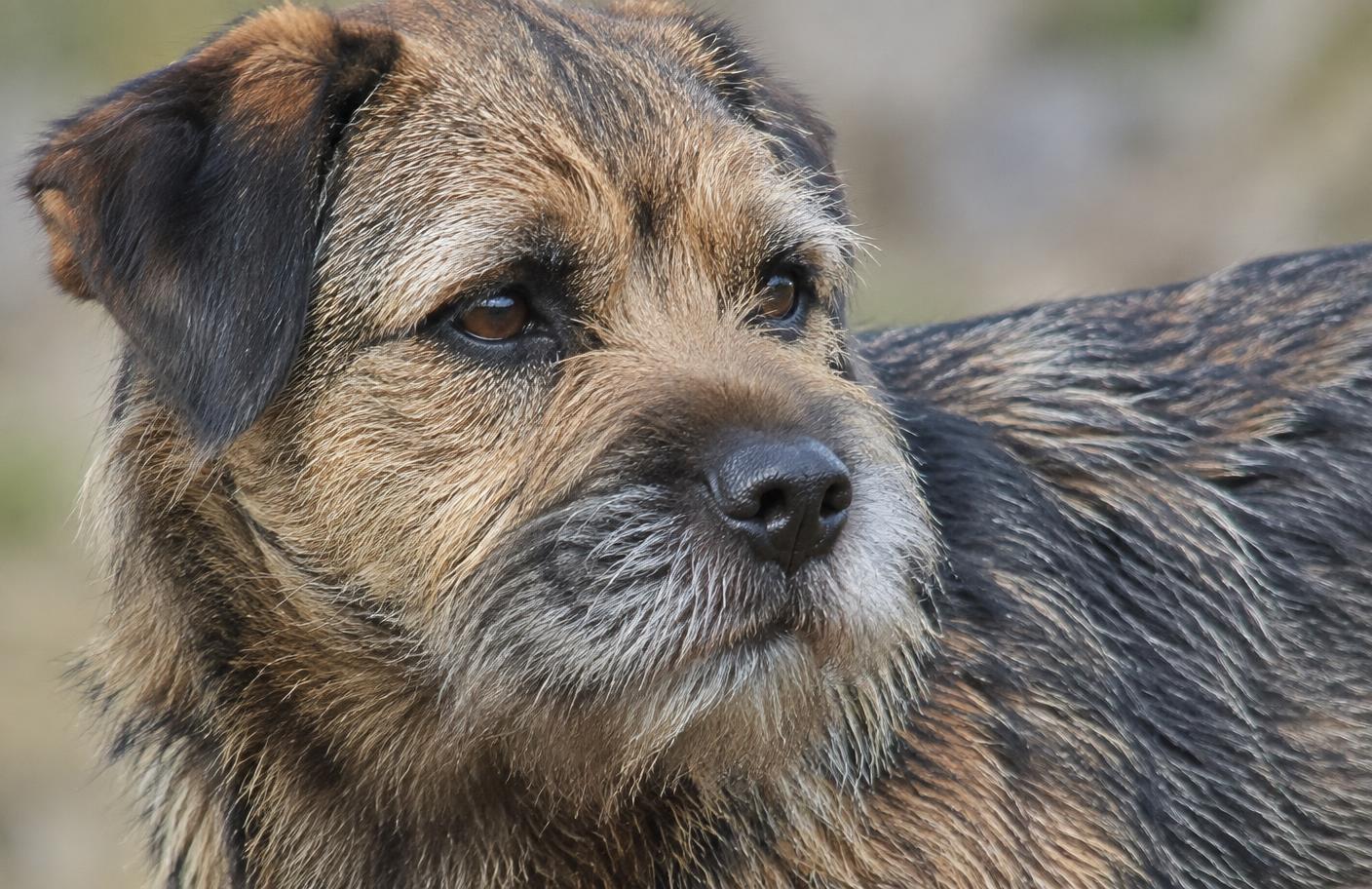
The Border Terrier is a small working terrier with a harsh, weather-resistant coat and a distinctive otter-like head. Bred to follow horses on the fell and go to ground after foxes, it combines genuine toughness with an unusually good-natured, adaptable temperament, making it one of the most popular terriers for first-time owners and families.
The Border Terrier comes from the Cheviot Hills along the English-Scottish border, where hill farmers needed a terrier with legs long enough to follow a hunt across rough fell country and a body narrow enough to follow a fox underground. That double requirement shaped everything about the breed: the otter-like head, the loose, thick hide that protects against bites, the harsh weatherproof coat, and a temperament steady enough to work alongside a pack of hounds without quarrelling. It remains one of the least exaggerated of all terrier breeds, built almost exactly as the job demanded two centuries ago.
At home the Border Terrier is the mildest-mannered of the working terriers: affectionate with family, generally good with children, more tolerant of other dogs than most of its cousins, and genuinely trainable in a way that surprises people who have known feistier terriers. It is still a terrier, though. Prey drive is strong and non-negotiable: rabbits, squirrels, cats next door and anything small and fast will be chased, and recall around wildlife needs years of consistent work and realistic expectations. Small furry pets in cages are a management problem, not a training opportunity.
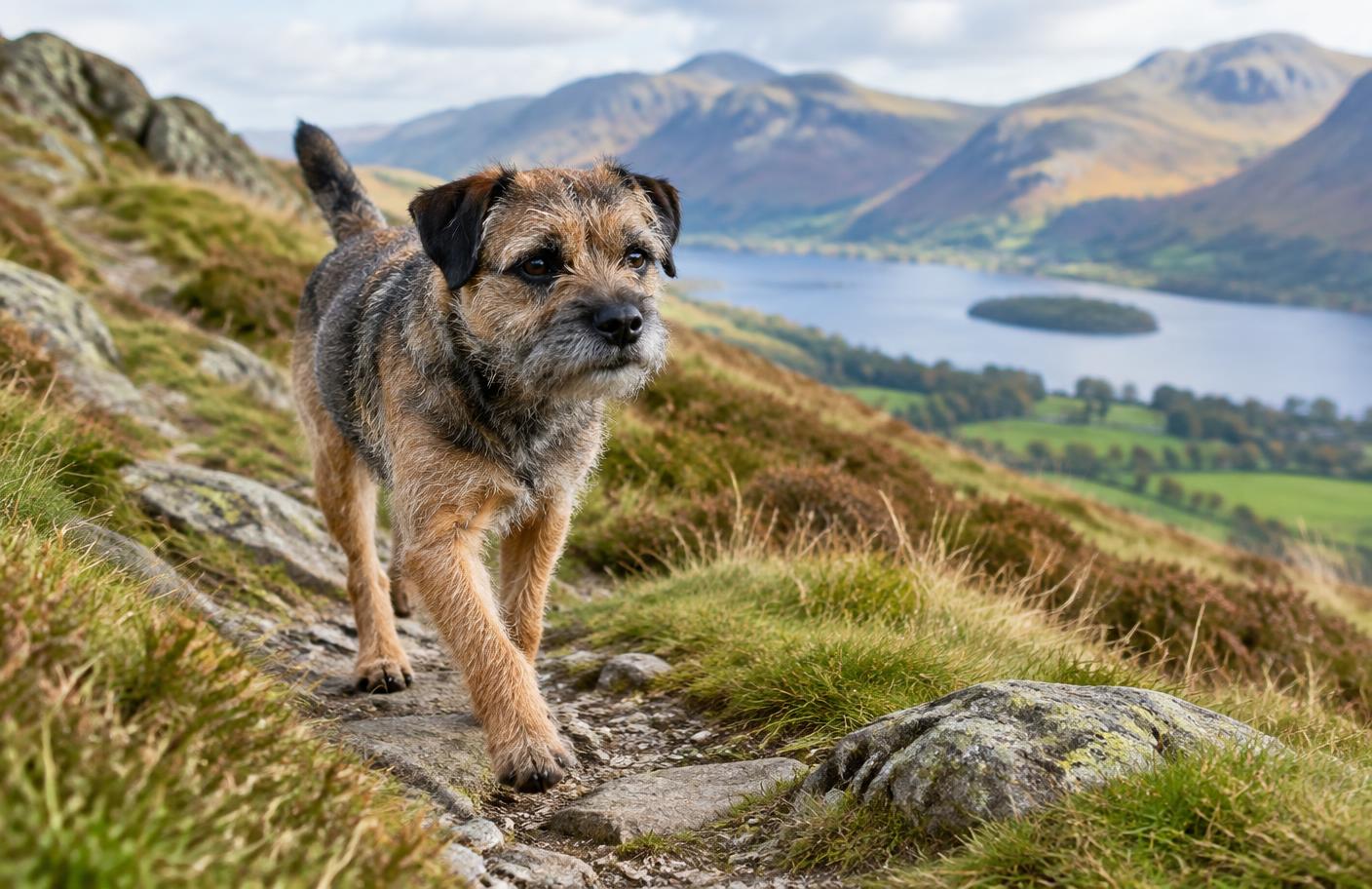
Exercise needs are solid for a small dog: a proper hour or more daily, and the breed has the stamina to walk all day if offered. It makes an excellent hiking and running companion in a small package. The two behaviours that catch owners out are digging and escaping. A Border Terrier left bored in a garden will landscape it, and the breed can scale, dig under or squeeze through fencing that would hold any other dog of its size. Secure boundaries, supervision outdoors and enough exercise to take the edge off are the practical answers.
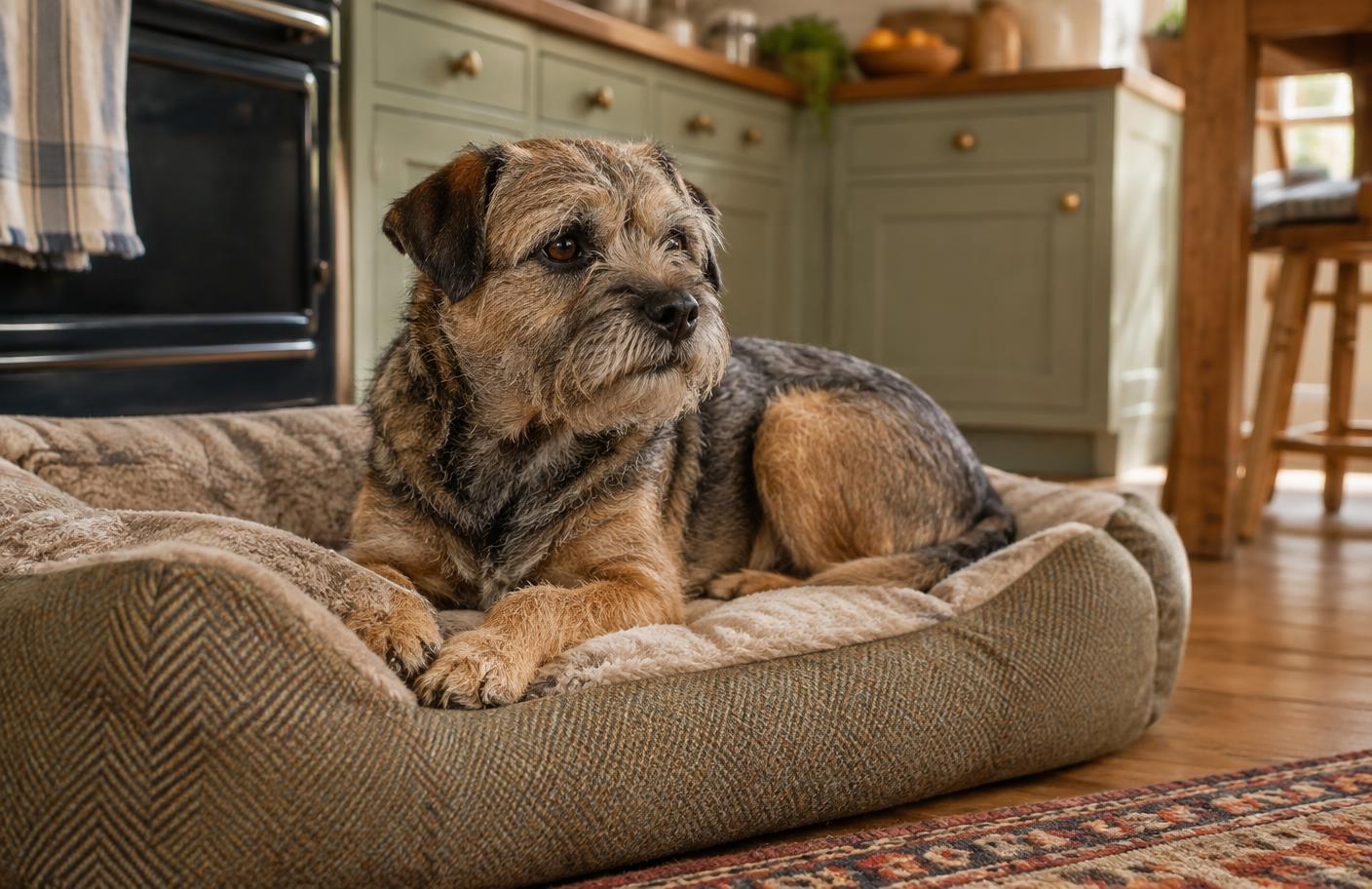
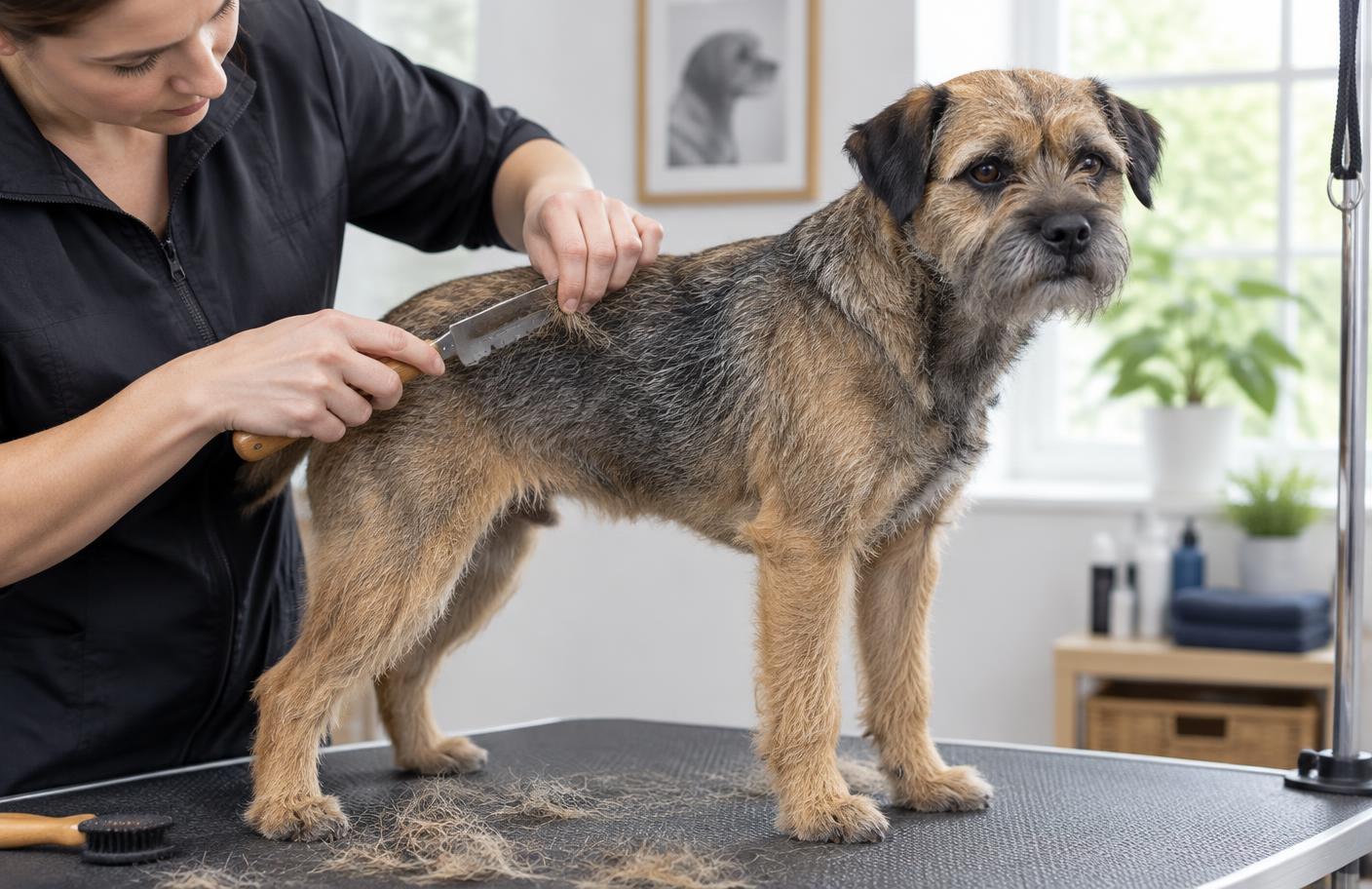
The coat is low-fuss by terrier standards but not no-fuss. The harsh double coat sheds lightly and stays weatherproof only if it is hand-stripped, meaning the dead outer coat is pulled out by hand or with a stripping knife a couple of times a year. Clipping is easier and common in pet dogs, but it softens the coat, fades the colour and increases shedding over time. Weekly brushing, hand-stripping twice a year and the occasional bath is the full routine, and many owners learn to strip at home with a little instruction.
Health is a genuine strength: the Border Terrier is one of the hardier pedigree breeds, commonly living twelve to fifteen years. Hip dysplasia and patellar luxation occur but at modest rates, and heart murmurs and cataracts appear with age as in most breeds. The one condition worth knowing by name is canine epileptoid cramping syndrome, sometimes called Spike's disease, a breed-specific gut and cramping disorder that is often manageable with a gluten-free diet once diagnosed. Ask breeders about it in their lines. Overall, for an active household wanting a small, robust, good-natured dog with real character, the Border Terrier is one of the most honest choices in the terrier group.
The terrier for people who are not sure about terriers: affectionate, adaptable and unusually trainable, but the escape artistry, digging and prey drive are real and need managing for life.
Exercise, day to day
- 1Puppies (8 to 20 weeks): short play sessions and gentle exploring; avoid long walks while joints develop.
- 2Adolescents (4 to 12 months): building up to two decent walks a day, with recall practised obsessively in secure areas.
- 3Adults: at least an hour daily, and the breed happily takes much more; hiking, running and scent games all suit.
- 4Mental work: terrier brains need jobs; hide-and-seek, earthdog-style games and training keep them settled.
- 5Garden time is not exercise: a Border Terrier left to self-entertain in a garden digs and plots escapes.
Grooming, realistically
- 1Brush weekly with a slicker or bristle brush to keep the coat tidy.
- 2Hand-strip the dead outer coat twice a year, or book a groomer who offers stripping.
- 3If clipping instead, expect a softer, lighter-shedding coat over time and clip every eight to ten weeks.
- 4Bathe only when needed; the harsh coat sheds dirt well once dry.
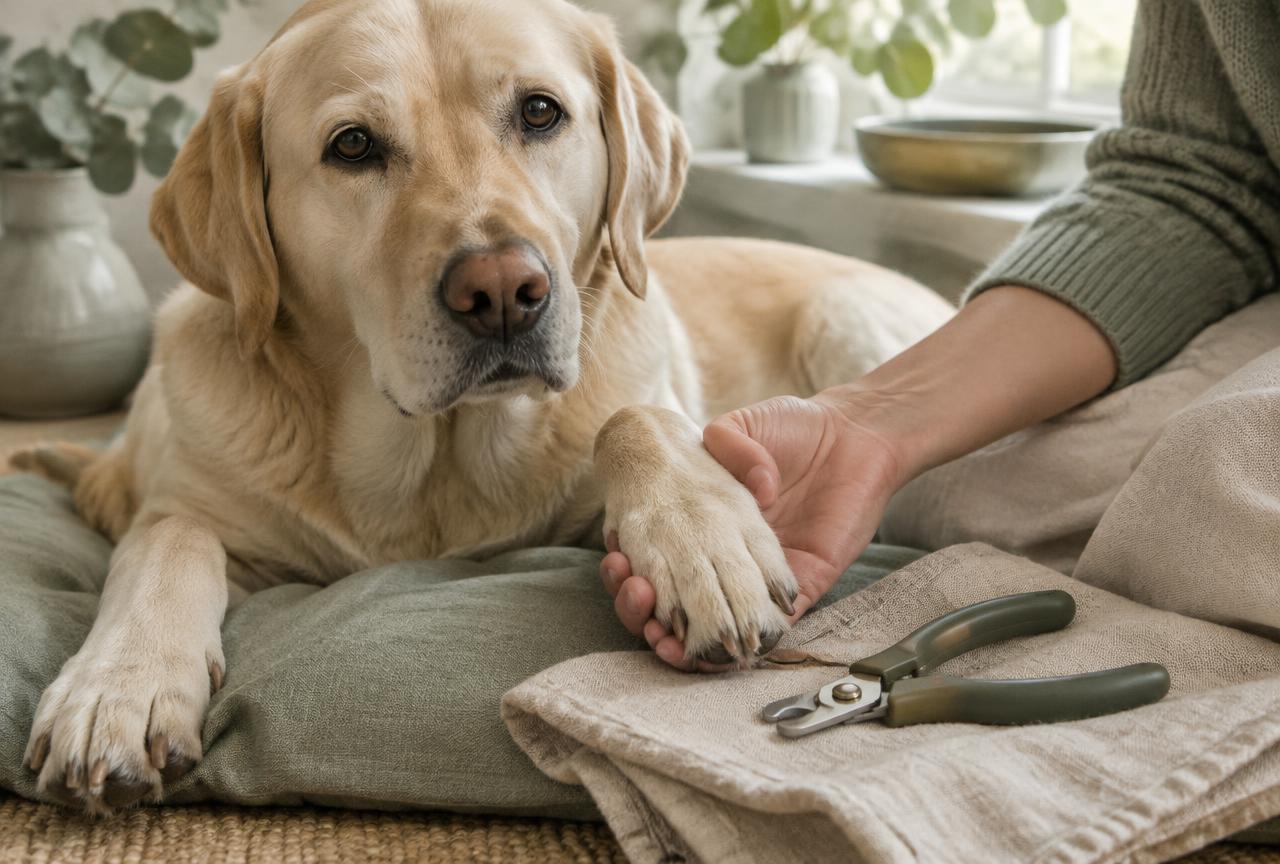
- 5Trim nails every three to four weeks and check ears and teeth weekly.
What you actually need
- Slicker brush
- Stripping knife for hand-stripping
- Metal comb
- Dog nail clippers
- Ear cleaning solution
- Enzymatic dog toothpaste and brush
Puppy to adult
| Age | Male | Female | What is happening |
|---|---|---|---|
| 8 weeks | 1.5 to 2 kg | 1.4 to 1.9 kg | Fearless from the start; begin gentle handling and recall foundations early. |
| 3 months | 2.8 to 3.5 kg | 2.5 to 3.2 kg | Puppy coat soft; adult harsh coat develops over the coming months. |
| 6 months | 4.5 to 5.5 kg | 4 to 5 kg | Adolescent independence appears; keep training consistent and rewarding. |
| 9 months | 5.3 to 6.5 kg | 4.7 to 5.9 kg | Near adult height; digging and chasing instincts now fully online. |
| 12 months | 5.9 to 7.1 kg | 5.1 to 6.4 kg | Adult size reached; first hand-strip usually due around now. |
| 18 months | 5.9 to 7.1 kg | 5.1 to 6.4 kg | Fully mature; stamina keeps building into the second year. |
Ranges are typical, not targets. Judge condition by ribs and waist, and check with the ideal weight checker.
What to ask a breeder
- Is there any history of canine epileptoid cramping syndrome in your lines?
- What are the parents' hip scores, and have their patellas been checked?
- How are the puppies socialised, and have they met children and other dogs?
- Can you show me how to hand-strip, or recommend a groomer who can?
- What are the parents like around small animals and off the lead?
Health tests to ask for
Ask to see results for both parents before you put down a deposit.
- Hip scores for both parents
- Patella examination for breeding stock
- Breeder history of canine epileptoid cramping syndrome in the line
- Annual heart and eye checks from middle age
- Weight control; a lean Border is a long-lived Border
Health watch-list
What to ask a breeder about, and what to watch for over a lifetime. This is orientation, not veterinary advice, anything you notice belongs in front of a vet.
Canine epileptoid cramping syndrome
NotableA breed-specific disorder causing cramping, trembling and gut upset, sometimes called Spike's disease. Often manageable with a gluten-free diet once diagnosed; ask breeders about it in their lines.
Hip dysplasia
UncommonOccurs at modest rates for the breed's size. Both parents should be hip scored.
Patellar luxation
UncommonThe kneecap can slip out of place. Breeding stock should be patella checked, and a lean weight reduces strain.
Heart murmurs
Common with ageAs in many breeds, murmurs appear in older dogs. Regular vet checks catch changes early.
Cataracts
Common with ageAge-related lens changes are common in senior dogs; annual eye checks help monitor vision.
Dental disease
CommonTartar builds up without regular tooth brushing, as in most small breeds. A few minutes of brushing several times a week prevents most problems.
What it costs to keep one
Realistic running cost
€142 / month
About €1,704 a year, or roughly €23,856 across a 14-year life, before purchase price, neutering and one-off vet events.
Before the puppy arrives. Budget roughly €600 to 1100 for a crate, bed, lead and harness, bowls, puppy classes, first vaccinations and grooming kit sized for this breed. Figures throughout are indicative and vary a good deal between countries.
Interactive · built for this breed
Is a Border Terrier right for your home?
Seven honest questions about your space, time and household, checked against this breed's exercise need, coat, sociability and tolerance for time alone.
Fit with your routine
96%
A strong fit
Your routine suits a Border Terrier well. Meet adult dogs of the line before you commit.
What to sort out first
- Needs more daily exercise than you have pencilled in.
Working in your favour
- Coat care fits the grooming time you offered.
Compare more breeds in the matchmaker, or plan meals with the portion calculator.
The verdict, by household
Very suitable
The most forgiving of the working terriers, provided the exercise and escape-proofing are taken seriously.
Excellent
Sturdy, affectionate and playful with considerate children; supervise around very small children as with any dog.
Excellent
A genuine all-day walking and hiking companion in a portable size.
Workable
Possible with a serious daily exercise commitment, though a secure garden makes life much easier.
When to call your vet
- Cramping, trembling or gut upset episodes, which can indicate canine epileptoid cramping syndrome
- Skipping on a hind leg, which can signal a slipping kneecap
- Stiffness or reluctance to jump, worth a hip check
- A new heart murmur detected at a routine visit, common in older dogs
- Cloudiness in the eyes with age, worth an eye examination
Nothing here is a diagnosis. A swollen, hard belly with retching, collapse, breathing difficulty and sudden hind-leg weakness are emergencies: go straight away.
Border Terrier vs the closest alternatives
| Breed | Weight | Energy | Grooming | € / month |
|---|---|---|---|---|
| Border Terrier | 5.1 to 7.1 kg | 7/10 | 5/10 | €142 |
| Finnish Lapphund | 15 to 24 kg | 7/10 | 5/10 | €89 |
| Miniature American Shepherd | 9 to 18 kg | 8/10 | 5/10 | €74 |
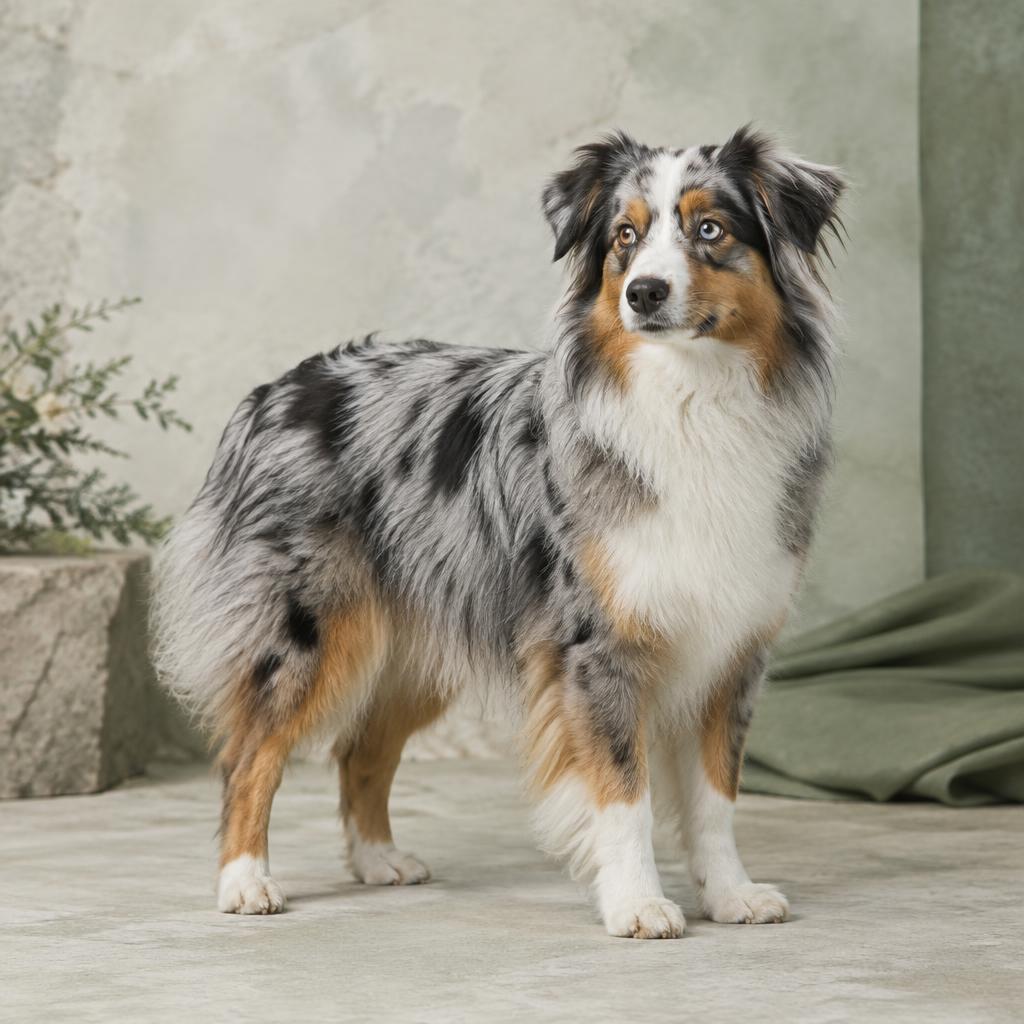
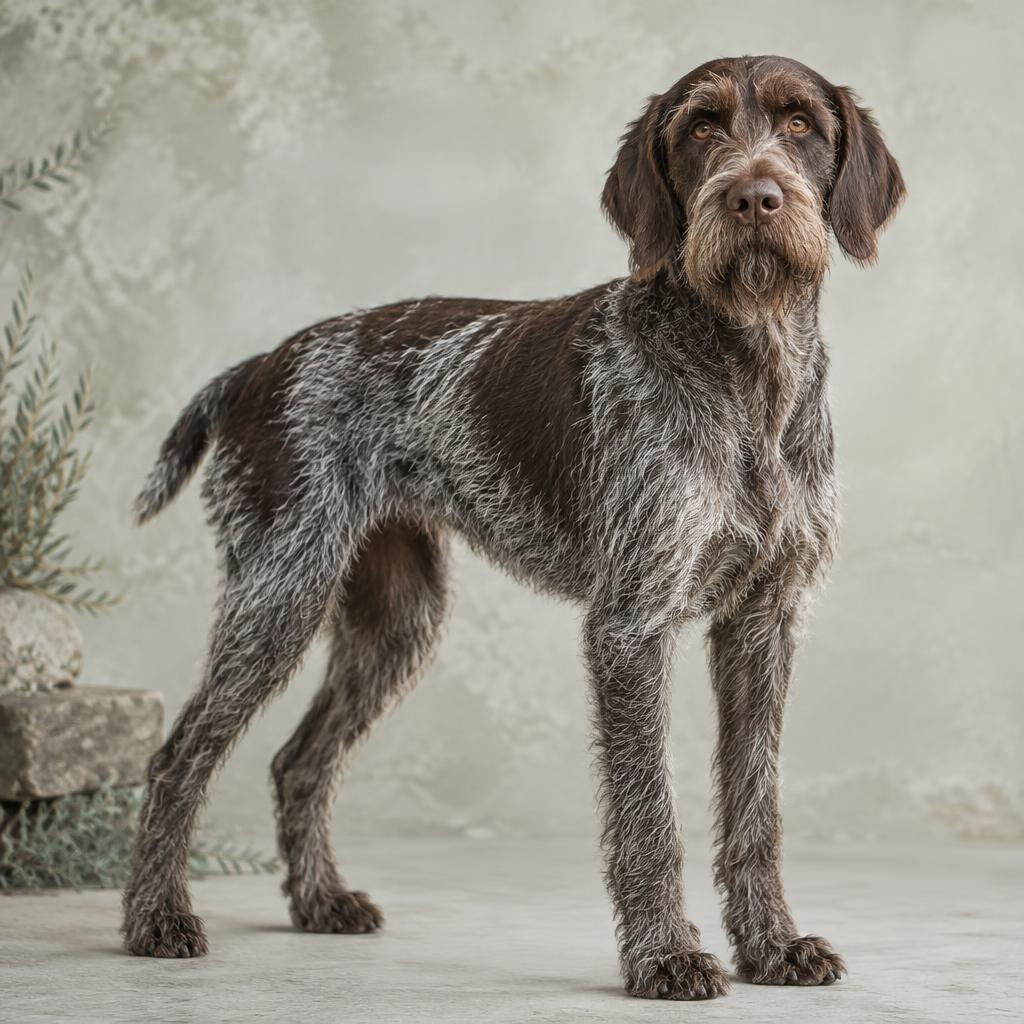
| Wirehaired Pointing Griffon | 23 to 32 kg | 8/10 | 5/10 | €98 |
Border Terrier questions, answered
Are Border Terriers good family dogs?
Yes, one of the best terriers for families. They are sturdy, affectionate and even-tempered with considerate children, and less quarrelsome with other dogs than most terriers. The usual rules about supervising dogs and small children apply.
Do Border Terriers shed?
Lightly, if the coat is hand-stripped. Clipped coats shed more and grow back softer. Either way it is one of the tidier terrier coats, though no dog is truly hypoallergenic.
How much exercise does a Border Terrier need?
At least an hour a day, and the breed will happily walk all day. It was bred to run with horses across fell country, so a quick lap of the block does not touch the sides.
Do Border Terriers dig and escape?
Yes, both, reliably. Digging is hardwired and the breed is a known escape artist that digs under, climbs and squeezes through fencing. Secure boundaries and enough exercise are the practical answers.
How long do Border Terriers live?
Typically twelve to fifteen years, making it one of the longer-lived and hardier pedigree breeds.
Are Border Terriers easy to train?
By terrier standards, very. They are food-motivated, people-oriented and unusually biddable. The exception is recall around wildlife, where prey drive can override training, so off-lead freedom needs secure areas.
What is hand-stripping?
Pulling out the dead outer coat by hand or with a stripping knife, usually twice a year. It keeps the coat harsh and weatherproof. It does not hurt when done correctly, and many owners learn to do it at home.