Gundog group
Netherlands and France
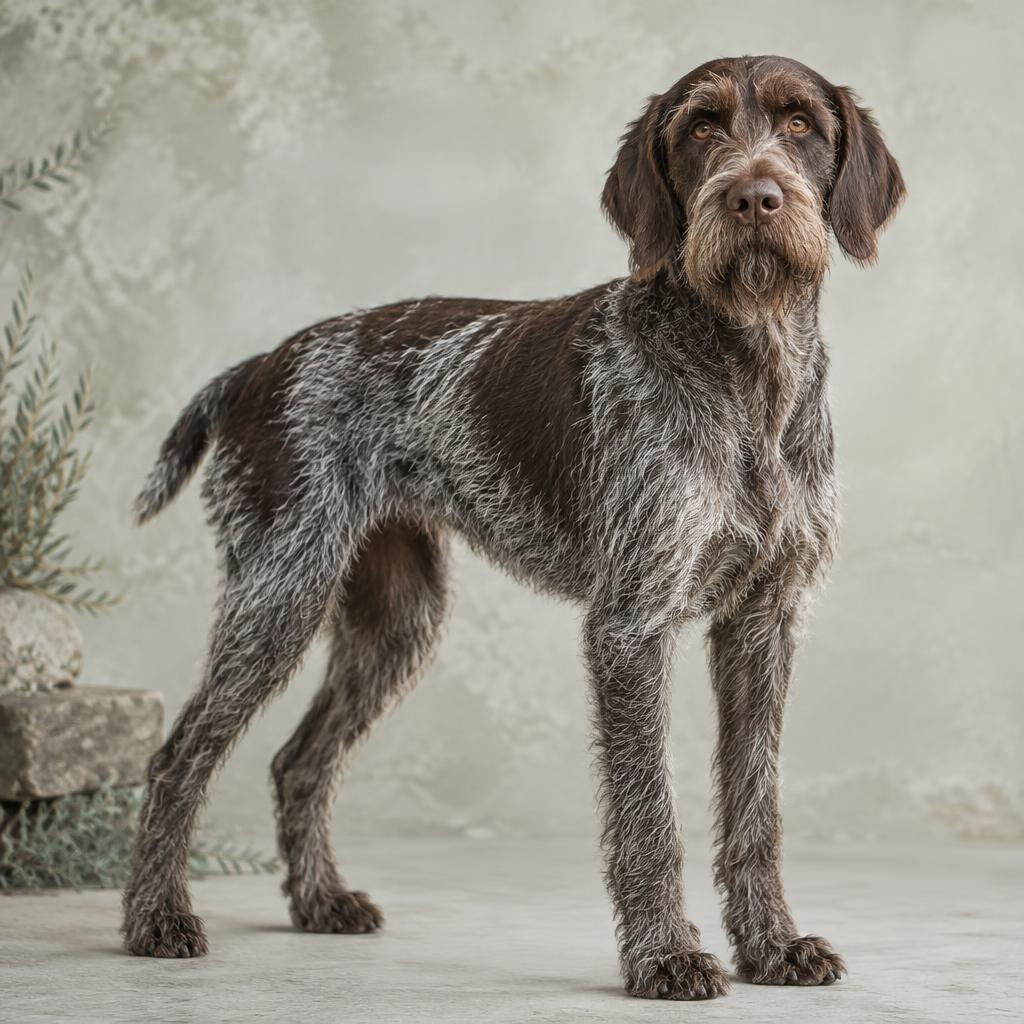
Wirehaired Pointing Griffon
A friendly, versatile gundog with a harsh weatherproof coat, suited to active families who want a trainable companion for the outdoors.
The scruffy, good-natured gundog that wants to be your shadow.
The short version
- Devoted and gentle; hates long hours alone
- Harsh coat is weatherproof but needs weekly brushing and stripping
- An hour to ninety minutes of exercise daily
- Excellent with children and other dogs
- Eager to please; train with rewards, not force
Choose a variety
The classic look: grizzled grey-brown coat with a brown head and furnishings.
- Weight
- 23 to 32 kg
- Height
- 56 to 61 cm
- Lifespan
- 12 to 14 yrs
- Size
- Medium
- Group
- Gundog
- Coat
- Harsh wiry double coat
- Years to full size
- about 2
- One-off setup
- €800 to 1600
Get one if…
- Active families who walk in all weathers
- Owners wanting a trainable first gundog
- People at home much of the day
- Walkers, runners and wild swimmers
Think again if…
- Households out at work all day
- Owners wanting a low-exercise dog
- Very house-proud owners; the beard drips and the coat carries mud
- People unwilling to brush and strip a wire coat
Trait profile
Scores reflect an affectionate working gundog: high exercise and companionship needs, moderate grooming, low shedding.
Space & setup. Adaptable to a house with a garden if exercised properly; the coat brings mud and water home in wet seasons.
Allergies. The harsh coat sheds little and is often tolerated by mild allergy sufferers, but no dog is truly hypoallergenic.
Living with a Wirehaired Pointing Griffon
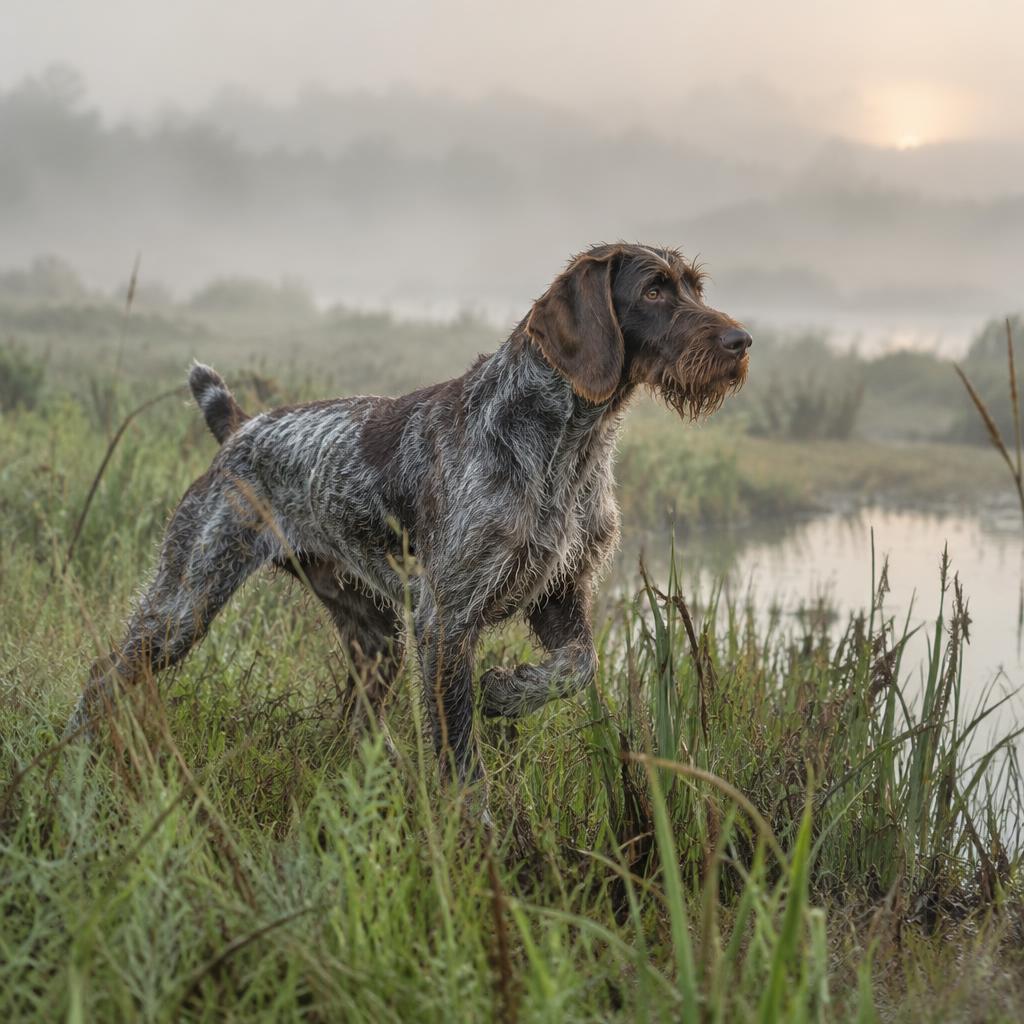
The Wirehaired Pointing Griffon was developed in the Netherlands and France in the late nineteenth century as a rugged, all-terrain gundog. With its harsh coat, bushy eyebrows and beard, it works happily in cold water and rough cover, then comes home as a gentle, people-oriented family dog. It suits active owners who want a trainable, affectionate companion.
The Wirehaired Pointing Griffon owes its existence to Eduard Korthals, a Dutch sportsman who spent the 1870s and 1880s crossing setters, pointers, spaniels and otterhounds to create the ultimate rough-weather shooting dog. The breed he produced points, retrieves on land and from water, and does it all in a harsh, weatherproof jacket that needs little fussing. It remains a working gundog first in many lines, though its kind nature has won it a growing following as a family dog.
At home the Griffon is famously people-oriented. Owners describe a dog that follows them from room to room and leans against their legs. That devotion is lovely, but it means the breed dislikes being left for long stretches and can develop separation anxiety if alone too much. With children and other dogs they are generally excellent: patient, soft-mouthed and playful without being rough.
Exercise needs are real but manageable for an active household: an hour to ninety minutes a day, ideally including off-lead running, swimming or scent games. They are trainable and eager to please, responding best to positive methods; harsh handling makes them shut down. The coat needs weekly brushing and hand-stripping or clipping a few times a year, and the beard needs rinsing after meals and muddy walks.
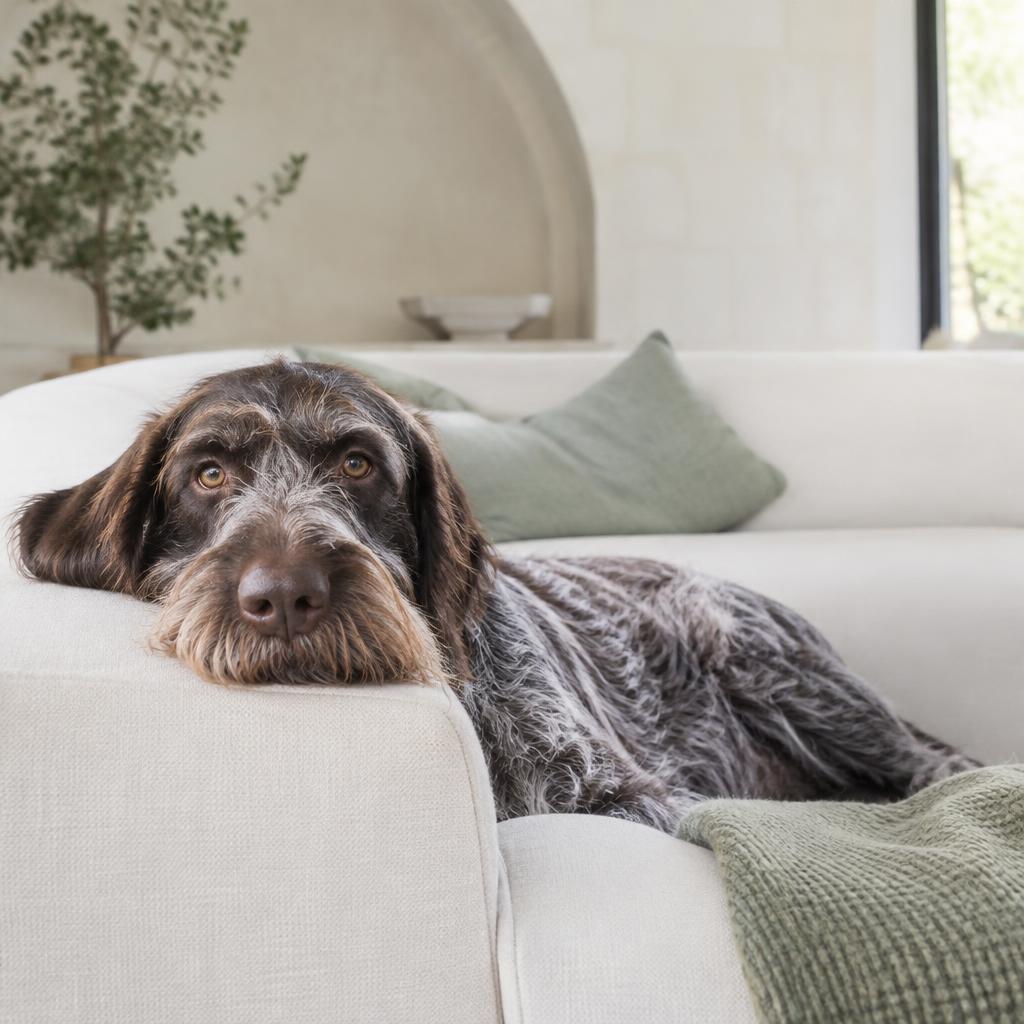
One of the sweetest of the gundogs: biddable, gentle and cheerful, with a coat that shrugs off weather. It needs proper exercise and company, but rewards both generously.
Exercise, day to day
- 1Sixty to ninety minutes of exercise daily
- 2Off-lead running, swimming or retrieving most days
- 3Scent games and dummy work to occupy the brain
- 4A weekly long walk somewhere new and interesting
Grooming, realistically
- 1Brush through weekly with a slicker and comb, more in mud season
- 2Hand-strip or clip the coat two to four times a year
- 3Rinse and dry the beard after meals and wet walks
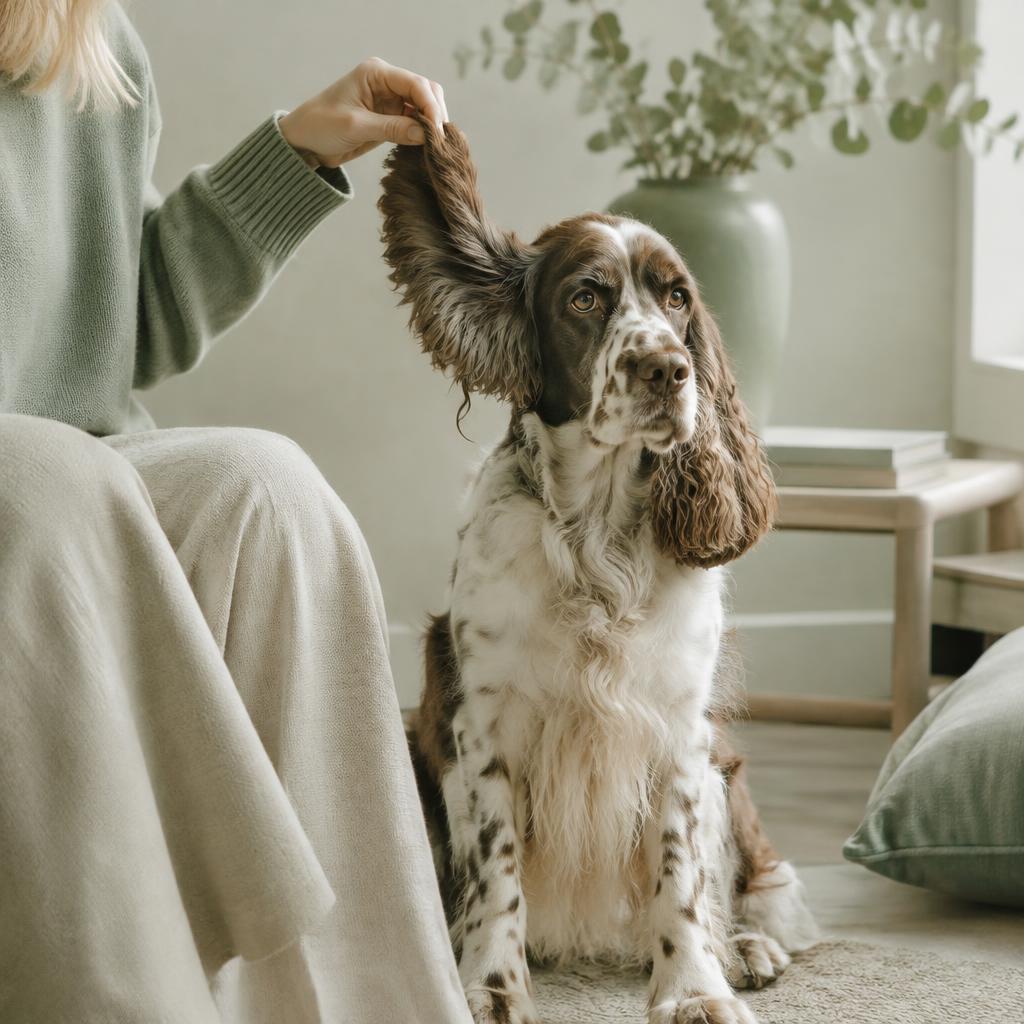
- 4Check ears weekly; the folded ear and love of water raise infection risk
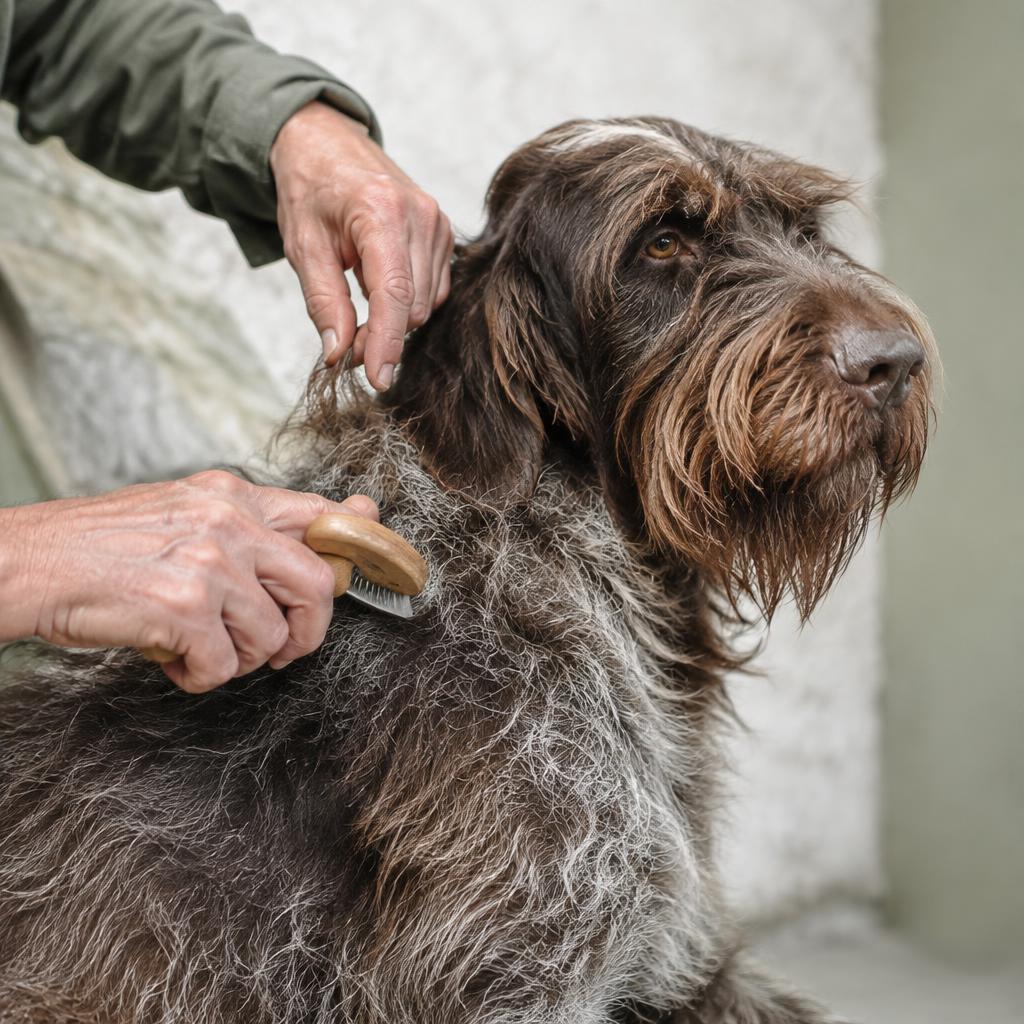
What you actually need
- Slicker brush
- Metal comb
- Stripping knife or stone
- Ear cleaner
- Dog towel for the beard
Puppy to adult
| Age | Male | Female | What is happening |
|---|---|---|---|
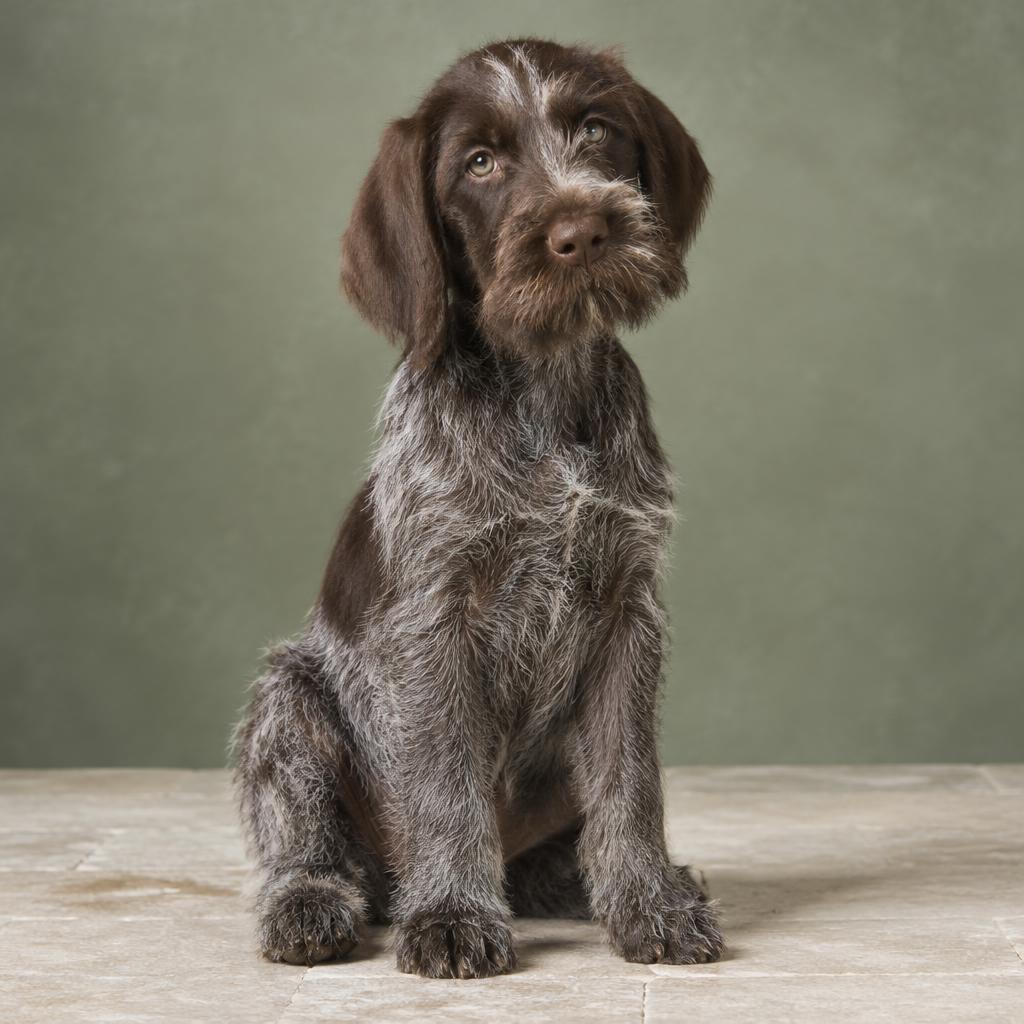
| 8 weeks | 3 to 4.5 kg | 2.5 to 4 kg | Confident and cuddly; start gentle handling and short, happy training games. |
| 3 months | 8 to 11 kg | 7 to 10 kg | Socialisation window; introduce water, cover and calm dogs positively. |
| 6 months | 15 to 20 kg | 13 to 17 kg | Gawky teenager; keep retrieves short and fun, protect growing joints. |
| 9 months | 19 to 25 kg | 16 to 21 kg | Near adult height; adolescent coat change may need extra brushing. |
| 12 months | 22 to 29 kg | 19 to 24 kg | Adult size close; fitness and muscle still building. |
| 18 months | 25 to 32 kg | 23 to 27 kg | Fully grown; a settled, capable adult with the right exercise. |
Ranges are typical, not targets. Judge condition by ribs and waist, and check with the ideal weight checker.
What to ask a breeder
- Have the parents been hip and elbow scored?
- Have the parents had current eye examinations?
- What working or health awards do the parents hold?
- How are the parents with children and other dogs?
- Are the lines primarily working or show, and what does that mean for energy?
Health tests to ask for
Ask to see results for both parents before you put down a deposit.
- Hip and elbow scoring for both parents
- Eye examination by a veterinary ophthalmologist
- Ask about any family history of heart or thyroid disease
Health watch-list
What to ask a breeder about, and what to watch for over a lifetime. This is orientation, not veterinary advice, anything you notice belongs in front of a vet.
Hip and elbow dysplasia
UncommonA medium-sized athlete; both parents should have hip and elbow scores, and puppies should grow lean.
Ear infections
CommonFolded ears plus a love of water make ear care a weekly job. Dry ears after swimming and check for redness or smell.
Eye conditions
UncommonParents should hold a current eye examination. Report any cloudiness, redness or squinting to your vet promptly.
Bloat (GDV)
UncommonDeep-chested; feed two meals, avoid vigorous exercise around food and learn the emergency signs.
Thyroid and heart issues
UncommonReported occasionally in the breed. Ask breeders about family history and keep up annual health checks.
What it costs to keep one
Realistic running cost
€98 / month
About €1,176 a year, or roughly €15,288 across a 13-year life, before purchase price, neutering and one-off vet events.
Before the puppy arrives. Budget roughly €800 to 1600 for a crate, bed, lead and harness, bowls, puppy classes, first vaccinations and grooming kit sized for this breed. Figures throughout are indicative and vary a good deal between countries.
Interactive · built for this breed
Is a Wirehaired Pointing Griffon right for your home?
Seven honest questions about your space, time and household, checked against this breed's exercise need, coat, sociability and tolerance for time alone.
Fit with your routine
93%
A strong fit
Your routine suits a Wirehaired Pointing Griffon well. Meet adult dogs of the line before you commit.
What to sort out first
- Needs more daily exercise than you have pencilled in.
Working in your favour
- Coat care fits the grooming time you offered.
Compare more breeds in the matchmaker, or plan meals with the portion calculator.
The verdict, by household
Superb: gentle, playful and up for anything.
One of the more forgiving gundogs if you can offer exercise and company.
Too energetic; consider a calmer breed.
Possible only with very committed daily exercise and company.
When to call your vet
- Shaking the head or scratching at ears, especially after swimming
- Limping or stiffness after exercise that does not settle
- Cloudy eyes or bumping into furniture
- A swollen, tight belly or unproductive retching, which is an emergency
Nothing here is a diagnosis. A swollen, hard belly with retching, collapse, breathing difficulty and sudden hind-leg weakness are emergencies: go straight away.
Wirehaired Pointing Griffon vs the closest alternatives
| Breed | Weight | Energy | Grooming | € / month |
|---|---|---|---|---|
| Wirehaired Pointing Griffon | 23 to 32 kg | 8/10 | 5/10 | €98 |
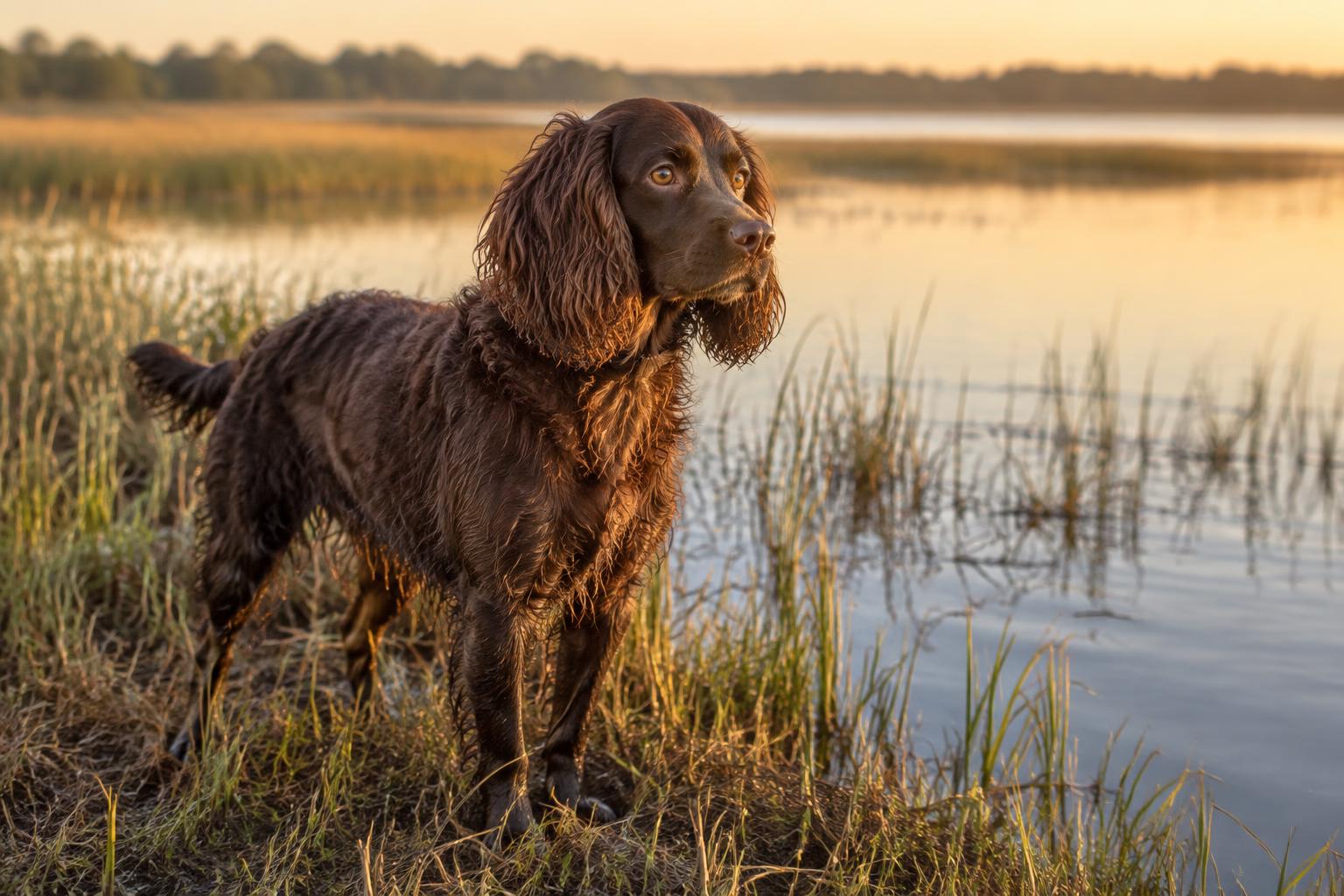
| Boykin Spaniel | 11 to 18 kg | 8/10 | 5/10 | €88 |
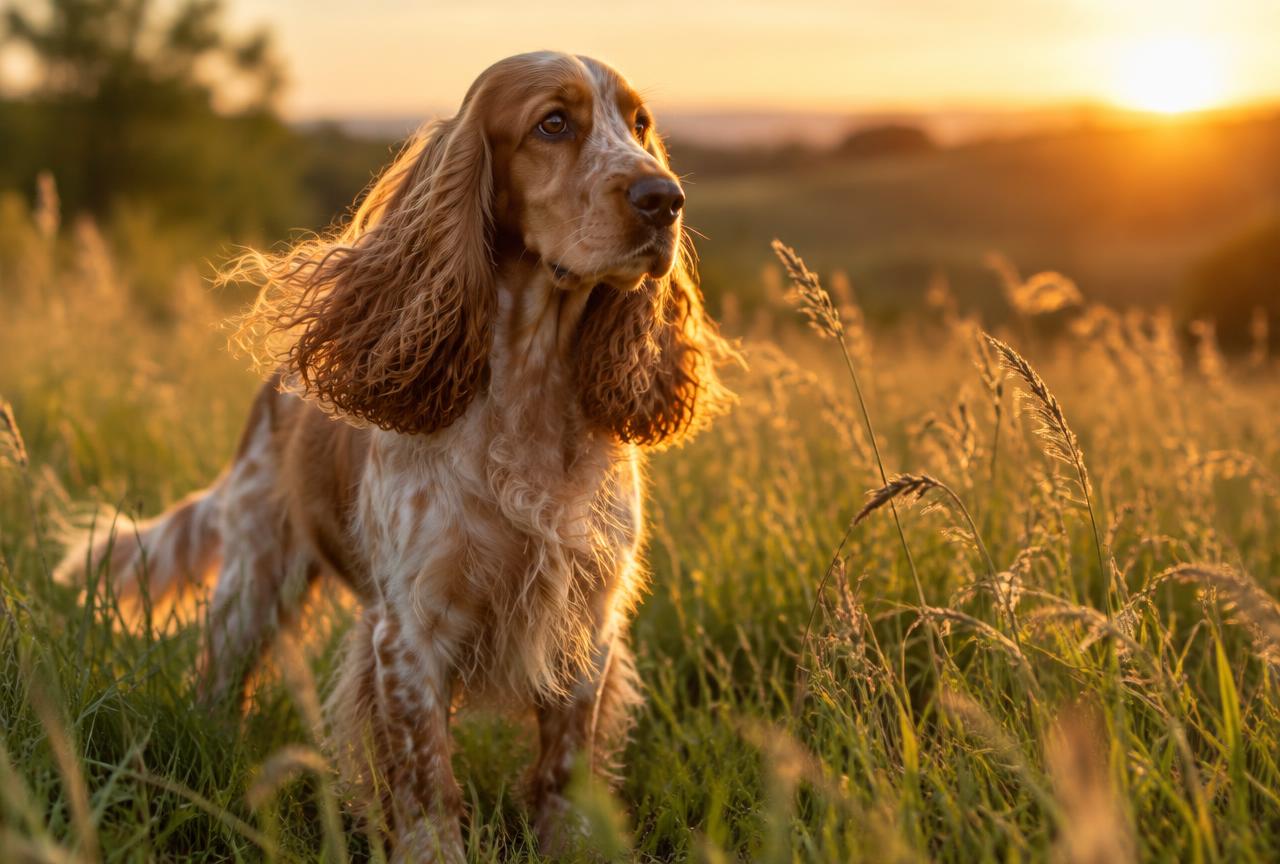
| English Cocker Spaniel | 12 to 16 kg | 8/10 | 6/10 | €192 |
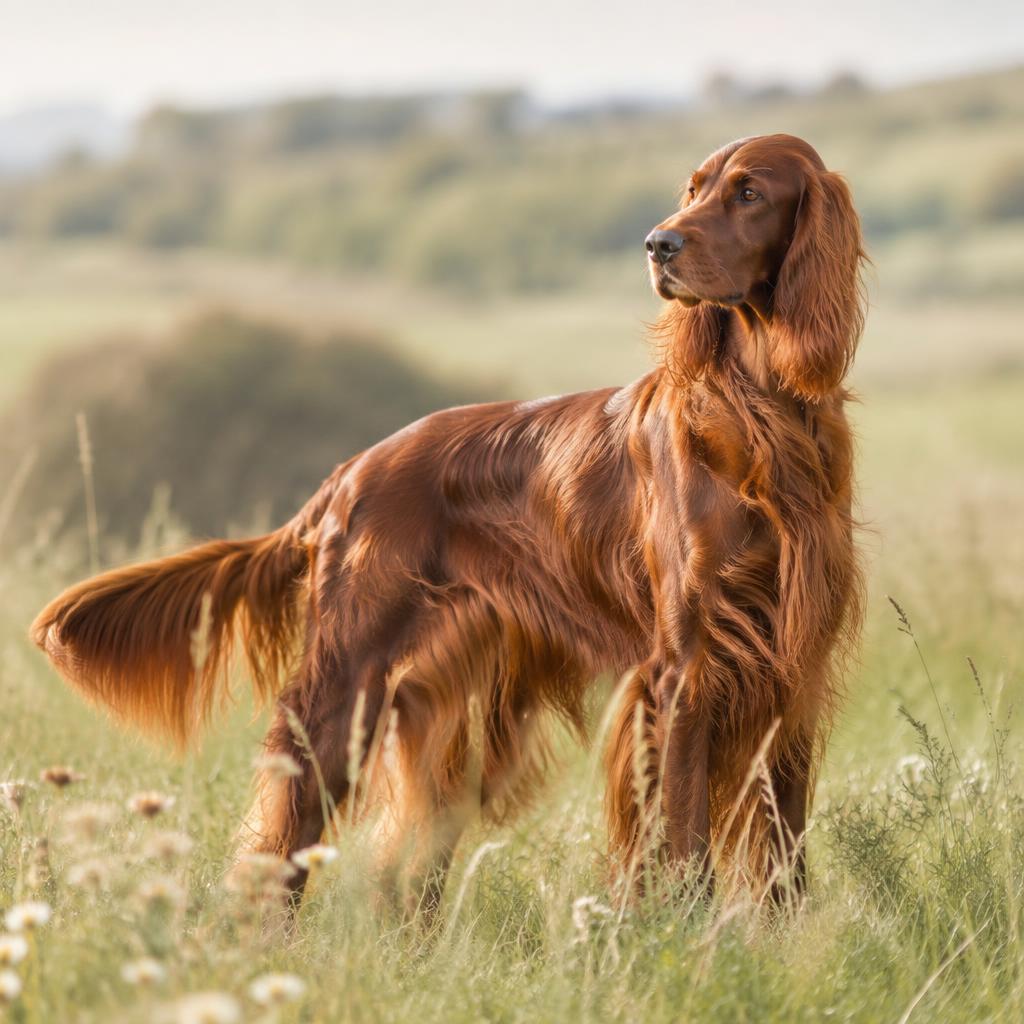
| Irish Setter | 24 to 32 kg | 9/10 | 6/10 | €87 |
Wirehaired Pointing Griffon questions, answered
Are Wirehaired Pointing Griffons good family dogs?
Yes, they are among the gentlest gundogs: patient with children, sociable with other dogs and devoted to their people. They do need real daily exercise and company.
Do Griffons shed?
Very little. The harsh double coat holds dead hair until brushed out, so weekly brushing and hand-stripping or clipping a few times a year keeps it tidy.
How much exercise does a Griffon need?
Sixty to ninety minutes a day, ideally including off-lead running, swimming or retrieving. They are energetic but not frantic, and settle well at home afterwards.
Are they easy to train?
Yes. They are eager to please and respond brilliantly to reward-based training. Harsh methods backfire; keep sessions short, fun and positive.
Can a Griffon be left alone?
Not for long. They bond closely and are prone to separation anxiety if regularly left for many hours. Build alone time gradually and keep it moderate.
Do they need a professional groomer?
Many owners learn to hand-strip at home, but a groomer visit two to four times a year for stripping or clipping keeps the coat weatherproof and tidy. Budget for it.