How to Clean a Dog's Ears: A Calm Step-by-Step Guide
Most dogs need their ears cleaned far less often than owners think, and doing it wrong causes more problems than it solves. Here is the gentle routine vets actually recommend.
The SniffScroll desk
Published 10 October 2026
Dr Emma Whitfield, MRCVS
The short version
- Many dogs never need routine ear cleaning; check weekly and clean only when there is visible wax.
- Use a vet-formulated ear cleaner and cotton pads; never cotton buds, peroxide or vinegar.
- The technique that works is flood, massage, shake, wipe, and the shake does the deep cleaning.
- Floppy-eared breeds, swimmers and hairy-canalled dogs need the most attention.
- Smell, redness, discharge or head shaking mean vet first, cleaning later.
Healthy dog ears are self-cleaning to a remarkable degree, and the single most common ear mistake owners make is cleaning too often, too deep, or with the wrong product. Done properly, ear cleaning is a two-minute job every few weeks that keeps wax, moisture and debris from building into a problem. Done badly, it pushes debris deeper, irritates the canal and can turn a healthy ear into an infected one.
This guide covers which dogs actually need their ears cleaned, what to use, the step-by-step technique, and the signs that mean the ear needs a vet, not a cotton pad.
Do all dogs need their ears cleaned?
No. Many dogs, particularly those with upright ears and an indoor lifestyle, never need routine ear cleaning at all, while floppy-eared breeds, swimmers and dogs with hairy canals benefit from a regular light routine.
The ear canal is lined with skin that produces wax and slowly migrates debris outwards, a conveyor belt that works well when left alone. Cleaning interrupts that process, which is why vets increasingly advise a check-first approach: look weekly, clean only when there is something to clean.
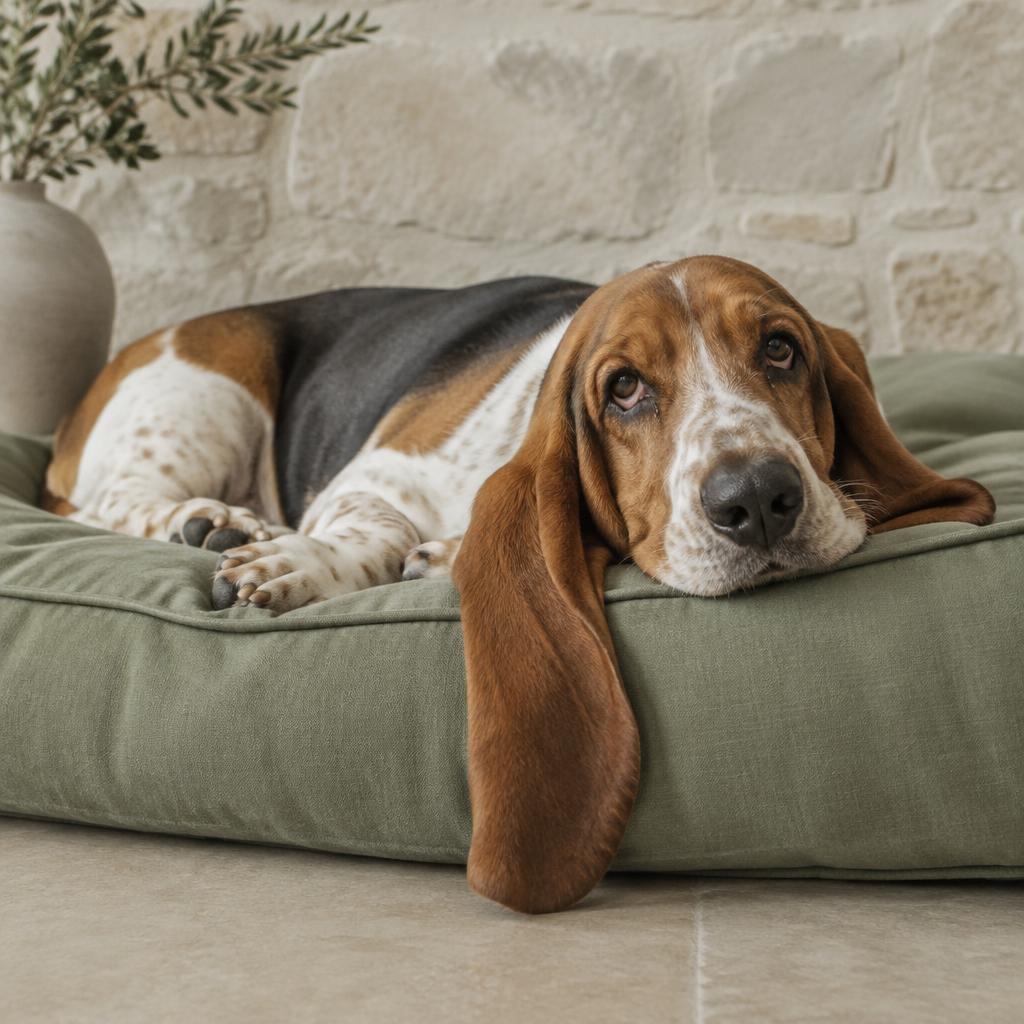
The dogs who genuinely benefit from routine cleaning are the ones whose anatomy or lifestyle works against them. Floppy-eared breeds like the Cocker Spaniel, Basset Hound and Cavalier King Charles Spaniel trap warm, moist air under the ear flap. Breeds with hair growing in the canal, like the Poodle and many doodle crosses, collect wax around the hair. And any dog that swims regularly is pushing water into a warm, dark space where yeast and bacteria thrive.
What you need, and what to avoid
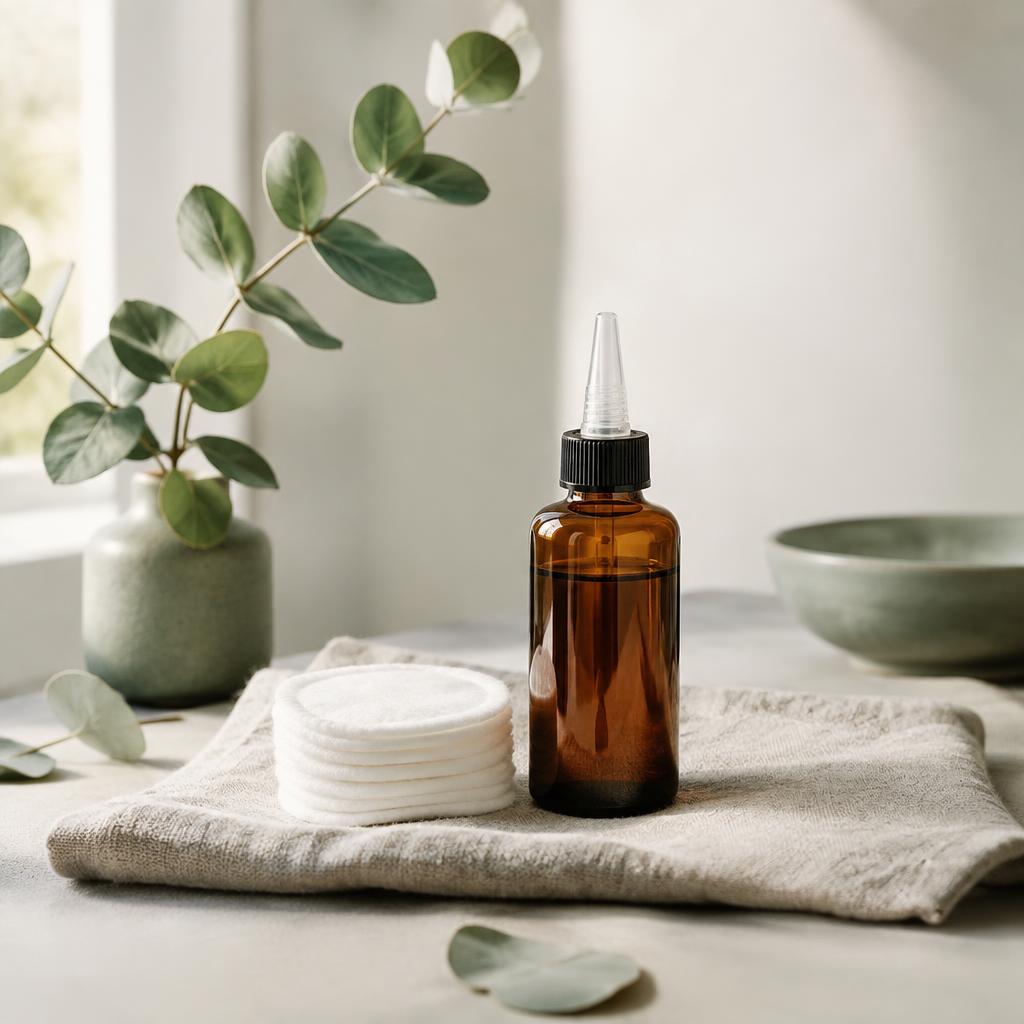
You need exactly three things: a vet-formulated ear cleaning solution, cotton pads or gauze, and treats. Everything else is optional at best and harmful at worst.
The cleaner matters more than the technique. A proper canine ear cleaner is formulated to break up wax, evaporate moisture and keep the canal at a pH that discourages yeast. Your vet can recommend one, and for dogs prone to waxy ears it is worth keeping a bottle in the cupboard.
| Use | Avoid |
|---|---|
| --- | --- |
| Vet-formulated ear cleaner | Hydrogen peroxide |
| Cotton pads or gauze squares | Cotton buds (swabs) |
| A soft, damp cloth for the flap | Alcohol or vinegar mixes |
| Treats for cooperation | Water alone |
| Good light and a calm room | Anything inserted into the canal |
Cotton buds deserve their own warning. They feel precise, but in a wriggling dog they are how ear drums get perforated and wax gets compacted against the drum like a plug. The rule is simple: nothing goes into the canal beyond what you can see.
The step-by-step cleaning routine
The method that works is flood, massage, shake, wipe: fill the canal with cleaner, massage the base of the ear, let the dog shake, then wipe away what surfaces.
- 1Set up first. Choose a calm moment, not straight after a walk when your dog is buzzing. Have the cleaner, pads and treats within reach, and sit somewhere easy to wipe down.
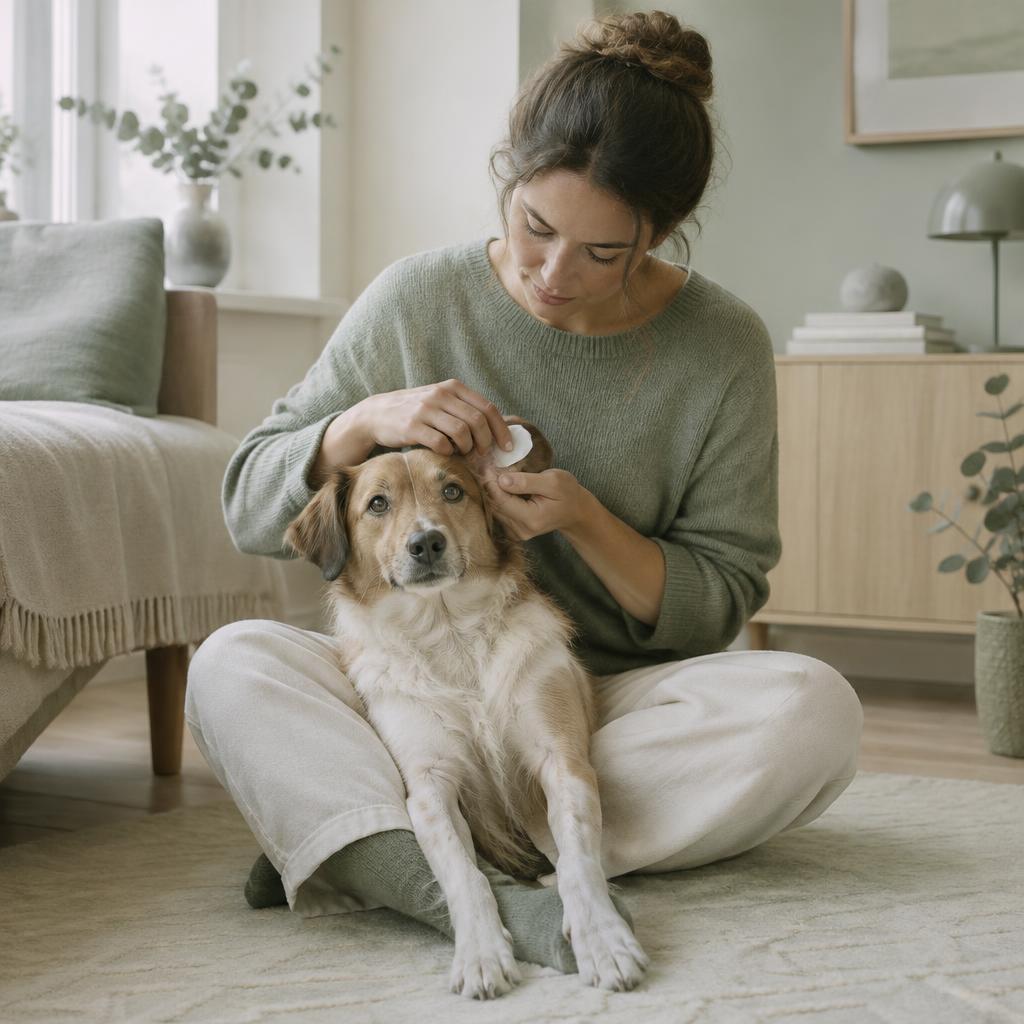
- 2Position your dog. For a small dog, sit with them between your knees facing away from you. For a big dog, have them sit or stand beside you. A second person offering treats turns this from a wrestle into a routine.
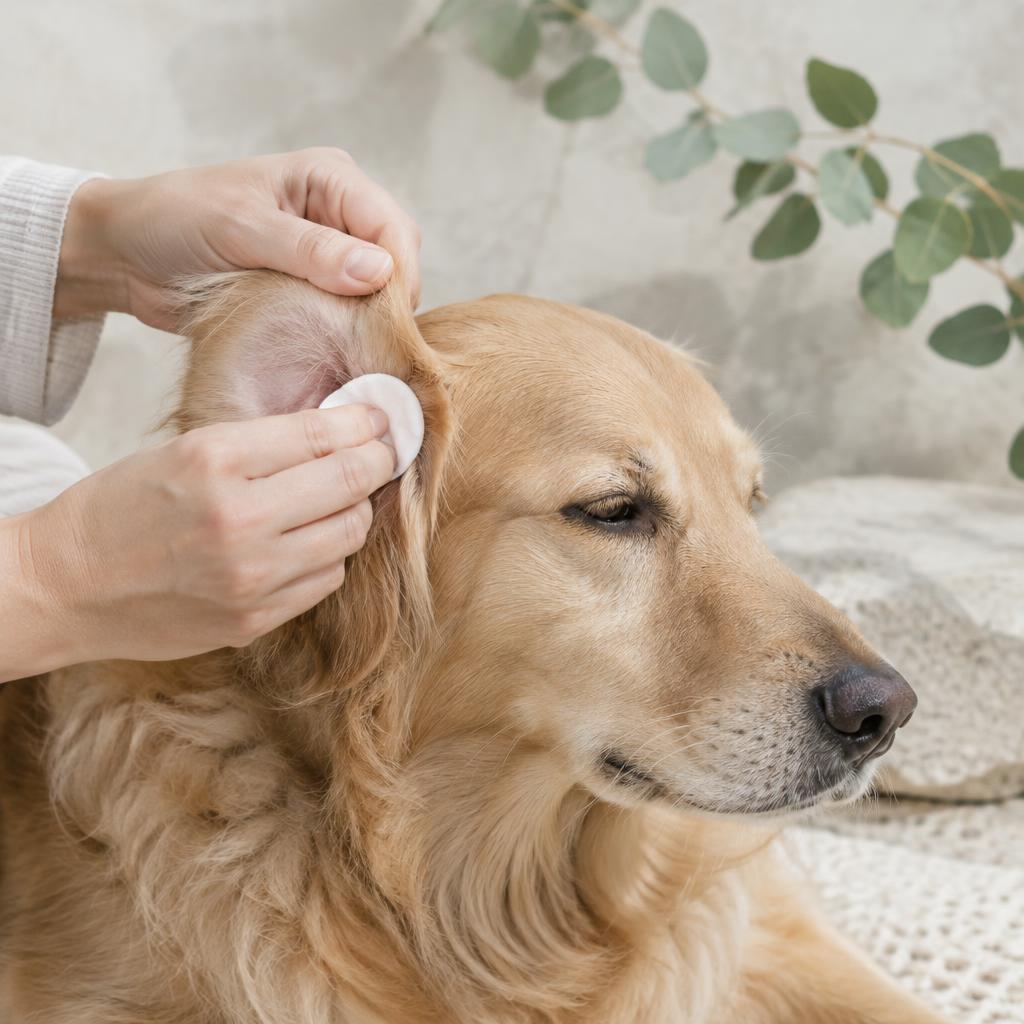
- 3Lift the flap and look. Before any liquid goes in, check the ear. Pale pink, no smell, minimal wax: consider skipping today entirely. Redness, swelling, discharge or a yeasty smell: stop and phone the vet instead.
- 4Fill the canal. Hold the ear flap up, place the nozzle at the canal opening (not inside it) and squeeze until you can see the liquid pool. Do not worry about overdoing it; excess comes back out.
- 5Massage the base. Keep the flap held and massage the base of the ear for twenty to thirty seconds. You should hear a satisfying squelch. This is the step that does the actual cleaning, breaking up wax deep in the canal.
- 6Stand back for the shake. Let go and step back. The shake is the mechanism that brings loosened debris up and out, and it is why this method cleans deeper than any swab can safely reach.
- 7Wipe what you can see. Use a cotton pad or gauze over your finger to wipe the visible part of the canal and the inside of the flap. Stop where your finger stops.
- 8Treat and repeat. Reward generously, then do the other ear. Ending on a good note makes next time easier.
How often should you clean a dog's ears?
For most dogs, every two to four weeks is plenty, and many need it far less; swimmers and floppy-eared breeds may need a weekly check with cleaning only when wax is visible.
The honest answer is that frequency follows the individual dog, not the calendar. A Labrador who swims every weekend may need a drying cleaner after each swim. A Border Terrier with tidy upright ears may go months with nothing to clean. Over-cleaning strips the protective wax layer and irritates the canal lining, which paradoxically makes infections more likely, so when in doubt, clean less.
Build the weekly look into an existing habit, during a cuddle on the sofa works well, and clean only when you see wax building up, after swimming, or when your vet has told you to.
The best ear routine is the one your dog barely notices: a weekly look, a clean only when needed, and never anything poked down the canal.
Common mistakes that cause problems
The three mistakes behind most owner-caused ear trouble are using cotton buds, cleaning too often, and cleaning an ear that is already infected.
- Probing with cotton buds. Compacts wax against the ear drum and risks perforating it in a wriggling dog.
- Cleaning on a schedule regardless of need. Strips protective wax and irritates the canal lining.
- Using home remedies. Peroxide, alcohol and vinegar all irritate or dry the canal. Water alone leaves moisture behind.
- Cleaning an infected ear. If the ear is red, smelly or painful, cleaner stings, the dog learns to fear the process, and you may push infected debris deeper. Infected ears need veterinary drops, not home cleaning.
- Plucking canal hair yourself. Deep hair plucking inflames the canal and is a job for a vet or groomer, and only when it is actually causing a problem.
When to see a vet
See the vet before cleaning if the ear smells, looks red or swollen, has discharge, or if your dog is shaking their head, scratching, or holding the head tilted.
These are the signs of otitis, an ear infection, and they change the job entirely. An infected ear needs examining with an otoscope, often a swab to identify whether yeast or bacteria are responsible, and prescription drops. Cleaning at home first can wash away the evidence and make the dog sore.
Also book in if wax builds up again within days of cleaning, if one ear is consistently worse than the other, or if your dog has had more than two ear infections in a year. Recurrent infections usually have an underlying driver, most often allergies, and our guide to dog allergies explains how that connection works. Dogs who swim constantly, or breeds with very narrow canals like the Shar Pei, are also worth discussing with your vet before problems start.
Ear shapes, breeds and who needs what
Ear anatomy is the biggest driver of how much attention ears need, and it varies enormously between breeds, which is why generic advice so often misses.
Floppy-eared breeds like the Basset Hound, Cocker Spaniel and Cavalier King Charles Spaniel have ear flaps that seal the canal off from airflow. Warmth plus moisture plus darkness is the exact environment yeast and bacteria prefer, and these breeds dominate the ear infection statistics. They earn weekly looks and cleaning whenever wax is visible, plus a drying cleaner after every swim or bath.
Hairy-canalled breeds like the Poodle, Bichon Frise and the doodle crosses grow hair inside the canal entrance, which traps wax and debris. Opinions among vets have shifted away from routine plucking towards tidying only when the hair is demonstrably causing build-up, so this is a conversation to have with your vet or groomer rather than a default.
Erect-eared breeds like the German Shepherd and Border Terrier have open, airy canals that stay cleaner naturally. Their risk is different: grass seeds and debris can drop straight in during walks through long grass, so a quick post-walk look in summer matters more than a cleaning schedule.
Narrow-canalled breeds like the Shar Pei have canals so tight that wax cannot migrate out properly and even vets struggle to see the drum without sedation. If you share your life with one, ask your vet to show you what normal looks like early, and treat any head shaking as a same-week appointment.
Whatever the shape, the principle holds: the ear you check weekly rarely surprises you, and the ear you never look at eventually will.
Interactive · ear care planner
What ear routine does your dog need?
Tell us about your dog's ears, lifestyle and what you are seeing. We will suggest a cleaning rhythm and flag when hands off is the right call.
Your ear care plan
- Check the ears weekly: they should look pale pink, smell neutral and feel cool.
- Wipe only what you can see with a damp cotton pad; never push anything into the canal.
- Floppy ears trap moisture; lift the flap after walks in rain and let air circulate.
Healthy ears: a light routine is enough
The golden rule of ear care: clean what you can see, never probe what you cannot, and let a vet look first when anything smells or hurts.
Frequently asked questions
Can I use water to clean my dog's ears? Water alone is not a good cleaner: it does not break up wax, and moisture left in the canal encourages the yeast and bacteria you were trying to prevent. Use a proper canine ear cleaner, which is designed to evaporate and leave the canal dry.
Is it safe to use cotton buds if I am careful? No. Even careful owners cannot predict a head turn, and buds compact wax against the ear drum rather than removing it. The flood-and-shake method cleans deeper than a bud can safely reach, so there is no situation where the bud is the better tool.
My dog hates having their ears touched. What can I do? Start with handling alone: touch the ear flap, treat, release, several times a day for a week, before any cleaner appears. Then progress to lifting the flap, then a single drop of cleaner, building up over days. If your dog yelps or snaps when ears are touched, see the vet first, since pain usually means infection.
Should I pluck the hair from my dog's ear canals? Only on veterinary or professional grooming advice. Hair in the canal can trap wax in prone breeds, but plucking inflames the skin and can trigger the very infection you were trying to avoid. Many groomers now tidy only the hair around the entrance.
How do I know if it is wax or an infection? Normal wax is light brown, odourless and dryish. Infection typically brings a yeasty or sweet smell, redness, moisture, dark or yellow discharge, and a dog who shakes or scratches. When smell or pain enters the picture, it is a vet job.
Do puppies need their ears cleaned? Puppies rarely need cleaning, but they benefit enormously from ear handling practice. Lift the flap, look, treat, done, a few times a week, so that if they ever need cleaning or medicating as adults, it is a non-event.
Questions people actually ask
Can I use water to clean my dog's ears?
Water alone does not break up wax and leaves moisture that encourages yeast and bacteria. Use a proper canine ear cleaner, which is formulated to evaporate and leave the canal dry.
Is it safe to use cotton buds if I am careful?
No. Even careful owners cannot predict a head turn, and buds compact wax against the ear drum rather than removing it. The flood-and-shake method cleans deeper and more safely.
My dog hates having their ears touched. What can I do?
Practise handling alone for a week, touching the flap and treating, before any cleaner appears, then build up in small steps. If touching the ears causes yelping or snapping, see the vet first, as pain usually means infection.
Should I pluck the hair from my dog's ear canals?
Only on veterinary or professional grooming advice. Plucking inflames the canal skin and can trigger infection; many groomers now tidy only the hair around the entrance.
How do I know if it is wax or an infection?
Normal wax is light brown, dryish and odourless. Infection brings a yeasty smell, redness, moisture, dark or yellow discharge, and head shaking or scratching. Smell or pain means a vet visit.
Do puppies need their ears cleaned?
Rarely, but puppies benefit from ear handling practice a few times a week so that cleaning or medicating later in life is a non-event.
Sources
Breeds mentioned
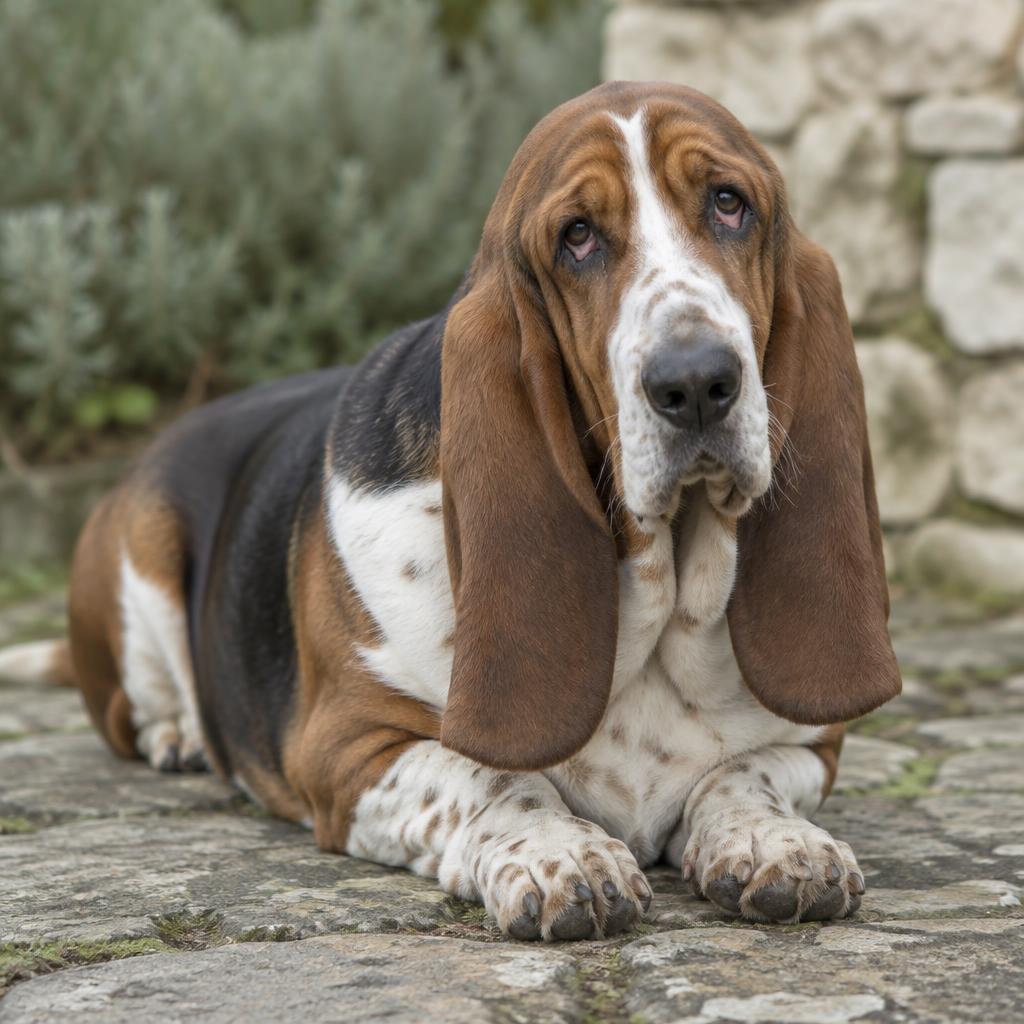
Basset Hound
A short legged French scenthound with a powerful nose, a deep bay and a stubborn streak worth respecting.
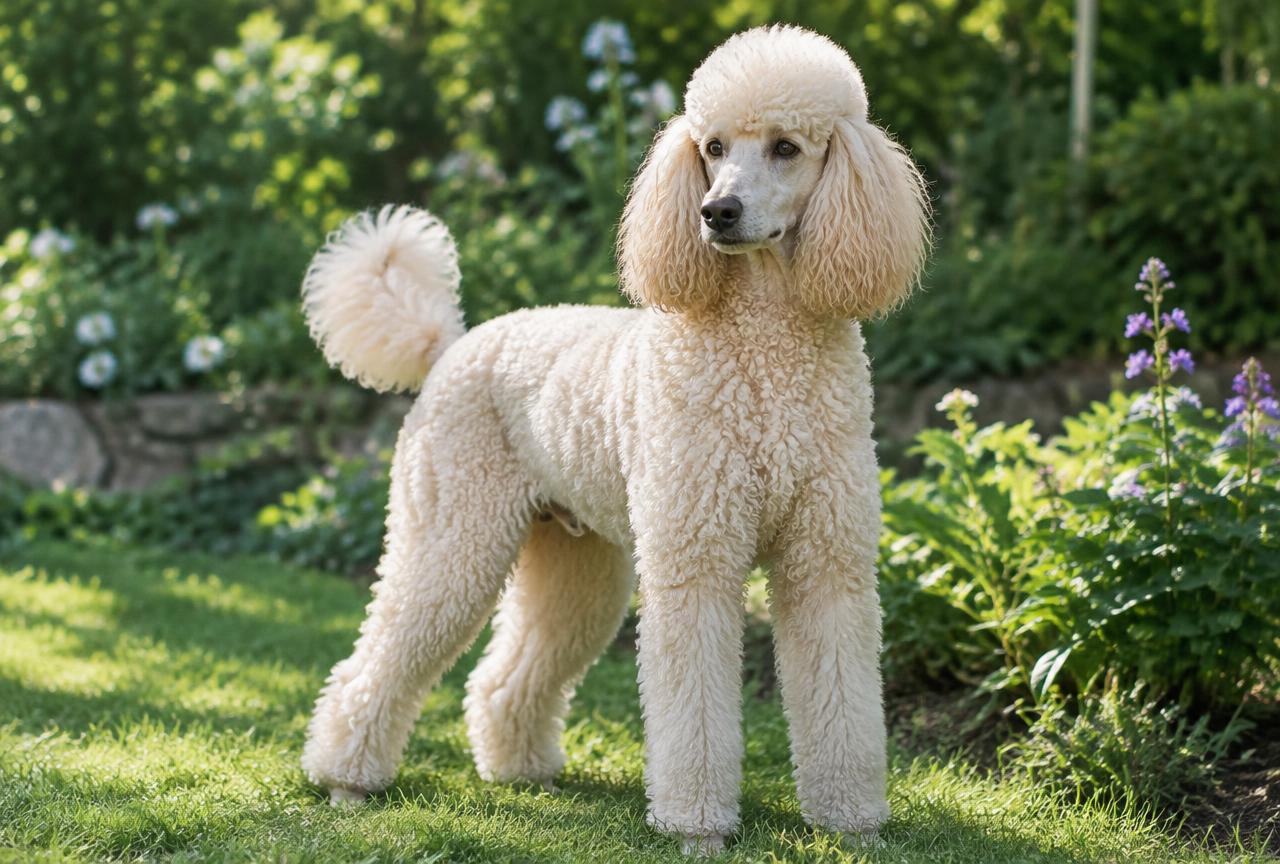
Poodle
A brilliant, low shedding companion that comes in three sizes but one sharp mind.

Labrador Retriever
Britain's most popular family dog: biddable, food driven and built for an active household.
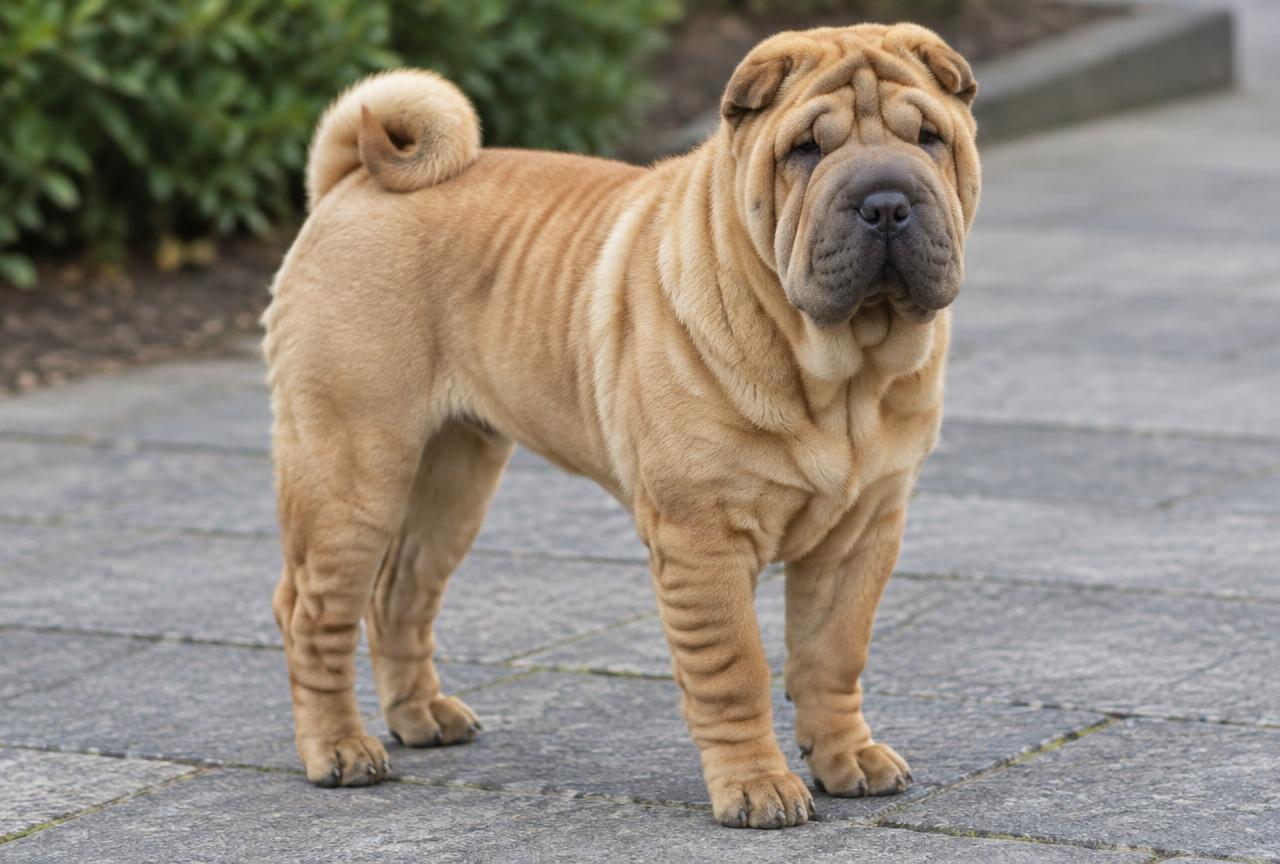
Shar Pei
The wrinkled, independent-minded Chinese guard dog that needs confident, hands-on owners.
Put it into practice
Read next
Dog Shedding: What Is Normal and How to Manage It
What normal dog shedding looks like by coat type, the brushes that actually work, and the signs that shedding is a health issue rather than a moult.