Hound group
France
Basset Hound
The Basset Hound is an affectionate, stubborn French scenthound prone to back and weight problems, needing careful exercise and firm portion control.
Reviewed against Kennel Club and breed club health guidance
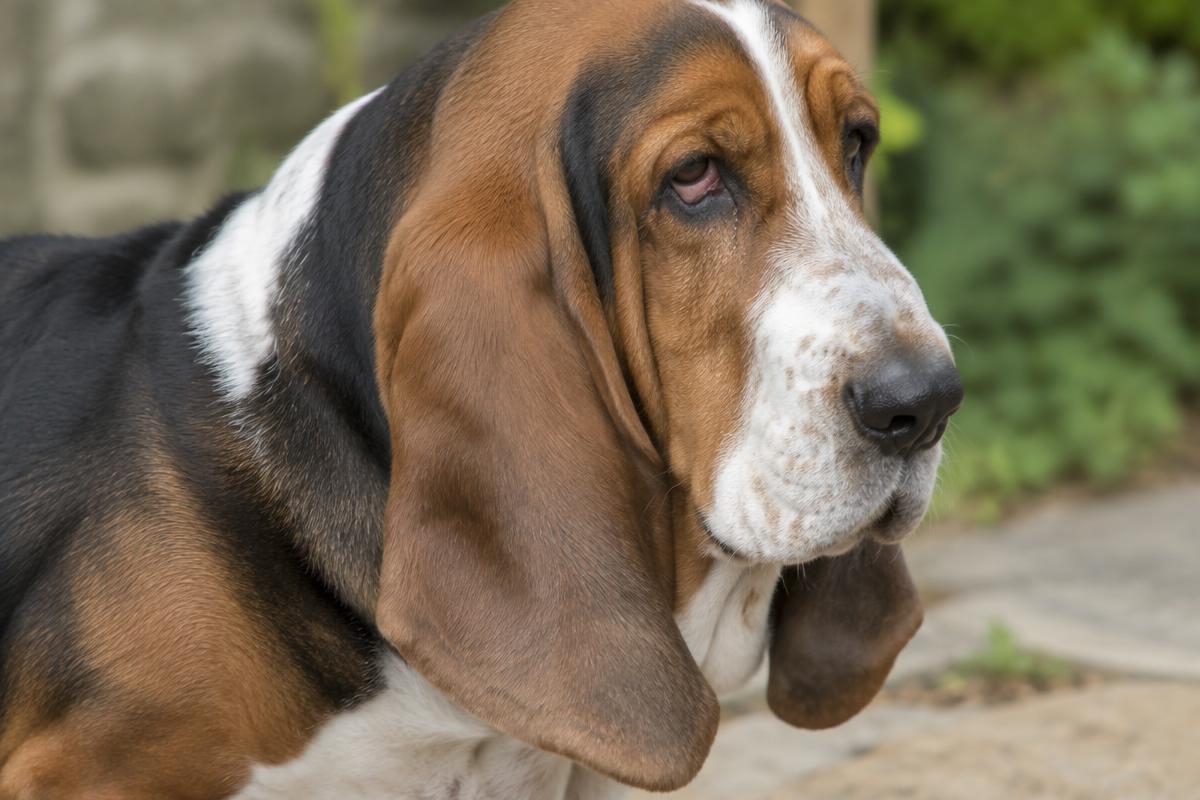
A short legged French scenthound with a powerful nose, a deep bay and a stubborn streak worth respecting.
The short version
- Basset Hounds have an exceptional nose and can ignore recall completely once following a scent.
- The breed is famously vocal, using a deep bay that matters for households with close neighbours.
- Its long back makes it prone to disc disease, so jumping and stairs should be limited.
- Obesity is common and worsens back and joint problems, so careful portion control is essential.
- Training needs patience, since low trainability scores reflect genuine independence rather than low intelligence.
- Weight
- 18 to 29 kg
- Height
- 33 to 38 cm
- Lifespan
- 10 to 13 yrs
- Size
- Medium
- Group
- Hound
- Coat
- Short, smooth, tricolour or lemon and white
- Grown male
- 23 to 29 kg
- Grown female
- 18 to 25 kg
- Years to full size
- about 1.5
- One-off setup
- €450 to 900
Get one if…
- Families with children wanting a calm, affectionate companion
- First time owners prepared to train with patience rather than quick results
- Households able to commit to careful weight and back care for life
- Owners wanting a sociable dog that gets on well with other dogs
- People able to tolerate occasional loud baying
Think again if…
- Owners wanting an athletic hiking companion with reliable recall
- Households with close neighbours who are very sensitive to noise
- People unable to manage food intake and weight carefully
- Owners wanting a highly trainable, obedience focused dog
- Homes with steep stairs and no way to manage them
Trait profile
The Basset Hound combines a strong, independent nose with low trainability and high vocality, so recall off lead and tolerance of baying both need realistic expectations.
Space & setup. A house with a secure garden at ground level suits this breed well, since its long back and short legs mean stairs and jumping should be limited wherever possible.
Allergies. The short, smooth coat sheds a moderate to high amount year round and is not considered suitable for households with significant allergy concerns.
Living with a Basset Hound
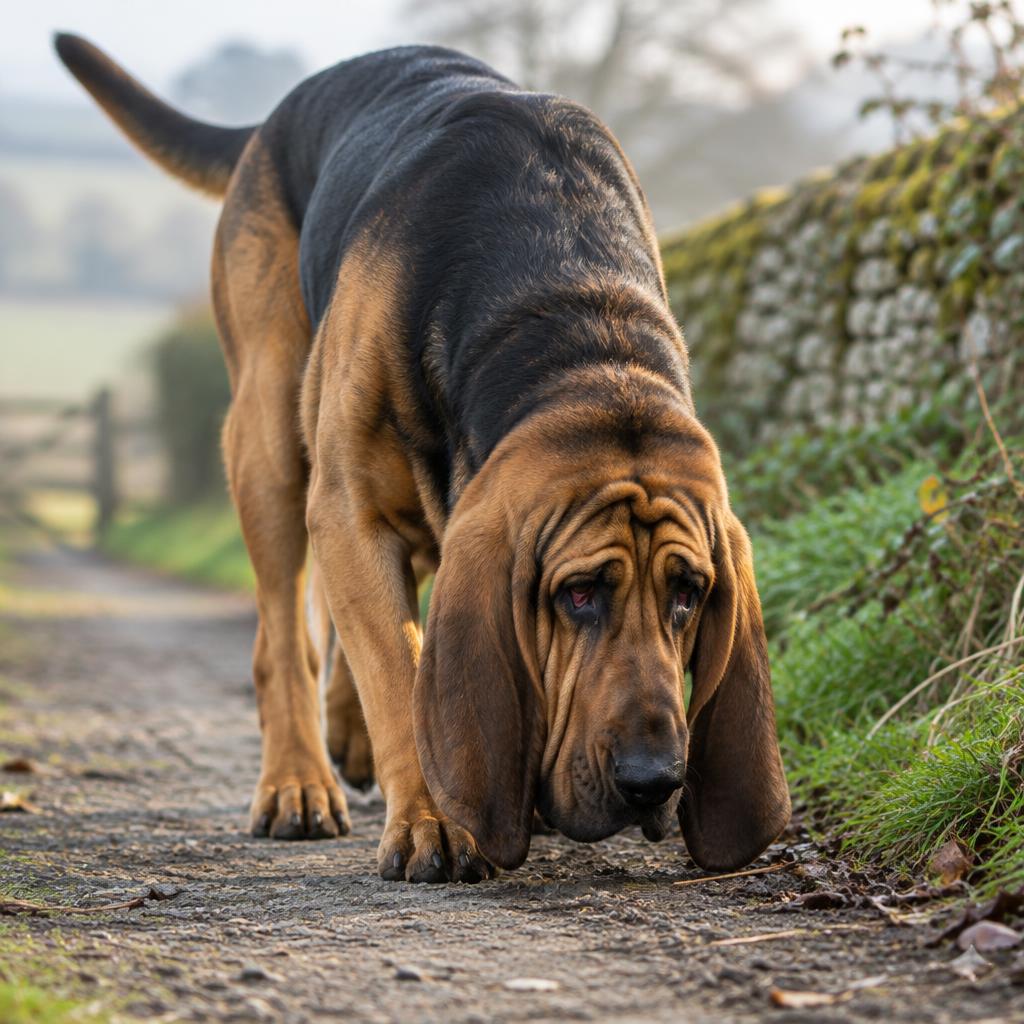
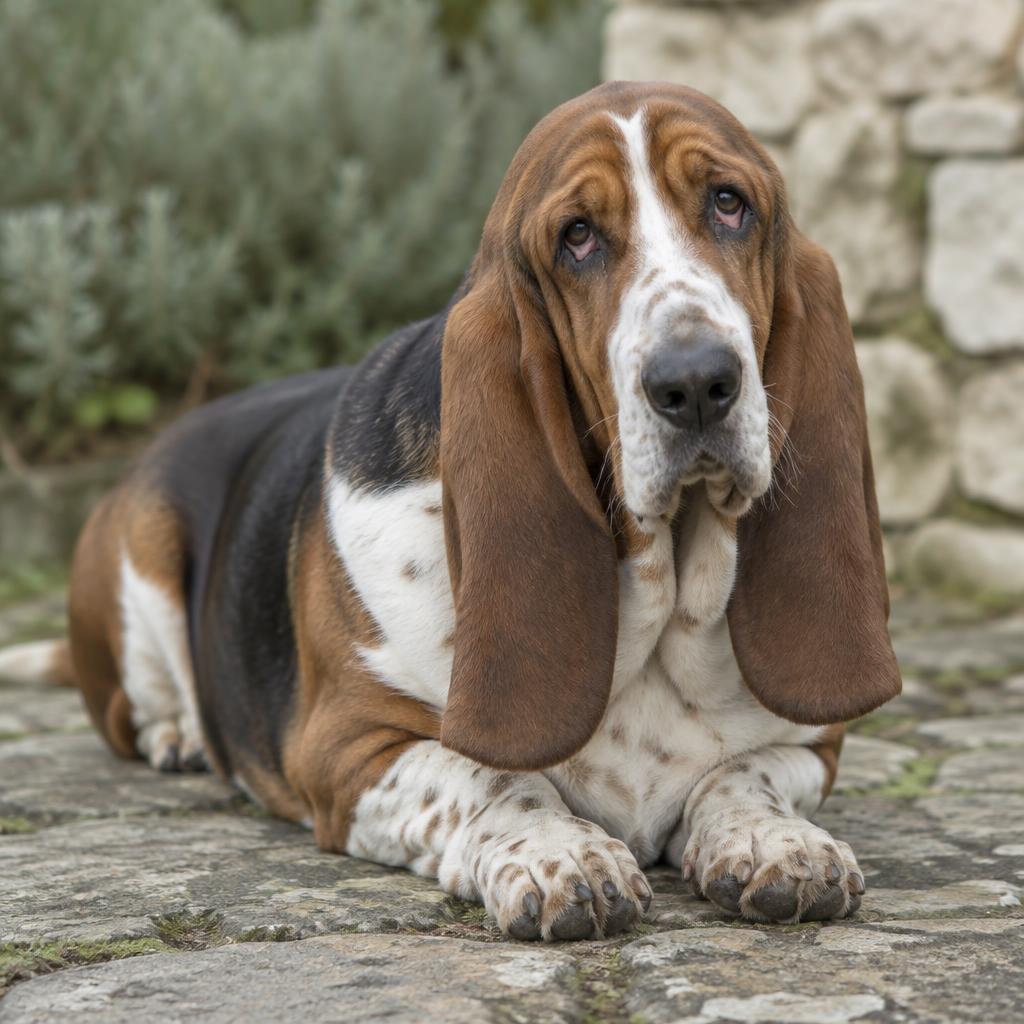
The Basset Hound is a short legged French scenthound, bred to hunt hare on foot thanks to a nose rivalled only by the Bloodhound's and a build deliberately slowed by its distinctive dwarfed legs. It is affectionate and sociable at home, but its powerful scenting instincts, deep bay and long back all need careful, considered management.
The Basset Hound originated in France, bred down from larger French scenthounds such as the Saint Hubert hound to produce a dog short legged enough for hunters to follow on foot through dense cover while chasing hare and rabbit. The name comes from the French bas, meaning low, and the short, heavy boned legs are the result of a form of dwarfism that was deliberately selected for because it slowed the dog just enough to keep pace with a walking hunter while its extraordinary nose, second among hound breeds only to the Bloodhound's, did the real work. The breed arrived in Britain and the United States in the nineteenth century and shifted gradually from a working pack hound into a popular family companion and show dog, though its scenting instincts and pack mentality remain exactly as strong as ever.
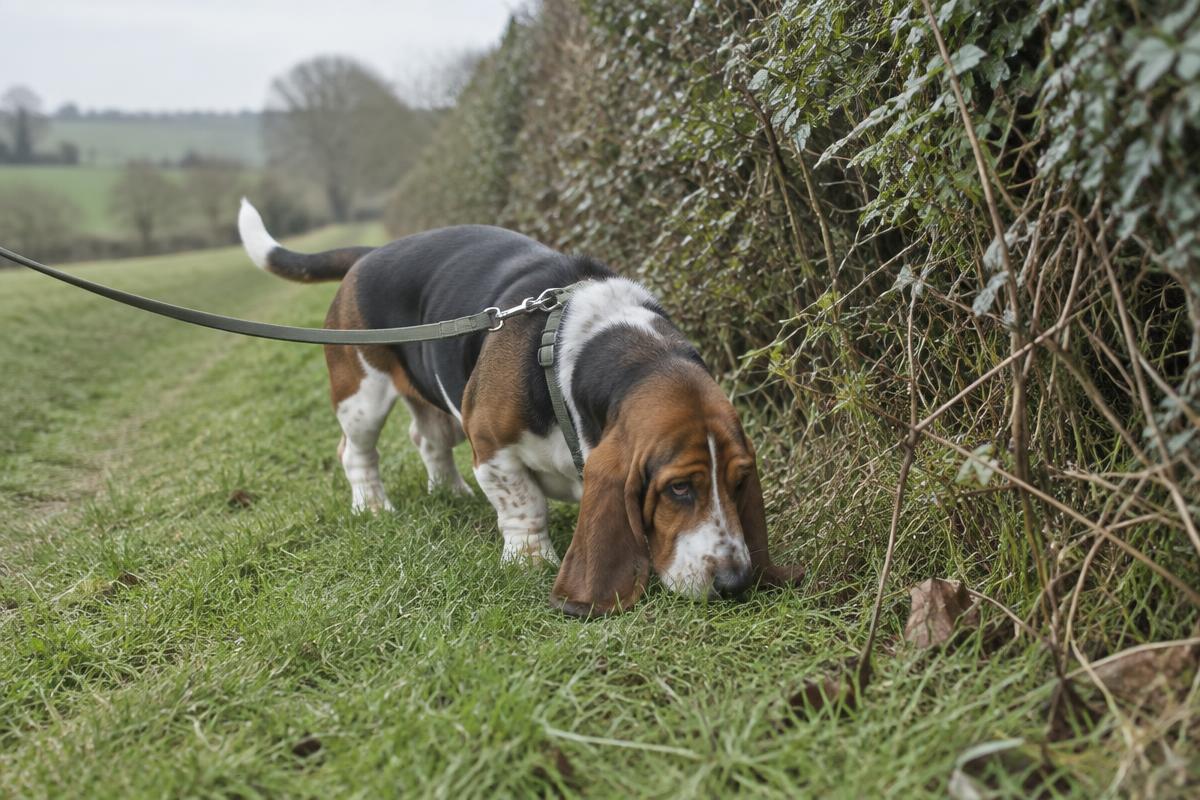
At home, the Basset Hound is an affectionate, easygoing presence that is generally patient with children and happy in the company of other dogs, a legacy of being bred to hunt in packs rather than alone. It is also famously stubborn and vocal, with a deep bay or howl that it will use when bored, left alone or simply excited by an interesting smell, which is worth considering carefully in a terraced house or anywhere with close neighbours. Once it catches a scent, a Basset Hound can become almost entirely deaf to its name, and this single mindedness, combined with low trainability scores relative to other hounds, means recall off lead in unenclosed areas is not something most owners should rely on. It is a sociable dog that does not thrive when left alone for very long periods, though it tolerates solitude somewhat better than more highly strung breeds, and it generally settles well once mature.
Exercise needs are moderate rather than high, with around 45 minutes to an hour split across a couple of walks suiting most adults well, ideally including some scent based games such as hiding treats around the garden or using a flat tracking line to let the nose work safely in open ground. Training requires patience and very high value rewards, since food motivation is strong but so is the pull of a scent trail, and harsh corrections tend to produce a shut down, unresponsive dog rather than a cooperative one. Because of its long back and short legs, a Basset Hound should not be allowed to jump on and off furniture, run up and down stairs repeatedly or carry excess weight, all of which place unnecessary strain on the spine and joints over time.
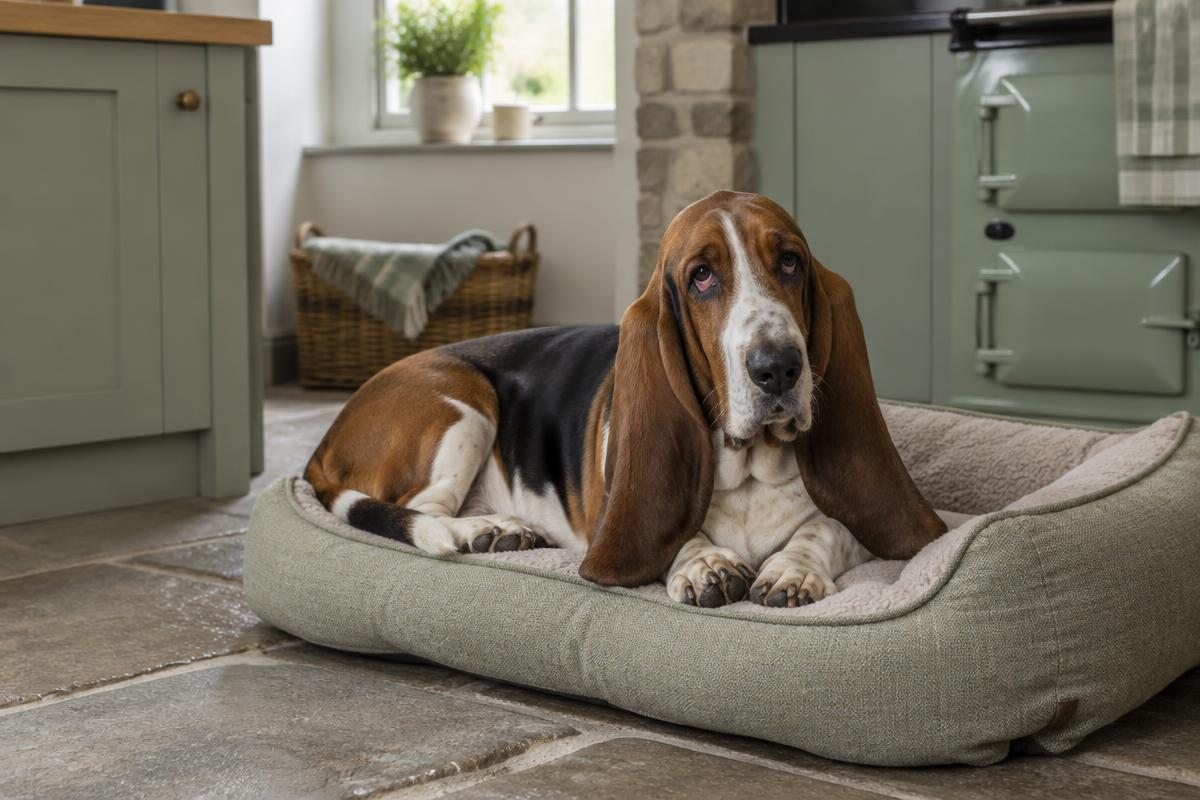
Health is where this breed needs the most careful management. Its long back makes it genuinely prone to intervertebral disc disease, which can cause sudden pain, weakness or even paralysis in the hind legs and sometimes needs urgent veterinary treatment, including surgery. The loose, heavy set eyes are prone to primary lens luxation and glaucoma, both of which can threaten sight and should be screened for regularly by a vet or ophthalmologist, while the long, low set, heavy ears trap moisture and wax and need routine checking and cleaning to prevent chronic, sometimes smelly infections. Obesity is extremely common in the breed and dramatically worsens the back and joint problems it already faces, so weighing food carefully and resisting the pleading expression this breed is famous for matters enormously, and chondrodysplasia itself, the skeletal trait behind the short legs, can in its more extreme forms contribute to ongoing joint discomfort over a lifetime.
This is a breed that suits owners who want a calm, affectionate, sociable dog with a distinctive character and are prepared to manage a vocal habit, a stubborn streak and a genuine weight and back care routine for life. It works well for families with children and for first time owners who understand that training will take patience rather than quick results, and reasonably well in a flat provided neighbours tolerate occasional baying and stairs are managed carefully with ramps or lifting where needed. It is a poor choice for anyone wanting an athletic hiking companion, reliable off lead recall, or a quiet household with no tolerance for howling, and anyone considering one should budget for orthopaedic and eye care across its lifetime rather than assume the breed's calm reputation means low veterinary costs overall.
An affectionate, determined scenthound with a deep bay, a stubborn streak and a long back that needs careful lifelong management.
Exercise, day to day
- 1Puppies (8 to 20 weeks): short, gentle walks only, avoiding stairs and jumping while the back and joints develop.
- 2Adults: around 45 minutes to an hour a day split across a couple of walks, always on lead in unenclosed areas.
- 3Scent work: hide treats in the garden or use a tracking line to let the nose work safely and tire the dog mentally.
- 4Limit jumping on and off furniture and repeated stair use throughout life to protect the long back.
- 5Keep a close eye on body weight, since excess weight significantly worsens back and joint strain.
Grooming, realistically
- 1Brush weekly with a soft bristle brush or hound mitt to remove loose hair.
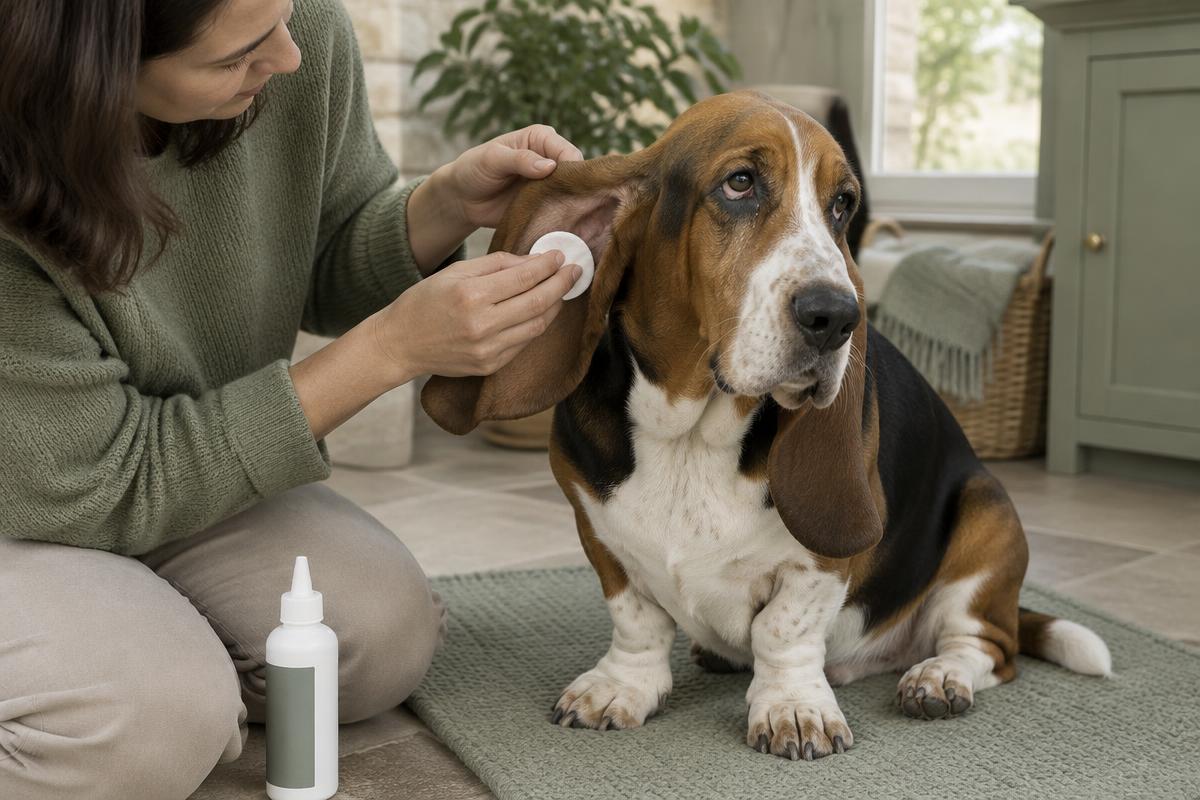
- 2Check and clean the long, heavy ears several times a week to prevent chronic infections.
- 3Clean skin folds around the face and neck regularly to prevent irritation.
- 4Trim nails every 3 to 4 weeks, checking the dewclaws carefully.
- 5Brush teeth several times a week to reduce tartar build up.
What you actually need
- Soft bristle brush or hound mitt
- Ear cleaning solution and cotton pads
- Dog nail clippers
- Enzymatic dog toothpaste and brush
- Gentle dog shampoo
- Ramp or steps to protect the back from jumping
Puppy to adult
| Age | Male | Female | What is happening |
|---|---|---|---|
| 8 weeks | 3.5 to 5 kg | 3 to 4.5 kg | Heavy boned puppy build with noticeably short legs from a young age. |
| 3 months | 6.5 to 9 kg | 5.5 to 8 kg | Steady weight gain, worth establishing careful portion habits early. |
| 6 months | 12 to 17 kg | 10 to 15 kg | Adolescent stage, back and joints are still developing and need protecting. |
| 9 months | 17 to 22 kg | 14 to 19 kg | Approaching adult size, though the frame continues filling out. |
| 12 months | 20 to 26 kg | 16 to 22 kg | Close to adult weight, portion control now key to lifelong back health. |
| 18 months | 23 to 29 kg | 18 to 25 kg | Full adult size and weight reached. |
Ranges are typical, not targets. Judge condition by ribs and waist, and check with the ideal weight checker.
What to ask a breeder
- Can I see eye screening results for primary lens luxation and glaucoma in both parents?
- Have the parents had their backs and joints checked by a vet?
- How do you manage feeding to reduce the risk of obesity in the puppies?
- How vocal are the parents, and how do they behave around strangers?
- How do the puppies react to handling, noise and other dogs?
Health tests to ask for
Ask to see results for both parents before you put down a deposit.
- Eye examination for primary lens luxation and glaucoma
- BVA/KC hip score
- Spinal and orthopaedic assessment
- Regular ear examination for chronic infection
- Body condition and weight monitoring throughout life
Health watch-list
What to ask a breeder about, and what to watch for over a lifetime. This is orientation, not veterinary advice, anything you notice belongs in front of a vet.
Intervertebral disc disease
CommonThe long back makes disc problems a genuine risk, which can cause sudden pain or weakness in the hind legs, so limiting jumping and stairs and seeking prompt veterinary help for any back pain matters.
Primary lens luxation and glaucoma
CommonThese eye conditions can threaten sight if untreated, so ask whether breeding stock have had an eye examination and seek urgent veterinary attention for sudden redness or cloudiness.
Chronic ear infections
CommonThe long, heavy ears trap moisture and wax, so regular checking and cleaning at home and prompt treatment of any odour or head shaking helps avoid recurring infections.
Obesity
Common with ageExcess weight significantly worsens back and joint strain in this breed, so weighing food accurately and limiting treats is important throughout life.
Hip dysplasia
UncommonMalformed hip joints can cause discomfort and early arthritis, so ask for hip scores of breeding stock where available.
Chondrodysplasia related joint strain
NotableThe skeletal trait behind the short legs can contribute to joint discomfort over a lifetime, so a vet can advise on supportive care and weight management as the dog ages.
What it costs to keep one
Realistic running cost
€102 / month
About €1,224 a year, or roughly €14,688 across a 12-year life, before purchase price, neutering and one-off vet events.
Before the puppy arrives. Budget roughly €450 to 900 for a crate, bed, lead and harness, bowls, puppy classes, first vaccinations and grooming kit sized for this breed. Figures throughout are indicative and vary a good deal between countries.
Interactive · built for this breed
Is a Basset Hound right for your home?
Seven honest questions about your space, time and household, checked against this breed's exercise need, coat, sociability and tolerance for time alone.
Fit with your routine
98%
A strong fit
Your routine suits a Basset Hound well. Meet adult dogs of the line before you commit.
Working in your favour
- Your daily walking comfortably covers this breed's exercise need.
- Coat care fits the grooming time you offered.
Compare more breeds in the matchmaker, or plan meals with the portion calculator.
The verdict, by household
First-time owner
A good choice with realistic expectations
Affectionate and forgiving, but first time owners need patience with training and commitment to weight and back care.
Family with children
An excellent match
Patient, sociable and sturdy enough for family life, making it a popular choice for households with children.
Active single or couple
A good choice with realistic expectations
Content with moderate exercise, though it is a poor match for owners wanting a hiking or running companion.
Owner in a flat with close neighbours
A good choice with realistic expectations
Moderate exercise needs suit flat living, but the deep bay and stairs both need careful consideration first.
When to call your vet
- Sudden back pain, reluctance to move or weakness in the back legs, which can indicate intervertebral disc disease
- Cloudy, red or painful eyes, which may suggest lens luxation or glaucoma and needs urgent attention
- Persistent head shaking or ear odour, which can indicate a chronic ear infection
- Gradual weight gain, which quickly adds strain to the back and joints in this breed
- Difficulty rising or exercise intolerance, which may point to developing joint problems
Nothing here is a diagnosis. A swollen, hard belly with retching, collapse, breathing difficulty and sudden hind-leg weakness are emergencies: go straight away.
Basset Hound vs the closest alternatives
| Breed | Weight | Energy | Grooming | € / month |
|---|---|---|---|---|
| Basset Hound | 18 to 29 kg | 5/10 | 3/10 | €102 |
| Bloodhound | 36 to 50 kg | 5/10 | 3/10 | €185 |
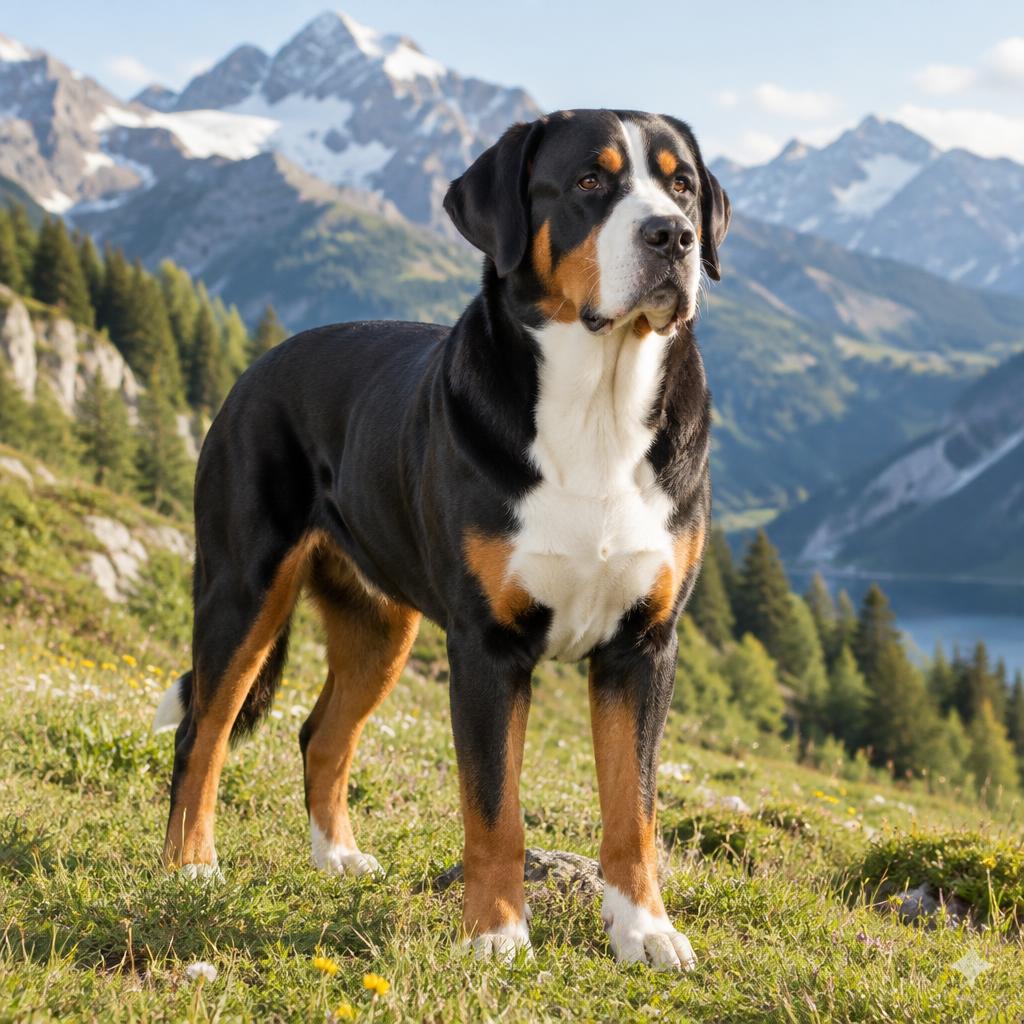
| Greater Swiss Mountain Dog | 50 to 63 kg | 6/10 | 3/10 | €150 |
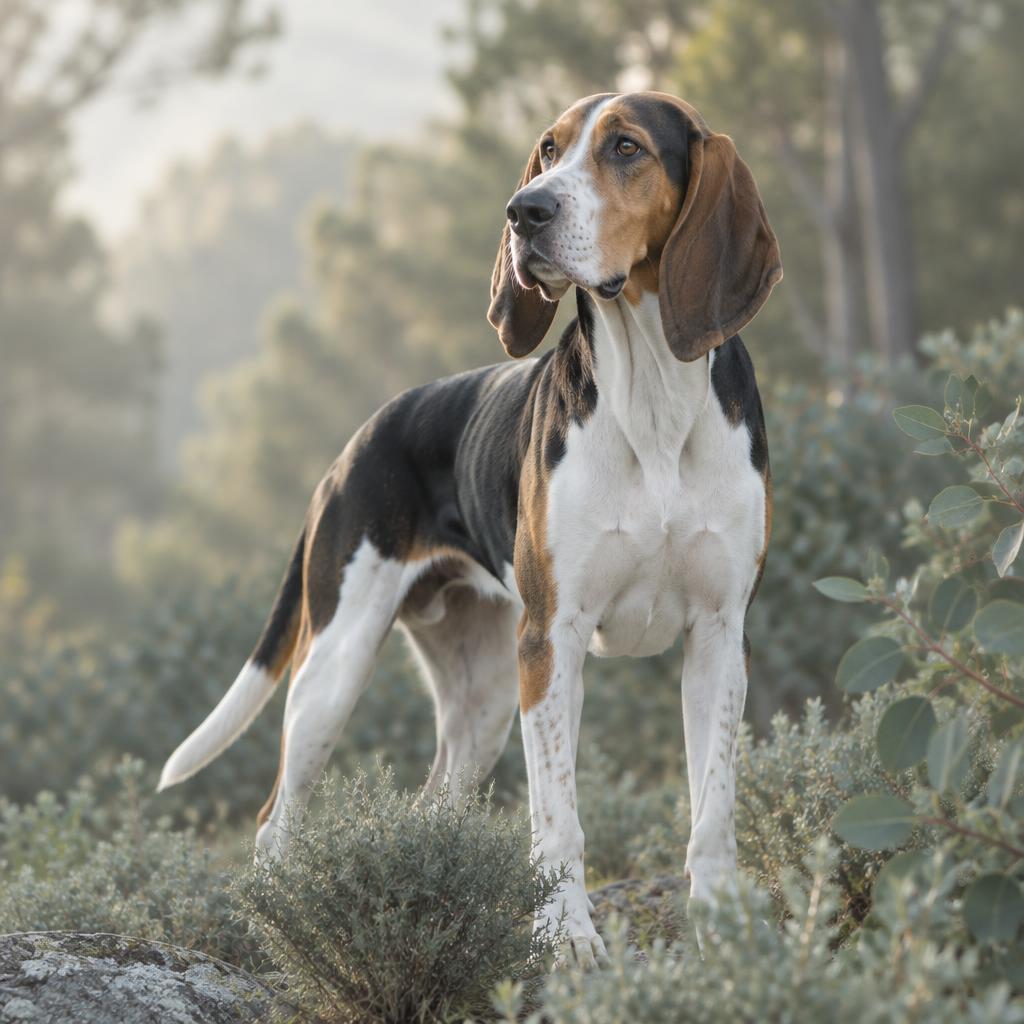
| Treeing Walker Coonhound | 23 to 32 kg | 8/10 | 3/10 | €88 |
Basset Hound questions, answered
How long do Basset Hounds live?
Basset Hounds typically live between 10 and 13 years. Keeping weight well controlled and staying on top of back, eye and ear health through life all help give a Basset Hound a good chance of reaching the upper end of that range comfortably.
Do Basset Hounds shed?
Yes, Basset Hounds shed a moderate to high amount year round despite their short coat. Weekly brushing with a soft bristle brush or hound mitt helps manage loose hair, and the coat itself needs very little other maintenance.
What were Basset Hounds bred for?
Basset Hounds were bred in France to hunt hare and rabbit on foot, since their short legs slowed them enough for a walking hunter to keep up while their exceptional nose, second only to the Bloodhound's among hounds, tracked the scent trail.
Are Basset Hounds good apartment dogs?
They can do reasonably well in a flat, since their exercise needs are moderate rather than high. However, their deep bay can be an issue for close neighbours, and their long back means stairs need careful management, so a ground floor flat or a lift is a better fit.
Why do Basset Hounds howl?
Basset Hounds use a deep, distinctive bay rather than a typical bark, often triggered by boredom, being left alone, excitement or an interesting scent. It is a hardwired part of their scenthound heritage rather than a behaviour that fully trains out, so prospective owners should expect it.
How much exercise does a Basset Hound need?
Around 45 minutes to an hour a day split across a couple of walks suits most adults well, ideally including some scent based games. This is a moderate exercise breed rather than a high energy one, but the walks should still happen daily and on a secure lead.
How can I stop my Basset Hound becoming overweight?
Weigh food accurately rather than guessing portions, limit treats and resist the breed's famously persuasive begging, and keep up with daily walks. Obesity is extremely common in this breed and significantly worsens back and joint problems, so regular weigh ins with a vet help catch gradual gain early.
Sources
- Basset Hound breed standard, The Kennel Club
- Basset Hound breed information, American Kennel Club
- Intervertebral disc disease in dogs, British Veterinary Association
- Caring for a Basset Hound, PDSA
- Obesity in dogs, PDSA
Put it into practice
Reading that goes with this

Puppies
Crate Training a Puppy: A 14-Day Plan

Health
Dog Ear Infections: Signs, Causes and Treatment

Health
Dog Reverse Sneezing: Causes and What to Do

Training
How to Stop a Dog Barking: A Practical Guide
Behaviour
Why Do Dogs Eat Grass? What Vets Actually Think

Health
Why Is My Dog Shaking? Causes and When to Worry
Behaviour
Why Do Dogs Tilt Their Heads? Curiosity, Ears and One Warning Sign
Care
How to Clean a Dog's Ears: A Calm Step-by-Step Guide