
Dog Reverse Sneezing: Causes and What to Do
A dog snorting loudly and gasping for air can be frightening to watch, but reverse sneezing is rarely a medical emergency.
The SniffScroll desk
Dog care editors
Published 30 September 2026 · Updated 9 October 2026

Reviewed against RVC, BSAVA and PDSA guidance
The short version
- Reverse sneezing is a rapid, honking snort caused by a spasm of the soft palate and throat.
- Most episodes last seconds to a minute and resolve on their own without treatment.
- Irritants, excitement and pulling on a lead are common triggers.
- Flat-faced and small breeds are more prone to reverse sneezing than others.
- Frequent, prolonged or worsening episodes should be checked by a vet to rule out other causes.
What is reverse sneezing in dogs?
Reverse sneezing is a sudden, rapid series of snorting or honking inhalations that happen when a dog's soft palate and throat go into a brief spasm. Unlike a normal sneeze, which forces air out through the nose, a reverse sneeze pulls air in quickly through the nose, producing a loud snorting sound that can last anywhere from a few seconds to about a minute. It looks and sounds distressing, with dogs often standing still, extending their neck, and making repeated honking noises, but the vast majority of episodes are harmless and resolve completely on their own. The medical term for this is paroxysmal respiration, and vets see it regularly as a normal, if slightly odd, quirk of canine anatomy rather than a disease in itself.
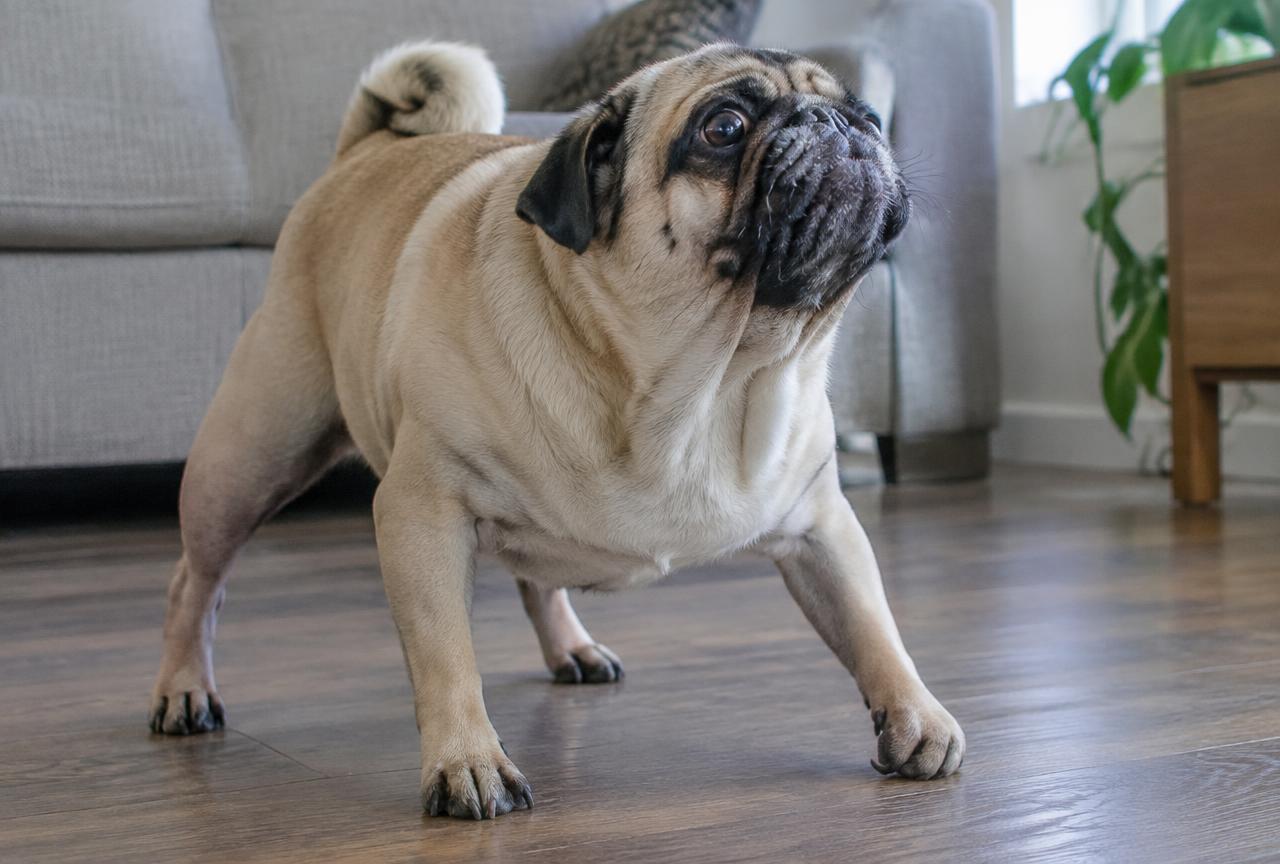
What does reverse sneezing look and sound like?
During an episode, a dog typically stands still, stretches its neck out, and makes loud, repetitive snorting or honking sounds while pulling air in through the nose. The chest may appear to pulse rapidly, and the dog might look wide-eyed or briefly alarmed by its own noise. It can resemble choking, an asthma attack, or a seizure to an unfamiliar observer, which is why so many owners search anxiously for answers the first time it happens. Understanding what a normal episode looks like helps you recognise it quickly and stay calm the next time, since dogs prone to reverse sneezing often have repeat episodes throughout their life.
- Standing still with neck stretched forward
- Loud, rapid snorting or honking through the nose
- Chest pulsing rhythmically during the spasm
- Episode typically lasting seconds up to about a minute
- Dog returns to completely normal behaviour immediately afterwards
- No visible distress once the episode has passed
Interactive · sound sorter
Reverse sneeze, cough or choking?
These three sound alarming but need very different responses. Describe what you are hearing to sort them out.
Likely a reverse sneeze
Rapid snorting through the nose, often triggered by excitement or pulling on the lead, that stops on its own within a minute or so. Gently stroking the throat can help it pass.
What causes reverse sneezing?
Reverse sneezing happens when the soft palate and throat become irritated or spasm, often triggered by something tickling the nasal passages or throat. Common triggers include excitement, pulling against a collar or harness, sudden temperature changes, dust, pollen, perfumes, cleaning products, and drinking or eating too quickly. Anatomy plays a role too, with dogs that have a longer soft palate or narrower nasal passages being more prone to episodes. According to VCA Animal Hospitals, reverse sneezing is considered a normal variant of breathing in many dogs rather than a sign of disease, though it is always worth noting patterns to share with a vet if episodes increase.
Breeds most affected
Flat-faced breeds such as the french-bulldog are more prone to reverse sneezing because of their airway shape, and small breeds including the jack-russell-terrier and dachshund also experience it relatively often. Larger dogs can reverse sneeze too, but it tends to be noticed less because the sound is less dramatic relative to their size.
Reverse sneezing compared with similar conditions
| Condition | Sound | Duration | Typical cause |
|---|
| Reverse sneezing | Rapid honking snorts, air pulled in | Seconds to about a minute | Soft palate spasm, irritation |
|---|
| Tracheal collapse | Persistent dry, goose-honk cough | Recurs often, can be constant | Structural weakness of the windpipe |
|---|
| Kennel cough | Harsh, dry, hacking cough | Can persist for days to weeks | Contagious respiratory infection |
|---|
| Choking | Gagging, pawing at mouth, distress | Until object is cleared | Foreign object lodged in throat |
|---|
Telling these apart matters because the right response is different for each. Reverse sneezing generally needs no intervention beyond a calm, reassuring presence, while choking is a genuine emergency requiring immediate action, and a persistent cough from kennel cough or tracheal collapse needs a vet visit to diagnose and manage properly. If you are ever unsure which one you are seeing, especially the first time, treat it cautiously and contact your vet for guidance rather than assuming it will resolve itself.
Step by step: what to do during an episode
Step 1: Stay calm
Dogs pick up on their owner's anxiety, and reacting with panic can prolong the episode or make your dog more distressed than the sneezing itself warrants. Speak in a calm, soothing voice and avoid rushing at your dog suddenly.
Step 2: Gently stroke the throat
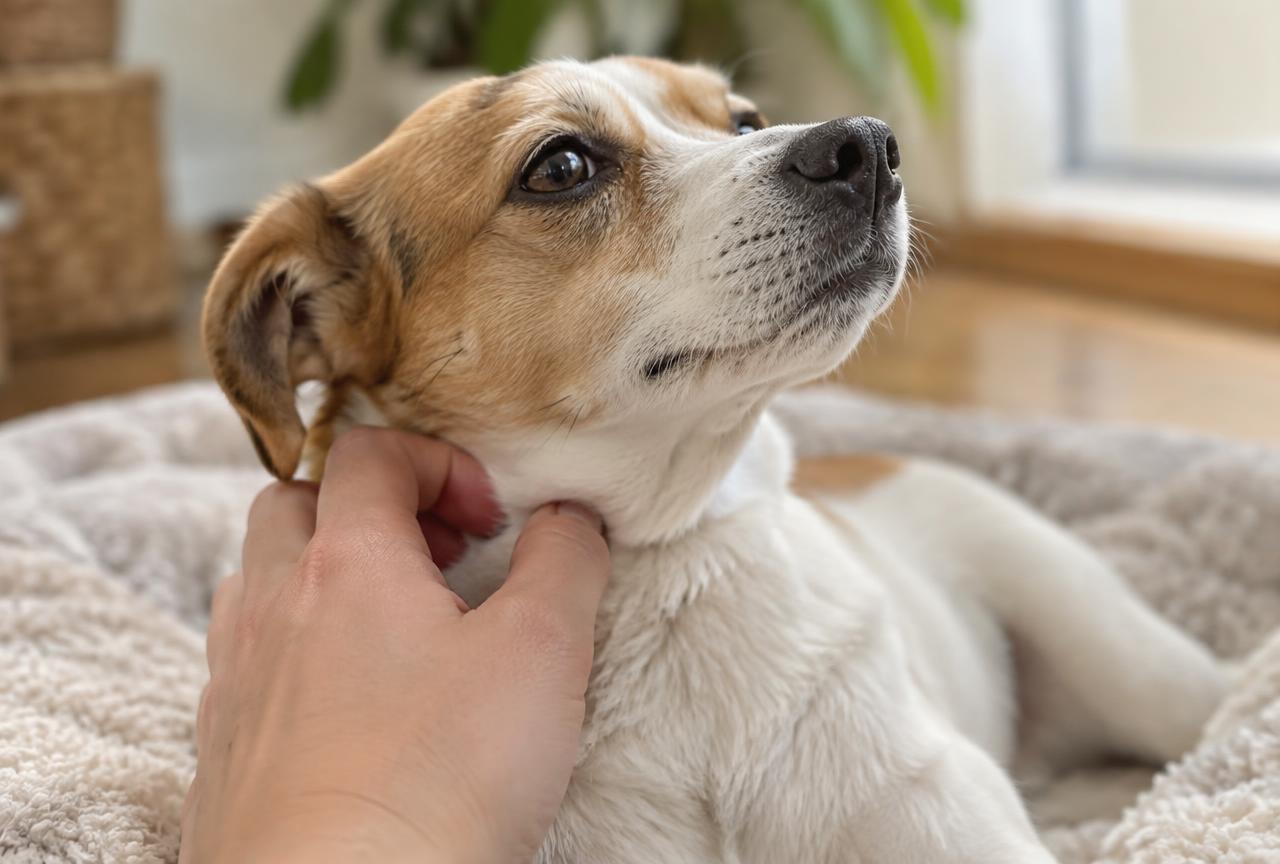
Lightly stroking your dog's throat can help relax the muscles involved in the spasm and often shortens the episode.
Step 3: Encourage a swallow
Briefly covering the nostrils for a second or softly blowing on your dog's face can encourage them to swallow, which frequently interrupts the spasm and stops the episode.
Step 4: Let it pass
Most episodes end within a minute regardless of intervention. Once it stops, your dog should return to completely normal behaviour with no lingering signs of discomfort.
Can reverse sneezing be prevented?
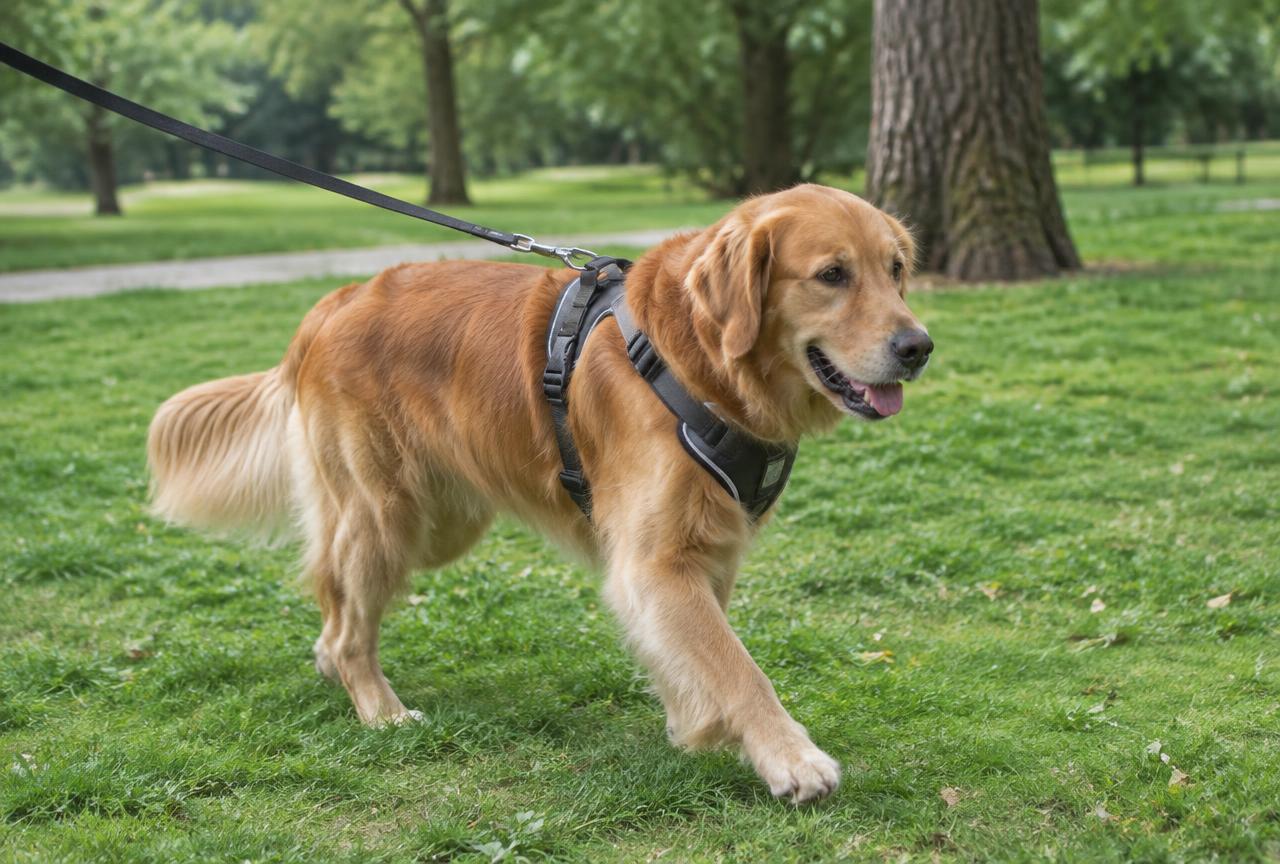
While it cannot always be avoided entirely, reducing exposure to common triggers can lower how often episodes happen. Using a harness instead of a collar reduces pressure on the throat during walks, which is a leading trigger in dogs that pull. Keeping your home reasonably free of strong irritants such as air fresheners, cleaning sprays, and cigarette smoke can also help sensitive dogs. Managing excitement around mealtimes and greetings, and avoiding letting dogs gulp water or food too quickly, may reduce frequency for some individuals. According to the American Kennel Club, keeping a simple log of when episodes happen can help identify a dog's individual triggers over time, which makes prevention more targeted and effective.
- Use a well-fitted harness rather than a collar for walks
- Avoid strong perfumes, sprays and smoke around sensitive dogs
- Keep mealtimes calm to reduce gulping and excitement
- Vacuum and dust regularly if pollen or dust seem to be triggers
- Note the time, place and activity around each episode to spot patterns
When to see a vet
See a vet if reverse sneezing episodes become frequent, last longer than a minute or two, occur alongside nasal discharge, bleeding, coughing, or weight loss, or if your dog seems to have genuine breathing difficulty outside of the episodes themselves. These signs can point to nasal mites, a foreign object, dental disease affecting the nasal passages, or a structural airway problem that needs proper diagnosis.
Living with a dog prone to reverse sneezing
Understanding your individual dog's pattern
Some dogs have an occasional episode a few times a year, while others, particularly small and flat-faced breeds, may reverse sneeze several times a week without it ever indicating a health problem. Getting to know your own dog's normal pattern is genuinely useful, since it helps you quickly recognise if something changes, such as episodes becoming longer, more frequent, or paired with new symptoms like nasal discharge or lethargy. Many owners describe feeling far less alarmed once they have seen a handful of typical episodes and understand what 'normal' looks like for their own dog specifically.
When further investigation is needed
If a vet suspects something beyond ordinary reverse sneezing, such as nasal mites, a polyp, dental root disease affecting the nasal cavity, or a foreign body like a grass seed lodged in the nose, further investigation may include a physical exam under sedation, imaging, or referral to a specialist. These underlying causes are far less common than ordinary reverse sneezing but are worth ruling out if episodes escalate or if you notice one-sided nasal discharge, persistent sneezing, or unpleasant breath alongside the snorting. Catching these issues early generally leads to a simpler, less invasive treatment path.
Supporting overall respiratory health
Keeping your dog at a healthy weight supports easier breathing generally, and you can check where your dog sits using the ideal weight tool as a starting point before discussing specifics with your vet. Routine dental care also matters more than many owners realise, since dental infections can sometimes affect the nasal passages and contribute to sneezing type symptoms. If your dog is getting older and you are tracking general health milestones, the age calculator can help put respiratory changes into context alongside other signs of ageing. For dogs that also pant heavily on top of occasional reverse sneezing, our guide on why is my dog panting covers related breathing patterns worth understanding together.
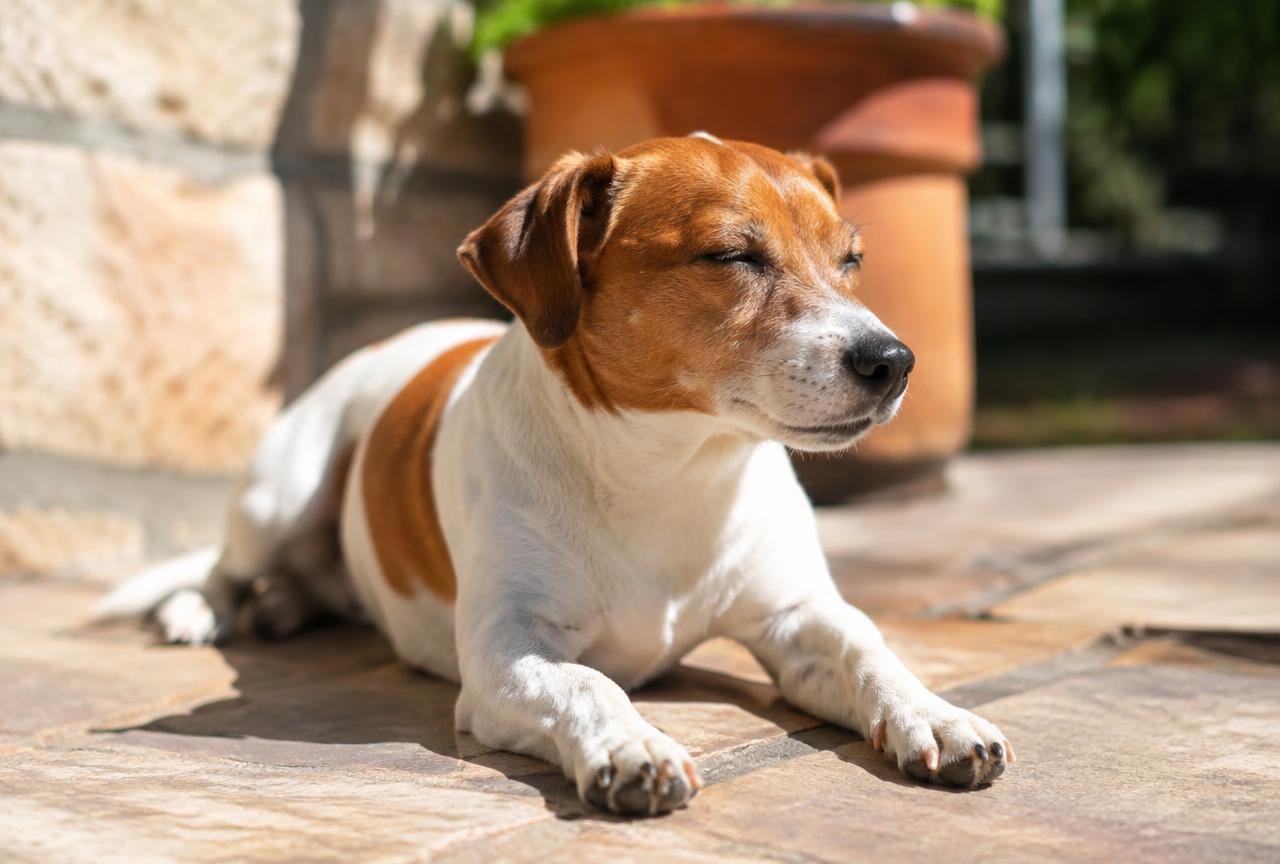
Most dogs that reverse sneeze live entirely normal, healthy lives with the trait causing nothing more than the occasional startled reaction from a visitor unfamiliar with the sound. Once you know what it is, it quickly becomes one of those quirks that stops being worrying and starts being just another part of knowing your dog well. Sharing what you know with other family members or dog sitters can also prevent unnecessary panic or an emergency vet trip for something that is, in the overwhelming majority of cases, completely benign.
How reverse sneezing changes with age
Puppies can start reverse sneezing from a young age, sometimes triggered simply by the excitement of play or a new environment, and many grow out of frequent episodes as their airway matures. Middle-aged and senior dogs may experience reverse sneezing linked to age-related changes in the soft palate, mild weight gain affecting the airway, or increasing dental disease, which is one more reason regular dental checks matter more as dogs get older. If an older dog that has never reverse sneezed before suddenly starts having frequent episodes, it is worth mentioning at the next vet visit even if each individual episode looks textbook typical, simply because a new pattern in an older dog is more likely to have an identifiable underlying trigger than in a young, otherwise healthy dog.
A note on anxiety and reverse sneezing
Some owners notice their dog reverse sneezes more often during periods of excitement or mild stress, such as visitors arriving, car journeys, or energetic play sessions. This overlap can make it tricky to separate a purely physical spasm from one that is partly triggered by a heightened emotional state, though the mechanism itself, a spasm of the soft palate, remains the same regardless of the trigger. Dogs generally do not experience anxiety because of reverse sneezing itself, but owners occasionally become anxious on their dog's behalf after a few dramatic sounding episodes, which is understandable given how alarming the noise can be the first few times. Recognising this pattern and responding calmly rather than fussing excessively tends to keep both dog and owner more relaxed the next time an episode happens.
Practical tips for nervous first-time owners
The first time a dog reverse sneezes in front of a new owner, it is common to assume something is seriously wrong, and a late-night search for symptoms can quickly spiral into worry. Filming a short clip on your phone during a future episode is genuinely useful, both for your own peace of mind on rewatching once your dog is fine again, and as something to show a vet if you do decide a check-up is warranted. Sharing this knowledge with anyone else who looks after your dog, such as a dog walker, pet sitter, or family member, means one less person panicking unnecessarily and potentially rushing to an emergency vet for a normal, self-resolving event. Confidence comes with familiarity, and most owners find that after witnessing a handful of typical episodes, reverse sneezing moves firmly into the category of things they simply recognise and no longer worry about.
Frequently asked questions
The following questions cover what owners most often want to know about reverse sneezing in dogs.
Questions people actually ask
Is reverse sneezing dangerous for dogs?
No, reverse sneezing is almost always harmless and self-limiting, usually stopping within a minute on its own. It can look and sound alarming because of the loud snorting noise, but it does not typically restrict breathing in a dangerous way. Frequent or prolonged episodes are still worth mentioning to a vet.
What triggers a reverse sneezing episode?
Common triggers include excitement, pulling on a lead or collar, dust, pollen, strong smells, and rapid temperature changes. Anything that irritates the soft palate or nasal passages can set off a spasm, and some dogs seem to have episodes for no obvious reason at all.
How can I stop my dog's reverse sneezing episode?
Gently stroke your dog's throat, briefly cover their nostrils for a second, or softly blow on their face to encourage a swallow, which often stops the spasm. Staying calm yourself helps too, since a dog reacting to your alarm can make the episode last longer than it needs to.
Is reverse sneezing the same as a collapsing trachea?
No, they are different conditions, although both can cause noisy, distressing sounding breathing. Reverse sneezing is a brief spasm involving the soft palate and throat, while tracheal collapse is a structural issue causing a persistent honking cough, particularly in small breeds, and needs ongoing veterinary management.
Which breeds get reverse sneezing most often?
Flat-faced breeds such as French bulldogs and pugs, along with small breeds like Jack Russell terriers, tend to reverse sneeze more often due to their airway shape and smaller nasal passages. Any dog can experience it occasionally, and it becomes more noticeable in warm or dusty conditions.
When should reverse sneezing worry me?
See a vet if episodes become frequent, last longer than a minute or two, are paired with nasal discharge, bleeding, weight loss, or if your dog seems to genuinely struggle to breathe at other times, since these signs suggest a different underlying problem.
Sources
Breeds mentioned

French Bulldog
A comic, affectionate companion built for city life, but with health needs that demand a careful breeder.
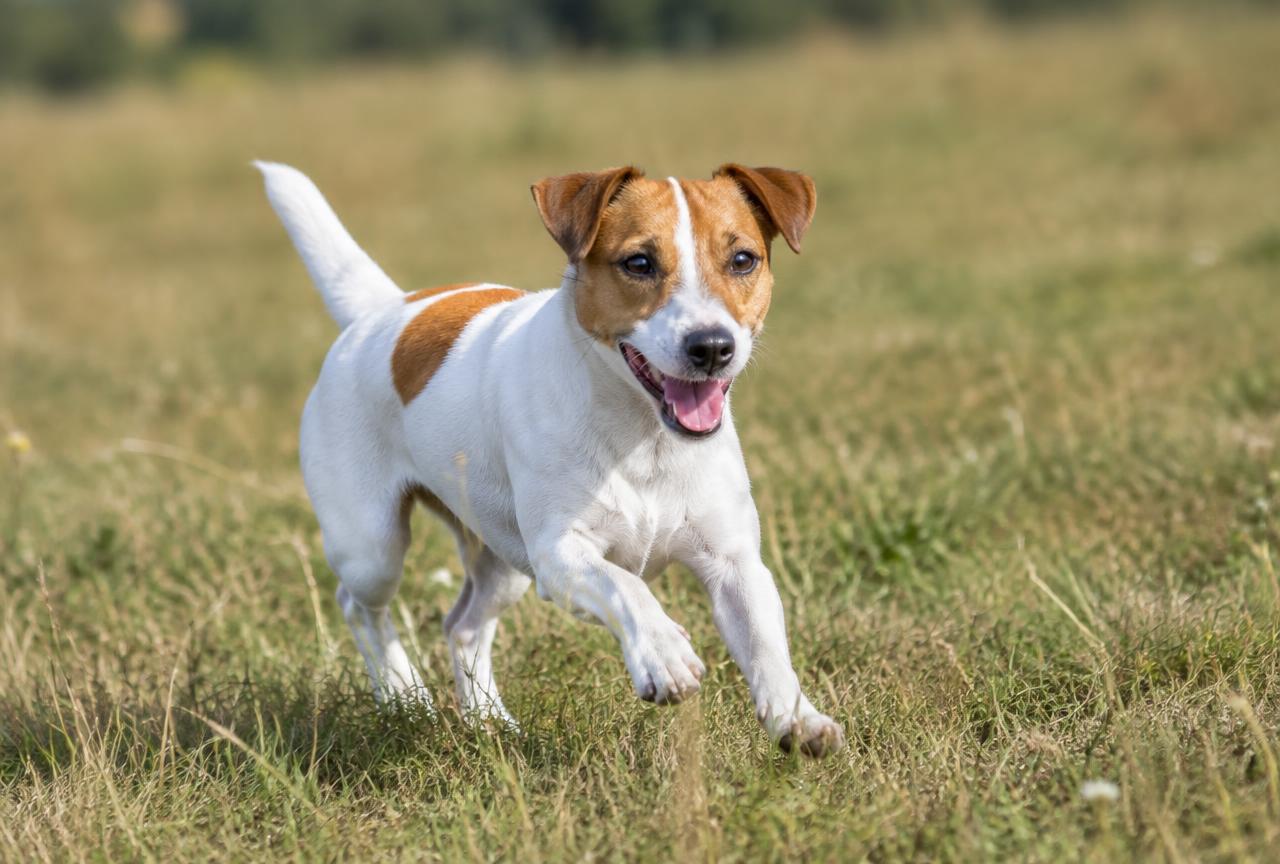
Jack Russell Terrier
A bold, tireless working terrier with huge personality packed into a small frame.

Beagle
A merry, sociable scenthound with a powerful nose and a mind of its own outdoors.
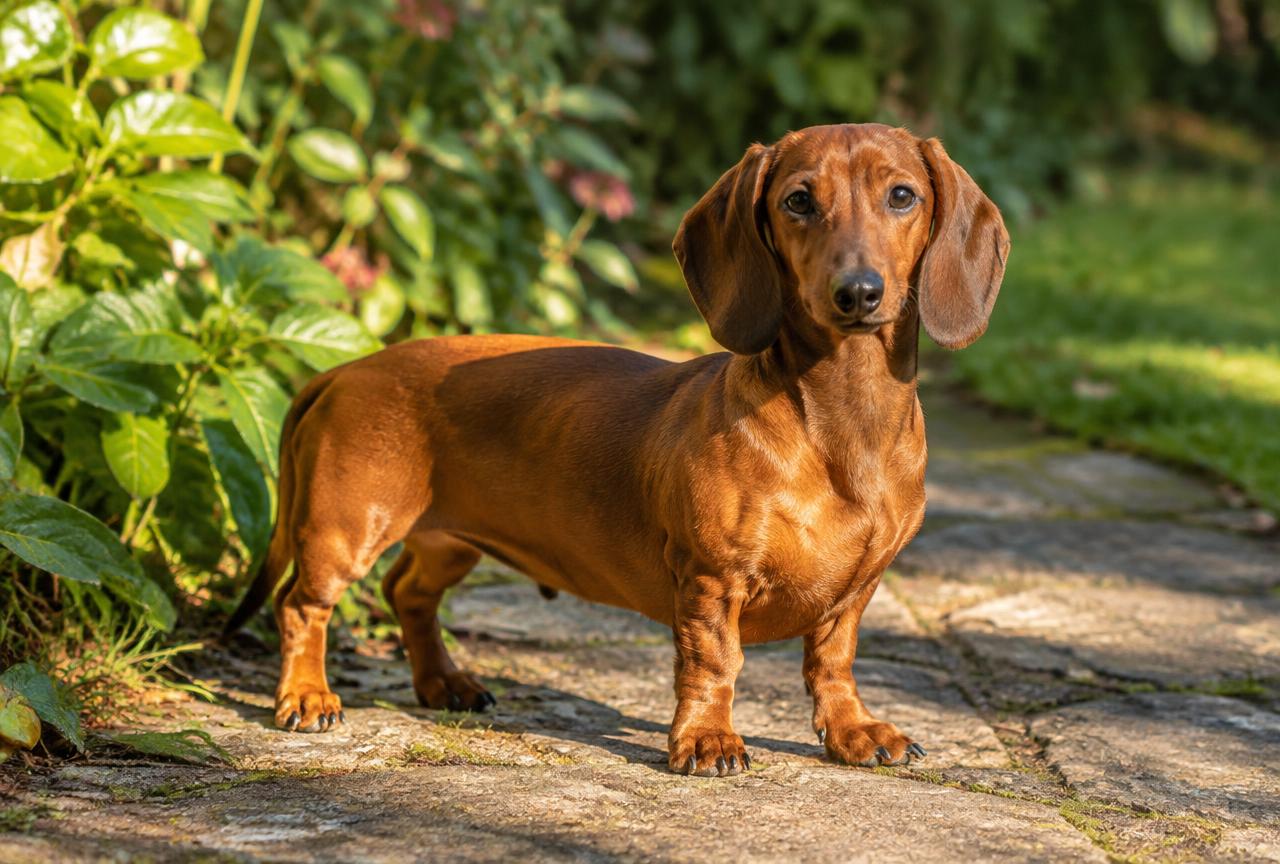
Dachshund
A bold, characterful hunting breed in a long, low body, needing careful back protection for life.
Put it into practice
Read next
Dog Dry Heaving: Causes and When It Is an Emergency
Dog dry heaving is usually throat irritation or mild nausea, but repeated unproductive retching with a swollen, tight belly can be bloat (GDV), a life-threatening emergency.


