Working group
Switzerland
Greater Swiss Mountain Dog
A steady, affectionate giant for families who can afford the size, the food and the shorter years.
Reviewed by the SniffScroll editorial team
The gentle draft worker of the Alps
The short version
- Calm and gentle with family, slow to mature mentally,Bloat is a real risk: learn the signs, discuss gastropexy,Short coat but a heavy shedder twice a year,Lifespan of eight to eleven years: the honest cost of giant size
- Weight
- 50 to 63 kg
- Height
- 60 to 72 cm
- Lifespan
- 8 to 11 yrs
- Size
- Giant
- Group
- Working
- Coat
- Short, dense tricolour double coat
- Grown male
- 59 to 63 kg
- Grown female
- 50 to 59 kg
- Years to full size
- about 2
- One-off setup
- €1000 to 2000
Get one if…
- Families wanting a calm, gentle giant
- Owners with space and budget for a very large dog
- People interested in carting or draft work
- Households wanting a watchful but not sharp guardian
Think again if…
- First-time owners unprepared for giant-breed costs
- Homes in hot climates without cooling
- Anyone wanting a long-lived dog
- Flats and small spaces
Trait profile
Scores reflect a calm draft giant: moderate energy, high affection, low grooming, real size.
Space & setup. Needs a house with a garden; ground floor access and space to stretch out matter for a giant.
Allergies. Not suitable for allergy sufferers; the short double coat sheds steadily and blows seasonally.
Living with a Greater Swiss Mountain Dog
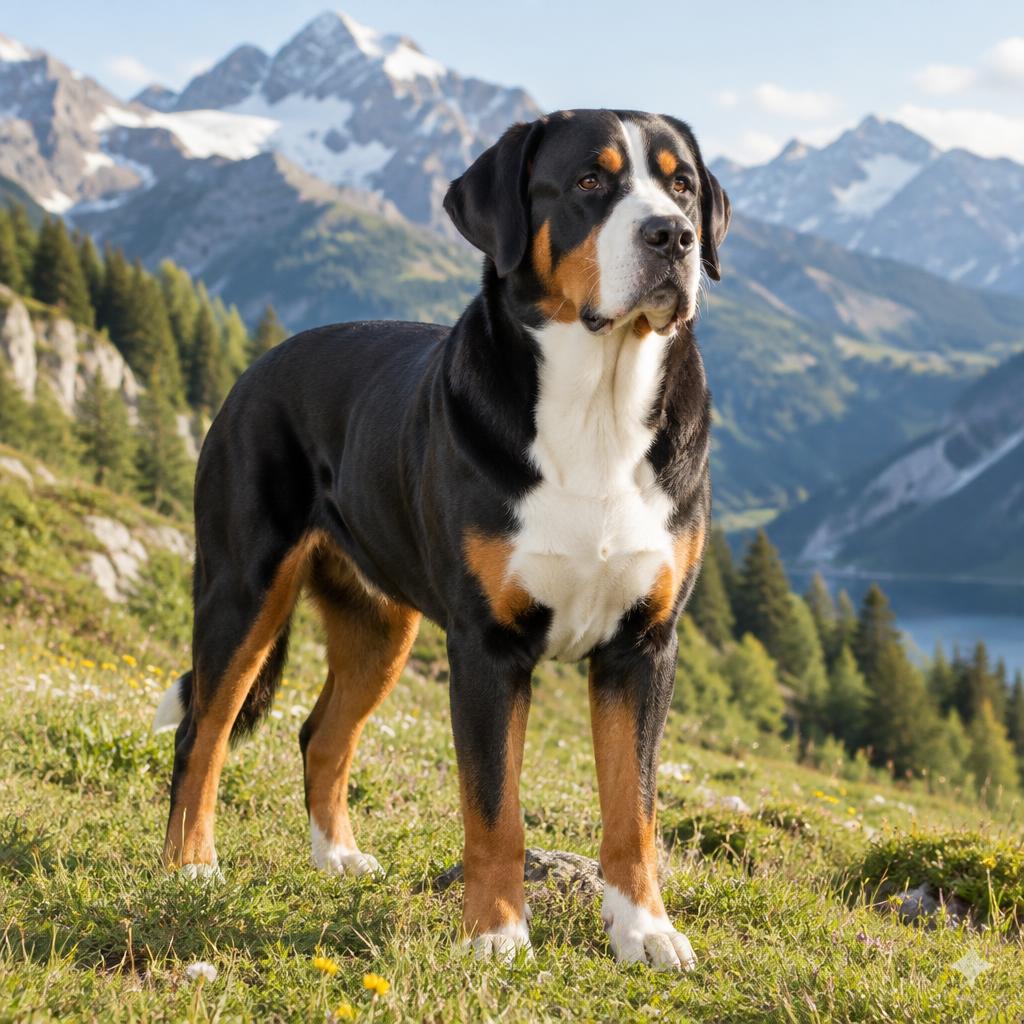
The Greater Swiss Mountain Dog is the largest and oldest of the four Swiss mountain breeds, developed to pull carts, drive cattle and guard farms in the Alps. It combines the calm, dependable temperament of a draft dog with a short, easy tricolour coat and a genuinely affectionate nature with its family. It is a gentler giant than most working breeds, but it is still a 50 kg dog with bloat risk, a shortish lifespan and real food costs.
The Greater Swiss Mountain Dog, the Swissy to its fans, is what many people hope a giant breed will be: calm in the house, gentle with children, devoted to its family and impressive without being frantic. In many ways it delivers.
The temperament is the draw. A well-bred Swissy is steady, confident and affectionate, watchful enough to bark at the door but not a sharp or suspicious guard. It is famously patient with children in its own family and bonds tightly with its people. It wants to be involved in family life, not shut in a kennel, and it matures slowly, staying puppyish in the head until two or three.
Exercise needs are moderate for a working giant: an hour to ninety minutes a day, with hiking and carting as ideal outlets. They are strong and enjoy pulling, and many owners take up draft work as a hobby. What they do not enjoy is heat: the dark, dense coat and big body make hot summers a management job.
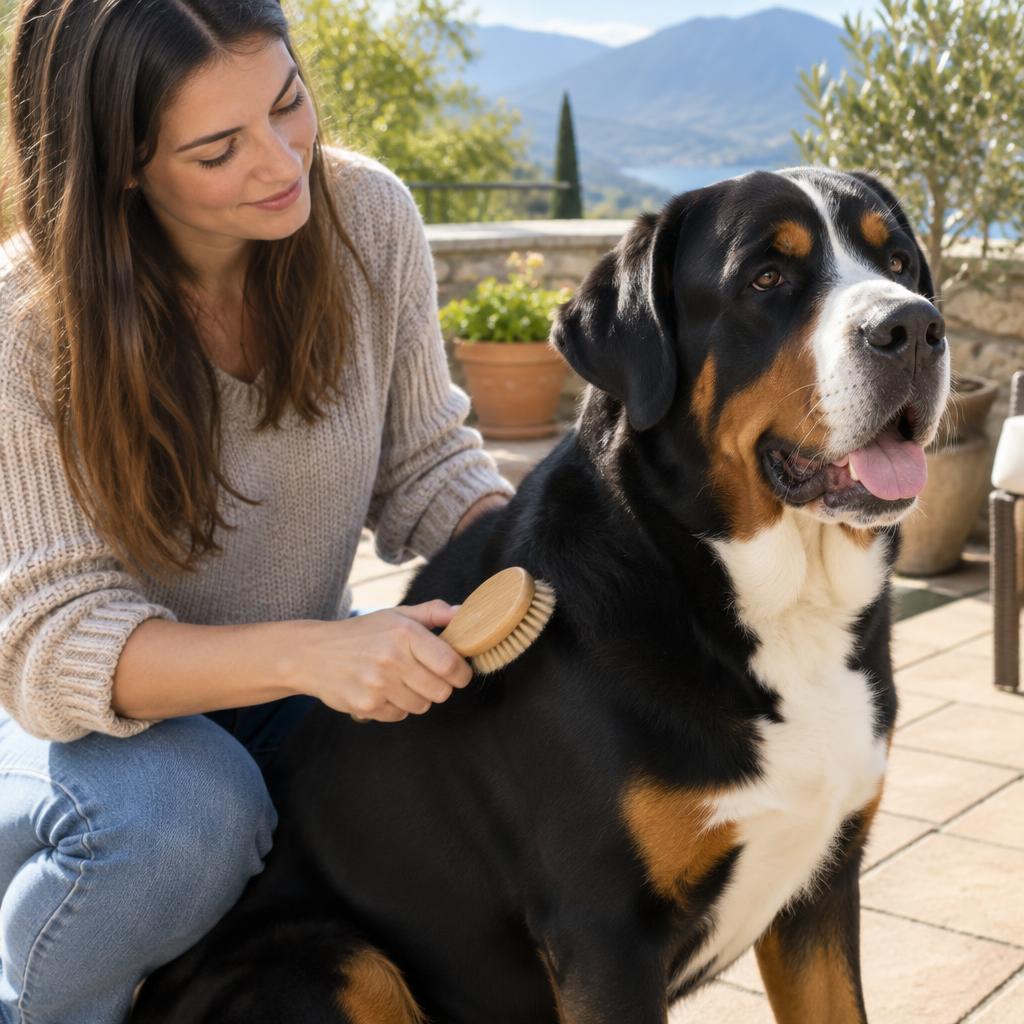
The coat is easy: a short double coat that needs weekly brushing, though it sheds more than the short hair suggests, with two proper blows a year. Drool is modest for a giant. The practical costs are not modest: food bills, insurance, medication doses and vet fees all scale with a 50 to 63 kg dog.
Health honesty matters here. Bloat (gastric dilatation-volvulus) is the big one: deep-chested giants are at real risk, and owners should know the signs and discuss preventive gastropexy with their vet. Hip and elbow dysplasia are common enough that scores matter, and the breed has a noted tendency to epilepsy and urinary incontinence in spayed females. Lifespan is eight to eleven years, the price of the size.
Choose a Swissy if you want a calm, family-centred giant, you have space and budget for a very large dog, and you can accept a shorter life. Look elsewhere if you want a hiking athlete in heat, a long-lived giant, or a dog for a first-time, hands-off home.
A calm, family-devoted giant with an easy coat, moderate exercise needs and the usual big-dog health honesty.
Exercise, day to day
- 1An hour to ninety minutes of steady exercise daily
- 2Hiking or carting as weekend work
- 3Avoid hard exercise in hot weather
Grooming, realistically
- 1Brush weekly, daily during seasonal sheds
- 2Bathe every two to three months
- 3Check ears and skin folds weekly
- 4Trim nails every few weeks; giant nails grow fast
What you actually need
- Bristle brush
- Undercoat rake for shedding season
- Nail clippers
- Ear cleaner
Puppy to adult
| Age | Male | Female | What is happening |
|---|---|---|---|
| 8 weeks | |||
| 4 months | |||
| 6 months | |||
| 12 months | |||
| 18 months | |||
| 24 months |
Ranges are typical, not targets. Judge condition by ribs and waist, and check with the ideal weight checker.
What to ask a breeder
- What are the hip and elbow scores of both parents?
- Is there any epilepsy in the lines?
- What is the bloat history in the family?
- How do you socialise giant-breed puppies before they leave?
- What support do you offer for the life of the dog?
Health tests to ask for
Ask to see results for both parents before you put down a deposit.
- Hip and elbow scores for both parents
- Discuss bloat and gastropexy with your vet
- Eye examination for breeding stock
Health watch-list
What to ask a breeder about, and what to watch for over a lifetime. This is orientation, not veterinary advice, anything you notice belongs in front of a vet.
Bloat (GDV)
NotableThe major emergency risk for deep-chested giants; know the signs, discuss gastropexy.
Hip and elbow dysplasia
CommonScores for both parents are essential; manage weight and growth carefully.
Epilepsy
NotableSeizures reported in the breed; ask breeders about family history.
Urinary incontinence
CommonParticularly in spayed females; usually manageable with medication.
Osteosarcoma
UncommonBone cancer risk rises in giant breeds; investigate persistent lameness.
Heat intolerance
Very likelyNot a disease but a daily management issue; the dark coat and size overheat fast.
What it costs to keep one
Realistic running cost
€150 / month
About €1,800 a year, or roughly €18,000 across a 10-year life, before purchase price, neutering and one-off vet events.
Before the puppy arrives. Budget roughly €1000 to 2000 for a crate, bed, lead and harness, bowls, puppy classes, first vaccinations and grooming kit sized for this breed. Figures throughout are indicative and vary a good deal between countries.
Interactive · built for this breed
Is a Greater Swiss Mountain Dog right for your home?
Seven honest questions about your space, time and household, checked against this breed's exercise need, coat, sociability and tolerance for time alone.
Fit with your routine
97%
A strong fit
Your routine suits a Greater Swiss Mountain Dog well. Meet adult dogs of the line before you commit.
What to sort out first
- Needs more daily exercise than you have pencilled in.
Working in your favour
- Coat care fits the grooming time you offered.
Compare more breeds in the matchmaker, or plan meals with the portion calculator.
The verdict, by household
With caution
Temperament is kind, but the size, costs and bloat risk need preparation.
Yes
Patient and gentle with its own children; supervise because of sheer size.
Yes
A happy hiking companion in cool weather with moderate daily exercise.
No
Too large for flat living; needs a house and garden.
When to call your vet
- A swollen, tight abdomen or unproductive retching (emergency: bloat)
- Lameness or stiffness after rest
- Seizures or collapse
- Straining to urinate or leaking urine
- Heat distress in warm weather
Nothing here is a diagnosis. A swollen, hard belly with retching, collapse, breathing difficulty and sudden hind-leg weakness are emergencies: go straight away.
Greater Swiss Mountain Dog vs the closest alternatives
| Breed | Weight | Energy | Grooming | € / month |
|---|---|---|---|---|
| Greater Swiss Mountain Dog | 50 to 63 kg | 6/10 | 3/10 | €150 |
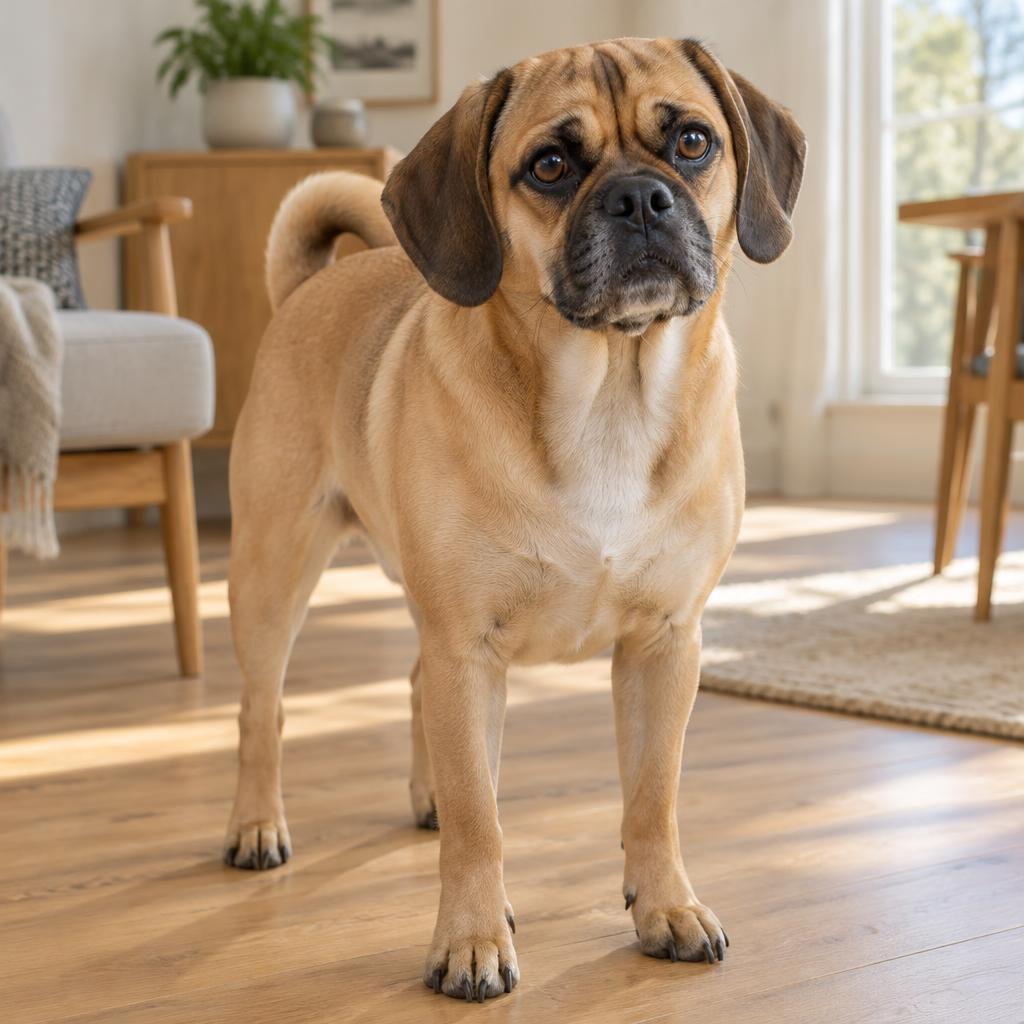
| Puggle | 7 to 14 kg | 6/10 | 3/10 | €64 |
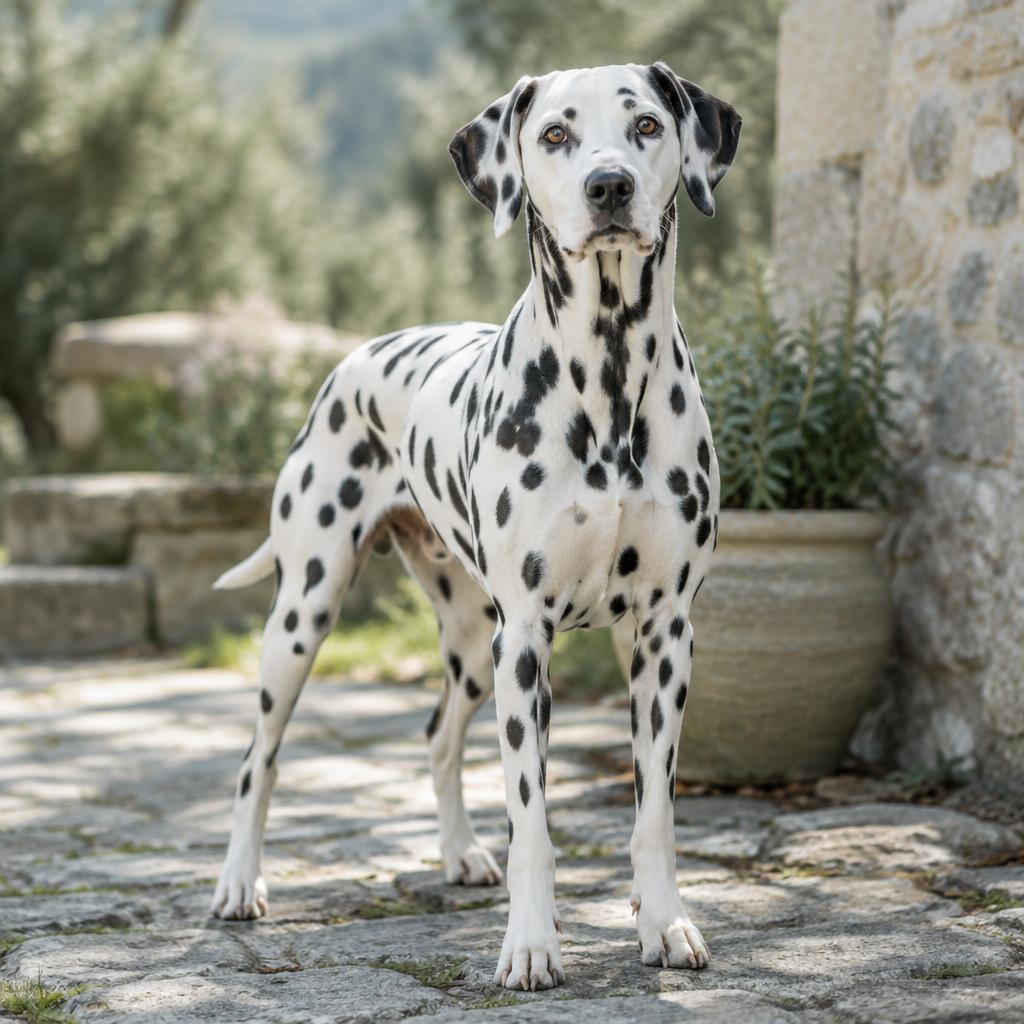
| Dalmatian | 20 to 32 kg | 9/10 | 3/10 | €190 |
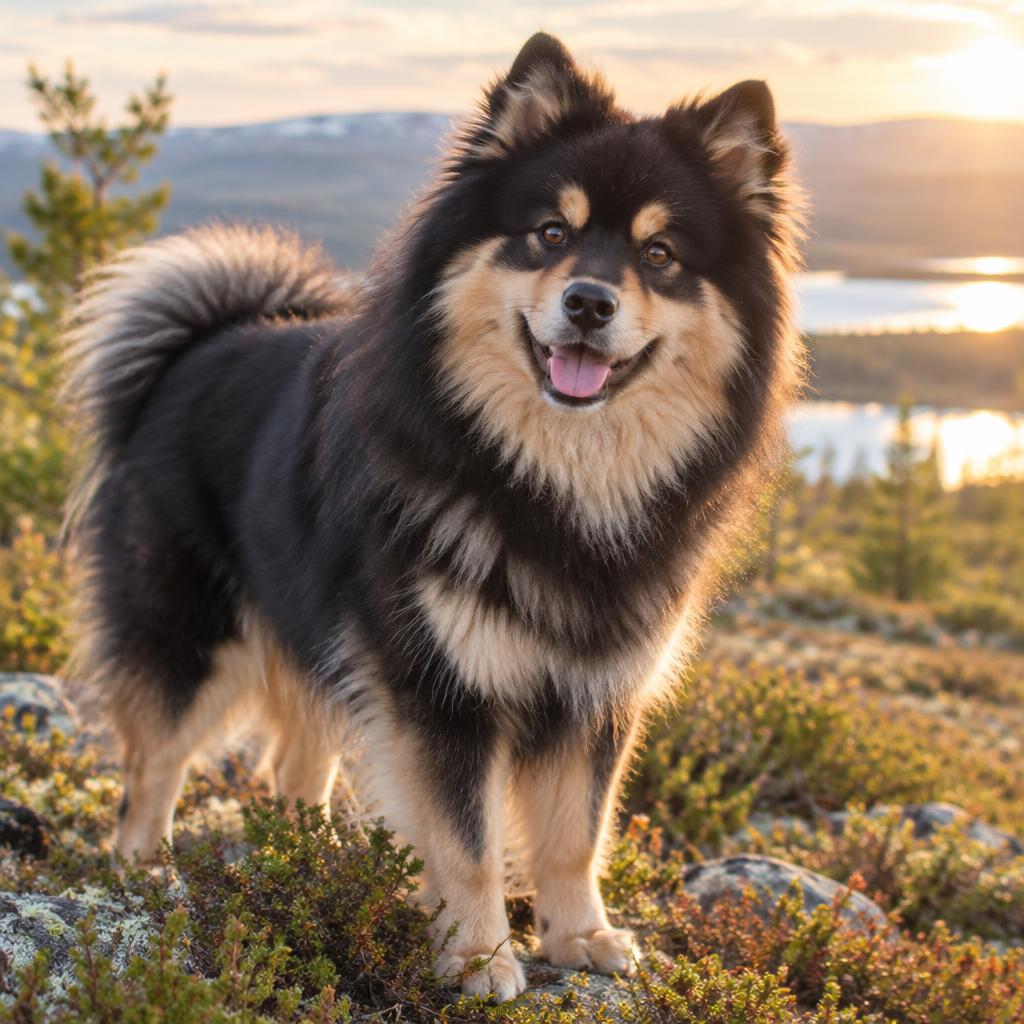
| Finnish Lapphund | 15 to 24 kg | 7/10 | 5/10 | €89 |
Greater Swiss Mountain Dog questions, answered
How big does a Greater Swiss Mountain Dog get?
Males typically stand 65 to 72 cm and weigh 59 to 63 kg; females 60 to 68 cm and 50 to 59 kg. It is the largest of the four Swiss mountain breeds.
Are Greater Swiss Mountain Dogs good family dogs?
Yes, for families prepared for a giant. They are calm, patient and devoted with their own children, though their size means supervision with toddlers. They mature slowly and stay boisterous in body until two or three.
How long do Greater Swiss Mountain Dogs live?
Eight to eleven years. That short lifespan is the honest price of giant size and worth weighing before committing.
Do Greater Swiss Mountain Dogs shed?
Yes, more than the short coat suggests. They shed steadily year round and blow their undercoat heavily twice a year. Weekly brushing, daily during the blow, keeps it manageable.
What is the biggest health risk for a Greater Swiss Mountain Dog?
Bloat (gastric dilatation-volvulus) is the major emergency risk. Learn the signs, feed two smaller meals, rest after eating and discuss preventive gastropexy with your vet. Hip and elbow dysplasia and epilepsy also occur in the breed.
How much exercise does a Greater Swiss Mountain Dog need?
An hour to ninety minutes a day of steady exercise. They love hiking and carting in cool weather but overheat quickly in summer.
Is a Greater Swiss Mountain Dog suitable for first-time owners?
With caution. The temperament is kind and trainable, but the size, food and vet costs, bloat risk and shorter lifespan make it a serious undertaking for a first dog.