Utility group
Dalmatia, Croatia
Dalmatian
The Dalmatian is a spotted, athletic coach dog needing serious daily mileage, hearing tests and careful diet to manage stone risk.
Reviewed against Kennel Club and breed club health guidance
A striking spotted coach dog built for serious mileage, not for a sedentary household.
The short version
- Dalmatians need well over an hour of proper exercise daily, ideally running or cycling, not just a gentle walk.
- Congenital deafness is common enough that every puppy should have a BAER hearing test before sale.
- Their unique urate metabolism makes them prone to bladder stones, so diet and water intake need ongoing attention.
- The short coat sheds heavily year round despite its length, which surprises many new owners.
- They are sociable and loyal but can be sensitive and reserved with strangers without early socialisation.
- Weight
- 20 to 32 kg
- Height
- 48 to 61 cm
- Lifespan
- 11 to 14 yrs
- Size
- Large
- Group
- Utility
- Coat
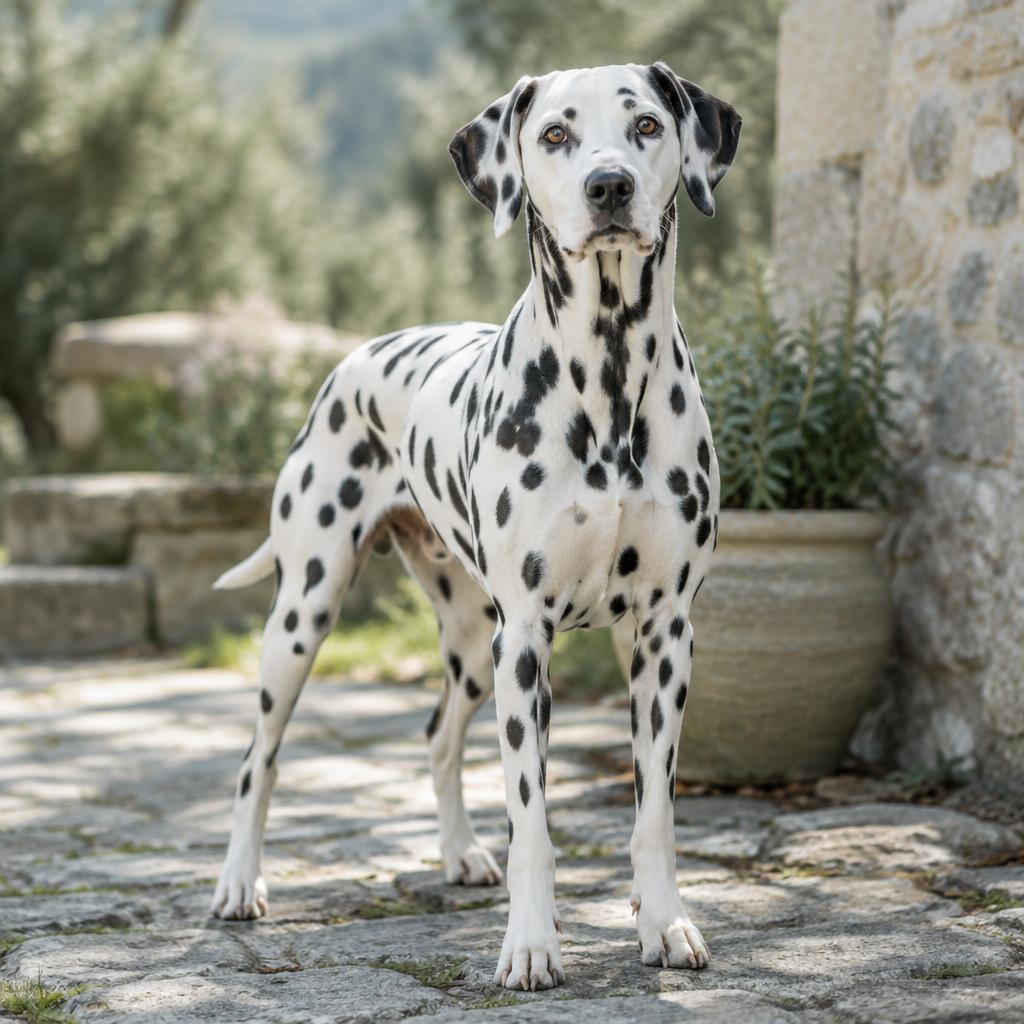
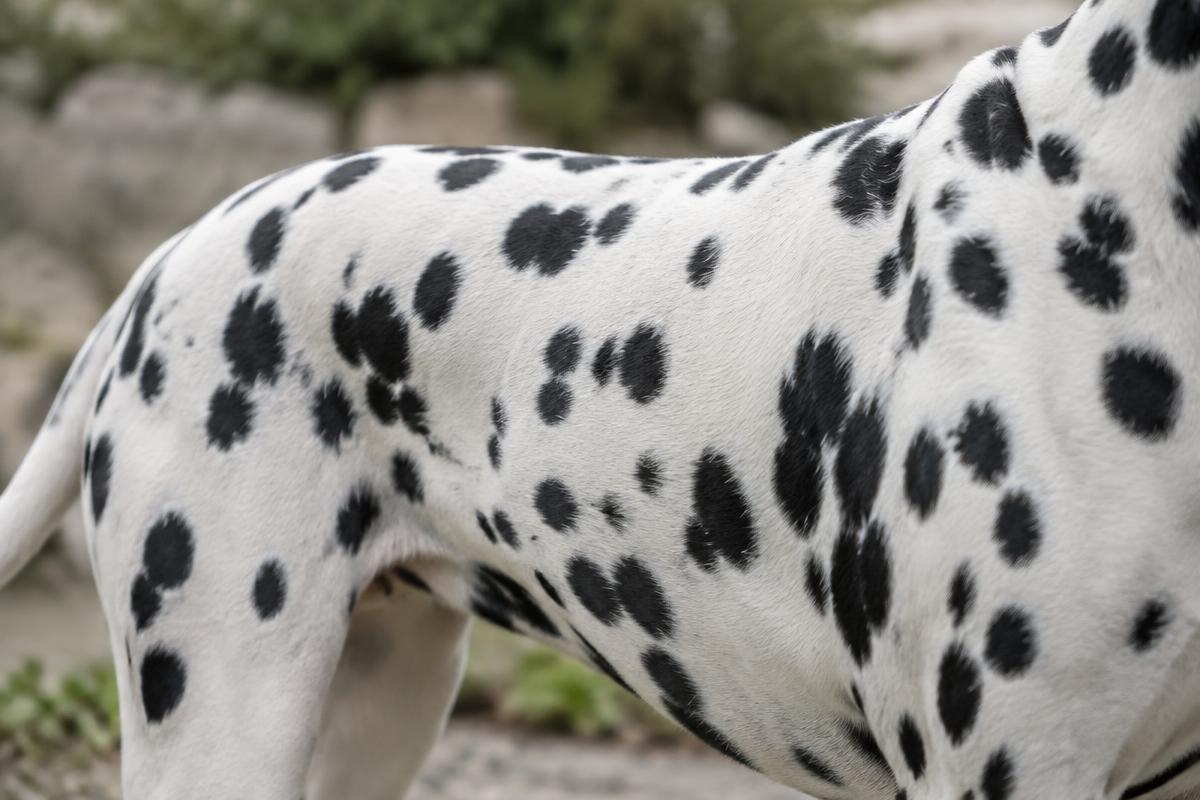
- Short, dense, white with black or liver spots
- Grown male
- 24 to 32 kg
- Grown female
- 20 to 27 kg
- Years to full size
- about 1.5
- One-off setup
- €600 to 1200
Get one if…
- Runners, cyclists or households already committed to daily sport with a dog
- Families with older, considerate children and a securely fenced garden
- Owners willing to arrange a hearing test and manage diet carefully
- People able to commit to consistent, varied training from puppyhood
- Households wanting a loyal, sociable companion for an active lifestyle
Think again if…
- Sedentary households wanting a low exercise companion
- Flats or homes without easy daily access to open outdoor space
- Owners unwilling to pay close attention to diet and water intake
- First time owners seeking an easygoing, low maintenance dog
- Households with very young children unable to respect a boisterous dog
Trait profile
High energy and a strong prey drive sit alongside genuine sensitivity and a need for reassurance, so structured exercise and confident, consistent training matter equally.
Space & setup. A house with a securely fenced garden and nearby open space for running suits this breed far better than a flat or small urban plot.
Allergies. The short coat sheds a surprising amount year round, so it is not a sensible choice for households with significant allergy concerns.
Living with a Dalmatian
The Dalmatian is a distinctive spotted breed developed around Dalmatia, Croatia, originally to run alongside horse drawn carriages for miles at a steady trot. It is an energetic, sociable dog that needs serious daily exercise, early hearing tests and careful diet management for its unusual urinary chemistry.
The Dalmatian takes its name from Dalmatia, the Croatian coastal region most closely linked with the breed's history, though its exact origins remain debated and some trace a similar spotted hound further back across Europe and Asia, with images of spotted dogs appearing in old friezes and paintings long before the breed was formally recorded. It became famous as a coaching dog, trotting for miles alongside horse drawn carriages to guard the horses and passengers, a role that demanded serious stamina, a calm temperament around horses and a natural affinity for the open road. In the United States it later took on the role of firehouse mascot, running ahead of horse drawn fire engines to clear the way and calm the horses pulling them, which is the origin of its enduring association with fire brigades and fire stations that continues in many places today.
At home, the Dalmatian is affectionate, loyal and generally sociable, forming close bonds with its family and usually getting on well with children who treat it respectfully and do not provoke rough play. It can be sensitive and alert, often reserved with strangers until properly introduced, so consistent socialisation from puppyhood matters more here than in many easygoing breeds. The short coat sheds a surprising amount year round for its length, and puppies are born almost entirely white, with their distinctive spots developing gradually over the first few weeks of life. This is not a breed that settles happily into a quiet, low activity household, and without enough physical and mental work it tends to become restless, destructive or vocal, sometimes pacing or barking out of sheer frustration rather than genuine excitement, which is a common reason the breed ends up in rescue when its needs are underestimated.
Exercise is the defining requirement of this breed, and it is worth being honest about before bringing one home. Bred to cover distance at a steady trot beside a carriage, a Dalmatian needs well over an hour of proper exercise daily, ideally including running, jogging alongside a bicycle or structured activities such as canicross and agility that give both the body and mind something to do. Training should begin early and stay consistent, since the breed is intelligent and willing but can be strong willed and easily bored by repetition, so reward based methods with plenty of variety work better than drilling the same exercise over and over. A securely fenced garden and solid recall work matter too, since the breed retains a genuine prey drive and will chase moving animals, cyclists or joggers given the chance. Puppy classes and ongoing obedience work help channel the breed's intelligence and build the focus that off lead reliability eventually depends on.
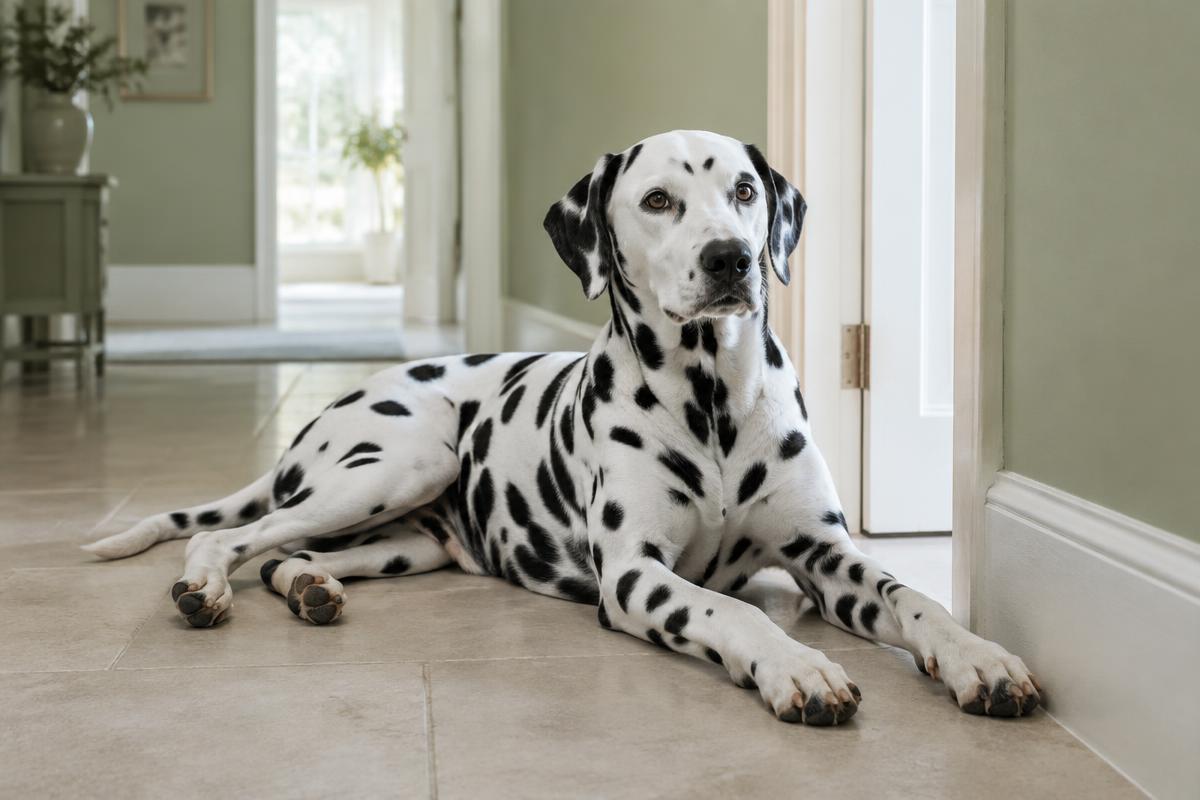
Health is dominated by two well documented issues that any prospective owner should understand fully. Congenital deafness, in one or both ears, affects a notable proportion of the breed, which is why responsible breeders arrange a BAER hearing test on every puppy rather than relying on behavioural observation, which can be misleading in a litter of lively pups. The Dalmatian also has a unique uric acid metabolism that makes it prone to forming urate bladder and kidney stones, so diet matters more than in most breeds, with controlled purine intake, constant access to fresh water and attention to urination habits all forming part of routine care throughout its life. Hip dysplasia, skin allergies, hypothyroidism in older age and occasional dental enamel defects are also worth screening for and monitoring, though they are less central to the breed's reputation than hearing and stone risk.
The Dalmatian suits active owners, ideally runners, cyclists or households already committed to daily sport with a dog, who can also manage its diet and understand its hearing status from the outset rather than discovering problems later. It works well for families with older, considerate children and enough garden space, and for owners prepared to invest real time in training and socialisation from the first weeks home. It is a poor match for sedentary households, flats without easy outdoor access, owners wanting a low exercise companion, or anyone unwilling to pay close attention to feeding and water intake over the dog's lifetime. Given the mileage and the diet management it asks for, it rewards the right owner with a striking, devoted and genuinely athletic companion that stands out wherever it goes.
A striking, athletic companion that thrives on real mileage, structured training and an owner who tracks its unusual dietary needs.
Exercise, day to day
- 1Puppies (8 to 20 weeks): short, gentle play sessions, avoiding hard running or jumping while joints develop.
- 2Adolescents (4 to 12 months): gradually increasing lead walks, avoiding forced road running until growth plates close.
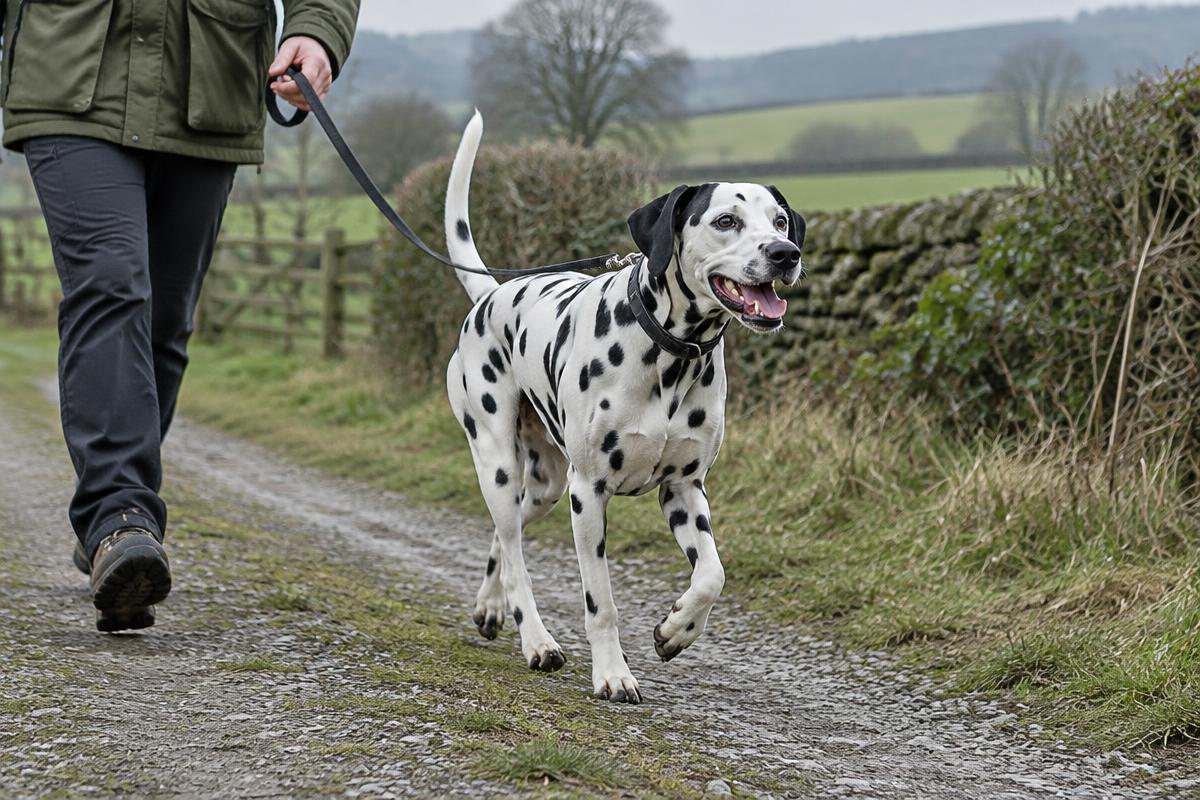
- 3Adults: well over an hour a day, ideally including running, cycling alongside the dog, or canicross.
- 4Mental work: training games, scent work or agility to use the breed's intelligence alongside physical exercise.
- 5Recall training: practise consistently in secure areas, since the breed's prey drive can override obedience outdoors.
Grooming, realistically
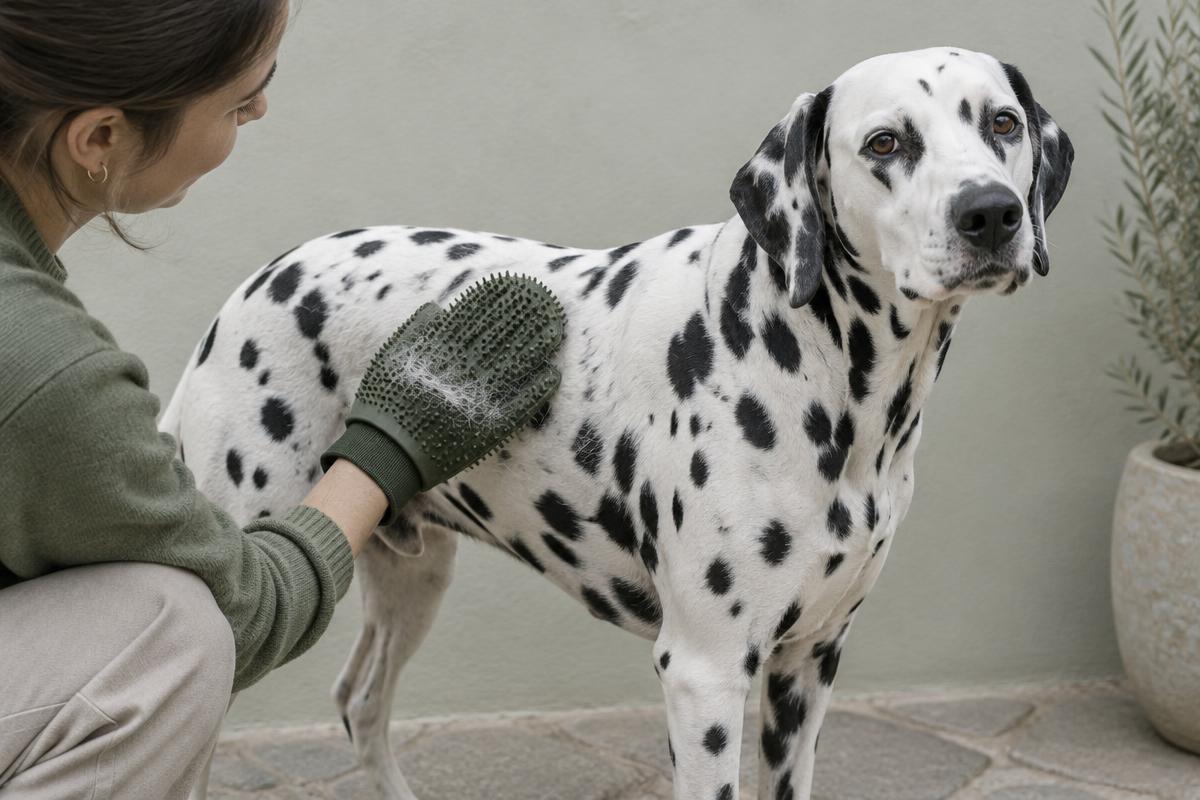
- 1Brush two to three times a week with a rubber curry brush or hound mitt to manage shedding.
- 2Bathe every 6 to 8 weeks or when dirty, using a gentle dog shampoo.
- 3Check ears weekly and clean if waxy or odorous.
- 4Trim nails every 3 to 4 weeks, as active dogs still need regular upkeep.
- 5Brush teeth several times a week to reduce tartar build up.
What you actually need
- Rubber curry brush or hound mitt
- Dog nail clippers
- Ear cleaning solution
- Enzymatic dog toothpaste and brush
- Gentle dog shampoo
- Lint roller for shed hair on furniture
Puppy to adult
| Age | Male | Female | What is happening |
|---|---|---|---|
| 8 weeks | 4 to 6 kg | 3.5 to 5.5 kg | Born almost entirely white, with spots beginning to emerge over the following weeks. |
| 3 months | 9 to 13 kg | 8 to 12 kg | Rapid early growth, with spotting pattern becoming clearer. |
| 6 months | 16 to 22 kg | 14 to 19 kg | Adolescent growth spurt, joints still developing and best protected from hard exercise. |
| 9 months | 20 to 27 kg | 17 to 23 kg | Approaching adult height, frame still filling out with muscle. |
| 12 months | 23 to 30 kg | 19 to 25 kg | Close to adult weight, though full muscular maturity is still to come. |
| 18 months | 24 to 32 kg | 20 to 27 kg | Full adult size and weight reached. |
Ranges are typical, not targets. Judge condition by ribs and waist, and check with the ideal weight checker.
What to ask a breeder
- Can you show me the BAER hearing test results for this puppy and its parents?
- What dietary advice do you give new owners to reduce the risk of urate stones?
- Can I see hip scores and eye examination results for both parents?
- How do you socialise the puppies with strangers, noise and other dogs?
- What is the exercise and energy level of the parents like day to day?
Health tests to ask for
Ask to see results for both parents before you put down a deposit.
- BAER hearing test
- Urinalysis for urate crystals
- BVA/KC hip score
- Eye examination
- Thyroid function testing
Health watch-list
What to ask a breeder about, and what to watch for over a lifetime. This is orientation, not veterinary advice, anything you notice belongs in front of a vet.
Congenital deafness
CommonPartial or full deafness in one or both ears is common enough that every puppy should have a BAER hearing test before going to a new home.
Urinary urate stones
CommonA unique uric acid metabolism makes the breed prone to bladder and kidney stones, so ask about purine controlled diets and constant water access.
Hip dysplasia
UncommonMalformed hip joints can cause discomfort and arthritis later in life, so ask to see BVA/KC hip scores for both parents.
Skin allergies
NotableItching, redness and recurrent ear or skin irritation are fairly frequent, so ask whether the line has a history of allergic skin disease.
Hypothyroidism
Common with ageAn underactive thyroid can cause weight gain, lethargy and coat changes in older dogs, and is managed well with daily medication once diagnosed.
Dental enamel defects
RareA small number of Dalmatians show enamel hypoplasia, leaving teeth more prone to staining and wear, so ask about dental health in the puppy's line.
What it costs to keep one
Realistic running cost
€190 / month
About €2,280 a year, or roughly €29,640 across a 13-year life, before purchase price, neutering and one-off vet events.
Before the puppy arrives. Budget roughly €600 to 1200 for a crate, bed, lead and harness, bowls, puppy classes, first vaccinations and grooming kit sized for this breed. Figures throughout are indicative and vary a good deal between countries.
Interactive · built for this breed
Is a Dalmatian right for your home?
Seven honest questions about your space, time and household, checked against this breed's exercise need, coat, sociability and tolerance for time alone.
Fit with your routine
91%
A strong fit
Your routine suits a Dalmatian well. Meet adult dogs of the line before you commit.
What to sort out first
- Needs more daily exercise than you have pencilled in.
Working in your favour
- Coat care fits the grooming time you offered.
Compare more breeds in the matchmaker, or plan meals with the portion calculator.
The verdict, by household
First-time owner
A good choice with realistic expectations
Trainable and loyal, but the exercise demands and diet management ask more of a new owner than most breeds.
Family with children
A strong choice
Affectionate and playful with older children who can match its energy and handle it confidently.
Active single or couple
An excellent match
A genuine running or cycling partner that thrives on the mileage this lifestyle can provide.
Owner in a flat with close neighbours
Not recommended
High exercise needs and a tendency to vocalise when under stimulated make flat living a poor fit.
When to call your vet
- Straining to urinate or blood in the urine, which may indicate urate bladder stones
- No response to loud noises or calling, which may indicate partial or full deafness
- Reluctance to rise or exercise intolerance, which may point to hip dysplasia
- Excessive licking, scratching or red skin, which can indicate skin allergies
- Unexplained weight gain or lethargy, which can suggest hypothyroidism as the dog ages
Nothing here is a diagnosis. A swollen, hard belly with retching, collapse, breathing difficulty and sudden hind-leg weakness are emergencies: go straight away.
Dalmatian vs the closest alternatives
| Breed | Weight | Energy | Grooming | € / month |
|---|---|---|---|---|
| Dalmatian | 20 to 32 kg | 9/10 | 3/10 | €190 |
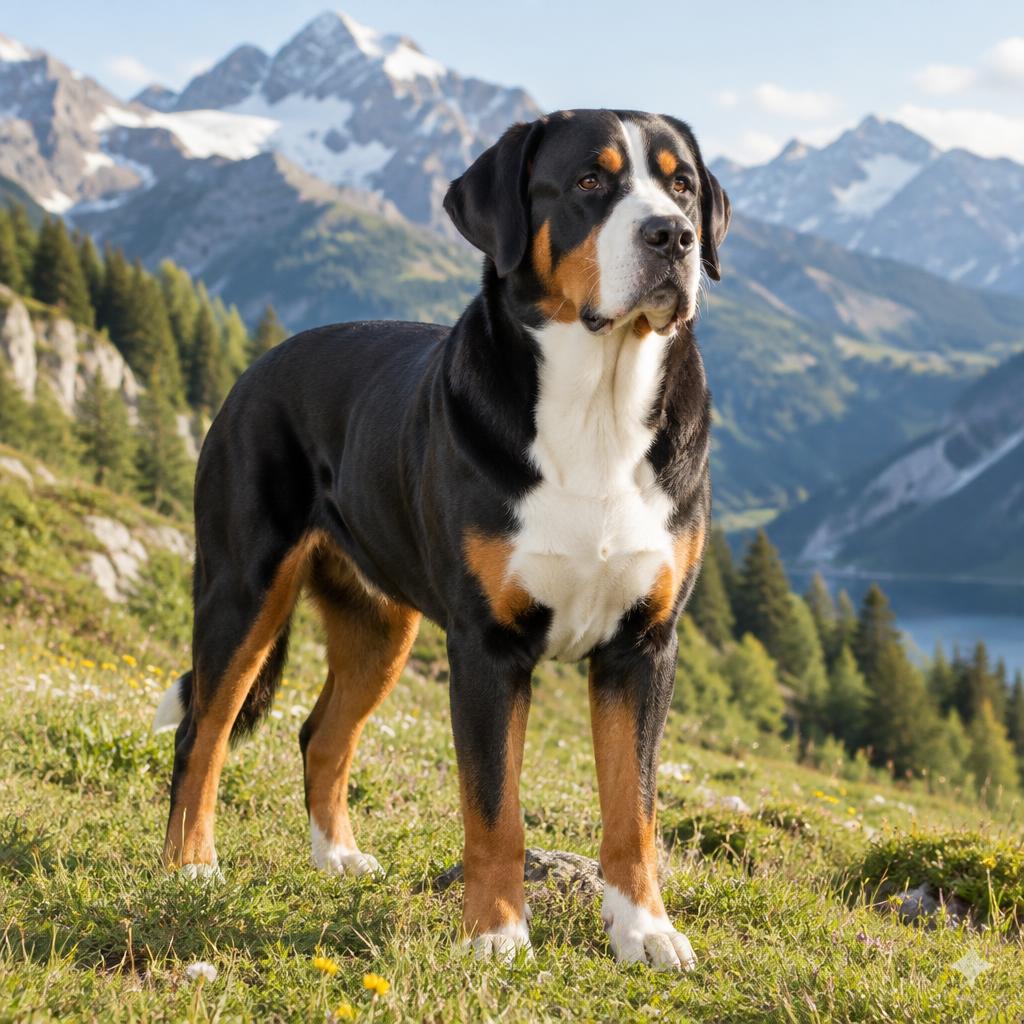
| Greater Swiss Mountain Dog | 50 to 63 kg | 6/10 | 3/10 | €150 |
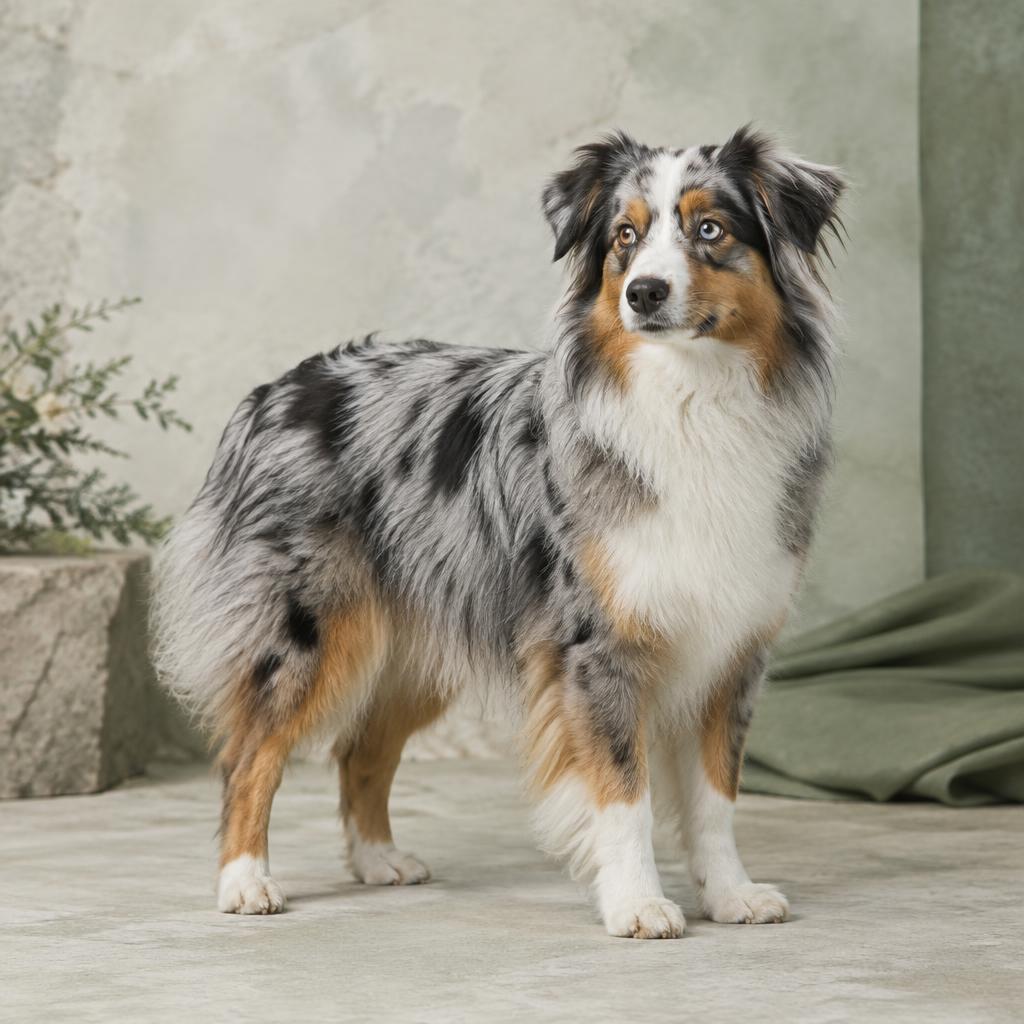
| Miniature American Shepherd | 9 to 18 kg | 8/10 | 5/10 | €74 |
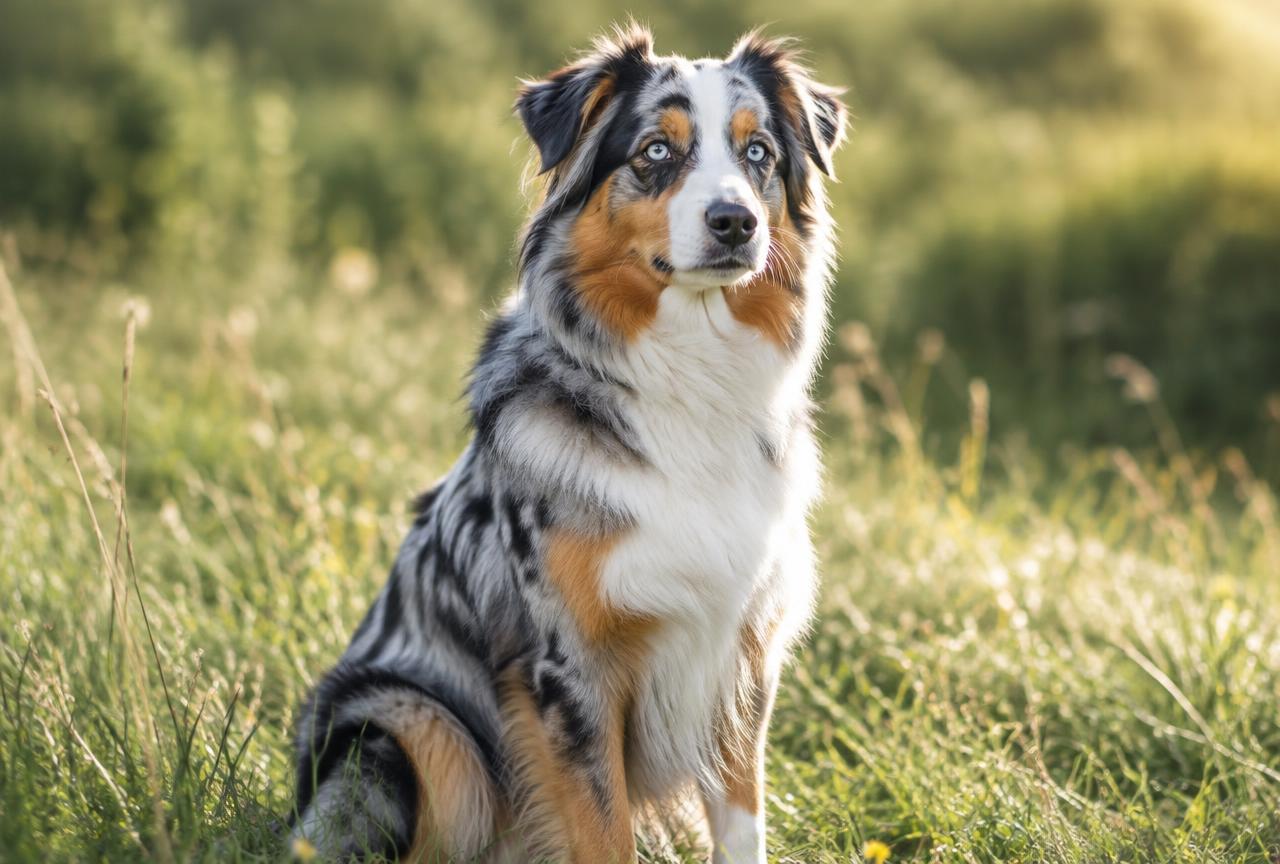
| Australian Shepherd | 14 to 30 kg | 9/10 | 6/10 | €130 |
Dalmatian questions, answered
How much does a Dalmatian cost?
A Dalmatian puppy from a health tested breeder typically costs between 800 and 1,500 euros, depending on bloodline and location. Beyond the purchase price, budget for a BAER hearing test if not already done, insurance, a high quality diet suited to its urinary needs, and the running or cycling gear this active breed benefits from.
Are Dalmatians good family dogs?
Dalmatians are affectionate and loyal, and generally do well with older children who understand how to interact with a boisterous, energetic dog. Their high exercise needs and sensitivity to being left understimulated mean they suit active families more than those wanting a calm, low maintenance pet.
Why is the Dalmatian a fire dog?
The breed's historic role running alongside horse drawn carriages made it a natural fit for early fire brigades, where Dalmatians ran ahead of horse drawn fire engines to clear the streets and calm the horses. The association stuck even after engines became motorised, and many fire stations still keep a Dalmatian as a mascot today.
Are Dalmatians deaf?
Not all of them, but congenital deafness in one or both ears is common enough in the breed that it is taken very seriously. Reputable breeders arrange a BAER hearing test on every puppy, since deafness cannot always be reliably judged by watching a young dog's behaviour alone.
Do Dalmatians shed a lot?
Yes, despite having a short coat, Dalmatians shed heavily and fairly constantly throughout the year. Regular brushing several times a week helps manage loose hair around the home, but this is not a breed suited to households wanting minimal cleaning.
How much exercise does a Dalmatian need?
A great deal. Adult Dalmatians generally need well over an hour of proper exercise every day, ideally including running, cycling alongside the dog or structured sports such as canicross or agility. A short walk around the block will not be enough to keep this breed settled and well behaved.
Why do Dalmatians get stones?
Dalmatians process uric acid differently from most breeds, which means they are prone to forming urate stones in the bladder or kidneys. Managing this involves a diet with controlled purine content, encouraging frequent urination, and ensuring constant access to fresh water throughout the dog's life.
Sources
- Dalmatian breed standard, The Kennel Club
- Dalmatian breed information, American Kennel Club
- BAER hearing testing guidance, The Kennel Club
- Hip dysplasia scheme, British Veterinary Association
- Bladder stones in dogs, PDSA
Put it into practice
Reading that goes with this

Nutrition
Can Dogs Eat Fruit? A Vet-Informed Guide

Puppies
Crate Training a Puppy: A 14-Day Plan

Health
Dog Ear Infections: Signs, Causes and Treatment

Health
Dog Reverse Sneezing: Causes and What to Do

Training
How to Stop a Dog Barking: A Practical Guide

Health
Why Is My Dog Panting So Much? Causes and Warning Signs