Pastoral group
United States (California)
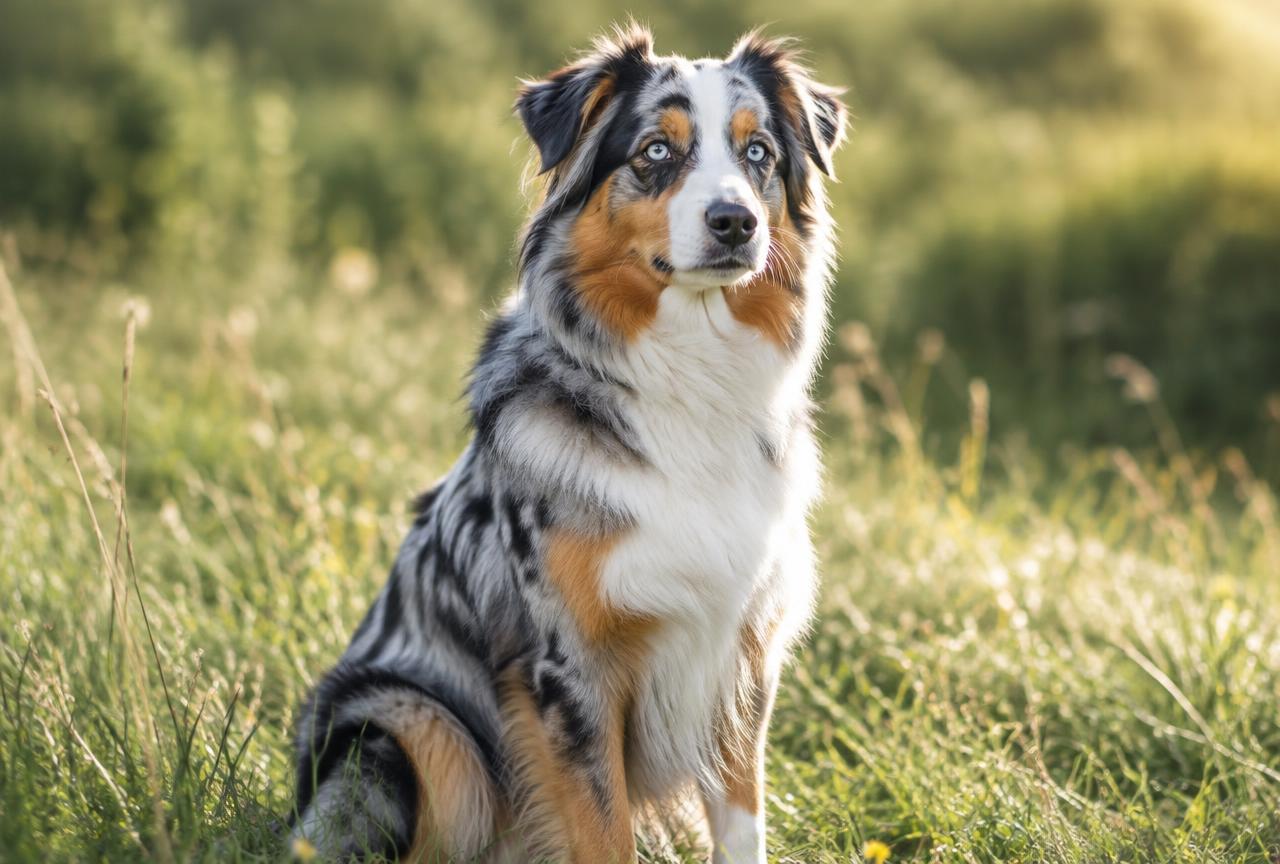
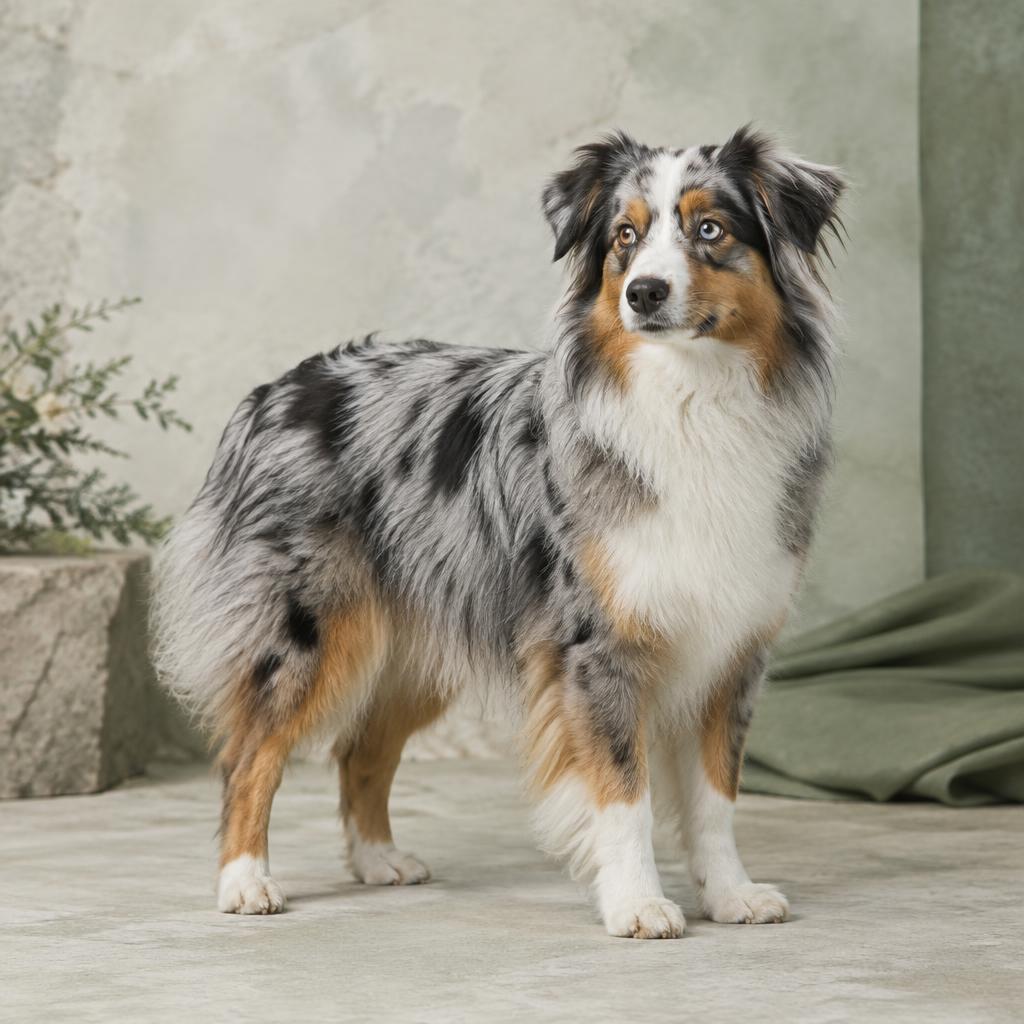
Miniature American Shepherd
A small, clever herding dog, often mistaken for a mini Aussie, that suits active owners who want a trainable companion for sport and adventure.
A pocket herding dog with a full-size brain and work ethic.
The short version
- A real herding brain in a small body; needs training and a job
- Often confused with the Miniature Australian Shepherd; same roots, different registry
- Ask about MDR1 drug-sensitivity and merle-to-merle breeding
- An hour or more of exercise and mental work daily
- Sheds seasonally; brush twice a week
Choose a variety
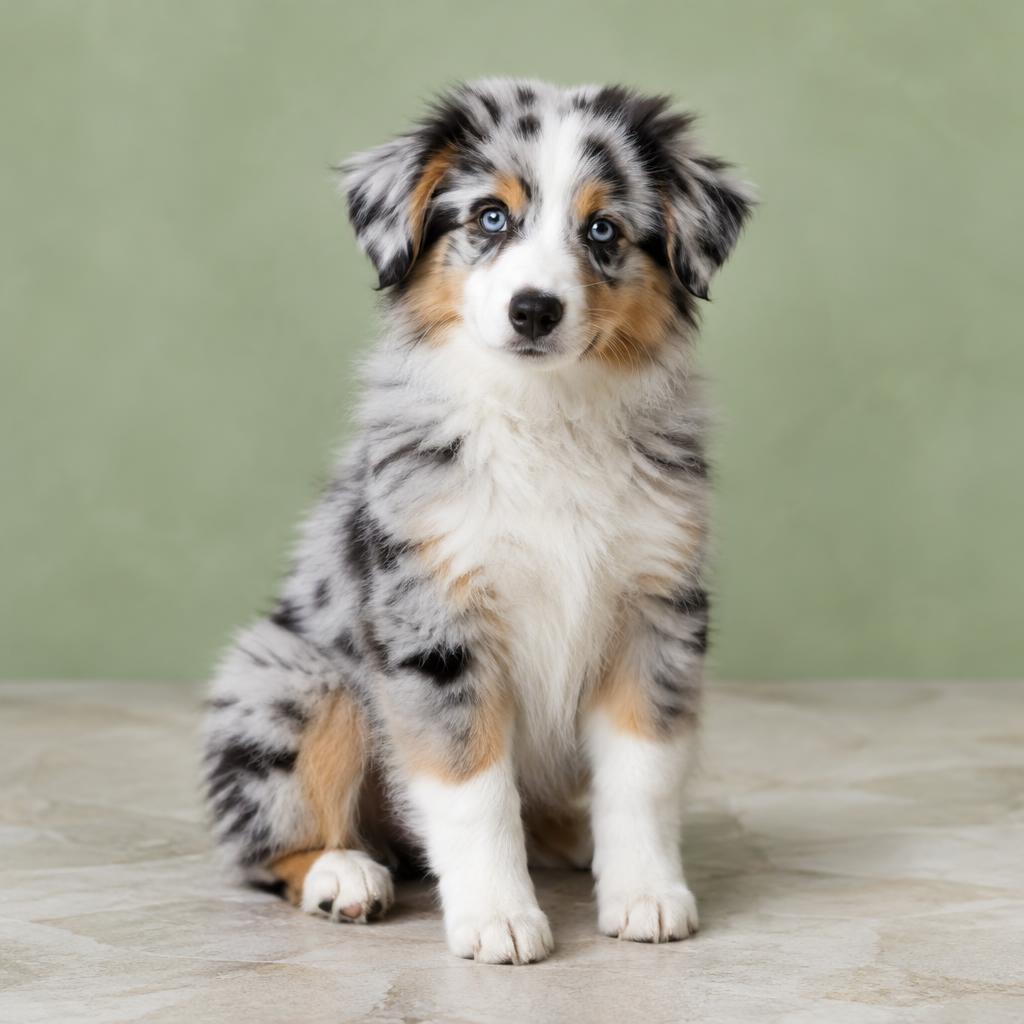
Marbled silver-grey and black, often with copper and white points; eyes may be blue or marbled.
- Weight
- 9 to 18 kg
- Height
- 33 to 46 cm
- Lifespan
- 12 to 13 yrs
- Size
- Small
- Group
- Pastoral
- Coat
- Medium double coat, often merle
- Years to full size
- about 1.5
- One-off setup
- €700 to 1400
Get one if…
- Active owners who enjoy training and dog sports
- Families with older children
- Flats and smaller homes with committed daily exercise
- People wanting a clever, portable adventure companion
Think again if…
- Owners wanting a couch-potato small dog
- Households out all day every day
- People bothered by seasonal shedding
- Homes with very small children who may be herded
Trait profile
Scores reflect a small herding dog: high trainability and energy, moderate shedding, good adaptability to smaller homes.
Space & setup. Adapts well to flats and smaller homes if exercised properly every day; a garden is a bonus, not a requirement.
Allergies. The double coat sheds, heavily in season; not a breed for allergy sufferers.
Living with a Miniature American Shepherd
The Miniature American Shepherd was developed in California from small Australian Shepherds, and shares that breed's bright mind, herding instinct and devotion. Compact enough for smaller homes but genuinely energetic, it excels at agility, obedience and trick training. It suits active owners who want a clever, biddable dog and can keep its busy brain occupied.
The Miniature American Shepherd began in 1960s California, where breeders selected smaller Australian Shepherds that could travel easily to rodeos and horse shows while still working livestock. For decades the dogs were registered as Miniature Australian Shepherds, but when the American Kennel Club recognised the breed in 2015 it took the name Miniature American Shepherd. The look is unmistakably Aussie: merle or solid coats, bright eyes and an attentive, ready expression, in a package of nine to eighteen kilos.
Living with one is living with a dog that notices everything. They learn cues almost before you have finished teaching them, which is a joy in training and a hazard if you are inconsistent, because they learn your habits too. The herding instinct is intact: expect circling, heel-nudging of children and an intense interest in anything that moves. Watchful by nature, they bark to announce visitors and make good little watchdogs without being aggressive.
Exercise needs are moderate to high for the size: an hour or more a day of walks, play and training, and they adore having a sport such as agility, flyball or herding trials. The double coat sheds, especially in season, and needs a thorough brush twice a week. Like all merle breeds, puppies must never come from merle to merle matings, and the breed can carry the MDR1 drug-sensitivity mutation, so ask breeders about testing.
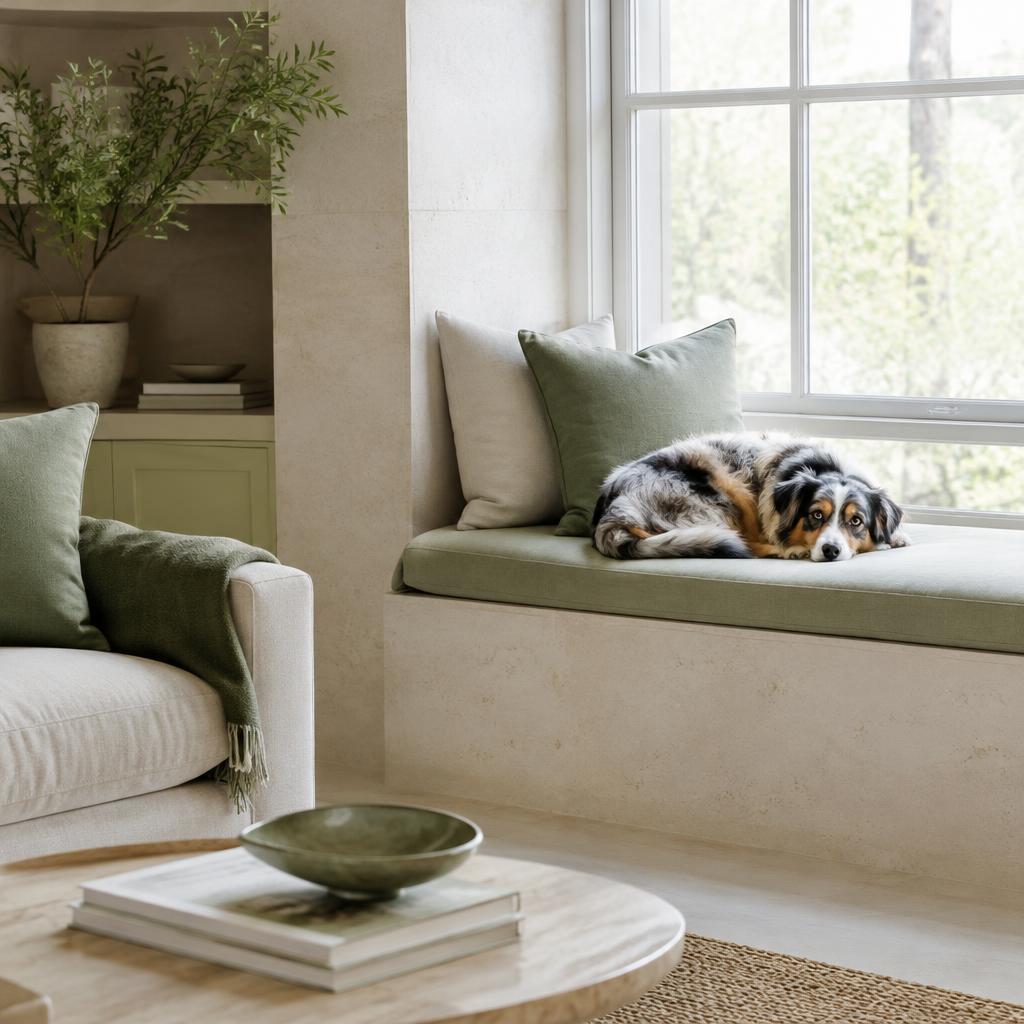
A brilliant little herding dog: easy to train, eager to please and small enough to live anywhere, provided its brain and legs get a daily workout.
Exercise, day to day
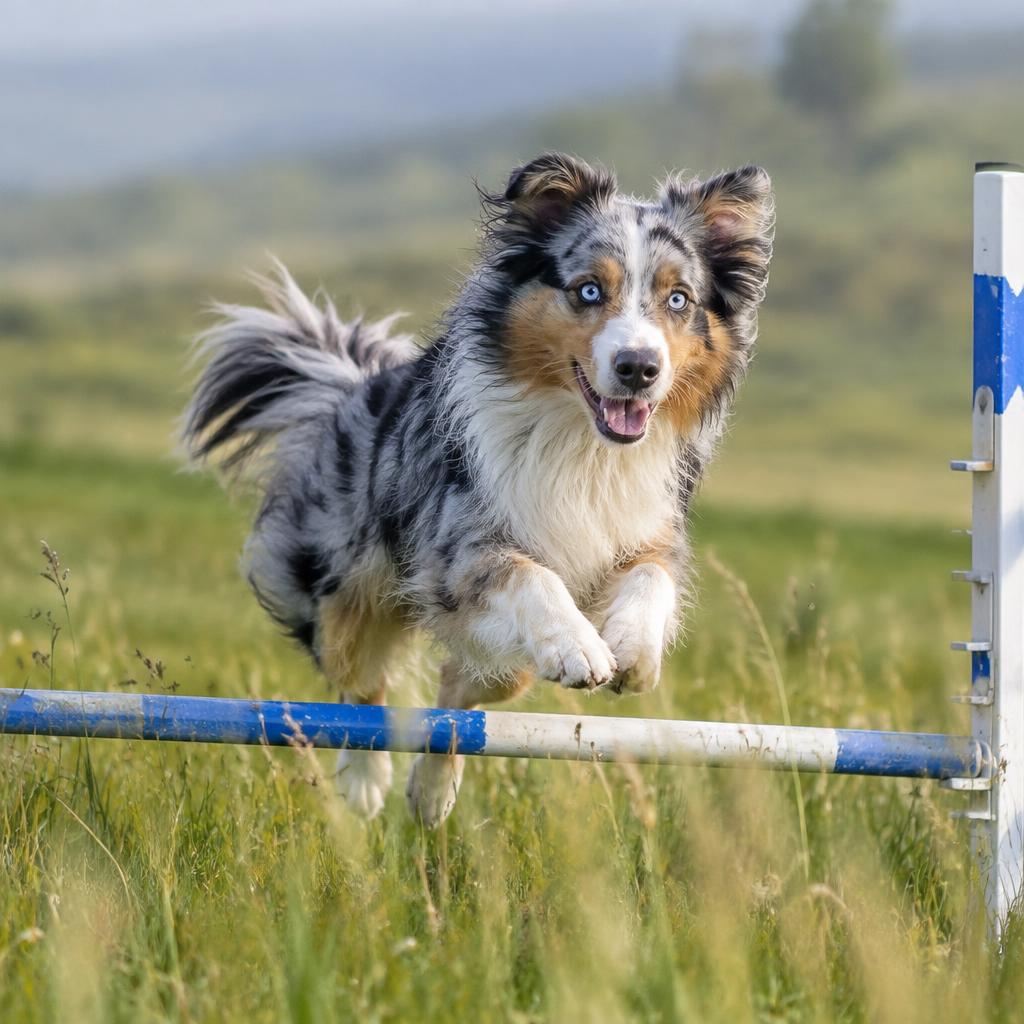
- 1Sixty to ninety minutes of walks and play daily
- 2Training or trick sessions most days; the brain needs work
- 3Agility, flyball, herding or scent games as a weekly highlight
- 4Off-lead runs in safe areas once recall is reliable
Grooming, realistically
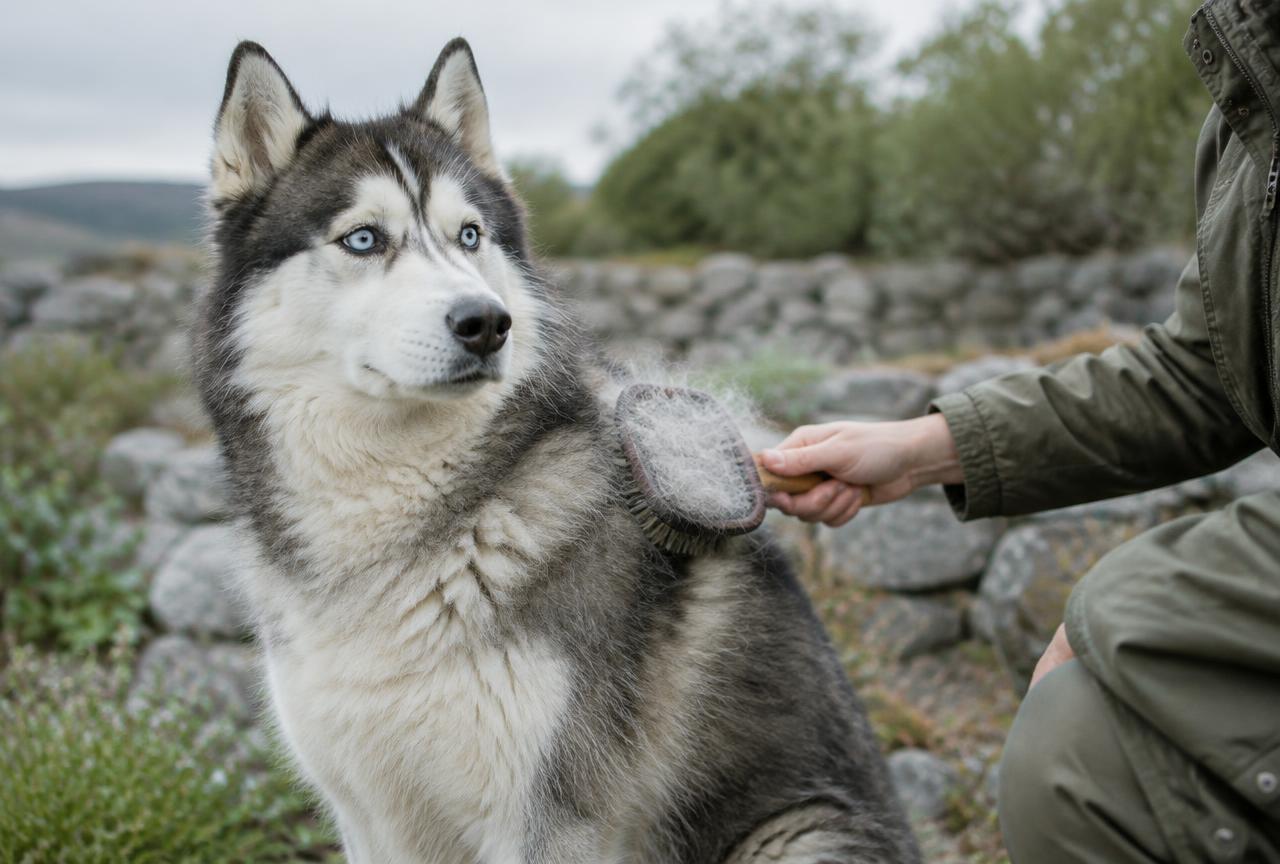
- 1Brush thoroughly twice a week, daily during seasonal sheds
- 2Check the feathering behind ears and legs for tangles
- 3Bathe every month or two, or after muddy adventures
- 4Trim nails every three to four weeks and brush teeth regularly
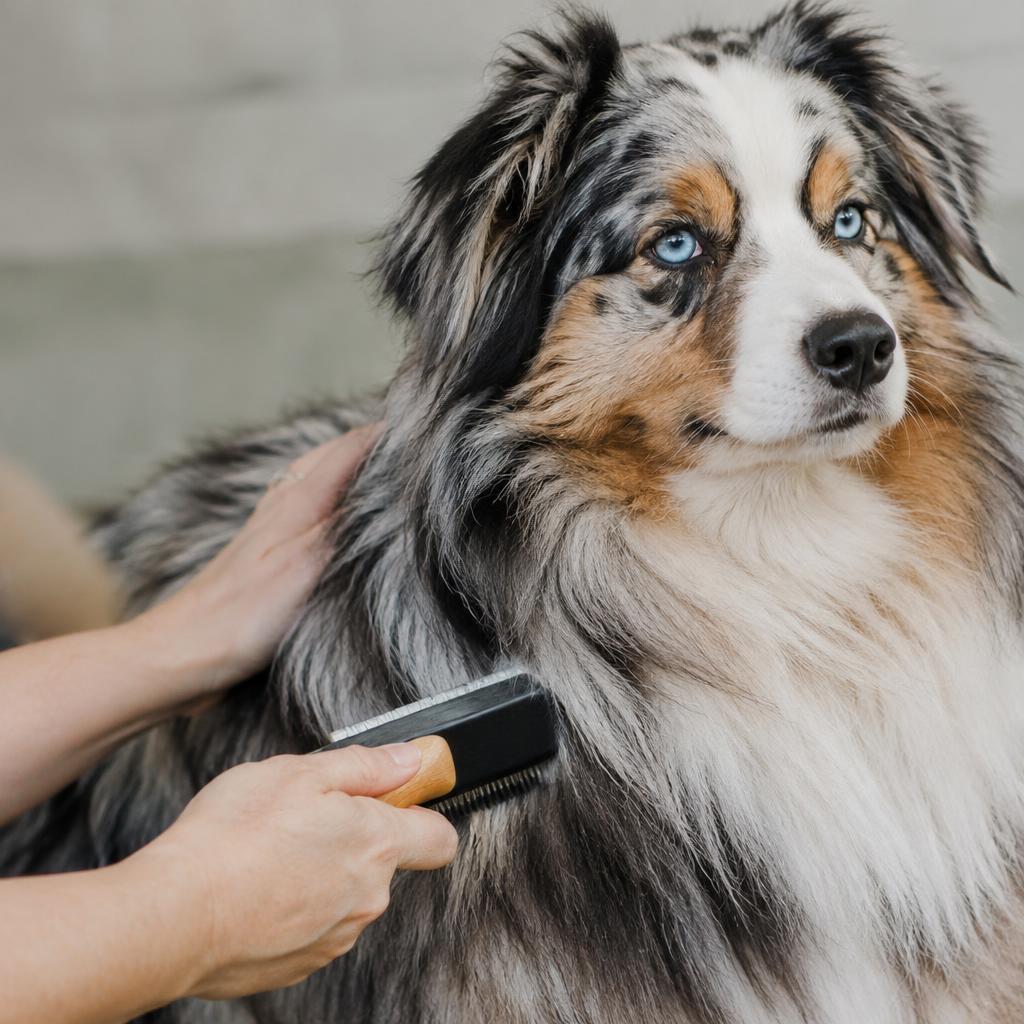
What you actually need
- Slicker brush
- Metal comb
- Undercoat rake for shedding season
- Nail clippers
- Dog toothbrush and paste
Puppy to adult
| Age | Male | Female | What is happening |
|---|---|---|---|
| 8 weeks | 1.5 to 2.5 kg | 1.3 to 2.2 kg | Tiny and bright; start handling, name recognition and a toilet routine. |
| 3 months | 3.5 to 5.5 kg | 3 to 5 kg | Socialisation window; introduce people, dogs, sounds and surfaces. |
| 6 months | 6 to 10 kg | 5 to 9 kg | Adolescent cheekiness; keep training sessions short and fun. |
| 9 months | 8 to 14 kg | 7 to 12 kg | Near adult height; coat beginning to fill out. |
| 12 months | 10 to 16 kg | 8 to 14 kg | Close to adult size; energy high, brain busier than ever. |
| 18 months | 11 to 18 kg | 9 to 16 kg | Fully grown; a settled but still keen young adult. |
Ranges are typical, not targets. Judge condition by ribs and waist, and check with the ideal weight checker.
What to ask a breeder
- Have the parents been DNA tested for MDR1 and the eye conditions in the breed?
- Was either parent merle, and was the litter bred merle to merle?
- Have the parents had hip scores and eye examinations?
- What are the parents' temperaments like with strangers and children?
- Do the parents do any sports or herding work?
Health tests to ask for
Ask to see results for both parents before you put down a deposit.
- DNA test for MDR1 drug sensitivity
- Eye examination by a veterinary ophthalmologist
- Hip scoring for both parents
- Never buy a puppy from a merle to merle mating
Health watch-list
What to ask a breeder about, and what to watch for over a lifetime. This is orientation, not veterinary advice, anything you notice belongs in front of a vet.
MDR1 drug sensitivity
UncommonA genetic mutation that makes some common drugs dangerous. DNA testing is cheap and routine; know your dog's status and tell your vet.
Eye conditions
UncommonHereditary cataracts and collie eye anomaly occur in the breed. Parents should be eye tested and DNA screened.
Hip dysplasia
UncommonLess common than in large breeds but still screened for. Ask for both parents' hip scores.
Deafness
UncommonLinked to the merle gene. Responsible breeders never mate merle to merle and may BAER test puppies.
Dental disease
CommonAs with many smaller breeds, crowded teeth trap plaque. Daily brushing and regular checks keep mouths healthy.
What it costs to keep one
Realistic running cost
€74 / month
About €888 a year, or roughly €11,544 across a 13-year life, before purchase price, neutering and one-off vet events.
Before the puppy arrives. Budget roughly €700 to 1400 for a crate, bed, lead and harness, bowls, puppy classes, first vaccinations and grooming kit sized for this breed. Figures throughout are indicative and vary a good deal between countries.
Interactive · built for this breed
Is a Miniature American Shepherd right for your home?
Seven honest questions about your space, time and household, checked against this breed's exercise need, coat, sociability and tolerance for time alone.
Fit with your routine
95%
A strong fit
Your routine suits a Miniature American Shepherd well. Meet adult dogs of the line before you commit.
What to sort out first
- Needs more daily exercise than you have pencilled in.
Working in your favour
- Coat care fits the grooming time you offered.
Compare more breeds in the matchmaker, or plan meals with the portion calculator.
The verdict, by household
Superb: a willing, clever partner that excels at everything.
A good choice if you enjoy training and daily walks.
Great with older children; may try to herd toddlers.
Works well if exercise and training are genuinely daily.
When to call your vet
- Cloudiness, squinting or bumping into things, which can signal eye disease
- Reluctance to jump or stiffness after rest, which can signal joint trouble
- Any reaction to medication; report MDR1 status to your vet
- Head tilt or unresponsiveness to sound, which can signal hearing problems in merle lines
Nothing here is a diagnosis. A swollen, hard belly with retching, collapse, breathing difficulty and sudden hind-leg weakness are emergencies: go straight away.
Miniature American Shepherd vs the closest alternatives
| Breed | Weight | Energy | Grooming | € / month |
|---|---|---|---|---|
| Miniature American Shepherd | 9 to 18 kg | 8/10 | 5/10 | €74 |
| Australian Shepherd | 14 to 30 kg | 9/10 | 6/10 | €130 |
| German Shepherd | 22 to 40 kg | 9/10 | 5/10 | €153 |
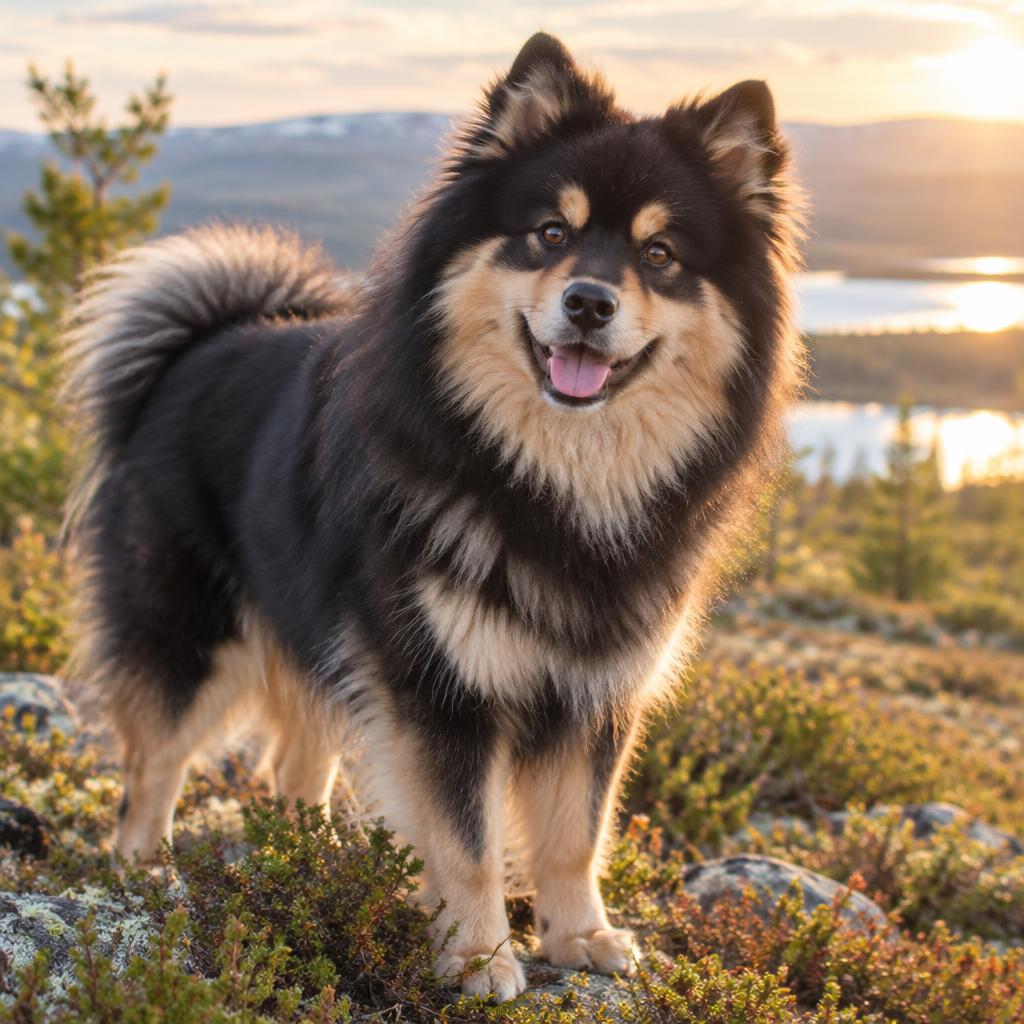
| Finnish Lapphund | 15 to 24 kg | 7/10 | 5/10 | €89 |
Miniature American Shepherd questions, answered
Is a Miniature American Shepherd the same as a Miniature Australian Shepherd?
Almost. The breed was developed from small Australian Shepherds and was known as the Miniature Australian Shepherd for decades. When the American Kennel Club recognised it in 2015, it took the name Miniature American Shepherd.
Are Miniature American Shepherds good family dogs?
Yes, in active families. They are devoted, playful and gentle with children, though the herding instinct means they may circle or nudge toddlers. Best with children old enough to join in training.
How much exercise do they need?
Sixty to ninety minutes a day of walks, play and training. They are energetic for their size and love a sport such as agility or flyball, but they are not as relentless as a full-size working collie.
Do they shed?
Yes. The double coat sheds year-round and heavily in spring and autumn. Brush thoroughly twice a week, daily during the big sheds.
What is MDR1 and why does it matter?
MDR1 is a genetic mutation, common in herding breeds, that makes certain routine drugs dangerous. A simple DNA test shows whether a dog carries it. Always tell your vet your dog's result.
Can they live in a flat?
Yes, better than most herding breeds. They are small and adaptable, but they still need daily exercise, training and company. A bored Miniature American Shepherd will find its own entertainment.