Dog Shedding: What Is Normal and How to Manage It
You cannot stop a dog shedding, but you can understand the cycle, choose the right brush for the coat, and know the difference between a normal moult and a health problem.
The SniffScroll desk
Dog care editors
Published 9 October 2026
Reviewed by a practising UK veterinary nurse
The short version
- Shedding is a healthy coat renewing itself; you manage it, you do not stop it.
- Most dogs moult heaviest in spring and autumn, driven by daylight more than temperature.
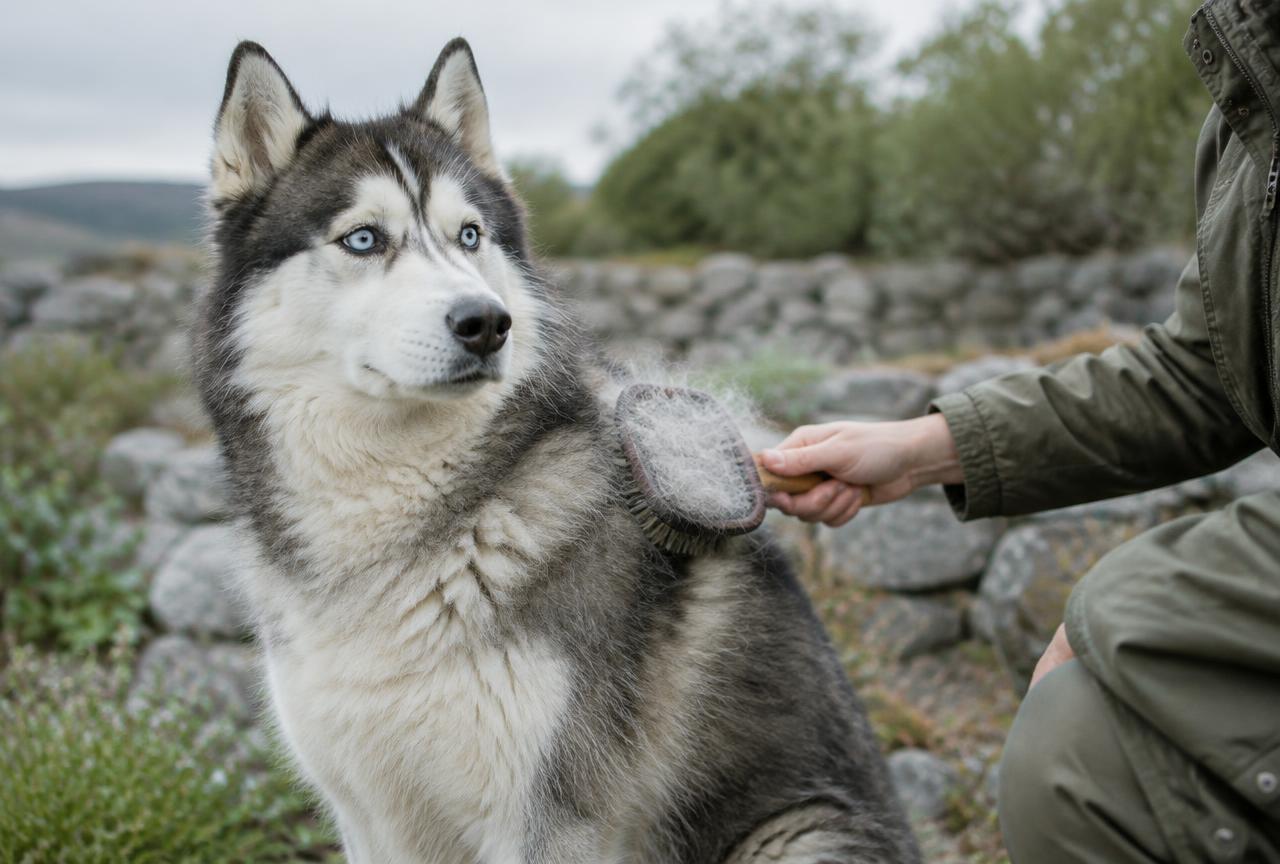
- Match the brush to the coat: undercoat rake for double coats, rubber curry for short coats, slicker plus comb for curls.
- Never shave a double-coated breed; the coat insulates against heat and cold and may not grow back properly.
- Bald patches, red or greasy skin, or shedding with itching are vet matters, not grooming ones.
You cannot stop shedding, but you can get ahead of it
Shedding is a healthy coat renewing itself, and while no product, diet or gadget will stop it, the right routine can keep most of that hair on the brush instead of your furniture.
Every dog with hair sheds. Even the so-called non-shedding breeds, Poodles and their crosses, shed a little; the difference is that their loose hair tangles into the coat instead of falling onto your floor, which is why they mat rather than moult. What varies enormously is volume and pattern: a Labrador Retriever sheds steadily all year with enthusiasm, a Siberian Husky saves it up and blows the entire undercoat twice a year in a blizzard, and a Wire Fox Terrier barely sheds at all if hand-stripped.
This guide covers what a normal moult looks like, the tools matched to each coat type, what genuinely reduces shedding (and what is marketing), and the point at which hair loss stops being a grooming issue and becomes a vet one.
The shedding cycle, and why spring is chaos
Most dogs moult heaviest in spring and autumn as the coat swaps between winter and summer weights, driven by daylight more than temperature.
Hair grows in cycles: a growth phase, a resting phase, and a shedding phase where the old hair is pushed out by the new. In wild canids this happens twice a year, tightly synced to day length. Domestic dogs still follow that pattern, but indoor life blurs it. Central heating and artificial light confuse the daylight signal, which is why many indoor dogs, especially double-coated ones, shed lightly all year instead of dramatically twice.
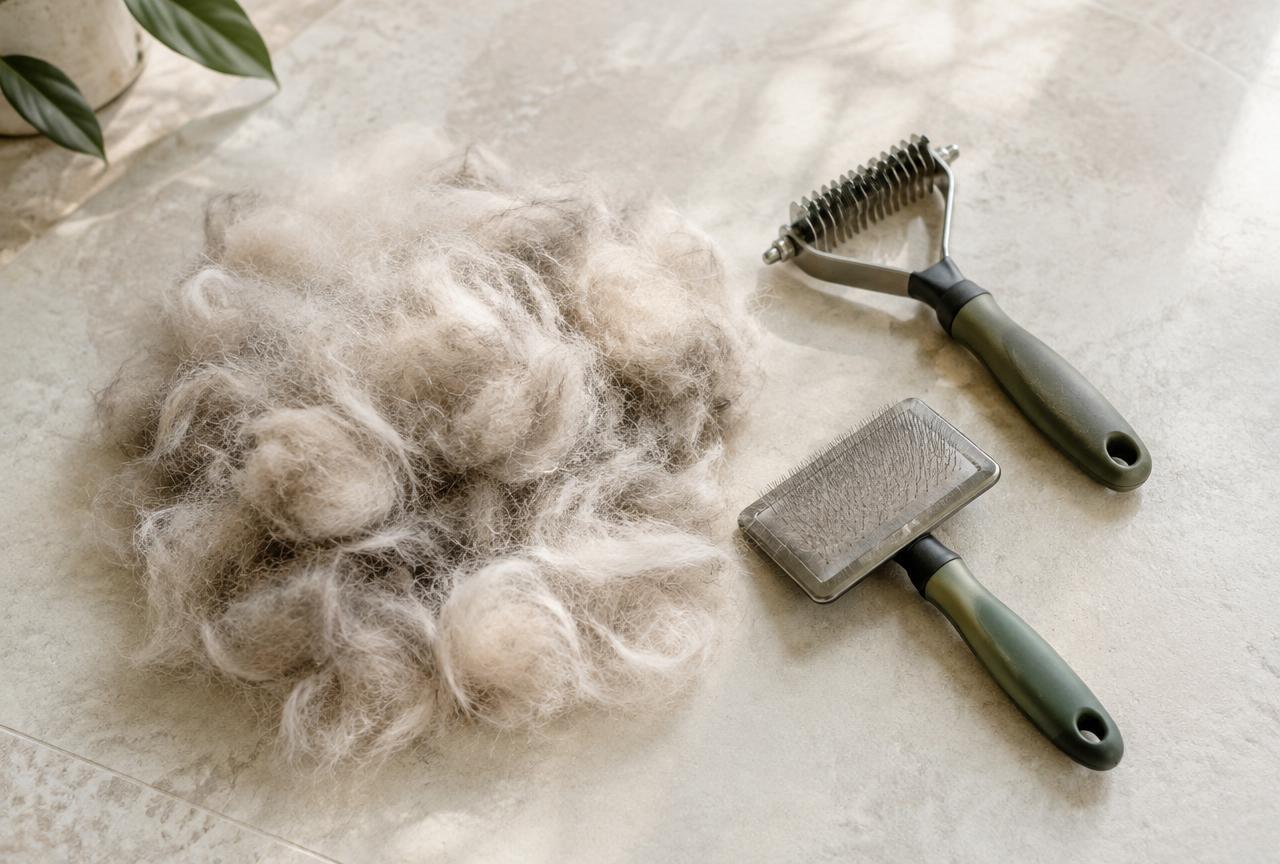
The spring moult is the big one: the dense winter undercoat comes out over a few weeks, and on a German Shepherd or Alaskan Malamute that means carrier bags of fur. The autumn moult is usually lighter, swapping the summer coat for the winter one. Neither is a problem. Both are simply the coat doing its job.
Which breeds shed most, and which barely do
If shedding volume matters to you, it is a breed choice first and a grooming issue second, because no routine turns a Husky into a Poodle.
The heaviest shedders are the double-coated northern and mountain breeds: Huskies, Malamutes, German Shepherds, Golden Retrievers, Akitas and their relatives, all carrying a dense undercoat that renews itself in volume. Labrador Retrievers surprise people: the coat is short, but it sheds constantly and the stiff hairs weave into upholstery like needles. At the other end sit the low-shedders: Poodles and Poodle crosses, Bichons, Portuguese Water Dogs, and the wire-coated terriers when hand-stripped. The trade-off is that low-shedding coats keep their loose hair, so they demand more brushing and professional grooming, not less work overall. You are choosing where the effort goes: hoovering or brushing.
The right brush for the coat
Using the wrong tool is why most brushing sessions feel pointless: each coat type has a tool that actually reaches the loose hair.
| Coat type | The tool that works | How often | What to skip |
|---|---|---|---|
| --- | --- | --- | --- |
| Short and smooth | Rubber curry brush or grooming mitt | Once or twice a week | Slickers and rakes, nothing to reach |
| Double | Undercoat rake, then slicker | 2 to 3 times a week, daily at moult | De-shedding blades used aggressively |
| Curly and wool | Slicker, then a metal comb to the skin | Several times a week | Anything that skips the comb check |
| Long and silky | Pin brush and comb, section by section | Most days | Rushing the feathering |
| Wire | Stripping knife or a groomer | Every few months for stripping | Clipping, which softens the coat |
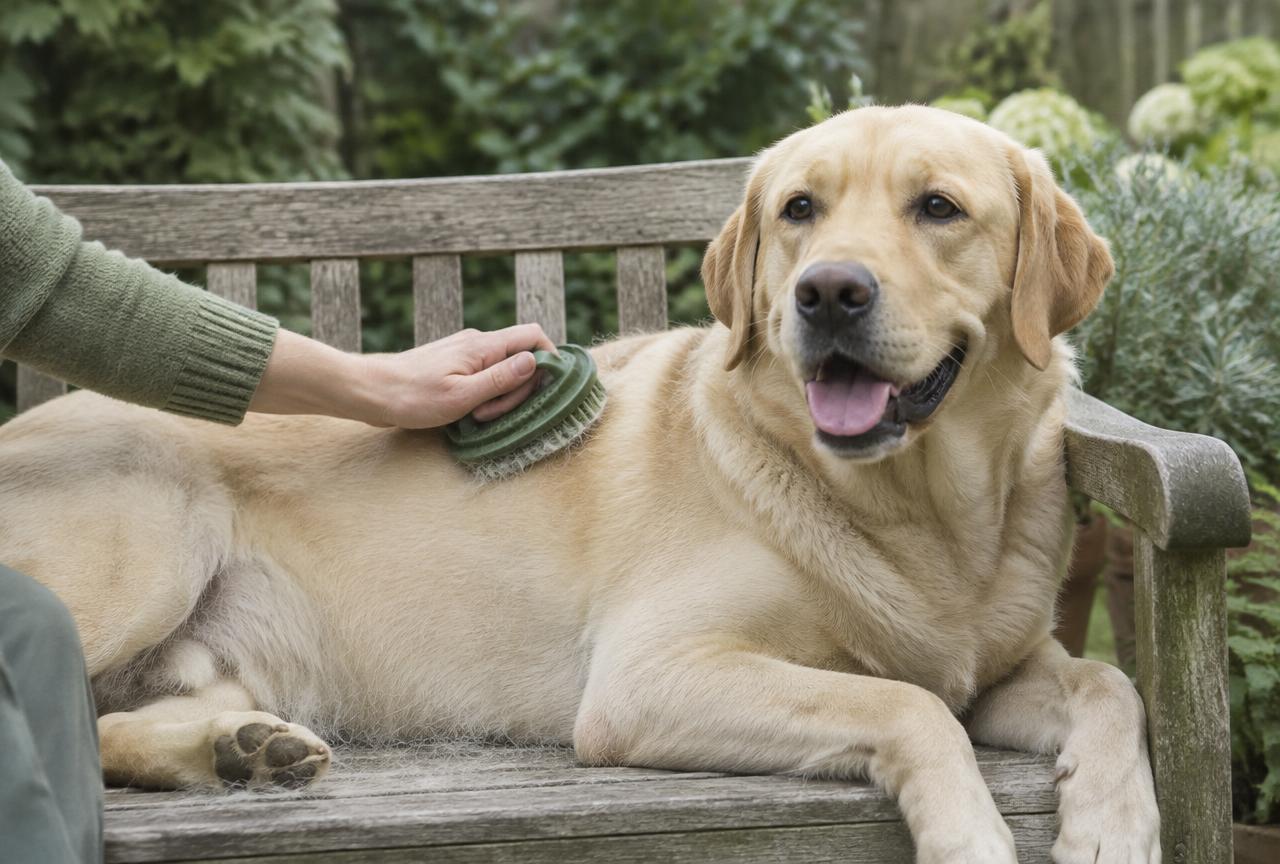
A few truths from the grooming table. Brush with the coat direction, in sections, and on double coats part the hair so you can see you are reaching the undercoat rather than skating over the top. The comb test settles everything: after brushing, a metal comb should pass through the coat to the skin without snagging. If it does not, you have brushed the surface and left the mats. And never shave a double-coated breed to reduce shedding. The coat insulates against heat as well as cold, it does not grow back the same, and the dog still sheds, just shorter hairs.
What actually reduces shedding
Diet quality, omega-3s, regular brushing and the occasional bath are the whole list; everything else is packaging.
A coat is made of protein, and it shows diet fast. A food with a named animal protein as the first ingredient and a sensible fat content supports a coat that sheds on schedule rather than constantly. Omega-3 supplementation has decent evidence behind it for skin and coat condition, and many vets recommend it for dogs with dull, brittle coats. Beyond that:
- Brushing removes loose hair before it falls, which does not reduce shedding but dramatically reduces where it lands.
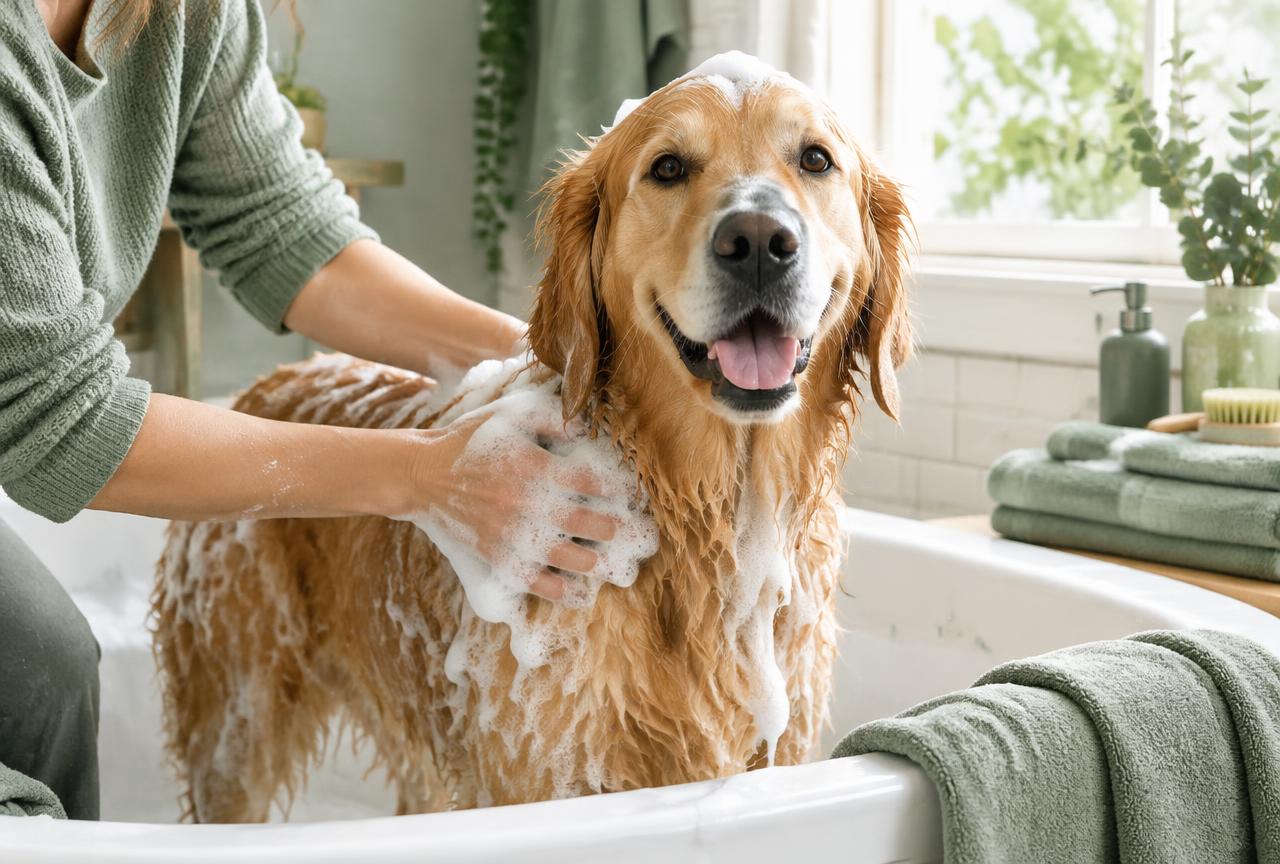
- An occasional bath with a good rinse loosens dead coat, especially during a moult. See our bathing guide for how often is too often.
- Hydration and general health show in the coat. A suddenly dull, shedding coat on an unwell dog is a symptom, not a grooming failure.
De-shedding shampoos, supplements promising to "stop shedding" and most gadgets do nothing the list above does not. Save the money for a decent undercoat rake.
Shedding and allergies: the honest picture
No dog is truly hypoallergenic, because the allergen lives in dander and saliva, not the hair itself, but low-shedding breeds spread less of it around the house.
This matters for anyone choosing a breed around an allergy. The proteins that trigger reactions are produced in the skin and saliva, and hair is simply the delivery vehicle. A low-shedding coat keeps more of that dander contained in the coat until it is brushed out, which is why allergy sufferers often cope better with Poodle crosses than with Labradors. But "hypoallergenic" on a breeder''s website is marketing, not a guarantee: individual dogs vary, and the only reliable test is spending time with the actual breed, ideally the actual dog, before committing. Regular brushing, done by the non-allergic member of the household, plus keeping the dog out of bedrooms, makes a measurable difference.
Living with it: the house side
Washable throws, a weekly bed wash and a hoover with a pet tool turn a shedding household from losing battle to minor chore.
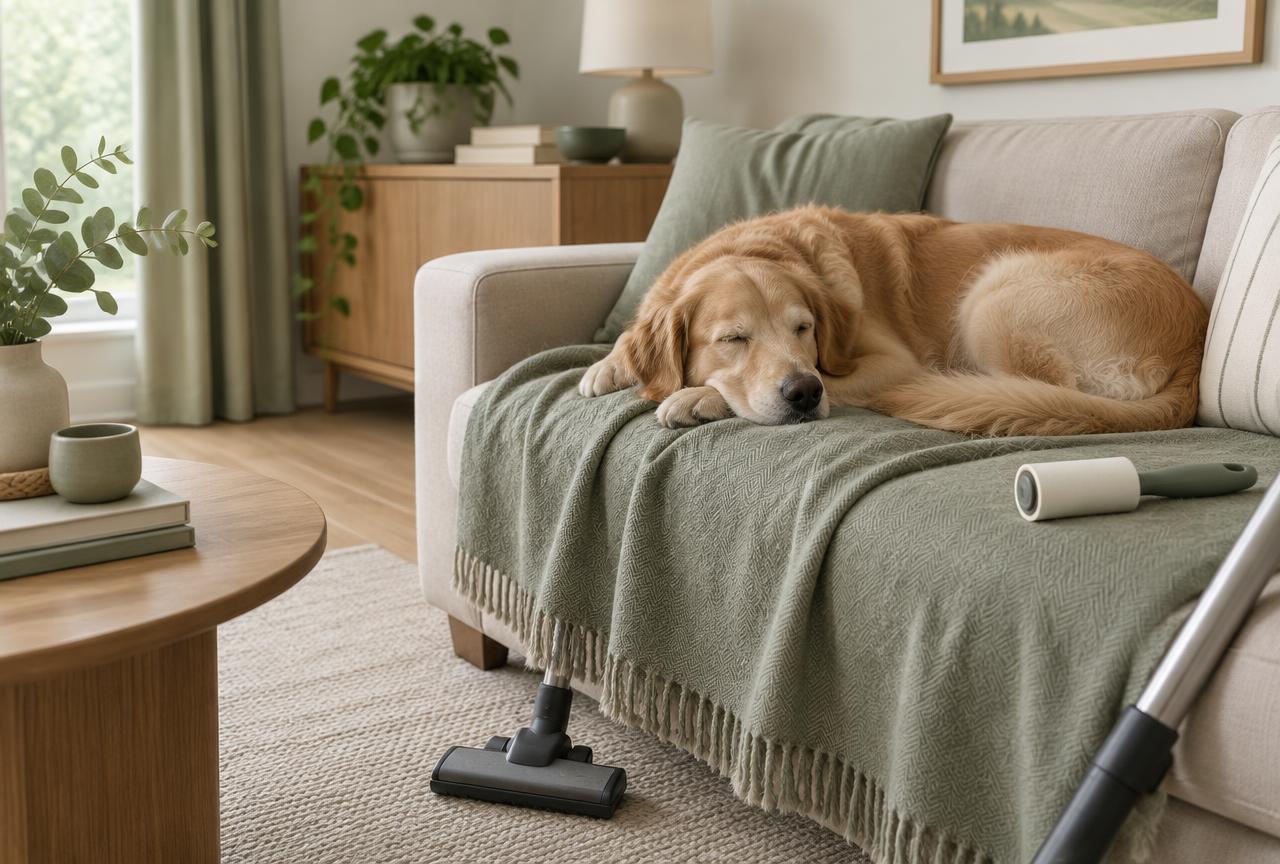
The owners who cope best with heavy shedders are not the ones who clean most; they are the ones who contain. Throws on the sofa spots the dog actually uses, washed weekly. A dog bed with a removable cover. A robot hoover running daily if you have a serious shedder, which sounds extravagant until you have lived with a moulting Malamute. Rubber gloves or a damp sponge lift hair from upholstery better than most lint rollers. And a quick daily two-minute brush during moult season beats a weekly hour-long battle, for you and for the dog.
When shedding is a health problem
Sudden heavy shedding, bald patches, or shedding with red, greasy, flaky or smelly skin is not moulting and needs a vet.
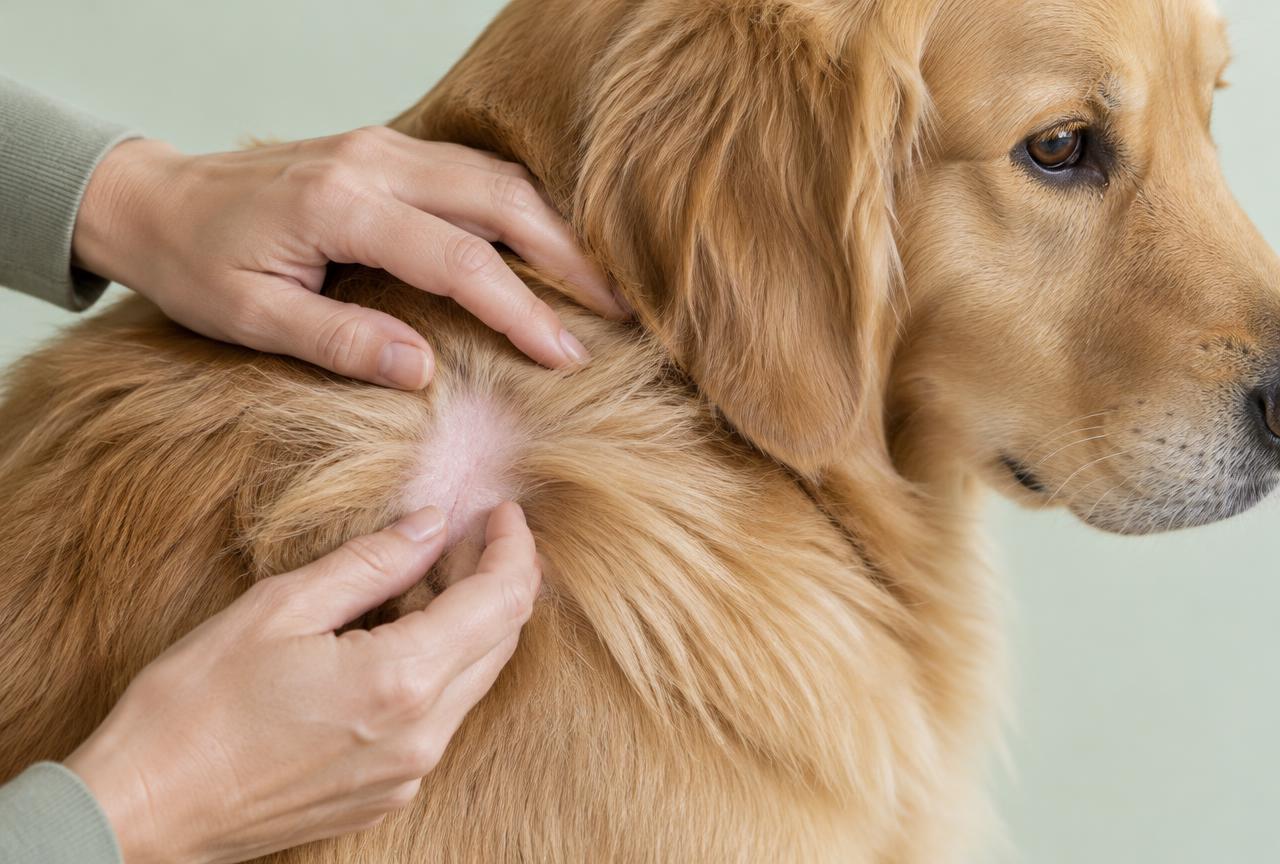
Normal moulting is symmetrical, gradual and seasonal, with healthy skin underneath. The warning patterns are different:
- Bald patches or thinning areas, especially if symmetrical on the flanks, which can indicate hormonal conditions like hypothyroidism or Cushing''s disease.
- Shedding with red, greasy, flaky or smelly skin, which points to allergies, yeast or bacterial infection.
- Sudden heavy shedding out of season, which can follow stress, illness, poor diet or a bitch''s season or litter.
- Shedding with itching. Moulting does not itch. If the dog is scratching, something else is going on.
A moult drops hair. A problem drops hair and brings the skin with it: redness, flakes, grease or smell.
Interactive · shedding checker
Normal moult or something more?
Describe the shedding pattern and we will tell you whether it sounds like a normal coat cycle or worth a vet check.
Your management plan
- Use an undercoat rake two to three times a week, daily during the spring and autumn coat blows.
- Never shave a double coat: it insulates against heat as well as cold and may grow back patchy.
- Washable throws on favourite spots and a weekly hoover of the dog's bed keep the house side manageable.
Normal moulting
Seasonal shedding, peaking in spring and autumn, is the coat doing exactly what it should. Management, not worry, is the answer.
The puppy coat change
Between roughly four and six months, most puppies shed their soft puppy coat and grow the adult one, and it can look alarming if you are not expecting it.
The puppy coat is softer and fluffier than the adult version, and when it goes, it can go fast: a few scruffy weeks where the dog looks patchy and the fluff comes out in handfuls. This is normal, not a health problem. Double-coated breeds go through the most dramatic version, sometimes looking quite moth-eaten before the adult guard hairs come through, and curly coats often change texture at this point, which is when many Cavapoo owners discover their puppy''s easy coat now needs real brushing. Keep up the grooming routine through the change, because mats form fast when puppy fluff and adult coat mix.
Seasonal coat care in practice
The moult weeks call for a temporary routine change: daily brushing, an extra bath to loosen dead coat, and a bit of grace about the house.
When the spring or autumn blow starts on a double-coated dog, step the brushing up to daily with the undercoat rake, working in sections. A warm bath with a thorough rinse mid-moult loosens a remarkable amount of dead coat, followed by a proper dry as our bathing guide describes. Some owners book a professional de-shedding groom at the peak, which is money well spent on a serious coat. And then simply accept the season: for two or three weeks, the dog is a fur factory, the throws do their job, and then it passes.
When to call your vet
Book an appointment if the shedding pattern has changed suddenly, if there are bald patches, if the skin looks anything but pale and healthy, or if the dog is itchy. Note when it started, any diet or product changes, and whether the pattern is symmetrical, because your vet will ask. Most causes, from fleas to allergies to thyroid trouble, are very treatable once identified, and the coat is often the first place they announce themselves.
Questions people actually ask
How do I stop my dog from shedding so much?
You cannot stop a healthy dog shedding, but you can manage it: brush with the right tool for the coat several times a week, feed a quality diet with named animal protein, consider omega-3, and bathe occasionally with a thorough rinse. That routine keeps most loose hair on the brush.
Why is my dog shedding so much all of a sudden?
Sudden heavy shedding out of season can follow stress, illness, a diet change, or a bitch's season or litter. If it comes with bald patches, skin changes or itching, book a vet visit, as allergies, parasites and hormonal conditions all present this way.
What months do dogs shed the most?
The heaviest moult is in spring, when the winter undercoat comes out over a few weeks, with a lighter moult in autumn. Indoor dogs often shed lightly all year because heating and artificial light blur the daylight signal that drives the cycle.
Do any dogs not shed at all?
No dog is truly non-shedding. Breeds like Poodles, Bichons and their crosses shed very little because loose hair tangles into the curly coat instead of falling out, which is why they need regular brushing and clipping rather than leaving hair on your floor.
Is it OK to shave a double-coated dog to reduce shedding?
No. The double coat insulates against heat as well as cold, shaving does not stop shedding (the hairs are just shorter), and the coat may grow back patchy or with a changed texture. Regular undercoat raking is the correct approach.
Can diet affect how much my dog sheds?
Yes. A coat is made of protein and shows diet quality quickly. A food with named animal protein and adequate fat, plus omega-3 supplementation where appropriate, supports a coat that sheds on its normal cycle rather than constantly.
Sources
Breeds mentioned
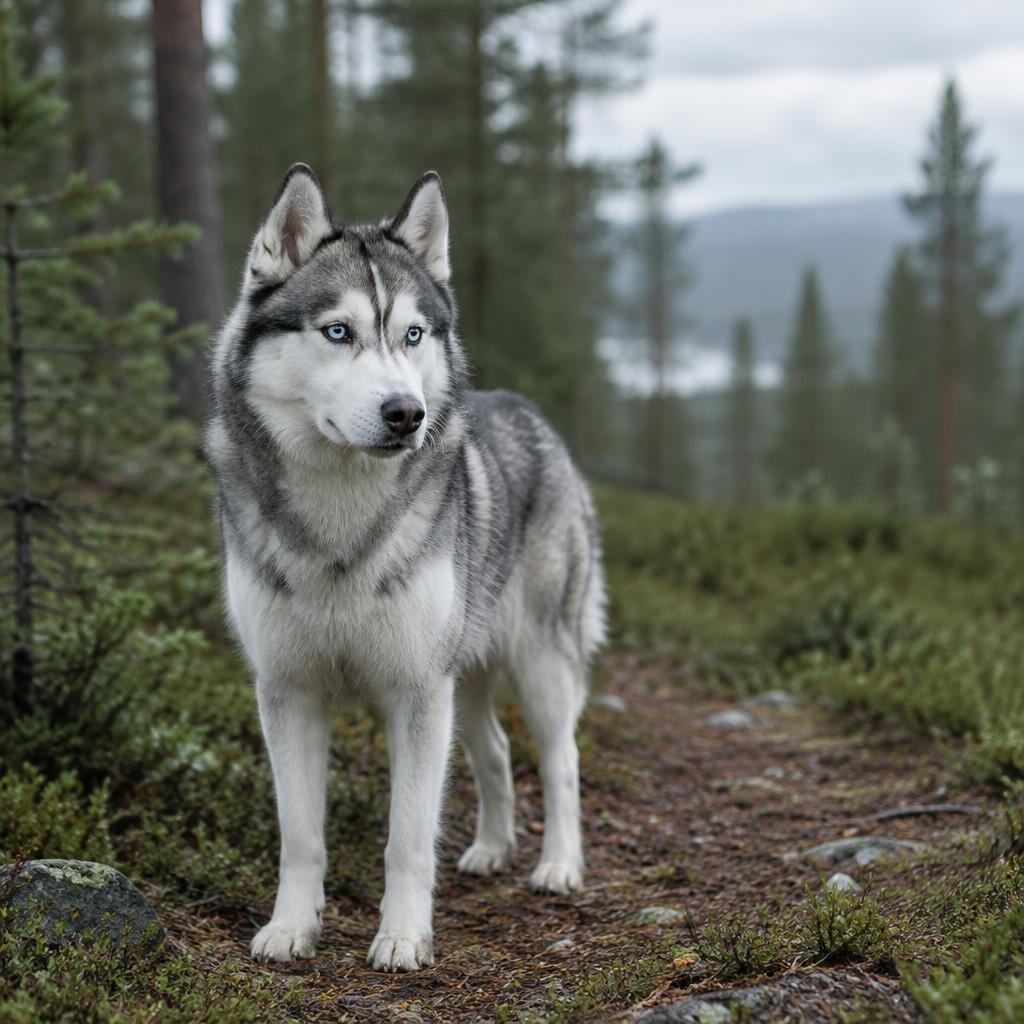
Siberian Husky
A striking, athletic sled dog built for distance running and ill suited to a quiet life in the garden.

Labrador Retriever
Britain's most popular family dog: biddable, food driven and built for an active household.

German Shepherd
A loyal, capable working dog that needs a job to do and an owner ready to provide one.
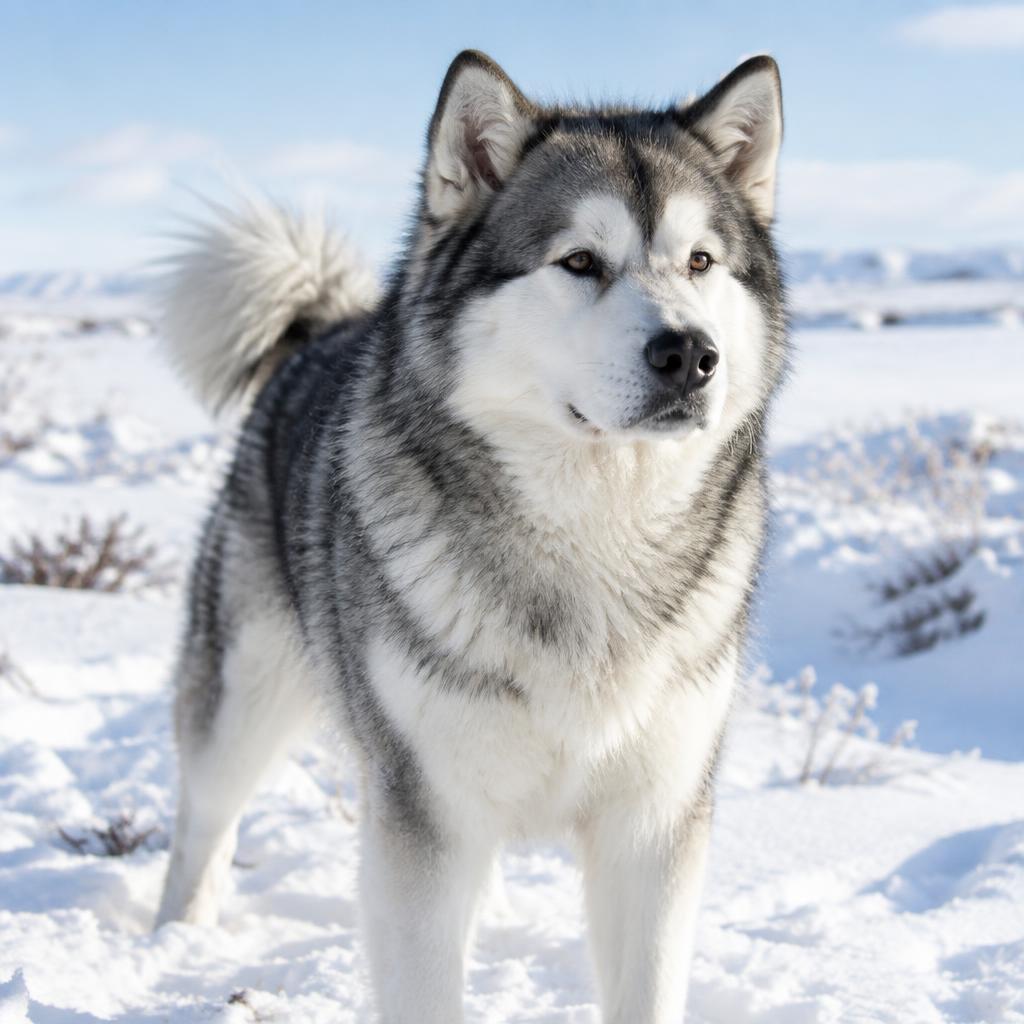
Alaskan Malamute
A powerful, affectionate Arctic freight dog bred to pull, that needs serious daily outlets for its strength and stamina.
Put it into practice
Read next
How to Clean a Dog's Ears: A Calm Step-by-Step Guide
How to clean a dog's ears safely: the right solution, the right technique, how often to do it, and the signs that mean skip the cotton pad and call the vet.