Crossbreed group
Australia and the United States, 1990s onwards
Cavapoo
Sweet, bright and endlessly affectionate, the Cavapoo is one of the easiest companions going, as long as it has company.
Reviewed by the SniffScroll editorial team
The gentle shadow with the teddy-bear face
The short version
- A gentle, affectionate cross that is famously good with children, strangers and other animals.
- Coat and size vary between individuals; curlier coats shed less but mat more, and no dog is truly hypoallergenic.
- Genuinely prone to separation anxiety: this is a companion dog that needs company, not a dog for empty houses.
- Moderate exercise needs, around an hour a day, and easy, enjoyable training.
- Health-tested parents matter as much in a cross as in any pedigree; ask for both parents' certificates.
- Weight
- 5 to 11 kg
- Height
- 28 to 38 cm
- Lifespan
- 12 to 15 yrs
- Size
- Small to Medium
- Group
- Crossbreed
- Coat
- Wavy to curly
- Grown male
- 5.5 to 11 kg
- Grown female
- 5 to 10 kg
- Years to full size
- about 1.25
- One-off setup
- €400 to 900
Get one if…
- First-time owners wanting an easy, forgiving companion
- Families with children of any age
- Home workers, retirees and households where someone is usually in
- Flat dwellers who can offer proper daily walks
- Multi-pet households; the breed is typically sociable with dogs and cats
Think again if…
- Households empty for long working days
- Anyone unwilling to brush regularly and pay for professional grooms
- People wanting a dog that enjoys independence
- Severe allergy sufferers who have not met the specific litter
- Anyone wanting a guard dog
Trait profile
A companion to its core: gentle, bright and sociable with everyone, and happiest wherever you are.
Space & setup. Excellent for flats and small homes: small, adaptable and moderate in its exercise needs, provided it gets out properly every day.
Allergies. Often low-shedding, especially in curlier coats, but no dog is truly hypoallergenic. Allergy sufferers should spend time with the specific litter before committing.
Living with a Cavapoo
A Cavalier King Charles Spaniel and Poodle cross combining the Cavalier's sweetness with the Poodle's brains, in a small, low-shedding package that wants to be with you always.
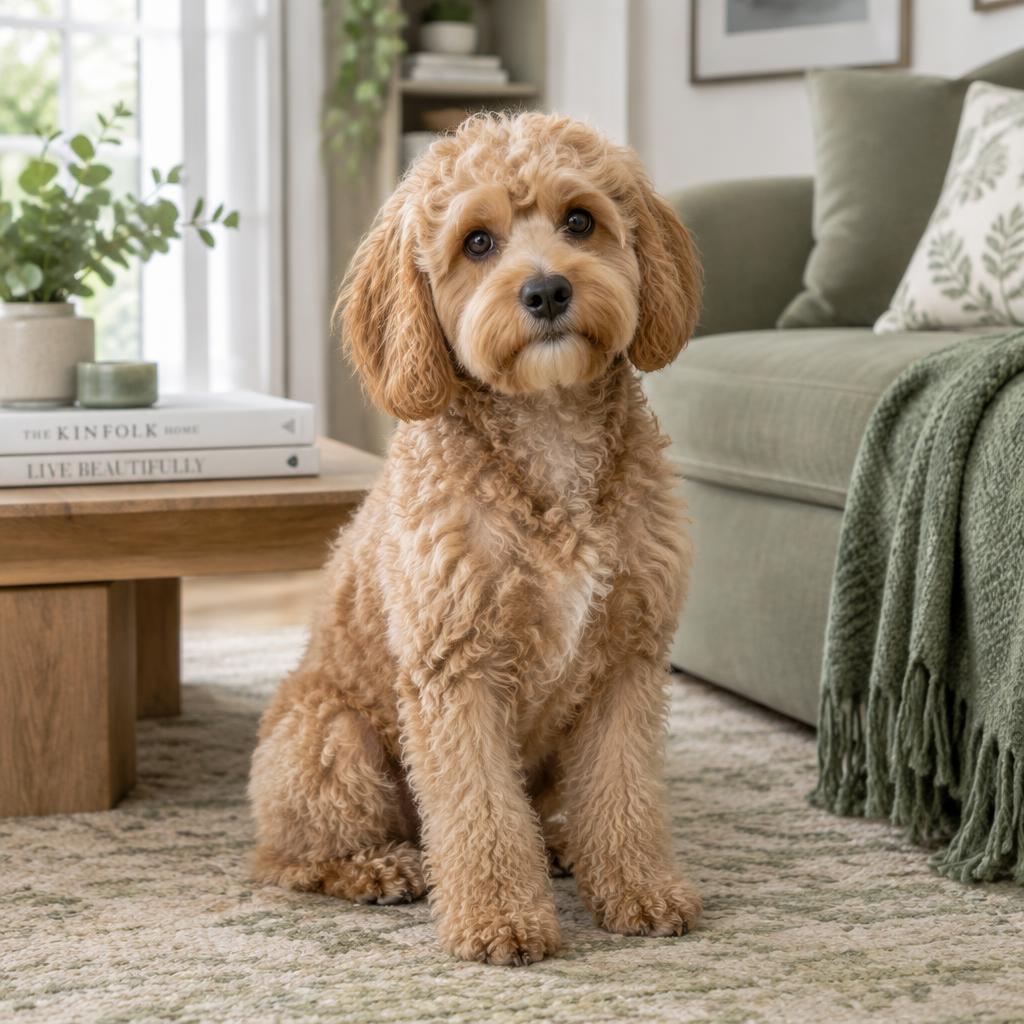
The Cavapoo, a cross between the Cavalier King Charles Spaniel and a Miniature or Toy Poodle, was designed with a clear brief: a small, friendly, low-shedding family companion. By and large, it delivers exactly that. The typical Cavapoo is gentle, affectionate, playful and bright, with the Cavalier's sweetness and the Poodle's intelligence in a package that fits under your arm. There is a reason waiting lists for well-bred puppies stretch for months.
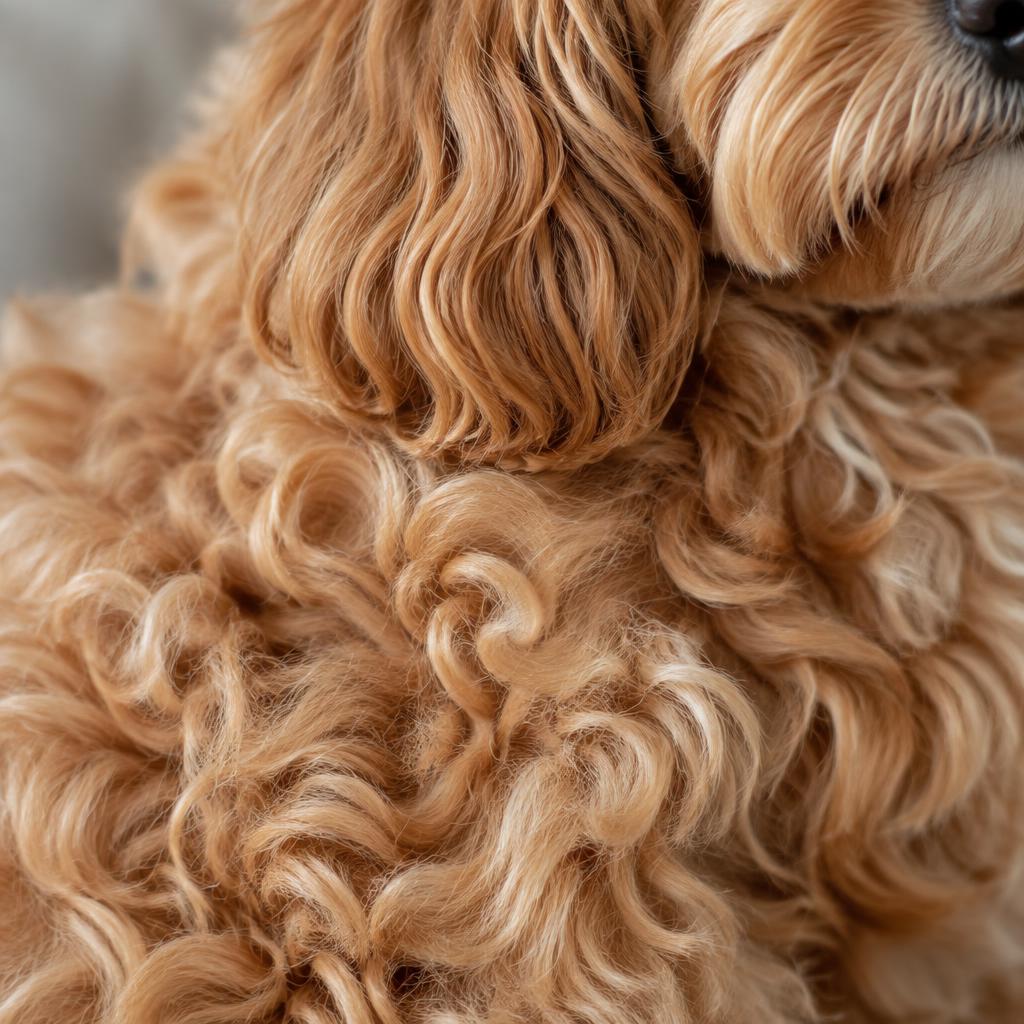
The honesty section comes first, because crosses vary. A Cavapoo is not a breed with a fixed standard, and individual puppies can lean towards either parent. Coat type ranges from a loose wave to a tight Poodle curl, and the curlier the coat, the less it sheds, but the more it mats. No dog is truly hypoallergenic, and allergy sufferers should spend time with the specific litter before committing. Size varies too, depending on whether the Poodle parent was Toy or Miniature, so ask the breeder what to expect.
Temperament is the breed's great strength. Cavapoos are famously good with children, patient and playful without the boisterousness of bigger dogs, and they typically get on beautifully with other dogs and even cats. They are sociable with strangers, hopeless as guard dogs, and generally a delight in public. Training is easy: they are clever, food-motivated and eager to please, and they pick up household routines quickly.
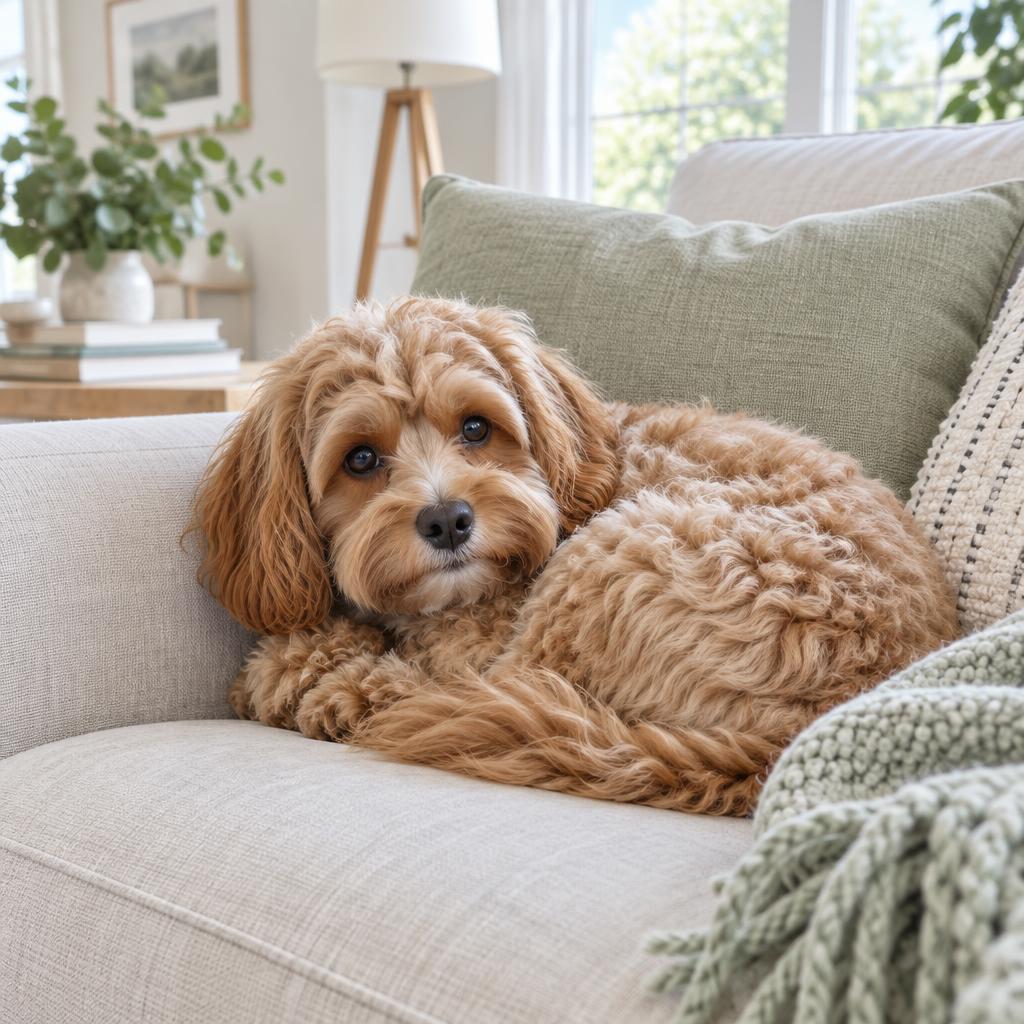
The trade-off is attachment. A Cavapoo's favourite place is wherever you are, and the breed is genuinely prone to separation anxiety. This is not a dog for a household that is empty all day; it is a dog for home workers, retirees, and families whose days include the dog. Left alone too much, Cavapoos bark, whine and chew, and the problem is distress, not naughtiness.
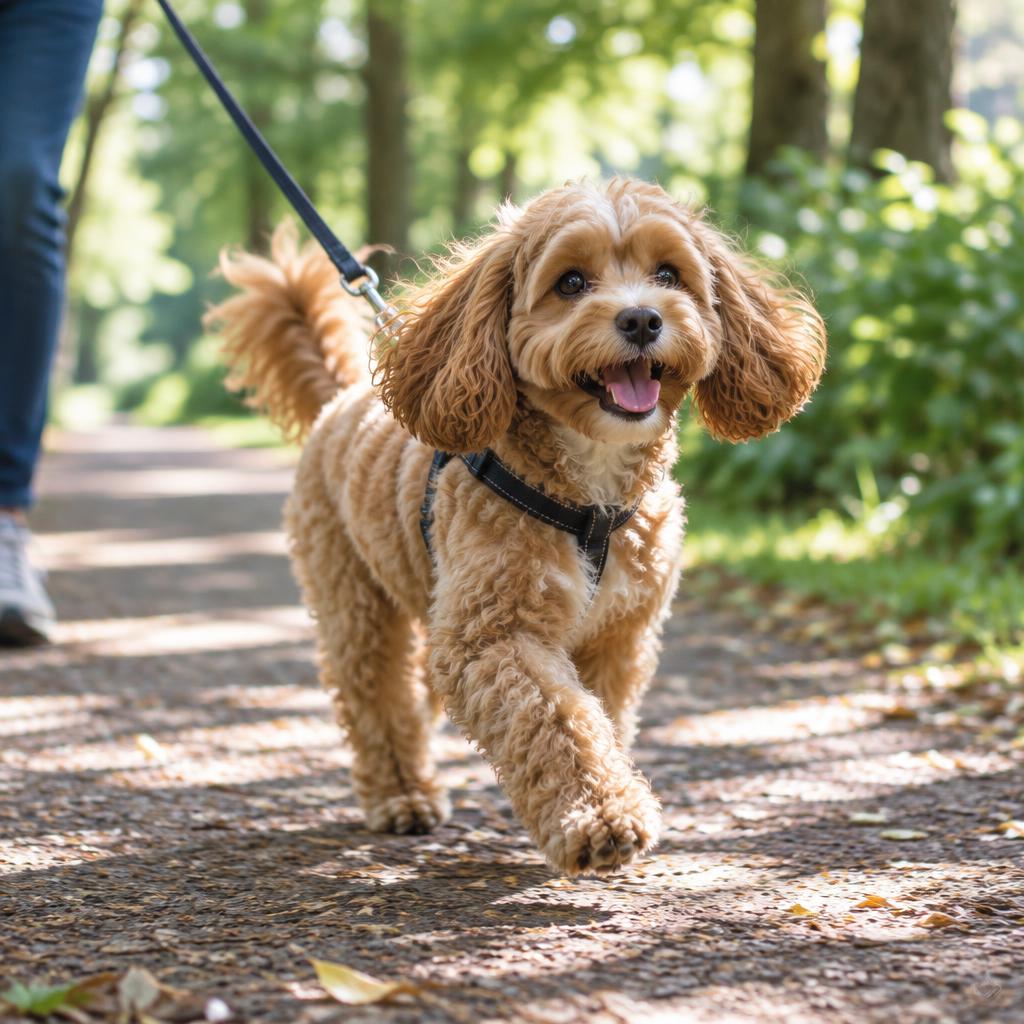
Exercise needs are moderate and manageable: forty-five minutes to an hour a day of walks and play keeps most adults happy, and they adapt cheerfully to flat life provided they get out properly. They enjoy training games, scent work and learning tricks, and their Poodle brains need a little work to do.
Grooming is the ongoing cost. The coat mats without regular brushing, three or four times a week for wavier coats, daily for curlier ones, and most owners book a professional groom every six to eight weeks. Ears need weekly checks, and the hair around the eyes needs keeping tidy.
Health is generally good, with a lifespan of twelve to fifteen years, but both parent breeds bring watch-points. From the Cavalier side: mitral valve disease, the heart condition that affects most Cavaliers eventually, and syringomyelia. From the Poodle side: luxating patella, eye conditions and Addison's disease. This is why health-tested parents matter as much in a cross as in any pedigree: a breeder who tests both parents and shows you the certificates is the single best predictor of a healthy puppy.
Who suits a Cavapoo? Almost anyone with time and company to offer: first-time owners, families, older people, flat dwellers. Who should think twice? Anyone out at work all day, anyone unwilling to keep up the grooming, and anyone who wants a dog that enjoys its own company. The Cavapoo does not. It wants you.
The Cavapoo is one of the most popular crosses in Britain, and one of the easiest dogs to live with, provided someone is home to be adored.
Exercise, day to day
- 1Puppies (8 to 20 weeks): short play sessions and gentle exploring; socialisation is the priority.
- 2Adolescents (4 to 12 months): two decent walks a day plus training games; the clever brain needs work.
- 3Adults: forty-five minutes to an hour daily of walks and play suits most.
- 4Mental work: trick training, scent games and puzzle feeders keep the Poodle brain content.
- 5Company matters more than mileage: build alone-time tolerance gradually from puppyhood.
Grooming, realistically
- 1Brush three or four times a week for wavy coats, daily for curly ones, working right down to the skin.
- 2Book a professional groom every six to eight weeks; most owners choose a practical teddy-bear clip.
- 3Check and clean ears weekly; the hairy, hanging ear flaps trap moisture.
- 4Keep the hair around the eyes trimmed or wiped daily to prevent staining.
- 5Trim nails every three to four weeks and brush teeth several times a week.
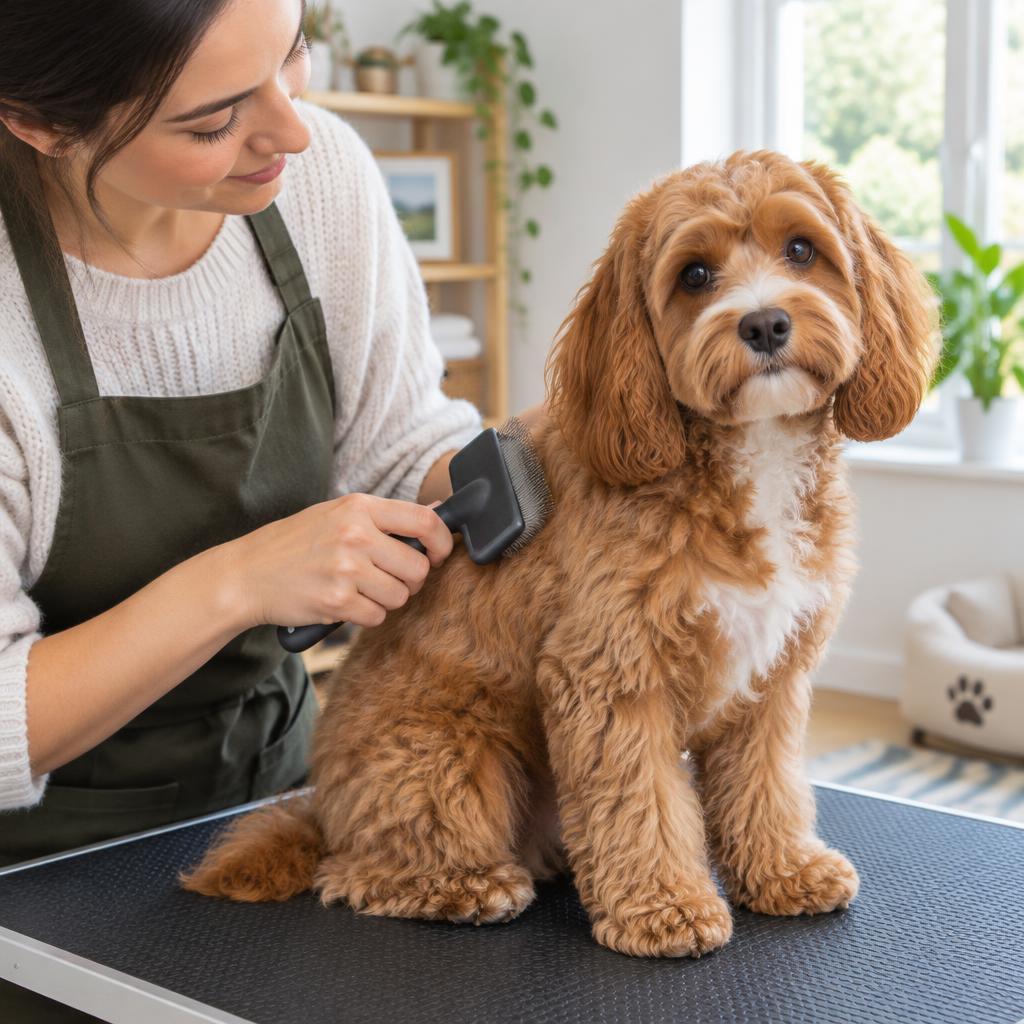
What you actually need
- Slicker brush
- Metal comb
- Detangling spray
- Dog nail clippers
- Ear cleaning solution
- Enzymatic dog toothpaste and brush
Puppy to adult
| Age | Male | Female | What is happening |
|---|---|---|---|
| 8 weeks | 1 to 1.6 kg | 0.9 to 1.5 kg | Sociable and confident; gentle handling and household sounds build a steady adult. |
| 3 months | 2.2 to 3.4 kg | 2 to 3 kg | Puppy coat soft and easy; adult coat texture emerges over the coming months. |
| 6 months | 3.8 to 6.5 kg | 3.4 to 5.8 kg | Coat change begins; this is when matting starts if brushing slips. |
| 9 months | 4.5 to 8 kg | 4 to 7 kg | Near adult height for most; training is easy and enjoyable now. |
| 12 months | 5 to 9.5 kg | 4.5 to 8.5 kg | Adult size reached; Toy-parent dogs finish earlier, Miniature-parent dogs later. |
| 15 months | 5.5 to 11 kg | 5 to 10 kg | Fully mature; adult coat settled into its final texture. |
Ranges are typical, not targets. Judge condition by ribs and waist, and check with the ideal weight checker.
What to ask a breeder
- What health tests have both parents had: heart, eyes, patellas and DNA panels?
- Has the Cavalier parent had a recent heart and MRI screening for syringomyelia?
- Which Poodle size is the parent, Toy or Miniature, and what adult size do you expect?
- What coat types are in the litter, and which puppies are likely to shed least?
- How are the puppies socialised before they leave?
Health tests to ask for
Ask to see results for both parents before you put down a deposit.
- Heart examination for the Cavalier parent, repeated regularly
- MRI screening for syringomyelia in Cavalier breeding stock where available
- Patella and eye checks for the Poodle parent, plus relevant DNA tests
- Keep the dog lean; small dogs carry extra weight badly
- Regular dental care; small mouths crowd teeth
Health watch-list
What to ask a breeder about, and what to watch for over a lifetime. This is orientation, not veterinary advice, anything you notice belongs in front of a vet.
Mitral valve disease
NotableThe heart condition that affects most Cavalier King Charles Spaniels eventually can pass to Cavapoos. The Cavalier parent should have regular heart checks, and any murmur should be monitored.
Luxating patella
CommonKneecaps that slip out of place are common in small breeds and come from the Poodle side. Mild cases need monitoring; severe ones may need surgery.
Syringomyelia
UncommonA serious neurological condition affecting Cavaliers, where fluid-filled cavities form in the spinal cord. Responsible breeders screen Cavalier breeding stock by MRI where available.
Progressive retinal atrophy
UncommonAn inherited eye disease from the Poodle side causing gradual blindness. DNA tests exist and responsible breeders use them.
Ear infections
CommonThe hairy, hanging ear flaps trap moisture and debris. Weekly checks and cleaning, plus keeping ear hair managed, prevent most problems.
Dental disease
Very likelySmall mouths crowd teeth, making tartar and gum disease almost inevitable without care. Regular tooth brushing from puppyhood is essential.
What it costs to keep one
Realistic running cost
€77 / month
About €924 a year, or roughly €12,936 across a 14-year life, before purchase price, neutering and one-off vet events.
Before the puppy arrives. Budget roughly €400 to 900 for a crate, bed, lead and harness, bowls, puppy classes, first vaccinations and grooming kit sized for this breed. Figures throughout are indicative and vary a good deal between countries.
Interactive · built for this breed
Is a Cavapoo right for your home?
Seven honest questions about your space, time and household, checked against this breed's exercise need, coat, sociability and tolerance for time alone.
Fit with your routine
97%
A strong fit
Your routine suits a Cavapoo well. Meet adult dogs of the line before you commit.
What to sort out first
- Coat needs more brushing or trimming than you have allowed.
Working in your favour
- Your daily walking comfortably covers this breed's exercise need.
Compare more breeds in the matchmaker, or plan meals with the portion calculator.
The verdict, by household
Excellent
Forgiving, easy to train and small enough to manage; the ideal starter dog for households with time and company.
Excellent
Gentle, patient and playful with children; teach children gentle handling as with any small dog.
Very good
Happy to join walks and adventures, though the exercise needs are moderate rather than athletic.
Excellent
Small, adaptable and quiet when content; separation barking is the risk if left alone too much.
When to call your vet
- Coughing, breathlessness or reduced stamina, which may indicate heart disease
- Head shaking, ear odour or redness inside the ear flap
- Skipping steps or a hind leg carried, which may indicate a slipping kneecap
- Cloudy eyes, bumping into things or reluctance in dim light
- Scratching, sensitivity around the neck or reluctance to be touched there
Nothing here is a diagnosis. A swollen, hard belly with retching, collapse, breathing difficulty and sudden hind-leg weakness are emergencies: go straight away.
Cavapoo vs the closest alternatives
| Breed | Weight | Energy | Grooming | € / month |
|---|---|---|---|---|
| Cavapoo | 5 to 11 kg | 5/10 | 7/10 | €77 |
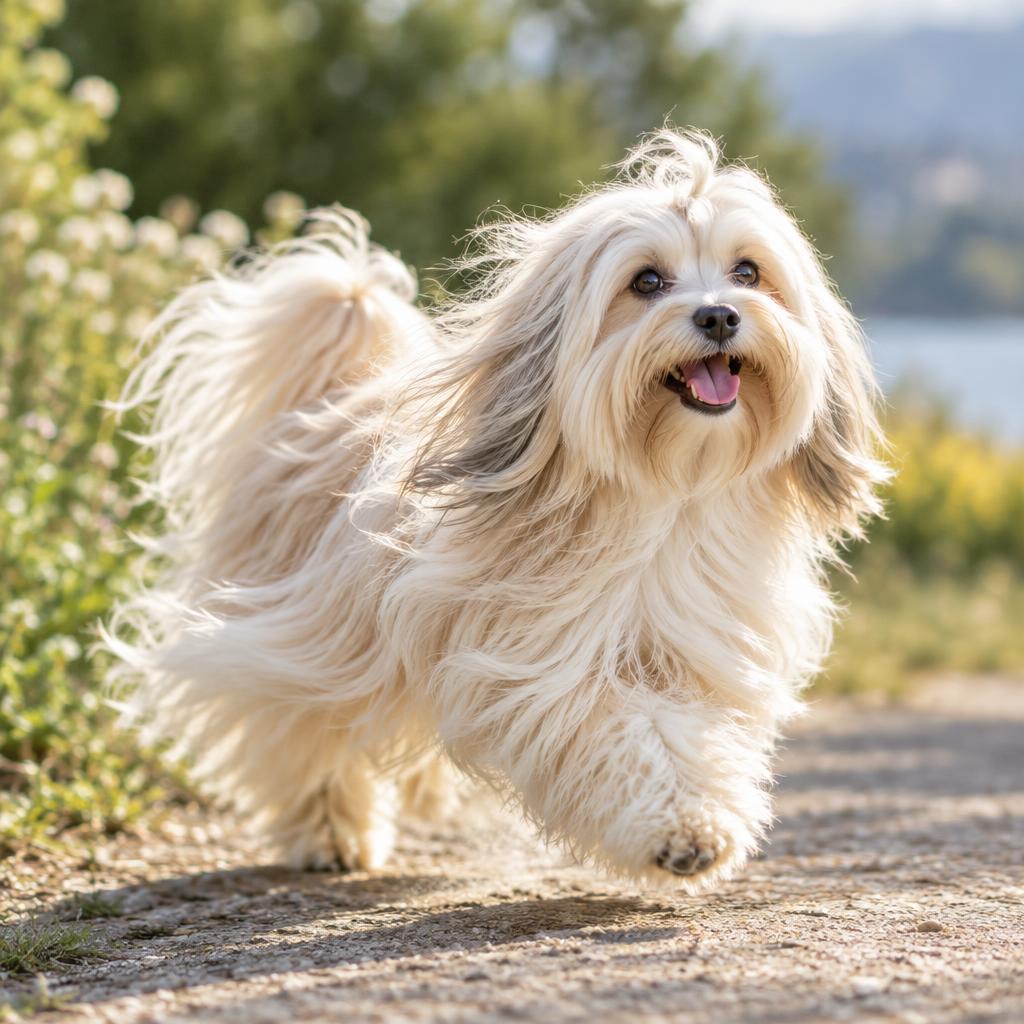
| Havanese | 4.5 to 7.5 kg | 5/10 | 7/10 | €130 |
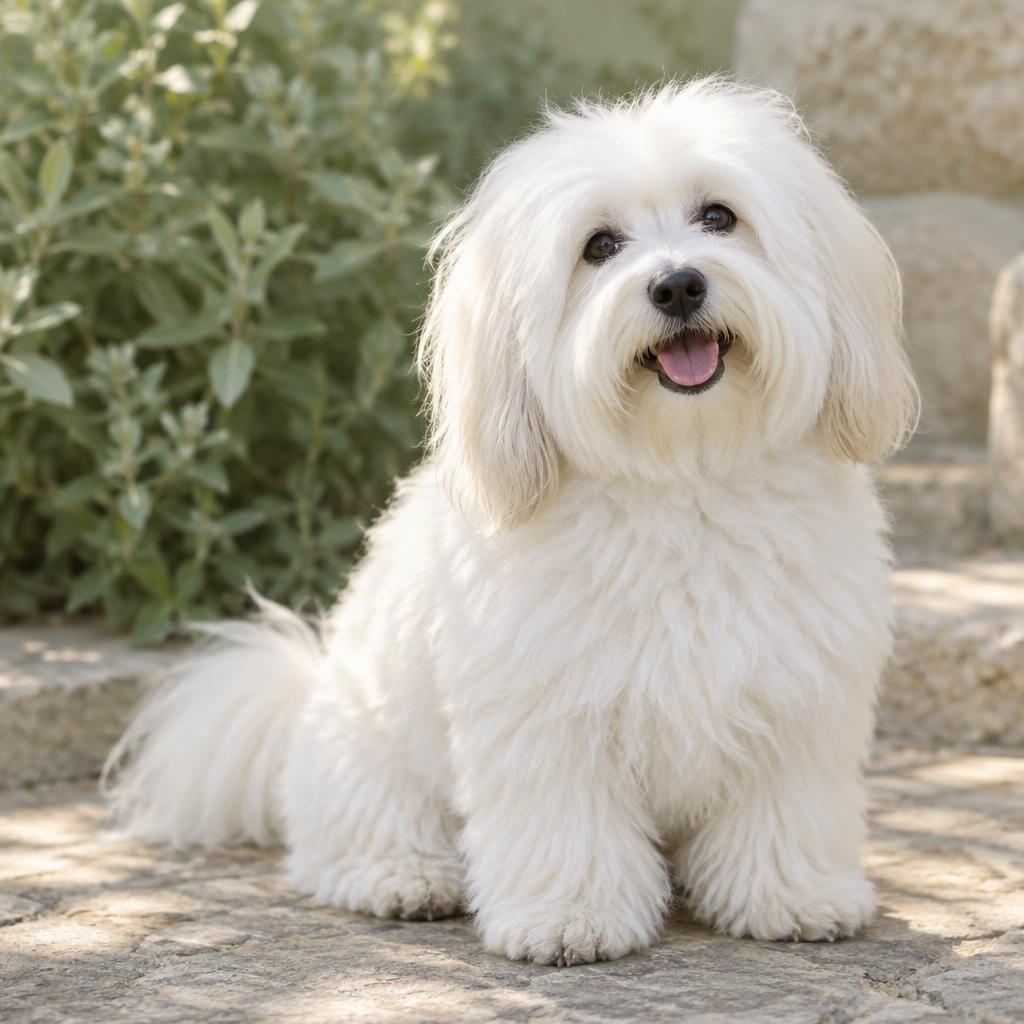
| Coton de Tulear | 3.5 to 6 kg | 5/10 | 7/10 | €94 |
| Bernese Mountain Dog | 36 to 50 kg | 5/10 | 7/10 | €205 |
Cavapoo questions, answered
Are Cavapoos hypoallergenic?
No dog is truly hypoallergenic, but Cavapoos with curlier, Poodle-like coats shed very little and many allergy sufferers cope well with them. Coat type varies between individuals, so spend time with the specific litter before committing.
How long do Cavapoos live?
Typically twelve to fifteen years. Choosing a puppy from health-tested parents, keeping them lean and staying on top of dental care all support a long, healthy life.
Do Cavapoos shed?
Usually very little, especially in curlier coats, though wavier-coated individuals shed more. The trade-off is that low-shedding coats mat easily and need regular brushing plus professional grooming every six to eight weeks.
Are Cavapoos good with children?
Generally excellent. They are gentle, patient and playful, and their small size makes them manageable around children of all ages. As with any small dog, teach children gentle handling and supervise very young kids.
How much exercise does a Cavapoo need?
Around forty-five minutes to an hour a day of walks and play suits most adults. They adapt well to flat life provided they get out properly, and they enjoy training games and scent work for mental exercise.
Can Cavapoos be left alone?
Not for long. The breed is genuinely prone to separation anxiety and wants company. Build alone-time tolerance gradually from puppyhood, and if the house is empty all day, plan on a dog walker, daycare or a different breed.
How big do Cavapoos get?
It depends on the Poodle parent. Toy Poodle crosses typically reach 28 to 33 cm and 5 to 8 kg; Miniature Poodle crosses reach 33 to 38 cm and 7 to 11 kg. Ask the breeder which parent size the litter comes from.