Toy group
Madagascar
Coton de Tulear
A charming, adaptable companion: low-shedding and long-lived, but never leave the coat or the loneliness to chance.
Reviewed by the SniffScroll editorial team
The cotton-coated clown of Madagascar
The short version
- Cheerful, adaptable temperament that suits most homes
- Very low shedding, but the coat mats without regular brushing
- Hates long hours alone: separation anxiety is common
- Long-lived and generally healthy with proper screening
- Weight
- 3.5 to 6 kg
- Height
- 23 to 30 cm
- Lifespan
- 14 to 16 yrs
- Size
- Small
- Group
- Toy
- Coat
- Long, soft, cotton-textured white coat
- Grown male
- 5 to 6 kg
- Grown female
- 3.5 to 5 kg
- Years to full size
- about 1
- One-off setup
- €600 to 1200
Get one if…
- First-time owners wanting an easy-tempered small dog
- Families with gentle children
- Flats and smaller homes
- Households where someone is home most of the day
Think again if…
- People out at work all day
- Owners who dislike daily brushing
- Anyone wanting a totally hands-off coat
Trait profile
Scores reflect a true companion breed: high affection, moderate energy, real grooming needs.
Space & setup. Adapts happily to flats; a small garden or good daily walks are enough.
Allergies. Often tolerated by allergy sufferers; the coat sheds very little but needs daily brushing.
Living with a Coton de Tulear
The Coton de Tulear is a small companion breed from Madagascar, named for its cotton-soft white coat and the port city of Tulear. It is cheerful, affectionate, adaptable and famously devoted to its people, with a playful streak that earns it a reputation as a born entertainer. Low-shedding and apartment-friendly, it suits a wide range of homes, but the coat needs real commitment and the breed hates being left alone for long.
The Coton de Tulear is one of the easiest small breeds to live with, provided two things are true: someone is home most of the time, and someone is willing to brush.
The temperament is the selling point. Cotons are famously cheerful, people-oriented and adaptable. They are playful without being frantic, affectionate without being fragile, and generally excellent with children, other dogs and cats. They travel well, settle in flats and cottages alike, and tend to greet the world as a friend. For first-time owners, singles, families and retirees, few breeds fit so many shapes of life.
The coat is the trade-off. That soft, cottony white hair barely sheds, which many allergy sufferers appreciate, but it mats easily and needs brushing several times a week, ideally daily, plus regular professional grooming or a commitment to learning it yourself. Many owners keep the coat in a shorter puppy cut, which halves the work and keeps the charm.
The other honest caveat is alone time. Cotons were bred for centuries purely as companions, and they bond hard. Left alone for full working days, many develop separation anxiety: barking, chewing, house-training lapses. They suit households where someone works from home, or where the dog can come along.
Health is generally good and the breed is long-lived, often fourteen to sixteen years. The main screening points are hips, patellas, eyes and heart, plus a few rare inherited conditions that responsible breeders DNA test for. Dental care matters, as with all small breeds.
Exercise needs are moderate: an hour a day of walks and play keeps a Coton happy, and they are game for more. They are clever and trainable, though house training can be slow, as with many small breeds.
Choose a Coton if you want a cheerful, portable, low-shedding companion and you can offer company and coat care. Look elsewhere if the house is empty all day or if grooming feels like a chore you will skip.
A joyful, low-shedding companion that thrives on company and needs daily coat care.
Exercise, day to day
- 1An hour of walks and play daily
- 2Short training games for the clever mind
- 3Off-lead play in a secure area when possible
Grooming, realistically
- 1Brush three to four times a week, daily in full coat
- 2Bathe every three to four weeks with a gentle shampoo
- 3Check and clean eyes and ears weekly
- 4Book professional grooming every six to eight weeks, or keep a puppy cut

What you actually need
- Pin brush
- Metal comb
- Detangling spray
- Gentle dog shampoo
Puppy to adult
| Age | Male | Female | What is happening |
|---|---|---|---|
| 8 weeks | |||
| 4 months | |||
| 6 months | |||
| 12 months | |||
| 18 months |
Ranges are typical, not targets. Judge condition by ribs and waist, and check with the ideal weight checker.
What to ask a breeder
- Are both parents hip scored and patella checked?
- Have the parents had eye and heart examinations?
- What DNA tests have been done for the rare inherited conditions in the breed?
- How are puppies socialised in the home?
- What grooming routine do you recommend from day one?
Health tests to ask for
Ask to see results for both parents before you put down a deposit.
- Hip scores and patella checks for both parents
- Annual eye examination
- Cardiac check as the dog matures
- DNA panel for breed-specific inherited conditions
Health watch-list
What to ask a breeder about, and what to watch for over a lifetime. This is orientation, not veterinary advice, anything you notice belongs in front of a vet.
Luxating patella
CommonSkipping steps on a back leg; parents should have patella checks.
Hip dysplasia
UncommonLess common than in big breeds but present; ask for scores.
Progressive retinal atrophy
UncommonInherited eye disease; DNA testing available for breeding stock.
Dental disease
Common with ageSmall mouths crowd teeth; daily brushing and regular checks.
Heart disease (mitral valve)
Common with ageA heart murmur in an older Coton needs a cardiac work-up.
Allergies and skin irritation
UncommonItching and ear trouble; usually manageable with diet and care.
What it costs to keep one
Realistic running cost
€94 / month
About €1,128 a year, or roughly €16,920 across a 15-year life, before purchase price, neutering and one-off vet events.
Before the puppy arrives. Budget roughly €600 to 1200 for a crate, bed, lead and harness, bowls, puppy classes, first vaccinations and grooming kit sized for this breed. Figures throughout are indicative and vary a good deal between countries.
Interactive · built for this breed
Is a Coton de Tulear right for your home?
Seven honest questions about your space, time and household, checked against this breed's exercise need, coat, sociability and tolerance for time alone.
Fit with your routine
97%
A strong fit
Your routine suits a Coton de Tulear well. Meet adult dogs of the line before you commit.
What to sort out first
- Coat needs more brushing or trimming than you have allowed.
Working in your favour
- Your daily walking comfortably covers this breed's exercise need.
Compare more breeds in the matchmaker, or plan meals with the portion calculator.
The verdict, by household
Yes
Friendly, trainable and forgiving, as long as grooming and company are in place.
Yes
Playful and sturdy enough for gentle, supervised children.
Yes
Happy to join walks and trips, then settle at home.
Yes
Quiet and small; train alone time early to avoid barking.
When to call your vet
- Bad breath or sore gums (dental disease)
- Limping or skipping on a back leg (patella)
- Cloudy eyes or bumping into furniture
- Persistent scratching or ear odour
- Coughing or tiring easily on walks
Nothing here is a diagnosis. A swollen, hard belly with retching, collapse, breathing difficulty and sudden hind-leg weakness are emergencies: go straight away.
Coton de Tulear vs the closest alternatives
| Breed | Weight | Energy | Grooming | € / month |
|---|---|---|---|---|
| Coton de Tulear | 3.5 to 6 kg | 5/10 | 7/10 | €94 |
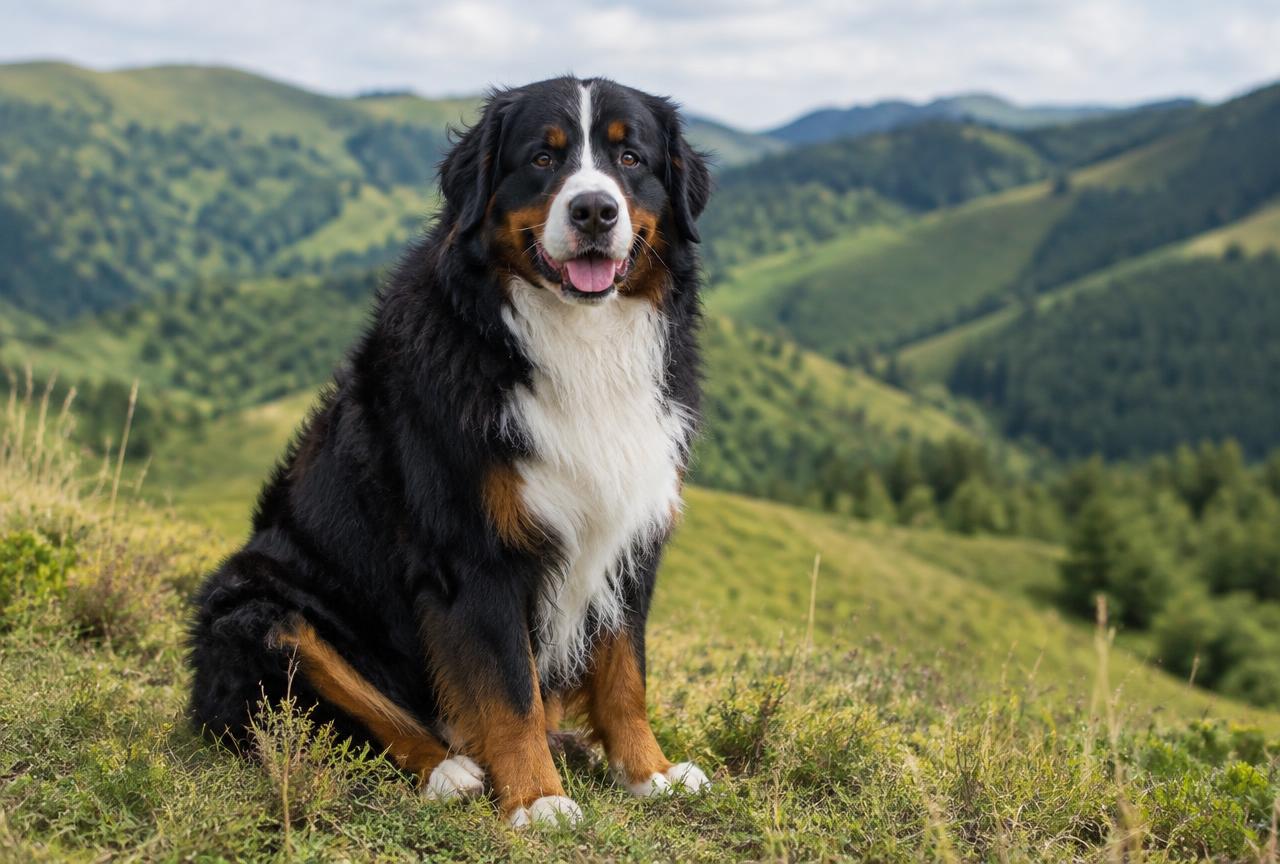
| Bernese Mountain Dog | 36 to 50 kg | 5/10 | 7/10 | €205 |
| Cavapoo | 5 to 11 kg | 5/10 | 7/10 | €77 |
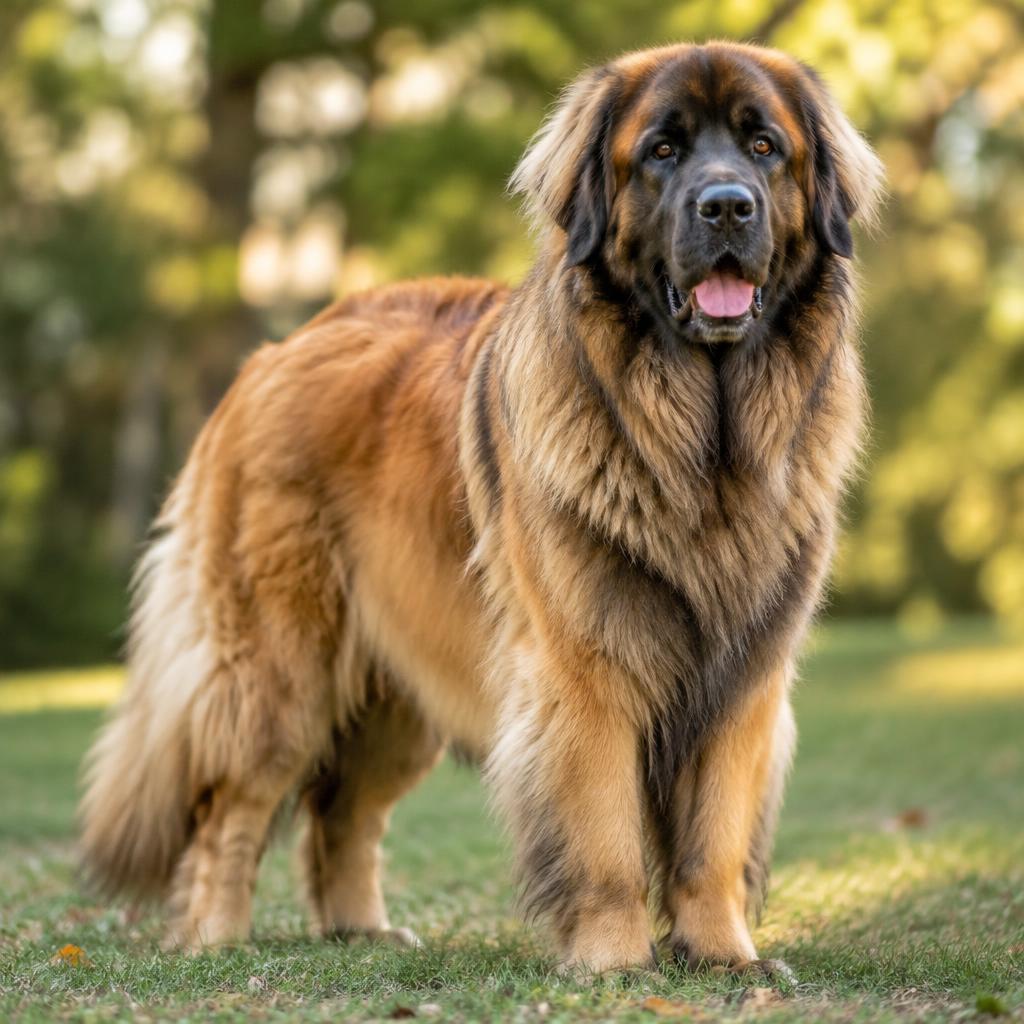
| Leonberger | 45 to 77 kg | 5/10 | 6/10 | €305 |
Coton de Tulear questions, answered
Do Coton de Tulears shed?
Very little. The cottony coat sheds minimally, which is why many allergy sufferers tolerate the breed. The trade-off is that loose hair stays in the coat and mats without brushing several times a week.
Are Coton de Tulears hypoallergenic?
No dog is truly hypoallergenic, but Cotons are among the better-tolerated breeds because they shed so little. Spend time with the breed before committing if allergies are a concern.
Can a Coton de Tulear be left alone?
Not for long. Cotons were bred purely as companions and bond intensely. Full working days alone commonly lead to separation anxiety. They suit homes where someone is around most of the time.
How much grooming does a Coton de Tulear need?
Brushing three to four times a week minimum, daily in full coat, plus professional grooming every six to eight weeks. Many owners choose a shorter puppy cut to make life easier.
Are Coton de Tulears good with children?
Yes, generally excellent. They are playful, sturdy for their size and patient with gentle, supervised children. As with any small breed, teach children to handle them respectfully.
How long do Coton de Tulears live?
Fourteen to sixteen years is typical, making them one of the longer-lived breeds. Good dental care and weight control help them reach the upper end.
Are Coton de Tulears easy to train?
Yes. They are clever, people-pleasing and food-motivated. House training can be slower than in larger breeds, as with many small dogs, so consistency matters.