Working group
The Leonberger was developed in the German town of Leonberg during the mid-19th century, where breeder Heinrich Essig set out to create a dog resembling the town's heraldic lion by crossing Saint Bernards, Newfoundlands and Pyrenean Mountain Dogs. The resulting giant was sold to European royalty and used as a farm and draught dog, and later for water rescue work, before the breed nearly disappeared twice during the World Wars. Dedicated breed enthusiasts rebuilt the population from a small number of surviving dogs, and the Leonberger reached Britain and wider recognition in the latter half of the 20th century.
Leonberger
The Leonberger is a giant breed with a lion-like appearance and a famously calm, family-friendly temperament, but its size, drool, heat sensitivity and short lifespan demand realistic planning.
Reviewed by the SniffScroll editorial desk
The gentle giant that thinks it is a lapdog
The short version
- Males can reach 77 kg, so car size and home space need serious planning beforehand.
- Famously calm and gentle with children despite its imposing lion-like appearance.
- Drool and heavy seasonal shedding are daily realities, not occasional nuisances.
- Heat intolerance means careful management of exercise and travel in warm weather.
- DNA testing for polyneuropathy (LPN1 and LPN2) is essential when choosing a breeder.
- Weight
- 45 to 77 kg
- Height
- 65 to 80 cm
- Lifespan
- 7 to 9 yrs
- Size
- Giant
- Group
- Working
- Coat
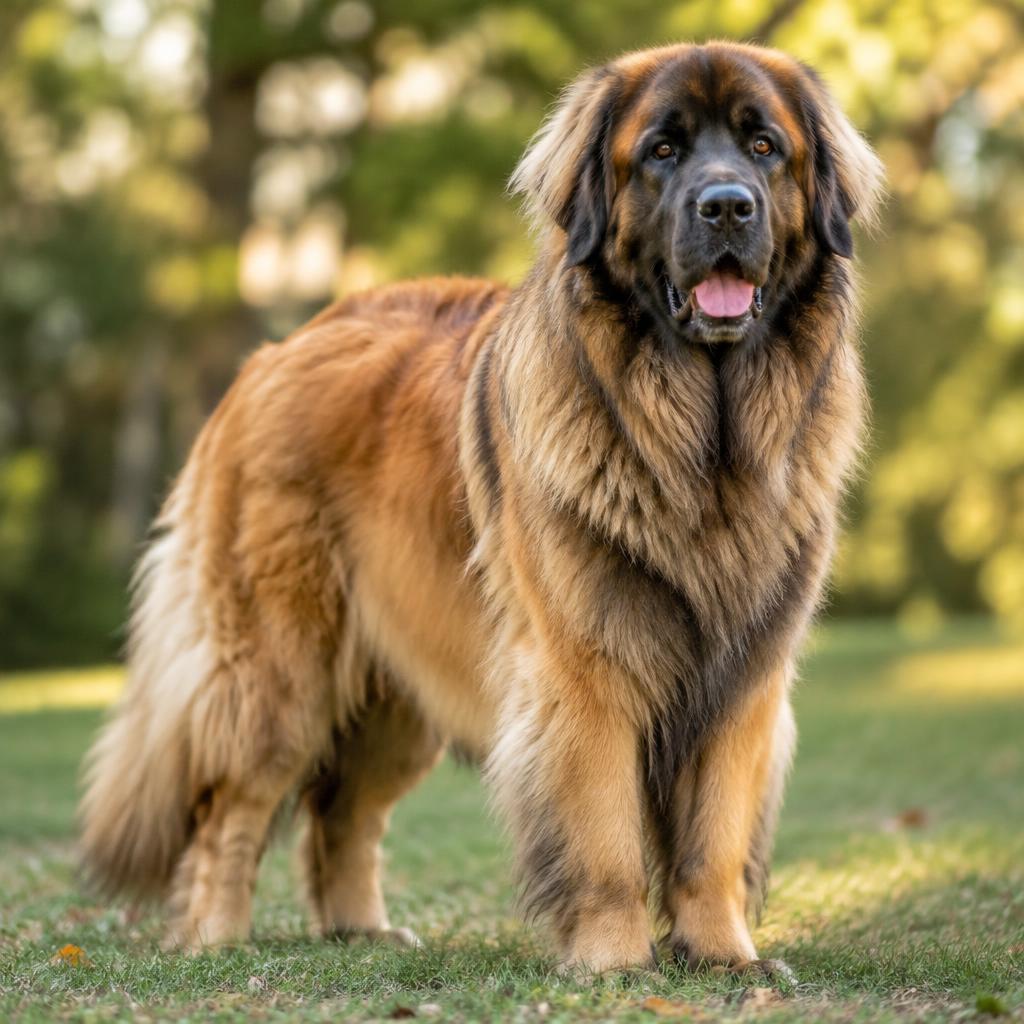
- Long, water-resistant double coat with a thick mane around the neck and chest, found in lion yellow, red, red brown and sandy, usually with a black mask.
- Grown male
- 54 to 77 kg
- Grown female
- 45 to 61 kg
- Years to full size
- about 2.8
- One-off setup
- €900 to 2200
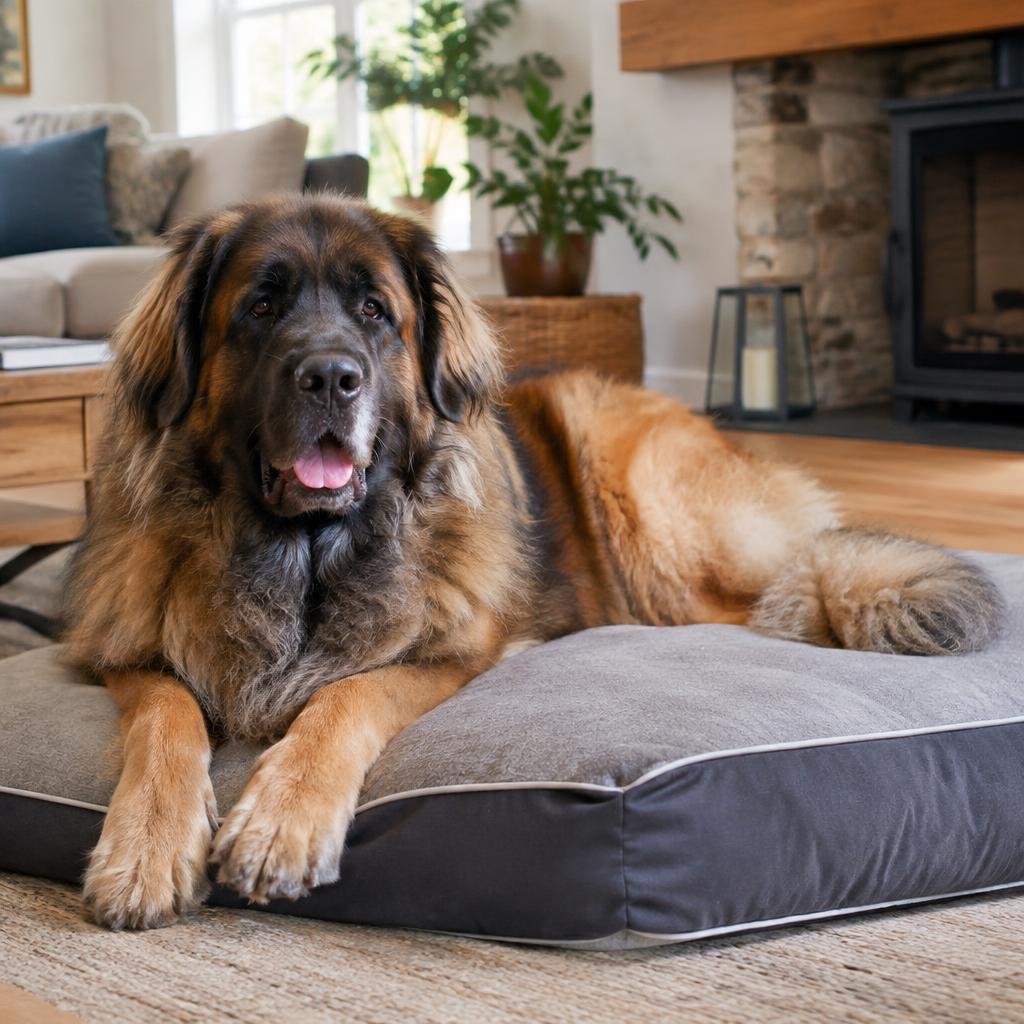
Get one if…
- Households with a large home and garden able to accommodate a very large dog comfortably
- Families with children who want a famously patient and gentle giant breed
- Owners with a vehicle large enough to transport a dog of this size safely
- People prepared for heavy drool and seasonal shedding without being house-proud
- Owners emotionally prepared for a comparatively short lifespan relative to the size of investment required
Think again if…
- Anyone living in a flat or small home without adequate space for a giant breed
- Households without a car able to comfortably fit a dog approaching 77 kilograms
- Owners who cannot tolerate frequent drool on walls, clothing and furniture
- Families in consistently hot climates unable to manage the breed's heat intolerance
- Anyone unwilling to commit to slow, careful growth management through a long puppyhood
Trait profile
The Leonberger pairs an enormous, lion-like frame with a calm, devoted temperament, making it a gentle giant that behaves far more like a lapdog than a working breed.
Space & setup. This is a giant breed that genuinely needs room to move indoors and out, plus a vehicle large enough for comfortable transport; cramped homes are not suitable.
Allergies. The Leonberger sheds heavily, especially during seasonal coat blows, and produces no hypoallergenic qualities, making it a poor choice for allergy sufferers.
Living with a Leonberger
The Leonberger is a giant working breed famous for combining an enormous, lion-maned frame with a remarkably calm, devoted temperament suited to family life. Bred originally as a majestic companion and later used for draught and water work, the breed today is best known for its patience with children and its near-total lack of aggression, though its size, drool and short lifespan demand serious commitment.
The Leonberger is one of those breeds that surprises people the first time they meet one in the flesh. Photographs rarely convey the sheer scale of a fully grown male, often approaching 77 kilograms and standing level with a kitchen worktop, yet almost everyone who spends time with one comes away talking about how gentle and biddable the dog actually is. This is a breed built to look imposing while behaving like an oversized, affectionate lapdog, and that contrast is central to understanding whether a Leonberger will suit your household.
Temperamentally, the Leonberger was shaped to be a companion first and a worker second. It was never bred for the sharpness of a guarding breed or the drive of a herding dog, and this shows in daily life. Leonbergers are famously patient with children, tolerant of handling and generally slow to startle or react, which is why the breed has such a strong reputation as a family dog despite its size. They form close bonds with their household and often want to be within touching distance, draping themselves across feet or leaning their full weight against legs in a display of affection that can genuinely knock over a small child or an elderly relative. This is not aggression, but owners need to actively manage a dog this large around vulnerable family members.
The practical realities of living with a dog this size cannot be overstated. A Leonberger needs space, not just in the home but in the car, the garden and even the vet's waiting room. Standard car boots are often too small for comfortable transport, and many owners end up adapting vehicles or buying larger estates specifically to accommodate the dog. Furniture gets reconsidered, doorways feel narrower, and daily logistics such as lifting an injured or ageing Leonberger into a car become genuinely difficult without help. Anyone considering the breed should think through these practicalities before falling for the puppy stage, when the eventual adult size is easy to underestimate.
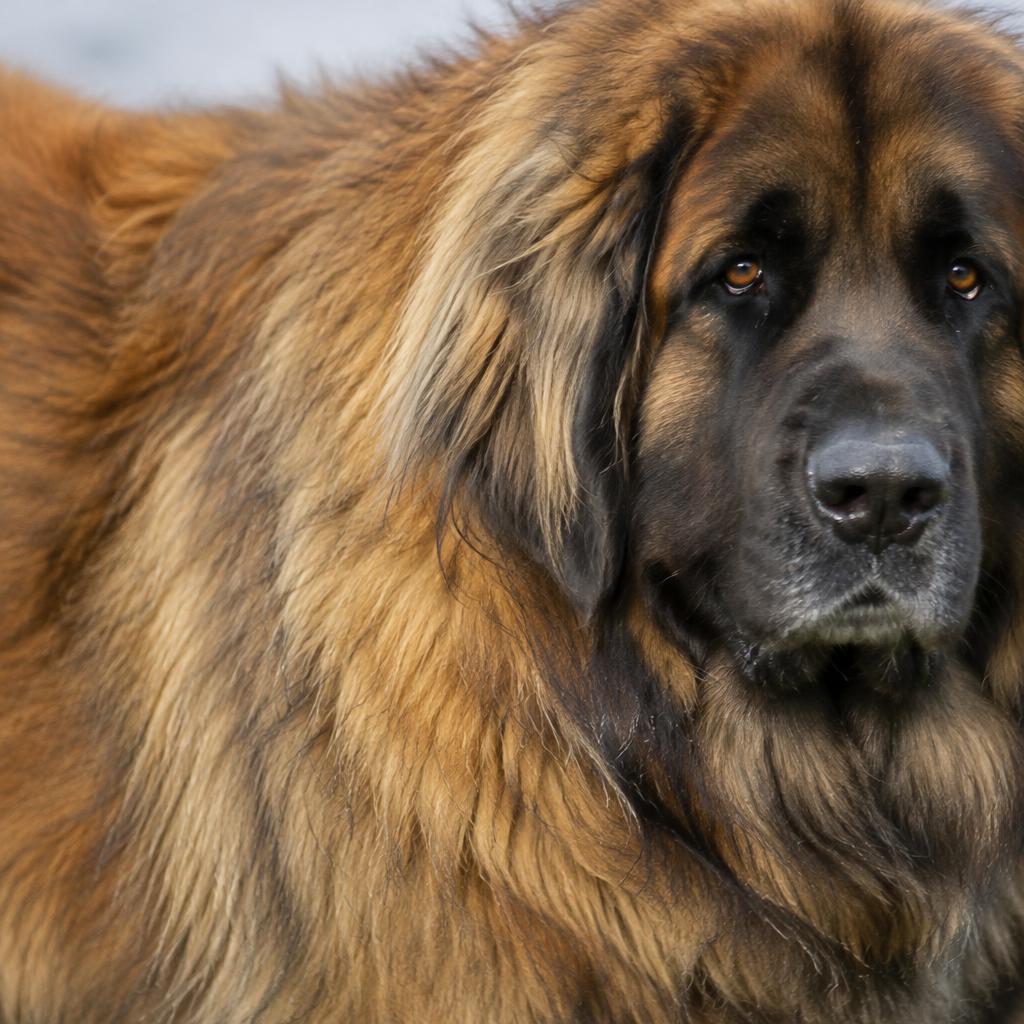
Drool is another unavoidable feature of Leonberger ownership. The jowls are loose enough that strings of drool after drinking, eating or simply shaking the head are a daily occurrence, often flung surprising distances onto walls, ceilings and unsuspecting guests. Owners typically keep a drool rag near the water bowl as standard equipment. Combined with a thick double coat that sheds heavily, particularly during seasonal blowouts, the breed is not suited to anyone house-proud or unwilling to vacuum frequently.
Heat intolerance is a serious welfare consideration with this breed. The dense double coat that protects against cold European winters becomes a liability in warm weather, and Leonbergers can overheat quickly during exercise, car travel or even sitting in a sunny garden. Owners in warmer climates or during British summers need to plan walks for early morning or evening, provide constant access to shade and water, and watch closely for signs of heat stress. This is not a breed that copes well with being left in a warm car even briefly.
Growth and maturation in the Leonberger are notably slow, with dogs not reaching full physical and mental maturity until two and a half to three years of age. This extended puppyhood means owners face a large, clumsy, still-developing dog for far longer than with smaller breeds, and exercise must be carefully managed throughout this period to protect developing joints. Overexertion, excessive jumping or repetitive stair use during the growth phase can contribute to orthopaedic problems later in life, so patience during the puppy and adolescent years pays off considerably.
Health is an area where honesty matters enormously with this breed. Like most giants, the Leonberger has a comparatively short lifespan, typically seven to nine years, and this is something every prospective owner should sit with before committing. The breed also carries a specific and serious neurological condition called Leonberger polyneuropathy, for which DNA tests exist for the known genetic variants LPN1 and LPN2. Responsible breeders test breeding stock for these variants, and buyers should ask to see the results rather than taking reassurance on trust. Hip and elbow dysplasia, bloat and bone cancer are also notable risks in a dog of this size, and insurance costs reflect that reality.
Training a Leonberger is generally straightforward thanks to its eagerness to please and biddable nature, though early socialisation and basic obedience are essential simply because of the dog's eventual size and strength. A boisterous, untrained adult Leonberger can cause real harm through sheer bulk even without any ill intent, so consistent handling from puppyhood is not optional.
This is not a breed for everyone. It does not suit flats, households without a car large enough to transport the dog comfortably, owners who cannot tolerate drool and heavy shedding, or anyone unprepared for the emotional difficulty of a comparatively short lifespan after such an enormous emotional investment. For those with the space, the patience and the acceptance of these realities, however, the Leonberger offers a uniquely calm, devoted and gentle presence that belies its lion-like appearance entirely.
The Leonberger is an enormous, calm family companion that behaves far more like a devoted pet than a working giant, though its size, drool and short lifespan mean prospective owners need realistic expectations and genuine space.
Exercise, day to day
- 1Puppies: strictly limited exercise to protect developing joints; avoid stairs and jumping until fully grown.
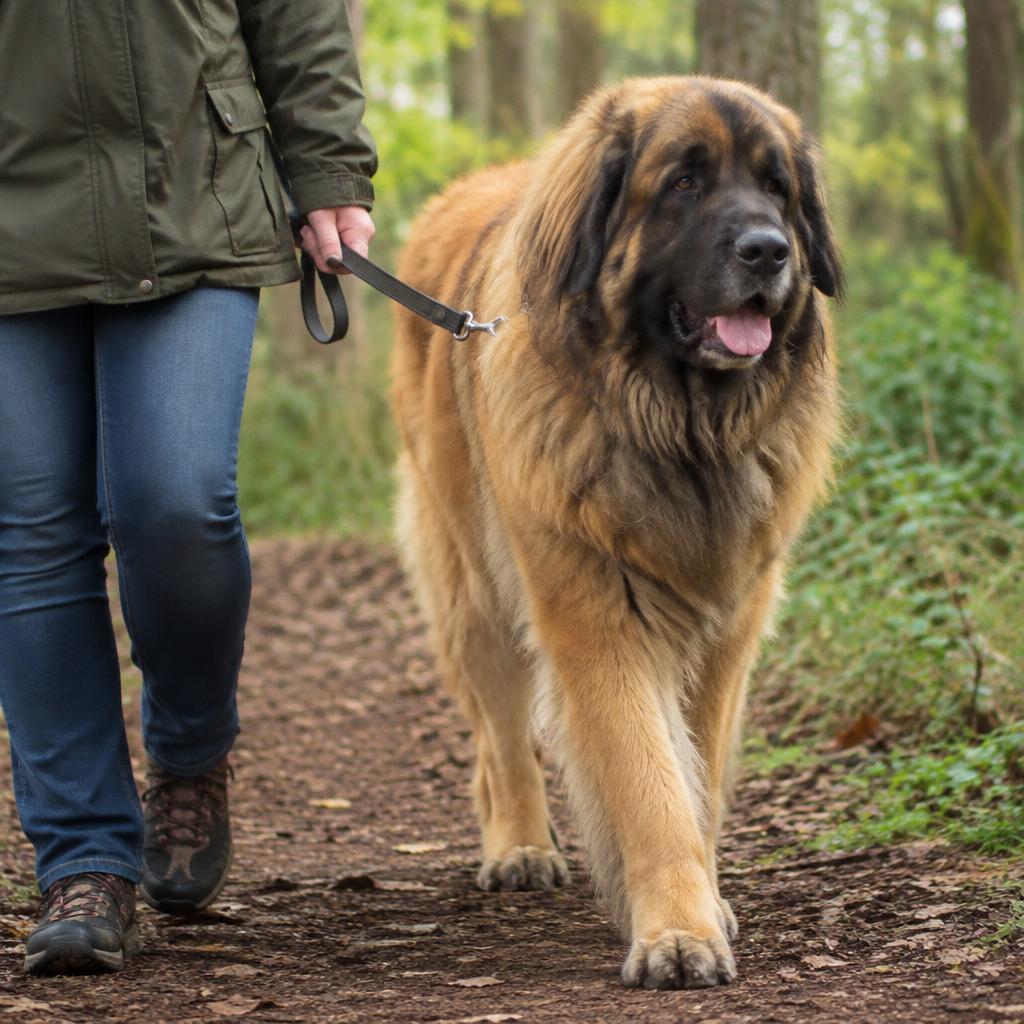
- 2Adults: two 30 to 45 minute walks a day at a steady pace are usually sufficient.
- 3Swimming is an excellent low-impact option the breed often enjoys and historically was bred for.
- 4Avoid exercising during the hottest part of the day due to heat intolerance.
- 5Mental stimulation through gentle training and puzzle feeding helps satisfy the breed without physical strain.
Grooming, realistically
- 1Brush two to three times a week to manage the thick double coat and reduce shedding.
- 2Increase brushing to daily during seasonal coat blows in spring and autumn.
- 3Check ears weekly for moisture or wax build-up given the dense coat around the head.
- 4Keep a drool cloth handy and wipe the mouth area after eating and drinking.
- 5Trim nails every three to four weeks, as overgrown nails affect gait in heavy dogs.
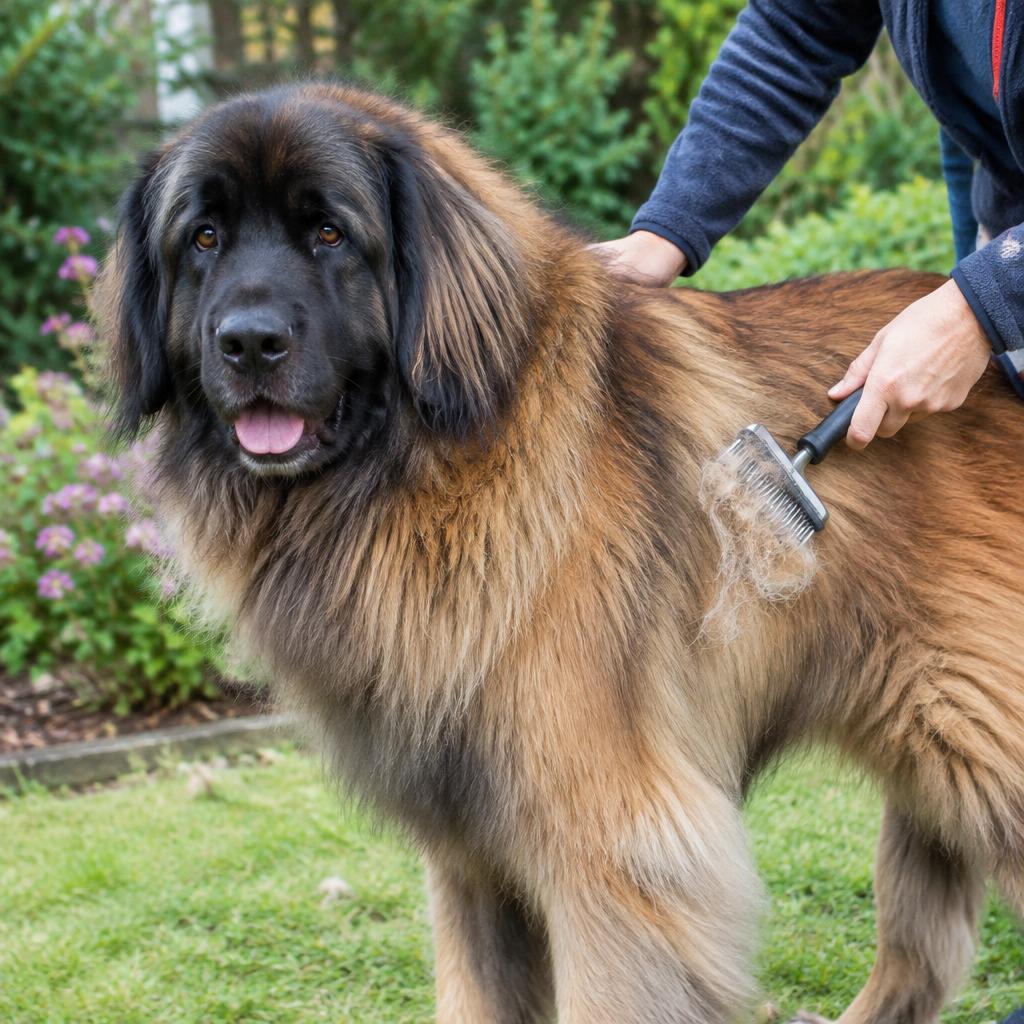
What you actually need
- Slicker brush
- Undercoat rake
- Wide-tooth metal comb
- Drool cloths
- Nail clippers or grinder
- Ear cleaning solution
Puppy to adult
| Age | Male | Female | What is happening |
|---|---|---|---|
| 8 weeks | 8 to 10 kg | 7 to 9 kg | Already noticeably large; begin gentle handling exercises to prepare for future size. |
| 3 months | 18 to 22 kg | 16 to 20 kg | Rapid early growth; keep exercise short and avoid excessive jumping or stairs. |
| 6 months | 32 to 40 kg | 28 to 35 kg | Joints remain vulnerable; structured, limited exercise is essential during this stage. |
| 9 months | 45 to 55 kg | 38 to 46 kg | Still growing fast; monitor for any signs of orthopaedic discomfort during play. |
| 12 months | 55 to 65 kg | 45 to 55 kg | Approaching adult height but not yet fully mature mentally or physically. |
| 18 months | 60 to 70 kg | 48 to 58 kg | Nearing adult weight, though full maturity will not arrive until two and a half to three years. |
Ranges are typical, not targets. Judge condition by ribs and waist, and check with the ideal weight checker.
What to ask a breeder
- Have both parents been DNA tested for polyneuropathy variants LPN1 and LPN2?
- What hip and elbow scores do the parents and grandparents hold?
- Is there a family history of bone cancer or heart conditions in the line?
- How has the breeder managed growth rates and feeding to avoid rapid early growth?
- What is the average lifespan and cause of death in this particular bloodline?
Health tests to ask for
Ask to see results for both parents before you put down a deposit.
- DNA testing for Leonberger polyneuropathy variants LPN1 and LPN2
- Hip and elbow scoring through official schemes before breeding
- Cardiac evaluation to check for breed-specific heart conditions
- Regular eye examinations for entropion and ectropion
- Ongoing monitoring for signs of bone cancer given the breed's size
Health watch-list
What to ask a breeder about, and what to watch for over a lifetime. This is orientation, not veterinary advice, anything you notice belongs in front of a vet.
Hip and elbow dysplasia
CommonMalformed joints are common in giant breeds carrying this much weight, so hip and elbow scoring of breeding stock is essential before purchase.
Bloat (gastric torsion)
NotableThe deep chest puts the breed at risk of this life-threatening emergency, so feed smaller meals and avoid vigorous exercise straight after eating.
Leonberger polyneuropathy (LPN1 and LPN2)
NotableThis inherited neurological condition causes progressive weakness, and DNA testing for the known LPN1 and LPN2 variants should be checked in both parents before buying a puppy.
Eyelid conditions (entropion and ectropion)
OccasionalInward or outward rolling eyelids can cause irritation or infection, and regular eye examinations help catch problems early.
Osteosarcoma (bone cancer)
OccasionalAs with many giant breeds, bone cancer risk increases with size and age, so any unexplained lameness or swelling should be checked promptly by a vet.
Heat intolerance
CommonThe dense double coat makes overheating a real risk in warm weather, so exercise should be limited to cooler times of day with constant access to water and shade.
What it costs to keep one
Realistic running cost
€305 / month
About €3,660 a year, or roughly €29,280 across a 8-year life, before purchase price, neutering and one-off vet events.
Before the puppy arrives. Budget roughly €900 to 2200 for a crate, bed, lead and harness, bowls, puppy classes, first vaccinations and grooming kit sized for this breed. Figures throughout are indicative and vary a good deal between countries.
Interactive · built for this breed
Is a Leonberger right for your home?
Seven honest questions about your space, time and household, checked against this breed's exercise need, coat, sociability and tolerance for time alone.
Fit with your routine
95%
A strong fit
Your routine suits a Leonberger well. Meet adult dogs of the line before you commit.
What to sort out first
- Coat needs more brushing or trimming than you have allowed.
Working in your favour
- Your daily walking comfortably covers this breed's exercise need.
Compare more breeds in the matchmaker, or plan meals with the portion calculator.
The verdict, by household
Poor
The sheer size, strength and short lifespan make this a demanding breed for someone without large dog experience.
Excellent
Famously patient and gentle, though adult supervision is needed given the dog's sheer weight and size.
Good
Moderate exercise needs suit a steady routine rather than high-intensity activity.
Poor
The breed's size, shedding and space requirements make flat living impractical and unfair to the dog.
When to call your vet
- Sudden weakness, wobbling or changes in gait, which could indicate polyneuropathy
- Distended abdomen or unproductive retching, signs of possible bloat
- Persistent limping or reluctance to rise, worth checking for hip or elbow dysplasia
- Excessive panting, drooling or collapse in warm weather, signs of heat stress
- Unexplained lumps, swelling or lameness, which should be checked for bone cancer
Nothing here is a diagnosis. A swollen, hard belly with retching, collapse, breathing difficulty and sudden hind-leg weakness are emergencies: go straight away.
Leonberger vs the closest alternatives
| Breed | Weight | Energy | Grooming | € / month |
|---|---|---|---|---|
| Leonberger | 45 to 77 kg | 5/10 | 6/10 | €305 |
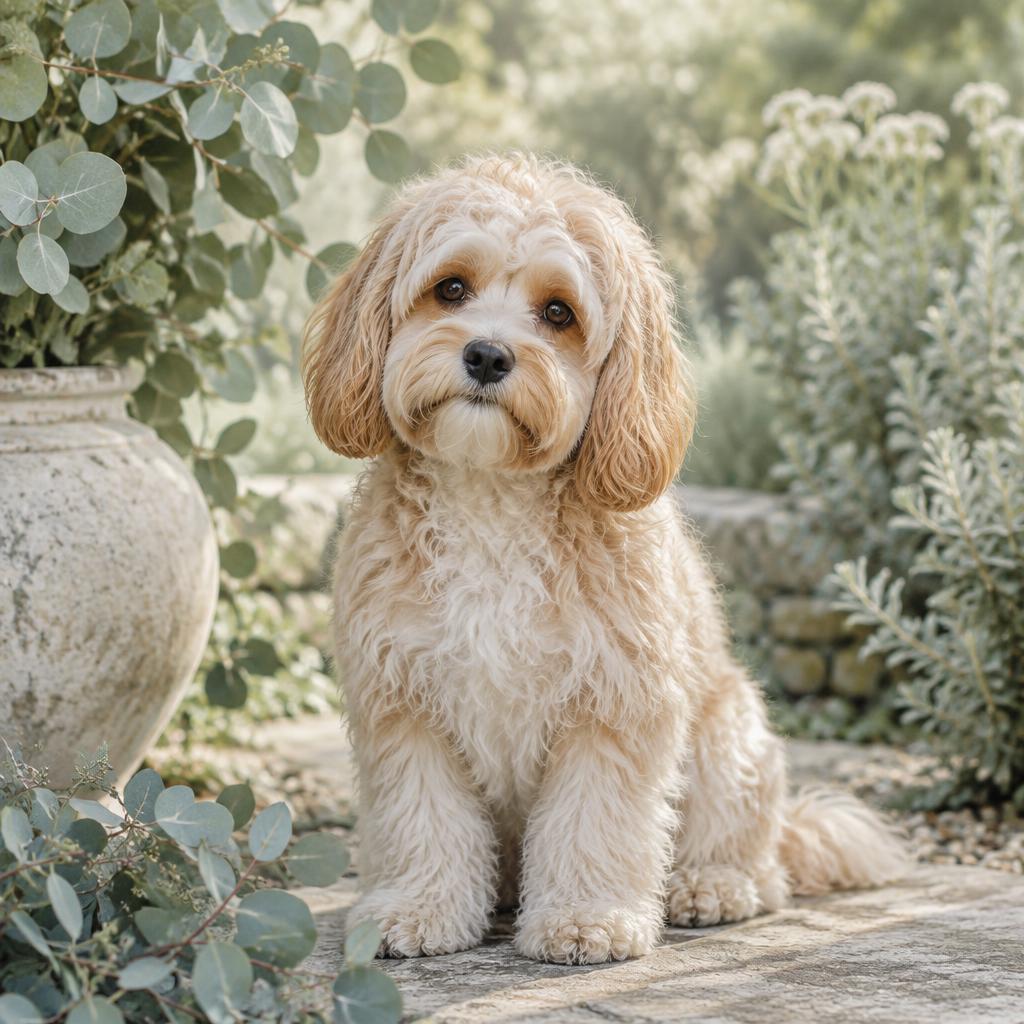
| Cavachon | 5 to 9 kg | 5/10 | 6/10 | €66 |
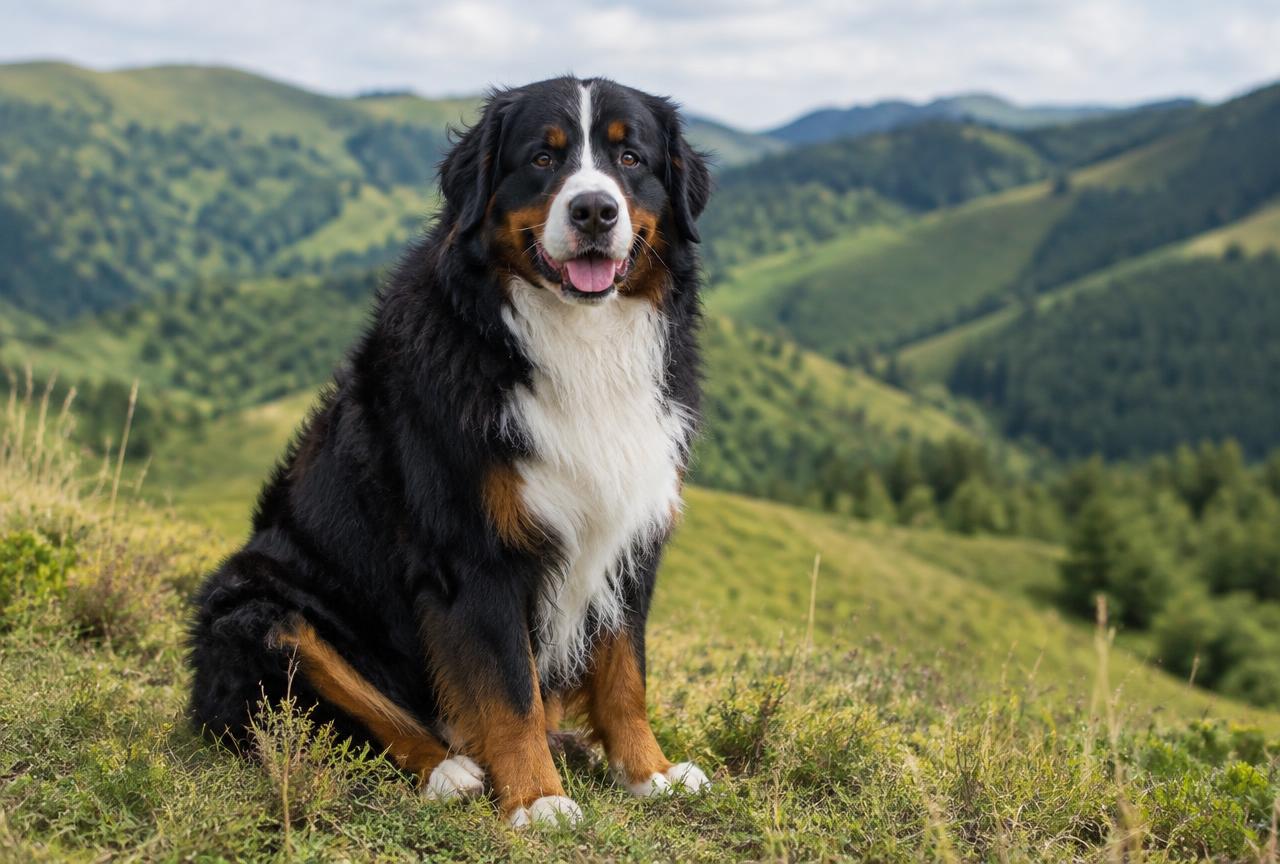
| Bernese Mountain Dog | 36 to 50 kg | 5/10 | 7/10 | €205 |
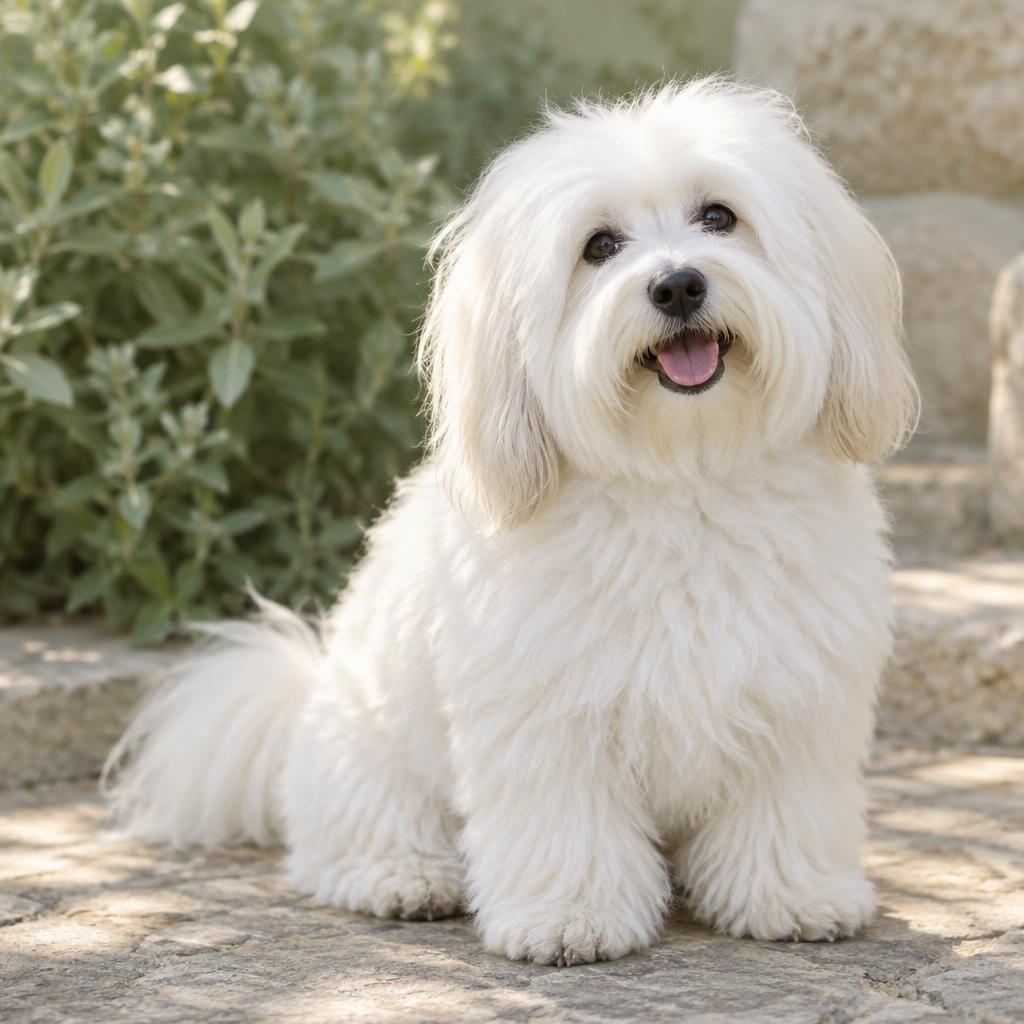
| Coton de Tulear | 3.5 to 6 kg | 5/10 | 7/10 | €94 |
Leonberger questions, answered
Do Leonbergers shed a lot
Yes, Leonbergers shed heavily year round and undergo a particularly heavy seasonal coat blow in spring and autumn. Regular brushing two to three times a week, increasing to daily during a blow, helps manage the amount of loose hair around the home.
How much exercise does a Leonberger need
Adult Leonbergers need around 60 to 90 minutes of exercise a day, typically split into two walks at a steady pace, with swimming being a particularly good low-impact option. Puppies need much less exercise to protect their developing joints during a long growth period.
Are Leonbergers good with children
Leonbergers are widely regarded as one of the most patient and gentle giant breeds with children. Supervision is still important simply because of the dog's size and weight, which can accidentally knock over a small child during enthusiastic play.
How long do Leonbergers live
Leonbergers typically live seven to nine years, which is short even by giant breed standards. Prospective owners should consider this honestly before committing, given the emotional investment involved in raising such a large dog.
Are Leonbergers easy to train
Yes, Leonbergers are generally eager to please and respond well to consistent, positive training methods. Early socialisation and basic obedience are important given the dog's eventual size, as an untrained adult can cause unintentional harm through sheer bulk.
Do Leonbergers bark a lot
Leonbergers are not habitually noisy dogs, though they will bark to alert their family to visitors or unusual activity. Their moderate vocality makes them reasonable neighbours provided they have enough space and exercise.
Is a Leonberger right for a flat
No, a Leonberger is not suitable for flat living. Its enormous adult size, heavy shedding and need for space both indoors and for transport make a house with a garden and a suitably large car essential.