Working group
Switzerland
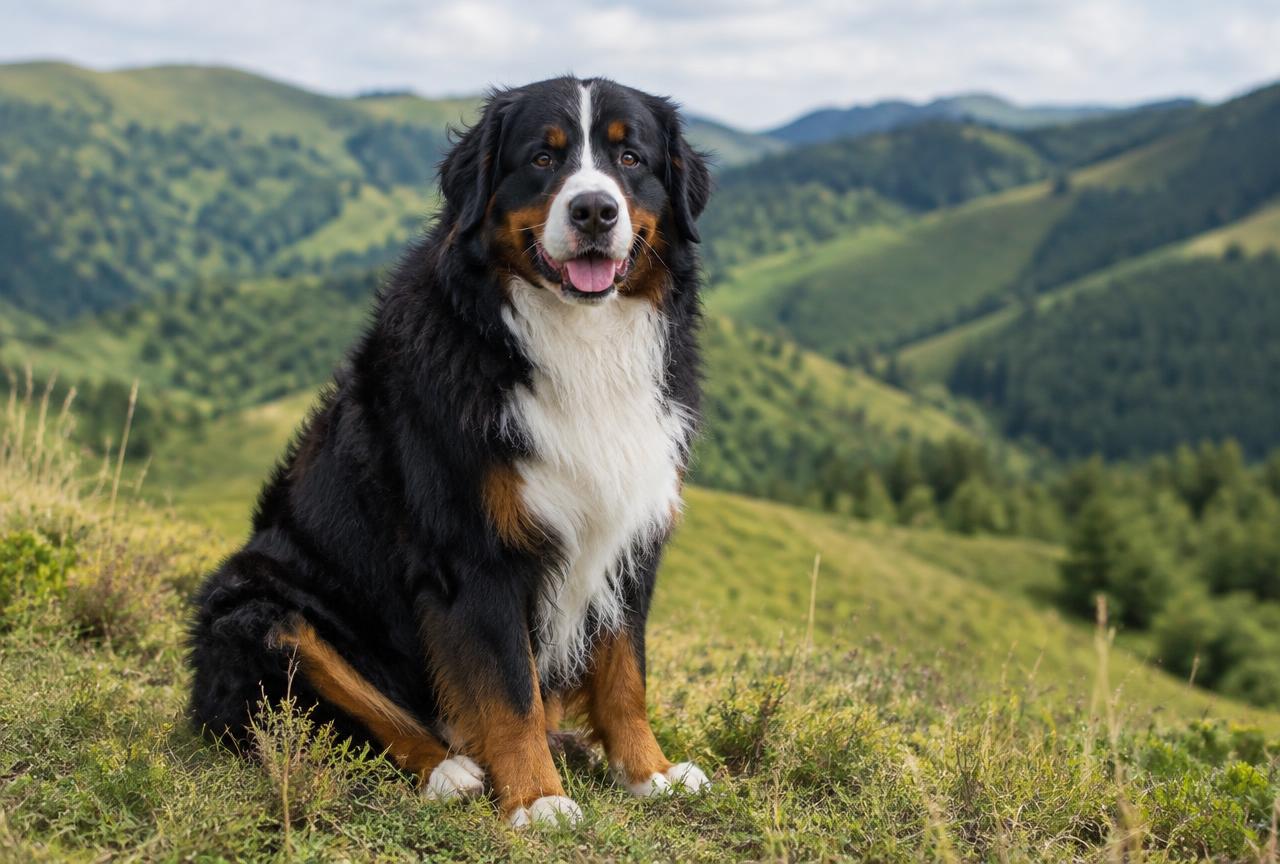
Bernese Mountain Dog
The Bernese Mountain Dog is a calm, affectionate Alpine giant whose beautiful coat and gentle temperament come with a genuinely shortened lifespan and heavy grooming needs.
Reviewed against Kennel Club and breed club health guidance
A striking tricolour giant from the Swiss Alps, devoted to family but burdened with a shortened lifespan.
The short version
- Bernese Mountain Dogs are gentle, patient and deeply attached to their family, usually good with children and other pets.
- Cancer is reported at a notably high rate in the breed and remains the leading cause of shortened lifespans, commonly around 7 to 10 years.
- The thick double coat was built for alpine winters, so hot weather and extended summer exercise are a real limitation that owners must plan around.
- This is a slow maturing giant breed, with physical and mental growth continuing to around 2 years, so training and exercise must be paced accordingly.
- Hip and elbow scoring of breeding stock is essential, as this large, heavy frame is prone to joint problems without careful screening.
- Weight
- 36 to 50 kg
- Height
- 58 to 70 cm
- Lifespan
- 7 to 10 yrs
- Size
- Giant
- Group
- Working
- Coat
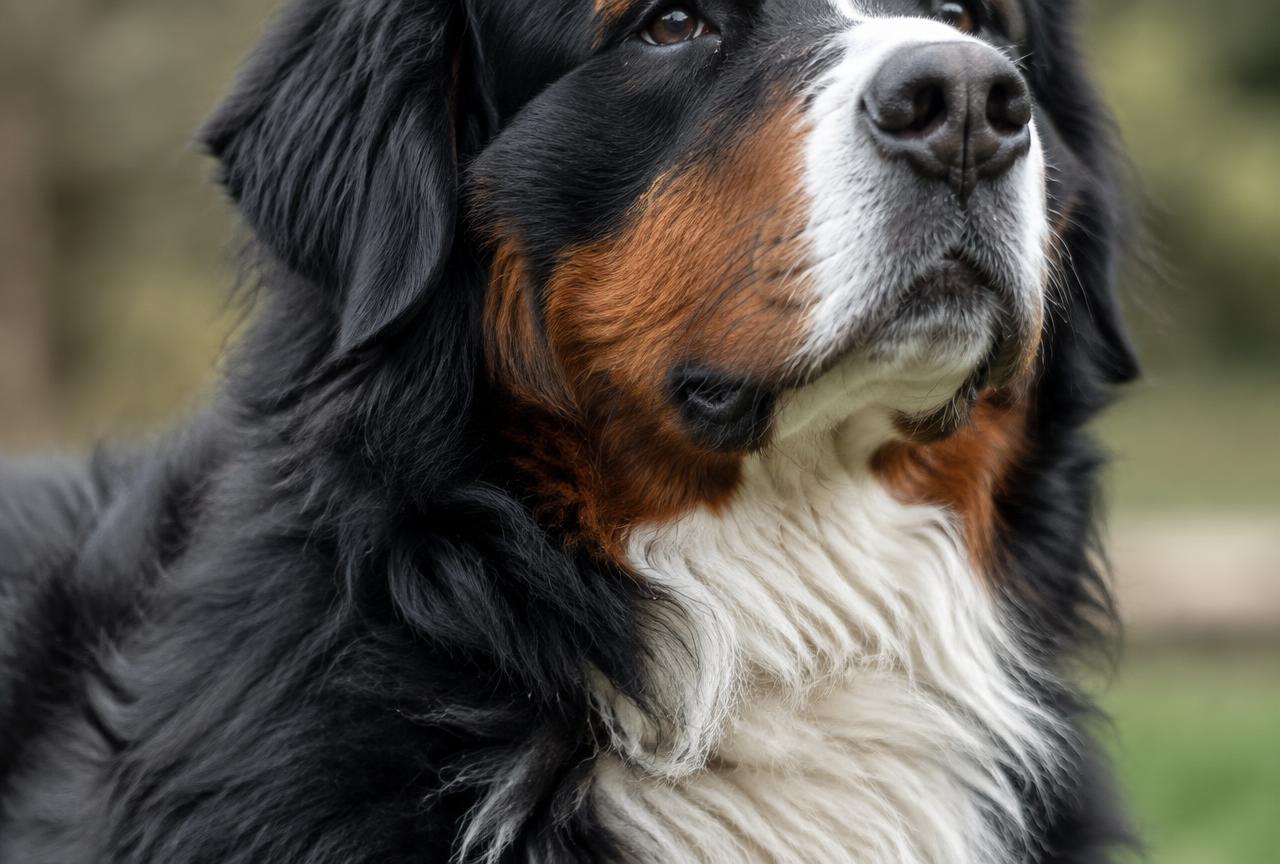
- Long, thick, silky tricolour double coat
- Grown male
- 38 to 50 kg
- Grown female
- 36 to 48 kg
- Years to full size
- about 2
- One-off setup
- €600 to 1200
Get one if…
- Families with a cool climate or shaded, well ventilated garden
- Owners prepared for heavy, regular grooming sessions
- Households wanting a calm, affectionate companion for children
- People able to accept emotionally that the breed's lifespan is often shorter than other dogs of similar size
- Owners with enough space for a large, slow maturing dog to grow into
Think again if…
- Owners in hot climates without reliable shade or cooling options
- Anyone wanting a long lived companion breed
- Flats or homes without space for a giant adult dog
- Owners unwilling to commit to brushing several times a week
- People wanting a highly driven working or sporting partner
Trait profile
Bernese Mountain Dogs combine a calm, affectionate temperament with real physical limitations around heat tolerance and joint health, so exercise and environment both need thought.
Space & setup. This is a genuinely giant breed that needs room to stretch out indoors and a garden to potter in, though it does not need acres of land to be content.
Allergies. The long double coat sheds heavily, particularly during seasonal blowouts, and is a poor choice for households with allergy concerns.
Living with a Bernese Mountain Dog
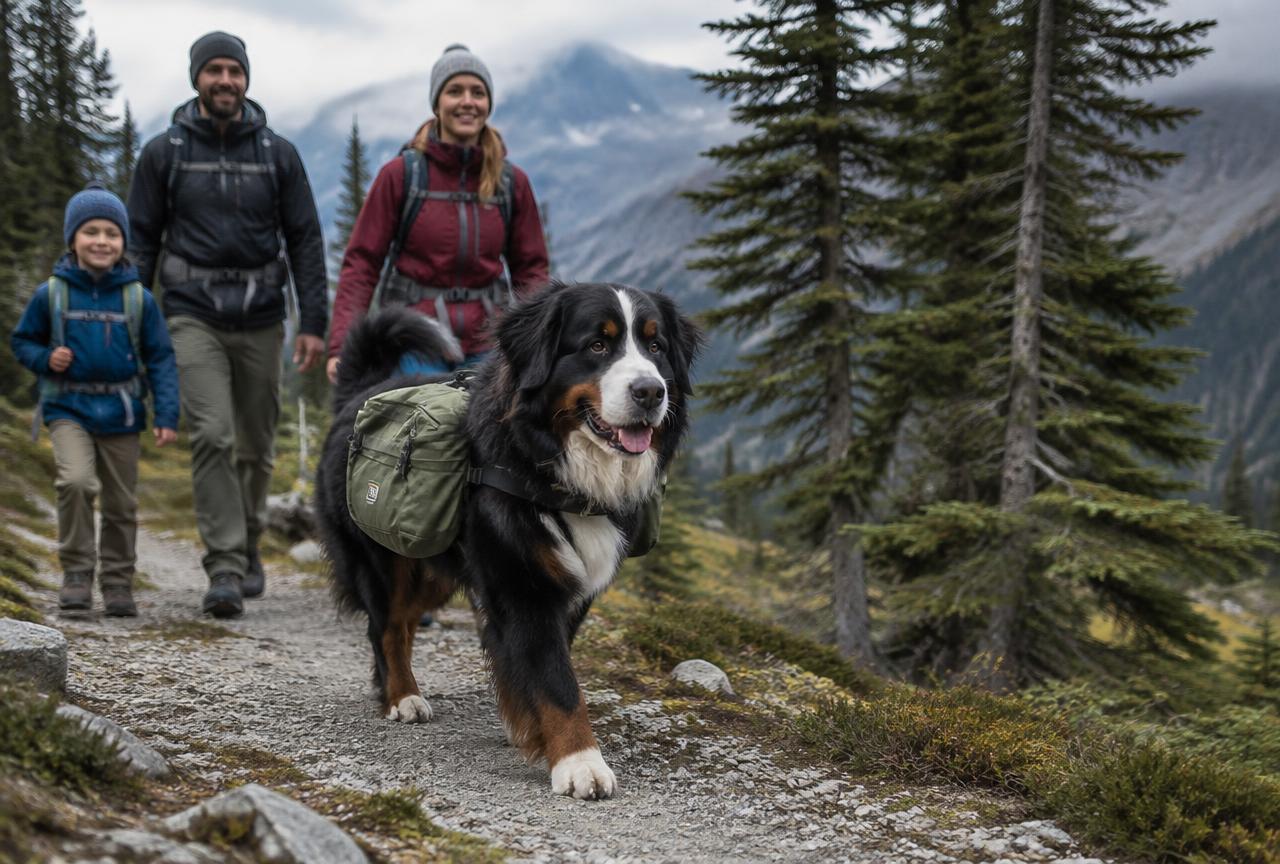
The Bernese Mountain Dog is a large tricolour breed developed in the Swiss Alps as a farm dog, used for pulling carts, droving cattle and guarding homesteads. It is gentle and devoted with its family but carries a serious health burden, most notably a high rate of cancer that often cuts its life short.
The Bernese Mountain Dog comes from the farms of the Swiss Alps, where it worked as a general purpose farm dog, pulling small carts of milk and cheese to market, droving cattle and guarding the homestead through harsh winters. Its name comes from the canton of Bern, and its thick tricolour coat, with glossy black as the base colour and rich rust and white markings, was bred specifically to cope with cold, wet mountain conditions. It is one of four Swiss mountain dog breeds, and of these it is the only one with a long coat, a feature that made it a strikingly handsome dog as well as a practical one.
At home, the Bernese Mountain Dog is gentle, calm and deeply devoted to its family, often described as a dog that would rather be in the same room as its people than anywhere else. It is typically patient with children, tolerant of handling and generally sociable with other dogs, which has made it a popular family breed well beyond its original farming role. It is not a particularly driven or high energy dog, and most adults are content with moderate daily exercise rather than demanding endurance activity, which suits owners who want a calm presence rather than a relentless working partner.
It is important to be honest about the breed's single biggest drawback: cancer is reported at a notably high rate in Bernese Mountain Dogs, and breed health surveys conducted by national clubs and the Kennel Club consistently point to it as the leading cause of death. This is reflected starkly in the breed's lifespan, commonly cited as around 7 to 10 years, shorter than most dogs of comparable size. Anyone considering this breed should go in with clear eyes about this reality rather than discovering it later. Choosing a breeder who tracks cause of death and longevity across their lines, and who tests for degenerative myelopathy and von Willebrand's disease where relevant, is one of the few concrete steps a prospective owner can take to try to improve the odds.
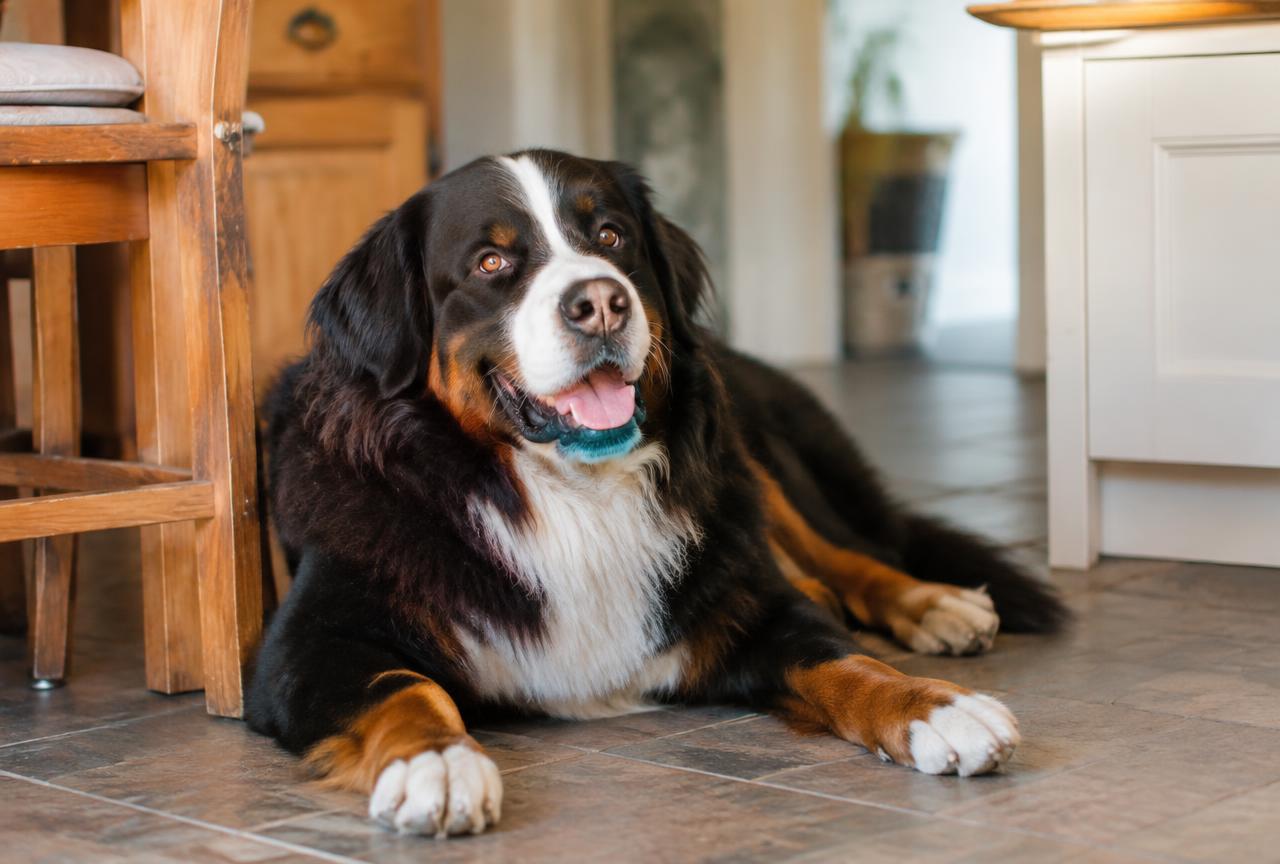
The second major limitation is heat. That dense double coat was built for alpine winters, not for warm summers or centrally heated homes, and Bernese Mountain Dogs are notably prone to overheating. Exercise needs to be scheduled for cooler parts of the day, access to shade and water must be constant, and owners in consistently hot climates should think very carefully before taking one on. This is not a dog that thrives being left in a warm car, a sunny garden with no shelter, or a conservatory in summer.
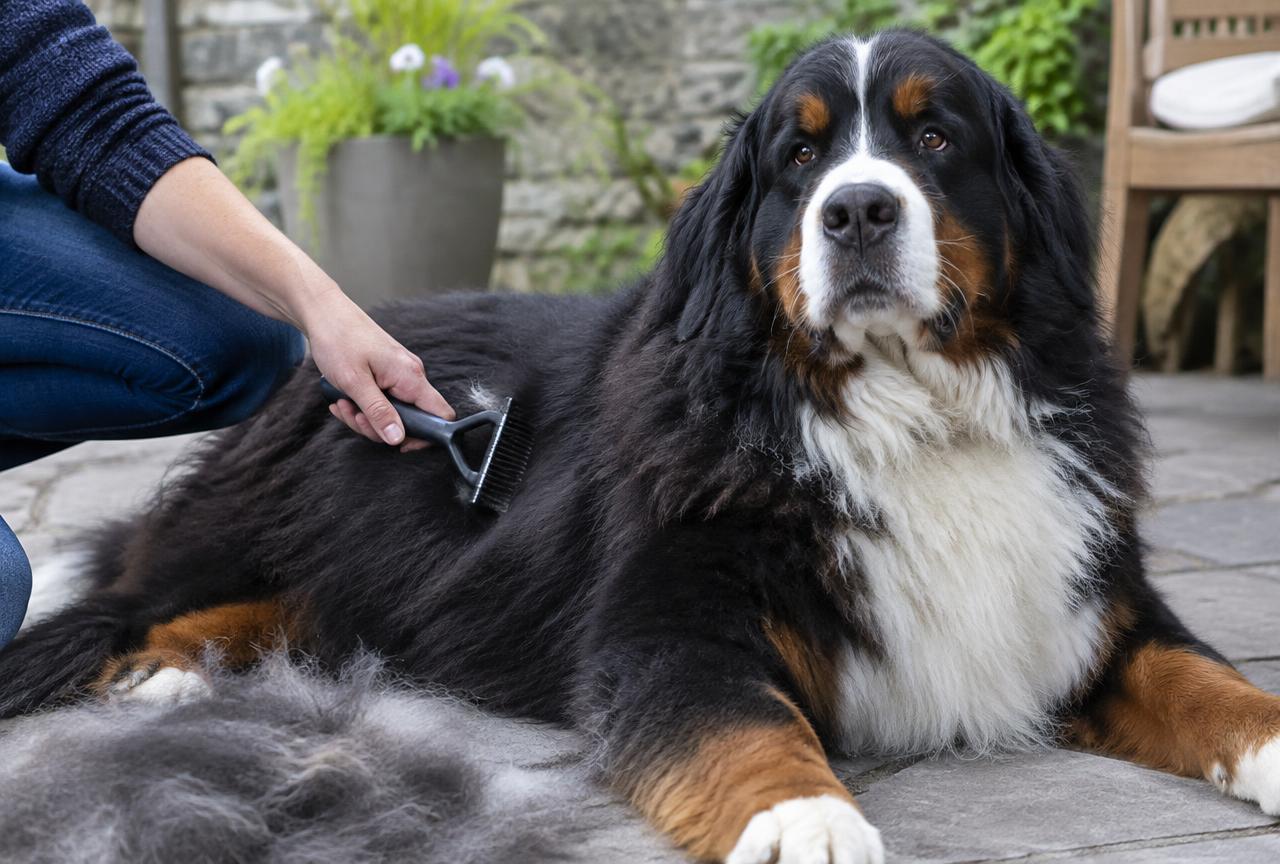
Beyond cancer and heat tolerance, the breed is a slow maturer, both physically and mentally, with growth continuing until around 2 years of age. This means exercise must be carefully managed in the growing months to protect developing joints, since hip and elbow dysplasia are both notable concerns in a frame this large and heavy. Reputable breeders should be able to show hip and elbow scores from the BVA or KC scheme for both parents, and a prospective buyer should ask to see them without hesitation. Grooming is a genuine weekly commitment too: the thick coat needs brushing three to four times a week and sheds heavily during seasonal changes, which rules the breed out for strict allergy households and for anyone unwilling to vacuum often.
Taken together, the Bernese Mountain Dog suits families with a cool or temperate climate, space for a giant breed to grow into, and the emotional and grooming commitment that goes with it. It does not suit owners in hot countries, anyone who cannot accept a shortened average lifespan, or households wanting a low maintenance coat. For the right family, in the right climate, it offers one of the gentlest, most affectionate temperaments among the giant breeds, but this is a dog that asks a great deal in return for its loyalty, and that trade is worth thinking through properly before bringing one home.
Prospective owners often ask how much of this health picture can be managed through careful choices, and the honest answer is some, but not all. Choosing a breeder who health tests rigorously, who can speak openly about cause of death and age at death across several generations of their breeding lines, and who does not shy away from difficult questions is one of the few levers available. Pet insurance with comprehensive lifetime cover is also worth prioritising given the breed's documented health risks, since veterinary costs for cancer treatment or joint surgery in a giant breed can be substantial. None of this changes the underlying statistics, but it does put an owner in a better position to respond well when problems arise.
It is also worth saying plainly that the emotional cost of a shortened lifespan is real and should not be minimised in the excitement of bringing home a puppy. Many owners describe the grief of losing a Bernese Mountain Dog in its prime as particularly hard precisely because the breed is so devoted and so present in daily family life. Thinking this through honestly before committing, rather than after, is part of being a responsible prospective owner of this breed.
A devoted, gentle giant whose loving nature is matched only by a health record that demands honesty from anyone considering one.
Exercise, day to day
- 1Puppies (8 to 20 weeks): short, gentle play sessions and brief walks only, avoiding stairs and jumping to protect developing joints.
- 2Young dogs (4 to 18 months): controlled lead walks building gradually, avoiding prolonged running or repetitive jumping while growth plates close.
- 3Adults: around 45 to 60 minutes a day, split into two calmer sessions, with free running kept to cooler parts of the day.
- 4Heat management: exercise in early morning or evening during warm weather, since the heavy coat and brachycephalic adjacent build make this breed prone to overheating.
- 5Older dogs: gentle, shorter walks to protect joints, alongside swimming where available as a low impact option.
Grooming, realistically
- 1Brush thoroughly 3 to 4 times a week to manage the thick double coat and prevent matting.
- 2Expect heavier seasonal shedding twice a year, when daily brushing helps considerably.
- 3Bathe every 6 to 8 weeks or as needed, drying the undercoat fully to avoid damp skin irritation.
- 4Check ears weekly, since the drop ears can trap moisture.
- 5Trim nails every 3 to 4 weeks and brush teeth several times a week.
What you actually need
- Slicker brush
- Undercoat rake
- Wide toothed comb
- Dog nail clippers
- Ear cleaning solution
- Enzymatic dog toothpaste and brush
Puppy to adult
| Age | Male | Female | What is happening |
|---|---|---|---|
| 8 weeks | 8 to 10 kg | 7 to 9 kg | Large, heavy boned puppy that grows quickly in the first months. |
| 3 months | 16 to 20 kg | 14 to 18 kg | Rapid early growth, joint care and controlled exercise matter from this stage. |
| 6 months | 27 to 33 kg | 24 to 30 kg | Adolescent growth spurt continues, free running on hard surfaces should be limited. |
| 9 months | 33 to 40 kg | 29 to 36 kg | Frame is filling out but bone and joint maturity still lags well behind body size. |
| 12 months | 36 to 45 kg | 33 to 42 kg | Close to adult height but still gaining muscle and chest depth. |
| 18 months | 38 to 50 kg | 36 to 48 kg | Approaching full adult weight, though this slow maturing breed is not truly finished until around 2 years. |
Ranges are typical, not targets. Judge condition by ribs and waist, and check with the ideal weight checker.
What to ask a breeder
- Can I see hip and elbow scores for both parents, and what scores do they hold?
- What is the history of cancer in this line, including the ages and causes of death of close relatives?
- How do you cool and manage the dogs during hot weather?
- Can I see a DNA test result for degenerative myelopathy?
- What is the typical lifespan of dogs from your breeding lines?
- Can I meet both parents and see the environment the puppies were raised in?
Health tests to ask for
Ask to see results for both parents before you put down a deposit.
- Hip score (BVA/KC scheme)
- Elbow score (BVA/KC scheme)
- Degenerative myelopathy DNA test
- Cardiac examination
- Von Willebrand's disease DNA test where relevant to line
Health watch-list
What to ask a breeder about, and what to watch for over a lifetime. This is orientation, not veterinary advice, anything you notice belongs in front of a vet.
Cancer (various types, including histiocytic sarcoma)
CommonReported at a notably high rate in breed health surveys and the leading cause of death; ask breeders about cause of death and longevity across their lines.
Hip dysplasia
CommonMalformed hip joints are common in this heavy framed giant breed; BVA or KC hip scoring of both parents should be checked before buying.
Elbow dysplasia
NotableJoint malformation in the elbow can cause lameness and arthritis; elbow scoring of breeding stock is recommended.
Degenerative myelopathy
UncommonA progressive spinal cord disease causing hind limb weakness later in life; a DNA test can identify carriers before breeding.
Von Willebrand's disease
UncommonAn inherited clotting disorder; DNA testing of breeding stock is available and reduces risk in offspring.
Bloat (gastric dilatation volvulus)
NotableA life threatening emergency more common in deep chested giant breeds; feeding smaller meals and avoiding vigorous exercise after eating can help reduce risk.
What it costs to keep one
Realistic running cost
€205 / month
About €2,460 a year, or roughly €22,140 across a 9-year life, before purchase price, neutering and one-off vet events.
Before the puppy arrives. Budget roughly €600 to 1200 for a crate, bed, lead and harness, bowls, puppy classes, first vaccinations and grooming kit sized for this breed. Figures throughout are indicative and vary a good deal between countries.
Interactive · built for this breed
Is a Bernese Mountain Dog right for your home?
Seven honest questions about your space, time and household, checked against this breed's exercise need, coat, sociability and tolerance for time alone.
Fit with your routine
94%
A strong fit
Your routine suits a Bernese Mountain Dog well. Meet adult dogs of the line before you commit.
What to sort out first
- Coat needs more brushing or trimming than you have allowed.
Working in your favour
- Your daily walking comfortably covers this breed's exercise need.
Compare more breeds in the matchmaker, or plan meals with the portion calculator.
The verdict, by household
First-time owner
Possible with support and realistic expectations
The gentle temperament helps, but the health costs and the shortened lifespan require a first time owner to go in with open eyes.
Family with children
An excellent match
Patient and affectionate with children, though its size means supervision with very small children is sensible.
Active single or couple
A reasonable choice with caveats
Enjoys moderate activity and companionship, though it is not built for intense endurance exercise, especially in heat.
Owner in a flat with close neighbours
Not recommended
The size, shedding and need for a cool, spacious home make flat living a poor fit.
When to call your vet
- Any new lump, swelling or unexplained weight loss, given the breed's notably high cancer rate
- Lameness, stiffness or reluctance to rise, which may indicate hip or elbow dysplasia
- Excessive panting or lethargy in warm weather, which can signal overheating in this heavy coated breed
- Wobbly gait or weakness in the hind legs, which may point to degenerative myelopathy
- Pale gums, unusual bruising or prolonged bleeding, which may suggest a clotting disorder
Nothing here is a diagnosis. A swollen, hard belly with retching, collapse, breathing difficulty and sudden hind-leg weakness are emergencies: go straight away.
Bernese Mountain Dog vs the closest alternatives
| Breed | Weight | Energy | Grooming | € / month |
|---|---|---|---|---|
| Bernese Mountain Dog | 36 to 50 kg | 5/10 | 7/10 | €205 |
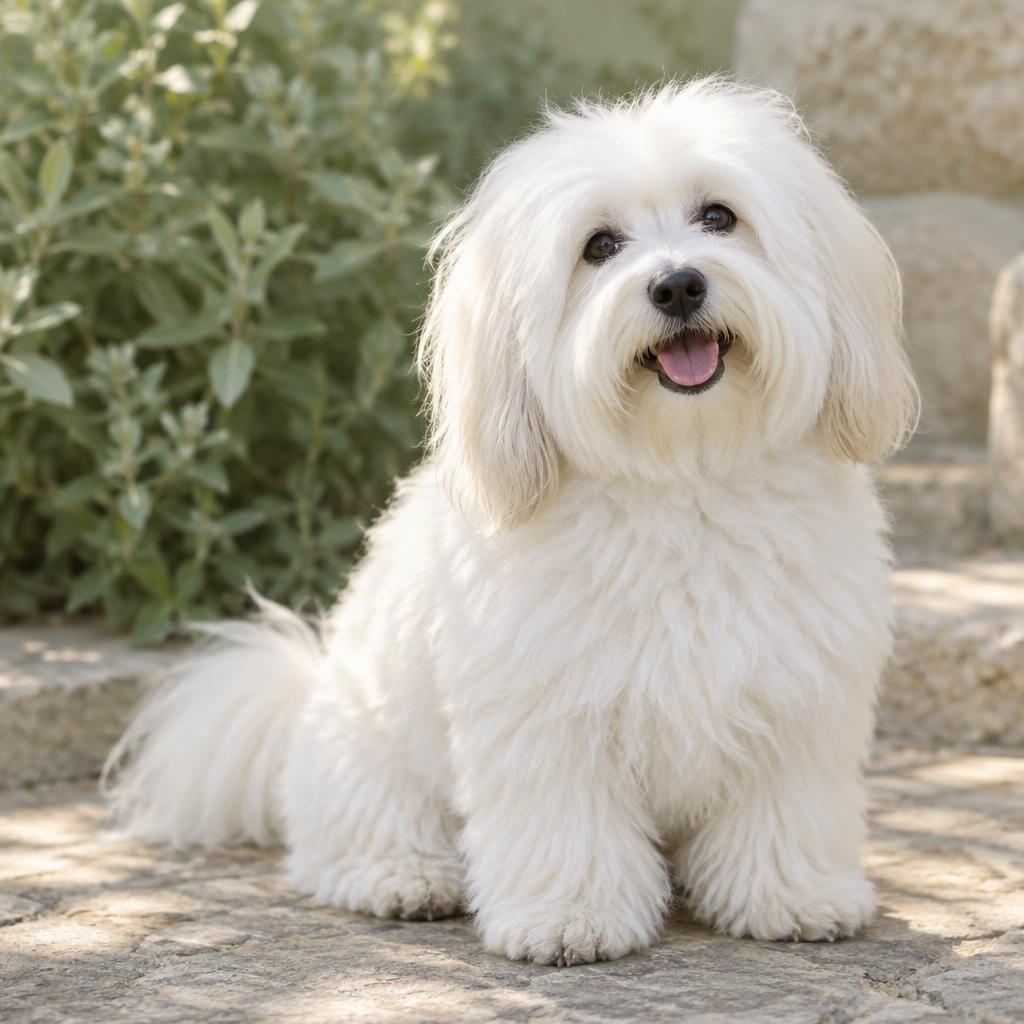
| Coton de Tulear | 3.5 to 6 kg | 5/10 | 7/10 | €94 |
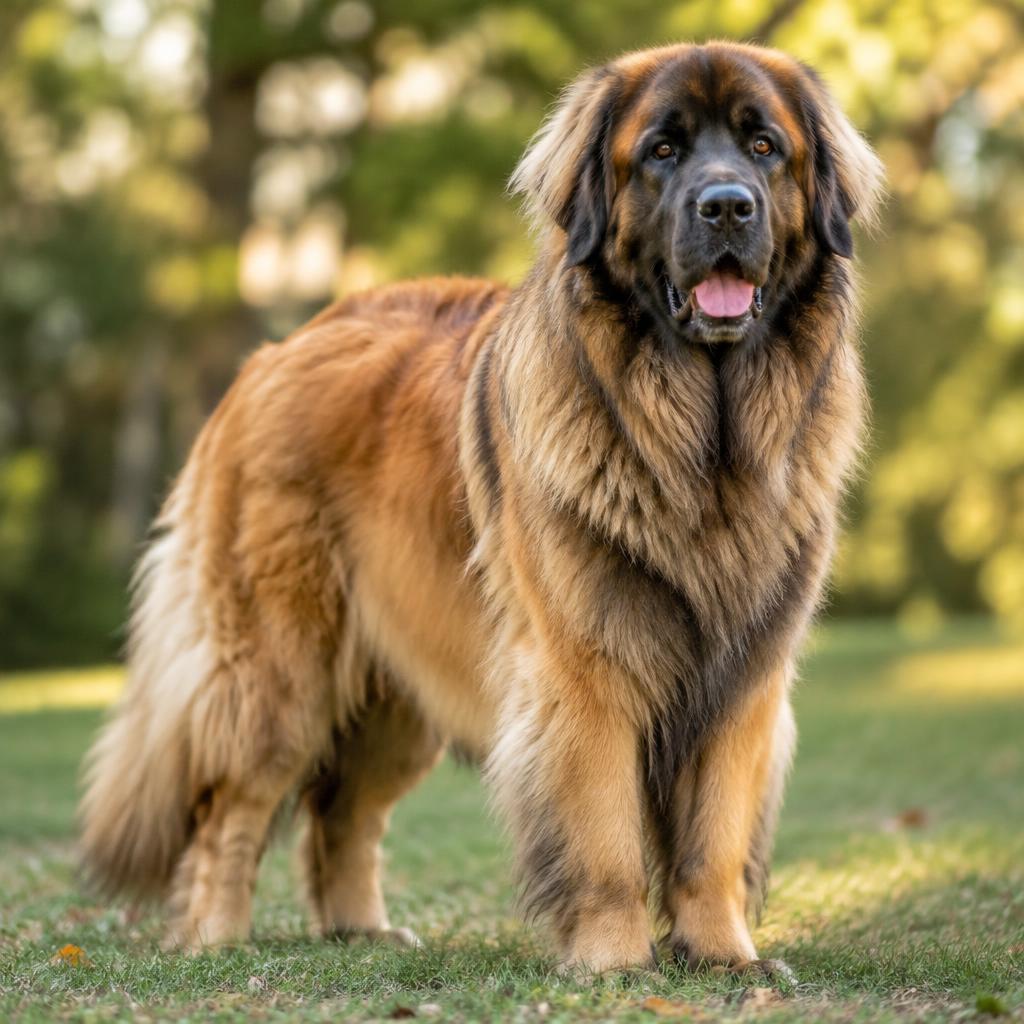
| Leonberger | 45 to 77 kg | 5/10 | 6/10 | €305 |
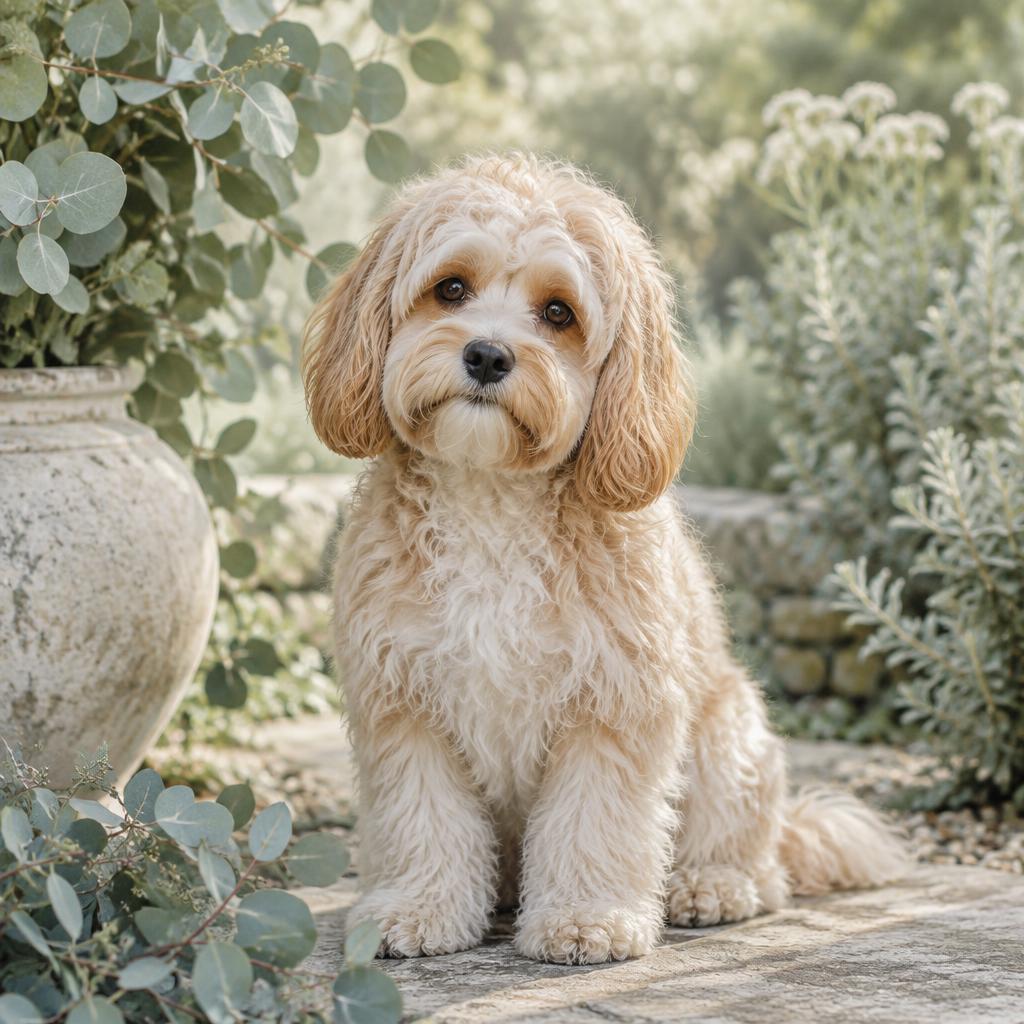
| Cavachon | 5 to 9 kg | 5/10 | 6/10 | €66 |
Bernese Mountain Dog questions, answered
What is the temperament of a Bernese Mountain Dog like?
Bernese Mountain Dogs are gentle, calm and deeply devoted to their family, often following owners from room to room. They are typically patient with children and sociable with other dogs, making them popular as calm family companions rather than driven working partners.
How big do Bernese Mountain Dogs get?
This is a giant breed, with males typically weighing 38 to 50 kg and females 36 to 48 kg, standing between 58 and 70 cm at the shoulder. They are slow to mature, not reaching full adult size until around 2 years old.
Do Bernese Mountain Dogs shed a lot?
Yes, they shed heavily, particularly during seasonal coat changes twice a year. The thick double coat needs brushing three to four times a week to manage loose hair and prevent matting, so this is not a low maintenance breed for the home.
How much exercise does a Bernese Mountain Dog need?
Around 45 to 60 minutes of moderate exercise a day is usually enough, split across two calmer walks. Because the breed overheats easily in warm weather, exercise is best scheduled for cooler mornings or evenings rather than the heat of the day.
Are Bernese Mountain Dogs good with children?
Generally yes, Bernese Mountain Dogs are known for being patient, gentle and tolerant with children. Given their large size, supervision around toddlers is still sensible simply because an enthusiastic giant breed dog can knock a small child over by accident.
What health problems are common in Bernese Mountain Dogs?
Cancer is reported at a notably high rate and is the leading cause of death in the breed, alongside hip and elbow dysplasia common to large, heavy framed dogs. These issues contribute to a shorter average lifespan of around 7 to 10 years compared with many other breeds.
How much does it cost to keep a Bernese Mountain Dog?
As a giant breed, monthly costs are higher than average, with food often around 90 euros, insurance commonly 70 euros or more given breed specific health risks, and regular grooming adding further expense. Initial setup costs for equipment sized for a giant breed also run higher than for smaller dogs.
Sources
- Bernese Mountain Dog breed standard, The Kennel Club
- Bernese Mountain Dog breed information, American Kennel Club
- Bernese Mountain Dog health survey, Bernese Mountain Dog Club of America Health Foundation
- Hip dysplasia scheme, British Veterinary Association
- Elbow dysplasia scheme, British Veterinary Association
- Cancer in dogs, PDSA