Crossbreed group
United States
Cavachon
A gentle, sociable Cavalier and Bichon cross: low-shedding, affectionate and easy to live with. One of the friendliest small companions, provided the parents were health tested.
The small, sunny companion that fits almost any home.
The short version
- Gentle, sociable and adaptable: fits almost any home
- Low-shedding coat, but brush several times a week and groom every six to eight weeks
- Around forty-five minutes of exercise daily
- Needs company; build up alone time gradually from puppyhood
- Health depends on the parents: insist on heart, eye and knee testing
Choose a variety
The most common type: soft waves, low shedding, brush several times a week.
- Weight
- 5 to 9 kg
- Height
- 30 to 33 cm
- Lifespan
- 10 to 15 yrs
- Size
- Small
- Group
- Crossbreed
- Coat
- Soft, wavy or curly low-shedding coat
- Years to full size
- about 1
- One-off setup
- €600 to 1200
Get one if…
- First-time owners
- Families with children of any age
- Flat dwellers and city households
- Allergy-conscious homes wanting a small companion
Think again if…
- Homes where the dog would be alone all day
- Owners unable to budget for regular grooming
- Anyone wanting a jogging or hiking partner
- People unwilling to check breeder health testing carefully
Trait profile
Scores reflect a companion cross: very affectionate and sociable, low shedding, moderate energy and a strong need for company.
Space & setup. Superb for flats: small, quiet and content with moderate daily walks, as long as it has company.
Allergies. Low shedding and often tolerated by allergy sufferers, though no dog is truly hypoallergenic.
Living with a Cavachon
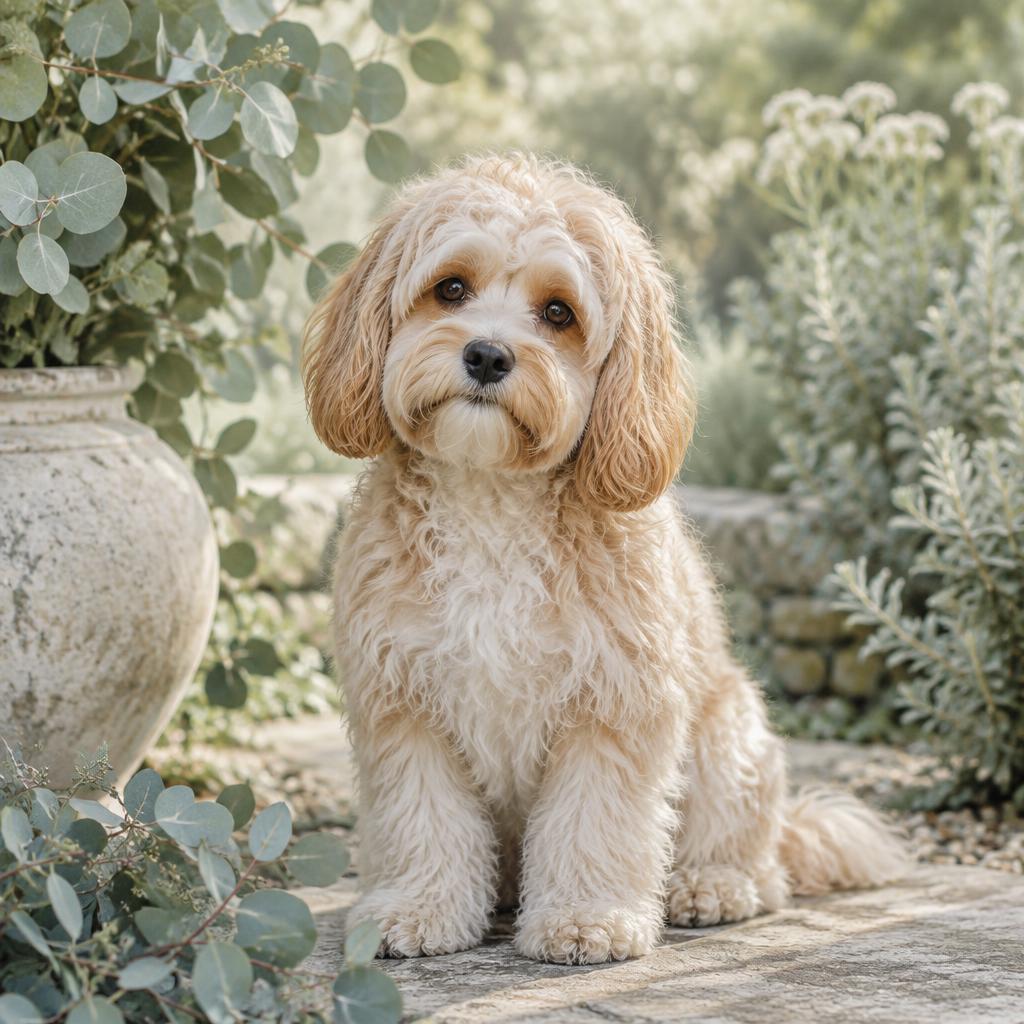
The Cavachon is a cross between the Cavalier King Charles Spaniel and the Bichon Frise, first bred in the United States in the 1990s. Small, soft-coated and sunny-natured, it combines the Cavalier's devotion with the Bichon's cheerfulness and lower-shedding coat. Sociable with children, strangers and other dogs, it fits flats and first-time owners beautifully. It suits almost any home that can offer company, moderate exercise and regular grooming.
The Cavachon pairs two of the friendliest small breeds in the world, and the result is exactly what you would hope: a soft, sunny, people-centred companion that gets along with children, strangers, other dogs and cats alike. First bred in America in the 1990s, it has become one of the most popular small crosses in Britain and beyond, and it is easy to see why.
This is a dog built for companionship. Cavachons are devoted without being demanding, playful without being frantic, and adaptable to flats, houses, cities and countryside alike. They learn quickly with gentle, reward-based training, and their moderate exercise needs, around forty-five minutes a day, suit most households. The one thing they genuinely need is company: a Cavachon left alone all day is an unhappy dog, and some develop separation worry if alone time is not built up gradually.
The soft, wavy coat sheds very little, which many allergy-conscious families appreciate, but it mats if neglected: brush several times a week and book a professional groom every six to eight weeks. Health depends entirely on the parents, so choose a breeder who tests for the Cavalier's heart and syringomyelia risks and the Bichon's eye and knee issues. Well-bred Cavachons are generally robust and long-lived, often reaching 10 to 15 years.
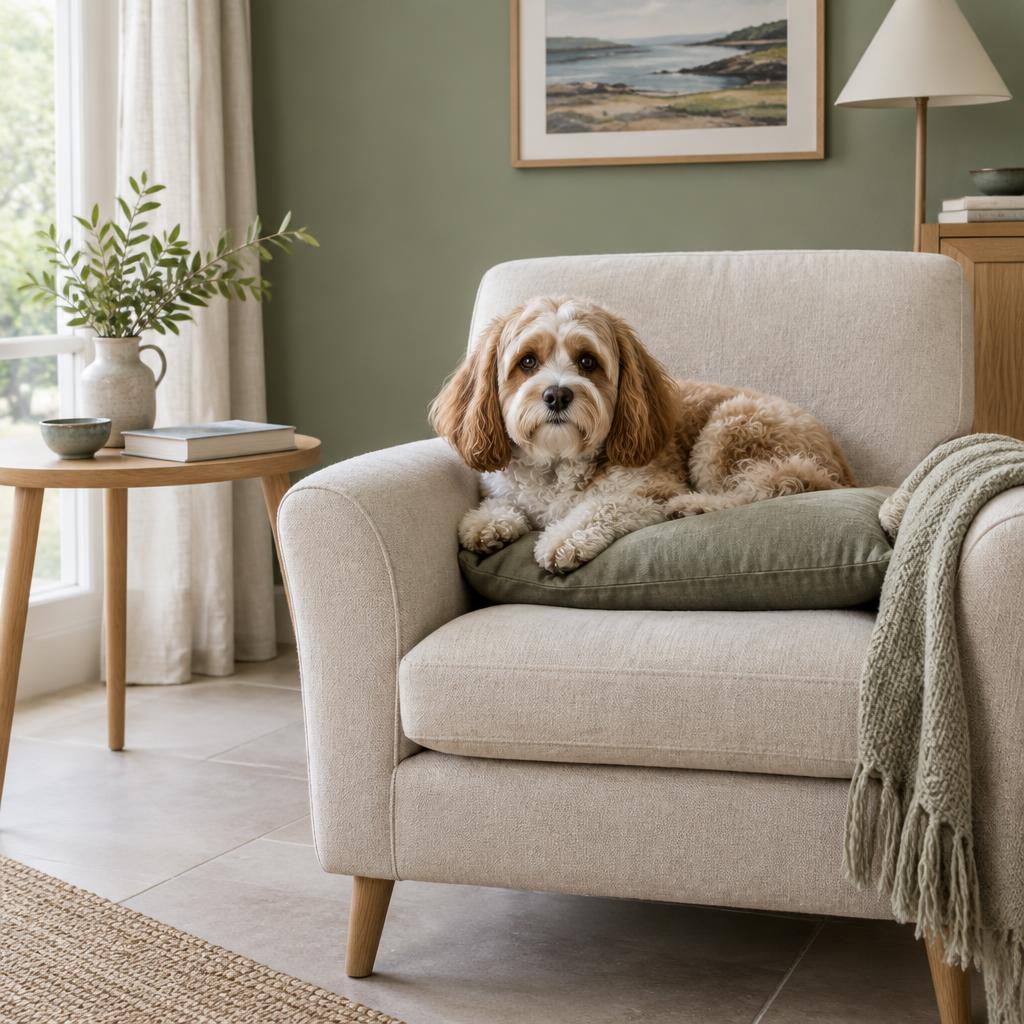
One of the easiest small companions to live with: gentle, cheerful, low-shedding and happy anywhere its people are. Choose a breeder who tests both parent breeds.
Exercise, day to day
- 1Around forty-five minutes of exercise daily, split into two walks
- 2Gentle play and training games at home
- 3Social outings: they love meeting people and dogs
- 4Avoid over-exercising puppies while joints develop
Grooming, realistically
- 1Brush and comb three or four times a week, right down to the skin
- 2Professional groom every six to eight weeks to keep the coat manageable
- 3Check and clean ears weekly; hairy ear canals trap moisture
- 4Wipe eyes daily if tear staining appears and keep nails short
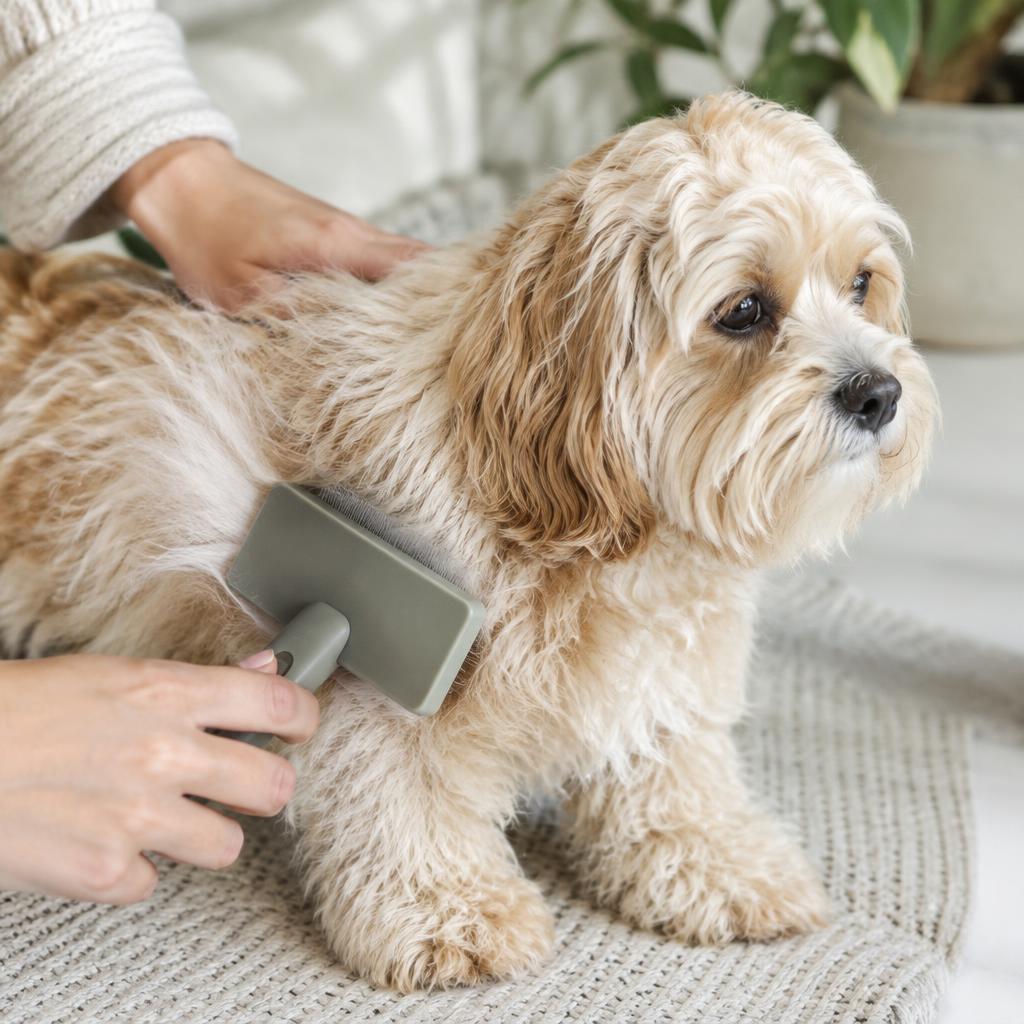
What you actually need
- Slicker brush
- Metal comb
- Detangling spray
- Rounded scissors for hygiene trims
Puppy to adult
| Age | Male | Female | What is happening |
|---|---|---|---|
| 8 weeks | 1 to 1.6 kg | 0.9 to 1.5 kg | Sweet and confident; start gentle handling and a toilet routine. |
| 3 months | 2.2 to 3.2 kg | 2 to 3 kg | Socialisation window; introduce visitors, dogs and household sounds. |
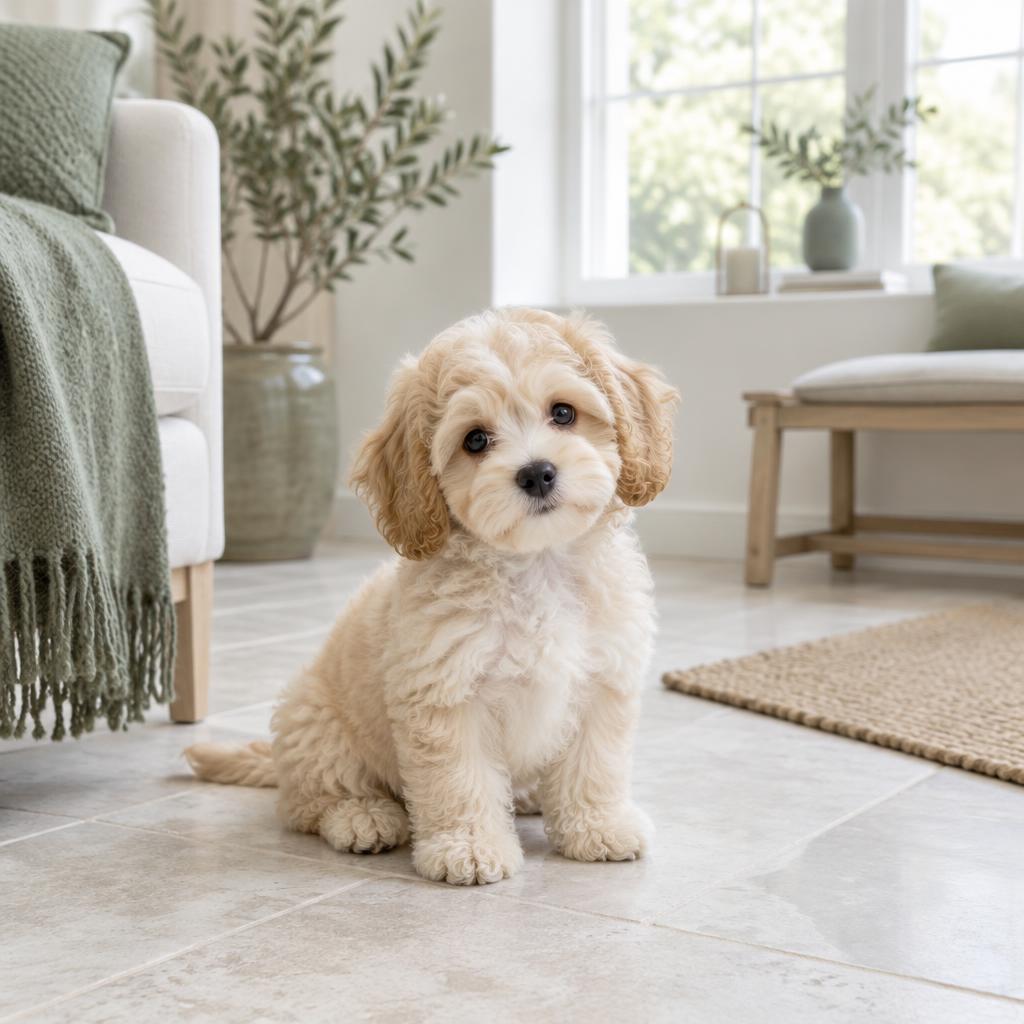
| 6 months | 3.8 to 5.8 kg | 3.5 to 5.3 kg | Coat changing from puppy fluff; begin the adult brushing routine. |
| 9 months | 4.6 to 7.5 kg | 4.3 to 7 kg | Near adult size; first full professional groom is usually due. |
| 12 months | 5.5 to 9 kg | 5 to 8.5 kg | Adult size reached; temperament sunny and settled. |
| 18 months | 5.5 to 9 kg | 5 to 8.5 kg | Fully grown; coat and character at their adult best. |
Ranges are typical, not targets. Judge condition by ribs and waist, and check with the ideal weight checker.
What to ask a breeder
- Have the Cavalier parent been heart tested and MRI scanned for syringomyelia?
- Have the Bichon parent been eye tested and patella checked?
- Can I meet the mother and see where the puppies were raised?
- What coat type do your puppies usually grow into?
- What health testing results can I see for both parents?
Health tests to ask for
Ask to see results for both parents before you put down a deposit.
- Heart testing for the Cavalier parent (ideally by a cardiologist)
- MRI scanning for syringomyelia in the Cavalier parent where possible
- Eye examination and patella checks for the Bichon parent
- DNA tests relevant to both parent breeds
Health watch-list
What to ask a breeder about, and what to watch for over a lifetime. This is orientation, not veterinary advice, anything you notice belongs in front of a vet.
Mitral valve disease (heart)
OccasionalInherited from the Cavalier side; insist on heart testing for the Cavalier parent and have hearts checked annually.
Syringomyelia
UncommonA serious Cavalier condition; ask whether the Cavalier parent has been MRI scanned. Report neck sensitivity or air-scratching promptly.
Patellar luxation
OccasionalSlipping kneecaps occur in small breeds; ask about patella checks for both parents.
Eye conditions (cataracts, dry eye)
OccasionalAsk about eye testing for both parents; report cloudiness or redness promptly.
Ear infections
OccasionalHairy ear canals trap moisture; check and clean ears weekly.
What it costs to keep one
Realistic running cost
€66 / month
About €792 a year, or roughly €10,296 across a 13-year life, before purchase price, neutering and one-off vet events.
Before the puppy arrives. Budget roughly €600 to 1200 for a crate, bed, lead and harness, bowls, puppy classes, first vaccinations and grooming kit sized for this breed. Figures throughout are indicative and vary a good deal between countries.
Interactive · built for this breed
Is a Cavachon right for your home?
Seven honest questions about your space, time and household, checked against this breed's exercise need, coat, sociability and tolerance for time alone.
Fit with your routine
97%
A strong fit
Your routine suits a Cavachon well. Meet adult dogs of the line before you commit.
What to sort out first
- Coat needs more brushing or trimming than you have allowed.
Working in your favour
- Your daily walking comfortably covers this breed's exercise need.
Compare more breeds in the matchmaker, or plan meals with the portion calculator.
The verdict, by household
Very good: gentle and playful with children of all ages, with supervision for toddlers.
One of the best small choices: forgiving, trainable and easy to live with.
A good low-shedding option, though no dog is truly hypoallergenic.
Excellent: quiet, small and content with moderate daily walks.
When to call your vet
- Coughing, breathlessness or tiring easily, which can indicate heart trouble
- Neck sensitivity, yelping or scratching at the air, which need prompt vet attention
- Cloudy eyes, redness or squinting
- Limping, skipping steps or stiffness
Nothing here is a diagnosis. A swollen, hard belly with retching, collapse, breathing difficulty and sudden hind-leg weakness are emergencies: go straight away.
Cavachon vs the closest alternatives
| Breed | Weight | Energy | Grooming | € / month |
|---|---|---|---|---|
| Cavachon | 5 to 9 kg | 5/10 | 6/10 | €66 |
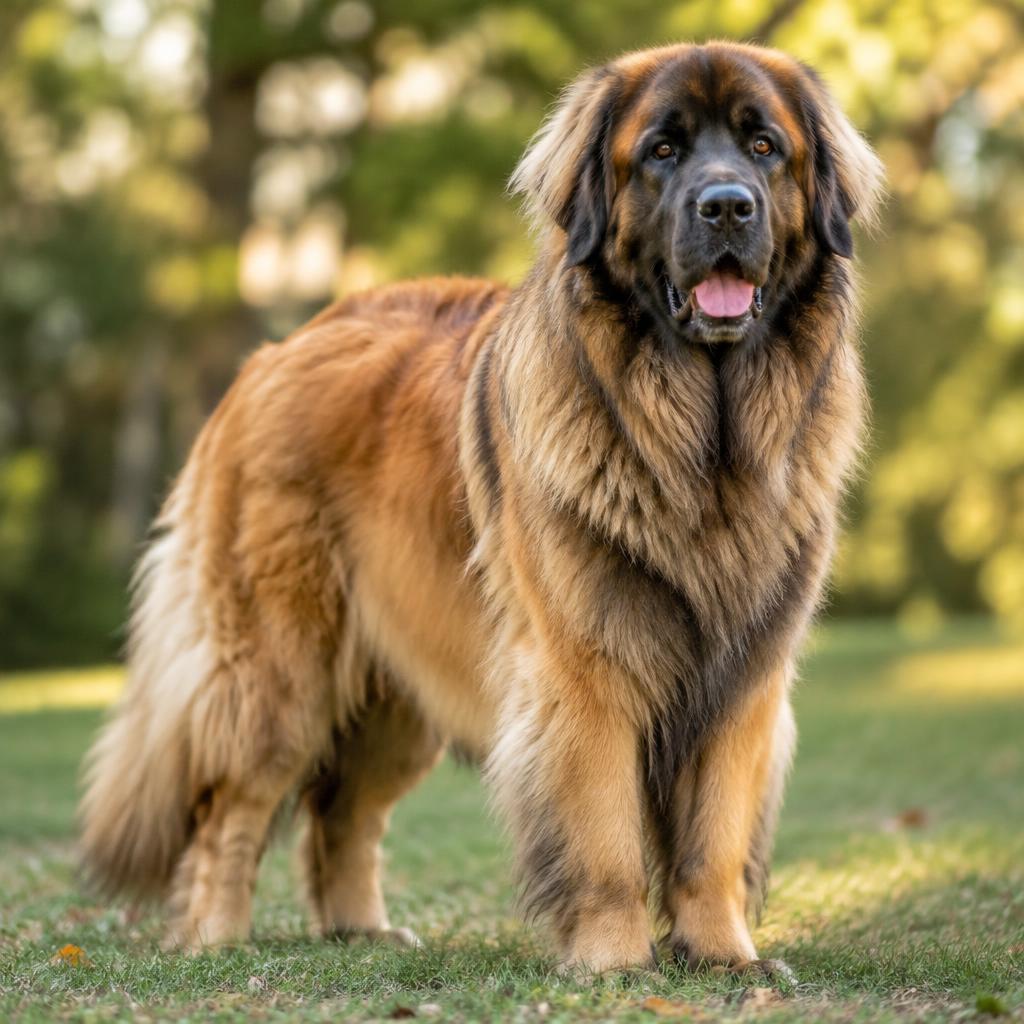
| Leonberger | 45 to 77 kg | 5/10 | 6/10 | €305 |
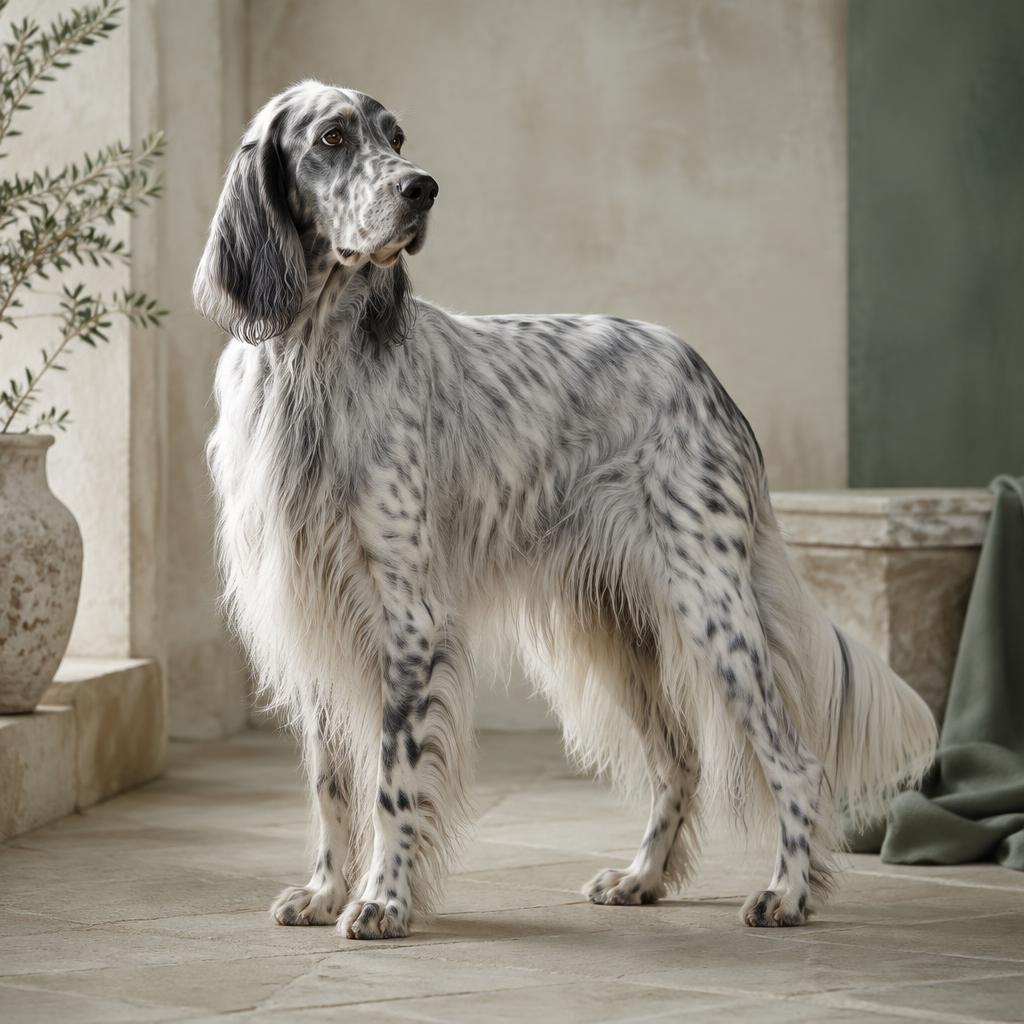
| English Setter | 20 to 36 kg | 7/10 | 6/10 | €116 |
| Cavalier King Charles Spaniel | 5 to 8 kg | 5/10 | 5/10 | €95 |
Cavachon questions, answered
What is a Cavachon?
A cross between a Cavalier King Charles Spaniel and a Bichon Frise, first bred in America in the 1990s. It combines the Cavalier's devotion with the Bichon's cheerfulness and lower-shedding coat.
Do Cavachons shed?
Very little, especially the wavier and curlier coats, which is why allergy-conscious families often choose them. The trade-off is brushing several times a week and a professional groom every six to eight weeks.
Are Cavachons good for first-time owners?
They are one of the best small choices: gentle, forgiving, trainable and adaptable. The main homework is choosing a breeder who health tests both parents.
Can Cavachons be left alone?
They are companion dogs and need company. Most cope with a few hours once alone time has been built up gradually, but a Cavachon alone all day every day is likely to become unhappy or noisy.
How much exercise does a Cavachon need?
Around forty-five minutes a day, split into two walks, plus play and training games at home. They are adaptable and happy with more or a little less.
What health problems do Cavachons get?
The main risks come from the parent breeds: heart disease and syringomyelia from the Cavalier, and eye and knee issues from the Bichon. Health-tested parents dramatically reduce the risk.