How Often Should You Bathe a Dog? By Coat and Lifestyle
Some dogs need a bath every month, others two or three times a year, and the difference is mostly coat. Here is how to find your dog's rhythm, choose a shampoo, and get the drying right.
The SniffScroll desk
Dog care editors
Published 9 October 2026
Reviewed by a practising UK veterinary nurse
The short version
- Most healthy dogs need a bath every one to three months; coat type matters more than the calendar.
- Mud is water-soluble: rinse with plain water between baths and save shampoo for grease and smell.
- Never use human shampoo on a dog; dog skin has a different pH and human products strip it.
- Leftover shampoo residue is the most common cause of post-bath itching; rinse twice as long as feels necessary.
- A dog who smells again within days of a bath may have a skin or ear problem, not a hygiene one.
The honest answer: less often than you think
Most healthy dogs need a bath every one to three months, not weekly, and over-bathing is a more common problem than under-bathing.
Dog skin is not human skin. It has a different pH, a thinner outer layer, and a coat protected by natural oils that shampoo strips away. Bathe too often and you get a dry, itchy, flaky dog whose coat actually smells worse between baths, because the skin overproduces oil to compensate. The dogs who genuinely need frequent baths are the exceptions: dogs with skin conditions on medicated shampoo schedules, dogs who roll in something unspeakable, and certain coat types we will come to.
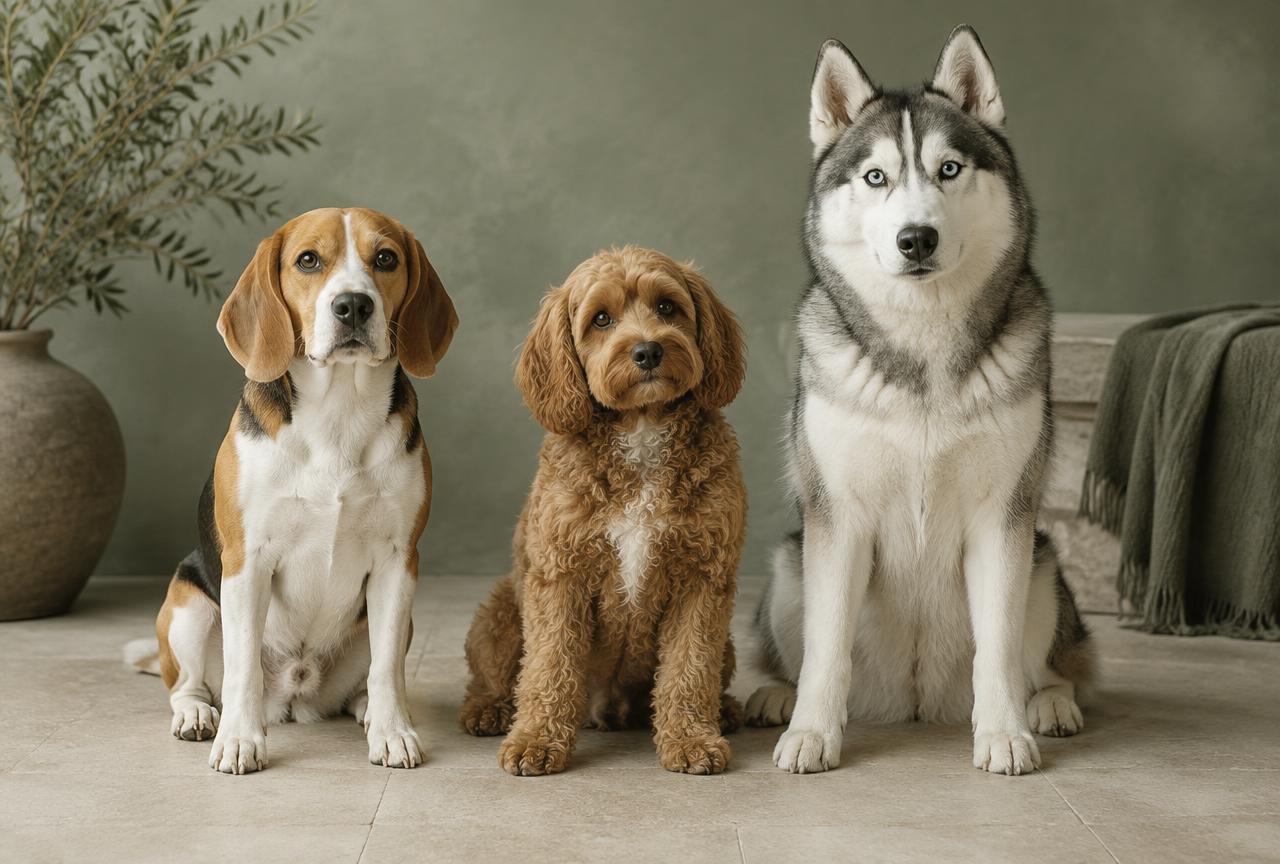
So the real question is not "how often should I bathe my dog" but "what does my dog''s coat, skin and lifestyle call for". A muddy Beagle who swims weekly needs a different rhythm from a house-dwelling Cavapoo, and both differ from a wire-coated terrier whose coat should barely see shampoo at all.
Bathing frequency by coat type
Coat type is the biggest factor in bathing frequency, because each coat handles dirt, oil and water differently.
| Coat type | Sensible bathing rhythm | Why |
|---|---|---|
| --- | --- | --- |
| Short and smooth | Every 2 to 3 months | Oils distribute easily; dirt brushes out |
| Double coat | Every 2 to 3 months | Undercoat traps dirt but also self-cleans; brushing matters more |
| Curly and wool | Every 3 to 4 weeks | Coats trap dirt and need it for mat prevention |
| Long and silky | Every 4 to 6 weeks | Feathering picks up debris; coats tangle when dirty |
| Wire | Every 6 to 8 weeks, if that | Harsh coat texture is ruined by over-washing |
| Hairless | Every 1 to 2 weeks | Skin oils build up with no coat to absorb them |
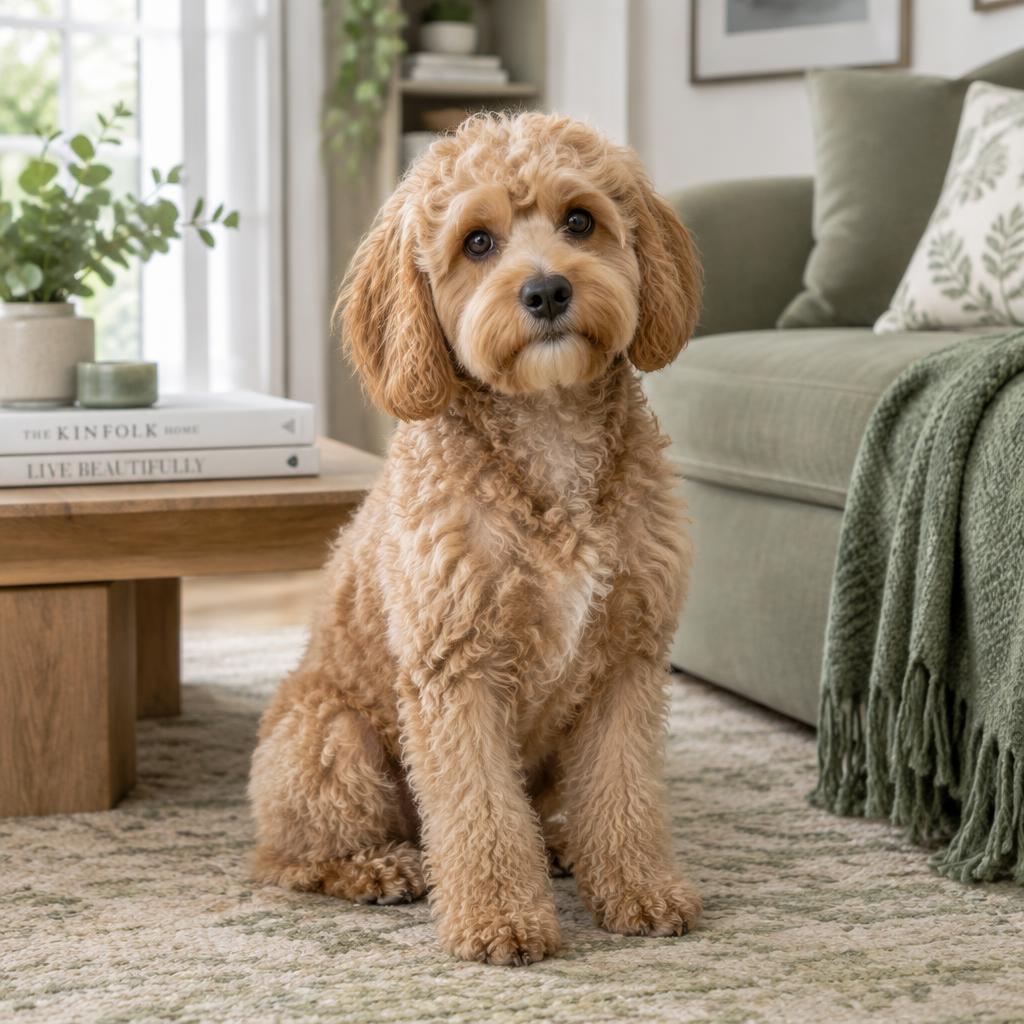
Two notes on this table. Curly coats like the Cavapoo''s are the big exception to the "less is more" rule: their coats mat when dirty, so regular bathing, always followed by a thorough blow-dry and brush-out, is part of mat prevention. And wire coats sit at the other extreme: frequent softening baths destroy the harsh texture the coat is supposed to have, which is why terrier people hand-strip and spot-clean instead.
Lifestyle: the mud factor
A dog who swims, rolls and digs needs rinsing far more often than shampooing; plain water does most of the work between proper baths.
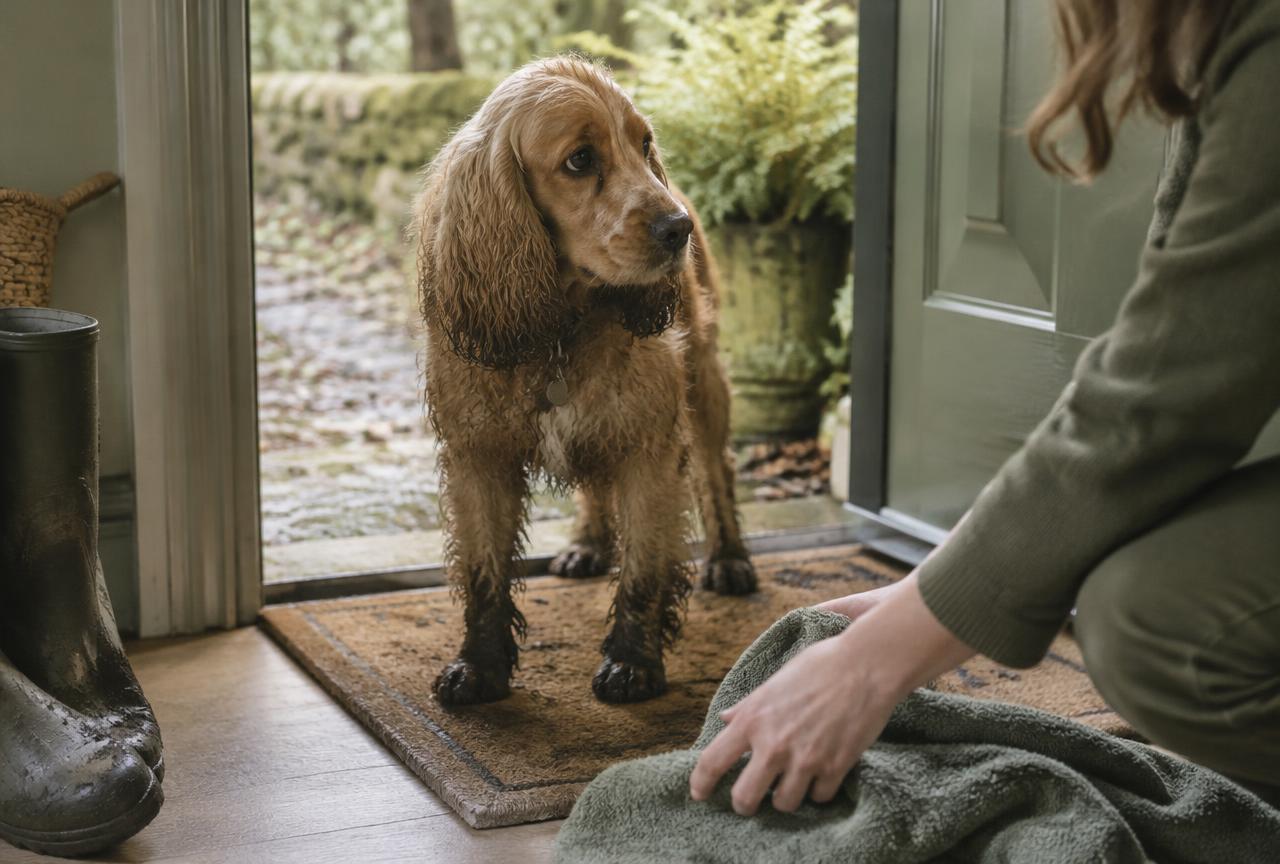
The single best habit for an active dog''s coat is the post-walk rinse. Mud, salt, pollen and general filth come off with warm water alone, no shampoo, no stripping. Keep a dedicated dog towel by the door, or a paw washer for the worst months, and the full bath can stay a rare event. Dogs who swim regularly, especially in the sea, should be rinsed after every swim: salt and chlorine both dry the coat and irritate skin.
Smell is the other lifestyle signal. A healthy dog has a faint doggy smell, and that is normal. A dog who develops a strong smell within days of a bath is telling you something else is going on, usually ears, skin folds, anal glands or a yeast issue, and more shampoo will not fix it. Our ear infection guide covers the most common culprit.
Products: what to use and what to avoid
Use a dog shampoo, full stop; human shampoos, even baby shampoo, are formulated for a different skin pH and strip a dog''s coat.
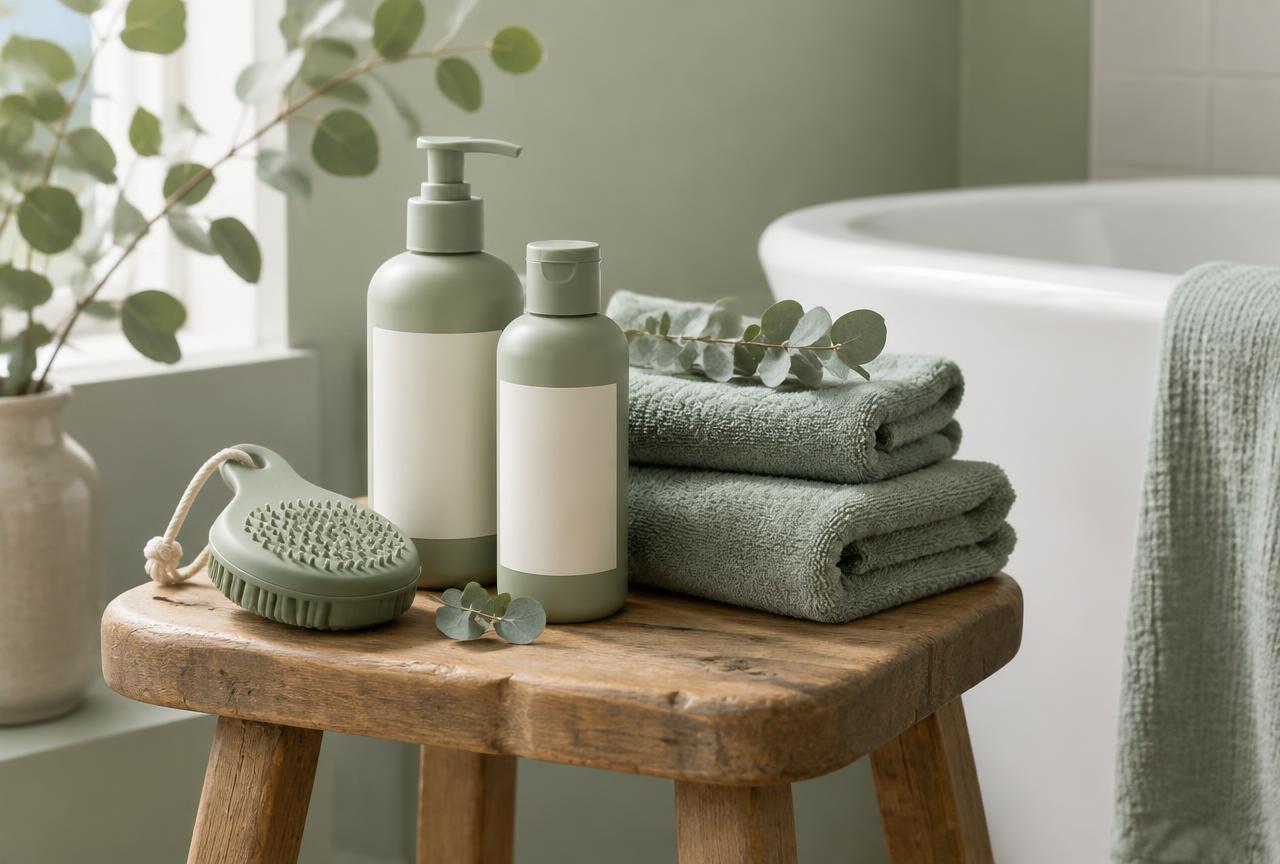
The product rules are short. Dog shampoo only, matched to the dog: a gentle oatmeal or hypoallergenic formula for sensitive skin, a standard one for everyone else, and a medicated one only on veterinary instruction, where the contact time on the label, often five to ten minutes before rinsing, is the whole point of the exercise. Skip anything heavily fragranced; the perfume is for you, not the dog, and it irritates skin.
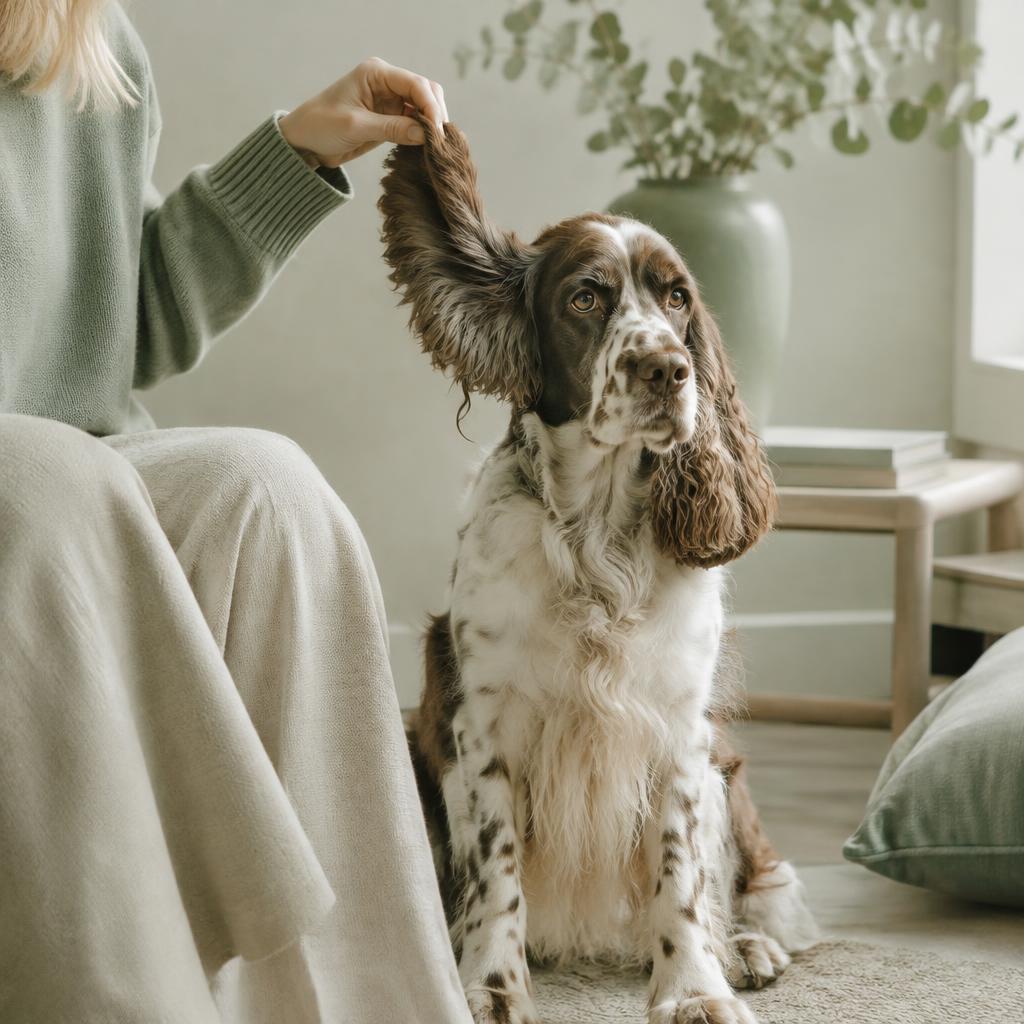
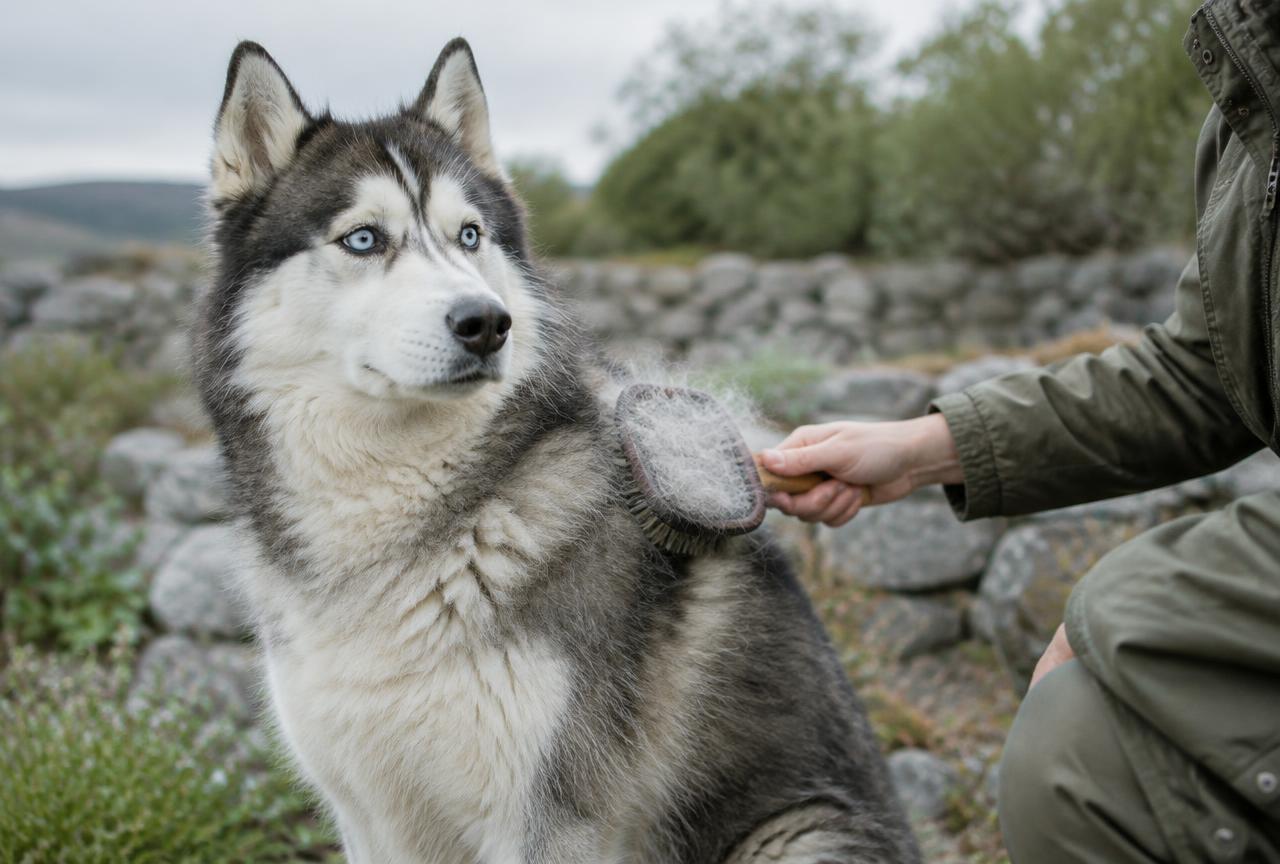
Technique matters as much as product. Lukewarm water, never hot. Wet the coat thoroughly, which on a double coat takes longer than you expect. Shampoo, lather, and then the step everyone rushes: rinse, and then rinse again. Leftover shampoo residue is the most common cause of the dog who scratches for days after a bath. A Cocker Spaniel''s feathering and a Husky''s undercoat both hold shampoo stubbornly.
Drying: the step that decides whether the bath worked
A dog left damp, especially a double-coated or curly one, ends up musty, chilled and matted, which undoes the point of the bath.
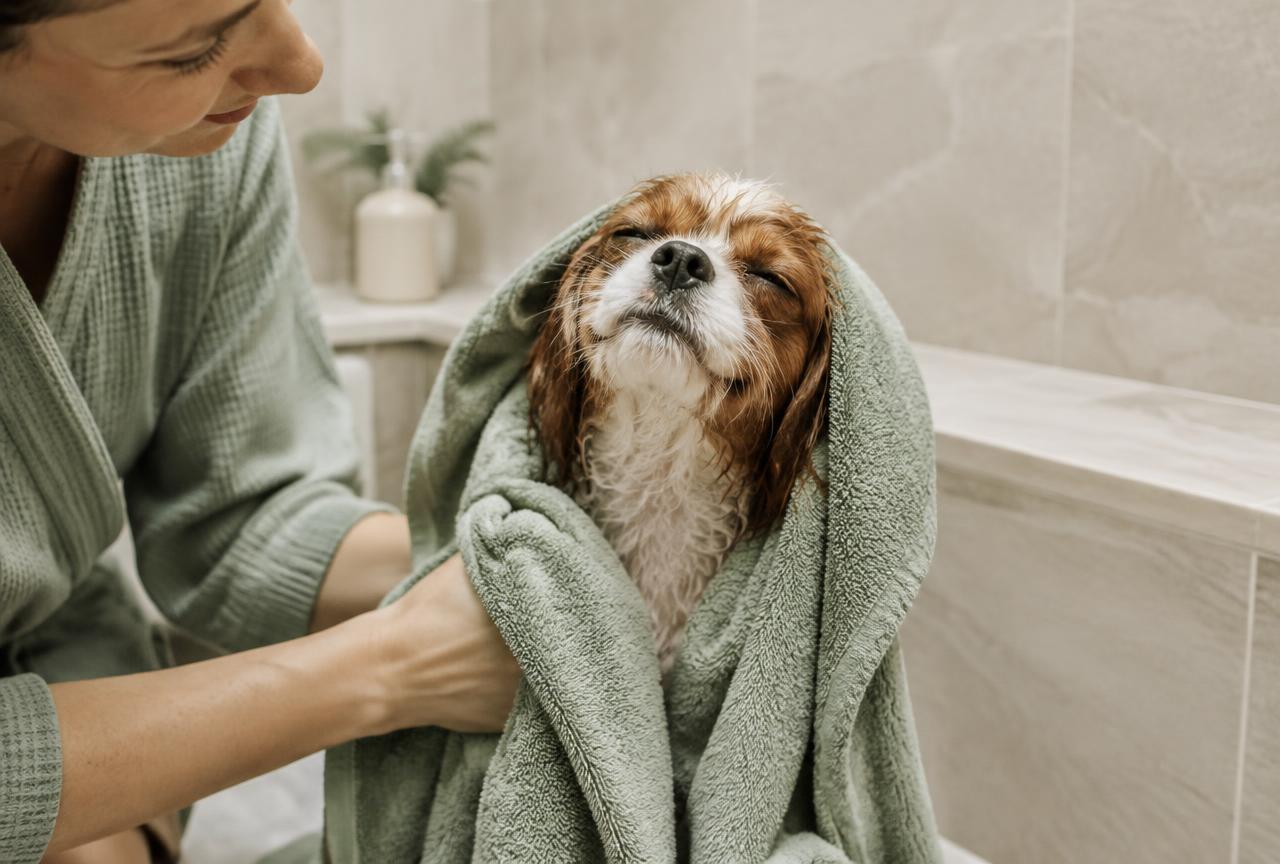
Towel-dry first, squeezing rather than rubbing, because rubbing tangles long and curly coats. Then, for anything thicker than a short coat, use a dryer. A human hairdryer on its coolest, quietest setting works if the dog tolerates it; hold it at a distance and keep it moving. Curly coats should be brushed while drying, because a curl dried unbrushed is a mat forming. Double coats need drying right down to the skin: a damp undercoat against the skin is how hot spots start, something our hot spots guide covers in detail. And in winter, keep a freshly bathed dog indoors until fully dry.
Puppies, seniors and the nervous dog
Puppies should meet the bath early and gently; seniors need warmth and non-slip surfaces; and a frightened dog needs the process broken into tiny, treat-filled steps.
A puppy''s first baths set the tone for life, so make them short, warm, shallow and full of treats, and end before the puppy has had enough. Senior dogs feel the cold more and stand less steadily: a non-slip mat is essential, water on the warmer side of lukewarm, and drying done promptly. For the dog who is genuinely frightened of the bath, the fix is desensitisation over weeks: treats for entering the bathroom, then for standing in an empty tub, then for water on the paws, building up gradually. A lick mat smeared with something wonderful, stuck to the bath wall, has converted many a bath-hater.
Bathe when the dog needs it, not when the calendar says so. Rinse the mud, spot-clean the paws, and save the shampoo for the coat that actually needs washing.
Interactive · bath schedule builder
How often should your dog be bathed?
Coat, lifestyle and skin all change the answer. Tell us about your dog for a realistic bathing rhythm.
Bath day checklist
- Brush before the bath: water tightens tangles into mats, especially on curly and long coats.
- Use a dog shampoo, never a human one: dog skin has a different pH and human products strip it.
- Rinse twice as long as feels necessary; leftover shampoo is the most common cause of post-bath itch.
A sensible rhythm
For a short-coated dog, a bath every two to three months keeps skin and coat healthy without stripping natural oils.
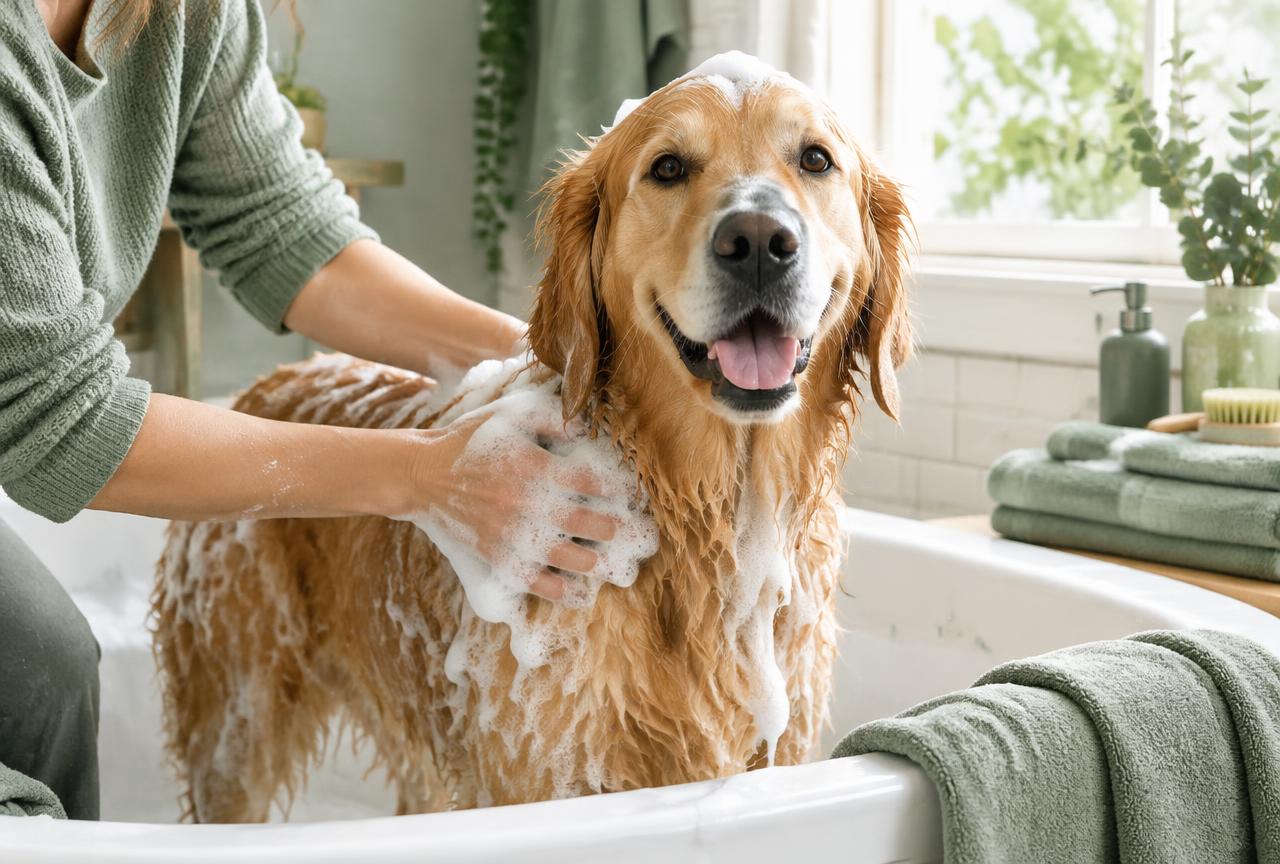
The bath itself, step by step
A calm bath is mostly preparation: everything within reach before the dog gets wet, and a non-slip surface under their feet.
- 1Brush first. Water tightens tangles into mats, so a curly or long coat goes in fully brushed.
- 2Set up before the dog arrives: shampoo open, towels ready, non-slip mat down, water lukewarm and tested on your wrist.
- 3Wet the coat thoroughly, avoiding the head at first. On thick coats, work the water in against the grain.
- 4Shampoo from neck to tail, massaging down to the skin. A washcloth for the face, never the spray, and keep water out of the ears.
- 5Rinse until the water runs completely clear, then rinse once more. This is the step that decides whether the dog itches for the next week.
- 6Towel with squeezing motions, then dry properly as covered above, and keep the dog off beds and sofas until fully dry.
- 7Treat, praise, and let the post-bath zoomies happen. They are part of the ritual.
The emergency bath: rolled in something awful
Fox poo, dead fish and worse call for an immediate targeted wash, and tomato juice is a myth you can skip.
Every dog owner meets this eventually. The method: keep the dog outside or in the bath area, glove up, and wash the affected area rather than the whole dog if the offence is localised, which it usually is, typically the neck and shoulders where they rolled. A dog shampoo works; for fox poo specifically, washing-up liquid cuts the oily residue well, followed by a dog-shampoo wash to protect the skin. Rinse exhaustively. Two washes may be needed. And accept that the smell lingers faintly for a day or two whatever you do. The prevention is recall training and scanning the grass ahead, which our lead pulling guide touches on, but some dogs are simply lifelong rollers and you learn to carry wipes.
Home bath or professional groomer
For short-coated dogs a home bath is easy; for thick, curly or giant coats, a professional groom every few months is often the realistic answer.
The honest dividing line is drying power and coat skill. A Beagle in the bath is a twenty-minute job anyone can do. A Cavapoo needs a proper blow-dry and brush-out to avoid mats, a Husky needs an undercoat-safe bath and a serious dryer, and a Newfoundland is simply a lot of wet dog for a domestic bathroom. Professional groomers have high-velocity dryers that blast dead coat and water out in a way no home setup matches, and a good groom every six to twelve weeks, with home rinses between, is a sensible rhythm for the demanding coats. If you go this route, book ahead: good groomers fill up weeks out, and a matted coat costs more to fix than a maintained one.
When to call your vet
- A dog who smells strongly again within days of a bath: suspect ears, skin folds, anal glands or yeast rather than hygiene.
- Itching, redness or flaking that follows baths, which can mean a product reaction or an underlying skin condition.
- Any new lumps, warts or sore patches you find while bathing, when the coat is wet and the skin easy to see.
- A dog whose coat has changed texture or thinned without an obvious reason, which can signal hormonal or nutritional issues.
Bath time doubles as the best health check you will give your dog all month: wet coat, visible skin, calm hands. Use it. For the coat between baths, our shedding guide covers brushing by coat type, and the breed pages, from Beagle to Cavapoo, give coat-specific routines.
Questions people actually ask
How often should you bathe a dog?
Most healthy dogs need a bath every one to three months. Short smooth coats can go two to three months, curly coats need a bath every three to four weeks, and double coats need brushing far more than bathing.
Can I bathe my dog once a week?
Weekly baths are too often for most dogs and strip the skin's natural oils, leading to dryness, itching and paradoxically more smell. The exception is a vet-prescribed medicated shampoo routine, which should be followed exactly.
Can I use human shampoo on my dog?
No. Dog skin has a different pH from human skin, and human shampoos, including baby shampoo, disrupt it. Use a pH-balanced dog shampoo, ideally fragrance-free or oatmeal-based for sensitive skin.
How do I bathe a dog that hates water?
Keep sessions short, warm and boring: a non-slip mat, lukewarm water, treats throughout and a calm voice. Start with just feet and legs over several sessions before attempting a full bath, and never force or flood a frightened dog.
Should I brush my dog before or after a bath?
Before, always. Water tightens tangles into mats, especially on curly and long coats, and a matted wet coat may need clipping rather than washing. Brush again during drying once the coat is mostly dry.
Why does my dog smell worse after a bath?
Usually one of three causes: shampoo residue left in the coat (rinse longer), a coat dried too slowly (dry thoroughly, especially double coats and ears), or an underlying skin or ear infection that water has made more noticeable. Persistent smell warrants a vet check.
Sources
Breeds mentioned

Put it into practice
Read next
How to Clean a Dog's Ears: A Calm Step-by-Step Guide
How to clean a dog's ears safely: the right solution, the right technique, how often to do it, and the signs that mean skip the cotton pad and call the vet.