Working group
Siberia, Russia
Siberian Husky
The Siberian Husky is an athletic, independent sled dog that needs serious daily exercise, escape proof fencing and an owner unswayed by its striking looks alone.
Reviewed against Kennel Club and breed club health guidance
A striking, athletic sled dog built for distance running and ill suited to a quiet life in the garden.
The short version
- Huskies were bred to run long distances daily and need well over an hour of vigorous exercise, not a casual walk.
- They are notorious escape artists, so tall, secure, dig proofed fencing is essential rather than optional.
- Recall is a persistent weak point because the instinct to run is deeply bred in rather than trained out.
- The dense double coat copes poorly with heat and sheds heavily, especially during seasonal coat blows.
- Huskies are often bought on looks alone, which is a major reason the breed is overrepresented in rescue.
- Weight
- 16 to 27 kg
- Height
- 51 to 60 cm
- Lifespan
- 12 to 14 yrs
- Size
- Large
- Group
- Working
- Coat
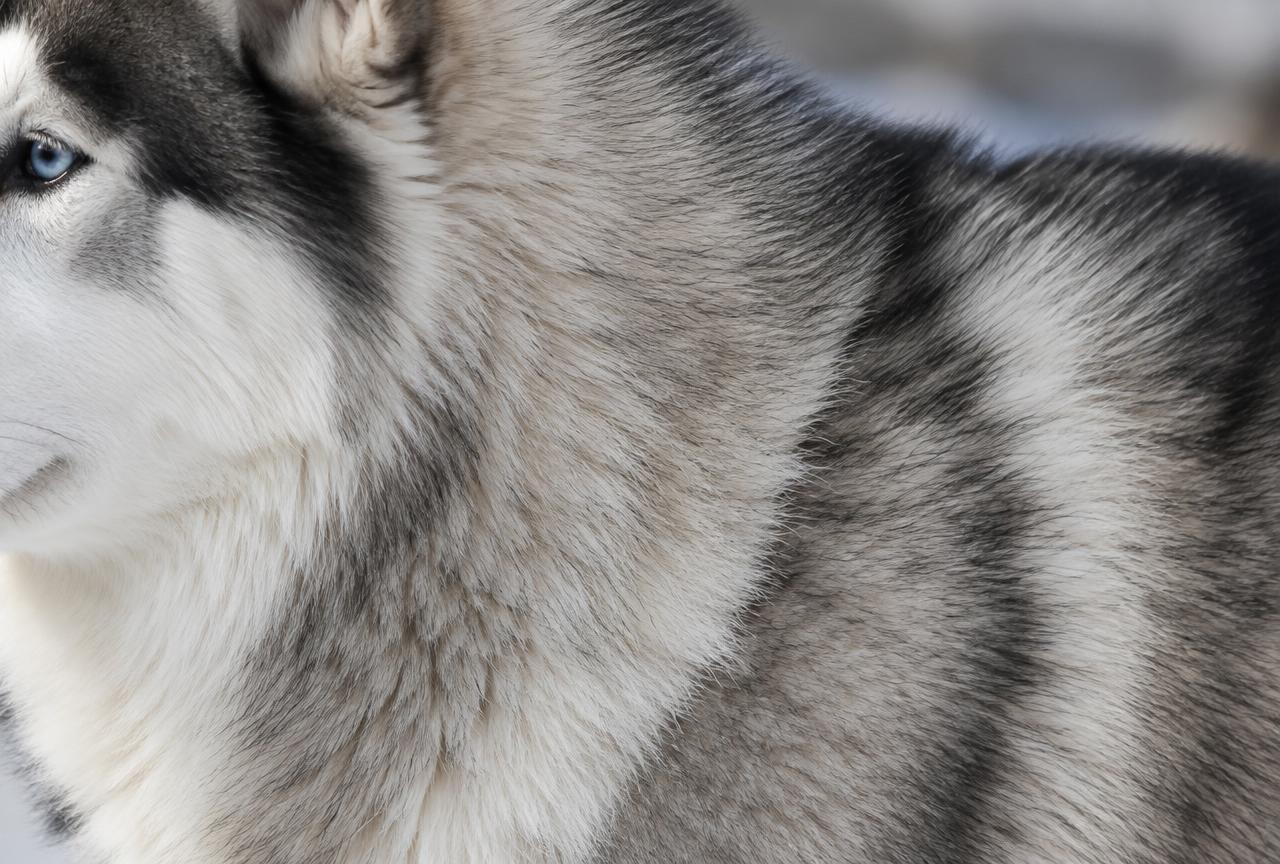
- Dense double coat with a soft undercoat
- Grown male
- 20 to 27 kg
- Grown female
- 16 to 23 kg
- Years to full size
- about 2
- One-off setup
- €500 to 950
Get one if…
- Active owners able to provide well over an hour of vigorous daily exercise
- Households with genuinely secure, tall and dig proofed fencing
- Owners interested in canicross, bikejoring or long distance running
- People who enjoy a vocal, talkative dog
- Cooler climates or homes that can manage exercise around heat
Think again if…
- First time owners wanting a biddable, easily trained dog
- Flats or gardens without secure, escape proof boundaries
- Households seeking a guard dog, since Huskies are friendly with strangers
- Owners drawn mainly by appearance rather than exercise needs
- Warm climates without ways to manage heat during exercise
Trait profile
Huskies combine high energy and sociability with a strong independent streak and a deep instinct to run, so secure fencing and structured exercise outlets matter more than obedience polish.
Space & setup. A house with a large, securely and tall fenced garden is essential, since Huskies are determined diggers, jumpers and climbers when motivated to run.
Allergies. The dense double coat sheds heavily, especially during seasonal coat blows, making this a poor choice for allergy sensitive households.
Living with a Siberian Husky
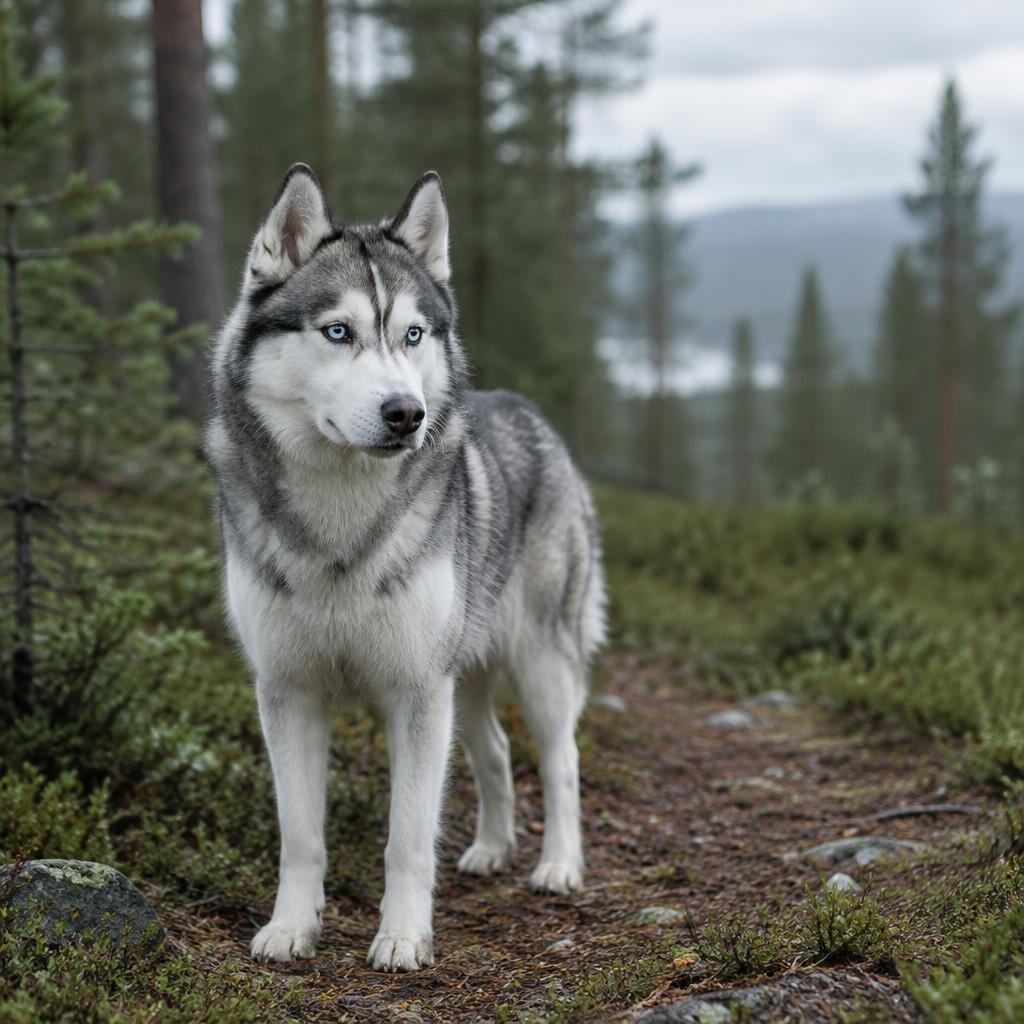
The Siberian Husky is a medium to large working breed developed by the Chukchi people of north east Asia to pull light sledges over long distances in harsh Arctic conditions. It is friendly, independent and extremely athletic, with a strong instinct to run that makes secure containment essential.
The Siberian Husky was developed over many centuries by the Chukchi people of north east Asia as a sled dog, bred to pull light loads over huge distances at a steady pace in extreme cold while eating relatively little, working closely in teams with people and other dogs. That heritage is the key to understanding almost everything about the breed today, from its physical endurance to its sociable nature to its total indifference to recall once something interesting appears on the horizon.
Huskies are typically friendly and outgoing, including with strangers, which makes them poor guard dogs despite their striking wolf like looks. They generally get on well with people and tend to be good natured with children in an active household, though their size and exuberance can overwhelm toddlers. With other dogs they are usually sociable, reflecting their pack working background, but prey drive toward cats and small animals can be strong and should never be assumed away.
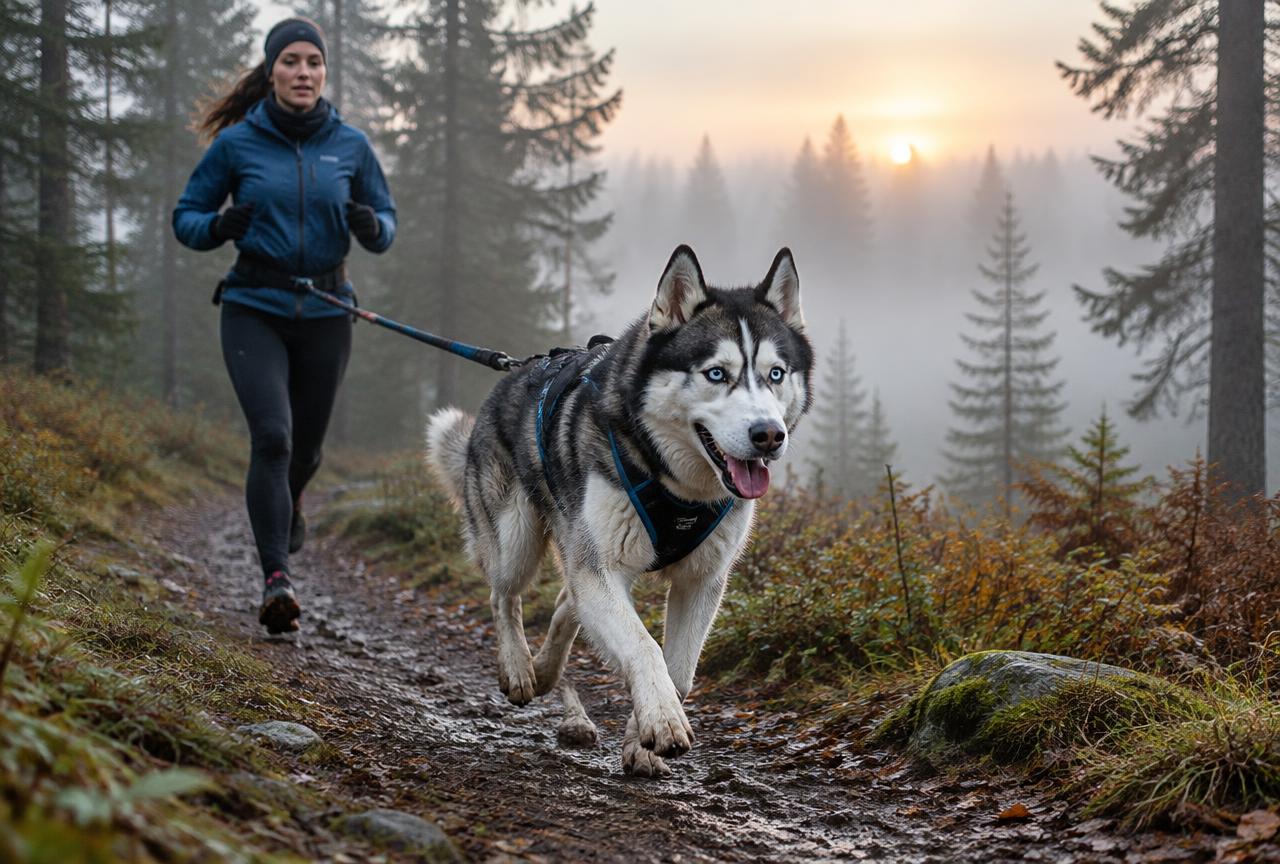
The defining challenge of Husky ownership is exercise and containment. These are dogs built to run long distances daily, and a short walk around the block will not come close to meeting their needs; most thrive on well over an hour of vigorous activity, ideally including running, hiking or structured activities such as canicross or bikejoring. Without this outlet, Huskies become restless, destructive and prone to escaping, and they are notorious escape artists, capable of jumping, climbing and digging under fences that would contain most other breeds. A secure, tall, dig proofed boundary is not optional. Recall is a perennial weak point, since the instinct to run is bred in rather than trained out, so off lead exercise should generally happen only in securely enclosed areas.
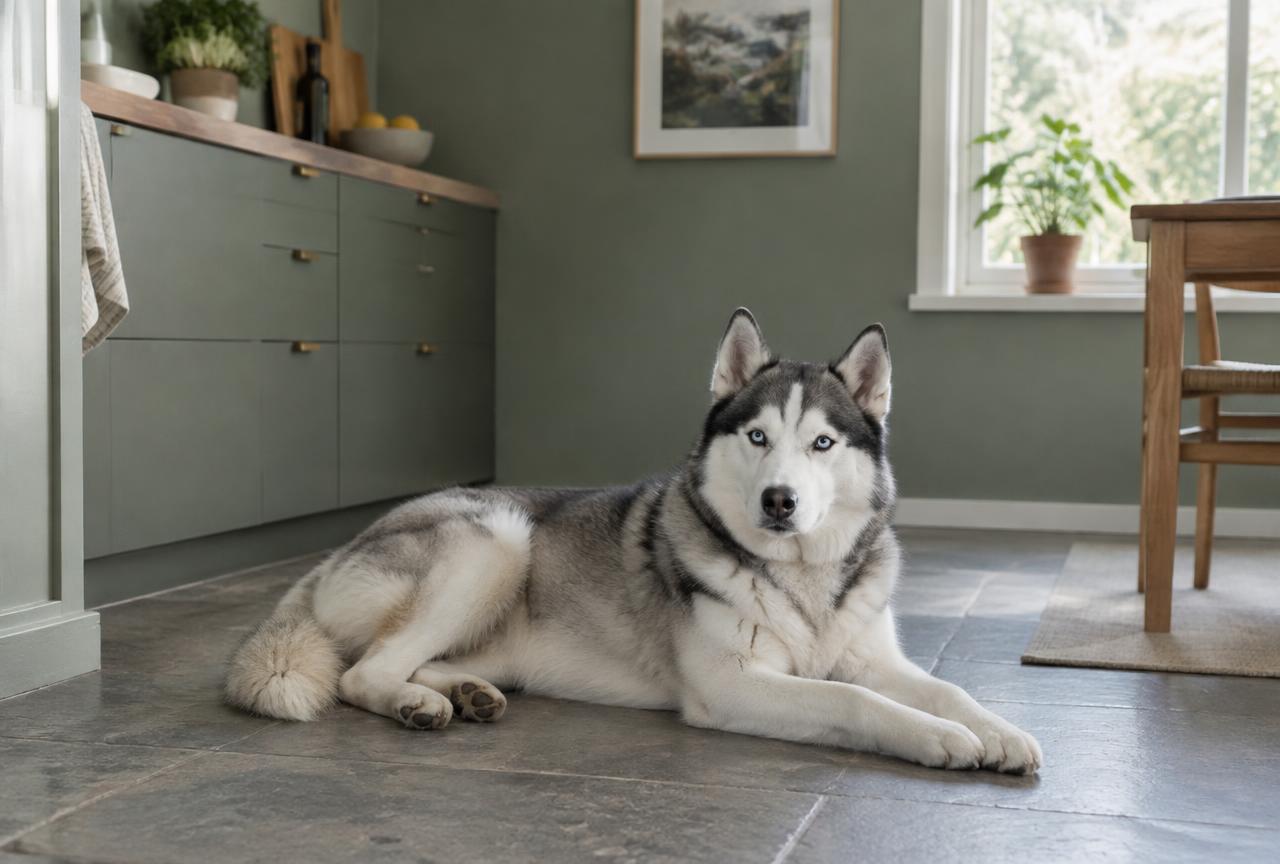
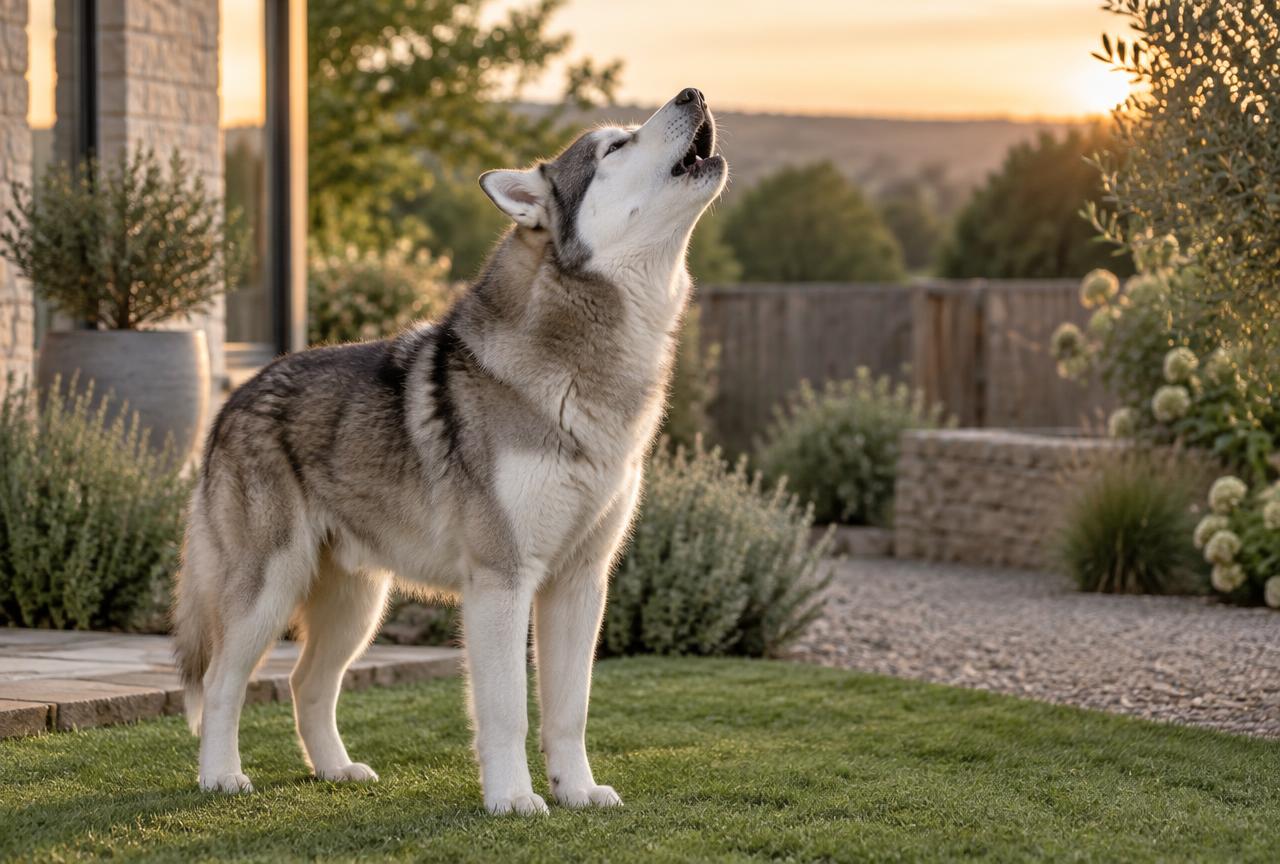
Huskies are also talkative rather than barkers in the conventional sense, favouring howls, chatty vocalisations known as talking and occasional full throated howling that can carry a long way and matters considerably for neighbours in close proximity. Training requires patience, since the breed is intelligent but independent minded and not naturally eager to please in the way a gundog might be; reward based methods, early socialisation and consistent boundaries around fences and doors pay off.
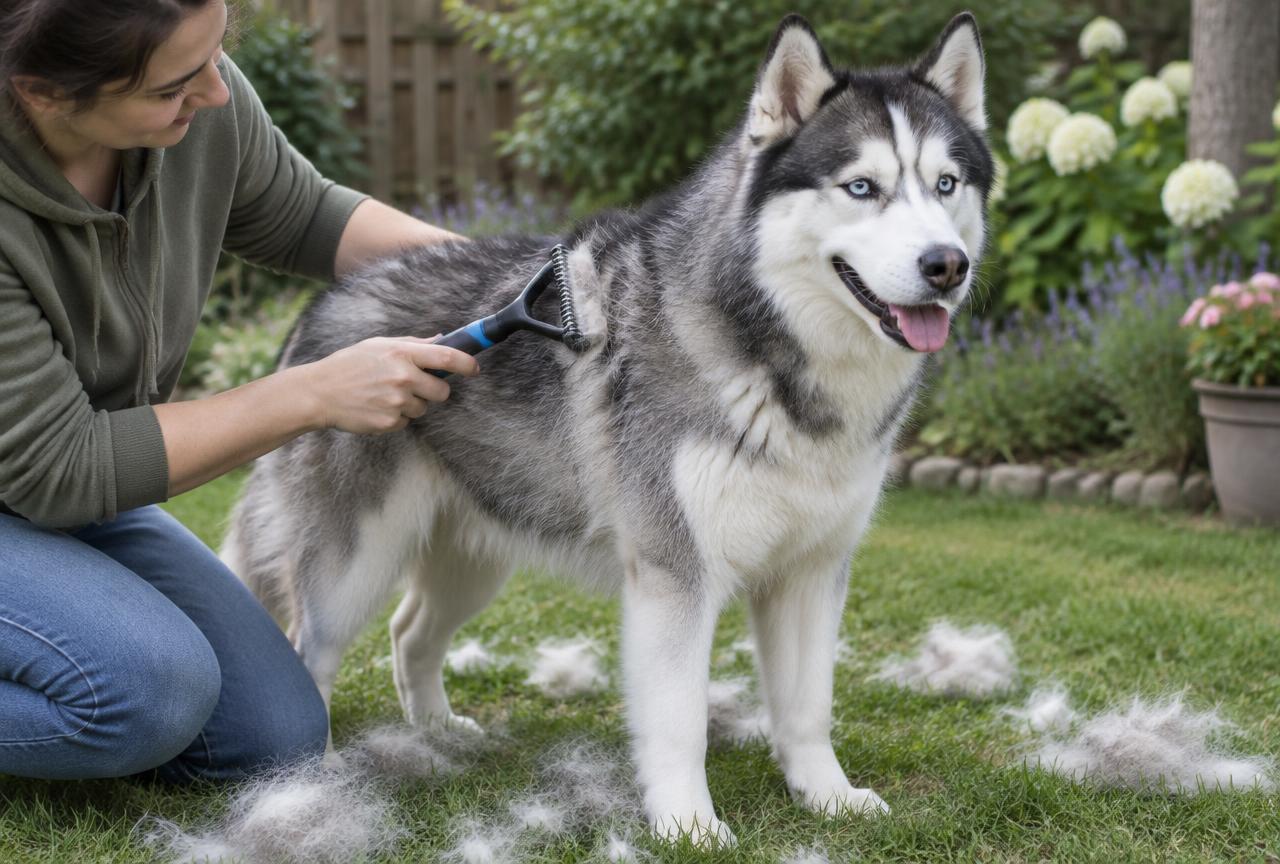
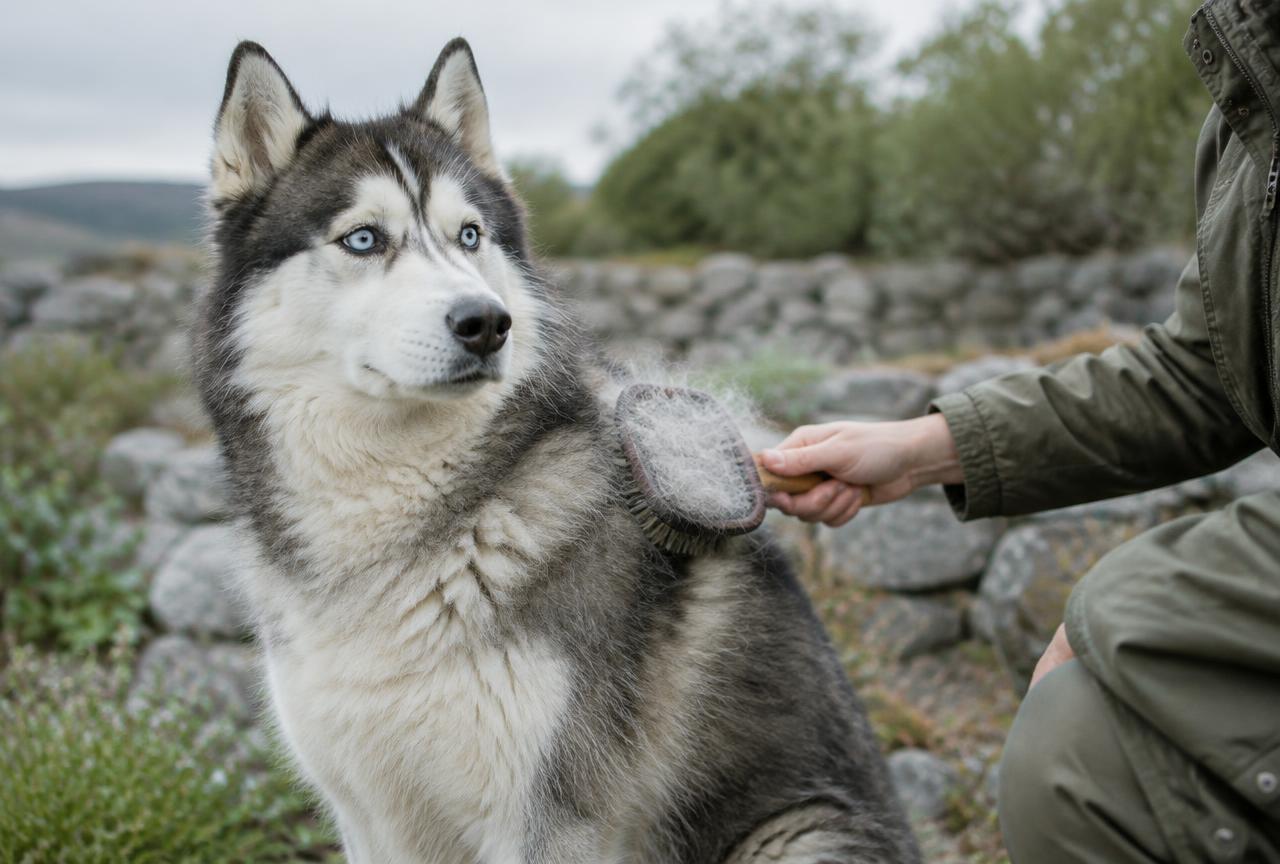
The breed copes poorly with heat. Its dense double coat, evolved for Arctic conditions, means Huskies are prone to overheating in warm weather or during exertion on hot days, and exercise should be shifted to cooler parts of the day when temperatures climb. The coat sheds heavily, particularly during seasonal blows twice a year, and needs regular brushing to manage loose fur around the home.
A word of caution on acquisition: Huskies are frequently bought on looks alone, drawn by striking blue eyes and wolfish markings, without buyers appreciating the exercise, containment and grooming commitment involved. This mismatch is a significant driver of Huskies ending up in rescue, and prospective owners should honestly assess their lifestyle, fencing and tolerance for vocalisation before taking one on. Done properly, with enough space, exercise and secure boundaries, the Siberian Husky is a loyal, good humoured and genuinely remarkable companion; done on impulse, it is a recipe for a frustrated dog and a frustrated household.
Prospective buyers should also be wary of acquiring a Husky purely because of its appearance. The breed's striking blue or parti coloured eyes and dramatic markings mean it is frequently chosen on looks alone, by people captivated by photographs rather than by any realistic assessment of daily exercise, fencing and vocal output. This mismatch between expectation and the reality of ownership is a significant reason Huskies feature so heavily in rescue organisations, often handed in by owners who underestimated the commitment involved. Anyone drawn to the breed should spend time with adult Huskies before committing, ideally through a breed rescue or experienced owner, to understand what daily life with one actually involves.
Veterinary considerations beyond general joint and eye health include a tendency toward certain inherited eye conditions and, in some lines, skin conditions linked to zinc metabolism that can cause crusting around the face and paws. Reputable breeders should be able to discuss relevant screening and provide evidence of testing where it exists for their lines. Pet insurance is worth arranging early, and new owners should budget for a breed that, while generally robust, is active enough that injuries from running and jumping are not uncommon.
Finally, the Husky's thick coat and working heritage mean it genuinely struggles in warm climates and during hot spells, so owners in milder countries need a plan for managing exercise and comfort as temperatures rise, including shaded rest areas, access to water at all times and a willingness to walk at dawn or dusk rather than midday. None of this makes the Husky a bad dog, far from it, but it does make it a breed that rewards careful, honest planning far more than most.
A beautiful, high energy sled dog that needs serious daily exercise, secure fencing and an owner unmoved by its independent streak.
Exercise, day to day
- 1Puppies (8 to 20 weeks): short, gentle walks of 5 minutes per month of age, avoiding forced running on hard surfaces.
- 2Adults: well over an hour of vigorous daily exercise, ideally including running, hiking or structured pulling sports.
- 3Canicross or bikejoring sessions several times a week suit the breed's working drive well.
- 4Always exercise off lead only within securely fenced areas given unreliable recall.
- 5Shift exercise to cooler parts of the day in warm weather to avoid overheating.
Grooming, realistically
- 1Brush two to three times a week to manage the dense double coat.
- 2During seasonal coat blows in spring and autumn, brush daily to keep loose undercoat under control.
- 3Bathe only occasionally, as the coat is naturally self cleaning and sheds dirt readily.
- 4Check paws after runs for cracked pads or debris between toes.
- 5Trim nails every 3 to 4 weeks, particularly for less active dogs.
What you actually need
- Undercoat rake
- Slicker brush
- Dog nail clippers
- Gentle dog shampoo
- Paw balm for cracked pads
Puppy to adult
| Age | Male | Female | What is happening |
|---|---|---|---|
| 8 weeks | 4.5 to 6 kg | 4 to 5.5 kg | Fluffy, sturdy puppy build with large paws hinting at adult size. |
| 3 months | 9 to 12 kg | 8 to 11 kg | Rapid early growth, joint care and controlled exercise matter. |
| 6 months | 15 to 19 kg | 13 to 17 kg | Adolescent stage, testing boundaries and fencing in earnest. |
| 9 months | 18 to 23 kg | 16 to 21 kg | Approaching adult height, exercise capacity increasing steadily. |
| 12 months | 20 to 26 kg | 18 to 23 kg | Close to adult weight though muscle and stamina continue developing. |
| 18 months | 21 to 27 kg | 18 to 24 kg | Full adult size and working condition reached. |
Ranges are typical, not targets. Judge condition by ribs and waist, and check with the ideal weight checker.
What to ask a breeder
- Can I see hip and eye health screening results for both parents?
- How much daily exercise and space do you think this litter will need as adults?
- What experience do the parents have with secure containment and recall?
- How vocal are the parents, including howling tendencies?
- Can I see evidence of DNA testing for inherited eye conditions?
- What happens if I cannot provide enough exercise, do you take dogs back?
Health tests to ask for
Ask to see results for both parents before you put down a deposit.
- Hip score (BVA/KC scheme)
- Eye examination for cataracts and progressive retinal atrophy
- DNA testing for inherited eye conditions where available
- Thyroid function testing
- Body condition and heat tolerance monitoring throughout life
Health watch-list
What to ask a breeder about, and what to watch for over a lifetime. This is orientation, not veterinary advice, anything you notice belongs in front of a vet.
Hip dysplasia
NotableMalformed hip joints can cause discomfort and arthritis over time; hip scoring of breeding stock helps reduce incidence.
Progressive retinal atrophy
UncommonAn inherited condition causing gradual vision loss; DNA and eye testing of breeding stock reduces risk.
Cataracts
UncommonClouding of the lens can develop at a young age in some lines; regular eye examinations are recommended.
Heat intolerance
CommonThe dense double coat makes Huskies prone to overheating in warm weather or during exertion; exercise should be timed around cooler periods.
Zinc responsive dermatosis
UncommonA skin condition linked to zinc absorption that can cause crusting and hair loss, usually managed with supplementation.
Laryngeal paralysis
RareA condition affecting the airway that can cause noisy breathing or exercise intolerance, more often seen in older dogs.
What it costs to keep one
Realistic running cost
€119 / month
About €1,428 a year, or roughly €18,564 across a 13-year life, before purchase price, neutering and one-off vet events.
Before the puppy arrives. Budget roughly €500 to 950 for a crate, bed, lead and harness, bowls, puppy classes, first vaccinations and grooming kit sized for this breed. Figures throughout are indicative and vary a good deal between countries.
Interactive · built for this breed
Is a Siberian Husky right for your home?
Seven honest questions about your space, time and household, checked against this breed's exercise need, coat, sociability and tolerance for time alone.
Fit with your routine
87%
A strong fit
Your routine suits a Siberian Husky well. Meet adult dogs of the line before you commit.
What to sort out first
- Needs more daily exercise than you have pencilled in.
Working in your favour
- Coat care fits the grooming time you offered.
Compare more breeds in the matchmaker, or plan meals with the portion calculator.
The verdict, by household
First-time owner
Not recommended without research
The independent streak and recall challenges make this a demanding first dog despite a friendly temperament.
Family with children
A good match for active families
Good natured with older, active children but the exercise and fencing demands are considerable.
Active single or couple
An excellent match
An excellent fit for owners who enjoy running, hiking or structured activities like canicross.
Owner in a flat with close neighbours
Not recommended
Lack of secure outdoor space and exercise opportunity make this a poor fit.
When to call your vet
- Excessive panting or lethargy in warm weather, which may indicate overheating
- Sudden escape attempts or restlessness, often a sign exercise needs are not being met
- Cloudy or bluish eyes, which can suggest cataracts or other inherited eye conditions
- Limping or reluctance to exercise, which may point to hip dysplasia
- Noticeable weight loss despite normal eating, which should always be checked promptly
Nothing here is a diagnosis. A swollen, hard belly with retching, collapse, breathing difficulty and sudden hind-leg weakness are emergencies: go straight away.
Siberian Husky vs the closest alternatives
| Breed | Weight | Energy | Grooming | € / month |
|---|---|---|---|---|
| Siberian Husky | 16 to 27 kg | 9/10 | 5/10 | €119 |
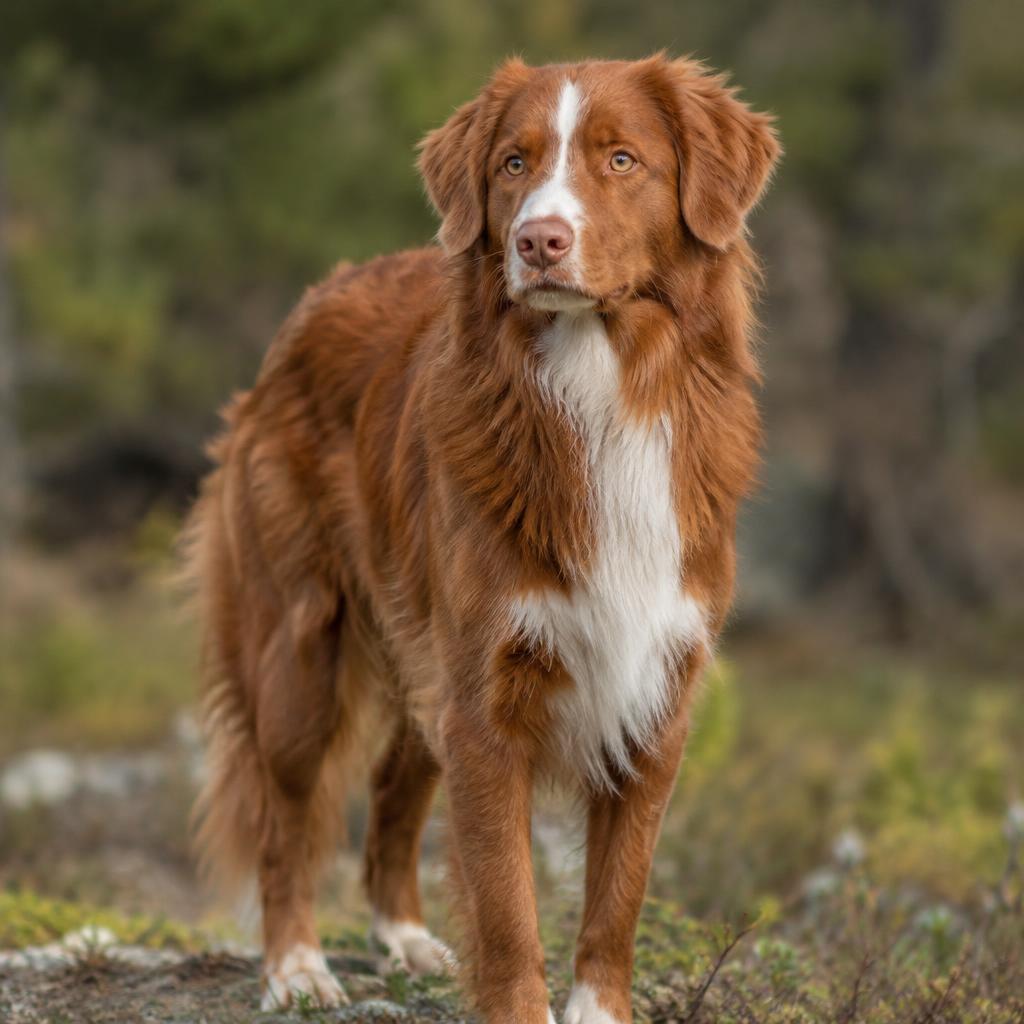
| Nova Scotia Duck Tolling Retriever | 17 to 23 kg | 9/10 | 5/10 | €175 |
| German Shepherd | 22 to 40 kg | 9/10 | 5/10 | €153 |
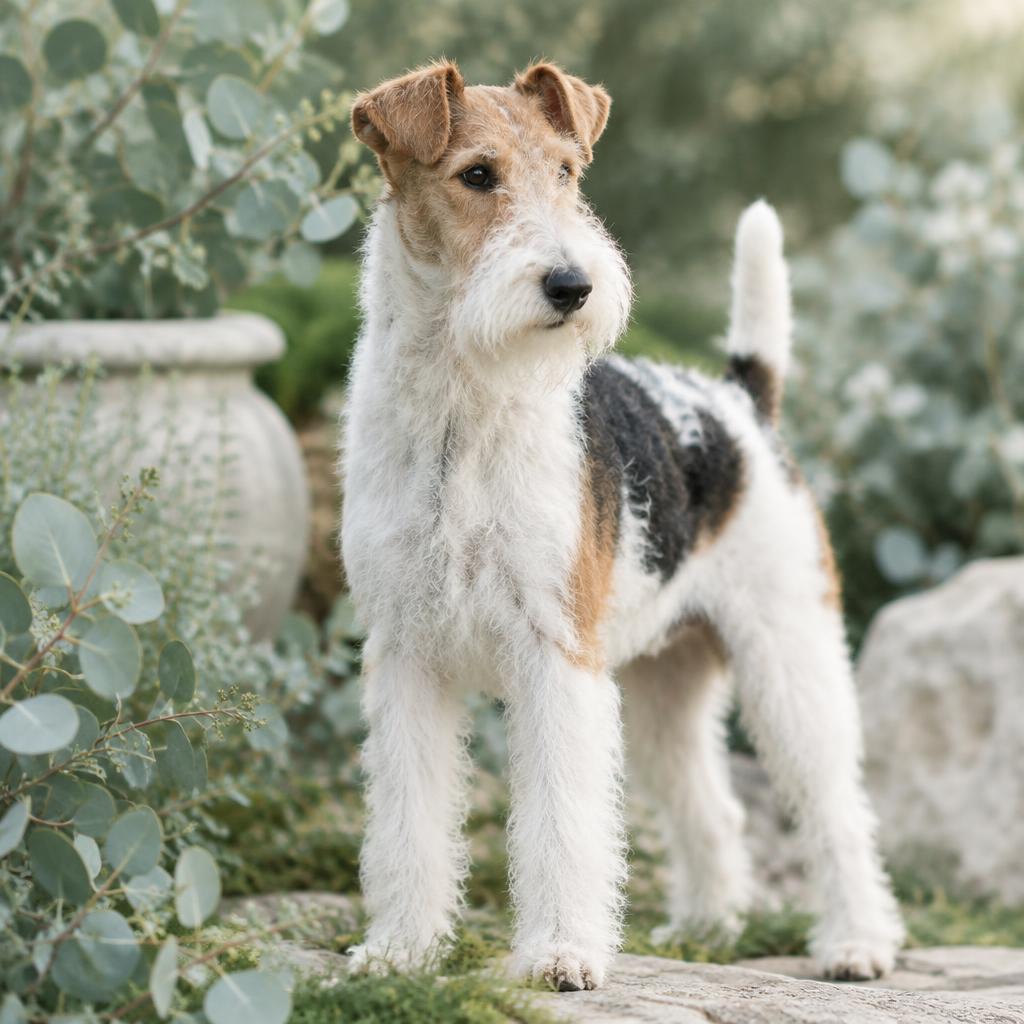
| Wire Fox Terrier | 7 to 9 kg | 8/10 | 6/10 | €74 |
Siberian Husky questions, answered
Why do Huskies escape so often?
Huskies were bred to run long distances and have a powerful instinct to roam that training does not fully override. They are skilled jumpers, climbers and diggers, so tall, secure, dig proofed fencing is essential for any garden they have access to.
How much exercise does a Siberian Husky need?
Huskies generally need well over an hour of vigorous exercise daily, far more than a casual walk provides. Running, hiking or structured activities such as canicross suit their working heritage and help prevent restlessness or destructive behaviour.
Do Huskies howl a lot?
Yes, Huskies are known for howling and other chatty vocalisations rather than typical barking, which can carry a considerable distance. This is an important consideration for households with close neighbours.
Are Huskies good in hot weather?
No, their dense double coat evolved for Arctic conditions and makes them prone to overheating in warm weather or during exertion. Exercise should be shifted to cooler parts of the day and water should always be available.
Why are so many Huskies in rescue?
Many people buy Huskies for their striking looks without appreciating the exercise, containment and grooming commitment required. This mismatch between expectation and reality is a significant reason the breed is overrepresented in rescue centres.
Are Huskies easy to train?
Huskies are intelligent but independent minded and not naturally eager to please, so training takes patience and consistency. Reward based methods and secure management of fences and recall work better than relying on obedience alone.
Do Huskies get on with other dogs and cats?
Huskies are generally sociable with other dogs, reflecting their pack working heritage, but often have a strong prey drive toward cats and small animals. Early socialisation helps, though supervision around small pets is always wise.
Sources
- Siberian Husky breed standard, The Kennel Club
- Siberian Husky breed information, American Kennel Club
- Siberian Husky health testing requirements, The Kennel Club
- Eye scheme, British Veterinary Association
- Dogs and the heat, PDSA
Put it into practice
Reading that goes with this

Training
How to Stop a Dog Barking: A Practical Guide

Health
Why Is My Dog Panting So Much? Causes and Warning Signs

Puppies
Crate Training a Puppy: A 14-Day Plan

Health
Why Is My Dog Shaking? Causes and When to Worry
Training
How to Stop a Dog Pulling on the Lead

Care
Dog Years to Human Years: The Real Science
Care
Dog Shedding: What Is Normal and How to Manage It
Behaviour
Why Do Dogs Wag Their Tails? Reading the Signals
Behaviour
Why Do Dogs Howl? Sirens, Night and What It Means
Behaviour
Why Do Dogs Howl at Sirens? The Instinct Explained