
Terrier group
United Kingdom
Wire Fox Terrier
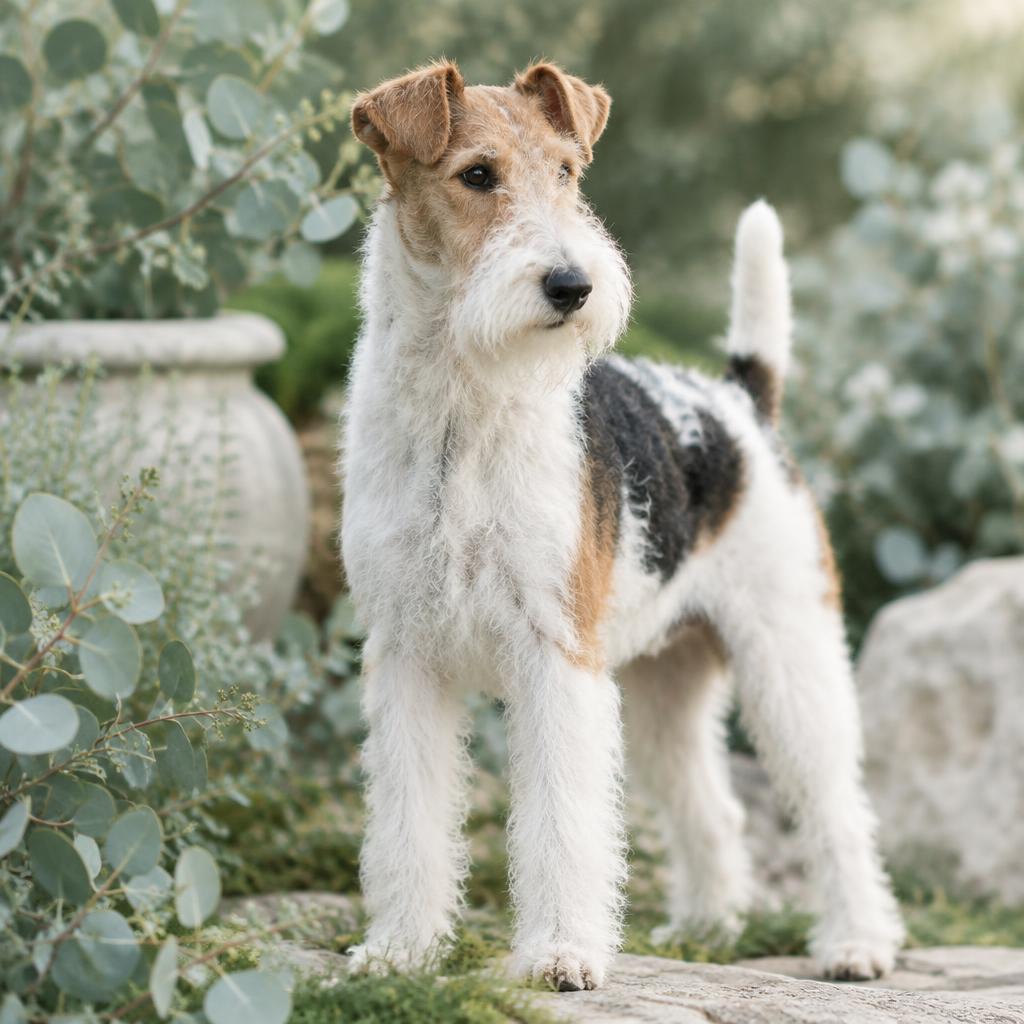
A bold, busy, low-shedding terrier with a wiry white coat and boundless self-confidence. Best for owners who enjoy terrier character and can keep a clever dog occupied.
The show-ring terrier with a comedian's timing.
The short version
- A genuine low-shedding coat, but it needs stripping or clipping every six to eight weeks
- An hour or more of exercise daily, plus games
- Bold and scrappy with other dogs; socialise early
- High prey drive: small pets are not safe companions
- Long-lived and generally robust, often 12 to 15 years
Choose a variety
The classic combination: predominantly white with tan head markings.
- Weight
- 7 to 9 kg
- Height
- 37 to 39 cm
- Lifespan
- 12 to 15 yrs
- Size
- Small
- Group
- Terrier
- Coat
- Dense wiry white coat with tan or black markings
- Years to full size
- about 1
- One-off setup
- €700 to 1400
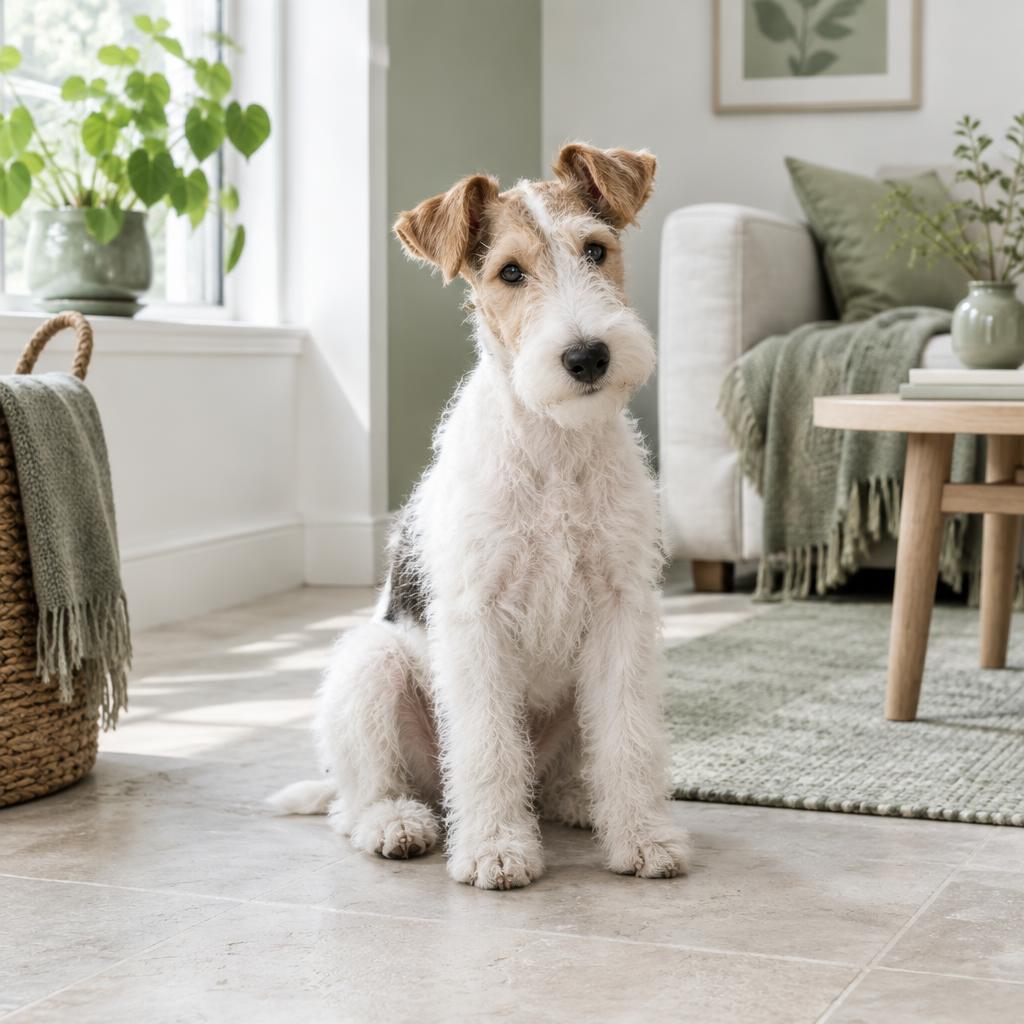
Get one if…
- Owners who enjoy terrier character
- Active families with older children
- Allergy-conscious homes wanting a small dog
- People who like training a clever, independent dog
Think again if…
- Homes with small furry pets
- Owners wanting an instantly obedient dog
- Very sedentary households
- People unwilling to maintain a wire coat
Trait profile
Scores reflect a classic terrier: bold, busy, very low shedding, high prey drive and a confident bark.
Space & setup. Adapts to flats with daily exercise; the alert bark and prey drive need management.
Allergies. The wiry coat sheds very little and is often tolerated by allergy sufferers, though no dog is truly hypoallergenic.
Living with a Wire Fox Terrier
The Wire Fox Terrier is a British terrier bred to bolt foxes from their dens, and one of the most successful breeds in show-ring history. White with tan or black markings, bearded and bright-eyed, it is bold, busy and endlessly entertained by life. The wiry coat sheds very little but needs hand-stripping or clipping. It suits active owners who enjoy terrier spirit and can channel a clever, independent mind.
The Wire Fox Terrier was developed in nineteenth-century England to run with the hunt and bolt foxes from underground, which explains everything about the modern dog: tireless, brave, vocal and convinced that small furry things are its personal responsibility. It went on to become one of the most decorated show breeds of all time, and for decades it was the fashionable family dog of Britain and America.
Living with a Wire Fox Terrier is never dull. They are playful, clownish and devoted to their people, with a comedian's timing and a terrier's stubborn streak. Training works best when it is short, varied and rewarding; they learn fast but see no reason to repeat themselves. With other dogs they can be scrappy, and small pets are generally viewed as quarry, so early socialisation and management matter.
Exercise needs are moderate to high: an hour or more a day with games and sniffing built in. The wiry coat is a genuine low-shedding coat, which many allergy-conscious families appreciate, but it is not effort-free: weekly brushing and hand-stripping or clipping every six to eight weeks. Health is generally robust, with a long lifespan; watch for legg-calve-perthes disease, patellar luxation and eye conditions, and choose a breeder who tests.

A classic terrier: brave, funny, low-shedding and utterly convinced of its own importance. Needs an owner who finds terrier logic charming rather than infuriating.
Exercise, day to day
- 1Sixty to seventy-five minutes of exercise daily
- 2Off-lead games and fetch in secure areas
- 3Earthdog, agility or scent work as a weekly outlet
- 4Sniffing games and food puzzles to occupy the busy brain
Grooming, realistically
- 1Brush and comb twice a week, working through the leg furnishings and beard
- 2Hand-strip every six to eight weeks, or clip for a softer pet trim
- 3Rinse and comb the beard daily after meals
- 4Check ears weekly and keep nails short
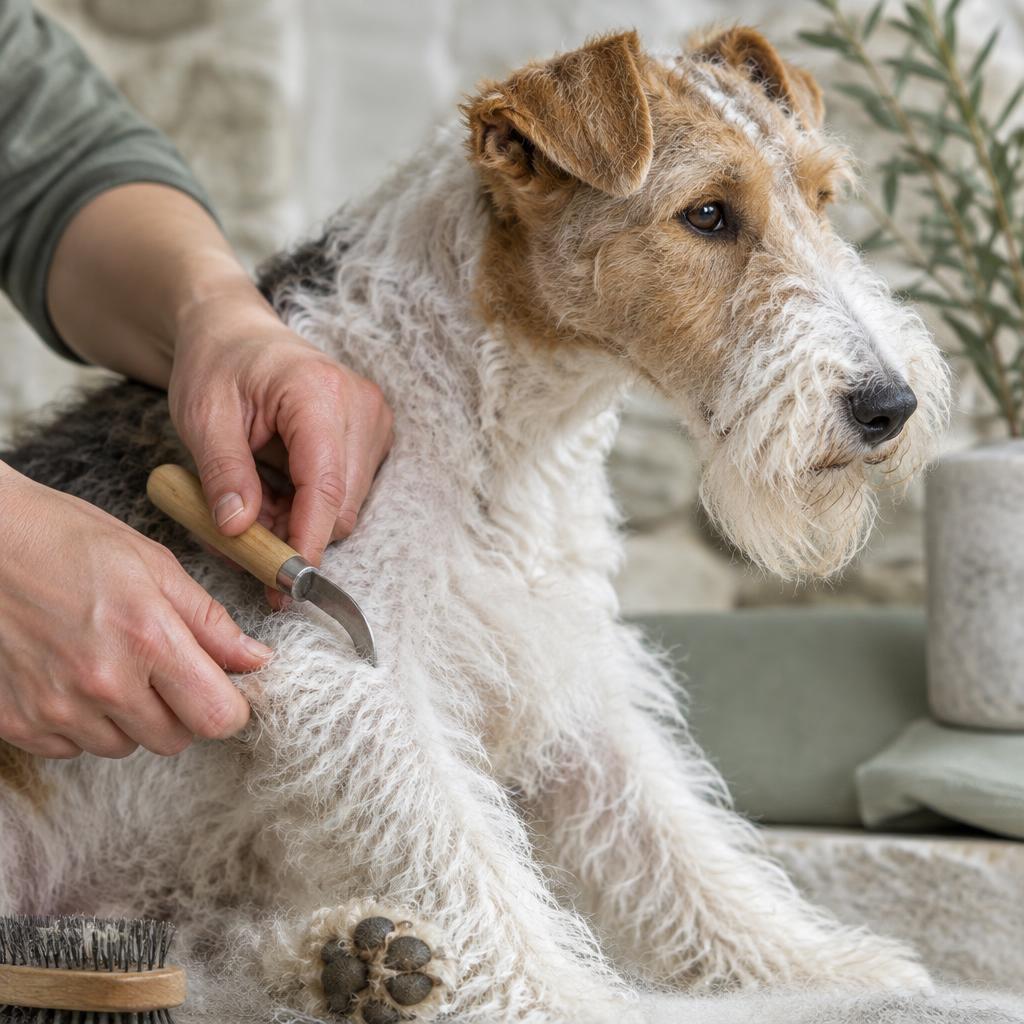
What you actually need
- Slicker brush
- Metal comb
- Stripping knife or stone
- Beard comb
Puppy to adult
| Age | Male | Female | What is happening |
|---|---|---|---|
| 8 weeks | 1.5 to 2 kg | 1.4 to 1.9 kg | Fearless and busy; start handling, name games and a toilet routine. |
| 3 months | 3 to 4 kg | 2.8 to 3.6 kg | Socialisation window; introduce dogs, visitors and town sounds. |
| 6 months | 5.5 to 7 kg | 5 to 6.5 kg | Adolescent terrier opinions arrive; keep training short and fun. |
| 9 months | 7 to 8.5 kg | 6.5 to 7.5 kg | Near adult height; first full coat may need its first strip. |
| 12 months | 8 to 9 kg | 7 to 8 kg | Adult size reached; beard and eyebrows well established. |
| 18 months | 8 to 9 kg | 7 to 8 kg | Fully grown and settled, though terrier mischief is lifelong. |
Ranges are typical, not targets. Judge condition by ribs and waist, and check with the ideal weight checker.
What to ask a breeder
- Have the parents been patella checked and eye tested?
- Is there any history of Legg-Calve-Perthes disease in the line?
- Are the parents steady with other dogs and children?
- Do you hand-strip, and can you show me how?
- What health testing results can I see for both parents?
Health tests to ask for
Ask to see results for both parents before you put down a deposit.
- Patella examination for both parents
- Eye examination by a veterinary ophthalmologist
- Ask about Legg-Calve-Perthes disease and cardiac history in the line
Health watch-list
What to ask a breeder about, and what to watch for over a lifetime. This is orientation, not veterinary advice, anything you notice belongs in front of a vet.
Legg-Calve-Perthes disease
OccasionalDegeneration of the hip joint in young small dogs; ask breeders about line history.
Patellar luxation
OccasionalSlipping kneecaps occur in the breed; ask about patella checks for both parents.
Eye conditions (cataracts, lens luxation)
OccasionalAnnual eye examinations are recommended for breeding dogs; report squinting or cloudiness promptly.
Deafness
UncommonCongenital deafness occurs in predominantly white breeds; breeders can BAER hearing test puppies.
Skin allergies
OccasionalSome lines itch; persistent scratching or ear trouble is worth a vet visit.
What it costs to keep one
Realistic running cost
€74 / month
About €888 a year, or roughly €12,432 across a 14-year life, before purchase price, neutering and one-off vet events.
Before the puppy arrives. Budget roughly €700 to 1400 for a crate, bed, lead and harness, bowls, puppy classes, first vaccinations and grooming kit sized for this breed. Figures throughout are indicative and vary a good deal between countries.
Interactive · built for this breed
Is a Wire Fox Terrier right for your home?
Seven honest questions about your space, time and household, checked against this breed's exercise need, coat, sociability and tolerance for time alone.
Fit with your routine
93%
A strong fit
Your routine suits a Wire Fox Terrier well. Meet adult dogs of the line before you commit.
What to sort out first
- Needs more daily exercise than you have pencilled in.
- Coat needs more brushing or trimming than you have allowed.
Compare more breeds in the matchmaker, or plan meals with the portion calculator.
The verdict, by household
Very good with older children who enjoy a playful, robust dog.
Workable for owners who research terrier temperament first.
One of the better small breeds; very low shedding.
Possible with daily exercise, but terrier barking needs early training.

When to call your vet
- Limping or skipping steps, especially in young dogs
- Cloudy eyes, redness or squinting
- Persistent scratching or skin irritation
- Changes in appetite, weight or energy
Nothing here is a diagnosis. A swollen, hard belly with retching, collapse, breathing difficulty and sudden hind-leg weakness are emergencies: go straight away.
Wire Fox Terrier vs the closest alternatives
| Breed | Weight | Energy | Grooming | € / month |
|---|---|---|---|---|
| Wire Fox Terrier | 7 to 9 kg | 8/10 | 6/10 | €74 |
| Siberian Husky | 16 to 27 kg | 9/10 | 5/10 | €119 |
| Airedale Terrier | 18 to 29 kg | 8/10 | 7/10 | €350 |
| Standard Schnauzer | 14 to 20 kg | 7/10 | 6/10 | €96 |
Wire Fox Terrier questions, answered
Do Wire Fox Terriers shed?
Very little. The wiry coat is one of the better choices for tidy homes, but it needs hand-stripping or clipping every six to eight weeks to stay in condition.
Are Wire Fox Terriers good with other dogs?
They can be scrappy and confident with other dogs, especially the same sex. Early, ongoing socialisation helps enormously, and many live happily with a well-matched companion.
How much exercise does a Wire Fox Terrier need?
An hour or more a day, mixing walks, off-lead games and sniffing. They are small but genuinely energetic, and a bored terrier finds its own hobbies.
Are Wire Fox Terriers easy to train?
They are very clever and learn fast, but they are independent and bore easily. Short, varied, reward-based sessions work far better than repetition.
Can a Wire Fox Terrier live with cats or small pets?
With cats they were raised alongside, often yes. Small furry pets such as rabbits and hamsters are generally not safe; the prey drive is the whole point of the breed.
How long do Wire Fox Terriers live?
Typically 12 to 15 years, and they stay playful well into old age. Choosing a health-testing breeder gives the best start.
Sources
Put it into practice
Reading that goes with this
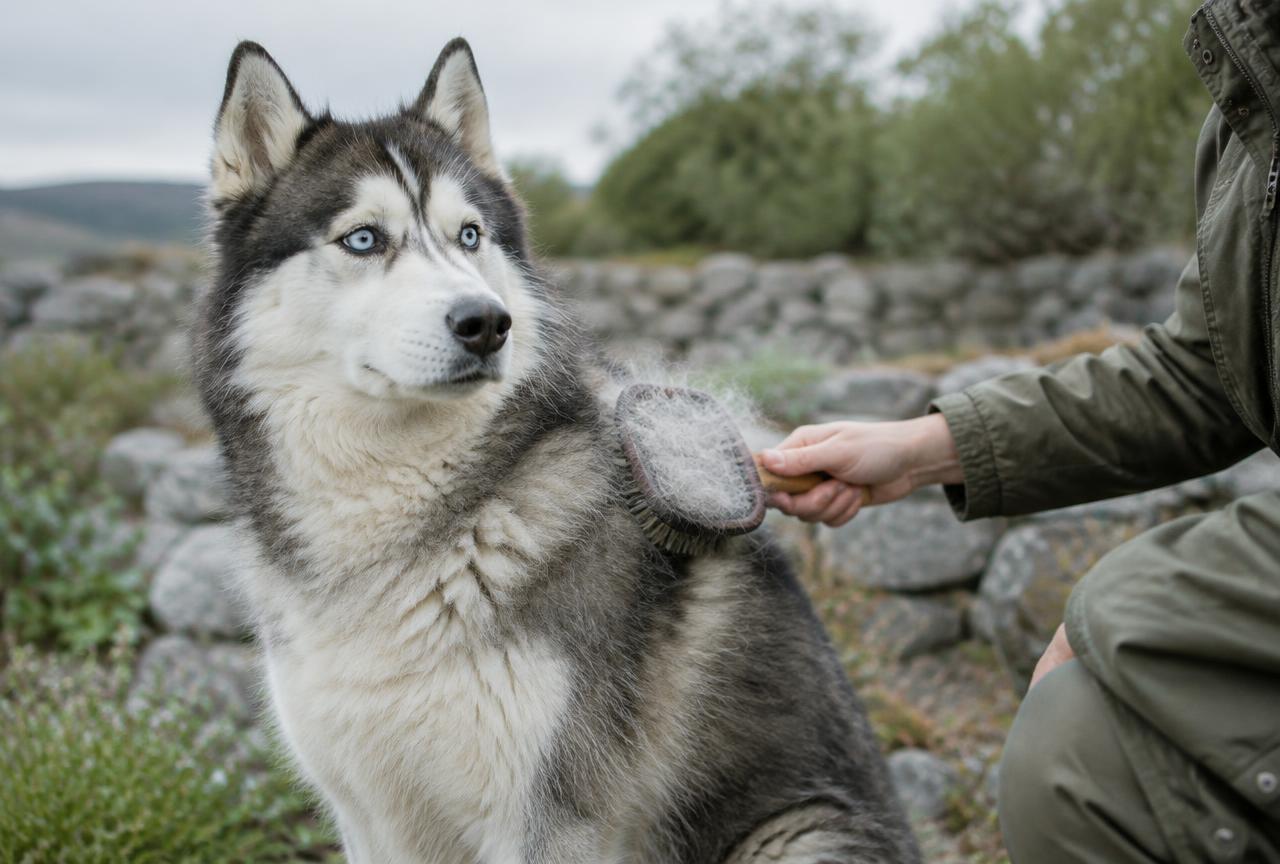
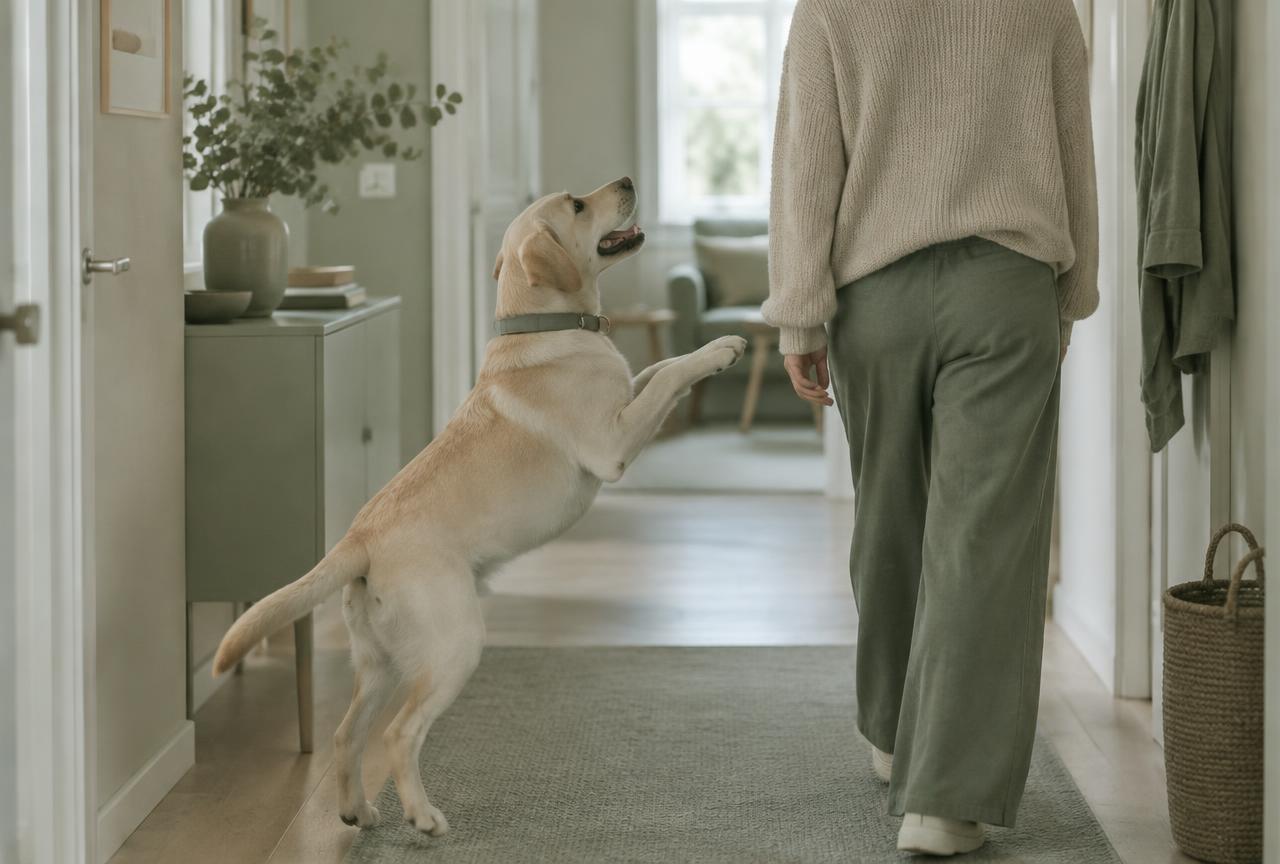


Breeds people compare with this
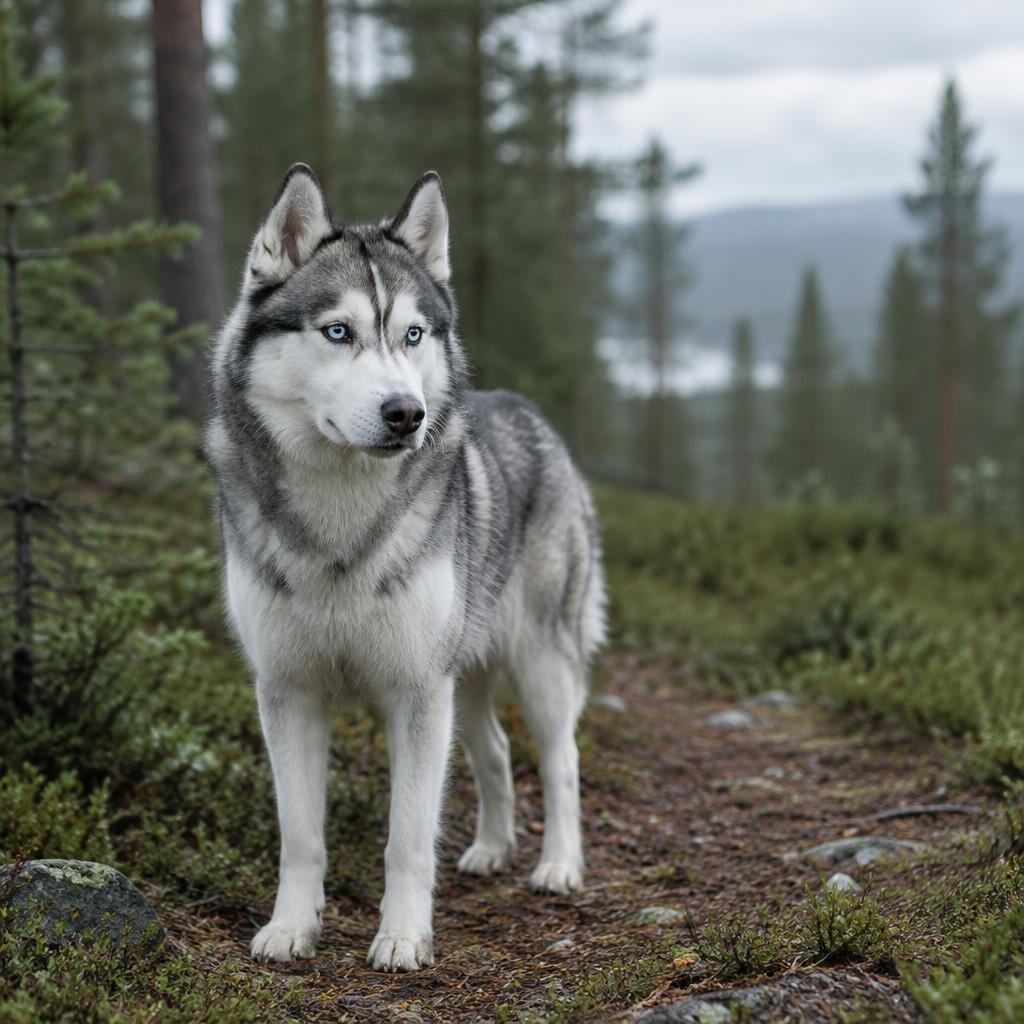
Siberian Husky
A striking, athletic sled dog built for distance running and ill suited to a quiet life in the garden.
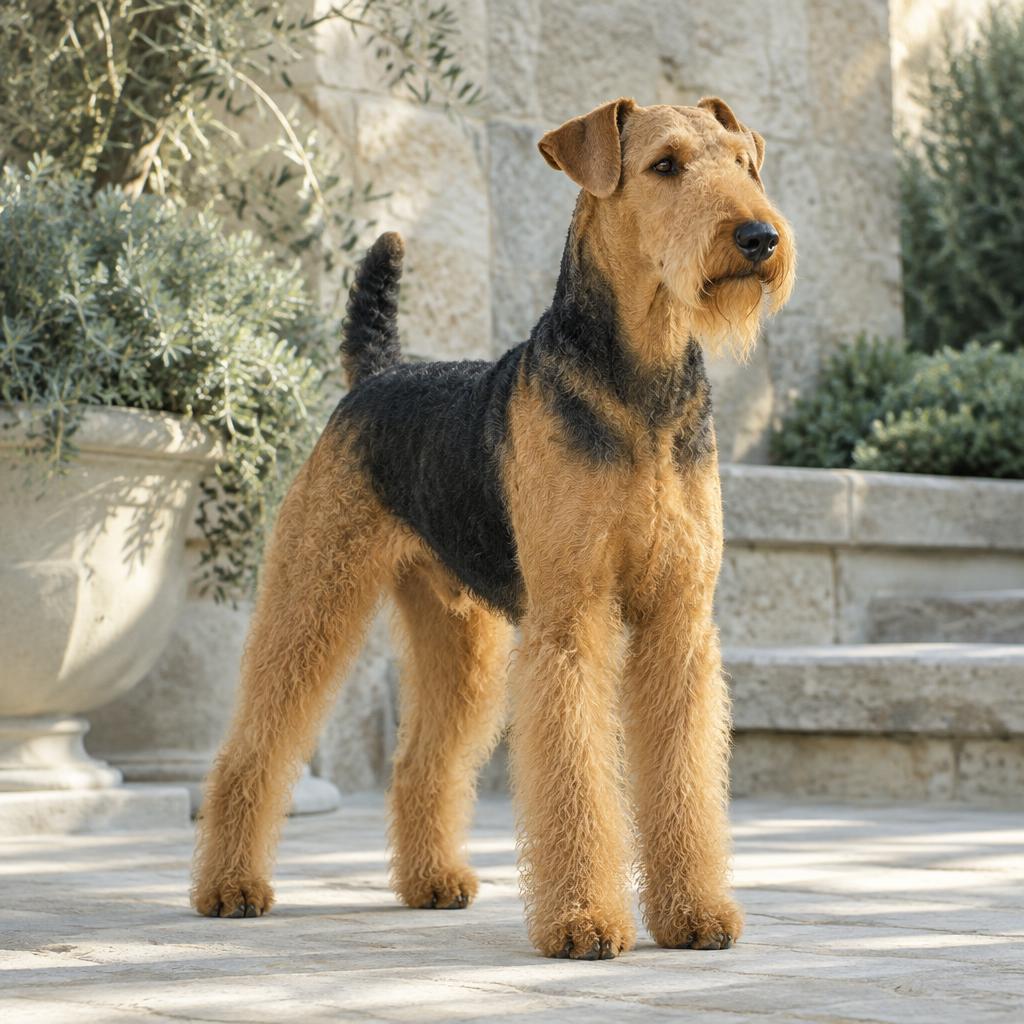
Airedale Terrier
The King of Terriers: a courageous, versatile and large-hearted companion with a mind of its own.
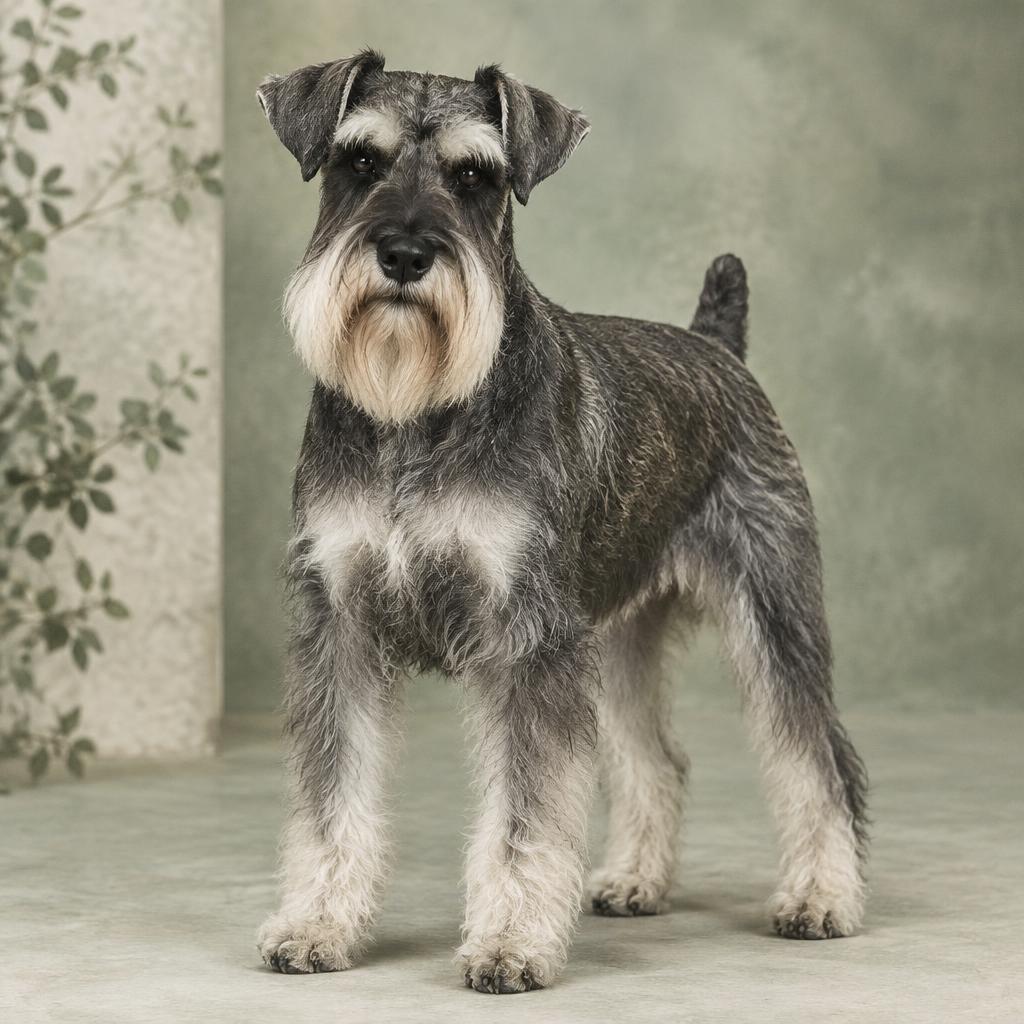
Standard Schnauzer
The original Schnauzer: bearded, bright and always on duty.