Terrier group
Developed in the 19th century in the Aire Valley of Yorkshire, England. It was bred by crossing the old English black and tan terrier with the Otterhound to create a versatile hunter capable of tackling both vermin on land and otters in the water. It later served with distinction as a messenger and guard dog in both World Wars.
Airedale Terrier
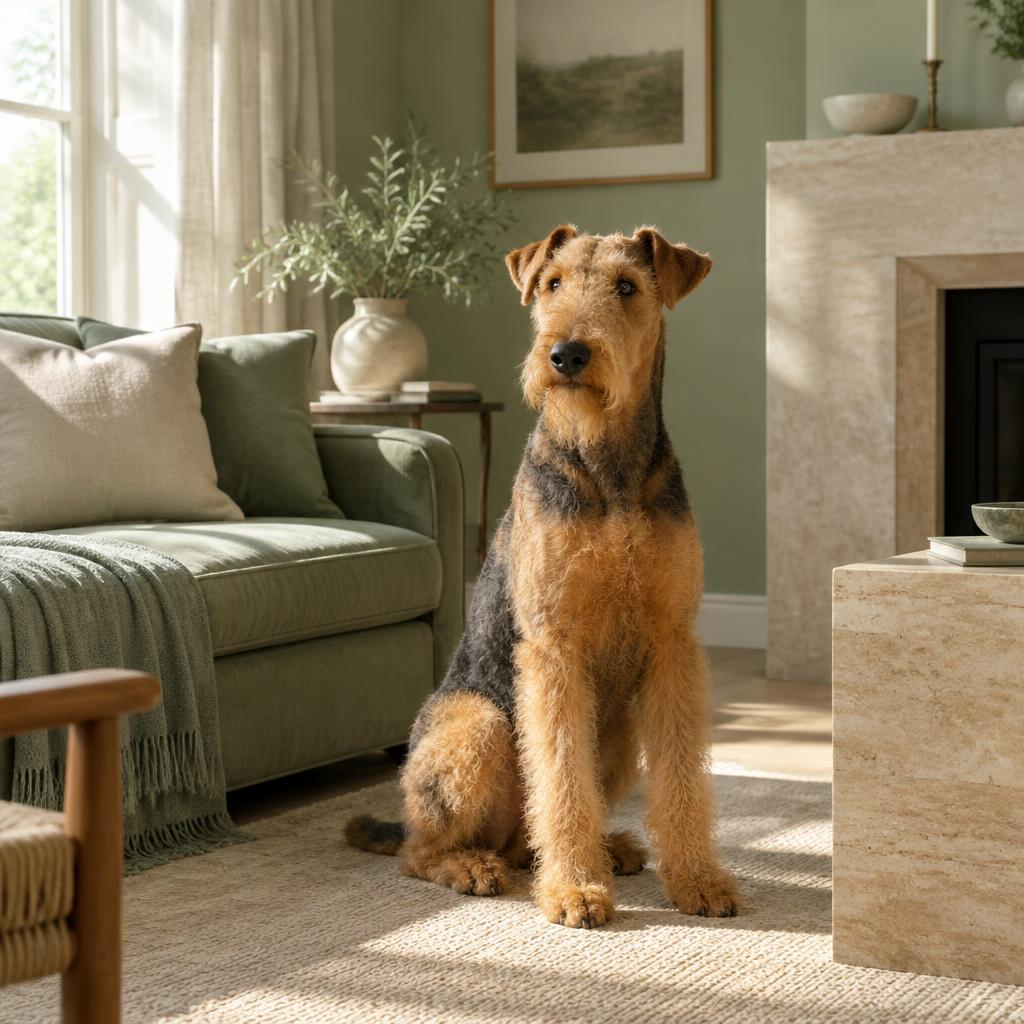
The Airedale Terrier is a bold, intelligent and large terrier that needs an active lifestyle and consistent training to thrive.
Reviewed by the SniffScroll editorial desk
The King of Terriers: a courageous, versatile and large-hearted companion with a mind of its own.
The short version
- The largest terrier breed, known for its intelligence, courage and distinctive wiry coat.
- Needs significant mental and physical exercise to prevent destructive boredom.
- Grooming requires either professional clipping or traditional hand-stripping to maintain coat health.
- Generally good with children but can be boisterous; high prey drive means care is needed with smaller pets.
- Health priorities include hip screening and awareness of the risks of bloat and hypothyroidism.
- Weight
- 18 to 29 kg
- Height
- 56 to 61 cm
- Lifespan
- 10 to 13 yrs
- Size
- Large
- Group
- Terrier
- Coat
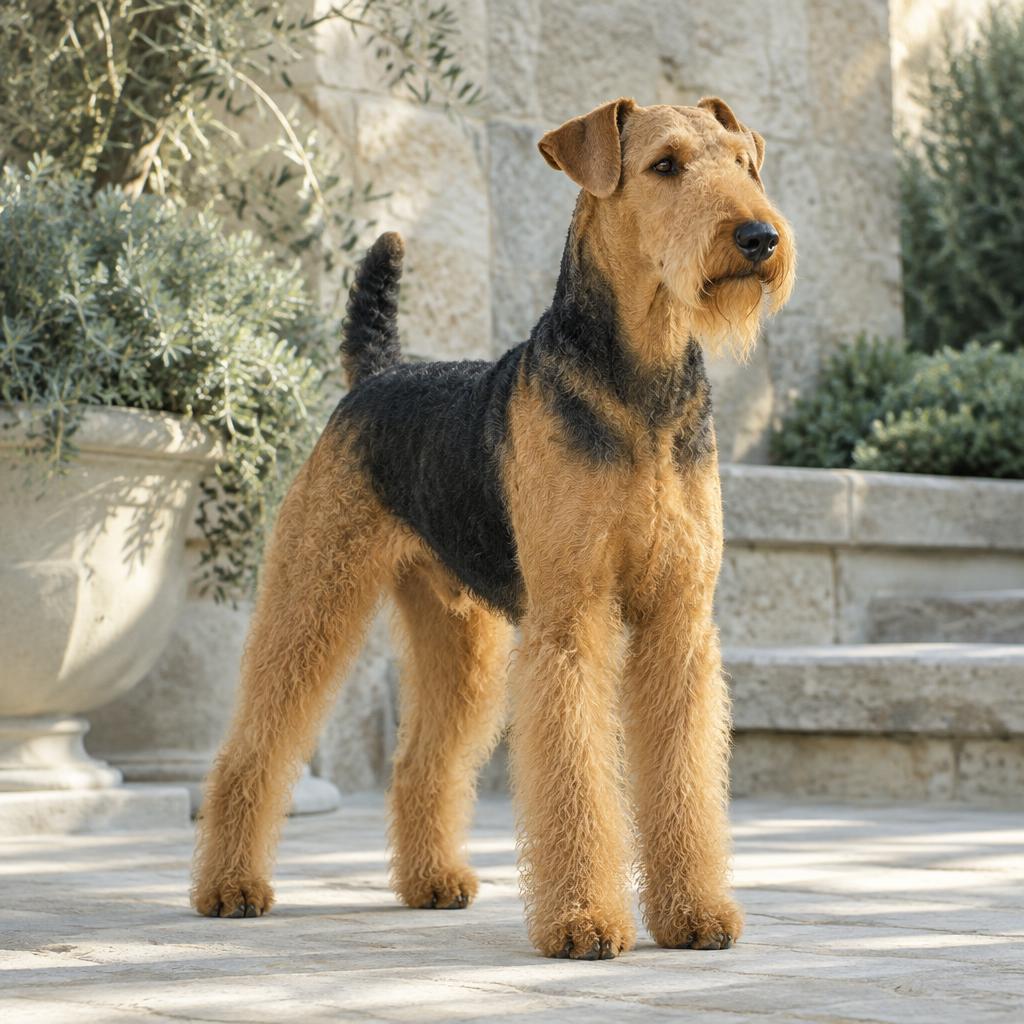
- Hard, wiry and dense topcoat with a soft undercoat; black and tan or dark grizzle and tan in colour.
- Grown male
- 23 to 29 kg
- Grown female
- 18 to 25 kg
- Years to full size
- about 1.5
- One-off setup
- €1200 to 2500
Get one if…
- Active families who enjoy hiking, running and outdoor adventures
- Owners with a large, securely fenced garden for play and exploration
- Individuals prepared for the commitment of hand-stripping or regular professional grooming
- Those looking for a versatile dog capable of excelling in various dog sports
- Experienced owners who appreciate and can manage an independent terrier mind
Think again if…
- Flat or apartment dwellers without access to significant outdoor space
- Sedentary households looking for a quiet lap dog
- First-time owners who may struggle with terrier stubbornness and high energy
- Homes where the dog will be left alone for long periods without stimulation
- Owners wanting a low-maintenance coat that requires no professional attention
Trait profile
The Airedale combines the tenacity of a terrier with the size and strength of a working dog, requiring both mental and physical outlets.
Space & setup. A large breed with high energy; a house with a medium to large secure garden is strongly recommended. They are too boisterous for confined apartment living without extreme dedication to exercise.
Allergies. Airedales are often considered better for allergy sufferers because their wiry coat traps dander, but they are not hypoallergenic; regular grooming is essential to keep allergens at bay.
Living with a Airedale Terrier
The Airedale Terrier is the largest of all terriers, known for its wiry coat, distinctive beard and energetic personality. Intelligent and independent, it was originally bred for hunting and working, making it a robust companion for active families who can handle its spirited nature and need for a job.
The Airedale Terrier stands as the undisputed King of Terriers, a title earned through its stature as the largest of the terrier breeds and its versatile history as a hunter, messenger and guardian. Developed in the Aire Valley of Yorkshire to hunt otters and rats, the breed is a robust, courageous and deeply intelligent companion that offers a different experience to the smaller, more common terrier types. For the right owner, the airedale terrier is a magnificent partner, but it is not a dog for the faint-hearted or the sedentary.
When considering the airedale terrier temperament, one must account for a unique blend of high energy and independent thinking. Unlike many working breeds that look to their handler for every instruction, the Airedale was bred to work at a distance, making its own decisions. This manifests in the modern home as a certain level of stubbornness: the Airedale understands the command perfectly well, but it may decide that its current occupation, such as investigating a scent in the garden, is more pressing. They possess a famous sense of humour and a penchant for mischief that requires a patient, consistent handler who can lead with firm but fair boundaries.
Prospective owners often ask: are airedales good family dogs? The answer is generally yes, provided the family is active and understands the breed's size and strength. Airedales are typically patient and protective with children, often acting as a watchful guardian. However, their sheer size and boisterous energy mean they can accidentally knock over small toddlers during play. They thrive best in a household where they are treated as a central part of the family, participating in hikes, runs and games. Without enough mental and physical stimulation, an Airedale will invent its own entertainment, which often involves digging, chewing or reorganising the garden.
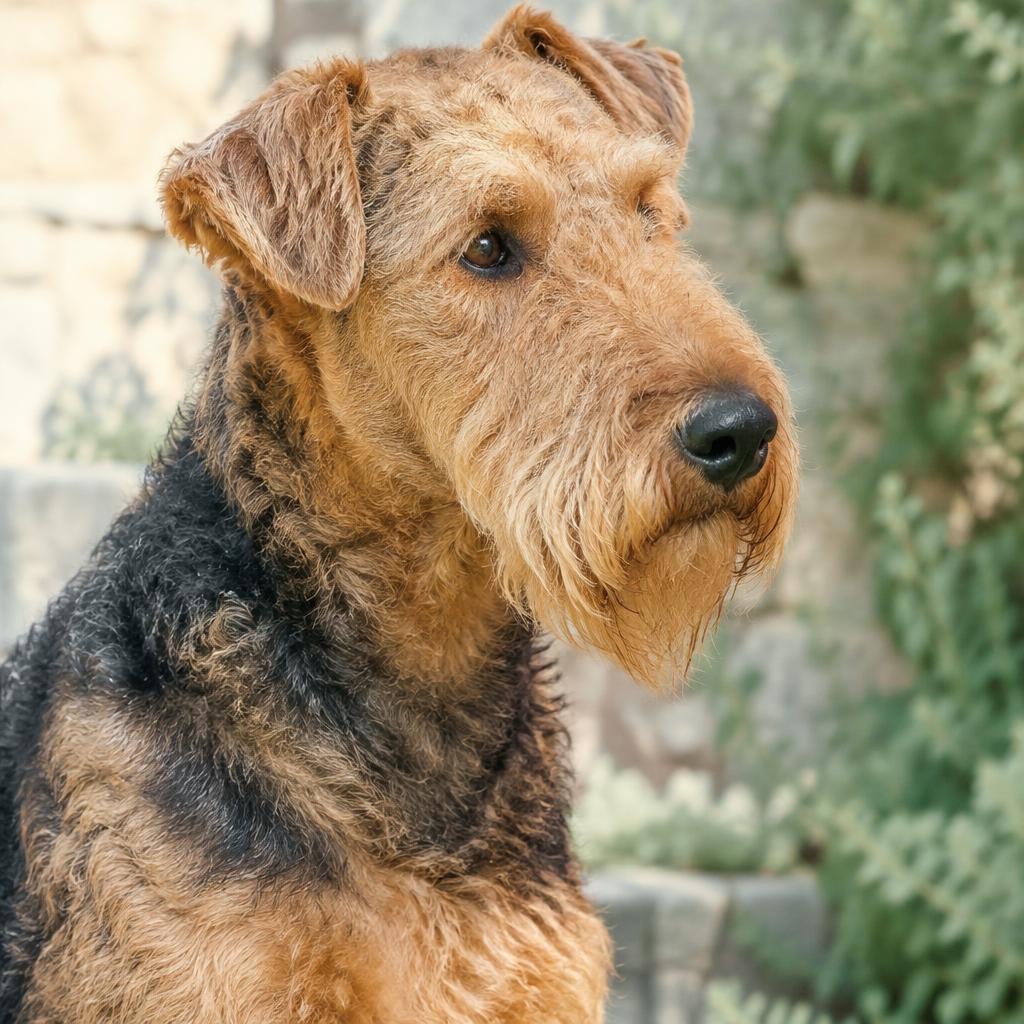
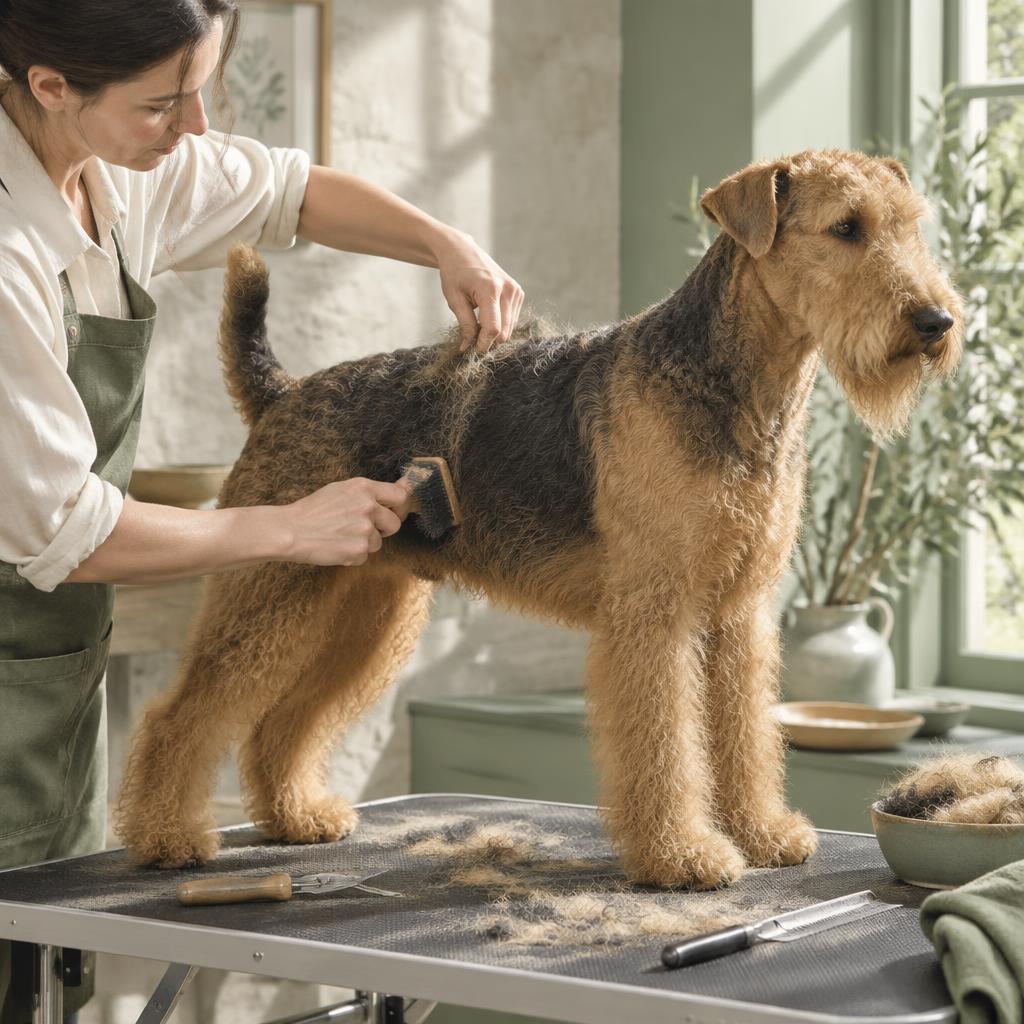
The question of do airedales shed is a common one for those attracted to their wiry appearance. The Airedale has a double coat: a hard, wiry topcoat and a soft undercoat. While they are often described as low shedding, this is only true if the coat is correctly maintained. Dead hair stays trapped in the coat rather than falling onto the carpet, but it must be removed to allow new growth. Owners generally choose between two paths for airedale terrier grooming. Show dogs and those whose owners prefer the traditional look are hand-stripped, a process of pulling out dead hair by hand to maintain the coat's harsh texture and rich tan and black colour. Pet owners often opt for professional clipping every eight to twelve weeks, which is easier but results in a softer, paler coat that may lose some of its weather resistance.
Training an Airedale requires a strategic approach. They are highly intelligent but bore easily with repetitive drills. If you ask an Airedale to sit ten times in a row, by the fourth or fifth time, it will likely look for something more interesting to do. Incorporating variety, play and positive reinforcement is essential. Because of their history as hunters, they have a high prey drive: they will chase squirrels, rabbits and even smaller animals if given the chance. Secure fencing and a reliable recall are non-negotiable, though even the best-trained Airedale may succumb to its instincts when a rabbit bolts across its path.
In terms of airedale terrier health problems, the breed is generally robust but does have specific vulnerabilities that every owner should monitor. As a large breed with a deep chest, they are at risk for gastric dilatation-volvulus, commonly known as bloat. This is a life-threatening emergency where the stomach twists, requiring immediate veterinary intervention. Hip dysplasia is another concern, where the hip joint does not fit together perfectly, leading to arthritis over time. Responsible breeders will provide hip scores for the parents to mitigate this risk. Hypothyroidism, where the thyroid gland is underactive, can lead to lethargy and weight gain but is usually manageable with daily medication.
Skin allergies are also notable in the breed, often manifesting as persistent itching or ear infections. These can be triggered by environmental factors or diet and may require veterinary management to keep the dog comfortable. Umbilical hernias are sometimes seen in puppies, often requiring a simple surgical fix during neutering. Regular veterinary check-ups and a high-quality diet are the foundations of a healthy Airedale life.
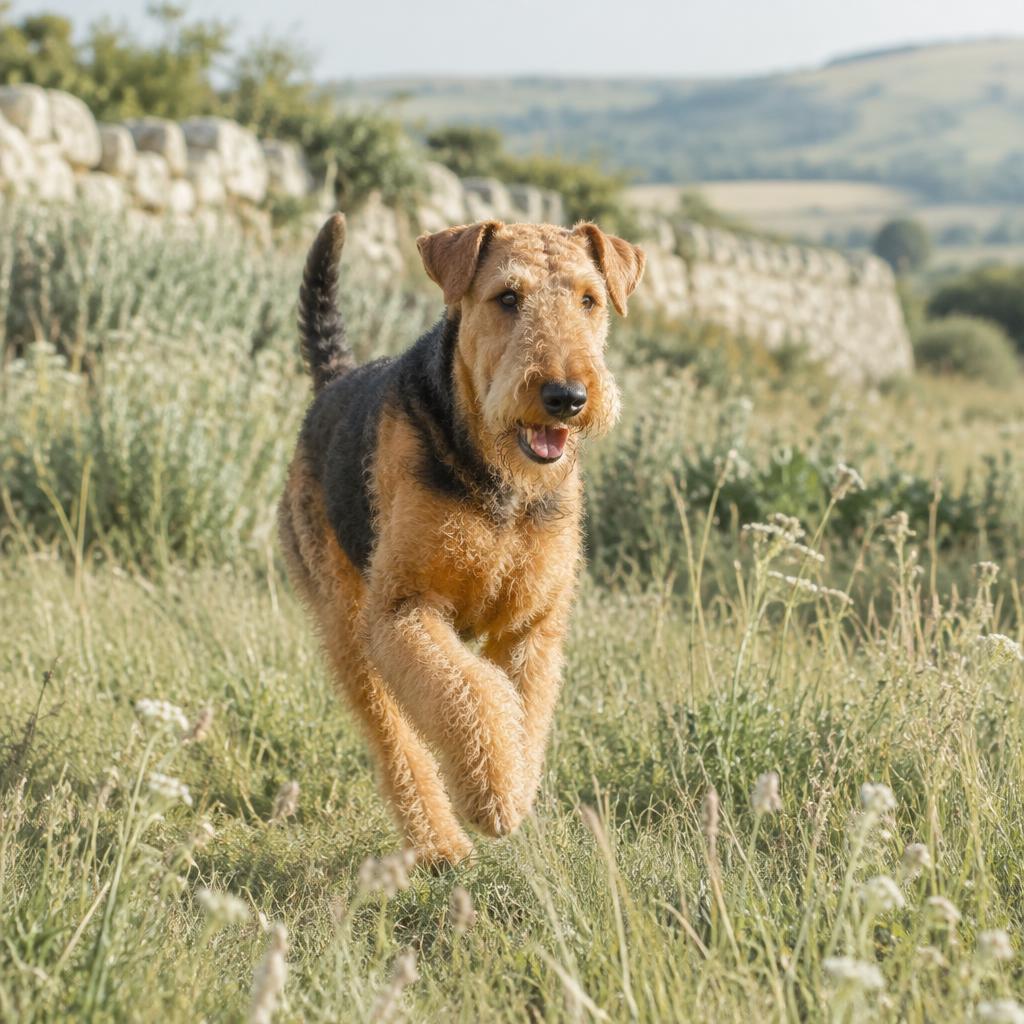
Ultimately, the Airedale Terrier thrives when it has a job to do. Whether that job is agility, obedience, tracking or simply being a dedicated hiking companion, they need to engage their brains. They are not suited to flat living unless the owner is exceptionally dedicated to providing hours of outdoor activity daily. For an active family with a garden and the time to invest in training and grooming, the King of Terriers is a loyal, brave and endlessly entertaining addition to the home. They are a breed that gives back exactly what you put in: invest in their development, and you will have a companion like no other.
A brave and versatile terrier that thrives on activity and mental challenges. Its large size and independent streak require a committed owner, but its loyalty and humour make it a truly unique companion.
Exercise, day to day
- 1Adults need at least 60 to 90 minutes of vigorous exercise daily, including brisk walks and off-lead runs in secure areas.
- 2Mental stimulation is just as important: incorporate scent work, hide-and-seek or advanced obedience training.
- 3Puppies should follow the five-minute rule: five minutes of formal exercise per month of age, twice daily, to protect growing joints.
- 4Airedales enjoy swimming and hiking, making them excellent companions for varied outdoor hobbies.
- 5Interactive play, such as tug-of-war or fetch, helps burn energy and strengthens the bond with the owner.
Grooming, realistically
- 1Brush at least twice a week with a slicker brush and metal comb to remove loose hair and prevent mats.
- 2Professional grooming every 8 to 12 weeks for clipping, or more frequent sessions for hand-stripping.
- 3Clean and trim the beard regularly to prevent food build-up and staining.
- 4Check and clean ears weekly, as the folded ears can trap moisture and debris.
- 5Clip nails every 3 to 4 weeks and brush teeth daily to maintain overall health.
What you actually need
- Slicker brush
- Metal greyhound comb
- Stripping knife (if hand-stripping)
- Dog-safe beard wash
- Ear cleaning solution
- Heavy-duty nail clippers
Puppy to adult
| Age | Male | Female | What is happening |
|---|---|---|---|
| 8 weeks | 5 to 7 kg | 4 to 6 kg | Rapid early growth; begin socialisation and basic boundaries immediately. |
| 3 months | 9 to 12 kg | 8 to 11 kg | Energy levels increase; ensure play remains focused and not overly boisterous. |
| 6 months | 16 to 20 kg | 14 to 18 kg | Reaching adolescent height; mental stimulation is crucial to manage testing behaviour. |
| 9 months | 20 to 25 kg | 18 to 22 kg | Approaching adult weight; maintain consistent training as they test their independence. |
| 12 months | 23 to 27 kg | 20 to 24 kg | Most physical growth is complete, but they will continue to fill out and mature mentally. |
| 2 years | 25 to 29 kg | 22 to 26 kg | Fully mature adult weight and muscle tone reached; energy levels remain high. |
Ranges are typical, not targets. Judge condition by ribs and waist, and check with the ideal weight checker.
What to ask a breeder
- Can you provide official hip scores for both parents from the BVA or OFA?
- Have the parents been screened for hypothyroidism and eye conditions?
- How do you socialise your puppies to prepare them for busy family homes?
- What is the temperament of the mother, and can I meet her?
- Do you have a history of skin allergies or bloat in your breeding lines?
Health tests to ask for
Ask to see results for both parents before you put down a deposit.
- BVA/KC Hip Dysplasia Scheme (Hip scores)
- Annual eye examination to check for inherited conditions
- Thyroid profile testing, especially if lethargy or weight changes occur
- Cardiac evaluation in breeding dogs to ensure heart health
- Physical examination for umbilical hernias in puppies
Health watch-list
What to ask a breeder about, and what to watch for over a lifetime. This is orientation, not veterinary advice, anything you notice belongs in front of a vet.
Hip dysplasia
CommonA common large-breed issue where the hip joint is malformed; hip scoring for parents is essential.
Gastric dilatation-volvulus (Bloat)
NotableA life-threatening condition where the stomach twists; feed smaller meals and avoid exercise near feeding times.
Hypothyroidism
NotableAn underactive thyroid affecting metabolism; usually manageable with daily medication and regular blood tests.
Skin allergies
CommonOften manifests as itching or ear infections; may require dietary changes or environmental management.
Umbilical hernia
UncommonA small protrusion at the belly button seen in puppies; often corrected during routine neutering surgery.
Eye conditions
RareOccasional reports of cataracts or other inherited eye issues; annual exams are a wise precaution.
What it costs to keep one
Realistic running cost
€350 / month
About €4,200 a year, or roughly €50,400 across a 12-year life, before purchase price, neutering and one-off vet events.
Before the puppy arrives. Budget roughly €1200 to 2500 for a crate, bed, lead and harness, bowls, puppy classes, first vaccinations and grooming kit sized for this breed. Figures throughout are indicative and vary a good deal between countries.
Interactive · built for this breed
Is a Airedale Terrier right for your home?
Seven honest questions about your space, time and household, checked against this breed's exercise need, coat, sociability and tolerance for time alone.
Fit with your routine
92%
A strong fit
Your routine suits a Airedale Terrier well. Meet adult dogs of the line before you commit.
What to sort out first
- Needs more daily exercise than you have pencilled in.
- Coat needs more brushing or trimming than you have allowed.
Compare more breeds in the matchmaker, or plan meals with the portion calculator.
The verdict, by household
Challenging
Their intelligence and independent streak can be challenging; they require a confident, patient handler.
Good
Protective and patient with kids, but their size and energy mean supervision is vital with younger children.
Excellent
An ideal partner for hiking, running and outdoor sports; they have the stamina to keep up with any adventure.
Poor
Generally not recommended; they are too large and energetic for small spaces and can be vocal when bored.
When to call your vet
- Sudden abdominal swelling, pacing or unproductive retching (potential bloat)
- Limping or stiffness in the hindquarters, especially after rest
- Excessive scratching, hair loss or red, inflamed skin
- Lethargy, weight gain or changes in coat quality (potential thyroid issues)
- A noticeable lump or swelling in the umbilical area of puppies
Nothing here is a diagnosis. A swollen, hard belly with retching, collapse, breathing difficulty and sudden hind-leg weakness are emergencies: go straight away.
Airedale Terrier vs the closest alternatives
| Breed | Weight | Energy | Grooming | € / month |
|---|---|---|---|---|
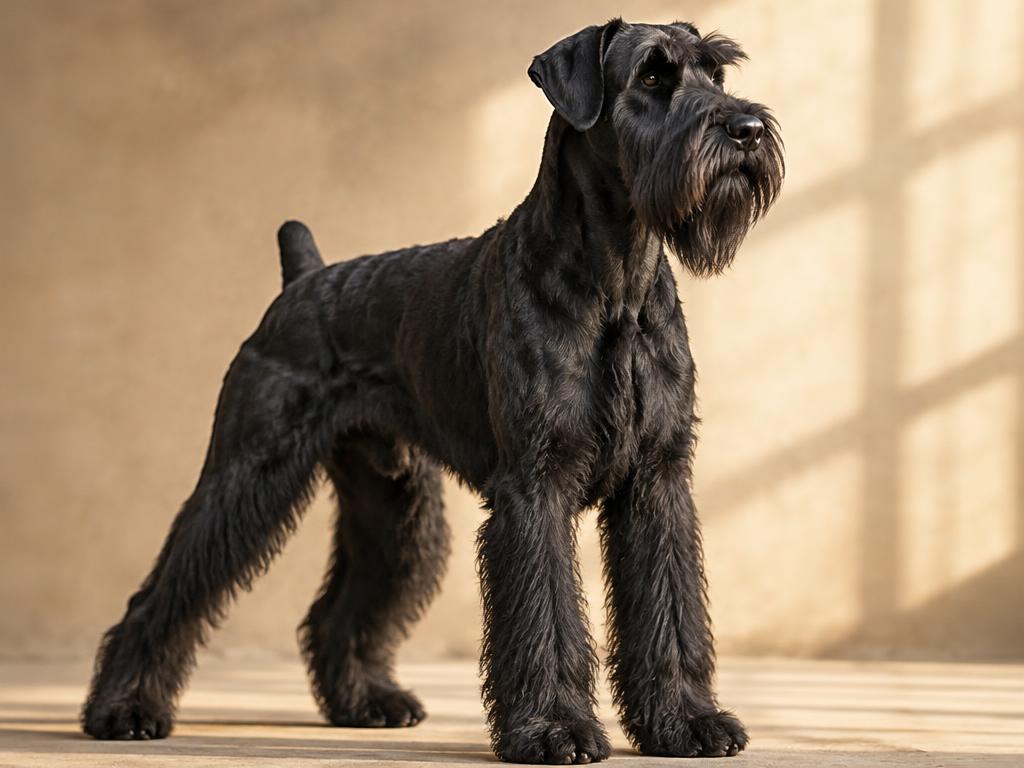
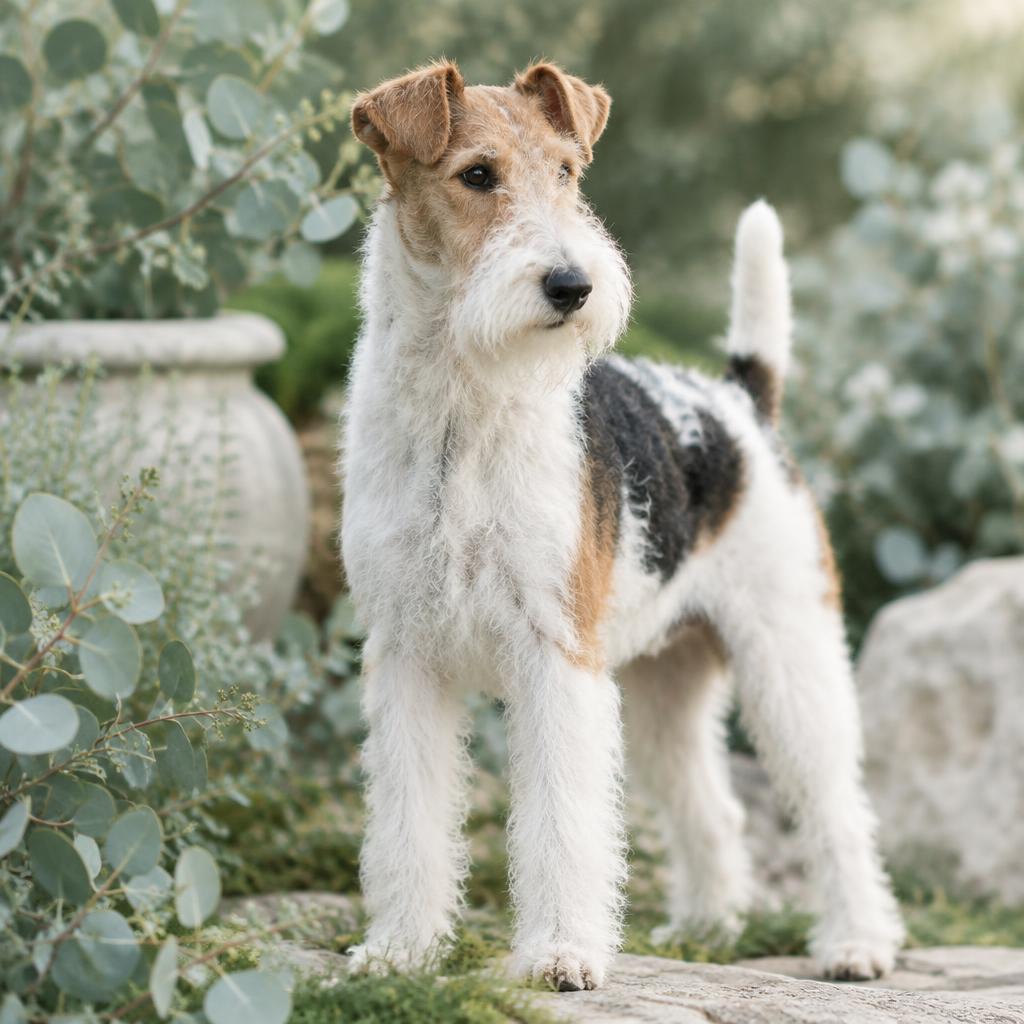
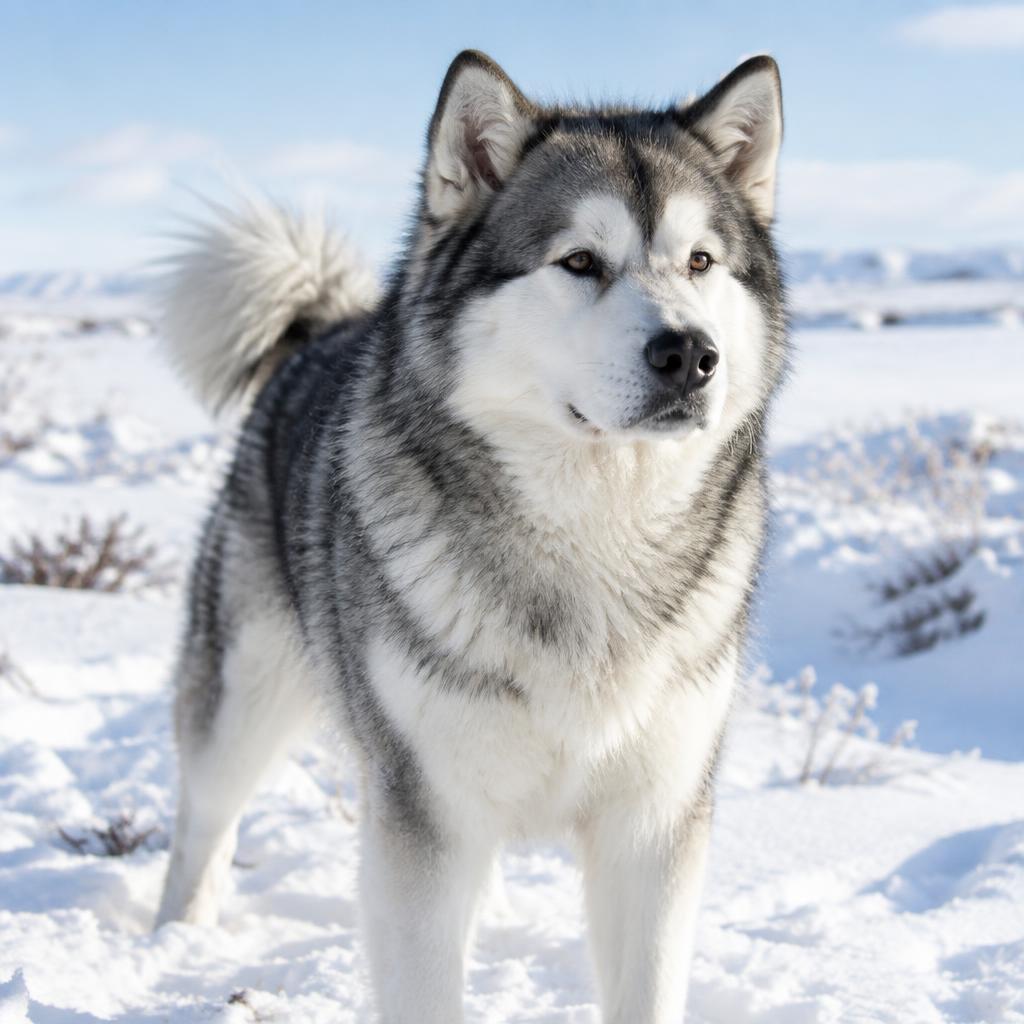
| Airedale Terrier | 18 to 29 kg | 8/10 | 7/10 | €350 |
| Giant Schnauzer | 25 to 48 kg | 8/10 | 8/10 | €271 |
| Wire Fox Terrier | 7 to 9 kg | 8/10 | 6/10 | €74 |
| Alaskan Malamute | 34 to 43 kg | 8/10 | 7/10 | €139 |
Airedale Terrier questions, answered
Do Airedale Terriers shed?
They are low shedding compared to many breeds because their wiry coat traps loose hair, but they still require regular brushing and professional grooming to remove dead hair.
Are Airedales good with other dogs?
They can be selective. While many are social, their terrier heritage can make them dominant or reactive, so early socialisation and supervision are key.
How much exercise does an Airedale Terrier need?
They are high-energy dogs needing at least 90 minutes of physical activity daily, combined with mental challenges to keep them settled at home.
Are Airedales difficult to train?
They are highly intelligent but independent. They learn quickly but may choose not to obey if they are bored, requiring varied and engaging training methods.
Are Airedale Terriers hypoallergenic?
No dog is truly hypoallergenic. Airedales are often better for some allergy sufferers due to their coat type, but individual reactions vary significantly.
Can Airedales live in an apartment?
It is not recommended. Their size and high energy levels make them much better suited to a house with a secure garden.
What is the 'King of Terriers' nickname about?
It refers to the Airedale being the largest of all terrier breeds and its history as a multi-talented working dog.