Working group
United States (Alaska)
Alaskan Malamute
The Alaskan Malamute is a powerful, affectionate Arctic freight dog built to pull, needing serious daily exercise, secure fencing and realistic coat care.
Reviewed against Kennel Club and breed club health guidance
A powerful, affectionate Arctic freight dog bred to pull, that needs serious daily outlets for its strength and stamina.
The short version
- Malamutes were bred to pull heavy freight and are happiest with structured pulling activities.
- They are generally sociable with people and other dogs, but have a strong prey drive towards smaller animals.
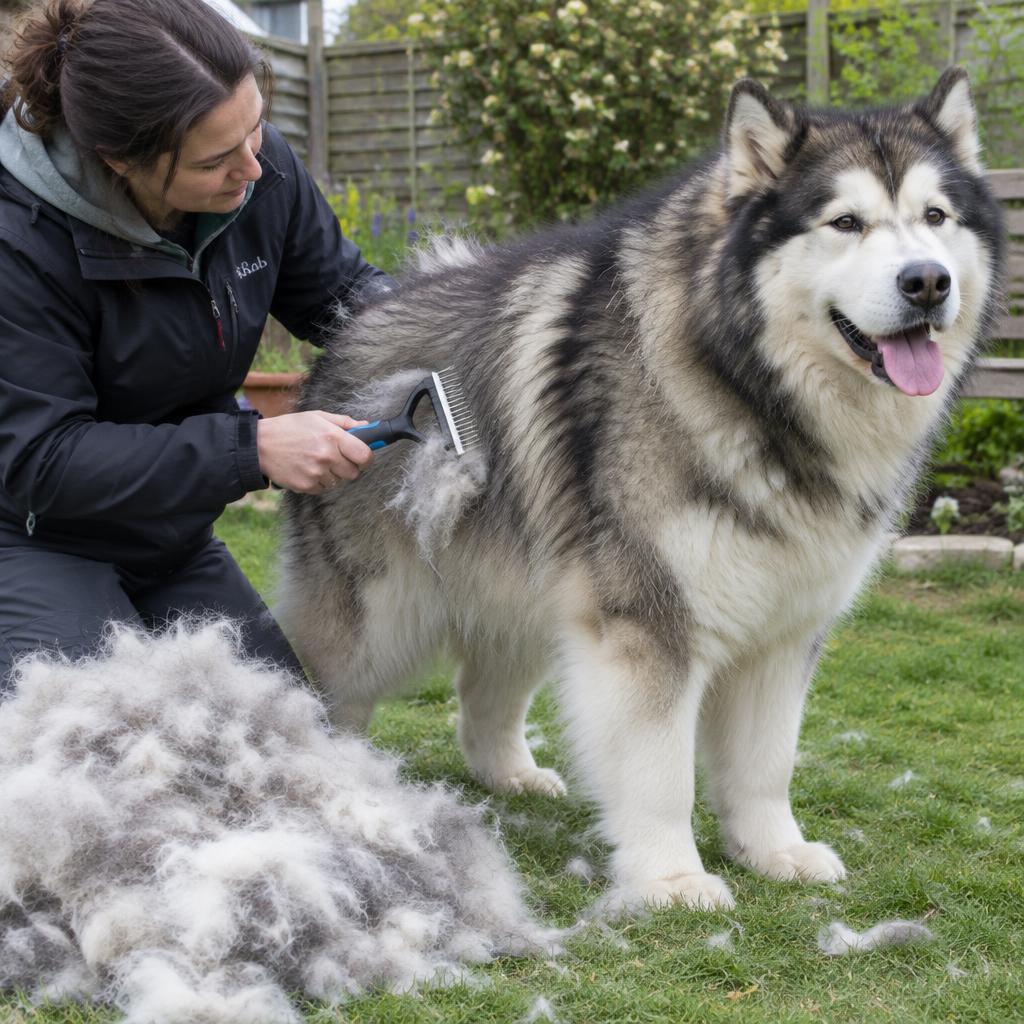
- The thick double coat blows heavily twice a year and sheds consistently the rest of the time.
- Inherited polyneuropathy and chondrodysplasia DNA tests should be checked in any breeding stock.
- This breed is a determined escape artist and needs genuinely secure garden fencing.
- Weight
- 34 to 43 kg
- Height
- 58 to 66 cm
- Lifespan
- 10 to 12 yrs
- Size
- Large
- Group
- Working
- Coat
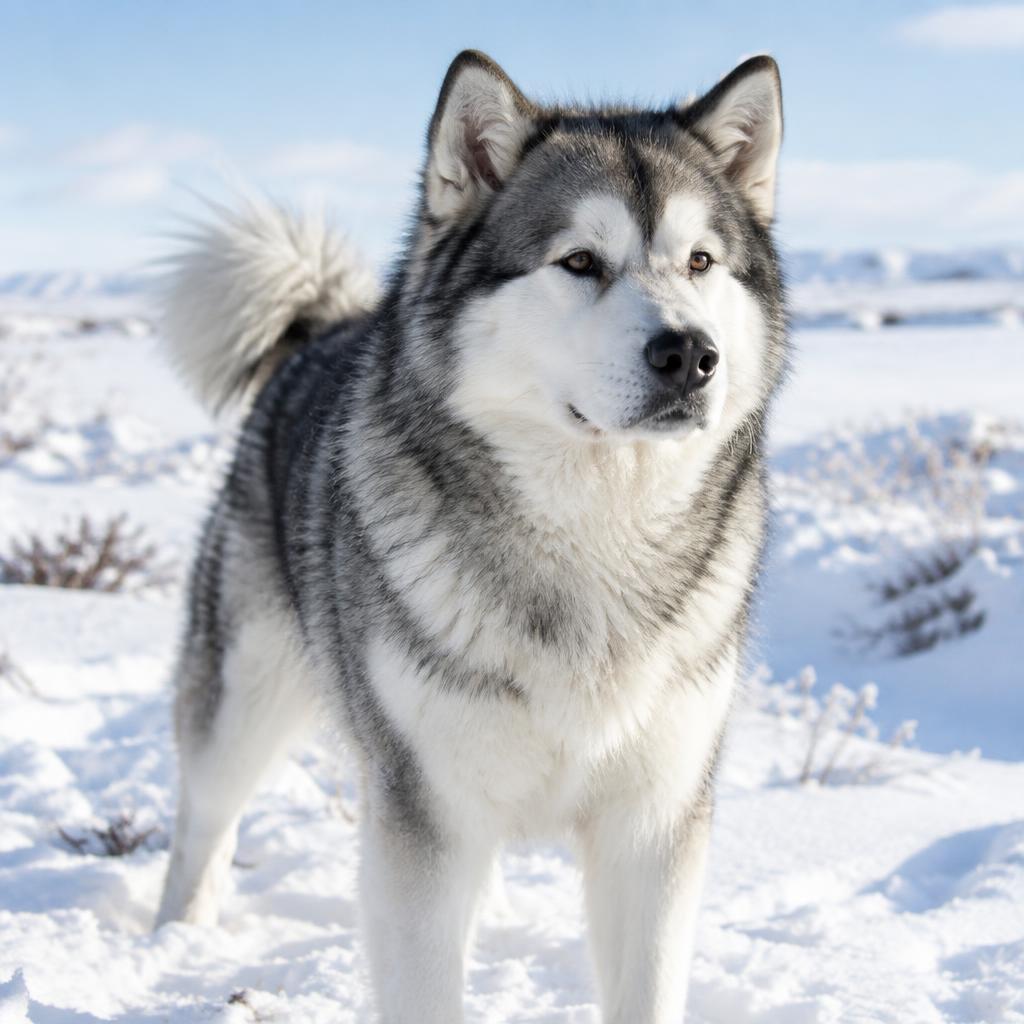
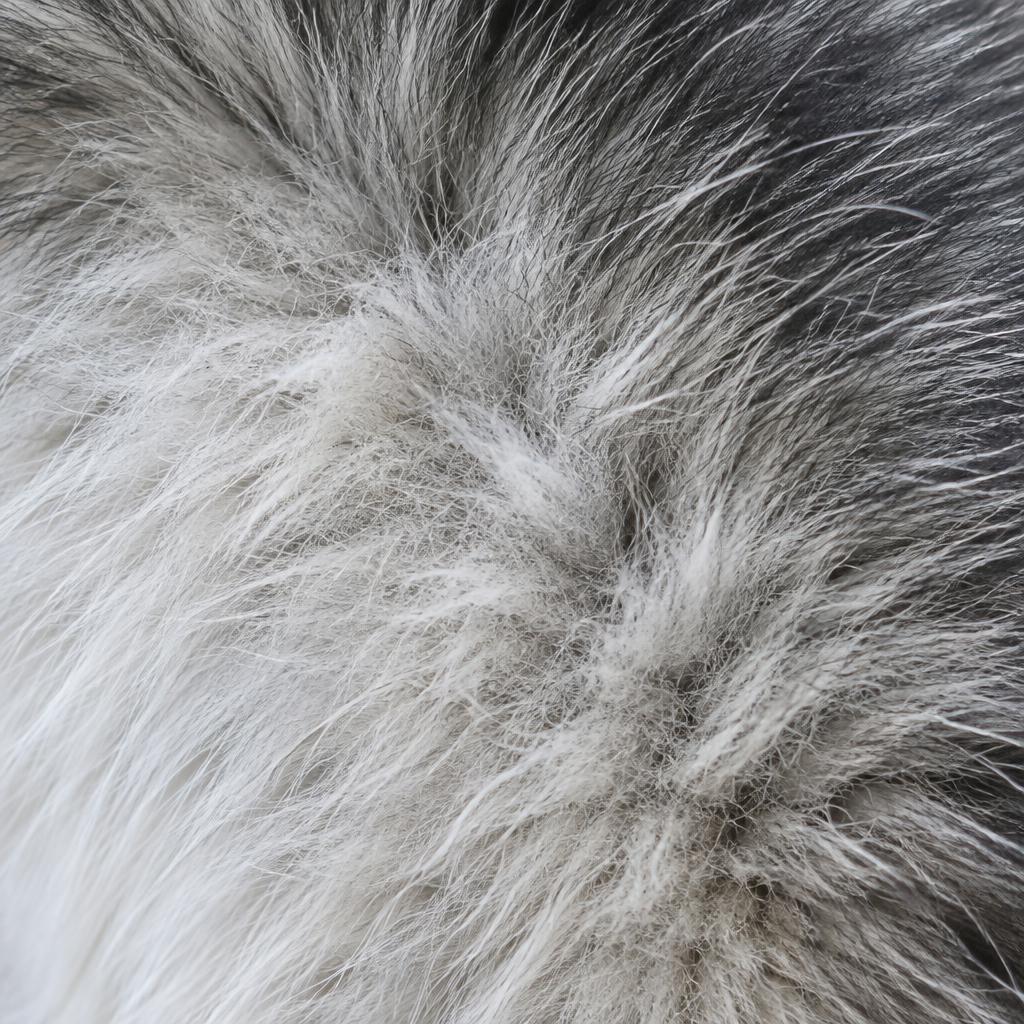
- Thick double coat in grey and white, black and white, red and white or sable
- Grown male
- 38 to 43 kg
- Grown female
- 34 to 38 kg
- Years to full size
- about 2
- One-off setup
- €600 to 1200
Get one if…
- Active owners able to provide over an hour of exercise daily
- Households with secure, genuinely robust garden fencing
- Families with children wanting a good-natured, sociable dog
- Owners interested in structured pulling activities such as canicross or mushing
- People able to tolerate howling and vocal communication
Think again if…
- Sedentary owners or anyone wanting a low-exercise companion
- Flats or homes without secure outdoor space
- Households with cats or small pets, given a strong prey drive
- Owners wanting a traditional guard dog that barks at strangers
- Warm climates with limited shade and cooling options
Trait profile
The Alaskan Malamute combines high energy and strength with a sociable, affectionate nature, so structured exercise such as pulling activities matters more than simple walks alone.
Space & setup. A house with a large, securely fenced garden is essential, since the Malamute is a powerful escape artist and needs considerable daily exercise beyond what a small garden alone can provide.
Allergies. The thick double coat sheds heavily during twice-yearly coat blows and consistently year round, making the Malamute unsuitable for households with significant allergy concerns.
Living with a Alaskan Malamute
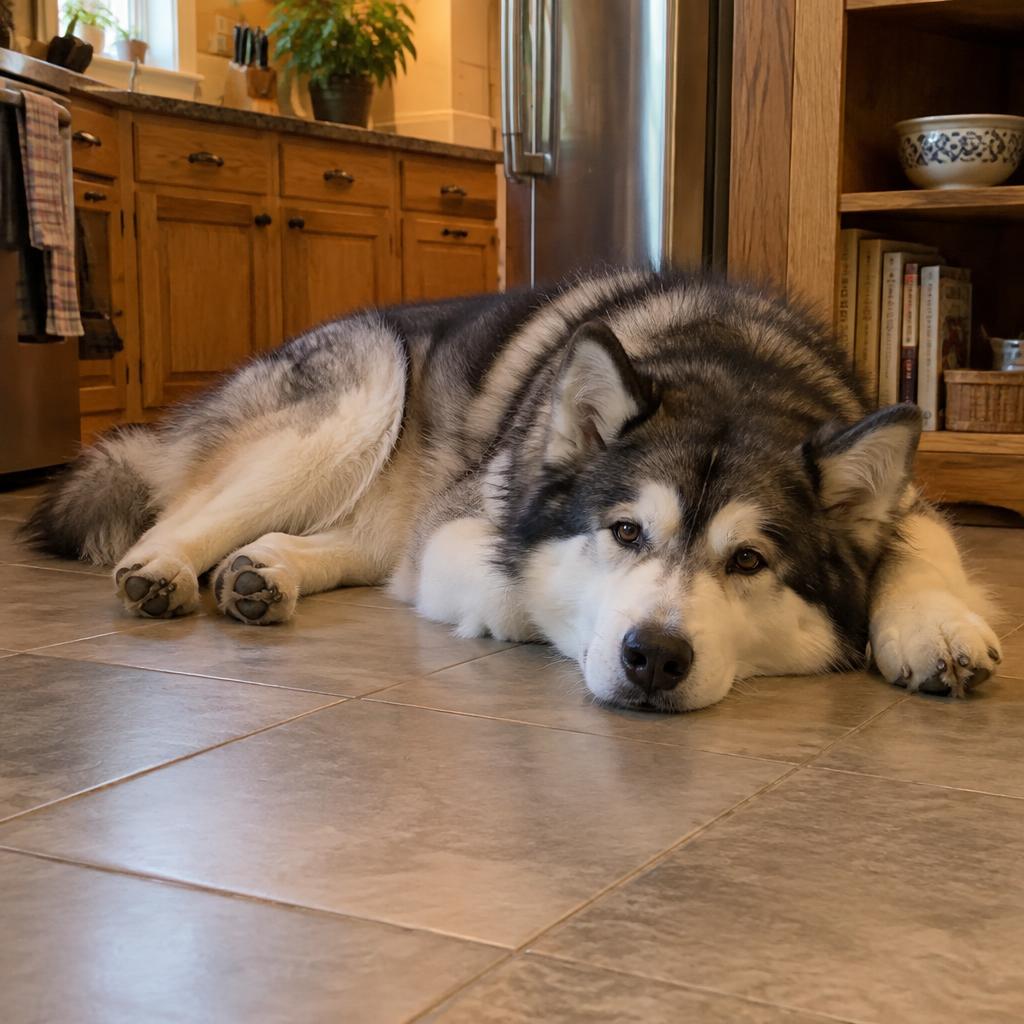
The Alaskan Malamute is a large, powerfully built Arctic breed developed by the Mahlemut people of Alaska to haul heavy freight over long distances. It is affectionate, sociable with people and dogs, and physically capable of real work, but its strength, prey drive and talent for escape mean it needs an owner ready to provide serious daily exercise and secure boundaries.
The Alaskan Malamute takes its name from the Mahlemut, an Inupiaq people of the upper Kobuk River region in northwest Alaska, who developed the breed over centuries to haul heavy loads across snow and ice on long hunting and trading journeys. Unlike lighter, faster sled breeds built for speed, the Malamute was bred specifically for power and endurance, capable of moving substantial freight over considerable distances at a steady pace, which remains evident in its broad chest, heavy bone and tremendous physical strength today. The breed nearly disappeared during the Klondike gold rush era, when indiscriminate crossbreeding for faster racing dogs diluted many Arctic lines, but dedicated breeders in the early twentieth century worked to preserve the original type, and the Alaskan Malamute was recognised by the American Kennel Club in 1935. It later served in both world wars, including search and rescue and freight work in extreme conditions, cementing its reputation as a genuinely capable working dog rather than simply an attractive Arctic type.
At home, the Malamute is typically affectionate, sociable and good-natured, often getting on well with people of all ages including children, and it was bred to work alongside other dogs rather than guard independently, which generally makes it more dog-sociable than many other spitz breeds. However, it retains a strong, independent streak and a pronounced prey drive, and it was never bred to guard territory, so it makes a poor watchdog in the traditional sense despite its imposing size. Training needs to be consistent, patient and reward-based, since this is an intelligent but strong-willed breed that can be stubborn when motivation is unclear, and harsh handling tends to produce resistance rather than cooperation. The Malamute is also a well-known escape artist, capable of digging under or climbing over inadequate fencing when bored or following a scent, so secure, genuinely robust garden boundaries are essential from day one.
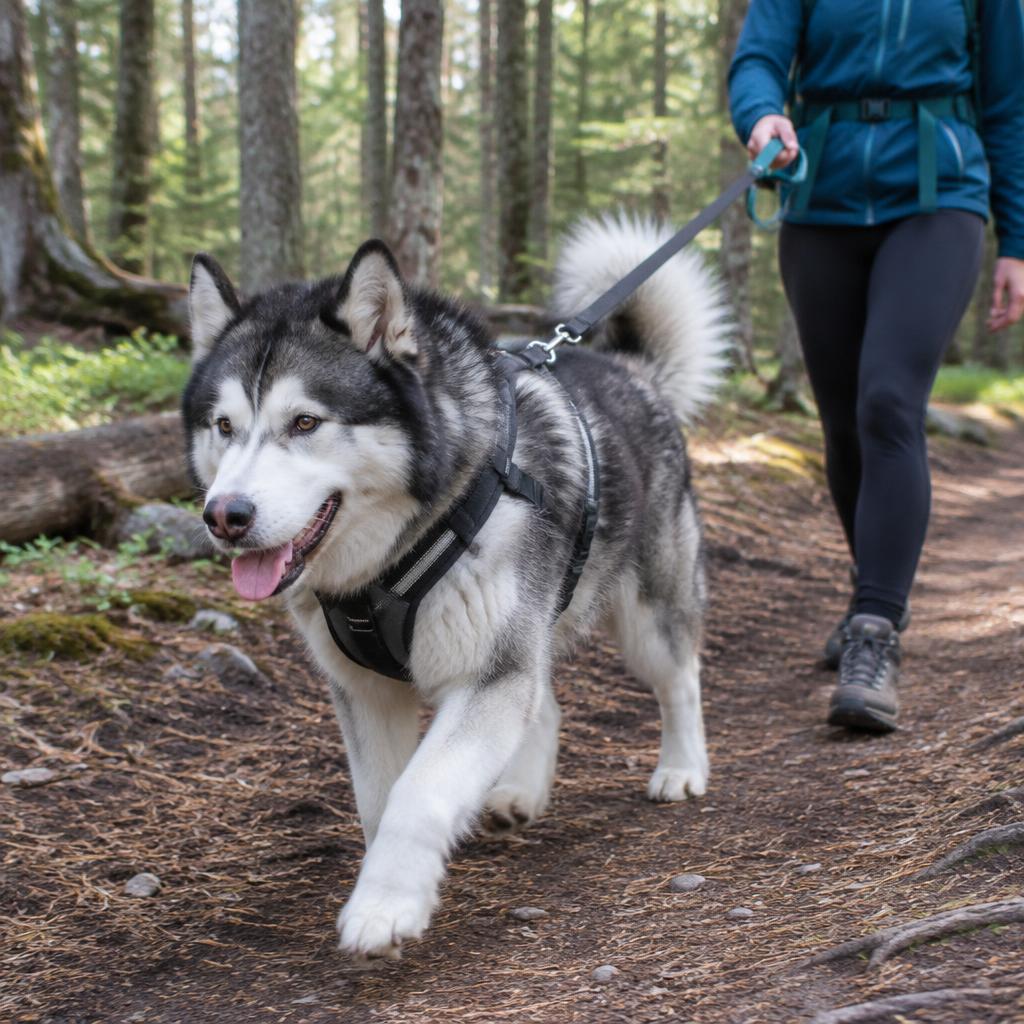
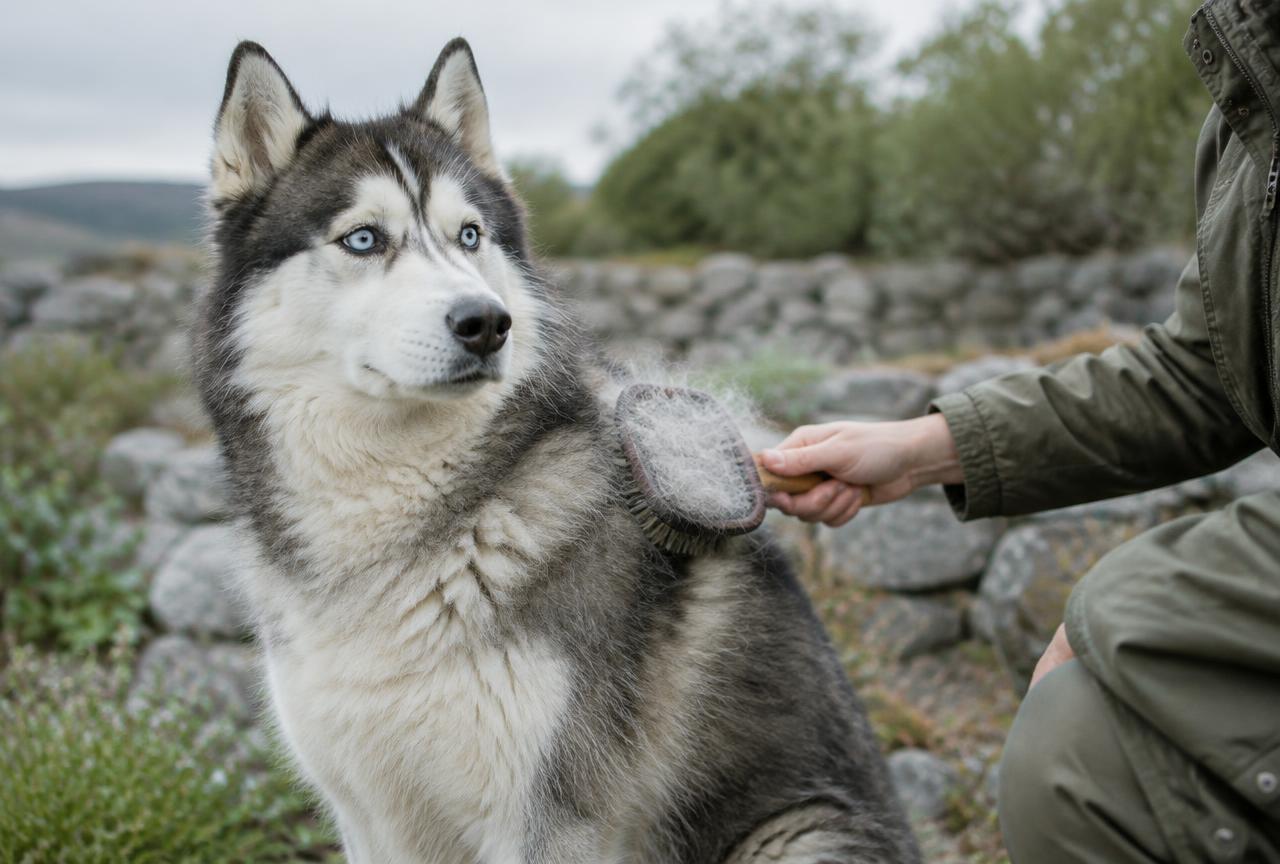
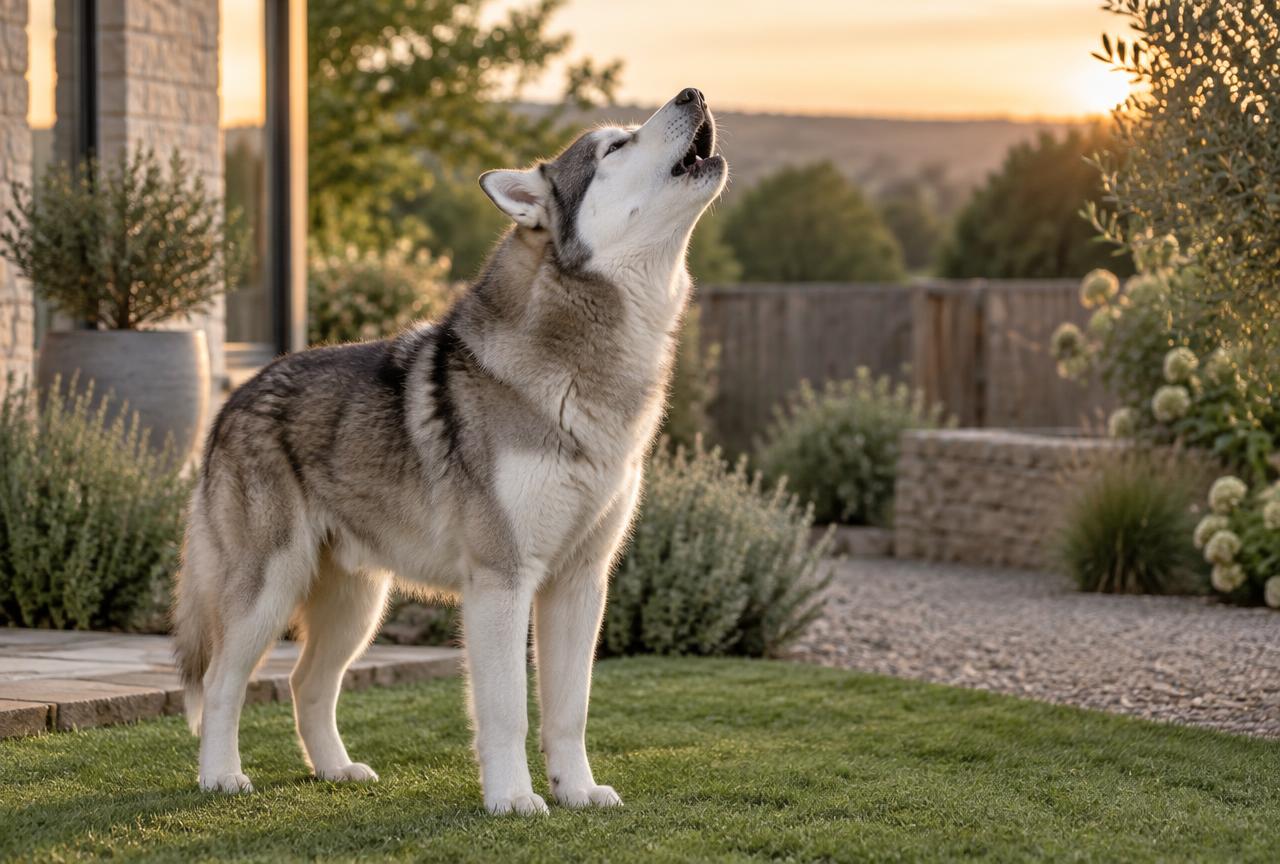
Exception among Arctic breeds, the Malamute was built to pull, and this remains the single best outlet for its energy: structured activities such as weight pulling, canicross, bikejoring or recreational mushing give this breed genuine purpose and tend to produce a far more settled dog at home than walks alone ever will. Daily exercise needs are high, generally more than an hour of varied activity, and a bored, under-exercised Malamute is likely to become destructive, vocal or determined to escape. Vocally, Malamutes are known for howling and a distinctive range of talking-like vocalisations rather than frequent barking, which is worth bearing in mind for households with close neighbours. The thick double coat is well suited to cold climates but means the breed struggles in heat, so shade, water and caution around exercise timing matter in warm weather, and the coat blows heavily twice a year, requiring daily brushing during those periods to manage the volume of loose fur.
Health screening is an important part of responsible Malamute ownership. Hip dysplasia is common enough that breeding stock should carry BVA/KC hip scores, and inherited polyneuropathy, a progressive nerve disorder affecting young dogs, is a notable concern for which a DNA test exists and should be requested from any breeder. Cataracts and progressive retinal atrophy become more likely with age, so annual eye examinations are worthwhile throughout life, while chondrodysplasia, a form of dwarfism affecting bone growth, is rare but can be screened for genetically where a breeder offers the test. Hypothyroidism is common with age and is readily managed with medication once identified, and epilepsy occurs occasionally and should be discussed with a vet if seizures are observed. A responsible breeder will be able to produce DNA certificates for polyneuropathy and chondrodysplasia alongside hip and eye results.
The Alaskan Malamute suits an active owner or family prepared to provide serious daily exercise, ideally including some form of structured pulling activity, along with secure fencing and consistent training from puppyhood. It can work well in a family with children given its generally good-natured temperament, provided the household has the space and time the breed genuinely needs. It is a poor choice for sedentary owners, flats or homes without a secure garden, anyone wanting a dog that barks to guard the property, and households with cats or small pets given its strong prey drive. Anyone drawn to the breed's striking Arctic appearance should be honest about whether their lifestyle can match the physical and practical demands of a dog built to work hard every day.
A powerful, affectionate Arctic working breed built to pull freight, needing serious daily exercise, secure boundaries and realistic coat care.
Exercise, day to day
- 1Puppies (8 to 20 weeks): short, gentle walks and play, avoiding repetitive strain on developing joints.
- 2Adults: more than an hour a day of varied, vigorous activity, ideally including structured pulling work.
- 3Consider canicross, bikejoring, weight pulling or recreational mushing to give this breed genuine purpose.
- 4Provide mental stimulation through training and puzzle feeders alongside physical exercise.
- 5Exercise with caution in warm weather, given the thick coat's poor tolerance of heat.
Grooming, realistically
- 1Brush weekly with an undercoat rake and slicker brush, increasing to daily during the twice-yearly coat blow.
- 2Bathe only occasionally, since the double coat is naturally weather resistant and self-cleaning to a degree.
- 3Check and clean ears weekly to prevent wax build up and infection.
- 4Trim nails every 3 to 4 weeks to keep the feet comfortable, especially important for a working breed.
- 5Brush teeth several times a week to reduce tartar build up over a long lifespan.
What you actually need
- Undercoat rake
- Slicker brush
- Ear cleaning solution and cotton pads
- Dog nail clippers
- Enzymatic dog toothpaste and brush
- High-velocity dryer for coat blow periods
Puppy to adult
| Age | Male | Female | What is happening |
|---|---|---|---|
| 8 weeks | 5.5 to 7.5 kg | 5 to 6.5 kg | Sturdy, heavy-boned puppy build typical of a working Arctic breed. |
| 3 months | 12 to 16 kg | 10 to 14 kg | Rapid growth phase, with joints needing protection from excessive exercise. |
| 6 months | 20 to 26 kg | 18 to 23 kg | Adolescent stage, often when independence and testing of boundaries becomes more noticeable. |
| 9 months | 27 to 33 kg | 24 to 29 kg | Substantial size reached, though the frame and coat continue developing. |
| 12 months | 32 to 38 kg | 28 to 34 kg | Close to adult weight, though muscle and coat maturity continue filling out. |
| 24 months | 38 to 43 kg | 34 to 38 kg | Full adult size and physical maturity reached. |
Ranges are typical, not targets. Judge condition by ribs and waist, and check with the ideal weight checker.
What to ask a breeder
- Can I see hip scores and eye examination results for both parents?
- Do you have DNA certificates for inherited polyneuropathy and chondrodysplasia?
- How do the puppies react to handling, other dogs and new environments?
- What exercise and training expectations do you give new owners?
- How secure is fencing recommended to be for this breed, in your experience?
Health tests to ask for
Ask to see results for both parents before you put down a deposit.
- BVA/KC hip score for breeding stock
- Annual eye examination for cataracts and progressive retinal atrophy
- DNA test for inherited polyneuropathy
- DNA test for chondrodysplasia where offered by the breeder
- Thyroid panel in older dogs showing weight or coat changes
Health watch-list
What to ask a breeder about, and what to watch for over a lifetime. This is orientation, not veterinary advice, anything you notice belongs in front of a vet.
Hip dysplasia
CommonMalformed hip joints can cause discomfort and early arthritis, so ask for hip scores of breeding stock before buying a puppy.
Inherited polyneuropathy
NotableThis progressive nerve disorder can cause weakness and an unsteady gait in young dogs, so request DNA test certificates for both parents from the breeder.
Cataracts and progressive retinal atrophy
Common with ageBoth conditions can affect vision as a dog ages, so annual eye examinations throughout life help catch changes early.
Chondrodysplasia
RareThis inherited form of dwarfism affects bone growth and can be screened for genetically, so ask whether the breeder has tested for it.
Hypothyroidism
Common with ageAn underactive thyroid can cause weight gain, lethargy and coat changes, and is usually well managed with daily medication once diagnosed.
Epilepsy
UncommonSeizures can occur occasionally in this breed, and any episode should be discussed promptly with a vet to establish a management plan.
What it costs to keep one
Realistic running cost
€139 / month
About €1,668 a year, or roughly €18,348 across a 11-year life, before purchase price, neutering and one-off vet events.
Before the puppy arrives. Budget roughly €600 to 1200 for a crate, bed, lead and harness, bowls, puppy classes, first vaccinations and grooming kit sized for this breed. Figures throughout are indicative and vary a good deal between countries.
Interactive · built for this breed
Is a Alaskan Malamute right for your home?
Seven honest questions about your space, time and household, checked against this breed's exercise need, coat, sociability and tolerance for time alone.
Fit with your routine
91%
A strong fit
Your routine suits a Alaskan Malamute well. Meet adult dogs of the line before you commit.
What to sort out first
- Needs more daily exercise than you have pencilled in.
- Coat needs more brushing or trimming than you have allowed.
Compare more breeds in the matchmaker, or plan meals with the portion calculator.
The verdict, by household
First-time owner
Workable, with changes
Possible with serious commitment to training and secure fencing, but the breed's strength and independence suit experienced hands better.
Family with children
An excellent match
Generally good-natured and sociable, provided the household can meet its substantial exercise needs.
Active single or couple
An excellent match
A rewarding match for an active lifestyle, especially one that can include structured pulling activities.
Owner in a flat with close neighbours
Not recommended
High exercise needs, size and a tendency to howl make flat living a poor fit for this breed.
When to call your vet
- Lameness, stiffness or reluctance to rise, which may indicate developing hip dysplasia
- Wobbly gait, weakness or collapse in a young dog, which may suggest inherited polyneuropathy
- Cloudy eyes or reluctance to move in dim light, which may point to cataracts or progressive retinal atrophy
- Weight gain, lethargy or coat changes, which can indicate hypothyroidism
- Sudden collapse or seizure activity, which needs prompt veterinary assessment
Nothing here is a diagnosis. A swollen, hard belly with retching, collapse, breathing difficulty and sudden hind-leg weakness are emergencies: go straight away.
Alaskan Malamute vs the closest alternatives
| Breed | Weight | Energy | Grooming | € / month |
|---|---|---|---|---|
| Alaskan Malamute | 34 to 43 kg | 8/10 | 7/10 | €139 |
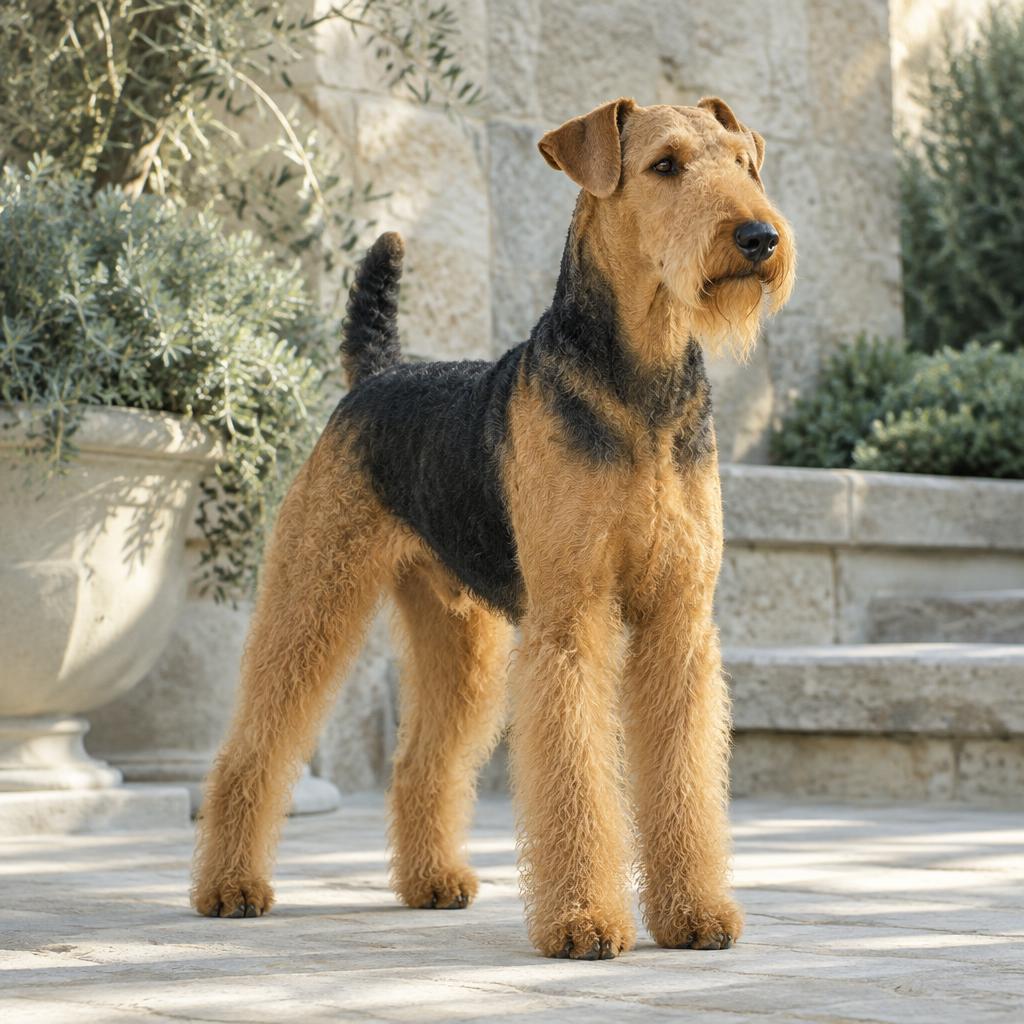
| Airedale Terrier | 18 to 29 kg | 8/10 | 7/10 | €350 |
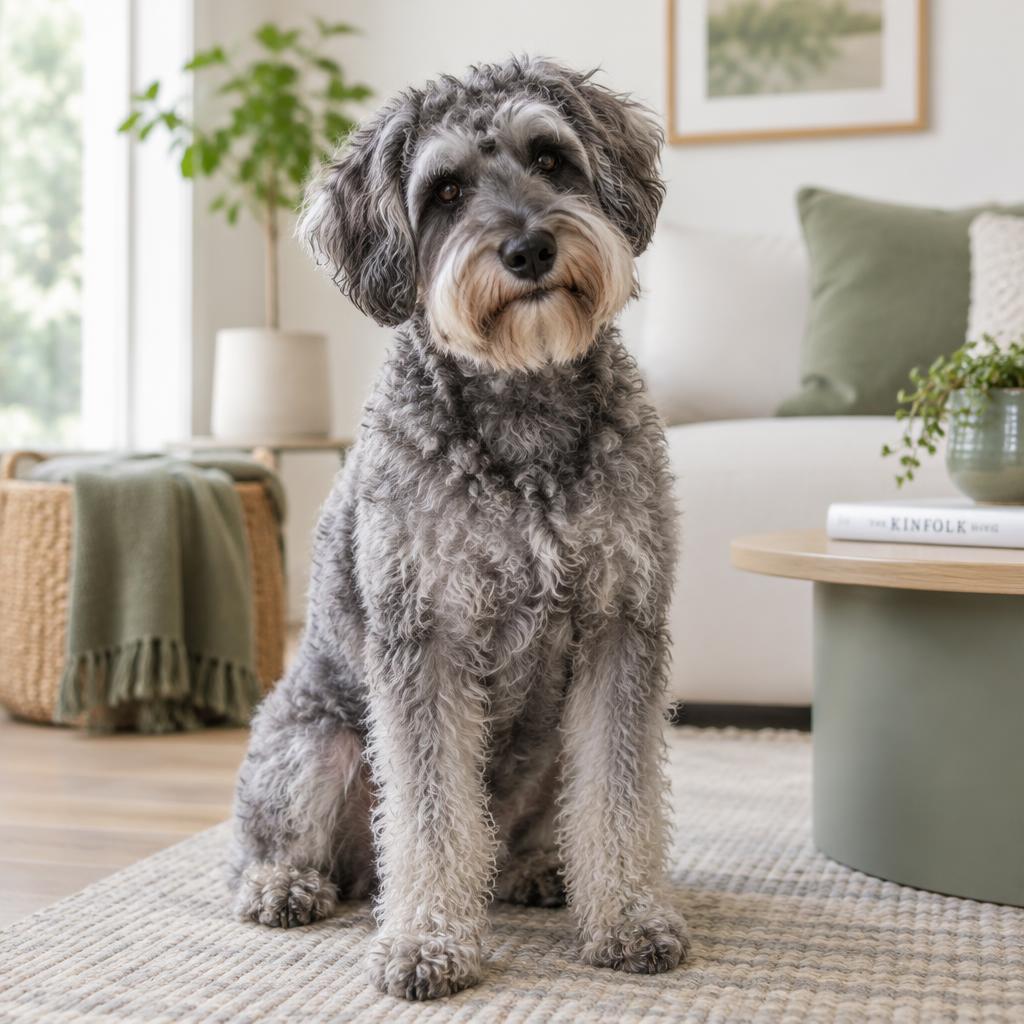
| Schnoodle | 9 to 30 kg | 7/10 | 7/10 | €104 |
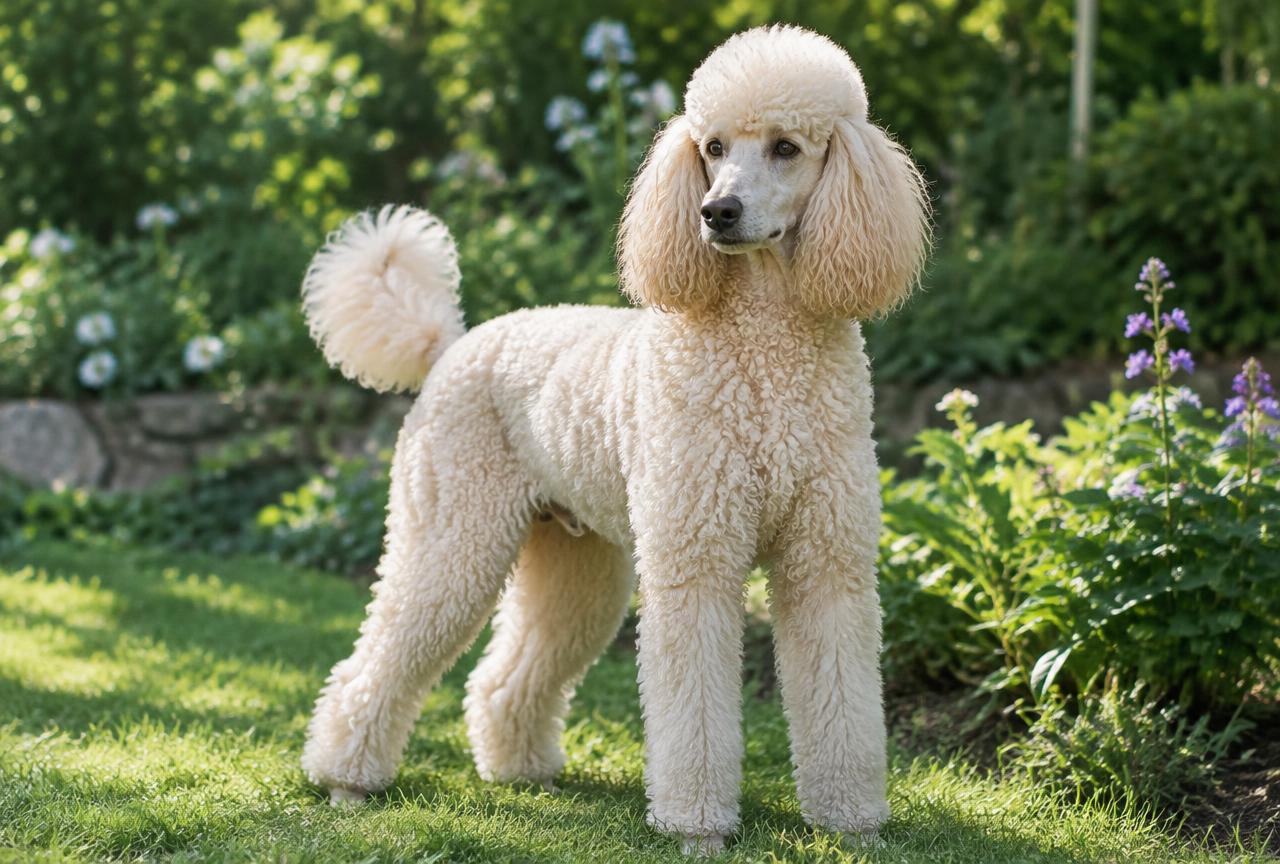
| Poodle | 20 to 32 kg | 8/10 | 8/10 | €170 |
Alaskan Malamute questions, answered
How long do Alaskan Malamutes live?
Alaskan Malamutes typically live between 10 and 12 years. Keeping up with hip, eye and thyroid health through life, alongside plenty of exercise and a healthy weight, helps give a Malamute the best chance of a long, comfortable life.
Are Alaskan Malamutes good family dogs?
Yes, generally. Malamutes are typically affectionate and good-natured with people of all ages, including children, though their size, strength and high exercise needs mean a family needs an active lifestyle and plenty of outdoor space.
Do Alaskan Malamutes make good guard dogs?
Not really. Malamutes were bred to pull freight alongside other dogs rather than guard territory, and they tend to be sociable rather than suspicious of strangers, so they make poor traditional watchdogs despite their imposing size.
How much exercise does an Alaskan Malamute need?
More than an hour a day of varied, vigorous activity suits most adult Malamutes well, and structured pulling activities such as canicross, bikejoring or recreational mushing give this working breed genuine purpose and often produce a calmer dog at home.
Do Alaskan Malamutes get on with other pets?
They are usually sociable with other dogs, reflecting their history of working in teams, but they have a strong prey drive towards smaller animals such as cats, so careful introductions and supervision are essential if they share a home with smaller pets.
Why do Alaskan Malamutes howl instead of bark?
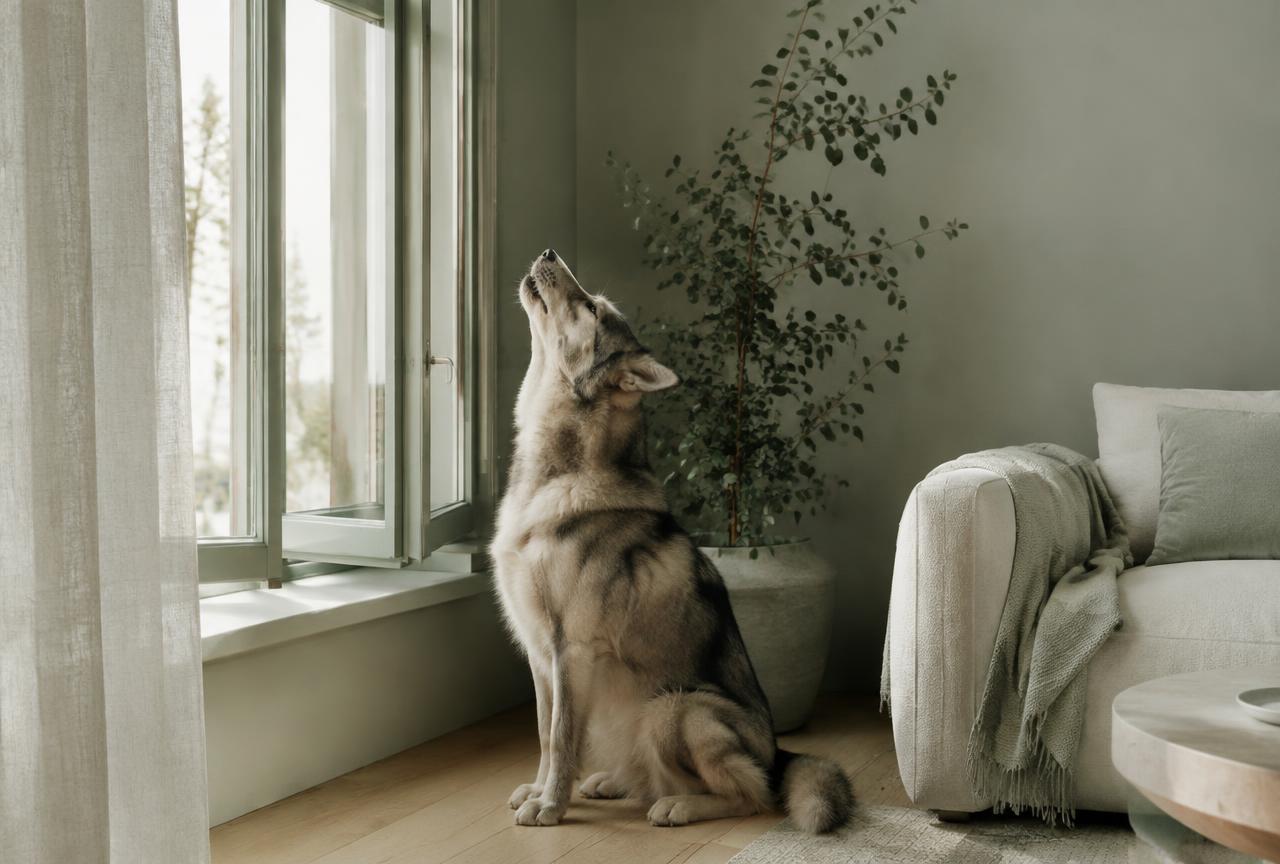
Howling and a range of talking-like vocalisations are typical of Arctic breeds including the Malamute, often used to communicate excitement, boredom or a response to sounds. It is a hardwired trait worth expecting, especially in households with close neighbours.
Can Alaskan Malamutes live in a flat?
This is generally not recommended. Malamutes need substantial daily exercise and secure outdoor space, are prone to howling, and are determined escape artists, all of which make a house with a securely fenced garden a far better fit than a flat.
Sources
- Alaskan Malamute breed standard, The Kennel Club
- Alaskan Malamute breed information, American Kennel Club
- Canine health schemes, British Veterinary Association
- Hip dysplasia scoring scheme, Orthopedic Foundation for Animals
- Caring for an Alaskan Malamute, PDSA
Put it into practice
Reading that goes with this
Care
Dog Shedding: What Is Normal and How to Manage It
Behaviour
Why Do Dogs Howl? Sirens, Night and What It Means

Training
How to Stop a Dog Barking: A Practical Guide

Health
Why Is My Dog Panting So Much? Causes and Warning Signs

Puppies
Crate Training a Puppy: A 14-Day Plan

Health
Why Is My Dog Shaking? Causes and When to Worry

Health
Dog Ear Infections: Signs, Causes and Treatment

Care
Dog Years to Human Years: The Real Science
Behaviour
Why Do Dogs Howl at Sirens? The Instinct Explained