Gundog group
The breed was developed over the nineteenth century by hunters in Yarmouth County, Nova Scotia, who wanted a dog that could mimic the playful movements of a fox along the shoreline to draw curious ducks and geese into range before the hunter flushed them with a shot. The resulting dog, sometimes called the Little River Duck Dog, combines retriever, spaniel and setter ancestry, and the Canadian Kennel Club formally recognised the breed in 1945. It remains a relatively rare breed outside Canada, though numbers in Britain have grown steadily as working and pet owners discover its combination of size and drive.
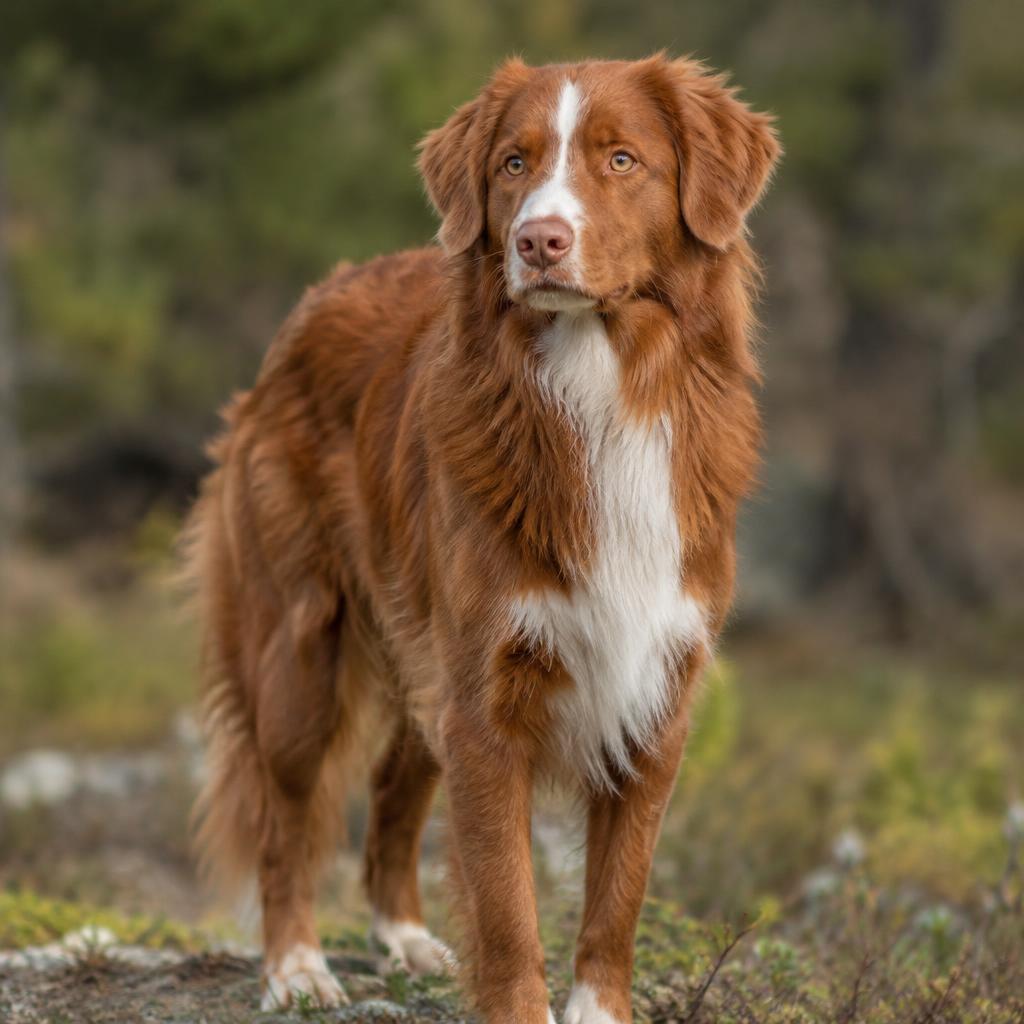
Nova Scotia Duck Tolling Retriever
The smallest member of the retriever group, the Toller was bred to lure ducks ashore and still carries that playful, driven instinct into modern family life. It is a rewarding but demanding breed that needs serious exercise, mental work and an owner comfortable with its famously piercing scream.
Reviewed by the SniffScroll editorial desk
The smallest retriever, built to lure ducks and then prove it on every walk
The short version
- Bred to toll, luring waterfowl by playing along the shoreline before retrieving.
- Needs substantial daily exercise plus mental work, not just a short walk.
- Often aloof with strangers despite being deeply attached to its own family.
- Famous for a piercing excitement vocalisation known as the Toller scream.
- Prone to Addison's disease, which has a DNA test, alongside eye conditions needing screening.
- Weight
- 17 to 23 kg
- Height
- 45 to 51 cm
- Lifespan
- 12 to 14 yrs
- Size
- Medium
- Group
- Gundog
- Coat
- Medium length, water-repellent double coat in shades of red or orange with white markings on the chest, feet, tail tip and sometimes the face.
- Grown male
- 19 to 23 kg
- Grown female
- 17 to 20 kg
- Years to full size
- about 1
- One-off setup
- €450 to 950
Get one if…
- Active households who can provide daily off-lead exercise and retrieving games
- Owners with access to safe water for swimming and retrieving
- People interested in gundog training, agility or scent work as a shared hobby
- Experienced dog owners who understand working breed temperaments
- Households that can tolerate a vocal dog and occasional loud excitement screams
Think again if…
- Flat dwellers or homes with close, noise-sensitive neighbours
- First-time owners wanting an easygoing, ever-friendly family dog
- Households away from home for long hours on a regular basis
- Anyone expecting the open friendliness typical of a Labrador or Golden Retriever
- Owners hoping to rely mainly on food rewards for training
Trait profile
The Toller combines intense retrieving drive and working stamina with a reserved attitude towards strangers, making it a demanding but deeply rewarding companion for active owners.
Space & setup. A house with a secure garden suits the breed far better than a flat, and nearby access to safe water for swimming adds real value to daily life.
Allergies. The Toller has a water-repellent double coat that sheds moderately year round with a heavier seasonal blow, and it is not considered suitable for allergy sufferers.
Living with a Nova Scotia Duck Tolling Retriever
The Nova Scotia Duck Tolling Retriever, often called the Toller, is a compact, russet-coated gundog bred to lure waterfowl within gunshot range by playing on the riverbank. Bright, driven and deeply attached to its people, the Toller suits active owners who can meet its exercise needs and tolerate a startlingly loud scream of excitement.
The Nova Scotia Duck Tolling Retriever is the smallest of the retriever group and, in many ways, the most misunderstood. From a distance it can look like a fox-coloured miniature Golden Retriever, friendly and biddable, but spend an afternoon with one and a very different dog emerges: intense, watchful, physically tireless and capable of a vocalisation so piercing that owners nickname it the Toller scream. This is a working gundog first and a pet second, and the people who do best with the breed are those who understand and even enjoy that distinction.
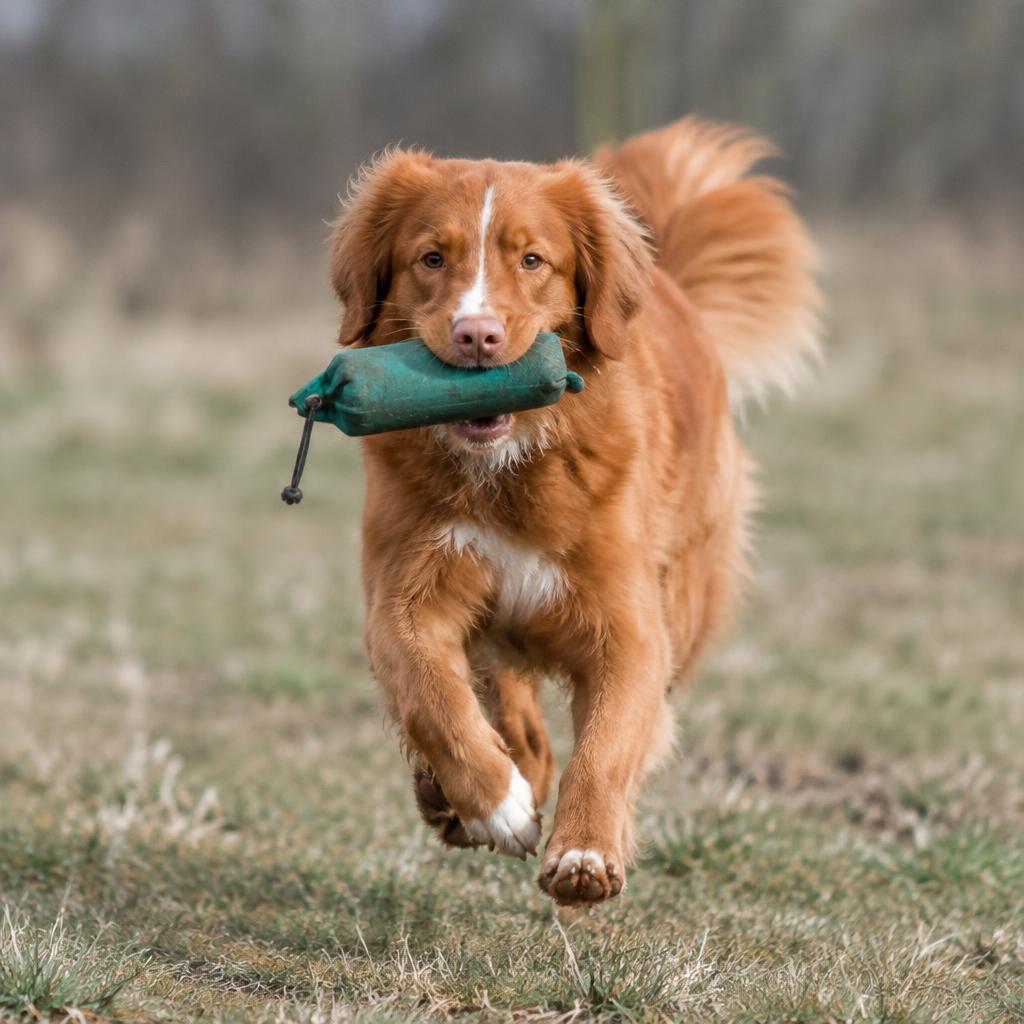
Tolling itself is the behaviour the breed was built around. Hunters along the Nova Scotia coast noticed that foxes playing at the water's edge drew the curiosity of ducks, who would swim closer to investigate. They bred a small, agile dog to mimic that fox-like play, darting and retrieving sticks or balls along the shoreline, luring waterfowl within range before the hunter called the dog back and flushed the birds. That instinct has not faded with domestication. Many Tollers will happily toll along a riverbank or garden fence line with no training at all, running back and forth with a toy, tail held high and visible, and owners who live near water often find their dog gravitates straight to it given the chance.
That retrieving drive is one of the strongest traits in the breed and shapes daily life more than almost anything else. A Toller wants to carry things, fetch things and work with its handler, and a household that cannot offer regular retrieving games, whether with balls, dummies or water toys, will likely end up with a frustrated and destructive dog. This is not a breed for short lead walks around the block. It needs sustained daily exercise and benefits from structured activities such as gundog training, agility, flyball or scent work. Owners who enjoy being outdoors and active tend to find the Toller a wonderful match; owners looking for a quiet, low-key companion usually find the opposite.

Mental stimulation matters just as much as physical exercise. The Toller is a clever breed and can become anxious, vocal or destructive if its brain is left idle. Food puzzles, training sessions and novel environments all help, and most Tollers thrive on having a job to think about rather than simply miles to cover. This combination of physical and mental need means the breed is a poor fit for anyone who works long hours away from home or who cannot commit significant time each day to structured activity.
Temperamentally the Toller is often described as aloof with strangers, and this is one of the clearer differences from the ever-friendly Labrador or Golden Retriever. Many Tollers are deeply affectionate with their own family, following them from room to room, but reserved, watchful or even mildly standoffish with visitors. Early and consistent socialisation helps enormously, but owners should expect a dog that observes new people rather than greeting them with wild enthusiasm. This reserve is a breed trait rather than a fault, and it is worth being honest about before buying, since it disappoints people expecting the open friendliness typical of other retrievers.
The famous toller scream deserves its own mention. It is a high-pitched, almost unearthly vocalisation that many Tollers produce when excited, often during play or when greeting a returning owner. It is distinctive and, to anyone unfamiliar with the breed, genuinely startling the first time they hear it. Combined with a general tendency to be vocal, including barking at the doorbell or unfamiliar noises, this makes the breed a poor match for flats, thin-walled terraces or households with close neighbours who are sensitive to noise.
Food drive is another area where the Toller differs from the typical retriever image. Many individuals are only moderately interested in food, which can make food-based training less effective than it is with a Labrador, and some Tollers are notoriously picky eaters. Owners often find that play and retrieving are far stronger motivators than treats, and successful training leans heavily on games, toys and praise rather than food rewards alone.
Does a Toller need a garden or water access? Not strictly, but both help considerably. A secure garden gives the dog somewhere to toll and burn energy between formal walks, and access to safe water, whether a local lake, river or the sea, lets the breed indulge its natural love of swimming and retrieving from water. A Toller without either is not doomed to unhappiness, but the owner will need to work harder to provide equivalent stimulation through structured exercise and travel to suitable spaces.
Health-wise the breed carries some specific concerns, most notably Addison's disease, which occurs at a higher rate in Tollers than in most breeds and for which a DNA test exists, alongside hereditary eye conditions that make annual eye testing important. Responsible breeders screen for these conditions, and prospective owners should always ask to see results before buying a puppy.
In summary, the Toller rewards owners wanting a genuinely active working partner in a compact package. It is not the right choice for first-time owners seeking an easygoing pet, flat dwellers, or anyone unable to give hours of physical and mental engagement each week. For the right household, typically rural or semi-rural, active, patient with a reserved temperament and committed to ongoing training, the Toller is an endlessly rewarding, intelligent and affectionate companion.
The Toller is a small, driven working dog disguised as a pretty ginger retriever, and it needs an owner who can give it a genuine job, whether that is gundog work, scent games or serious daily exercise. It is not a breed for people who want a laid-back companion or one that greets every stranger like a long-lost friend.
Exercise, day to day
- 1Puppies: short, frequent sessions of five minutes per month of age to protect growing joints.
- 2Adults: at least sixty to ninety minutes of exercise daily, including off-lead retrieving time.
- 3Water work: regular swimming or retrieving from water where safely available, which the breed usually loves.
- 4Mental stimulation: scent games, puzzle feeders and gundog-style training to tire the mind as well as the body.
- 5Structured hobbies: consider agility, flyball or formal gundog training to channel drive productively.
Grooming, realistically
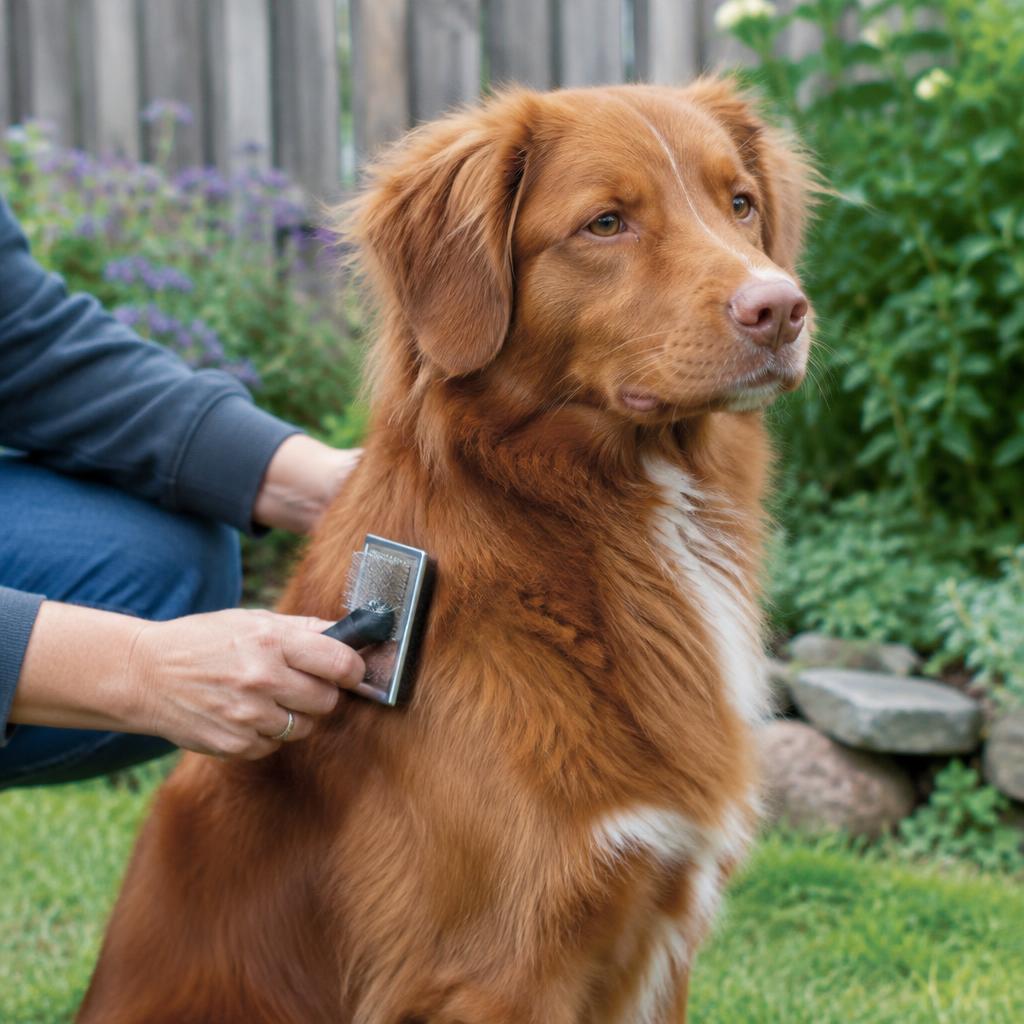
- 1Brush two to three times a week to manage the double coat and reduce loose hair.
- 2Increase brushing to daily during the spring and autumn seasonal coat blow.
- 3Check and dry ears thoroughly after swimming to prevent infections.
- 4Bathe only when needed, as the water-repellent coat is naturally self-cleaning.
- 5Trim nails monthly and check feet for debris after walks on rough ground.
What you actually need
- Slicker brush
- Undercoat rake
- Metal comb
- Ear cleaning solution and cotton pads
- Nail clippers or grinder
- Towel or dog dryer for after swimming
Puppy to adult
| Age | Male | Female | What is happening |
|---|---|---|---|
| 8 weeks | 3 to 4 kg | 2.5 to 3.5 kg | Playful and alert from an early age; begin gentle retrieving games with soft toys. |
| 3 months | 6 to 8 kg | 5.5 to 7.5 kg | Energy levels rise quickly; keep structured exercise short but frequent. |
| 6 months | 10 to 13 kg | 9 to 12 kg | Adolescent drive emerges; consistent training now prevents problem barking later. |
| 9 months | 13 to 17 kg | 12 to 15 kg | Nearing adult height; introduce water work gradually if the puppy is confident. |
| 12 months | 16 to 20 kg | 15 to 18 kg | Close to full size; full exercise routine can usually begin under guidance. |
| 18 months | 17 to 23 kg | 17 to 21 kg | Physically and mentally mature; established personality and working drive fully visible. |
Ranges are typical, not targets. Judge condition by ribs and waist, and check with the ideal weight checker.
What to ask a breeder
- Have both parents been DNA tested clear for Addison's disease?
- What eye testing has been carried out on the parents and littermates?
- How vocal and tolling-driven are the parents, and how do they settle indoors?
- What socialisation has the litter had with unfamiliar people and environments?
- Is this a working or show line, and how does that affect drive and exercise needs?
Health tests to ask for
Ask to see results for both parents before you put down a deposit.
- Annual eye examination through a recognised eye scheme for PRA and cataracts
- DNA testing for Addison's disease before breeding
- Hip scoring to assess risk of hip dysplasia
- Screening for collie eye anomaly where relevant to the bloodline
- Routine dental checks throughout life to catch early disease
Health watch-list
What to ask a breeder about, and what to watch for over a lifetime. This is orientation, not veterinary advice, anything you notice belongs in front of a vet.
Hip dysplasia
OccasionalA malformation of the hip joint that can cause stiffness or lameness. Breeding stock should be hip scored, and owners should maintain a lean body weight to reduce joint stress.
Progressive retinal atrophy and cataracts
OccasionalInherited eye conditions that can lead to gradual or sudden vision loss. Annual eye testing through a recognised scheme is recommended throughout the dog's life.
Addison's disease
NotableA hormonal disorder affecting the adrenal glands that occurs more often in Tollers than most breeds. A DNA test is available and should be checked in breeding dogs, and owners should know the early signs of lethargy and vomiting.
Collie eye anomaly
UncommonAn inherited eye condition affecting development of the retina and other eye structures. It can be identified through eye screening at a young age, ideally before breeding.
Autoimmune disease including IMHA
UncommonImmune-mediated haemolytic anaemia and related autoimmune conditions can occur in the breed and require urgent veterinary treatment. Pale gums, weakness or yellowing of the skin should be checked promptly.
Dental disease
Common with ageTartar build up and gum disease are common as Tollers age. Regular tooth brushing and veterinary dental checks help prevent pain and infection later in life.
What it costs to keep one
Realistic running cost
€175 / month
About €2,100 a year, or roughly €27,300 across a 13-year life, before purchase price, neutering and one-off vet events.
Before the puppy arrives. Budget roughly €450 to 950 for a crate, bed, lead and harness, bowls, puppy classes, first vaccinations and grooming kit sized for this breed. Figures throughout are indicative and vary a good deal between countries.
Interactive · built for this breed
Is a Nova Scotia Duck Tolling Retriever right for your home?
Seven honest questions about your space, time and household, checked against this breed's exercise need, coat, sociability and tolerance for time alone.
Fit with your routine
91%
A strong fit
Your routine suits a Nova Scotia Duck Tolling Retriever well. Meet adult dogs of the line before you commit.
What to sort out first
- Needs more daily exercise than you have pencilled in.
Working in your favour
- Coat care fits the grooming time you offered.
Compare more breeds in the matchmaker, or plan meals with the portion calculator.
The verdict, by household
Poor
The combination of high drive, vocal tendencies and aloofness with strangers suits experienced owners better.
Good
Can do well with older, respectful children who enjoy active play, though early socialisation is important.
Excellent
An ideal match for owners who want a hiking, running or gundog training partner.
Poor
The breed's vocal nature, including the famous Toller scream, makes thin-walled flats a poor fit.
When to call your vet
- Vomiting, lethargy or loss of appetite, which could indicate Addison's disease
- Cloudy eyes or reluctance to move in dim light, worth checking for PRA or cataracts
- Sudden hind limb lameness or difficulty rising, which may point to hip dysplasia
- Pale gums, weakness or jaundice, possible signs of autoimmune disease such as IMHA
- Bad breath or visible tartar build up, signalling dental disease needing attention
Nothing here is a diagnosis. A swollen, hard belly with retching, collapse, breathing difficulty and sudden hind-leg weakness are emergencies: go straight away.
Nova Scotia Duck Tolling Retriever vs the closest alternatives
| Breed | Weight | Energy | Grooming | € / month |
|---|---|---|---|---|
| Nova Scotia Duck Tolling Retriever | 17 to 23 kg | 9/10 | 5/10 | €175 |
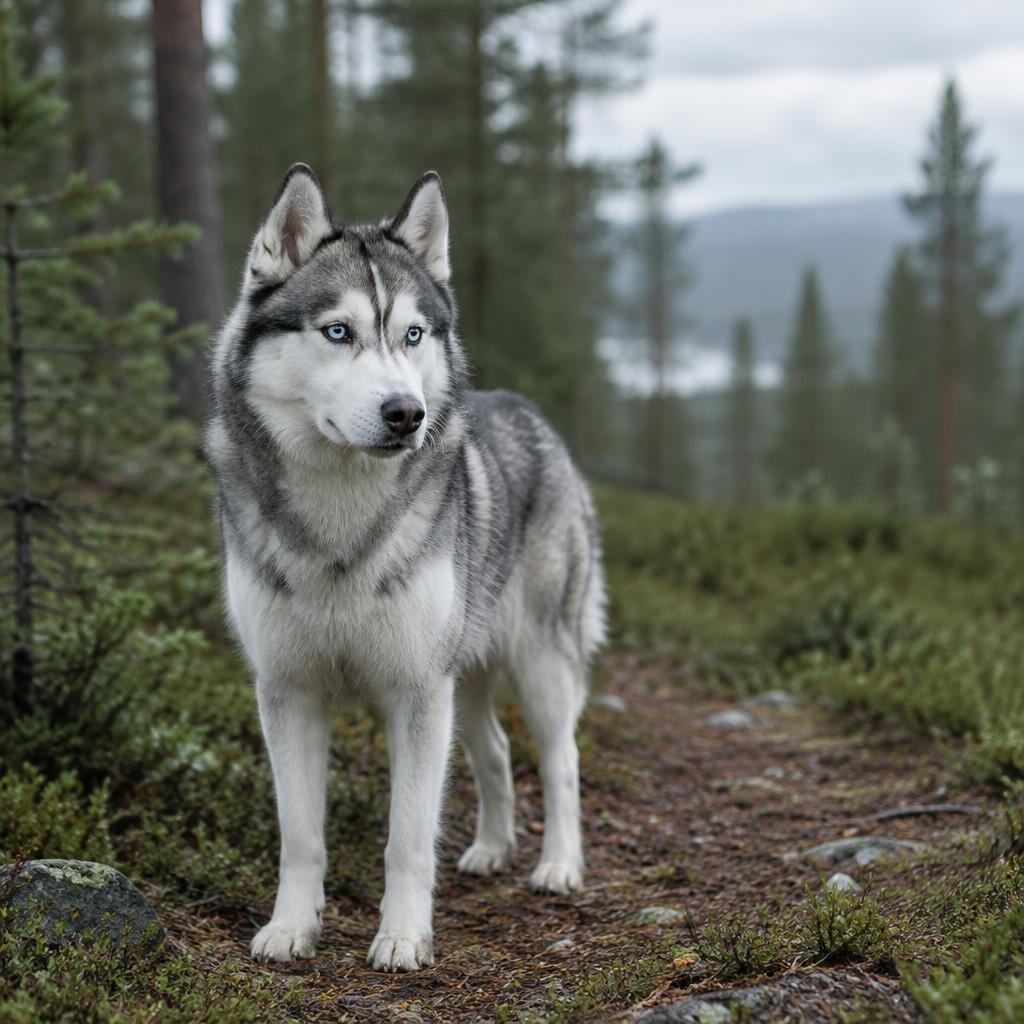
| Siberian Husky | 16 to 27 kg | 9/10 | 5/10 | €119 |
| German Shepherd | 22 to 40 kg | 9/10 | 5/10 | €153 |
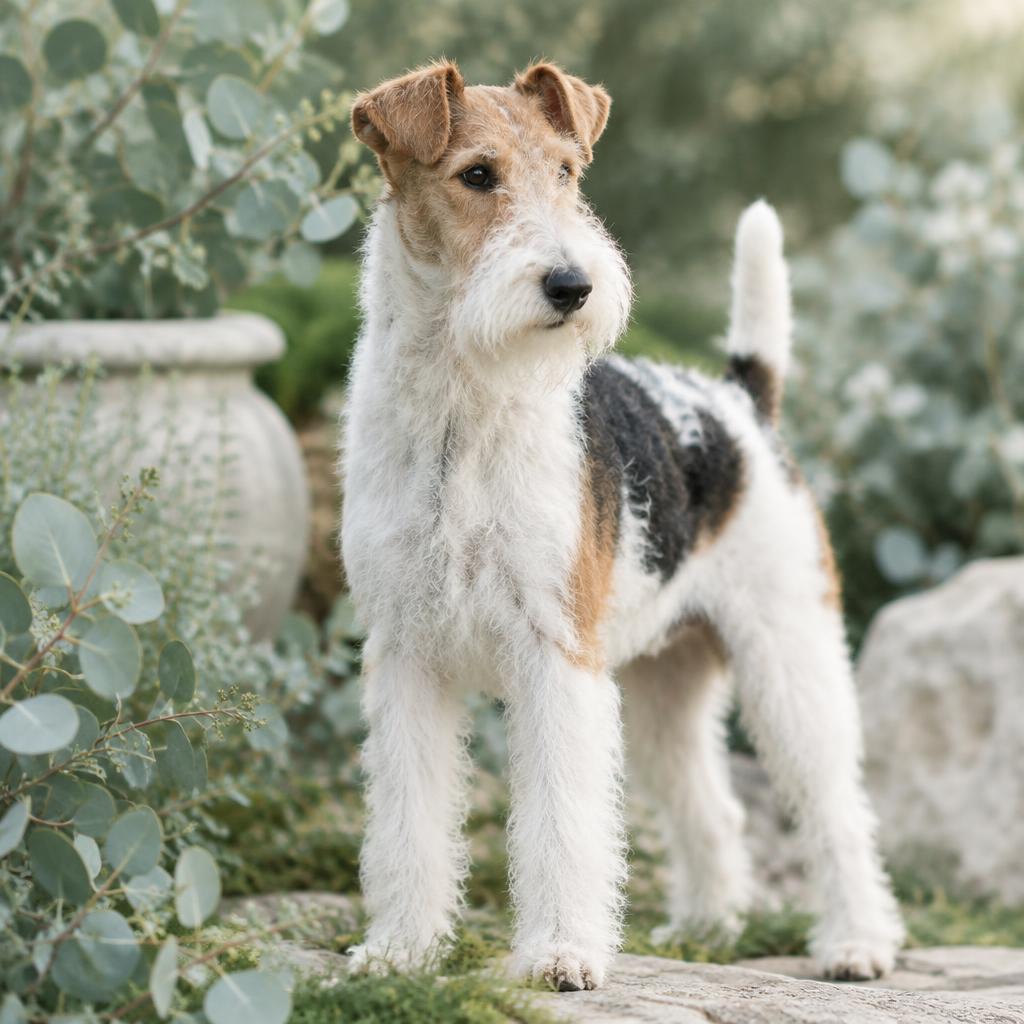
| Wire Fox Terrier | 7 to 9 kg | 8/10 | 6/10 | €74 |
Nova Scotia Duck Tolling Retriever questions, answered
Do Nova Scotia Duck Tolling Retrievers shed a lot
Yes, Tollers have a water-repellent double coat that sheds moderately throughout the year, with a heavier seasonal blow in spring and autumn. Regular brushing two to three times a week keeps loose hair under control.
How much exercise does a Toller need
A great deal. Most adults need at least sixty to ninety minutes of exercise daily, ideally including off-lead retrieving and swimming, plus mental stimulation such as training or scent games. A short daily walk is not enough for this breed.
Are Tollers good with children
They can do well with older, respectful children, especially in active families who enjoy games and outdoor time. Early socialisation is important, and the breed's reserve with unfamiliar people means supervision around visiting children is sensible.
How long do Nova Scotia Duck Tolling Retrievers live
The breed typically lives between 12 and 14 years, which is a healthy lifespan for a medium-sized gundog. Keeping up with recommended health screening helps catch inherited conditions early.
Are Tollers easy to train
They are intelligent and capable but can be stubborn and are often only moderately motivated by food, so training leans heavily on play and retrieving games as rewards. Consistent, engaging training from puppyhood brings out the best in the breed.
Do Tollers bark a lot
Yes, the breed is notably vocal and is famous for a piercing excitement vocalisation known as the Toller scream, along with general barking at doorbells or unfamiliar sounds. This makes them unsuitable for noise-sensitive neighbours.
Is a Toller right for a flat
Generally no. Their high exercise needs, vocal nature and love of outdoor retrieving and swimming make them far better suited to a house with a secure garden and ideally nearby water access than to flat living.