Crossbreed group
United States, 1990s
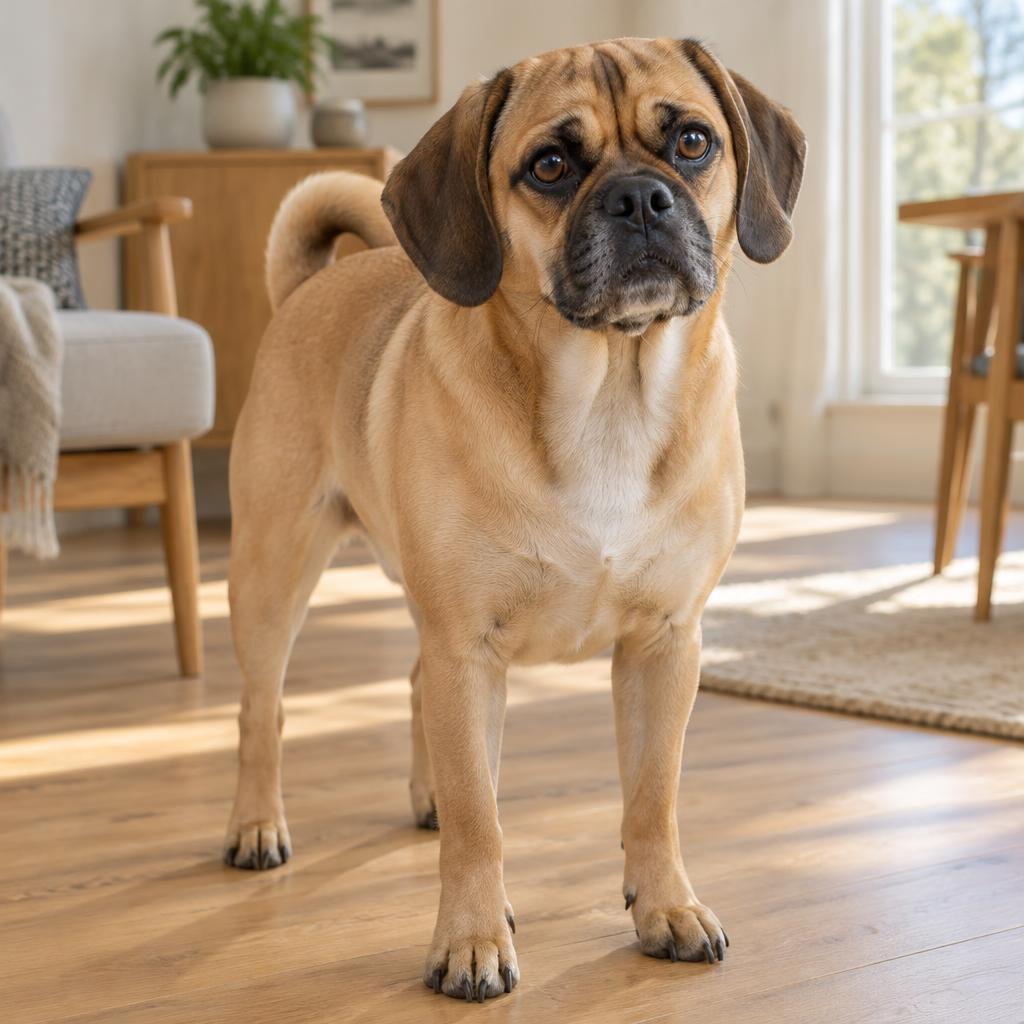
Puggle
Sturdy, snorty and endlessly cheerful, the Puggle is brilliant family fun, provided you choose a longer muzzle and keep the waistline honest.
The SniffScroll editorial team
A clown with a Beagle nose and a Pug heart
The short version
- A Pug and Beagle cross that is typically friendly, funny and robust with children and other dogs.
- Muzzle length varies between puppies and breathing comfort tracks it: choose a puppy with a clear muzzle and open nostrils.
- Both parent breeds are famously greedy; measured meals and a visible waistline are essential.
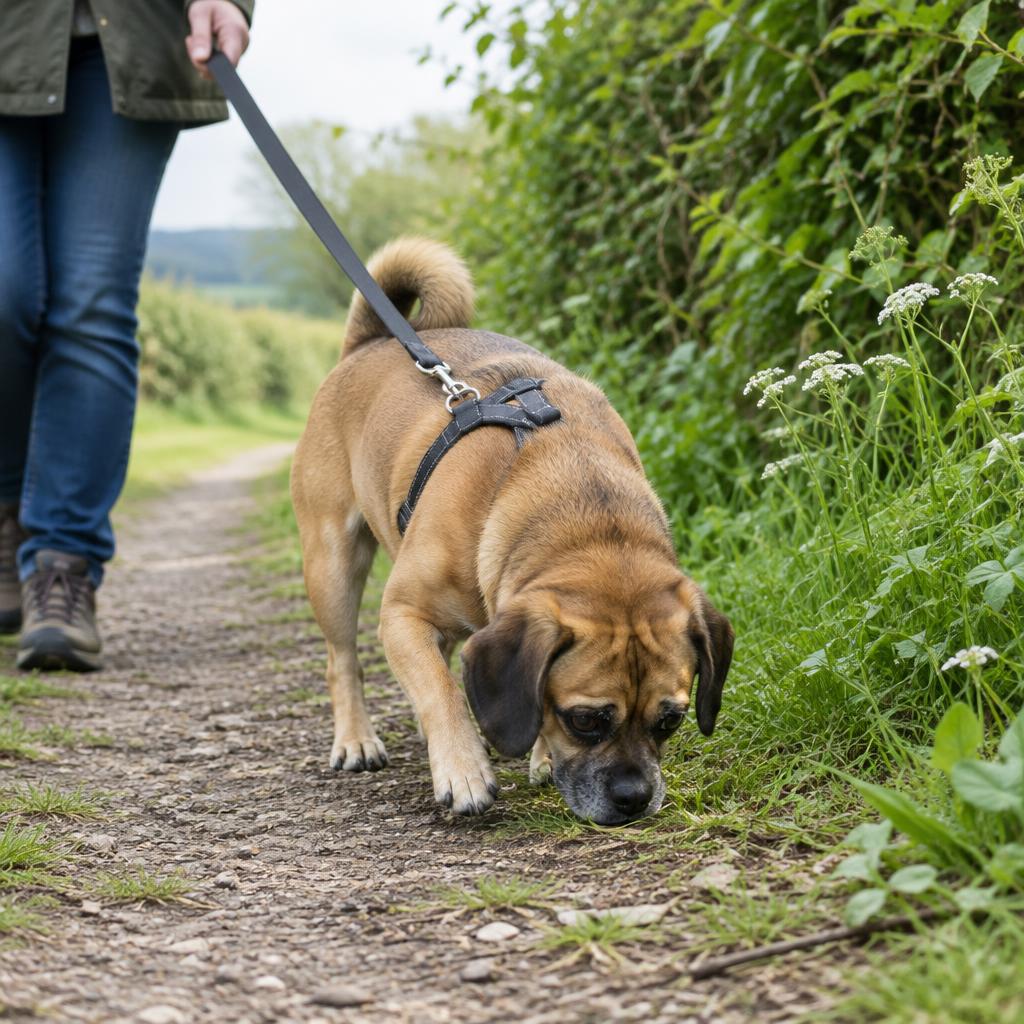
- The Beagle nose rules walks and recall; a secure garden and lead discipline are not optional.
- Grooming is easy, but the soundtrack is not: expect snorts, snores and the occasional bay.
- Weight
- 7 to 14 kg
- Height
- 28 to 38 cm
- Lifespan
- 12 to 15 yrs
- Size
- Small
- Group
- Crossbreed
- Coat
- Short
- Grown male
- 7 to 14 kg
- Grown female
- 7 to 13 kg
- Years to full size
- about 1.25
- One-off setup
- €300 to 600

Get one if…
- Families wanting a sturdy, cheerful small dog
- First-time owners happy to train with food and patience
- Households where someone is home most of the day
- People who enjoy long, sniffy walks
- Multi-pet households; most Puggles are sociable
Think again if…
- Anyone set on a flat-faced look; breathing comfort matters more
- People who need reliable off-lead recall near roads or livestock
- Households that free-feed or cannot resist begging eyes
- Noise-sensitive neighbours; the Beagle bay is real
- Anyone wanting a dog that ignores interesting smells
Trait profile
Expect a cheerful, food-motivated companion ruled by its nose; choose the longest muzzle in the litter and manage the waistline from day one.
Space & setup. Adapts well to flats and smaller homes if walked daily; the bay and snorting can carry through thin walls, so train a quiet routine early.
Allergies. Not a low-shedding or hypoallergenic cross: the short double coat sheds moderately year-round.
Living with a Puggle
A Pug and Beagle cross that blends the Pug's devotion with the Beagle's cheerful energy and famous nose, in a sturdy, snorty, food-motivated package.
The Puggle burst onto the scene in the 1990s and never really left, and it earns its popularity honestly: this is a friendly, funny, robust little dog that slots into ordinary family life with very little fuss. But "Puggle" covers a lot of genetic ground, and the two questions worth asking before anything else are about the face and the food. The face first. The whole point of crossing Pug with Beagle, for many breeders, is a dog with the Pug look but a longer, healthier muzzle. It does not always work out that way. Some Puggles are nearly as flat-faced as a Pug and inherit the same breathing struggles, snoring and heat intolerance; others have a proper Beagle muzzle and breathe freely. Muzzle length is visible from eight weeks, so choose with your eyes: look for a clear muzzle, open nostrils and quiet breathing at rest, and ask to see both parents moving and breathing comfortably. Then the food. Both parent breeds are legendarily greedy, and the cross is no different. Puggles gain weight easily, and every extra kilo makes breathing, joints and heat tolerance worse. Measured meals, honest treat accounting and a visible waistline are the single biggest health intervention you can make. Around those two flags, the rest is good news. Temperament is typically outgoing, affectionate and comedic; most Puggles adore children, visitors and other dogs. Exercise needs are moderate, around an hour a day, though the Beagle nose will want to sniff every centimetre of it. Training takes patience: they are bright but food-led and easily distracted by scent, so keep sessions short and pay well. The coat is a short, easy double coat that sheds moderately and needs only a weekly brush, though facial wrinkles need regular wiping and ears need checking. Noise deserves a mention: a bored or lonely Puggle can bay like a Beagle, and even a content one will snort, snuffle and snore. If you can choose a well-breathed puppy, manage the waistline and live with the soundtrack, few small dogs are better company.
The Puggle was one of the first designer crosses to hit the mainstream, and the appeal is easy to see: a sturdy, wrinkled clown with the Pug's devotion and the Beagle's sunny outlook. The honest questions start with the face. Puggle muzzles vary from nearly Pug-flat to a decent Beagle length, and breathing comfort tracks that closely. If you want a Puggle, choose a puppy with a visibly longer muzzle and open nostrils, and walk away from any litter where the parents snort and struggle at rest. The second surprise is the nose. That Beagle heritage means a dog that lives by scent: walks take twice as long, recall is a lifelong project, and a secure garden is not optional. The third is appetite. Both parent breeds are famously greedy, and a fat Puggle is an uncomfortable, unhealthy one, so measure meals and treat training treats as part of the daily ration. Grooming is blissfully simple: a weekly brush, wrinkle checks and nail trims. Noise is the other honest flag: between the Beagle bay and the Pug snort, this is not a silent dog. For families, first-time owners and anyone wanting a cheerful, sturdy companion with moderate exercise needs, a well-bred Puggle is enormous fun. Just choose the muzzle carefully and keep the waistline honest.
Exercise, day to day
- 1Puppies (8 to 20 weeks): short, gentle walks and play; socialisation is the priority.
- 2Adolescents (4 to 12 months): two walks a day with plenty of sniffing time; keep training sessions short and food-led.
- 3Adults: around an hour daily of walks and play suits most; sniffy routes tire them better than distance.
- 4Mental work: scatter feeding, scent trails and puzzle feeders harness the Beagle nose.
- 5Heat care: flat-faced individuals overheat fast, so walk early or late in warm weather.
Grooming, realistically
- 1Brush weekly with a rubber curry brush; the short double coat sheds moderately all year.
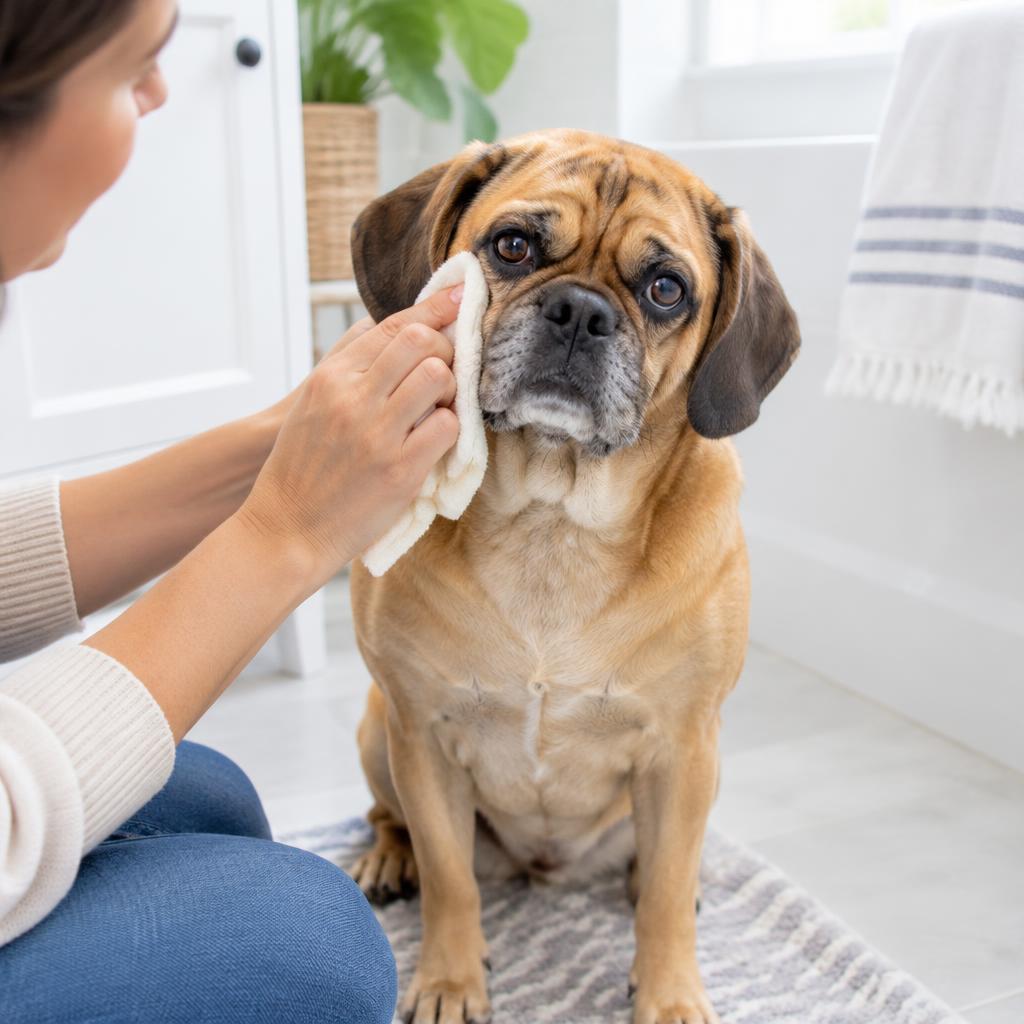
- 2Wipe facial wrinkles every few days and dry them well to prevent sore skin.
- 3Check and clean ears weekly; the floppy Beagle-style ear traps moisture.
- 4Bath only when needed, and dry the wrinkles thoroughly afterwards.
- 5Trim nails every three to four weeks and brush teeth several times a week.
What you actually need
- Rubber curry brush
- Soft cloths for wrinkle care
- Ear cleaning solution
- Dog nail clippers
- Enzymatic dog toothpaste and brush
- Kitchen scales for honest meal measuring
Puppy to adult
| Age | Male | Female | What is happening |
|---|---|---|---|
| 8 weeks | 1.5 to 2.5 kg | 1.4 to 2.3 kg | Bold and food-focused; start gentle handling of ears, wrinkles and paws now. |
| 3 months | 3 to 4.5 kg | 2.8 to 4.2 kg | The nose wakes up; expect walks to slow down as scent becomes fascinating. |
| 6 months | 5.5 to 8.5 kg | 5 to 8 kg | Adolescent appetite peaks; measure meals and resist the begging eyes. |
| 9 months | 6.5 to 11 kg | 6 to 10 kg | Near adult height; keep recall training going with high-value rewards. |
| 12 months | 7 to 13 kg | 6.5 to 12 kg | Adult size for most; watch the waistline as growth slows. |
| 15 months | 7 to 14 kg | 7 to 13 kg | Fully mature; a lean adult Puggle should have a visible waist from above. |
Ranges are typical, not targets. Judge condition by ribs and waist, and check with the ideal weight checker.
What to ask a breeder
- How long are the parents' muzzles, and can I see both breathing quietly at rest?
- Have the parents had any breathing assessment or BOAS grading?
- What health tests have both parents had: eyes, patellas and DNA panels?
- How do you manage weight in your adult dogs?
- How are the puppies socialised before they leave?
Health tests to ask for
Ask to see results for both parents before you put down a deposit.
- Breathing assessment or BOAS grading for flat-faced parents
- Eye testing for both parents
- Patella assessment for both parents
- DNA panel relevant to each parent breed
Health watch-list
What to ask a breeder about, and what to watch for over a lifetime. This is orientation, not veterinary advice, anything you notice belongs in front of a vet.
Breathing difficulties (BOAS)
OccasionalPuppies with very flat faces can inherit the Pug's breathing struggles. Choose a puppy with a clear muzzle and open nostrils, and ask whether the parents have had a respiratory assessment.
Obesity
CommonBoth parent breeds are famously greedy, and excess weight worsens breathing, joints and heat tolerance. Measure every meal and count training treats in the daily ration.
Luxating patella
OccasionalSlipping kneecaps appear in small crosses. Watch for a skipping step on a back leg; severe cases need surgery.
Skin fold dermatitis
OccasionalMoisture and debris in facial wrinkles cause sore, smelly skin. Wipe folds every few days and dry them thoroughly.
Ear infections
OccasionalFloppy ears trap moisture and wax. Weekly checks and cleaning prevent most trouble.
Epilepsy and hip dysplasia
UncommonBoth appear in Beagle lines. Ask the breeder about family history and any health testing in the pedigree.
What it costs to keep one
Realistic running cost
€64 / month
About €768 a year, or roughly €10,752 across a 14-year life, before purchase price, neutering and one-off vet events.
Before the puppy arrives. Budget roughly €300 to 600 for a crate, bed, lead and harness, bowls, puppy classes, first vaccinations and grooming kit sized for this breed. Figures throughout are indicative and vary a good deal between countries.
Interactive · built for this breed
Is a Puggle right for your home?
Seven honest questions about your space, time and household, checked against this breed's exercise need, coat, sociability and tolerance for time alone.
Fit with your routine
97%
A strong fit
Your routine suits a Puggle well. Meet adult dogs of the line before you commit.
What to sort out first
- Needs more daily exercise than you have pencilled in.
Working in your favour
- Coat care fits the grooming time you offered.
Compare more breeds in the matchmaker, or plan meals with the portion calculator.
The verdict, by household
One of the sturdier small crosses and typically patient and playful with children; supervise as with any dog.
Suits flat life well for exercise, but the bay and snorting carry through walls; train a quiet routine early.
A friendly, forgiving choice if you train with food, keep sessions short and accept that recall is a lifelong project.
Usually very good with other dogs and fine with cats when raised together; the Beagle nose may find small furries interesting.
When to call your vet
- Noisy breathing at rest, collapsing in heat or exercise intolerance
- A skipping step on a back leg or reluctance to jump
- Red, smelly or sore skin inside the facial wrinkles
- Head shaking, ear odour or scratching at the ears
- Steady weight gain despite measured meals
Nothing here is a diagnosis. A swollen, hard belly with retching, collapse, breathing difficulty and sudden hind-leg weakness are emergencies: go straight away.
Puggle vs the closest alternatives
| Breed | Weight | Energy | Grooming | € / month |
|---|---|---|---|---|
| Puggle | 7 to 14 kg | 6/10 | 3/10 | €64 |
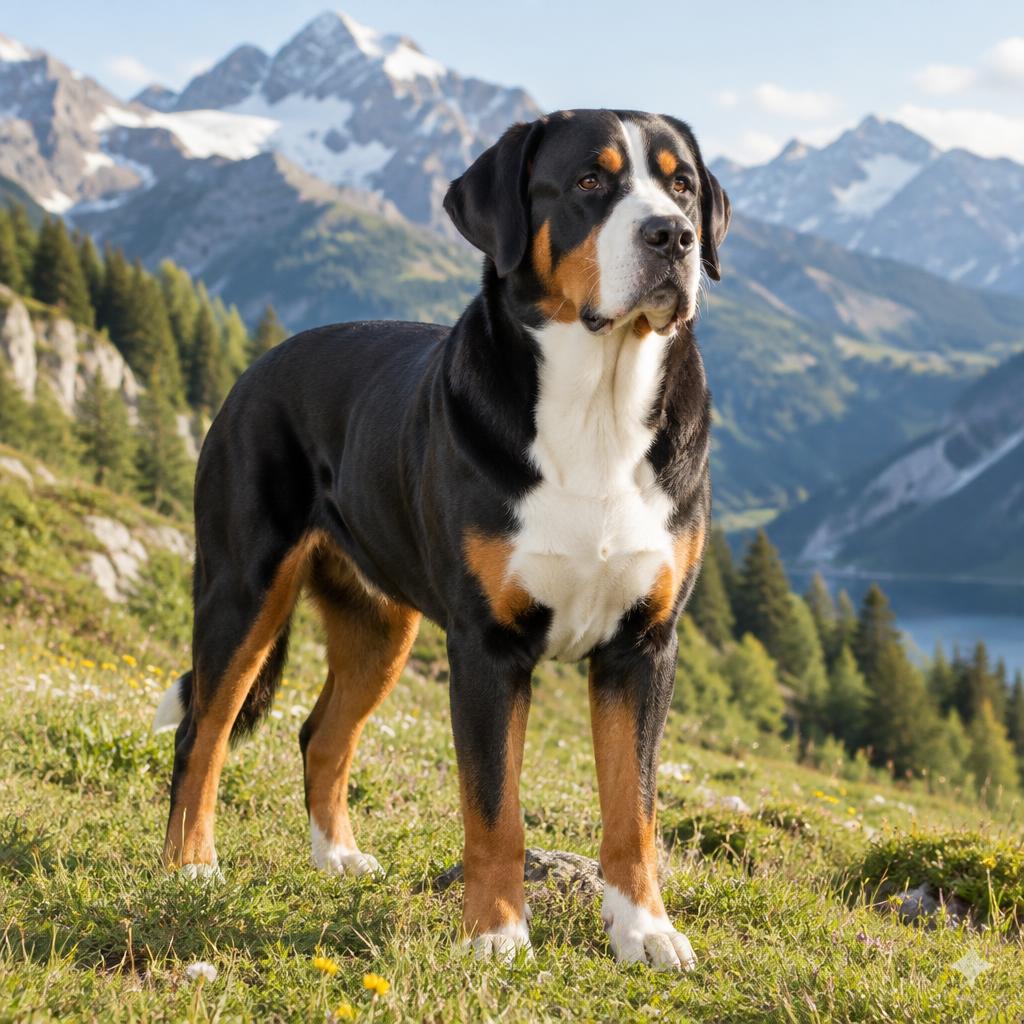
| Greater Swiss Mountain Dog | 50 to 63 kg | 6/10 | 3/10 | €150 |
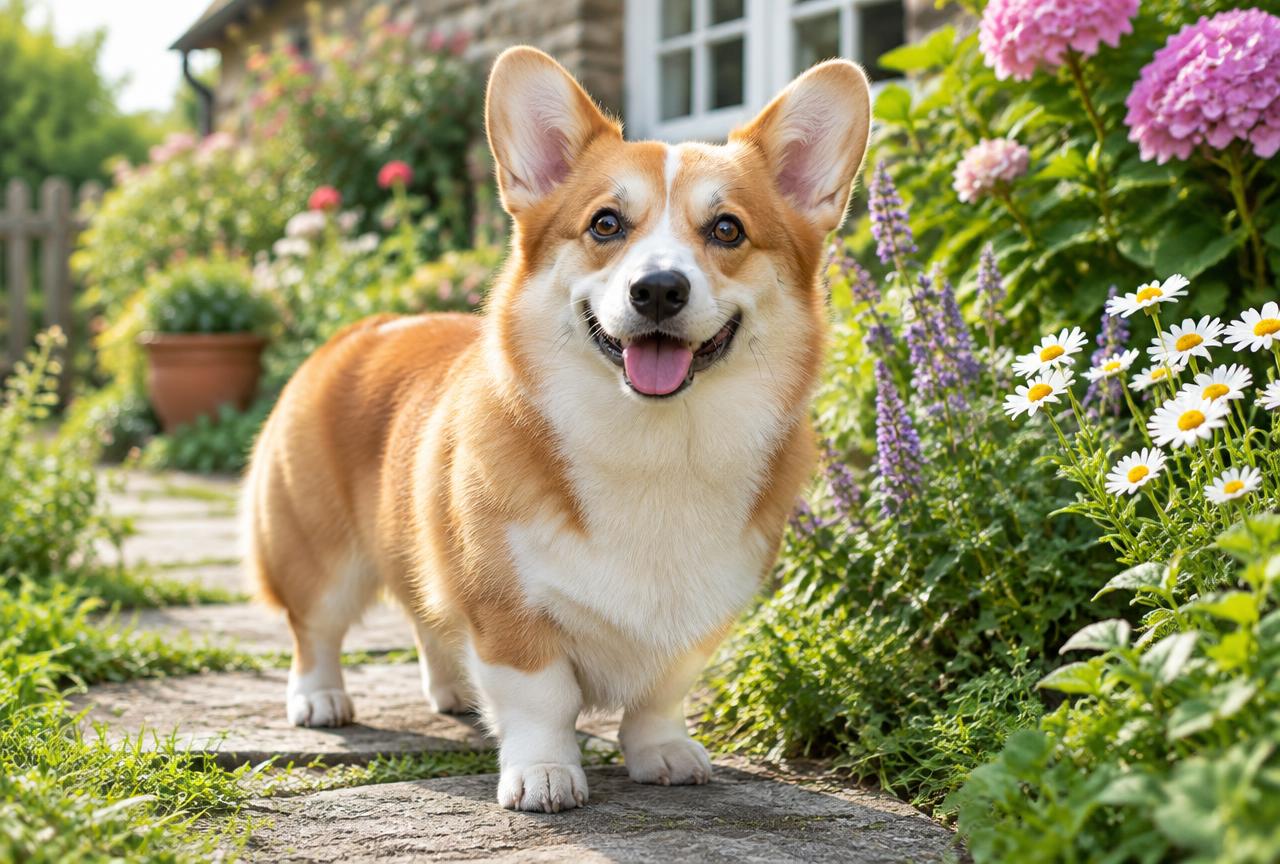
| Pembroke Welsh Corgi | 10 to 14 kg | 6/10 | 5/10 | €95 |
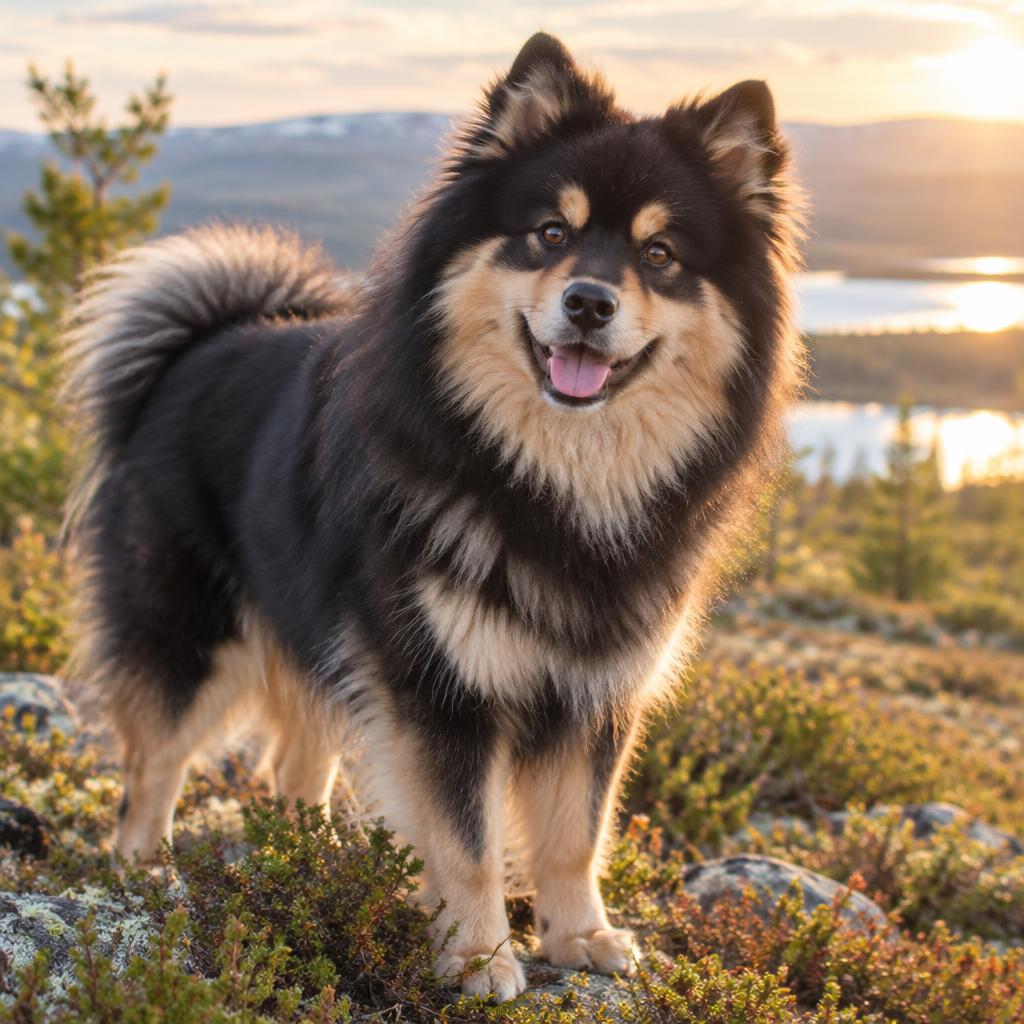
| Finnish Lapphund | 15 to 24 kg | 7/10 | 5/10 | €89 |
Puggle questions, answered
Is a Puggle healthier than a Pug?
It can be, but it is not automatic. Puppies with a longer Beagle-style muzzle usually breathe far more comfortably than a flat-faced Pug, while very flat-faced Puggles can inherit the same struggles. Choose the longest muzzle in the litter and ask about breathing assessments for the parents.
How big does a Puggle get?
Most finish between 7 and 14 kg and stand 28 to 38 cm at the shoulder: a sturdy small dog rather than a delicate one.
Do Puggles shed?
Yes. The short double coat sheds moderately all year and is not hypoallergenic. A weekly rubber-brush session keeps on top of it.
Are Puggles good with children?
Generally excellent: sturdy, patient and playful, and less fragile than most toy crosses. As always, supervise young children and teach them how to treat a dog kindly.
Do Puggles bark or howl?
They can. The Beagle side brings a proper bay, and boredom or loneliness brings it out. Training, company and enough sniffy exercise keep it manageable, but expect some noise: snorts and snores come as standard too.
How much exercise does a Puggle need?
Around an hour a day suits most adults, and sniffing time matters more than distance. In warm weather, walk early or late, especially with flatter-faced individuals.
How long do Puggles live?
Typically 12 to 15 years. Keeping them lean is the single biggest favour you can do for their lifespan and comfort.