
Pastoral group
Wales
Pembroke Welsh Corgi
The Pembroke Welsh Corgi is a bold and loyal herding breed that requires careful weight management and spinal care to thrive.
Reviewed against Kennel Club and breed club health guidance
A bold, affectionate herder with big-dog confidence and a distinctive low profile.
The short version
- Their long back makes them prone to spinal injuries, so jumping off furniture must be avoided.
- Strict weight discipline is essential to prevent excess strain on their spine and joints.
- They shed far more than their size suggests, requiring regular brushing to manage the hair.
- Possess big dog confidence and intelligence, needing consistent training and mental stimulation.
- Naturally alert and vocal, they make excellent watchdogs but need socialisation to prevent over guardianship.
- Weight
- 10 to 14 kg
- Height
- 25 to 30 cm
- Lifespan
- 12 to 15 yrs
- Size
- Small
- Group
- Pastoral
- Coat
- Short to medium length, thick double coat
- Grown male
- 10 to 14 kg
- Grown female
- 10 to 13 kg
- Years to full size
- about 1
- One-off setup
- €500 to 1000
Get one if…
- Families looking for an affectionate and alert companion
- Owners who can commit to strict weight management and spinal care
- People who enjoy daily walks and moderate mental training
- Households that do not mind significant year round shedding
- Owners wanting a small dog with a bold and confident personality
Think again if…
- Owners living in homes with many stairs and no ramps
- People who are unable to resist overfeeding or providing many treats
- Fastidious housekeepers who cannot tolerate dog hair
- Individuals looking for a low energy lap dog with no exercise needs
- Owners who are away for long periods and cannot provide interaction
Trait profile
Pembrokes are smart and bold herders that need firm weight management and careful spinal protection to avoid common back injuries.
Space & setup. They can adapt well to flat living provided they have regular outdoor access and their spine is protected from jumping or stairs.
Allergies. The dense double coat sheds very heavily, particularly during seasonal changes, making the breed a poor choice for allergy sufferers.
Living with a Pembroke Welsh Corgi
The Pembroke Welsh Corgi is a small but powerful pastoral breed, originally developed in Wales to herd cattle by nipping at their heels. Renowned for its intelligence, stamina and spirited personality, it is a devoted family companion that remains alert and capable. Despite its short legs, it is a true working dog with a high level of agility and courage.
The Pembroke Welsh Corgi is perhaps one of the most recognisable breeds in the world, yet many prospective owners are surprised by the sheer amount of dog contained within such a short legged package. Originally bred for herding cattle in the rugged terrain of Wales, the Pembroke was designed to be low to the ground to avoid the kicks of the livestock it managed. This working heritage has left the breed with a robust constitution, a keen intelligence and a level of confidence often associated with much larger dogs. They do not view themselves as small pets; they are capable, alert and often quite bossy individuals that require clear guidance and a consistent routine to thrive in a domestic setting. Their history as heelers means they are naturally observant and responsive, but it also means they can be prone to nipping at moving objects, including the heels of children or other pets, if not properly directed through training.
One of the most critical aspects of owning a Pembroke Welsh Corgi is the management of their physical health, specifically their long back. Because of their chondrodysplastic build, where the legs are short in proportion to the length of the spine, they are highly susceptible to Intervertebral Disc Disease or IVDD. This means that activities common for other breeds, such as launching themselves off a sofa or racing down steep stairs, carry a significant risk of spinal injury. Owners must be diligent in providing ramps or lifting their dogs to prevent these high impact movements. Furthermore, weight discipline is not optional for this breed. Even a small amount of excess weight puts immense strain on the spine and joints, making strict portion control and regular, low impact exercise essential for their long term well being. A lean Corgi is a healthy Corgi, and resisting those persuasive, expressive eyes during mealtimes is one of the kindest things an owner can do.
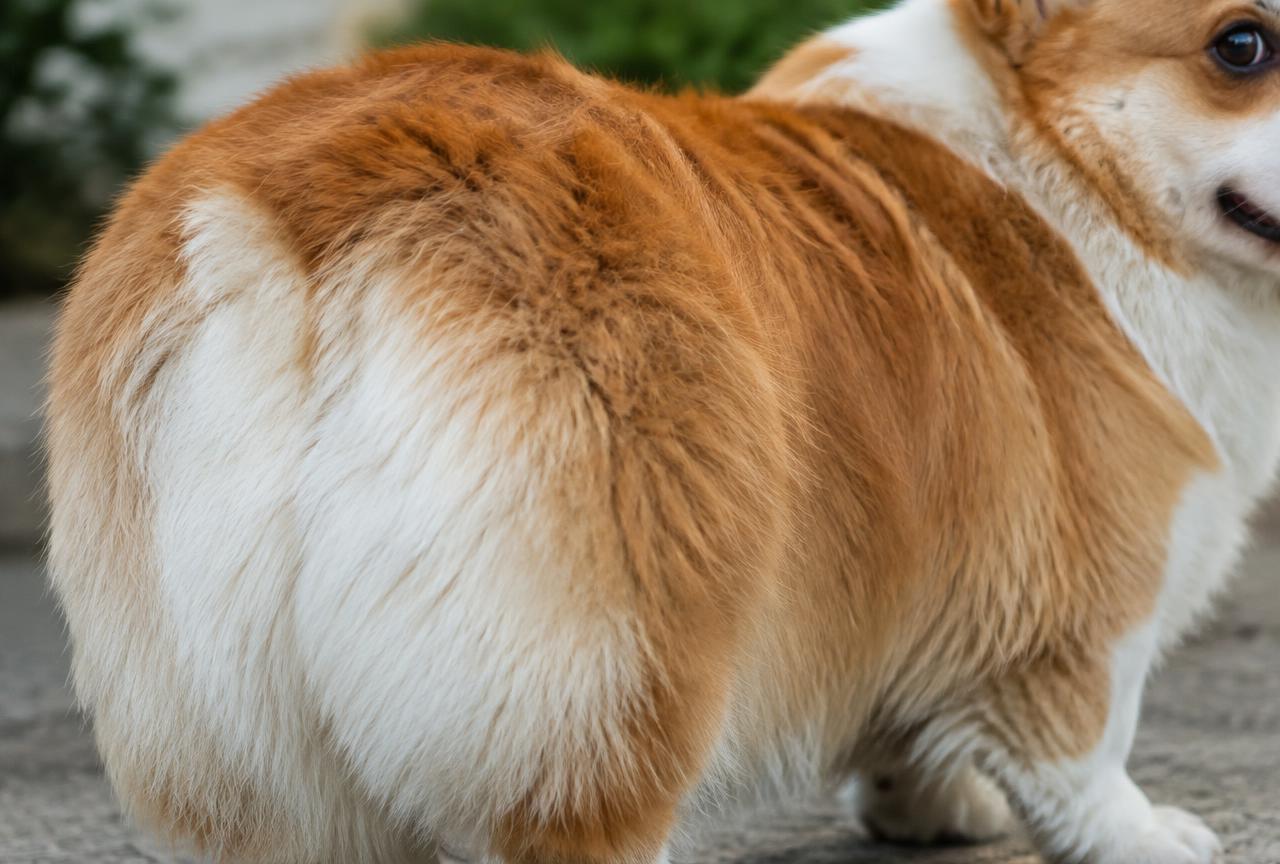
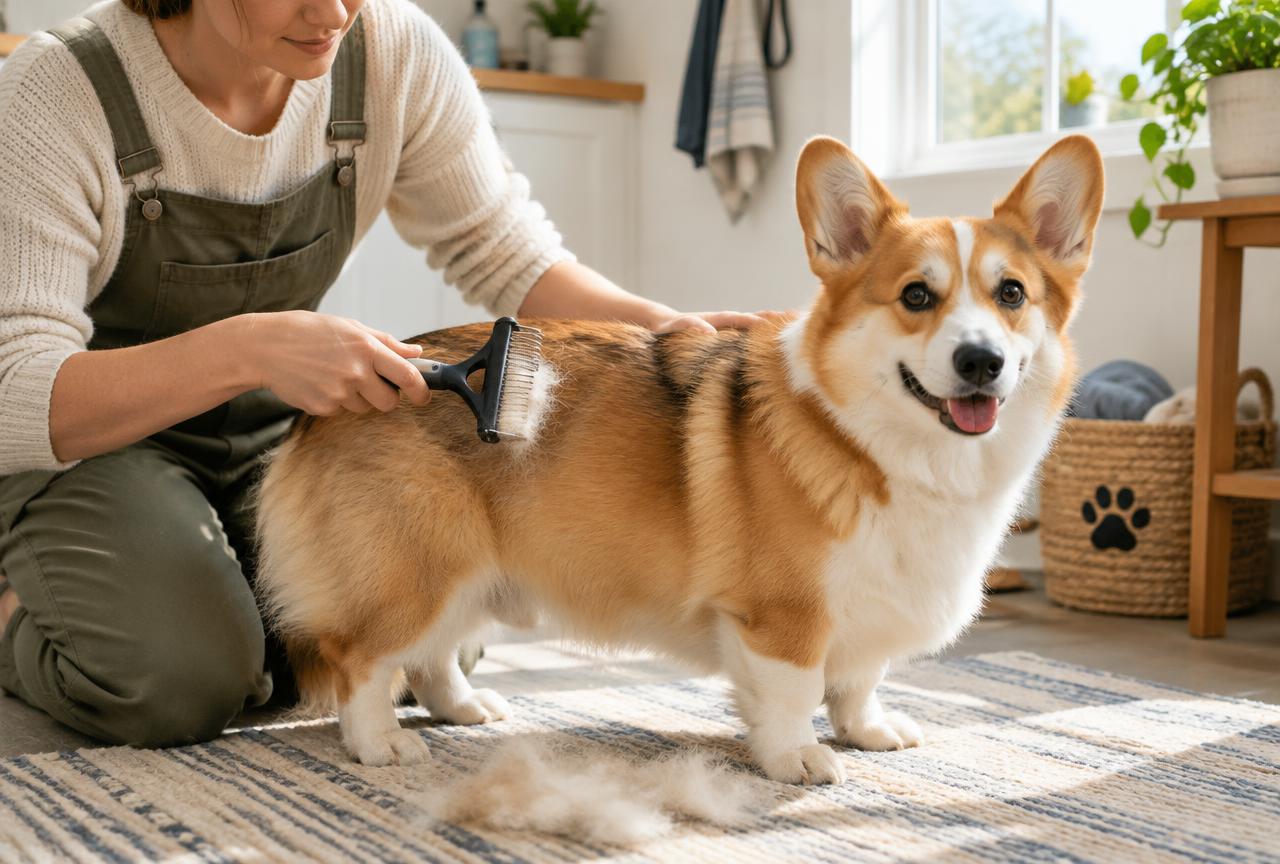
Another surprise for many new Corgi owners is the volume of shedding. Despite their relatively short coat, Pembrokes possess a dense double coat that was designed to protect them from the harsh Welsh weather. They shed significantly throughout the year, but twice a year they will blow their coat, resulting in a staggering amount of loose hair. Daily brushing during these periods and weekly brushing during the rest of the year are necessary to keep the home manageable. This is not a breed for those who are fastidious about hair on their clothes or furniture. However, the coat is naturally quite clean and does not typically hold onto odours, meaning baths are only needed occasionally. The grooming process is also an excellent time to bond with the dog and check for any skin issues or irregularities that might be hidden by the thick fur.

Training a Pembroke Welsh Corgi is generally a rewarding experience because of their high intelligence and food motivation. They are quick studies and often excel in obedience and even agility trials, provided the obstacles are safe for their backs. However, their big dog confidence means they can sometimes be independent or stubborn if they do not see the point of a command. Positive, reward based methods work best, as they are sensitive to harsh corrections. Socialisation is equally important; while they are generally outgoing and affectionate with their families, their history as alert herders can make them vocal. They will certainly let you know if someone is at the door, and without proper socialisation, this alertness can tip into over guardianship. Providing a variety of positive experiences with new people and other animals from a young age helps ensure they remain the sociable and charming companions they are known to be.
Exercise needs are moderate but must be consistent. Around 45 to 60 minutes of daily activity is usually sufficient to keep a Pembroke satisfied. This should focus on steady walks rather than high impact jumping or sprinting. Mental stimulation is also vital; puzzle feeders, scent games and trick training help to satisfy their working brain and prevent the boredom that leads to destructive barking or chewing. At home, they are affectionate and enjoy being involved in family activities, often following their owners from room to room. They are loyal companions that offer a unique blend of working dog capability and lap dog affection. For an owner who can manage their physical limitations and commitment to grooming, the Pembroke Welsh Corgi offers an unparalleled level of personality and devotion. They are truly big dogs in small bodies, bringing a sense of fun and alertness to every household they join, provided their specific needs for spinal care and weight management are respected.
A charismatic and loyal companion that packs a large personality into a small, sturdy frame.
Exercise, day to day
- 1Puppies: 5 minutes of gentle walking per month of age, twice daily, strictly avoiding stairs.
- 2Adults: 45 to 60 minutes of daily exercise, primarily through steady walks on even ground.
- 3Mental enrichment: use of puzzle feeders and short, frequent training sessions to engage their mind.
- 4Back protection: use of ramps for getting in and out of cars or onto furniture.
- 5Social outings: regular visits to new environments to maintain their confident and sociable nature.
Grooming, realistically
- 1Brush weekly with a slicker brush and undercoat rake to manage shedding.
- 2Increase brushing to daily during the spring and autumn coat blow.
- 3Check and clean ears weekly to prevent debris build up.
- 4Trim nails every 3 to 4 weeks to ensure comfortable walking.
- 5Brush teeth regularly to maintain dental health and prevent gum disease.
What you actually need
- Slicker brush
- Undercoat rake
- Grooming mitt
- Dog nail clippers
- Ear cleaning solution
- Enzymatic toothpaste and brush
Puppy to adult
| Age | Male | Female | What is happening |
|---|---|---|---|
| 8 weeks | 2.5 to 4 kg | 2 to 3.5 kg | Sturdy and curious, start weight monitoring immediately. |
| 3 months | 4 to 6 kg | 3.5 to 5.5 kg | Rapid growth phase, avoid high impact jumping or stairs. |
| 6 months | 7 to 10 kg | 6.5 to 9 kg | Approaching adult height, weight management is key. |
| 9 months | 9 to 12 kg | 8.5 to 11 kg | Filling out, continue low impact exercise to protect the spine. |
| 12 months | 10 to 14 kg | 10 to 13 kg | Reaching full adult weight and maturity. |
| 18 months | 10 to 14 kg | 10 to 13 kg | Adult weight should be strictly maintained for back health. |
Ranges are typical, not targets. Judge condition by ribs and waist, and check with the ideal weight checker.
What to ask a breeder
- Can I see hip and eye screening results for both parents?
- Have the parents been tested for Degenerative Myelopathy (DM)?
- Is there a history of von Willebrand's Disease in the bloodline?
- How do you approach socialisation with the puppies before they leave?
- What advice do you provide regarding weight management and back care?
- Can I meet the mother to assess her temperament and confidence?
Health watch-list
What to ask a breeder about, and what to watch for over a lifetime. This is orientation, not veterinary advice, anything you notice belongs in front of a vet.
Intervertebral Disc Disease
CommonLong backs and short legs make the breed highly prone to spinal injuries; weight control is vital.
Hip Dysplasia
NotableInherited joint condition that can cause arthritis; breeding stock should be hip scored.
Degenerative Myelopathy
NotableA progressive disease of the spinal cord in older dogs; DNA testing of parents is recommended.
von Willebrand's Disease
UncommonA genetic bleeding disorder; DNA testing can identify affected dogs and carriers.
Progressive Retinal Atrophy
UncommonInherited eye condition causing gradual vision loss; breeding dogs should have annual eye tests.
Obesity
CommonA high risk for the breed that exacerbates spinal and joint issues; strict portion control is necessary.
What it costs to keep one
Realistic running cost
€95 / month
About €1,140 a year, or roughly €15,960 across a 14-year life, before purchase price, neutering and one-off vet events.
Before the puppy arrives. Budget roughly €500 to 1000 for a crate, bed, lead and harness, bowls, puppy classes, first vaccinations and grooming kit sized for this breed. Figures throughout are indicative and vary a good deal between countries.
Interactive · built for this breed
Is a Pembroke Welsh Corgi right for your home?
Seven honest questions about your space, time and household, checked against this breed's exercise need, coat, sociability and tolerance for time alone.
Fit with your routine
95%
A strong fit
Your routine suits a Pembroke Welsh Corgi well. Meet adult dogs of the line before you commit.
What to sort out first
- Needs more daily exercise than you have pencilled in.
Working in your favour
- Coat care fits the grooming time you offered.
Compare more breeds in the matchmaker, or plan meals with the portion calculator.
The verdict, by household
First-time owner
A good choice with education
Their intelligence and size make them manageable, but back care is a learning curve.
Family with children
A strong match
Generally excellent with children, though herding nips must be discouraged early.
Active single or couple
An ideal match
Devoted companions that enjoy moderate activity and constant proximity to owners.
Owner in a flat
An excellent match
Well suited to flats if stairs are avoided and exercise needs are met outdoors.

When to call your vet
- Reluctance to move, jumping hesitation or yelping when touched, suggesting IVDD
- Weakness or lack of coordination in the hind legs, which could indicate DM
- Excessive thirst or urination, potentially pointing to weight related issues like diabetes
- Cloudy eyes or vision loss, suggesting progressive retinal atrophy or cataracts
- Stiffness or limping after exercise, which may indicate hip dysplasia
Nothing here is a diagnosis. A swollen, hard belly with retching, collapse, breathing difficulty and sudden hind-leg weakness are emergencies: go straight away.
Pembroke Welsh Corgi vs the closest alternatives
| Breed | Weight | Energy | Grooming | € / month |
|---|---|---|---|---|
| Pembroke Welsh Corgi | 10 to 14 kg | 6/10 | 5/10 | €95 |
| Finnish Lapphund | 15 to 24 kg | 7/10 | 5/10 | €89 |
| Puggle | 7 to 14 kg | 6/10 | 3/10 | €64 |
| Greater Swiss Mountain Dog | 50 to 63 kg | 6/10 | 3/10 | €150 |
Pembroke Welsh Corgi questions, answered
Do Corgis shed a lot?
Yes, they are heavy shedders. Despite their size, their thick double coat produces a significant amount of loose hair year round, requiring regular brushing to manage.
Are Corgis good with children?
They are generally affectionate and patient with children. However, their herding instinct can lead to nipping at heels, so supervision and training are important.
Why do Corgis have short legs?
They were bred to be low to the ground so they could avoid being kicked by the cattle they were herding in the Welsh hills.
Can Corgis jump on the sofa?
It is not recommended. Their long backs are prone to injury (IVDD), so jumping off furniture or using stairs should be avoided. Ramps are a safer alternative.
Are Corgis easy to train?
They are very intelligent and food motivated, which makes them responsive to training. However, they can be independent and need consistent, positive leadership.
Do Corgis bark a lot?
They were bred to be alert herders and will often bark to warn of strangers or unusual noises. Training can help manage this vocal tendency.
Are Corgis lazy dogs?
No, they are a working breed with moderate energy levels. They need daily exercise and mental stimulation to stay healthy and avoid weight gain.
Sources
- Pembroke Welsh Corgi breed standard, The Kennel Club
- Pembroke Welsh Corgi breed information, American Kennel Club
- Hip dysplasia scheme, British Veterinary Association
- Corgi health information, Pembroke Welsh Corgi Heritage Trust
- IVDD in dogs, PDSA
Put it into practice
Reading that goes with this

Puppies
Crate Training a Puppy: A 14-Day Plan

Care
Dog Years to Human Years: The Real Science

Training
How to Stop a Dog Barking: A Practical Guide

Health
Why Is My Dog Panting So Much? Causes and Warning Signs

Behaviour
Why Do Dogs Eat Grass? What Vets Actually Think

Health
Why Is My Dog Shaking? Causes and When to Worry

Health
Why Do Dogs Lick Their Paws? Causes and Fixes

Nutrition
Can Dogs Eat Bread? Crusts, Dough and When It Is Dangerous