Hound group
United States
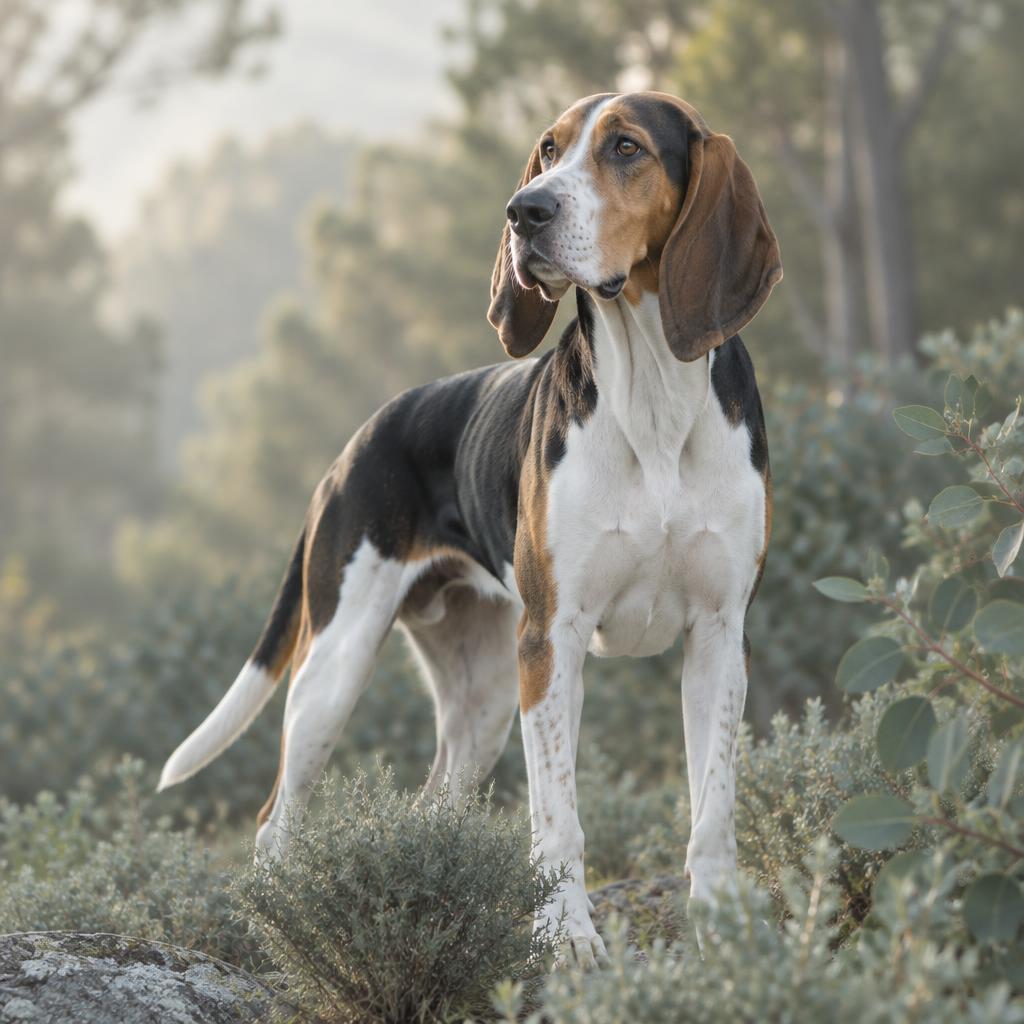
Treeing Walker Coonhound
A fast, good-natured American trailing hound with a ringing bay and a huge appetite for exercise. Wonderful for active, rural homes; a poor fit for quiet flats and close neighbours.
The people's coonhound: fast, friendly and gloriously loud.
The short version
- Ninety minutes or more of exercise daily
- The bay is loud and carrying; not a close-neighbour dog
- The nose rules: secure fencing and recall training are essential
- Gentle, sociable and easygoing at home
- Low-maintenance coat; weekly ear checks are the main chore
Choose a variety
White, black and tan is the classic and most common pattern.
- Weight
- 23 to 32 kg
- Height
- 51 to 69 cm
- Lifespan
- 12 to 13 yrs
- Size
- Large
- Group
- Hound
- Coat
- Short, smooth tricolour coat
- Years to full size
- about 1.5
- One-off setup
- €800 to 1500
Get one if…
- Active rural families
- Hikers, runners and outdoor households
- Homes with other dogs
- Owners who love hound character and can manage a big voice
Think again if…
- Flats and close-neighbour housing
- Owners wanting reliable off-lead recall anywhere
- Very sedentary households
- Homes with small pets that trigger the chase instinct
Trait profile
Scores reflect a working trailing hound: tireless, very vocal, sociable and ruled by the nose.
Space & setup. Needs a house with a securely fenced garden and rural space; the bay rules out close neighbours.
Allergies. A moderate shedder; not a low-allergen breed.
Living with a Treeing Walker Coonhound
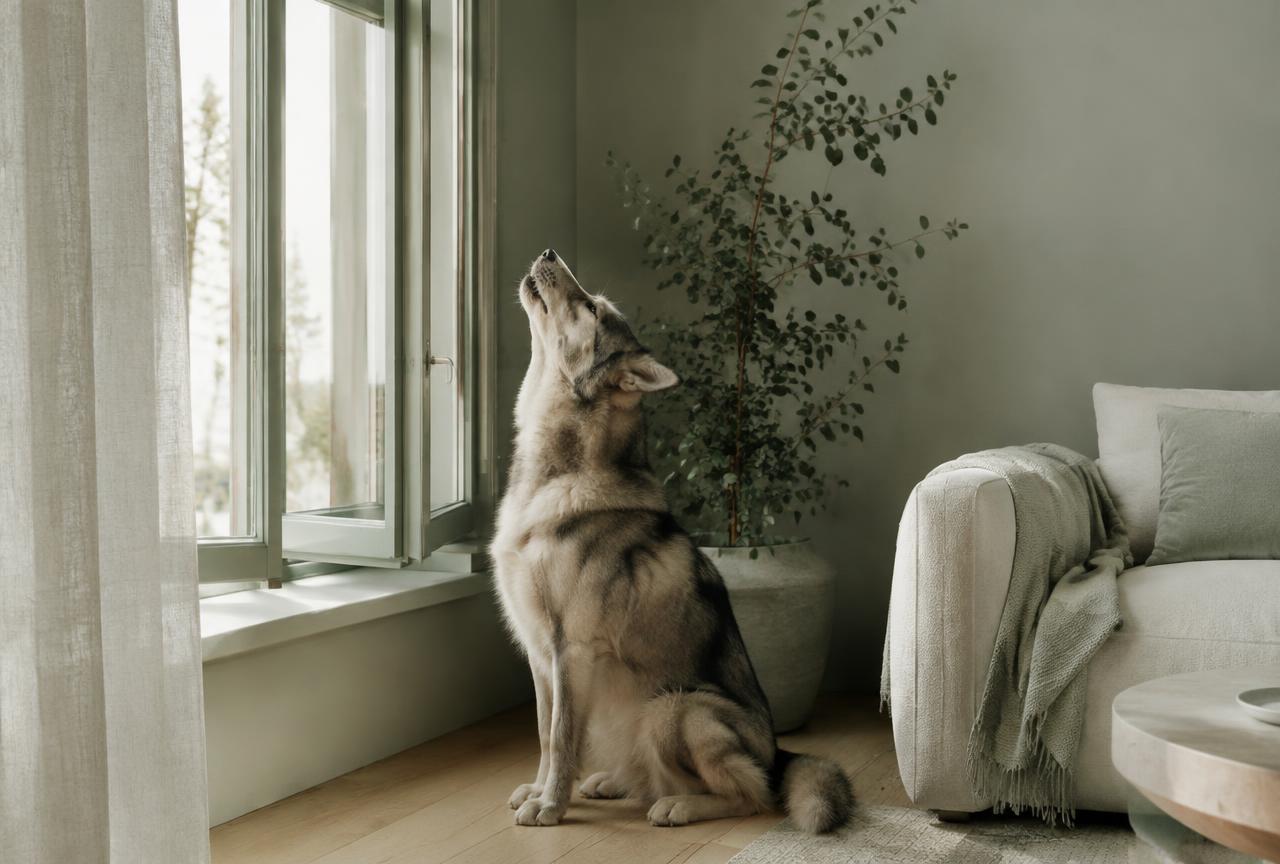
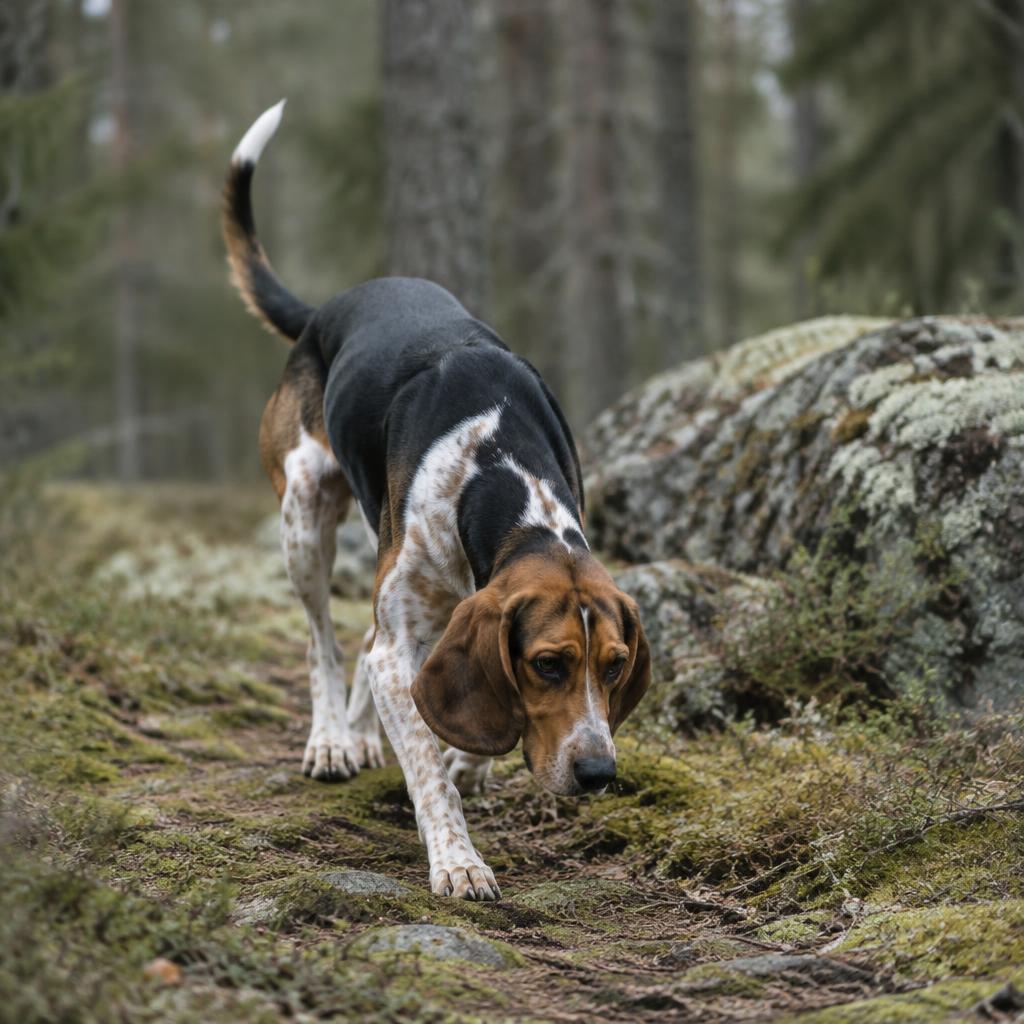
The Treeing Walker Coonhound is an American scenthound developed from English Foxhounds to trail and tree raccoons. Tricolour, long-eared and athletic, it is fast, friendly and famously vocal, with a ringing bay that carries for miles. At home it is gentle, sociable and surprisingly easygoing. The short coat is low maintenance. It suits active rural homes with secure space and understanding neighbours.
The Treeing Walker Coonhound descends from English Foxhounds brought to colonial America, refined in Kentucky and Virginia into a faster, hotter-nosed trailing dog that runs raccoons up trees and sings about it. The name honours two Kentucky breeders, Thomas Walker and the Walker family lines. It remains the most popular of the coonhound breeds, and one of the most popular hunting hounds in the American South.
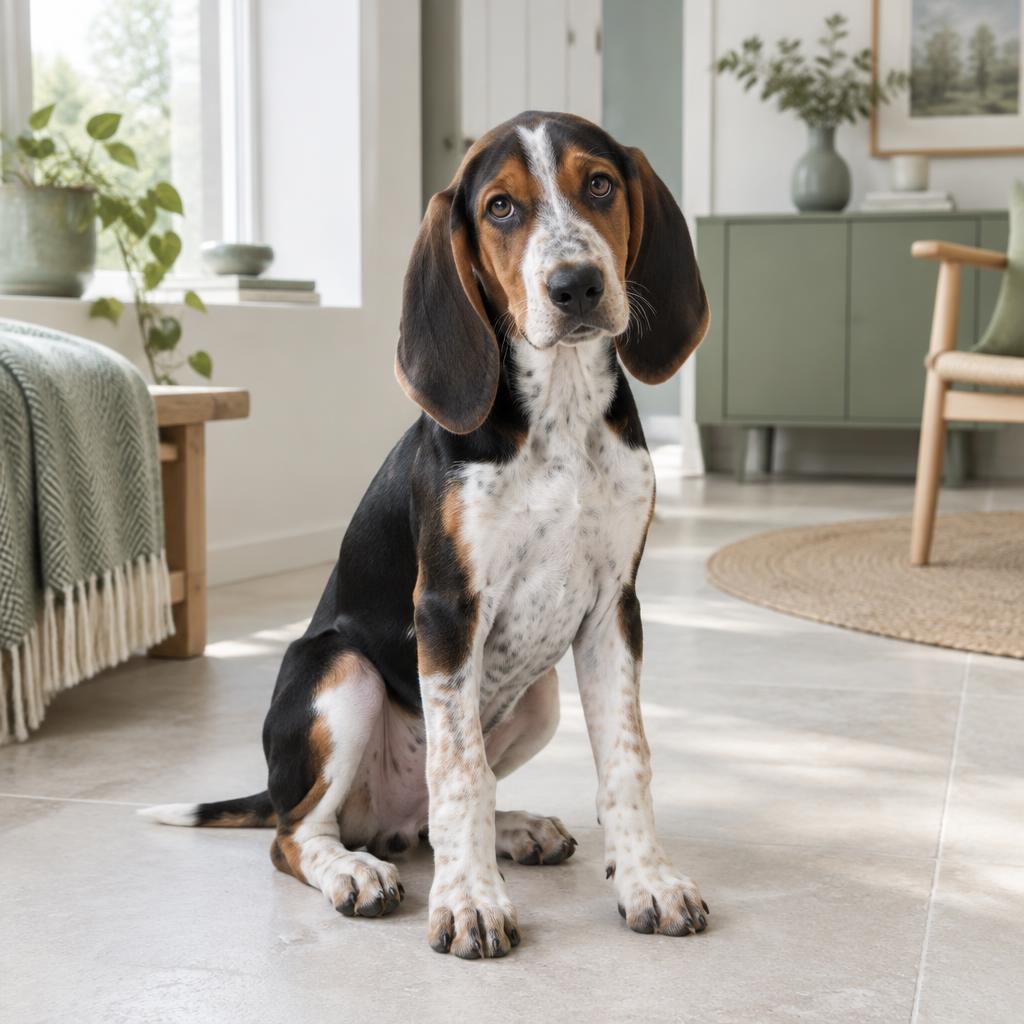
At home, the Treeing Walker is a surprise to people who only know the working dog: gentle, sociable, good with children and other dogs, and happy to spend the evening asleep on the sofa. The catch is everything that makes it a great hound. The nose overrides the ears, so recall is a lifelong project and a secure garden is essential. The bay is magnificent and extremely loud, and a bored or lonely coonhound will use it.
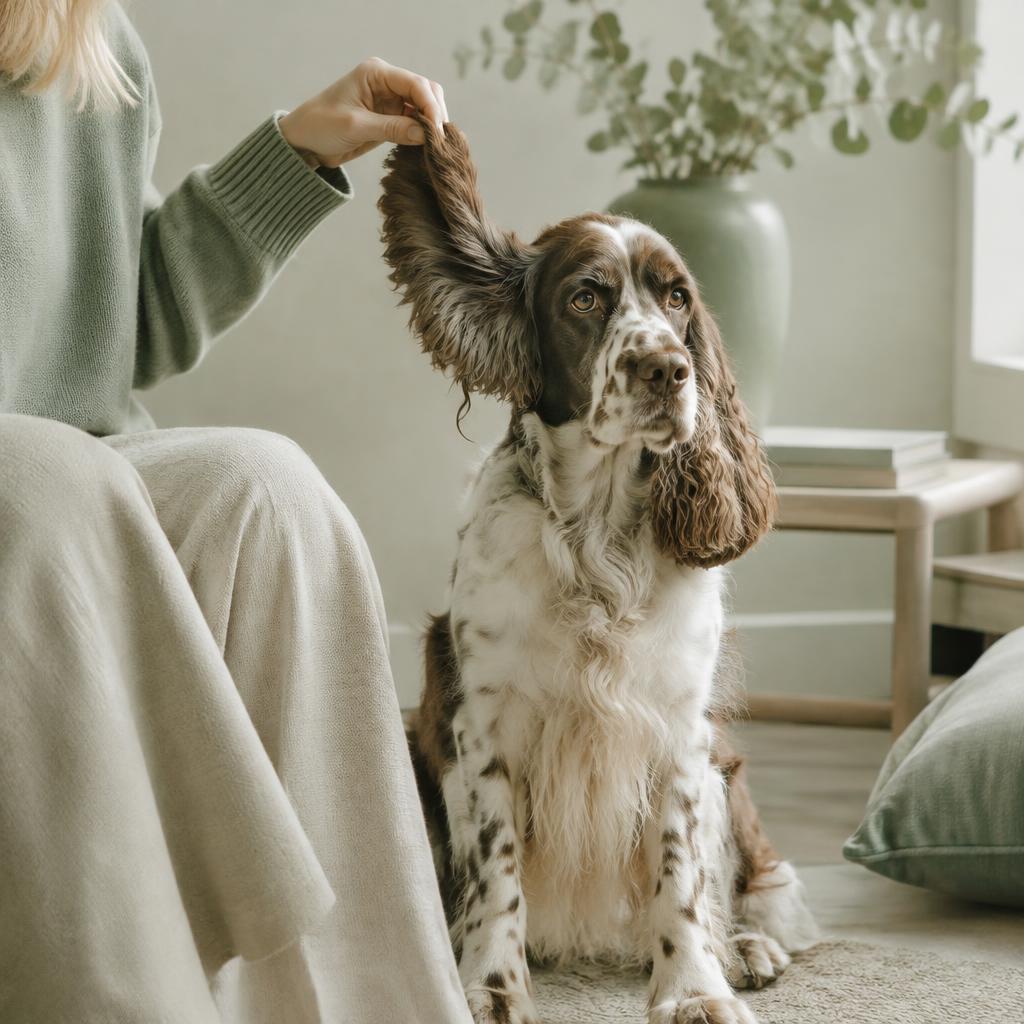
Exercise needs are high: ninety minutes or more a day, ideally with long off-lead runs in safe country, scent games and hiking. The short coat needs only a weekly once-over. Health is generally robust, with hip dysplasia and ear infections the main watch items; those long ears need weekly checks, especially after wet weather and swimming. For active rural owners who love hound character, there are few better companions.
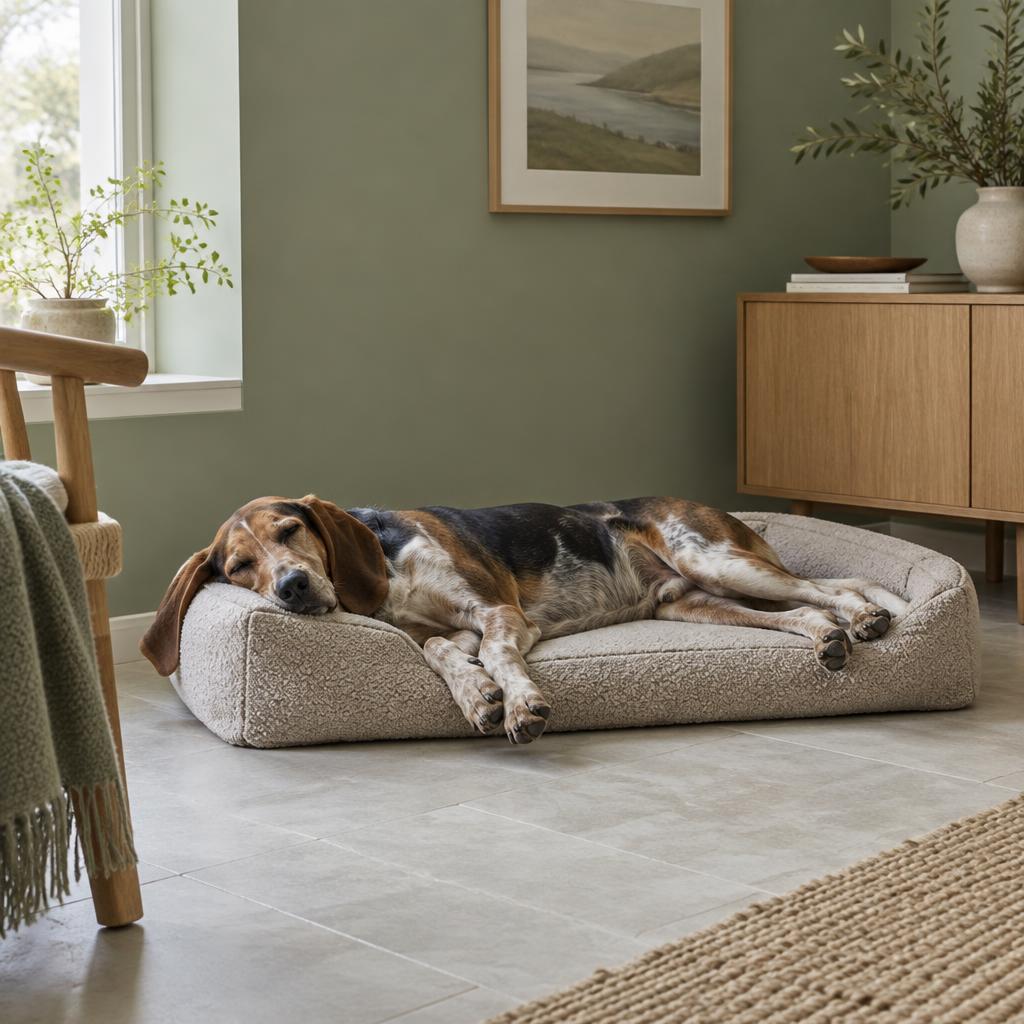
A sweet-natured, tireless trailing hound with a voice like a church bell. Magnificent in the right rural home; a liability in the wrong one.
Exercise, day to day
- 1Ninety minutes or more of exercise daily
- 2Long off-lead runs in safe, fenced or remote country
- 3Scent trails and tracking games to work the nose
- 4Hiking, canicross or field work as a regular outlet
Grooming, realistically
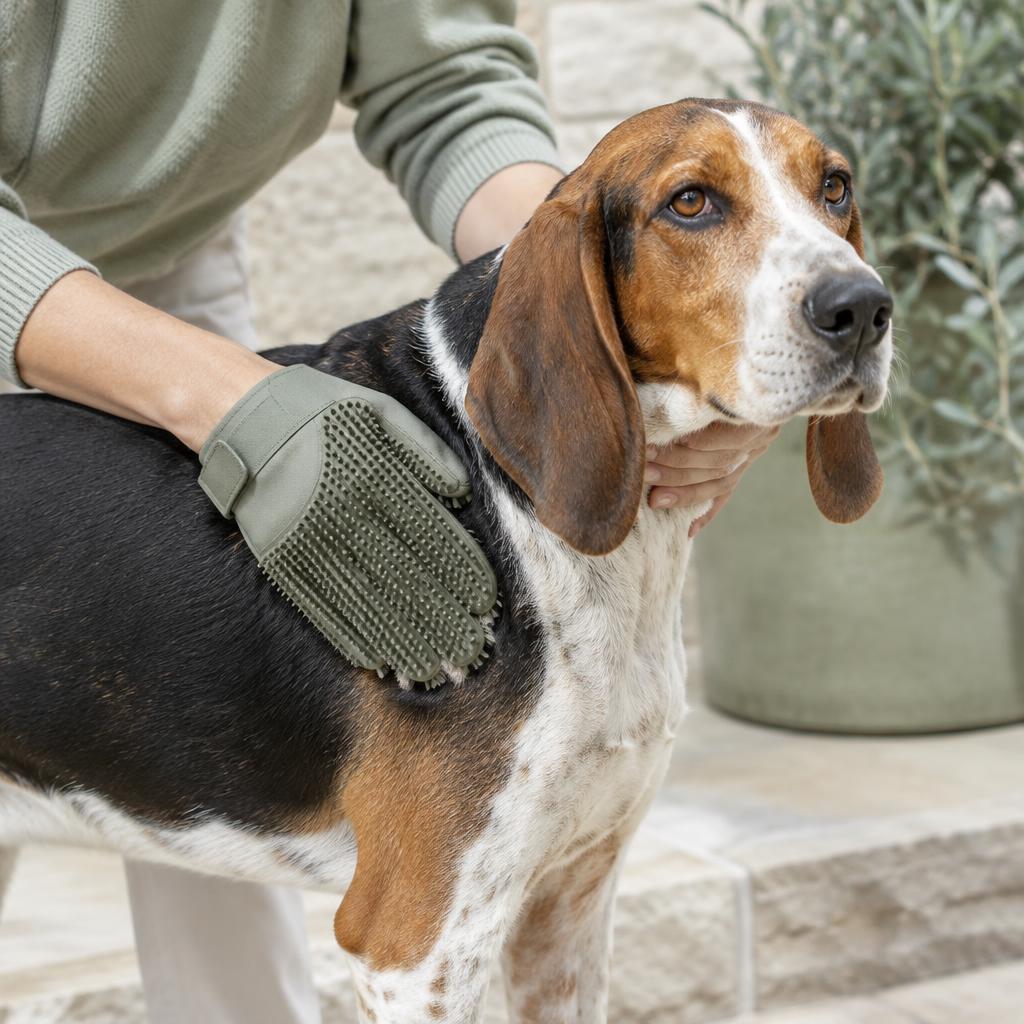
- 1Rubber curry mitt or hound glove once a week to lift loose hair
- 2Check and clean the long ears weekly, and after swimming or wet weather
- 3Bath only when the hound smell wins; the coat is wash-and-wear
- 4Keep nails short; active hounds still need regular checks
What you actually need
- Rubber grooming mitt
- Ear cleaner
- Nail clippers
- Hound-safe shampoo
Puppy to adult
| Age | Male | Female | What is happening |
|---|---|---|---|
| 8 weeks | 2.5 to 3.5 kg | 2.3 to 3.2 kg | Nose already working; start handling, name games and a toilet routine. |
| 3 months | 8 to 11 kg | 7 to 10 kg | Socialisation window; introduce dogs, visitors and country sounds. |
| 6 months | 16 to 21 kg | 14 to 19 kg | Long-legged adolescent; keep exercise steady and start scent games. |
| 9 months | 20 to 26 kg | 18 to 23 kg | Near adult height; the bay finds its full voice about now. |
| 12 months | 23 to 29 kg | 20 to 26 kg | Close to adult size; recall training is a continuing project. |
| 18 months | 25 to 32 kg | 23 to 29 kg | Fully grown; a fit, settled adult with daily work or exercise. |
Ranges are typical, not targets. Judge condition by ribs and waist, and check with the ideal weight checker.
What to ask a breeder
- Have the parents been hip scored?
- What are the parents like to live with at home, not just in the field?
- How do you socialise the litter before they leave?
- Is there any history of ear or eye trouble in the line?
- What health testing results can I see for both parents?
Health tests to ask for
Ask to see results for both parents before you put down a deposit.
- Hip scoring for both parents
- Ask about ear health and any eye conditions in the line
- Discuss bloat prevention: two meals a day and rest around feeding
Health watch-list
What to ask a breeder about, and what to watch for over a lifetime. This is orientation, not veterinary advice, anything you notice belongs in front of a vet.
Ear infections
CommonLong ears trap moisture and dirt; check and clean weekly, and after swimming or wet weather.
Hip dysplasia
UncommonAsk for hip scores for both parents; keep growing puppies lean.
Gastric dilatation-volvulus (bloat)
UncommonDeep-chested athletic dogs are at risk; feed two meals and rest around feeding.
Eye conditions (cataracts, PRA)
UncommonAsk about eye history in the line; report cloudiness or night hesitation.
Field injuries and pad wear
OccasionalWorking and running hounds pick up cuts, thorns and worn pads; check feet after runs.
What it costs to keep one
Realistic running cost
€88 / month
About €1,056 a year, or roughly €13,728 across a 13-year life, before purchase price, neutering and one-off vet events.
Before the puppy arrives. Budget roughly €800 to 1500 for a crate, bed, lead and harness, bowls, puppy classes, first vaccinations and grooming kit sized for this breed. Figures throughout are indicative and vary a good deal between countries.
Interactive · built for this breed
Is a Treeing Walker Coonhound right for your home?
Seven honest questions about your space, time and household, checked against this breed's exercise need, coat, sociability and tolerance for time alone.
Fit with your routine
92%
A strong fit
Your routine suits a Treeing Walker Coonhound well. Meet adult dogs of the line before you commit.
What to sort out first
- Needs more daily exercise than you have pencilled in.
Working in your favour
- Coat care fits the grooming time you offered.
Compare more breeds in the matchmaker, or plan meals with the portion calculator.
The verdict, by household
Excellent in the country: gentle, playful and robust with children.
Possible for active rural owners who understand hound independence.
A moderate shedder; not a low-allergen choice.
Not suitable: the bay and the exercise needs rule it out.
When to call your vet
- Head shaking, ear odour or redness, especially after wet weather
- Reluctance to exercise, stiffness or limping
- Cloudy eyes, redness or squinting
- A swollen, tight abdomen or unproductive retching, which is an emergency
Nothing here is a diagnosis. A swollen, hard belly with retching, collapse, breathing difficulty and sudden hind-leg weakness are emergencies: go straight away.
Treeing Walker Coonhound vs the closest alternatives
| Breed | Weight | Energy | Grooming | € / month |
|---|---|---|---|---|
| Treeing Walker Coonhound | 23 to 32 kg | 8/10 | 3/10 | €88 |
| Beagle | 9 to 16 kg | 8/10 | 2/10 | €90 |
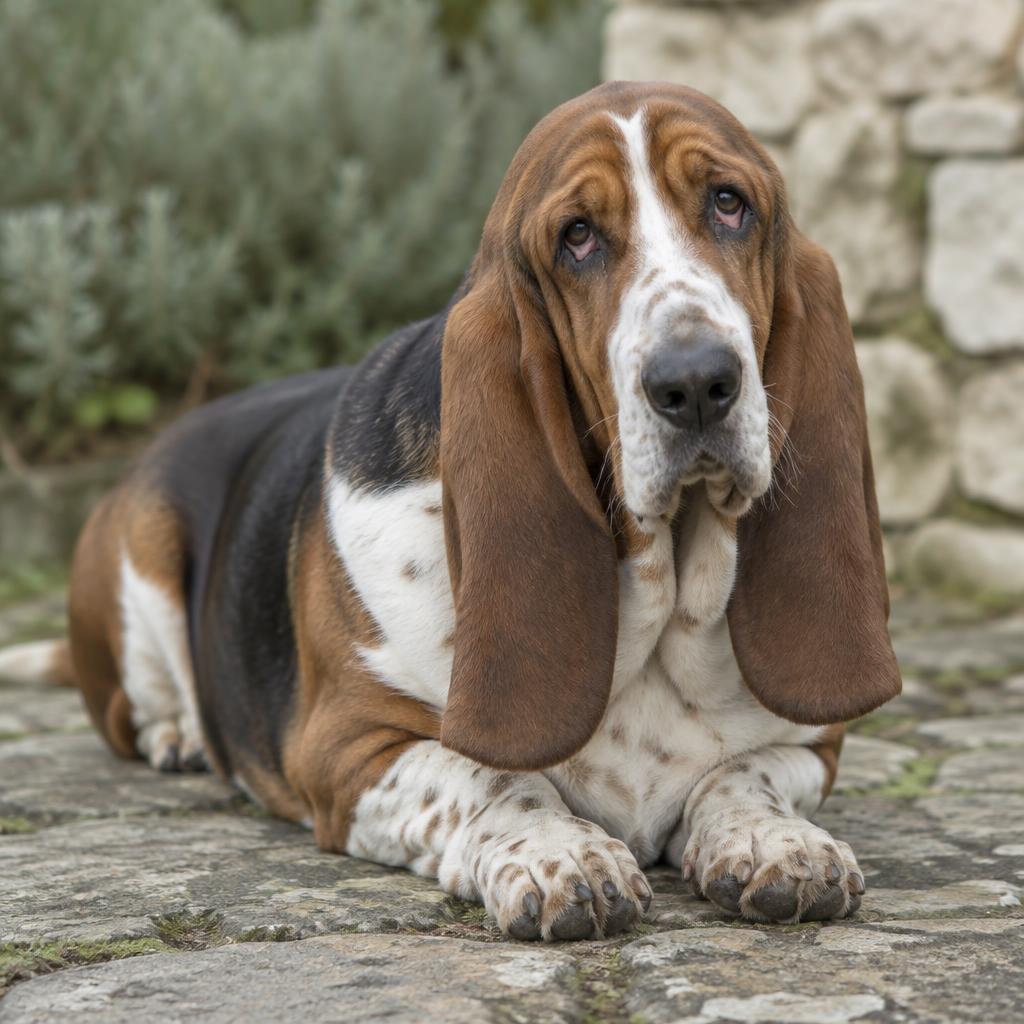
| Basset Hound | 18 to 29 kg | 5/10 | 3/10 | €102 |
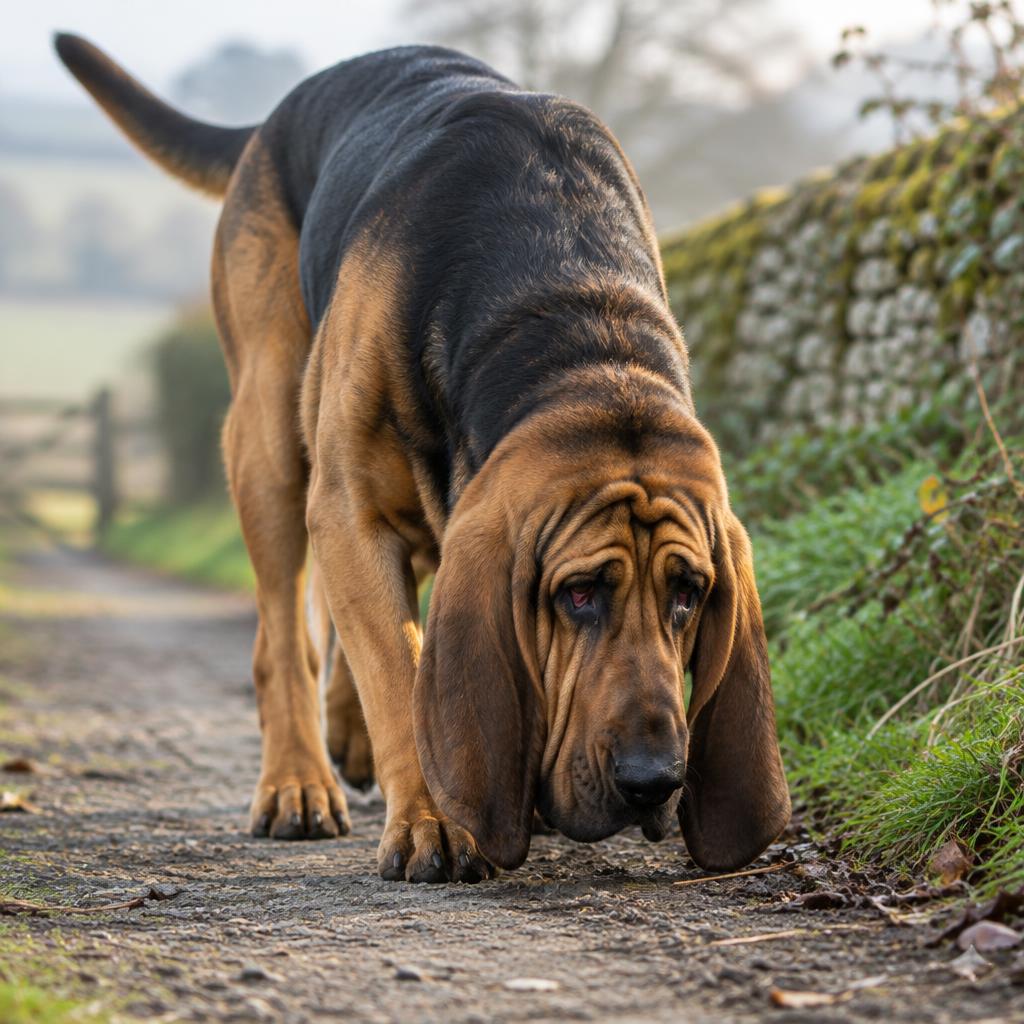
| Bloodhound | 36 to 50 kg | 5/10 | 3/10 | €185 |
Treeing Walker Coonhound questions, answered
Are Treeing Walker Coonhounds loud?
Yes. The ringing bay is the breed's working voice and it carries a long way. They are not suited to flats or close-neighbour housing, and boredom makes the singing worse.
Are Treeing Walker Coonhounds good family dogs?
In the right home, yes: they are gentle, sociable and patient with children, and usually good with other dogs. They need space, exercise and tolerant neighbours.
How much exercise does a Treeing Walker Coonhound need?
Ninety minutes or more every day, ideally including long runs and scent work. A tired coonhound is a delightful house dog; an under-exercised one is not.
Can a Treeing Walker Coonhound be let off the lead?
Only in secure or genuinely remote areas. When the nose locks on, the ears switch off, so recall is a lifelong training project and secure fencing is essential.
Do Treeing Walker Coonhounds need much grooming?
No. The short coat needs only a weekly once-over with a rubber mitt. The real grooming job is the long ears, which need weekly checks and cleaning.
Do Treeing Walker Coonhounds have to hunt?
No, but they need an outlet for the same instincts: long hikes, scent trails, tracking games and canicross all satisfy a hound that never sees a raccoon.