Utility group
The Shar Pei originates in the Guangdong province of southern China, where it worked as a farm, hunting and guard dog for centuries. The breed nearly vanished in the mid twentieth century and was rebuilt from a small surviving population, which narrowed its gene pool and left a legacy of inherited skin and inflammatory conditions that responsible breeders now screen for carefully.
Shar Pei
The Shar Pei is an ancient Chinese breed known for its wrinkled skin, bristled coat and calm, guarded temperament. It needs an experienced owner committed to daily skin fold care and lifelong vigilance over a distinctive set of inherited health conditions.
Reviewed by the SniffScroll editorial desk
The wrinkled, independent-minded Chinese guard dog that needs confident, hands-on owners.
The short version
- Calm, loyal and quiet, but naturally aloof with strangers and best suited to experienced owners.
- Daily skin fold care is essential to prevent dermatitis and pyoderma in the wrinkles.
- Entropion is notable in puppies; ask breeders directly about eye checks in the litter.
- Familial Shar Pei Fever can cause swollen hock syndrome and carries a raised lifetime amyloidosis risk.
- Early, structured socialisation shapes whether the adult dog is confident or nervous and reactive.
- Not aggressive by nature, but guarded and protective rather than outgoing.
Choose a variety
The original, harsher and shorter coat variety, with the most pronounced bristled texture and typically slightly tighter skin.
- Weight
- 18 to 25 kg
- Height
- 44 to 51 cm
- Lifespan
- 8 to 12 yrs
- Size
- Medium
- Group
- Utility
- Coat
- Short, harsh, bristled coat in a Horse coat or longer Brush coat variety, in colours including fawn, cream, black, red and sable
- Daily exercise
- 30 to 40 minutes a day
- Years to full size
- about 1.5
- One-off setup
- €900 to 1800
Get one if…
- Experienced owners who enjoy an independent, loyal companion
- Households able to commit to a daily skin fold care routine
- Owners who prefer a quiet dog that rarely barks without cause
- People who can provide calm, confident, consistent training
- Homes wanting a watchful, protective presence rather than an outgoing greeter
Think again if…
- First-time dog owners wanting a straightforward, eager-to-please breed
- Households wanting a dog that is instantly friendly with strangers
- Anyone unwilling to budget for regular veterinary monitoring
- Families who cannot commit to early, structured socialisation
- Owners wanting a breed free of known inherited health conditions
Trait profile
The Shar Pei combines a calm, quiet household presence with a genuinely independent, guarded streak inherited from its guard dog history. It rewards confident, experienced handling and daily skin care far more readily than repetition-based training or an expectation of instant friendliness with strangers.
Space & setup. A moderate-sized dog that copes reasonably well with flat living thanks to its lower exercise needs, but a secure garden helps with toileting routines and skin fold airing after wet weather.
Allergies. The short bristled coat sheds lightly and seasonally; it is not considered hypoallergenic, and the skin folds mean the coat is a smaller consideration than skin care for allergy sensitive households.
Living with a Shar Pei
The Chinese Shar Pei is an ancient Utility breed known for its deep wrinkles, bristled coat and calm but guarded temperament. Loyal to its family and naturally clean, it needs an experienced owner willing to manage skin folds daily and stay alert to a distinctive set of inherited health conditions.
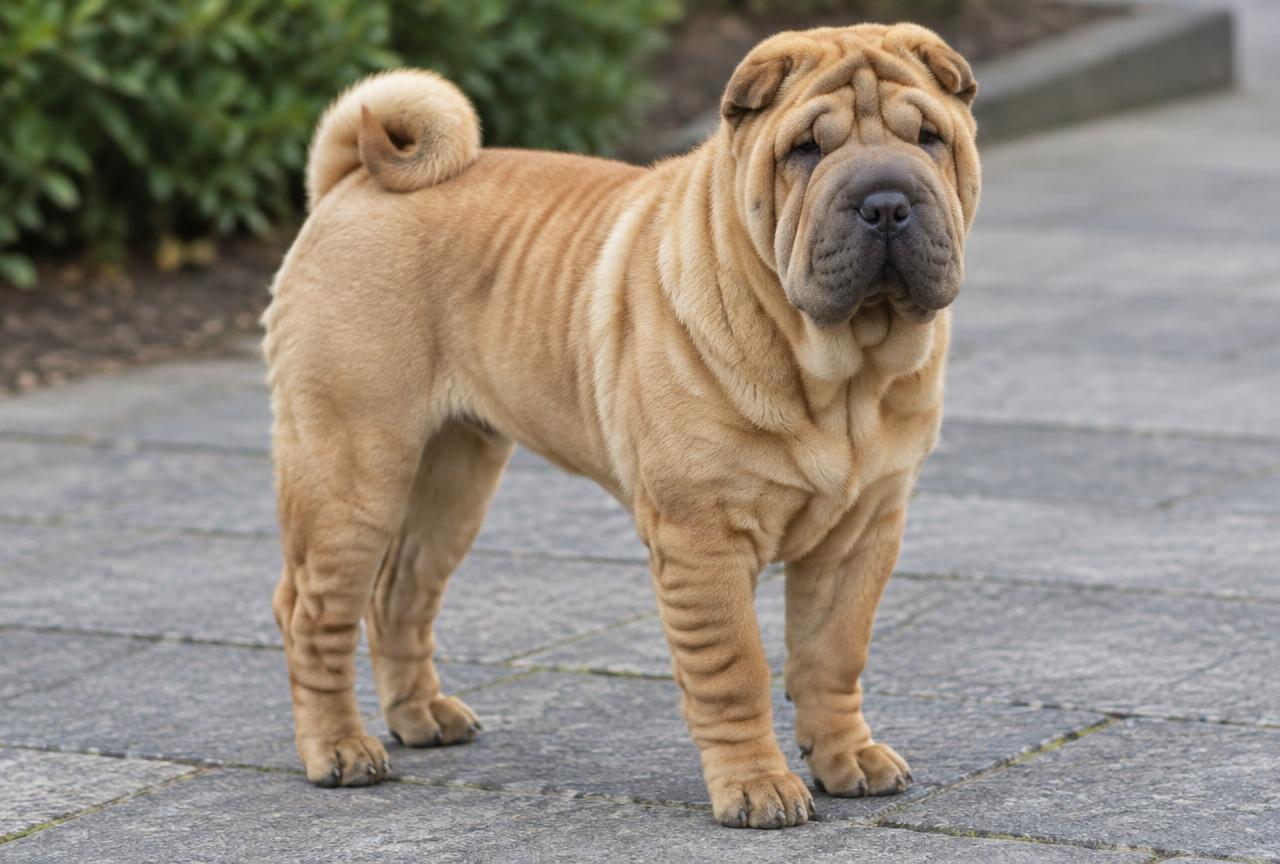
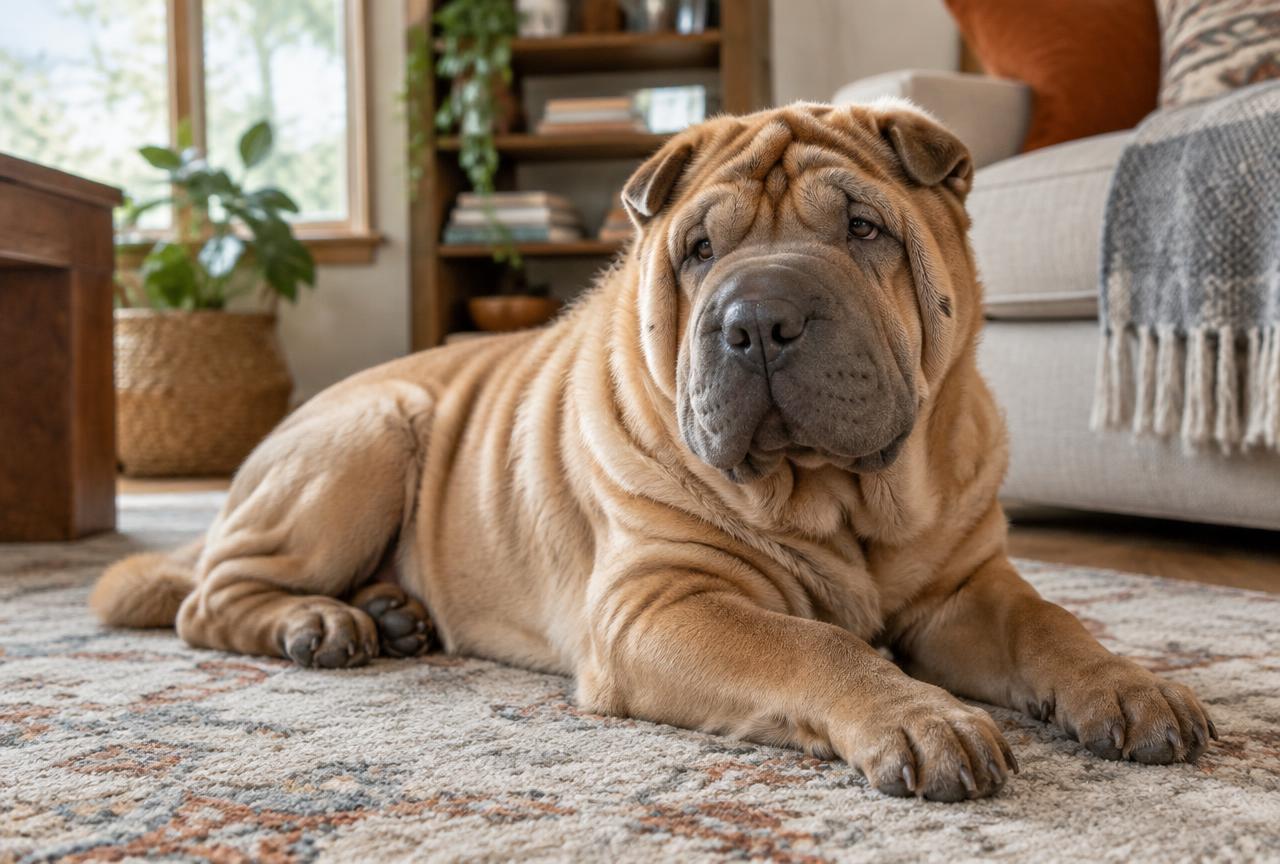
The Shar Pei is one of the most recognisable dogs in the world, and one of the most misunderstood. Its deep facial and body wrinkles, blue-black tongue and bristled coat make it instantly distinctive, but behind the striking looks sits a working farm and guard dog from southern China with a genuinely independent temperament and a set of inherited health conditions that any prospective owner needs to understand before buying.
Are Shar Peis aggressive? Not by nature. The breed is more accurately described as aloof, watchful and protective rather than hostile. A well-socialised Shar Pei is calm and quietly devoted to its own family, but it is naturally suspicious of strangers and can be reactive towards unfamiliar dogs if it is not introduced to a wide range of people, places and animals early and consistently. This is not a breed that greets visitors like old friends, and owners who want that outgoing warmth from a dog should look elsewhere. Early, structured socialisation from puppyhood is not optional for this breed, it is the single biggest factor in whether an adult Shar Pei is a confident, settled dog or a nervous, guarded one.
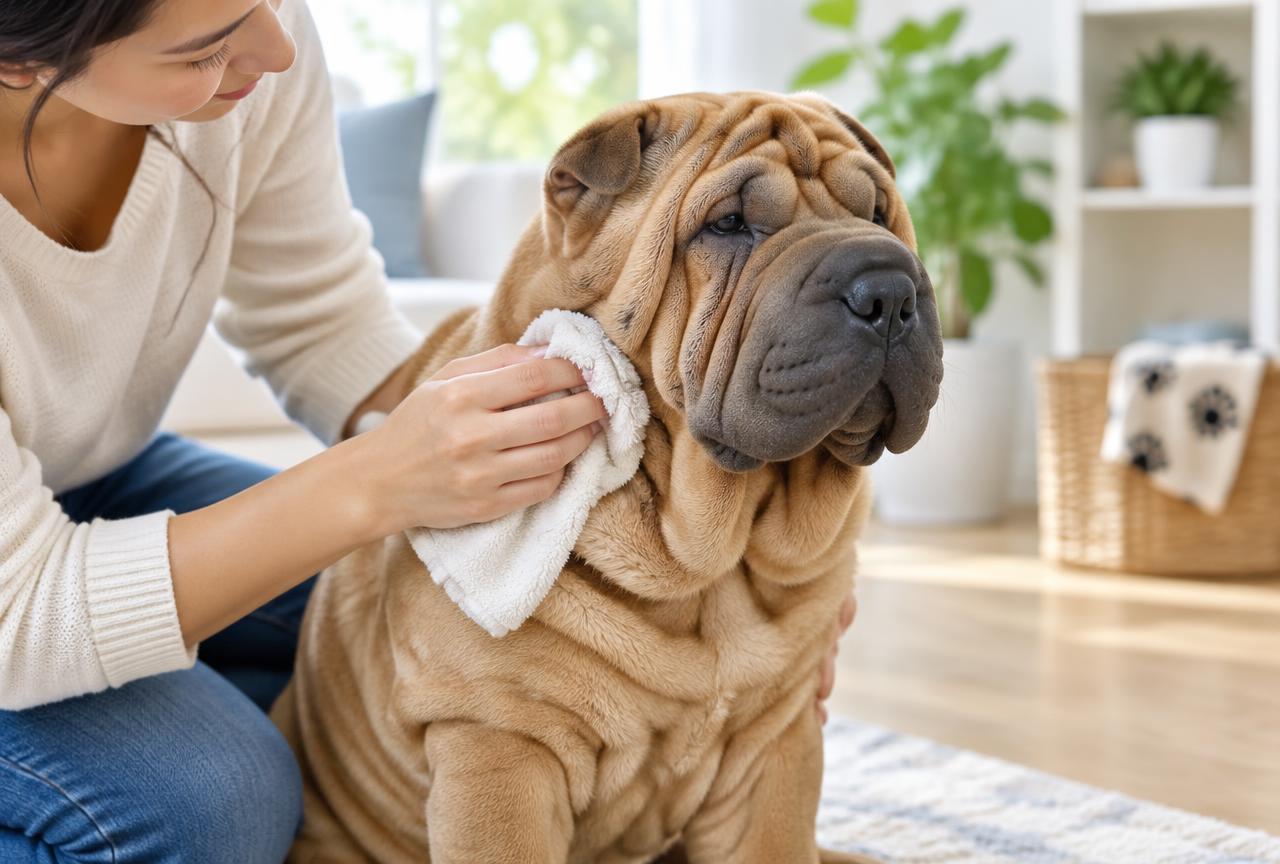
The wrinkles that define the breed are also its biggest daily commitment. Skin folds trap moisture, debris and bacteria, and without regular cleaning they become a breeding ground for skin fold dermatitis and pyoderma, both common complaints in the breed. Owners need to build a short daily routine of checking and wiping the folds, particularly around the face, lips and tail, and drying them thoroughly afterwards. Skipping this is the single most common reason Shar Pei owners end up at the vet with infected, sore skin.
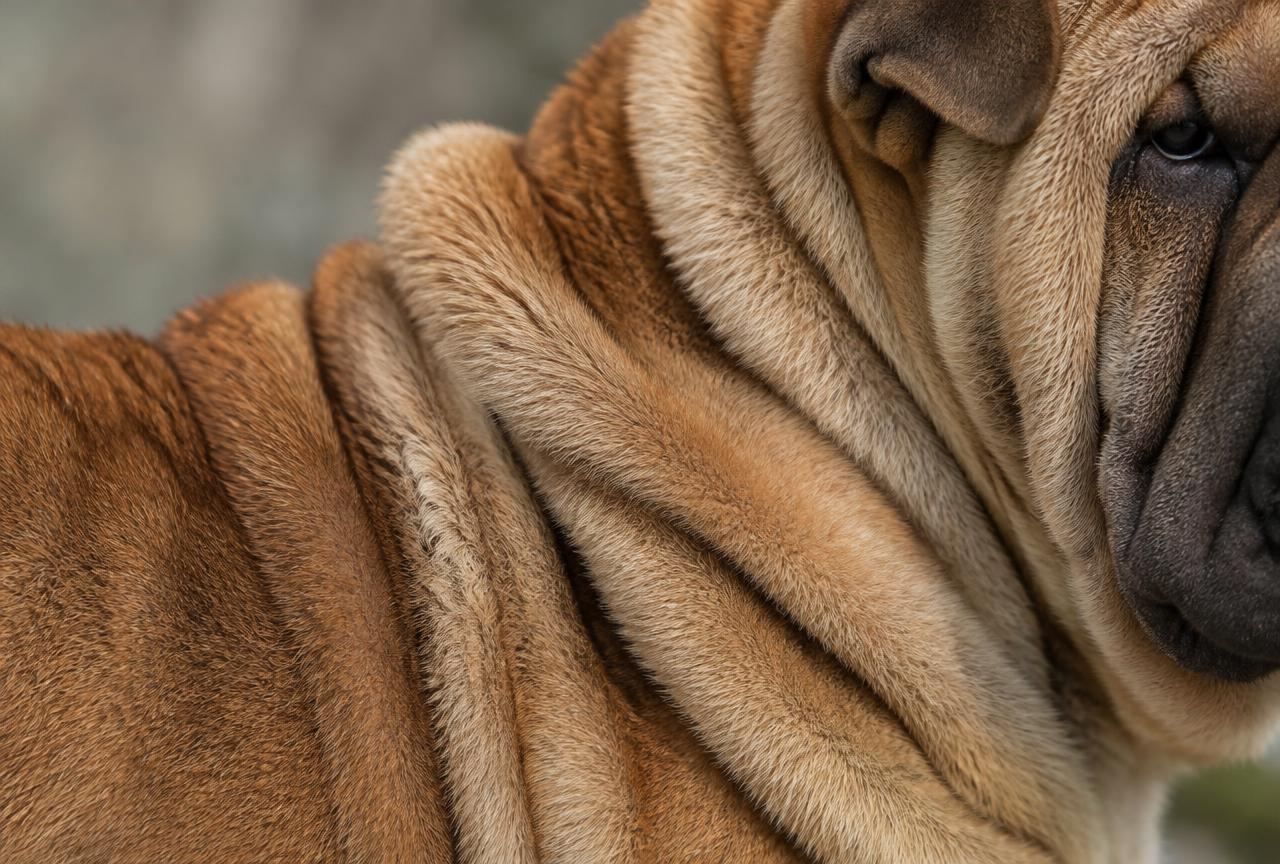
The eyes need just as much attention. Entropion, where the eyelid rolls inward and the lashes rub against the eye, is notable in the breed, particularly in puppies with heavier wrinkling around the face. Left unchecked it causes real pain and corneal damage, and some puppies need corrective surgery (often temporary tacking stitches that are later removed) in their first months of life. Anyone buying a Shar Pei puppy should ask the breeder directly about eye checks on the litter and expect honest answers about entropion history in the line.
The condition most specific to the breed is Familial Shar Pei Fever, often shortened to shar pei fever. It causes recurrent episodes of high temperature, sometimes alongside painful, swollen hocks known as swollen hock syndrome. Episodes usually settle on their own within a day or two, but dogs who suffer repeated flare-ups carry a raised lifetime risk of amyloidosis, a serious condition where abnormal protein deposits build up in organs, most often the kidneys, eventually affecting their function. There is no cure for shar pei fever, so management focuses on recognising episodes early, working with a vet on anti-inflammatory treatment during flare-ups, and monitoring kidney health through life. Asking a breeder about the incidence of fever episodes in their lines is a reasonable and important question.
Other conditions worth knowing about include hypothyroidism, which tends to appear with age and is manageable with daily medication, recurring ear infections linked to narrow ear canals, and glaucoma, which can develop alongside or independently of entropion. None of this makes the Shar Pei a fragile breed, but it does mean owners should budget for regular veterinary checks and should choose a breeder who health tests and is transparent about the conditions above.
On the positive side, the Shar Pei is a genuinely clean dog by instinct, historically noted for its fastidious self-grooming habits, and it is one of the quieter breeds, rarely barking without reason. It does not need enormous amounts of exercise, settling well with moderate daily walks, but it is strong-willed in training and responds far better to calm, confident, reward-based handling than to repetition or pressure. Novice owners often find the combination of independence and stubbornness harder going than expected.
Overall, the Shar Pei suits a confident, experienced owner who enjoys a loyal, low-energy, low-noise companion and who is genuinely willing to take on daily skin care and lifelong health monitoring. It is a poor match for first-time owners, for households wanting an effusively friendly dog with visitors, or for anyone unwilling to commit to the grooming and veterinary routine the breed requires.
A dignified, independent companion for experienced owners who can commit to daily skin fold care and lifelong vigilance over a known set of health conditions. Not a breed for first-time owners or households wanting an outgoing, eager-to-please dog.
Exercise, day to day
- 1Puppies (8 to 20 weeks): short, gentle play and lead walks; avoid overexertion while joints and skin develop.
- 2Adolescents (4 to 12 months): two moderate daily walks plus consistent, calm training sessions to shape temperament.
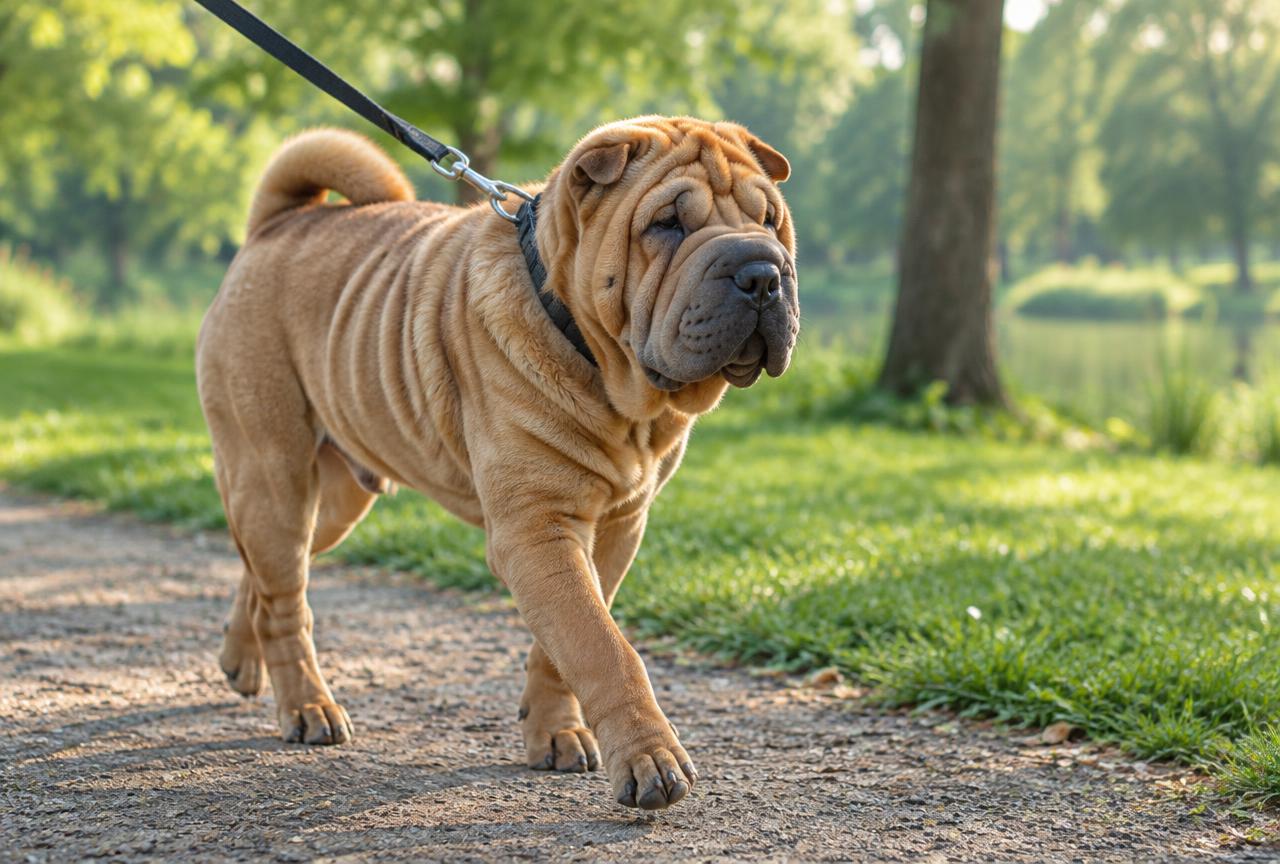
- 3Adults: 30 to 40 minutes daily split across two walks; the breed does not need intense exercise but benefits from routine.
- 4Mental work: scent games and short training sessions suit the breed's independent mind better than repetitive drilling.
Grooming, realistically
- 1Check and wipe every skin fold daily, particularly around the face, lips and tail, and dry thoroughly.
- 2Brush weekly with a soft bristle brush to remove loose hair from the short, harsh coat.
- 3Clean ears weekly and check for odour or redness, as narrow canals make infections common.
- 4Bathe every four to six weeks using a mild, vet-approved shampoo that will not irritate sensitive skin.
- 5Trim nails every three to four weeks and brush teeth several times a week.
What you actually need
- Soft bristle brush
- Hypoallergenic, mild dog shampoo
- Soft absorbent wipes for skin folds
- Ear cleaning solution
- Dog nail clippers
- Enzymatic dog toothpaste and brush
Puppy to adult
| Age | Male | Female | What is happening |
|---|---|---|---|
| 8 weeks | 4 to 6 kg | 3.5 to 5 kg | Heavily wrinkled as a puppy; begin gentle daily fold checks and socialisation straight away. |
| 3 months | 8 to 11 kg | 7 to 10 kg | Watch the eyes closely; entropion often becomes apparent during this stage. |
| 6 months | 13 to 17 kg | 12 to 16 kg | Wrinkles begin to loosen slightly as the skin fills out; keep up the skin care routine. |
| 9 months | 16 to 21 kg | 15 to 19 kg | Approaching adult height; continue calm, confident training through adolescence. |
| 12 months | 19 to 24 kg | 17 to 22 kg | Close to full weight; adult coat and skin texture largely settled. |
| 18 months | 20 to 25 kg | 18 to 23 kg | Fully mature in body and temperament; maintain lifelong health monitoring from here. |
Ranges are typical, not targets. Judge condition by ribs and waist, and check with the ideal weight checker.
What to ask a breeder
- Can you share health test results and the family history of Familial Shar Pei Fever in your lines?
- Have the puppies' eyes been checked for entropion, and has any tacking surgery been needed in the litter?
- What is your puppies' early socialisation programme with people, dogs and new environments?
- How do you clean and manage skin folds in your own adult dogs?
- What is your policy if my dog develops shar pei fever or amyloidosis later in life?
Health tests to ask for
Ask to see results for both parents before you put down a deposit.
- Eye examination for entropion before and after sale
- Thyroid profile, particularly from middle age onward
- A clear skin care routine and advice from the breeder on managing folds
- Family history of Familial Shar Pei Fever in both parent lines
Health watch-list
What to ask a breeder about, and what to watch for over a lifetime. This is orientation, not veterinary advice, anything you notice belongs in front of a vet.
Skin fold dermatitis and pyoderma
CommonDeep wrinkles trap moisture and debris; daily cleaning and drying of the folds is the main prevention.
Entropion
NotableThe eyelid rolls inward and lashes rub the eye, most often seen in heavily wrinkled puppies; some need corrective surgery early in life.
Familial Shar Pei Fever and swollen hock syndrome
NotableRecurrent fever episodes, sometimes with painful swollen hocks, are specific to the breed and raise lifetime amyloidosis risk; ask breeders about family history.
Amyloidosis
UncommonA serious buildup of abnormal protein, most often affecting the kidneys, linked to repeated shar pei fever episodes; monitored through regular blood and urine checks.
Hypothyroidism
Common with ageUnderactive thyroid function tends to appear from middle age and is managed well with daily medication once diagnosed.
Ear infections
CommonNarrow ear canals make infections frequent; weekly ear checks and cleaning reduce the risk.
What it costs to keep one
Realistic running cost
€147 / month
About €1,764 a year, or roughly €17,640 across a 10-year life, before purchase price, neutering and one-off vet events.
Before the puppy arrives. Budget roughly €900 to 1800 for a crate, bed, lead and harness, bowls, puppy classes, first vaccinations and grooming kit sized for this breed. Figures throughout are indicative and vary a good deal between countries.
Interactive · built for this breed
Is a Shar Pei right for your home?
Seven honest questions about your space, time and household, checked against this breed's exercise need, coat, sociability and tolerance for time alone.
Fit with your routine
97%
A strong fit
Your routine suits a Shar Pei well. Meet adult dogs of the line before you commit.
Working in your favour
- Your daily walking comfortably covers this breed's exercise need.
- Coat care fits the grooming time you offered.
Compare more breeds in the matchmaker, or plan meals with the portion calculator.
The verdict, by household
Not recommended
The combination of independent temperament, strong-willed training and significant health monitoring is a steep learning curve for a first dog.
Good with care
Can be gentle and loyal with its own family's children when well socialised, but its aloof nature with unfamiliar people means supervision with visiting children matters.
Very suitable
Moderate exercise needs and a loyal, watchful temperament suit a single owner or couple with time for daily skin care and training.
Good
Quiet and rarely barks without reason, which suits close neighbours well, though its wariness of visitors needs active management.
When to call your vet
- Redness, odour or discharge from skin folds, which can signal dermatitis or pyoderma
- Squinting, redness or discharge from the eyes, which can indicate entropion or glaucoma
- A sudden high temperature with swollen, painful hocks, a sign of a shar pei fever episode
- Lethargy, weight loss or increased thirst with age, which can indicate hypothyroidism or kidney changes linked to amyloidosis
- Head shaking or scratching at the ears, which can signal an ear infection
Nothing here is a diagnosis. A swollen, hard belly with retching, collapse, breathing difficulty and sudden hind-leg weakness are emergencies: go straight away.
Shar Pei vs the closest alternatives
| Breed | Weight | Energy | Grooming | € / month |
|---|---|---|---|---|
| Shar Pei | 18 to 25 kg | 4/10 | 5/10 | €147 |
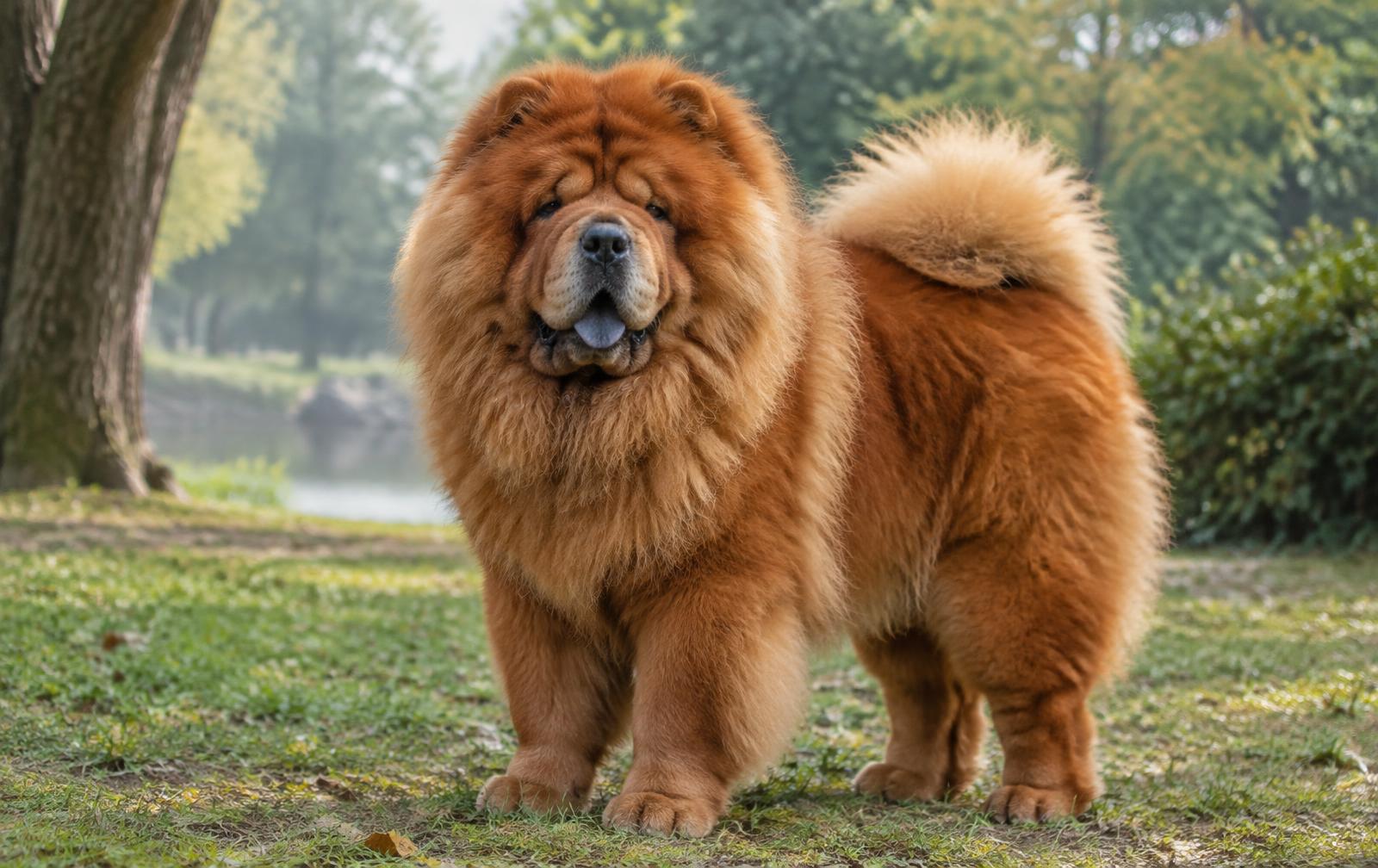
| Chow Chow | 20 to 32 kg | 4/10 | 8/10 | €220 |
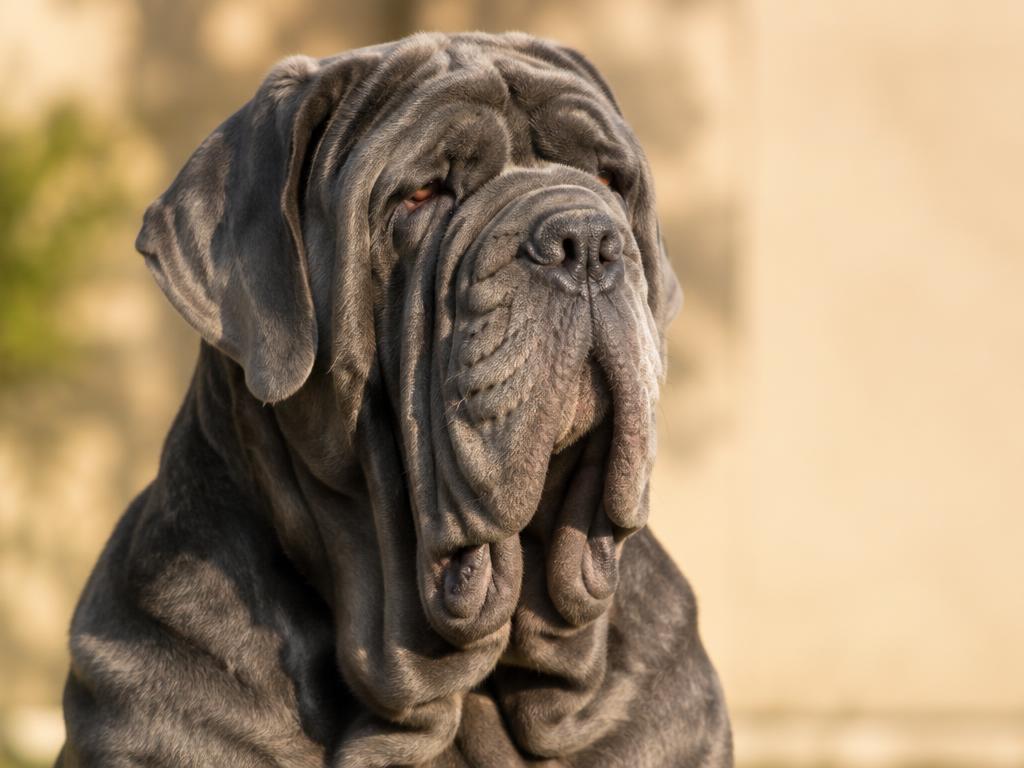
| Neapolitan Mastiff | 50 to 70 kg | 3/10 | 4/10 | €308 |
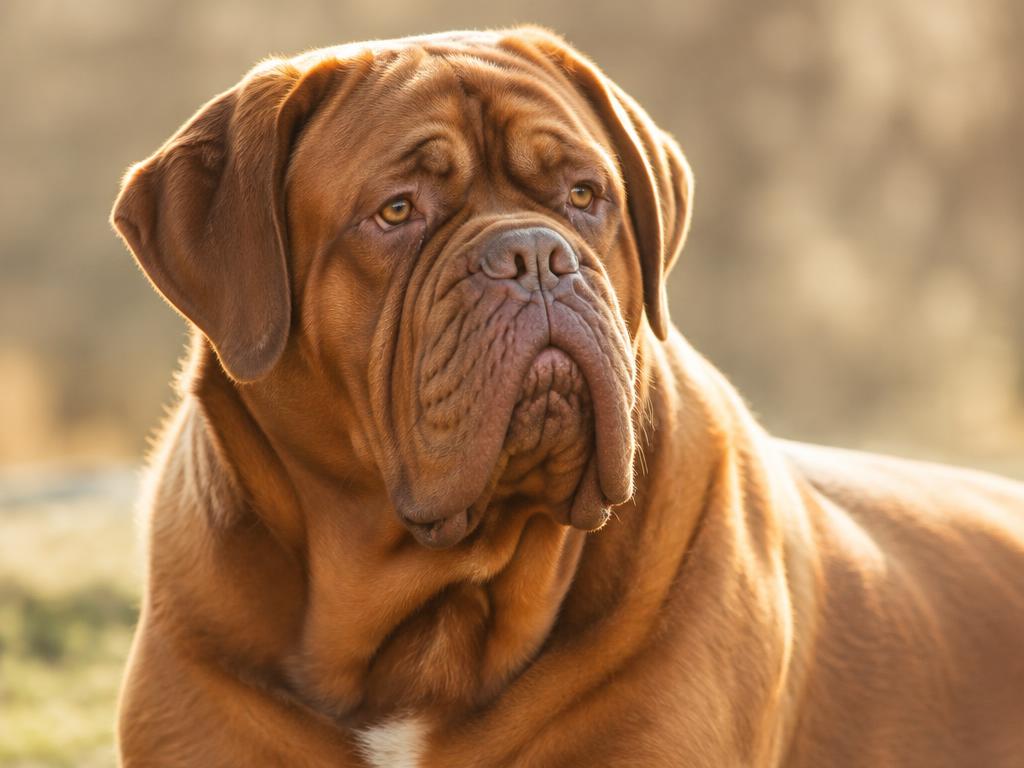
| Dogue de Bordeaux | 45 to 68 kg | 4/10 | 4/10 | €303 |
Shar Pei questions, answered
Are Shar Peis aggressive?
Not by nature. They are aloof, watchful and protective rather than hostile, but without early and consistent socialisation they can become wary or reactive towards strangers and unfamiliar dogs.
How long do Shar Pei dogs live?
Typically eight to twelve years, with lifelong management of skin and inflammatory conditions helping dogs reach the higher end of that range.
What are the main Shar Pei health problems?
Skin fold dermatitis, entropion, Familial Shar Pei Fever with swollen hock syndrome and a related amyloidosis risk, hypothyroidism and ear infections are the main conditions to know about and screen for.
What is the Shar Pei temperament like?
Calm, loyal and quiet at home, but independent minded and guarded with strangers. It bonds closely with its own family and needs confident, consistent training rather than repetition or pressure.
Is the Chinese Shar Pei good with children?
It can be gentle and loyal with its own family's children when well socialised, but its wariness of unfamiliar people means supervision is important, especially with visiting children.
How much grooming does a Shar Pei need?
The short coat itself needs only weekly brushing, but the skin folds need daily wiping and drying to prevent dermatitis and infections, which makes the breed's grooming commitment higher than its coat alone suggests.
What is shar pei fever?
Familial Shar Pei Fever causes recurrent episodes of high temperature, sometimes with swollen, painful hocks. Episodes usually pass within a day or two, but repeated flare-ups raise the lifetime risk of amyloidosis, so family history and veterinary monitoring matter.
Sources
Put it into practice
Reading that goes with this

Health
Dog Ear Infections: Signs, Causes and Treatment

Health
Why Is My Dog Shaking? Causes and When to Worry

Health
Dog Reverse Sneezing: Causes and What to Do

Training
How to Stop a Dog Barking: A Practical Guide

Nutrition
Can Dogs Eat Fruit? A Vet-Informed Guide
Care
How to Clean a Dog's Ears: A Calm Step-by-Step Guide
Health
Dog Dry Skin: Causes, Home Care and When It Is More