Working group
The breed is an old French mastiff type, used for centuries to guard estates, hunt large game and drive cattle in the Bordeaux region. It nearly disappeared during the twentieth century's wars, and modern numbers descend from a small group of dogs rebuilt by dedicated French breeders in the 1960s. International fame arrived with the 1989 film Turner and Hooch, which brought both popularity and the problems of fashionable breeding. Careful breeders today work hard on the breed's health, particularly its heart.
Dogue de Bordeaux
A devoted, gentle French mastiff with moderate exercise needs, legendary drool and a heartbreakingly short lifespan of five to eight years.
The French mastiff: a gentle, devoted giant with the shortest of years
The short version
- Deeply affectionate and gentle with its own family
- Calm indoors with moderate exercise needs
- Heart screening of both parents is essential; heart disease is a real risk
- Drool is substantial and daily, and the facial folds need regular cleaning
- One of the shortest lifespans of any breed, commonly five to eight years
- Sensitive dog that needs gentle, patient training
- Weight
- 45 to 68 kg
- Height
- 58 to 68 cm
- Lifespan
- 5 to 8 yrs
- Size
- Giant
- Group
- Working
- Coat
- Short, fine and soft over a muscular, slightly loose-skinned frame; shades of fawn to red with a darker or red mask.
- Grown male
- 54 to 68 kg
- Grown female
- 45 to 57 kg
- Years to full size
- about 2.5
- One-off setup
- €1200 to 2400
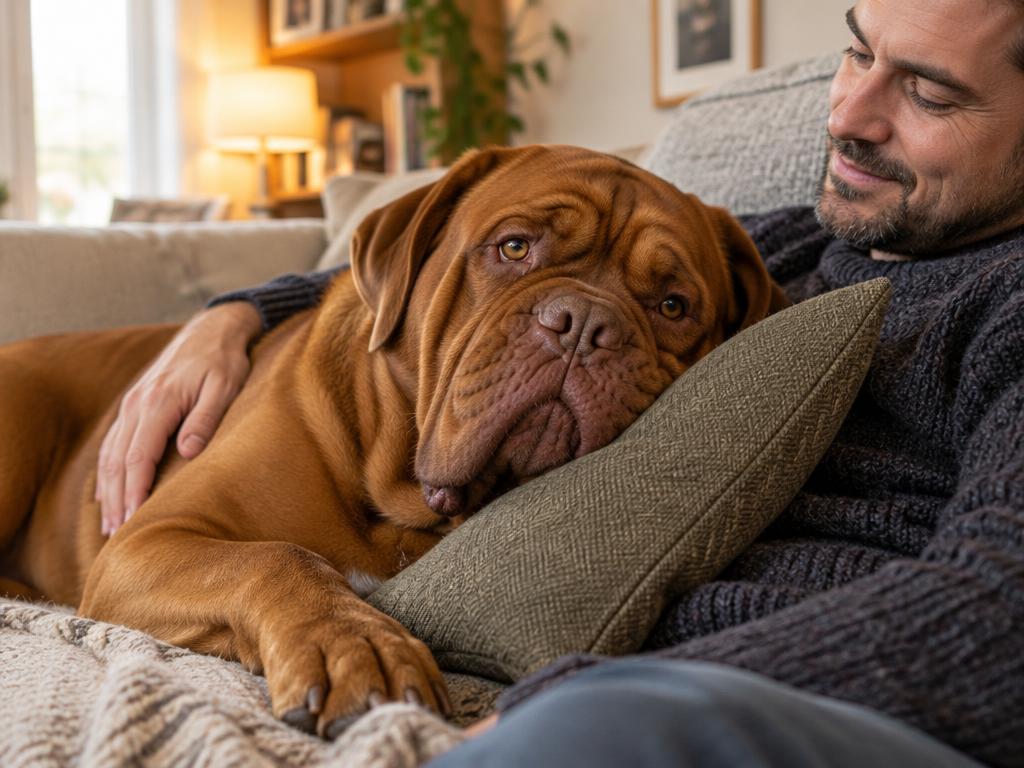
Get one if…
- Experienced owners who want a deeply bonded, affectionate giant
- Calm households at home enough to give the dog company
- People comfortable with drool, fold care and giant-breed costs
- Owners committed to gentle, positive training methods
- Homes with space, cool rooms and minimal stairs
Think again if…
- First-time owners wanting an easy, long-lived dog
- Anyone who cannot face a short lifespan honestly
- House-proud homes where drool on walls and floors would cause daily stress
- Hot climates or homes without cool, shaded space
- Anyone unwilling to insist on heart-screened parents
Trait profile
Trait scores reflect a well-bred, health-screened dog; unscreened lines carry substantially higher heart and joint risk.
Space & setup. Needs a ground-floor home with space and cool areas; stairs strain the joints and heat is dangerous. A secure garden matters.
Allergies. The short coat sheds moderately. Not a breed for people with significant dog allergies.
Living with a Dogue de Bordeaux
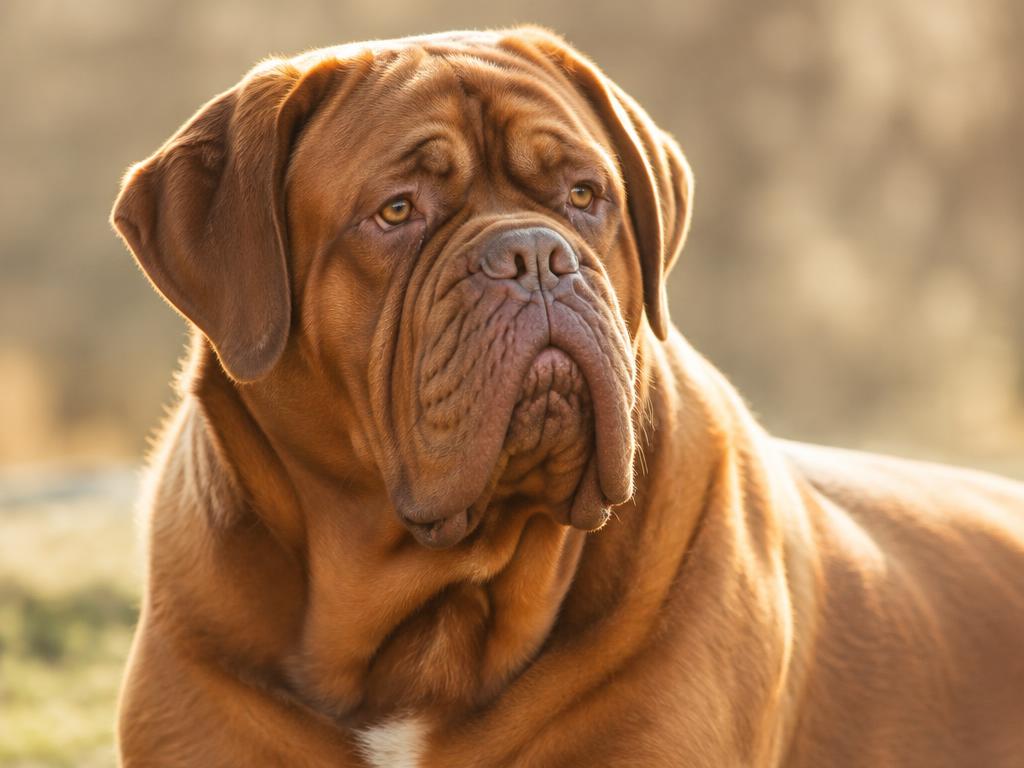
The Dogue de Bordeaux is a powerful French mastiff with a huge head, a red-fawn coat and a famously soft centre. With its family it is affectionate, calm and clownish, and it forms bonds of unusual depth. The honest picture includes real health concerns, substantial drool, significant cost and one of the shortest lifespans of any breed. It suits experienced owners who want a devoted giant and can face the years being few.
The Dogue de Bordeaux is a study in contrasts: an intimidating head and frame housing a sensitive, affectionate dog that leans its whole weight against its favourite person. At home it is calm and undemanding, happy with moderate walks and long naps. The challenges are health and honesty. The breed carries real risk of heart disease, particularly dilated cardiomyopathy and aortic stenosis, so heart screening of both parents is non-negotiable. The shortened muzzle means heat and breathing need managing, the skin folds need cleaning, and the drool is legendary. Lifespan is commonly five to eight years, among the shortest of all breeds, and insurance and vet costs are high. Socialisation matters, as the breed is naturally watchful, and training should be gentle: this is a soft dog that shuts down under harsh handling. For those who accept the terms, few dogs love as openly.
One of the most loving of the giant breeds and one of the most heartbreakingly short-lived. Choose for the bond, with eyes open about the health, the drool and the years.
Exercise, day to day
- 1Puppies: five minutes of structured exercise per month of age, twice daily; growth plates close late.
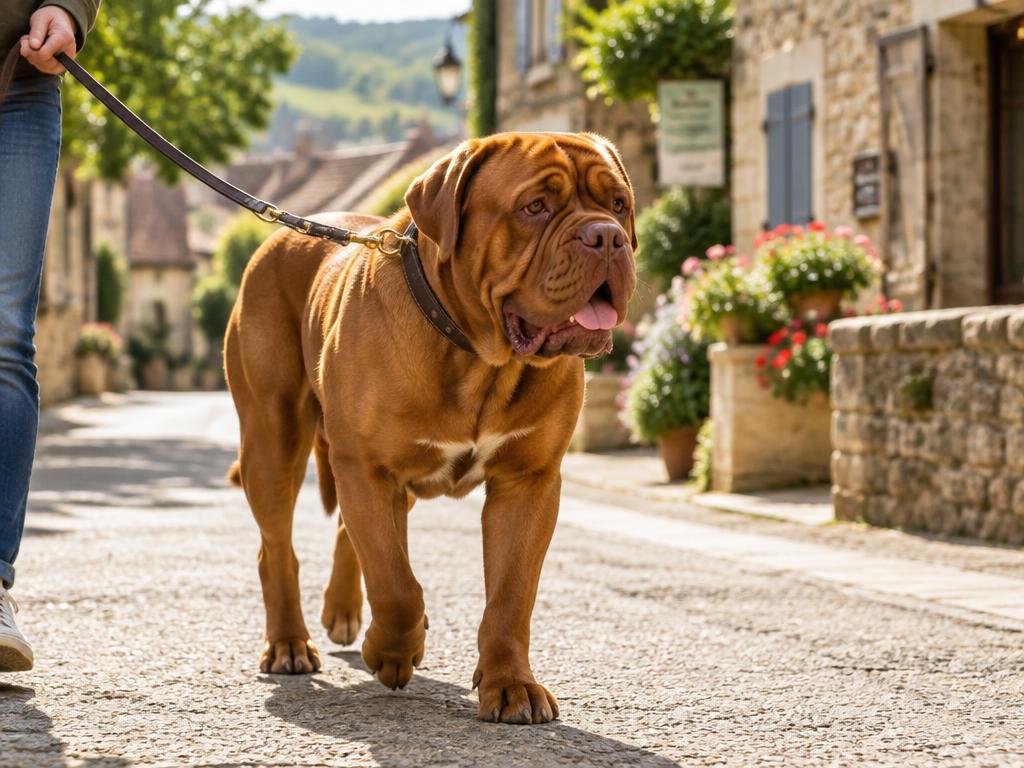
- 2Adults: two walks of twenty to thirty minutes a day, plus gentle play, suit most Dogues well.
- 3Avoid: heat, sustained running, stairs and exercise straight after meals.
- 4Mental work: calm training and scent games engage the mind without straining the body.
- 5Watch for heavy panting, slowing down or lying down, all signs to stop immediately.
Grooming, realistically
- 1Wipe the facial folds and lips daily and dry them well, especially after drinking.
- 2Brush the short coat weekly with a soft brush or mitt.
- 3Bathe only when needed and dry the folds thoroughly afterwards.
- 4Clean ears weekly and check eyes daily for discharge.
- 5Trim nails every two to three weeks and keep a drool towel by the water bowl.
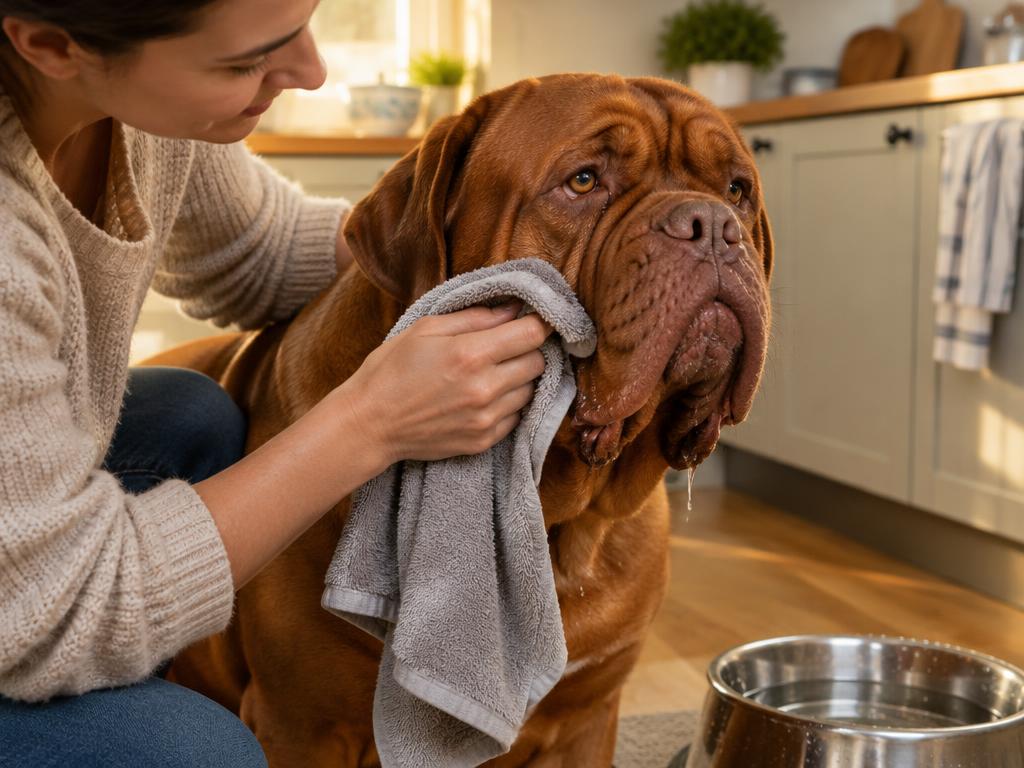
What you actually need
- Soft cloths for folds and drool
- Soft bristle brush or grooming mitt
- Ear cleaning solution
- Large nail clippers
- Absorbent towels
Puppy to adult
| Age | Male | Female | What is happening |
|---|---|---|---|
| 8 weeks | 6 to 9 kg | 5.5 to 8 kg | Begin gentle handling of face, feet and ears; the adult dog will need daily fold care. |
| 3 months | 14 to 19 kg | 12 to 17 kg | Socialisation window; introduce people, dogs and places calmly and positively. |
| 6 months | 26 to 36 kg | 22 to 30 kg | Rapid growth; keep exercise gentle and avoid stairs and jumping. |
| 12 months | 40 to 55 kg | 34 to 45 kg | Near adult height but still maturing; keep lean to protect joints and heart. |
| 18 to 30 months | 54 to 68 kg | 45 to 57 kg | Fills out to full adult mass by around two and a half years. |
Ranges are typical, not targets. Judge condition by ribs and waist, and check with the ideal weight checker.
What to ask a breeder
- Have both parents had heart examinations, including DCM and aortic stenosis screening, and can I see the results?
- What are the hip and elbow scores of both parents?
- What is the oldest age dogs in this line have reached, and what did they die of?
- How do the parents breathe at rest and on exercise, and is there any BOAS history?
- How have the puppies been socialised with people, children and household noise?
Health tests to ask for
Ask to see results for both parents before you put down a deposit.
- Cardiac examination including DCM and aortic stenosis screening for both parents
- Hip scoring for both parents
- Elbow grading for both parents
- Eye examination including entropion assessment
- Breathing assessment given the shortened muzzle
Health watch-list
What to ask a breeder about, and what to watch for over a lifetime. This is orientation, not veterinary advice, anything you notice belongs in front of a vet.
Heart disease (DCM, aortic stenosis)
CommonThe breed's most serious concern. Both parents must have current heart screening, and coughing, fainting or exercise intolerance always needs checking.
Hip and elbow dysplasia
CommonCommon in the breed. Insist on scores for both parents and keep puppies lean on controlled exercise.
Bloat (gastric torsion)
ModerateDeep-chested giant breeds are at risk. Feed smaller meals, rest around feeding and know the emergency signs.
Breathing difficulties
ModerateThe shortened muzzle can restrict breathing, especially in heat. Manage weight, avoid heat and discuss any noisy breathing with a vet.
Skin fold infections
ModerateFacial folds trap moisture. Daily cleaning and drying prevents most problems; red or smelly skin needs treatment.
Cancer
ModerateAs with many giant breeds, cancer risk is significant and rises with age. New lumps should always be checked promptly.
What it costs to keep one
Realistic running cost
€303 / month
About €3,636 a year, or roughly €25,452 across a 7-year life, before purchase price, neutering and one-off vet events.
Before the puppy arrives. Budget roughly €1200 to 2400 for a crate, bed, lead and harness, bowls, puppy classes, first vaccinations and grooming kit sized for this breed. Figures throughout are indicative and vary a good deal between countries.
Interactive · built for this breed
Is a Dogue de Bordeaux right for your home?
Seven honest questions about your space, time and household, checked against this breed's exercise need, coat, sociability and tolerance for time alone.
Fit with your routine
97%
A strong fit
Your routine suits a Dogue de Bordeaux well. Meet adult dogs of the line before you commit.
Working in your favour
- Your daily walking comfortably covers this breed's exercise need.
- Coat care fits the grooming time you offered.
Compare more breeds in the matchmaker, or plan meals with the portion calculator.
The verdict, by household
When to call your vet
- Coughing, fainting, exercise intolerance or a swollen abdomen, which can signal heart disease
- Heavy panting, distress or collapse in warmth, which is a heatstroke emergency
- A distended abdomen with unproductive retching, which is a bloat emergency
- Red, sore or smelly facial folds, which need treatment
- Limping or stiffness, especially after rest
Nothing here is a diagnosis. A swollen, hard belly with retching, collapse, breathing difficulty and sudden hind-leg weakness are emergencies: go straight away.
Dogue de Bordeaux vs the closest alternatives
| Breed | Weight | Energy | Grooming | € / month |
|---|---|---|---|---|
| Dogue de Bordeaux | 45 to 68 kg | 4/10 | 4/10 | €303 |
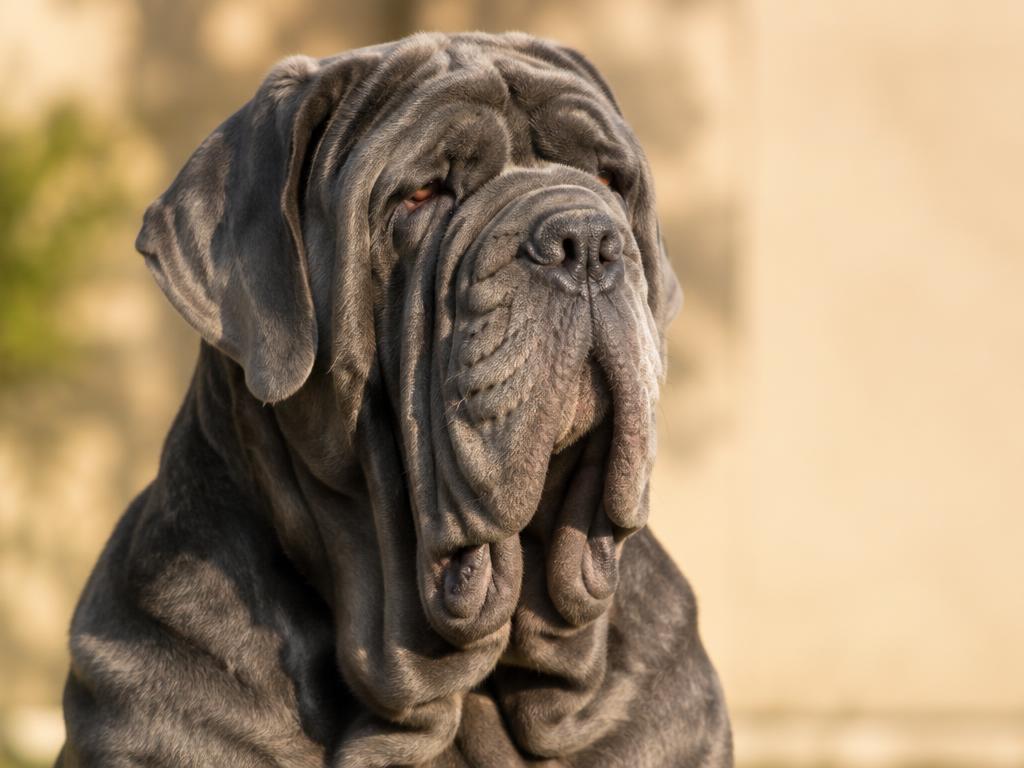
| Neapolitan Mastiff | 50 to 70 kg | 3/10 | 4/10 | €308 |
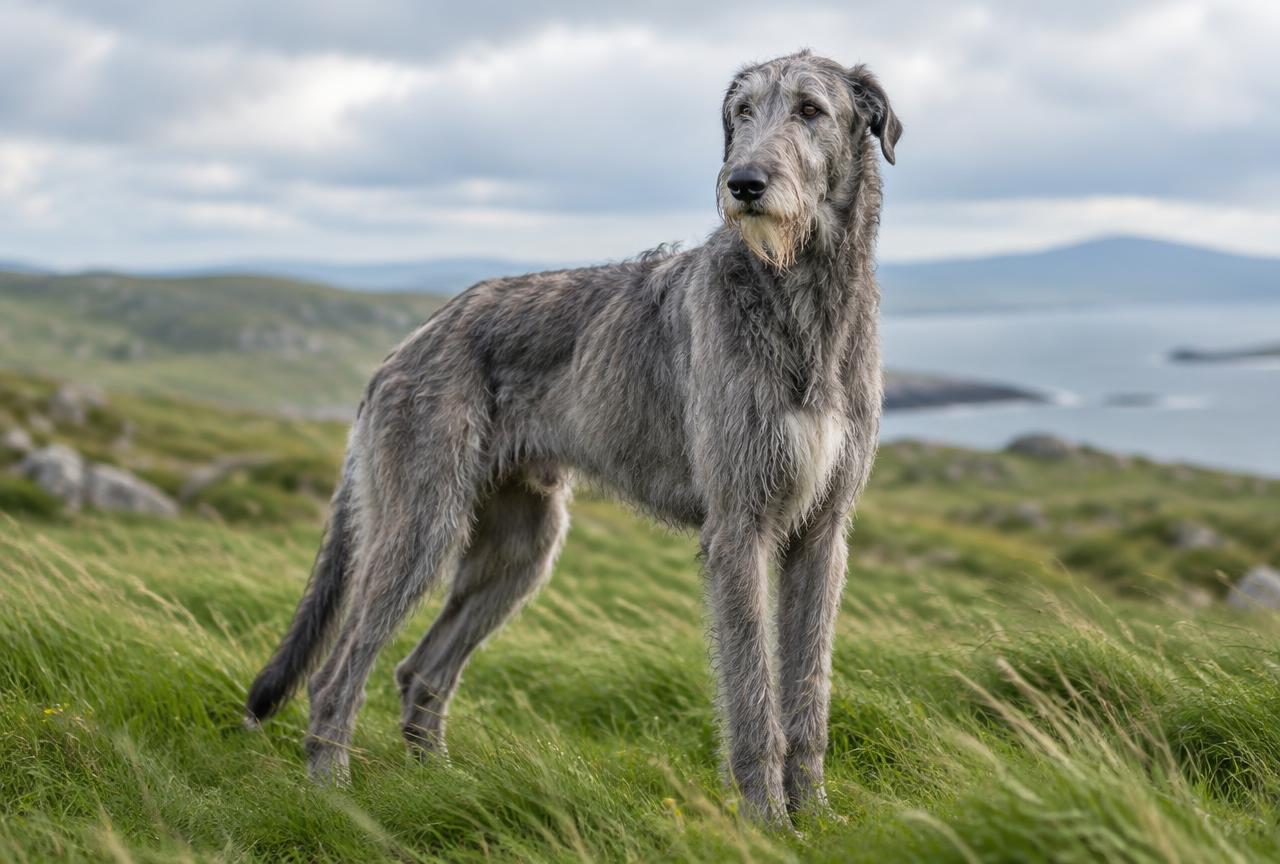
| Irish Wolfhound | 47 to 63 kg | 5/10 | 4/10 | €225 |
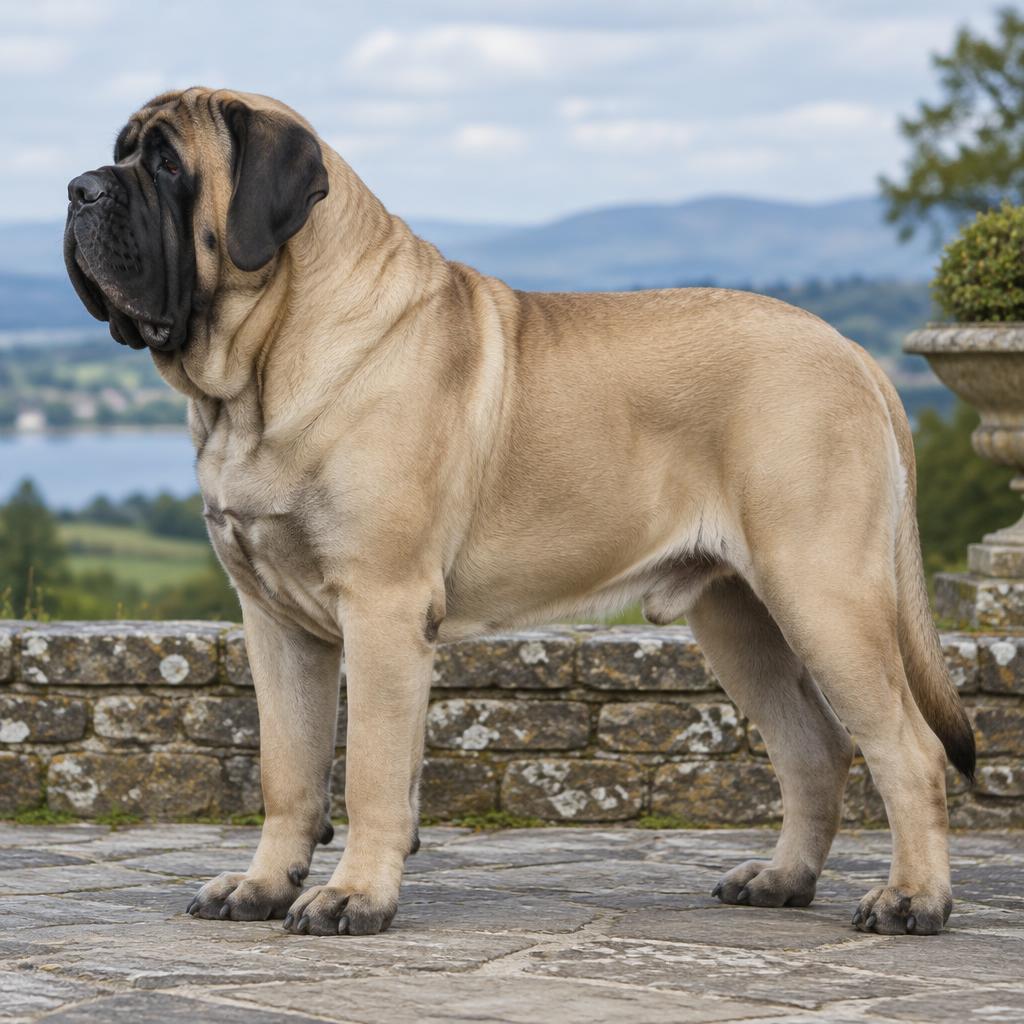
| English Mastiff | 54 to 104 kg | 4/10 | 4/10 | €228 |
Dogue de Bordeaux questions, answered
Is a Dogue de Bordeaux a good family dog?
With its own family it is typically gentle, devoted and patient. Its size means supervision around small children is essential, and its watchful nature needs steady, experienced handling.
How long do Dogue de Bordeaux live?
Commonly five to eight years, one of the shortest lifespans of any breed. Health-tested parents, lean condition and good care help, but the short years should be weighed honestly before choosing the breed.
Do Dogue de Bordeaux drool a lot?
Yes. The breed is famous for it. Expect drool after drinking, eating and in warm weather, and keep towels in every room.
How much exercise does a Dogue de Bordeaux need?
Two walks of twenty to thirty minutes a day plus gentle play suit most adults. Avoid heat, stairs and sustained effort, all of which strain the heart and joints.
Are Dogue de Bordeaux aggressive?
A well-bred, well-socialised Dogue is calm and discriminating. The breed is naturally watchful and protective, so early socialisation and gentle, consistent training are essential.
What health tests should Dogue de Bordeaux parents have?
Heart screening (including DCM and aortic stenosis) is the essential one, alongside hip and elbow scores and an eye examination. Walk away from any breeder who cannot show you heart results.
How big does a Dogue de Bordeaux get?
Males typically stand 60 to 68 cm and weigh 54 to 68 kg; females 58 to 66 cm and 45 to 57 kg. They reach full mass around two and a half years.