
Working group
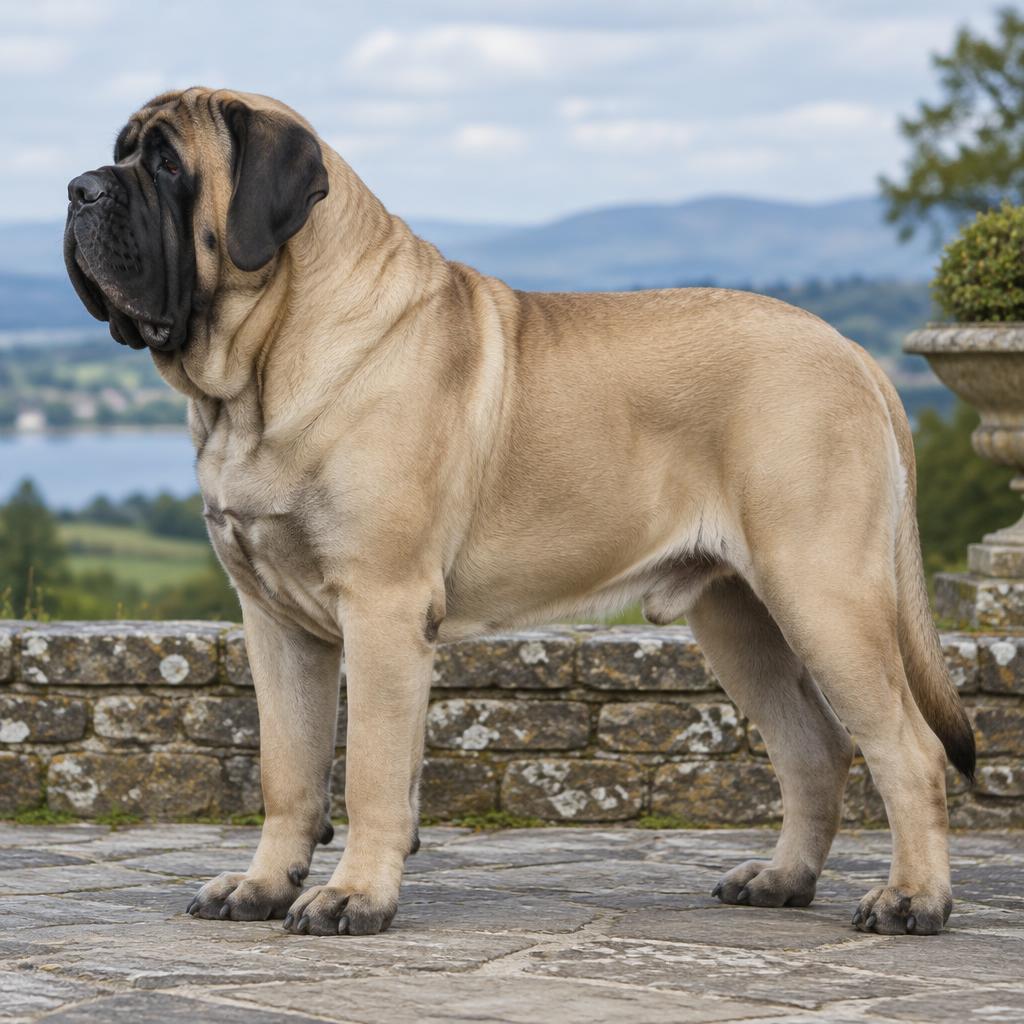
One of the oldest documented breeds in Britain, descended from ancient mastiff-type dogs used as war dogs, estate guardians and baiting animals. The modern breed was reshaped in the nineteenth century after the breed nearly vanished, from surviving specimens and outcrosses, into the calm guardian recognised today.
English Mastiff
The English Mastiff is one of the heaviest dogs in the world and one of the gentlest: calm, dignified and devoted, with a short lifespan, serious joint and bloat risks, and the real costs of keeping a giant.
Reviewed by the SniffScroll editorial desk
The gentle giant with the shortest clock and the softest heart.
The short version
- One of the heaviest breeds in existence, with males commonly exceeding 90 kg.
- Famously gentle and calm: dignified with family, tolerant with children, rarely vocal.
- Lifespan is short, typically six to ten years, and bloat and joint disease are serious risks.
- Feeding, insuring and transporting a giant breed costs real money every month.
- Slow maturity: full adulthood arrives around three years, and adolescence is long.
- Weight
- 54 to 104 kg
- Height
- 70 to 90 cm
- Lifespan
- 6 to 10 yrs
- Size
- Giant
- Group
- Working
- Coat
- Short, dense double coat in fawn, apricot or brindle, always with a black mask
- Grown male
- 73 to 104 kg
- Grown female
- 54 to 77 kg
- Years to full size
- about 3
- One-off setup
- €900 to 1800
Get one if…
- Experienced owners with space, a suitable car and realistic expectations
- Calm households wanting a devoted, dignified guardian
- Families with older, respectful children who understand the dog's mass
- Owners committed to lean weight and joint-conscious puppy raising
- Homes wanting a deterrent presence without aggression
Think again if…
- Anyone wanting a dog likely to live well past ten years
- Households with narrow staircases, small cars or tight budgets
- First-time owners unprepared for slow-maturity adolescent testing
- Homes that cannot manage daily drool and heavy shedding
- Owners wanting a jogging or hiking partner for long distances
Trait profile
Bred for centuries as a guardian and reshaped in the nineteenth century for calm temperament, the English Mastiff combines enormous size with a genuinely gentle nature. Its costs, health risks and short lifespan are the price of the partnership.
Space & setup. Needs real space: wide doorways, a large bed, room to turn around and a car that fits a 90 kg dog. Flats are possible but genuinely difficult; the mass affects everything from flooring to furniture.
Allergies. The short coat sheds moderately and is not hypoallergenic; skin fold care matters more than coat allergies in this breed.
Living with a English Mastiff
The English Mastiff is one of the heaviest dog breeds in existence: a massive, dignified guardian with a famously gentle temperament. Devoted and calm with family, it carries giant-breed realities: a short lifespan, serious joint and bloat risks, enormous food bills and slow, slobbery puppyhood.
The English Mastiff is a breed of extremes. It is among the heaviest dogs in existence, with males commonly exceeding 90 kg, and yet its temperament is famously gentle: calm, dignified, devoted to family and patient with children in a way few dogs of such size manage. The breed's history is long and sometimes grim, from Roman war dogs to baiting animals, but the modern Mastiff was deliberately reshaped in the nineteenth century into the calm guardian known today, and centuries of breeding for stable temperament show.
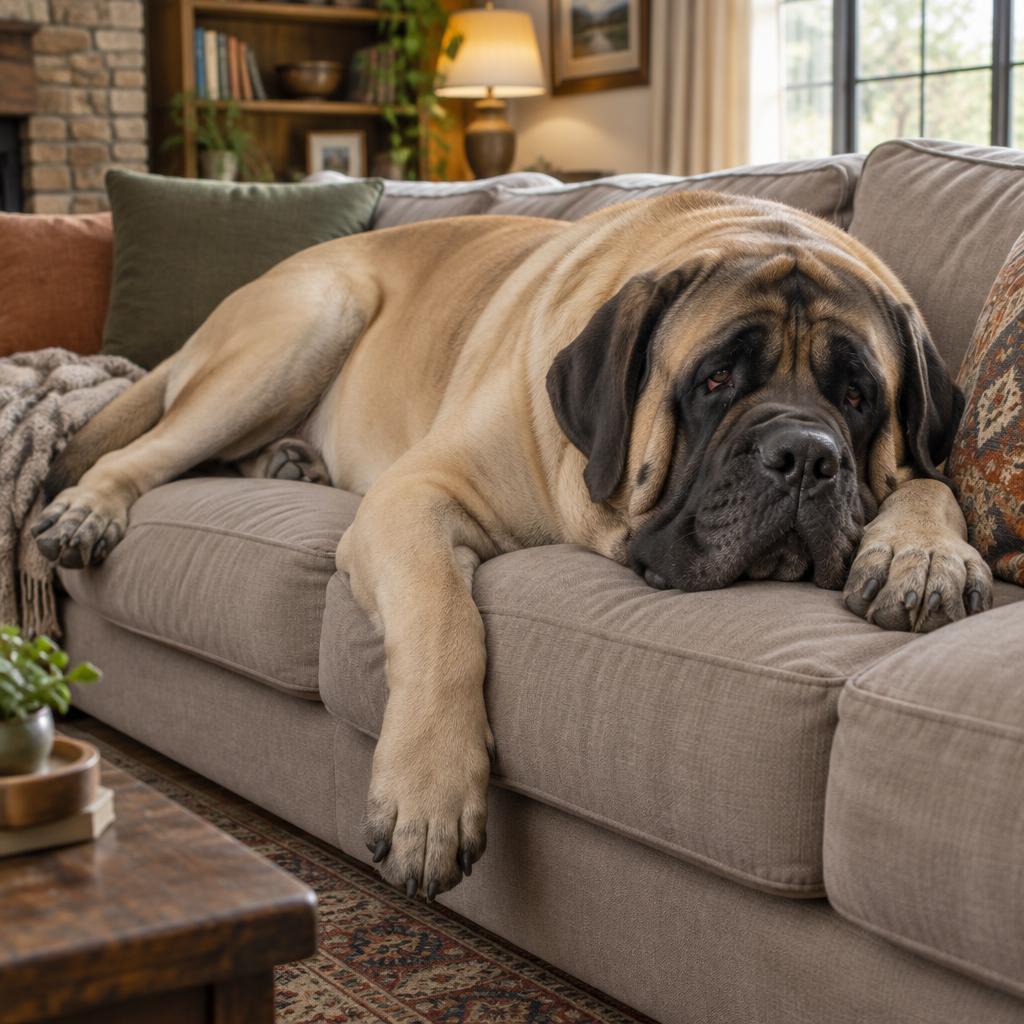
As a companion the Mastiff is quietly affectionate. It is not demanding or clingy; it wants to be near its people, ideally on the sofa whether there is room or not, and it greets guests with dignified interest rather than hysteria. Barking is rare; the breed tends to watch, assess and only then act, and its sheer size is deterrent enough. With children it is typically patient and tolerant, though its mass means even accidental contact can knock a toddler over, so supervision is about physics, not temperament. Training is straightforward in concept: the breed is willing and intelligent, but it matures slowly, sometimes not fully until three years old, and adolescence in a 60 kg dog tests the patience of anyone.
The physical realities are the honest part of this breed. Lifespan is short, typically six to ten years, and the giant frame carries serious risks: gastric dilatation-volvulus, or bloat, is a genuine emergency risk in deep-chested breeds, and hip and elbow dysplasia are common. Cancer, heart disease and cruciate injuries all feature in breed health surveys. Weight management is the single most important health decision an owner makes: keeping a Mastiff lean, particularly through growth, measurably extends comfortable mobility and lifespan. Slow growth feeding, puppy food formulated for giant breeds, and controlled exercise during the first two years all protect developing joints.
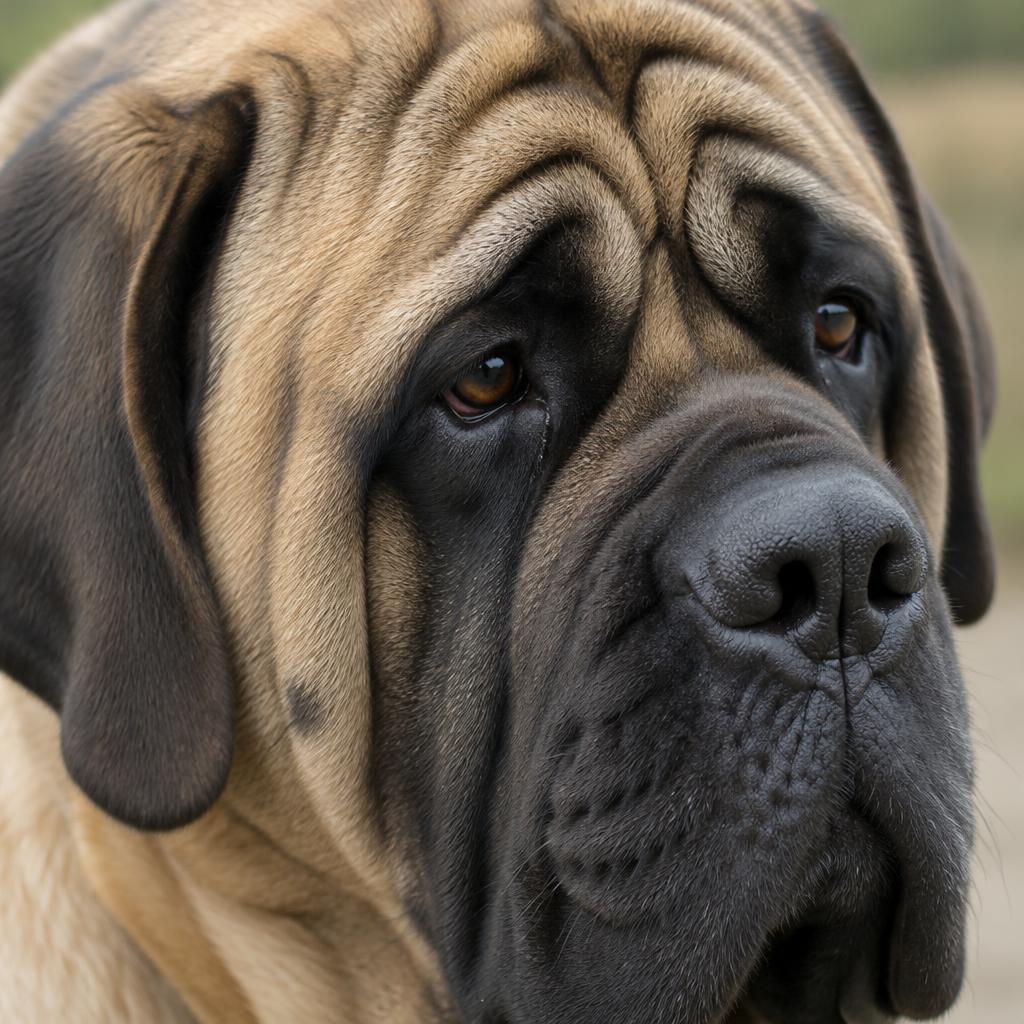
Costs are giant too. Food for a 90 kg dog is a serious monthly expense; insurance premiums reflect the breed's risks; a car and a sofa need to accommodate the dog's size; and drool is a permanent feature of life with the breed, on walls, ceilings and guests. Grooming is easy, a weekly brush and the occasional bath, but nail trims involve serious claws and the breed sheds noticeably.
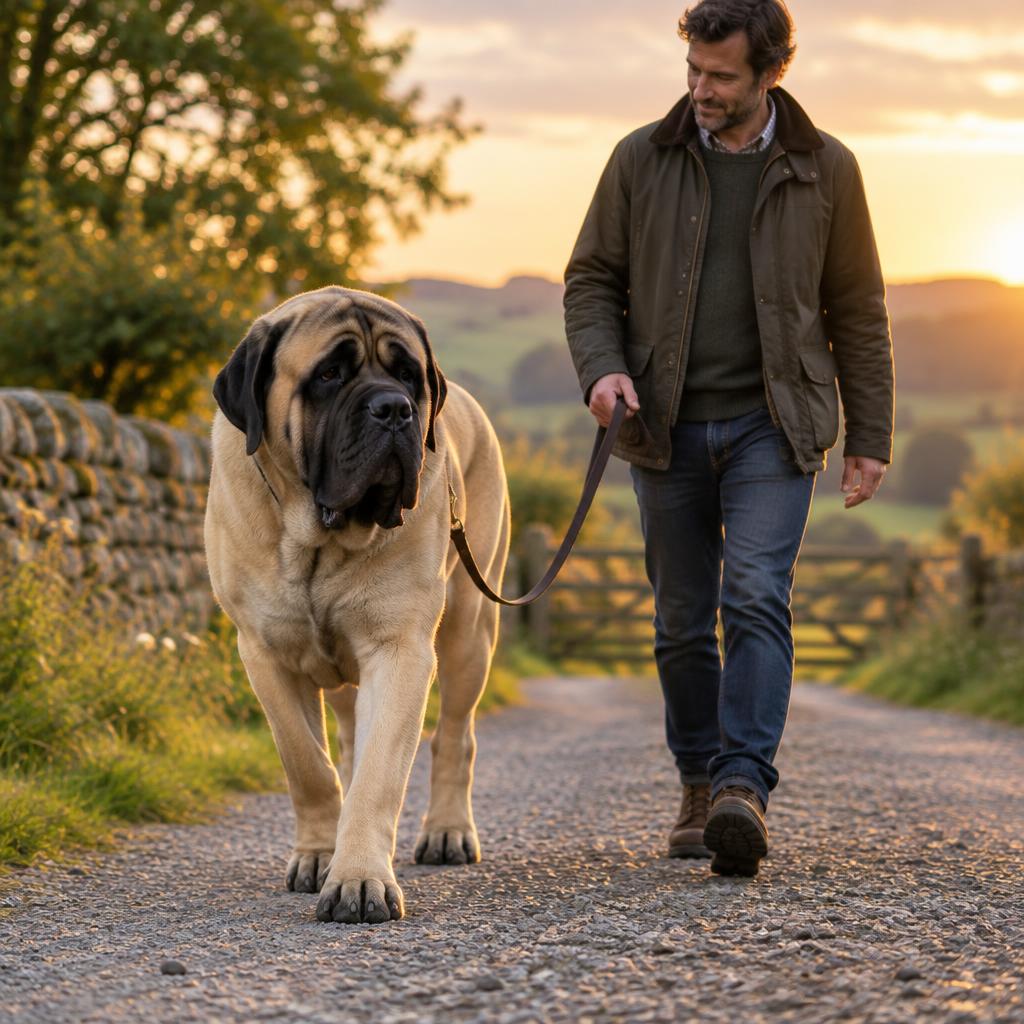
Exercise needs are moderate: two good walks a day suit the adult Mastiff, and it is not built for running. Puppies need careful restriction of jumping, stairs and hard play to protect growing joints. Overall, for a household with space, a car and realistic expectations about lifespan and cost, the English Mastiff is one of the most rewarding giant breeds: calm, devoted and genuinely gentle. For anyone wanting a dog for more than a decade, or unwilling to plan around its health realities, another breed will serve better.
The first year with a Mastiff puppy is a specialised education. Giant-breed puppies grow at astonishing speed, and their joints and growth plates do not finish closing until well into the second year. Everything about early management follows from that fact: food should be a large-breed puppy formula with controlled calcium, meals should be smaller and more frequent rather than one giant feed, and exercise should be short, on softer ground and free of stairs, jumping and forced running. The hardest discipline is restraint from the owner's side, because the puppy looks and feels unstoppable. What happens in those first eighteen months determines how the dog moves at six.
Insurance deserves early thought as well. Premiums for giant breeds are high and rise with age, and by the time a Mastiff is eight, cover for joint conditions can be expensive or unavailable. Deciding at the start, whether to insure for life or to self-insure by saving monthly, is wiser than deciding when a knee problem arrives with a five-figure estimate attached.
What owners who have lived with the breed tend to agree on is how little noise it makes relative to its size. A Mastiff rarely barks without cause; the famous sight of one merely standing up at the window is usually deterrent enough, and burglars do not argue about it. Indoors the breed is stillness itself, following its people from room to room and sleeping for hours at a time, which surprises visitors expecting a monster. The moment you open the door to the garden, the mass becomes real again: everything is bigger, heavier and more expensive, and the love is genuinely enormous.
A calm, devoted giant whose presence fills a house, but ownership means planning for a short lifespan, serious joint and bloat risks, drool on every wall and the cost of feeding a small pony.
Exercise, day to day
- 1Puppies (8 to 20 weeks): short play only; strictly limit stairs, jumping and forced exercise to protect growing joints.
- 2Adolescents (4 to 24 months): build gradually to two moderate walks daily; keep running and rough play restricted.
- 3Adults: two walks of 30 to 45 minutes daily; steady rather than strenuous.
- 4Mental work: training sessions, puzzle feeders and calm socialisation suit the breed's thoughtful nature.
- 5Avoid exercise in heat: giant breeds with heavy coats and deep chests overheat quickly.
Grooming, realistically
- 1Brush weekly with a rubber curry or bristle brush; increase during seasonal coat blows.
- 2Wipe the face folds and jowls daily; drool and food collect there.
- 3Bathe every six to eight weeks or when needed; drying a Mastiff takes time.
- 4Trim nails every three weeks; the nails are large and need proper clippers.
- 5Check ears weekly and clean as needed; the breed's ears hang and trap moisture.

What you actually need
- Rubber curry brush
- Bristle brush
- Undercoat rake
- Heavy-duty dog nail clippers
- Ear cleaning solution
- Absorbent drool towels
Puppy to adult
| Age | Male | Female | What is happening |
|---|---|---|---|
| 8 weeks | 9 to 12 kg | 8 to 11 kg | Already the size of a Labrador puppy; start joint-conscious handling and socialisation immediately. |
| 3 months | 18 to 24 kg | 16 to 21 kg | Rapid growth; feed giant-breed puppy food and keep exercise strictly controlled. |
| 6 months | 32 to 42 kg | 27 to 36 kg | Adolescent clumsiness and speed are a hazard; management of stairs and jumping matters. |
| 12 months | 50 to 65 kg | 40 to 52 kg | Large but not yet mature; growth continues and joints are still developing. |
| 24 months | 68 to 90 kg | 52 to 68 kg | Near adult size; transition to adult food and maintain lean condition strictly. |
| 36 months | 73 to 104 kg | 54 to 77 kg | Fully mature; mental maturity completes the transformation from adolescent to dignified adult. |
Ranges are typical, not targets. Judge condition by ribs and waist, and check with the ideal weight checker.
What to ask a breeder
- What are the parents' hip and elbow scores?
- Has there been any bloat or gastric torsion in your lines?
- How do you feed and exercise puppies to protect joint development?
- Have the parents been cardiac and eye screened?
- Can I meet the mother and see how the adults move and carry their weight?
Health tests to ask for
Ask to see results for both parents before you put down a deposit.
- Hip and elbow scores for both parents
- Cardiac examination in breeding stock
- Eye examination for entropion and ectropion
- Bloat awareness and discussion of gastropexy with your vet
- Weight control throughout life; a lean Mastiff lives longer and moves better
Health watch-list
What to ask a breeder about, and what to watch for over a lifetime. This is orientation, not veterinary advice, anything you notice belongs in front of a vet.
Gastric dilatation-volvulus (bloat)
NotableA life-threatening emergency in deep-chested breeds; discuss gastropexy with your vet, feed smaller meals and avoid exercise around mealtimes.
Hip dysplasia
CommonVery common in giant breeds; hip scoring of parents and lean weight management are the practical safeguards.
Elbow dysplasia
CommonScreened alongside hips in breeding stock; ask for both scores.
Heart disease
NotableDilated cardiomyopathy and other cardiac conditions occur in the breed; cardiac screening of breeding stock is recommended.
Entropion and ectropion
CommonEyelid abnormalities common in heavy-faced breeds; eye screening in breeding stock and surgical correction when needed.
Cruciate ligament injury
NotableThe enormous load on the knees makes cruciate tears common; keeping the dog lean is the best prevention.
What it costs to keep one
Realistic running cost
€228 / month
About €2,736 a year, or roughly €21,888 across a 8-year life, before purchase price, neutering and one-off vet events.
Before the puppy arrives. Budget roughly €900 to 1800 for a crate, bed, lead and harness, bowls, puppy classes, first vaccinations and grooming kit sized for this breed. Figures throughout are indicative and vary a good deal between countries.
Interactive · built for this breed
Is a English Mastiff right for your home?
Seven honest questions about your space, time and household, checked against this breed's exercise need, coat, sociability and tolerance for time alone.
Fit with your routine
98%
A strong fit
Your routine suits a English Mastiff well. Meet adult dogs of the line before you commit.
Working in your favour
- Your daily walking comfortably covers this breed's exercise need.
- Coat care fits the grooming time you offered.
Compare more breeds in the matchmaker, or plan meals with the portion calculator.
The verdict, by household
Challenging
The temperament is forgiving but the physical realities: size, cost, joint protection and short lifespan, demand genuine preparation.
Good
Patient and tolerant with respectful children; supervision is about mass and accidental knocks, not temperament.
Workable
Two good walks suit it; owners wanting a running or hiking partner will be disappointed.
Difficult
Quiet indoors, but the sheer size, drool and exercise logistics make most flats impractical.
When to call your vet
- Unproductive retching or a swollen, hard abdomen, which is a bloat emergency requiring immediate care
- Stiffness or reluctance to rise, worth hip and elbow evaluation
- Exercise intolerance or collapse, which needs urgent cardiac assessment
- Limping after exercise, which can signal a cruciate injury
- Redness or discharge in the eyes, common with entropion and ectropion in the breed
Nothing here is a diagnosis. A swollen, hard belly with retching, collapse, breathing difficulty and sudden hind-leg weakness are emergencies: go straight away.
English Mastiff vs the closest alternatives
| Breed | Weight | Energy | Grooming | € / month |
|---|---|---|---|---|
| English Mastiff | 54 to 104 kg | 4/10 | 4/10 | €228 |
| Bulldog | 18 to 25 kg | 3/10 | 4/10 | €123 |
| Irish Wolfhound | 47 to 63 kg | 5/10 | 4/10 | €225 |
| Pug | 6 to 10 kg | 4/10 | 3/10 | €85 |
English Mastiff questions, answered
How big do English Mastiffs get?
Males typically reach 73 to 104 kg and 70 to 90 cm at the shoulder; females 54 to 77 kg. Full size and maturity take around three years.
How long do English Mastiffs live?
Typically six to ten years, one of the shortest lifespans of any breed. Lean weight and joint care measurably extend healthy years.
Are English Mastiffs good family dogs?
Yes, famously gentle and patient with respectful children. The main consideration is their mass: even friendly contact can knock a small child over.
Do English Mastiffs drool a lot?
Yes. Drool is a permanent feature of life with the breed, on furniture, walls and guests. Keep towels in every room.
How much does an English Mastiff cost to feed?
Expect around 90 to 100 EUR a month for food as an adult, more for some individuals, plus higher insurance premiums reflecting the breed's health risks.
Are English Mastiffs aggressive?
No, the modern breed was deliberately bred for calm temperament. They are watchful and deterrent by presence, rarely vocal or reactive, but socialisation is still essential.
How much exercise does an English Mastiff need?
Two walks of 30 to 45 minutes daily as an adult. Puppies need strictly controlled exercise to protect developing joints, and all Mastiffs overheat easily in warm weather.
Sources
Breeds people compare with this
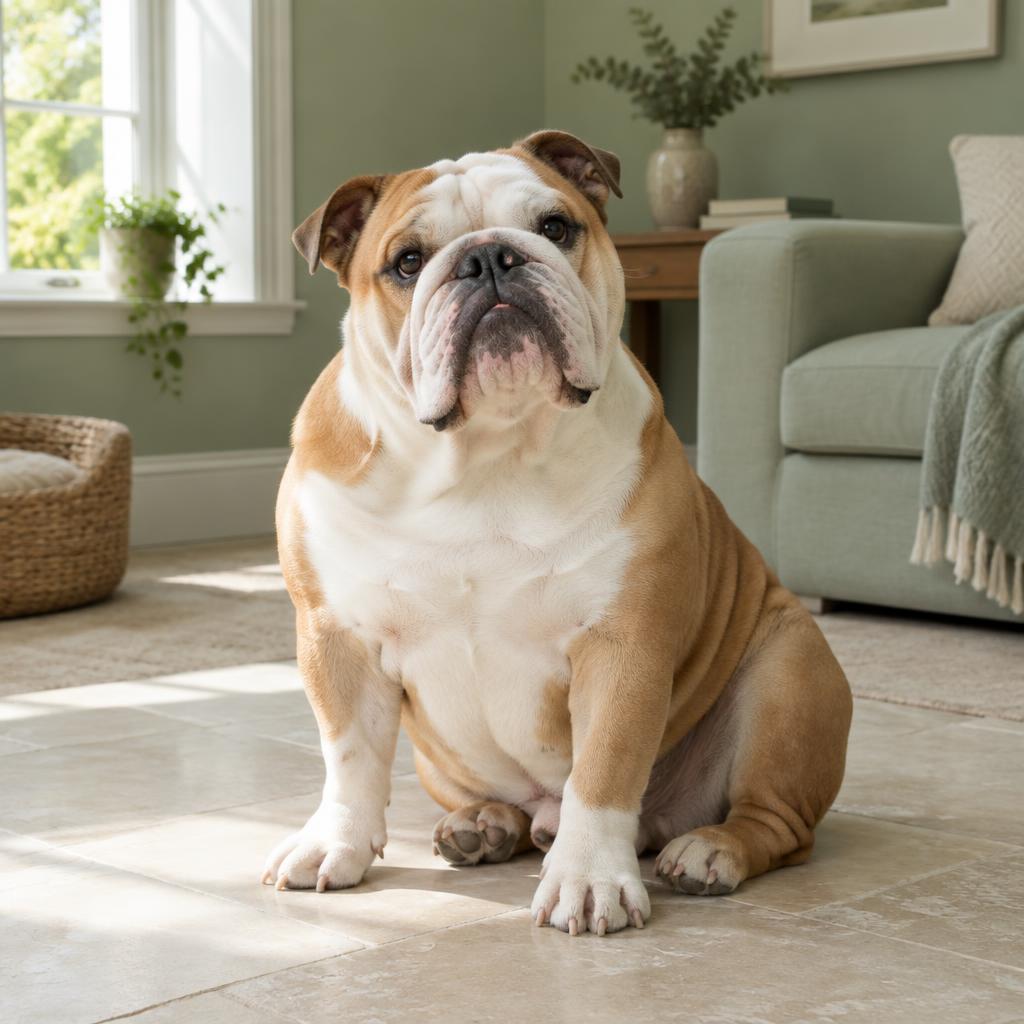
Bulldog
An affectionate, laid back companion whose flattened face brings serious breathing and health considerations.
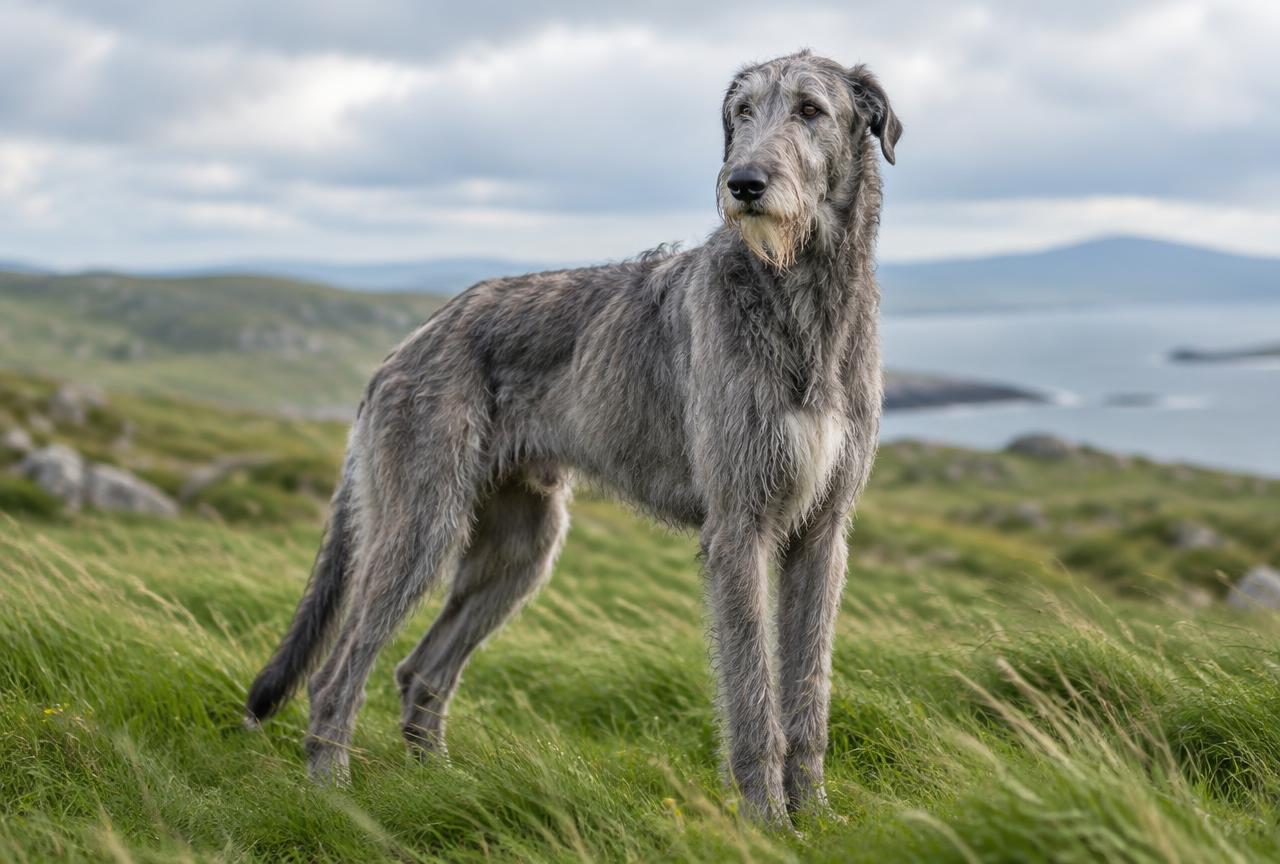
Irish Wolfhound
The tallest of all dog breeds: a gentle giant with a heartbreakingly short clock.
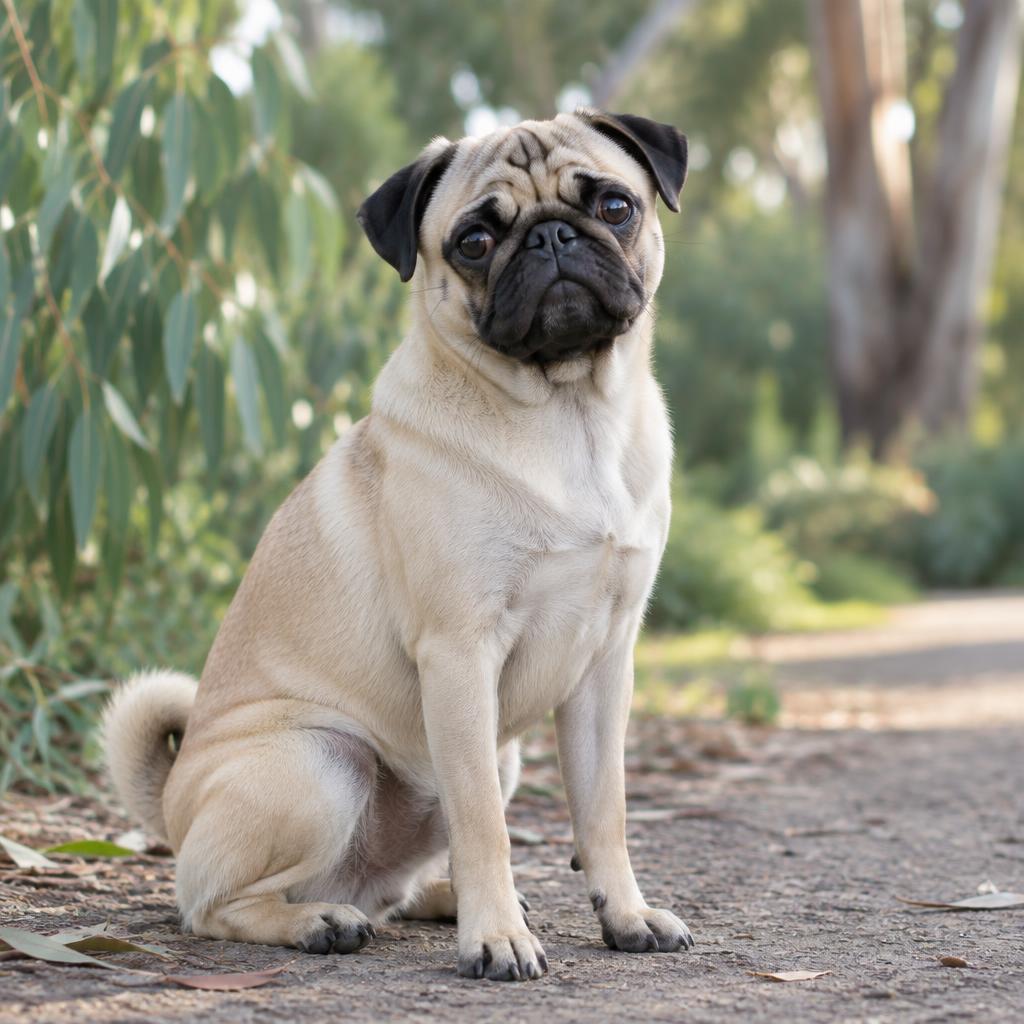
Pug
A charming, people loving companion whose flat face demands honest, careful ownership.