Utility group
England
Bulldog
The Bulldog is an affectionate, low energy companion whose flattened face and heavy build bring serious breathing, skin fold and birthing complications that demand a health focused approach to buying.
Reviewed against Kennel Club and breed club health guidance
An affectionate, laid back companion whose flattened face brings serious breathing and health considerations.
The short version
- BOAS, caused by the breed's shortened skull, can cause breathing difficulty, overheating and collapse, so checking a breathing scheme grade matters before buying.
- Facial skin folds trap moisture and bacteria, so daily cleaning is needed to prevent recurring dermatitis.
- A very high proportion of Bulldog litters are delivered by planned caesarean section due to head and hip proportions.
- Choosing a breeder who health tests rigorously, rather than buying on looks, is the single most important decision for prospective owners.
- Low exercise tolerance reflects restricted breathing rather than convenience, so short, cool weather walks are essential.
- Weight
- 18 to 25 kg
- Height
- 31 to 36 cm
- Lifespan
- 8 to 10 yrs
- Size
- Medium
- Group
- Utility
- Coat
- Short, smooth, fine coat
- Grown male
- 23 to 25 kg
- Grown female
- 18 to 23 kg
- Years to full size
- about 2
- One-off setup
- €450 to 850
Get one if…
- Owners able to commit to daily facial fold cleaning
- Calmer households wanting a lower exercise companion
- People willing to prioritise health tested breeders over appearance
- Owners prepared for potentially higher veterinary costs
- Cooler climates where heat related breathing risk is easier to manage
Think again if…
- Owners wanting an energetic hiking or running companion
- Hot climates without reliable air conditioning
- Buyers unwilling to research BOAS grading or health testing
- Households expecting minimal veterinary involvement over the dog's life
- Owners uncomfortable discussing caesarean birth and breathing surgery openly
Trait profile
Bulldogs combine strong affection and low exercise drive with significant structural health risks, so breathing assessment and skin fold care matter more than obedience training for day to day welfare.
Space & setup. A flat or house with minimal stairs and no need for extended outdoor exercise suits the breed's low exercise tolerance well.
Allergies. The short, fine coat sheds moderately but skin fold care is a bigger daily consideration than coat allergens for most households.
Living with a Bulldog
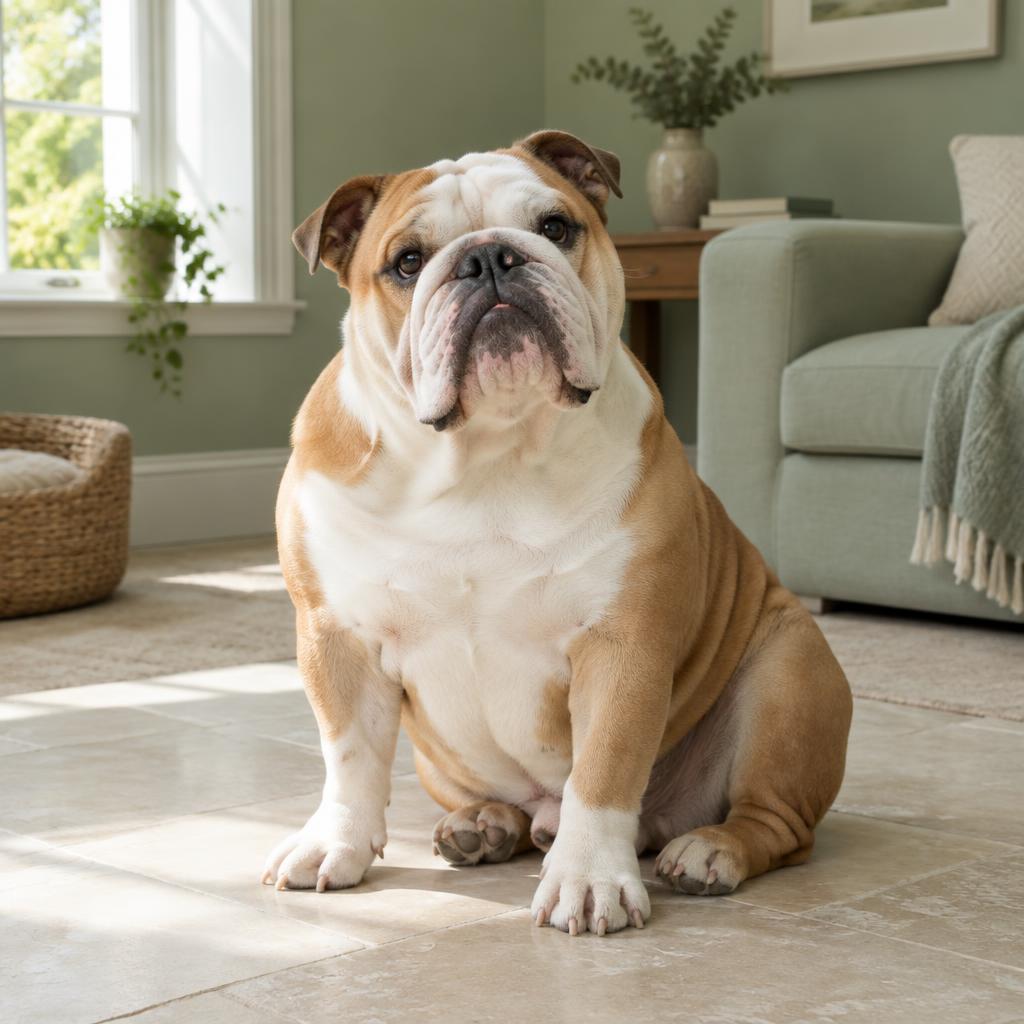
The Bulldog, often called the English Bulldog, is a medium sized utility breed originally developed for bull baiting before being refined into the calm, affectionate companion known today. Its distinctive short muzzle and loose skin give it a recognisable look, but these same features bring significant health challenges that every prospective owner should understand before buying.
The Bulldog's history runs from the brutal sport of bull baiting in medieval England through to a deliberate softening of temperament once that practice was banned in 1835, producing the calm, affectionate companion recognised today. Unfortunately, decades of selective breeding for an increasingly extreme flattened face and heavy build have also produced a breed with some of the most serious inherited health problems of any in general circulation, and anyone considering a Bulldog needs to weigh its genuinely loving nature against these real welfare concerns.
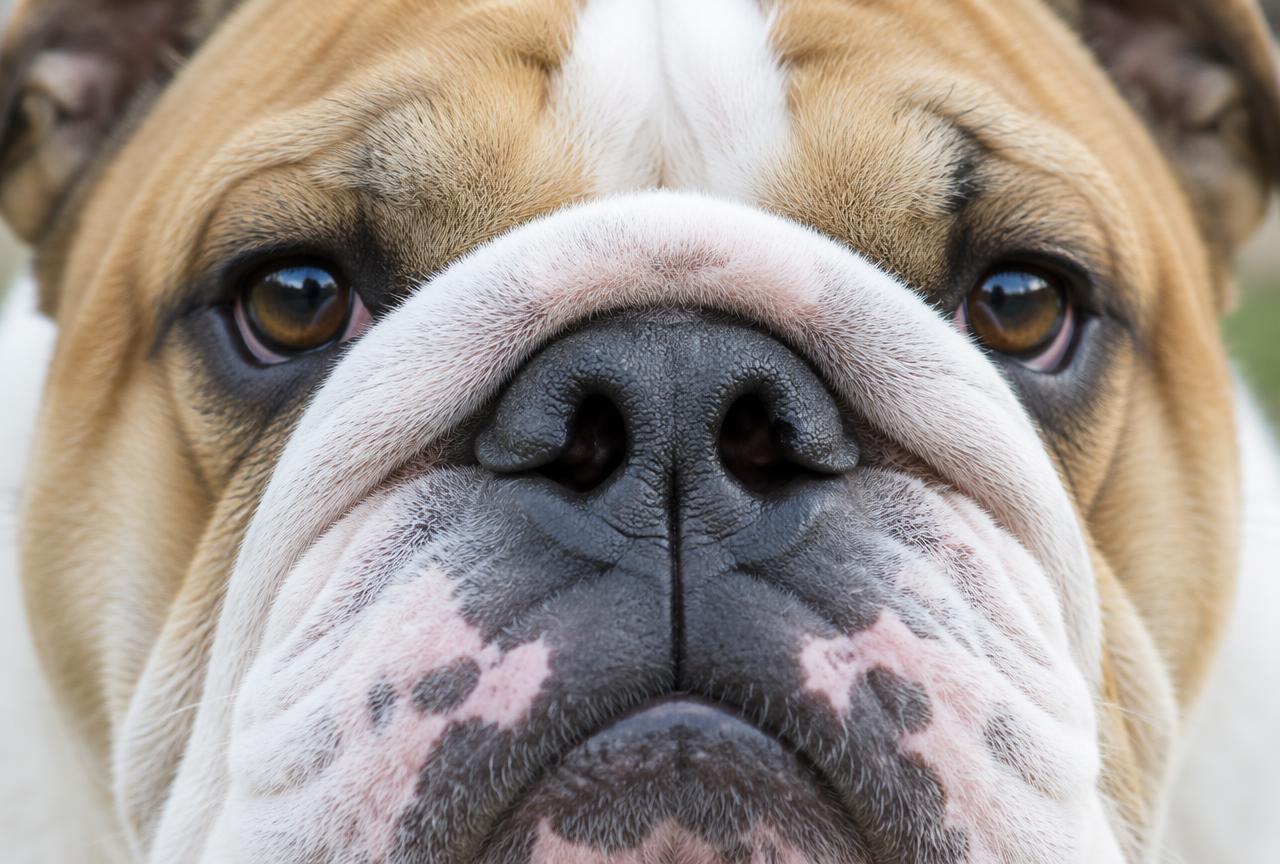
The single biggest issue is brachycephalic obstructive airway syndrome, commonly known as BOAS, a condition caused by the shortened skull and soft tissue crowding the airway. Affected dogs struggle to breathe normally, snore and snort even at rest, overheat easily and can collapse during exercise or in warm weather. Not every Bulldog is severely affected, but the structural cause is built into the breed standard shape itself, so buyers should ask breeders directly about BOAS grading and, where possible, choose puppies from parents assessed under a formal breathing scheme with a favourable result. The Kennel Club's respiratory function grading scheme, run with University of Cambridge veterinary researchers, assesses breathing under exercise and is the single most useful piece of evidence a buyer can request.
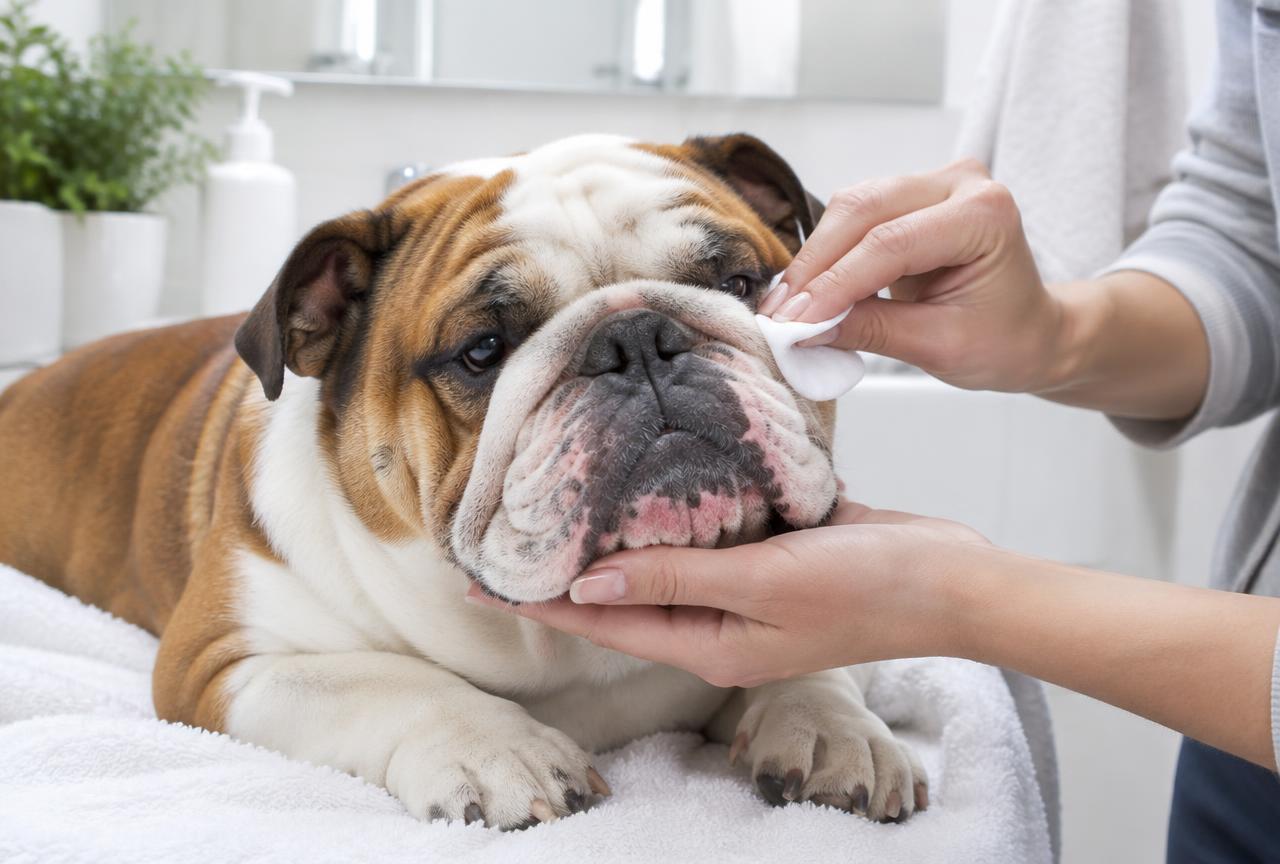
The heavy facial wrinkles and loose skin that give the Bulldog its characteristic look also create skin fold dermatitis, where moisture and bacteria become trapped in the folds around the face, nose and tail, leading to soreness, odour and recurring infections without regular cleaning. Daily or near daily wiping of the facial folds, kept dry afterwards, is a routine rather than optional part of ownership, and owners who skip it often find themselves dealing with persistent, smelly infections that are far easier to prevent than treat.
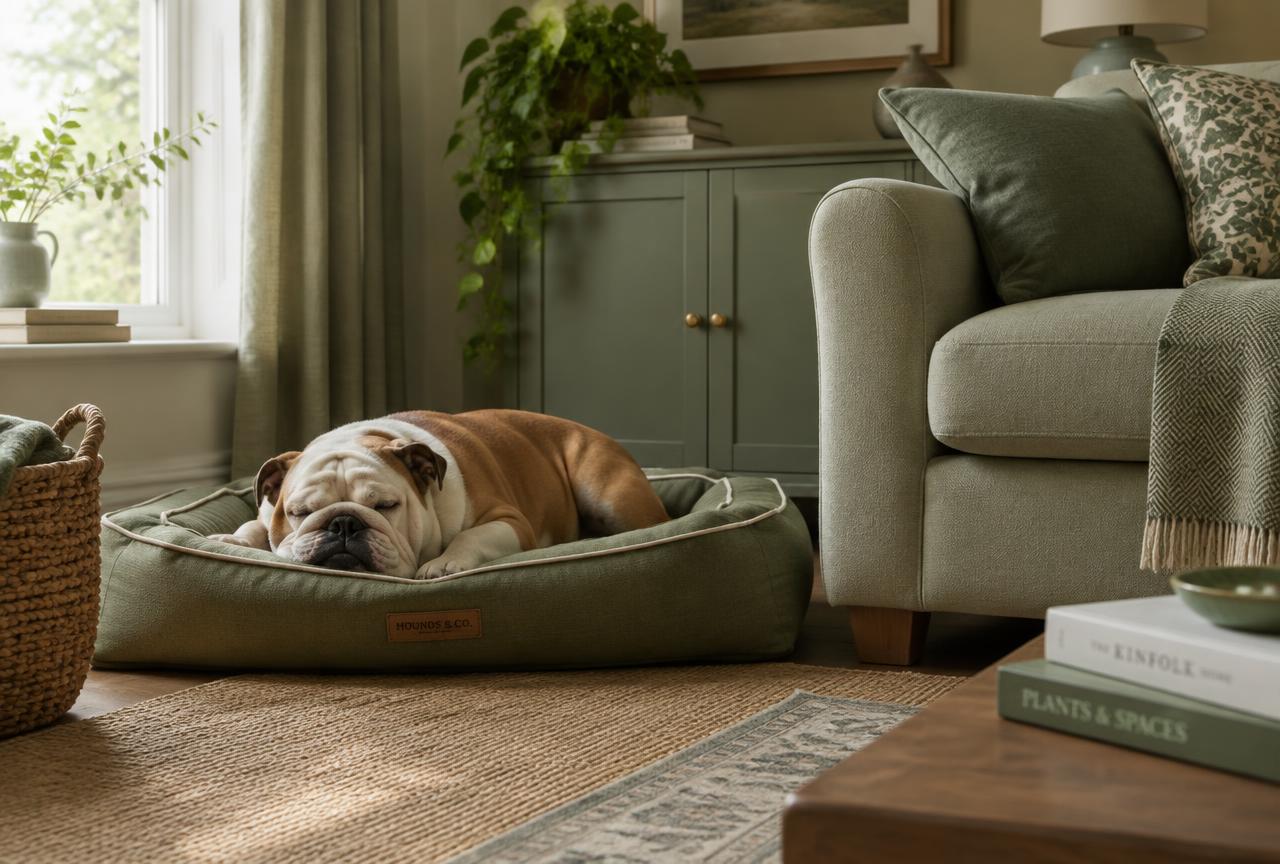
The breed's large head and narrow hips mean natural whelping is frequently difficult or impossible, and a very high proportion of Bulldog litters are delivered by planned caesarean section rather than natural birth. This is a direct consequence of selecting for head size without matching birth canal capacity, and prospective owners buying a puppy should understand that this reflects a structural problem in the breed rather than simply a convenient choice by breeders. It is worth discussing openly with any breeder, since reluctance to talk about it plainly is itself a warning sign.
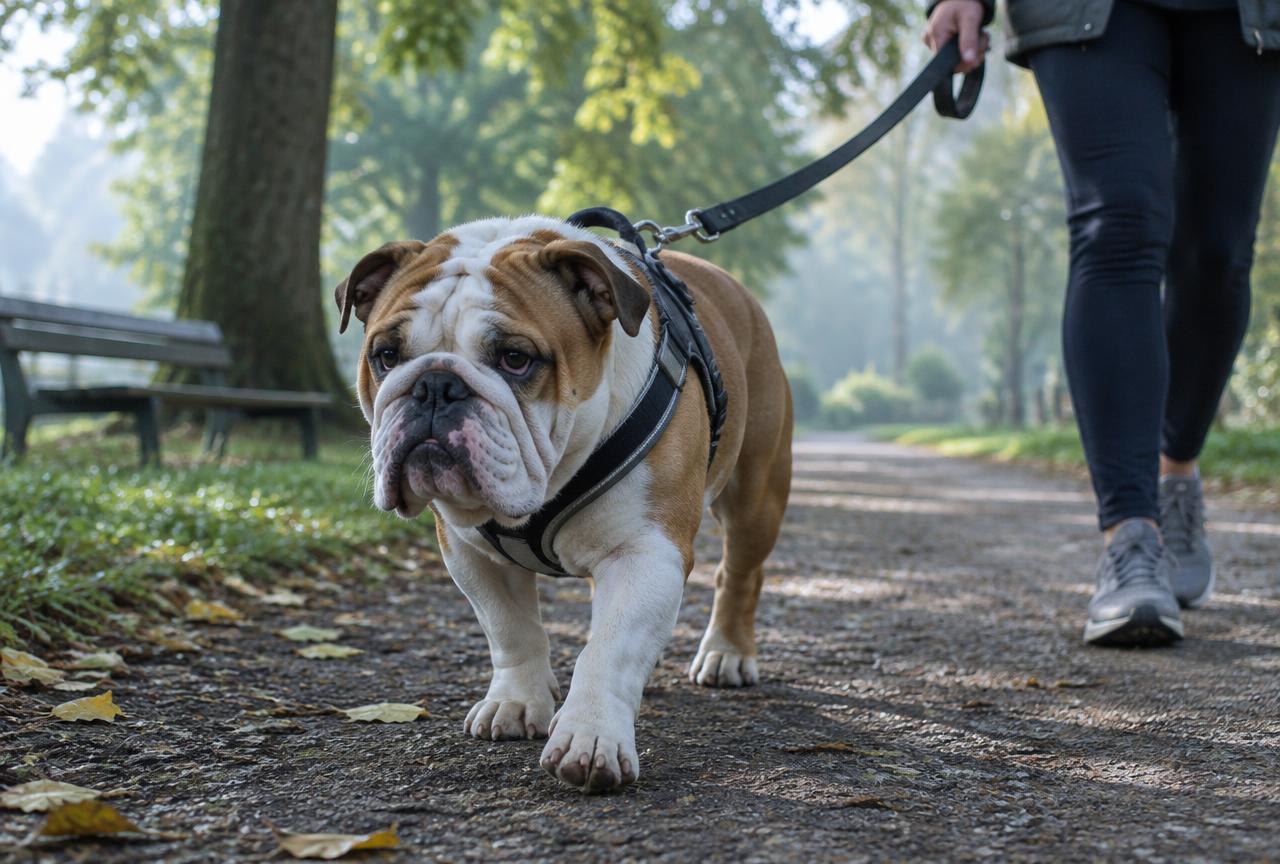
Temperamentally, Bulldogs are typically calm, affectionate and good with children, often described as clownish and eager to be near their people without needing much exercise, which makes them appealing to owners with limited mobility or space. However, low exercise tolerance is itself a symptom of restricted breathing capacity rather than a convenience, and short gentle walks in cool conditions, never in heat, are essential rather than a lifestyle bonus. Training requires patience given a stubborn streak, though the breed is rarely aggressive and generally responds well to food based reward methods delivered with consistency.
Given these concerns, the single most important decision a prospective buyer makes is choosing a breeder who health tests rigorously, including hip scoring, respiratory function grading and screening for inherited conditions such as patellar luxation, rather than buying on cuteness alone. Reputable breed clubs and the Kennel Club's Assured Breeder Scheme can help identify breeders working to reduce exaggeration in the breed, and genuine health testing results should be offered readily rather than extracted with difficulty.
Potential owners should also budget for likely higher veterinary costs across the dog's life, including possible airway surgery, ongoing skin fold management and monitoring for joint problems, and should always view puppies with their mother in a clean, calm environment where her own breathing and mobility can be assessed first hand. Pet insurance with reasonable cover for breed specific conditions is worth arranging as early as possible, since premiums and exclusions can become more restrictive with age.
Done thoughtfully, with a health tested breeder, careful daily skin and breathing care, and realistic expectations about veterinary involvement, the Bulldog can be a devoted, good humoured companion that suits a calmer household well. Done carelessly, buying on appearance from a breeder unwilling to discuss BOAS or caesarean rates honestly, it perpetuates a breed shape that causes the dog daily discomfort and shortens its working life considerably.
An affectionate, low energy companion whose flattened face brings significant breathing, skin and whelping complications that demand a health focused approach to buying and ownership.
Exercise, day to day
- 1Puppies (8 to 20 weeks): very short, gentle play sessions, avoiding overheating or overexertion.
- 2Adults: two short walks a day in cool conditions, never during warm weather or midday heat.
- 3Always carry water and watch closely for signs of breathing distress during any activity.
- 4Avoid strenuous play or jogging given limited airway capacity.
- 5Keep to flat, shaded routes and stop immediately if panting becomes excessive.
Grooming, realistically
- 1Wipe facial and tail skin folds daily with a vet approved cleanser and dry thoroughly.
- 2Brush the short coat weekly with a soft bristle brush or grooming mitt.
- 3Bathe every 4 to 6 weeks using a gentle, suitable shampoo.
- 4Check nails and trim every 3 to 4 weeks.
- 5Clean ears weekly and monitor for odour or discharge.
What you actually need
- Soft bristle brush or grooming mitt
- Skin fold cleansing wipes or solution
- Dog nail clippers
- Gentle dog shampoo
- Ear cleaning solution
Puppy to adult
| Age | Male | Female | What is happening |
|---|---|---|---|
| 8 weeks | 3 to 4.5 kg | 2.8 to 4 kg | Compact, heavy boned puppy build with a noticeably broad head. |
| 3 months | 6 to 8.5 kg | 5.5 to 7.5 kg | Steady growth, breathing should be monitored during any activity. |
| 6 months | 11 to 15 kg | 10 to 13.5 kg | Adolescent stage, exercise should remain short and in cool conditions. |
| 9 months | 15 to 19 kg | 13 to 17 kg | Approaching adult size, heat sensitivity becomes more apparent. |
| 12 months | 18 to 23 kg | 16 to 21 kg | Close to adult weight, weight management matters for joint and airway health. |
| 18 months | 20 to 25 kg | 18 to 23 kg | Full adult size and build reached. |
Ranges are typical, not targets. Judge condition by ribs and waist, and check with the ideal weight checker.
What to ask a breeder
- Can I see the respiratory function grading results for both parents under the Kennel Club scheme?
- Were the parents born naturally or by caesarean section, and if the latter, why?
- Can I see hip scores and patella screening results for both parents?
- How do you manage skin fold and airway health in your adult dogs?
- What steps are you taking to breed away from exaggerated features?
- Can I meet both parents and observe their breathing at rest and after mild exertion?
Health tests to ask for
Ask to see results for both parents before you put down a deposit.
- Respiratory function grading (Kennel Club and University of Cambridge scheme)
- Hip score (BVA/KC scheme)
- Patella luxation examination
- Tracheal hypoplasia assessment where relevant
- Skin fold and ongoing dermatological monitoring throughout life
Health watch-list
What to ask a breeder about, and what to watch for over a lifetime. This is orientation, not veterinary advice, anything you notice belongs in front of a vet.
Brachycephalic obstructive airway syndrome
CommonThe shortened skull crowds the airway, causing noisy breathing, overheating and collapse risk; checking a respiratory function grading result is important.
Skin fold dermatitis
CommonMoisture and bacteria trapped in facial and tail folds cause recurring soreness and infection without daily cleaning.
Difficulty whelping
CommonHead and hip proportions make natural birth frequently difficult or impossible, so planned caesarean sections are common.
Hip dysplasia
NotableMalformed hip joints can cause discomfort and arthritis; hip scoring of breeding stock helps reduce incidence.
Patellar luxation
UncommonA dislocating kneecap that can cause intermittent lameness, screened for in breeding stock.
Heat intolerance
CommonRestricted airway capacity makes overheating a serious risk, so exercise and outdoor time must be carefully managed in warm weather.
What it costs to keep one
Realistic running cost
€123 / month
About €1,476 a year, or roughly €13,284 across a 9-year life, before purchase price, neutering and one-off vet events.
Before the puppy arrives. Budget roughly €450 to 850 for a crate, bed, lead and harness, bowls, puppy classes, first vaccinations and grooming kit sized for this breed. Figures throughout are indicative and vary a good deal between countries.
Interactive · built for this breed
Is a Bulldog right for your home?
Seven honest questions about your space, time and household, checked against this breed's exercise need, coat, sociability and tolerance for time alone.
Fit with your routine
97%
A strong fit
Your routine suits a Bulldog well. Meet adult dogs of the line before you commit.
Working in your favour
- Your daily walking comfortably covers this breed's exercise need.
- Coat care fits the grooming time you offered.
Compare more breeds in the matchmaker, or plan meals with the portion calculator.
The verdict, by household
First-time owner
Proceed only with a health tested breeder
The breed's affectionate nature suits first time owners, but health costs and breathing risk require careful research first.
Family with children
A good match with precautions
Generally gentle and patient with children, though supervision around heat and exertion is important.
Active single or couple
A reasonable match
Low exercise needs suit less active owners, though veterinary vigilance remains essential.
Owner in a flat with close neighbours
A good match
Minimal exercise requirements and calm temperament suit flat living well, provided heat is managed.
When to call your vet
- Loud snoring, snorting or laboured breathing, which may indicate worsening BOAS
- Collapse, blue tinged gums or extreme panting after mild exertion or heat exposure, which needs emergency attention
- Odour, redness or discharge from facial or tail skin folds, suggesting infection
- Difficulty or straining during attempted natural whelping, which requires immediate veterinary involvement
- Reluctance to rise or exercise intolerance, which may point to hip or patella problems
Nothing here is a diagnosis. A swollen, hard belly with retching, collapse, breathing difficulty and sudden hind-leg weakness are emergencies: go straight away.
Bulldog vs the closest alternatives
| Breed | Weight | Energy | Grooming | € / month |
|---|---|---|---|---|
| Bulldog | 18 to 25 kg | 3/10 | 4/10 | €123 |
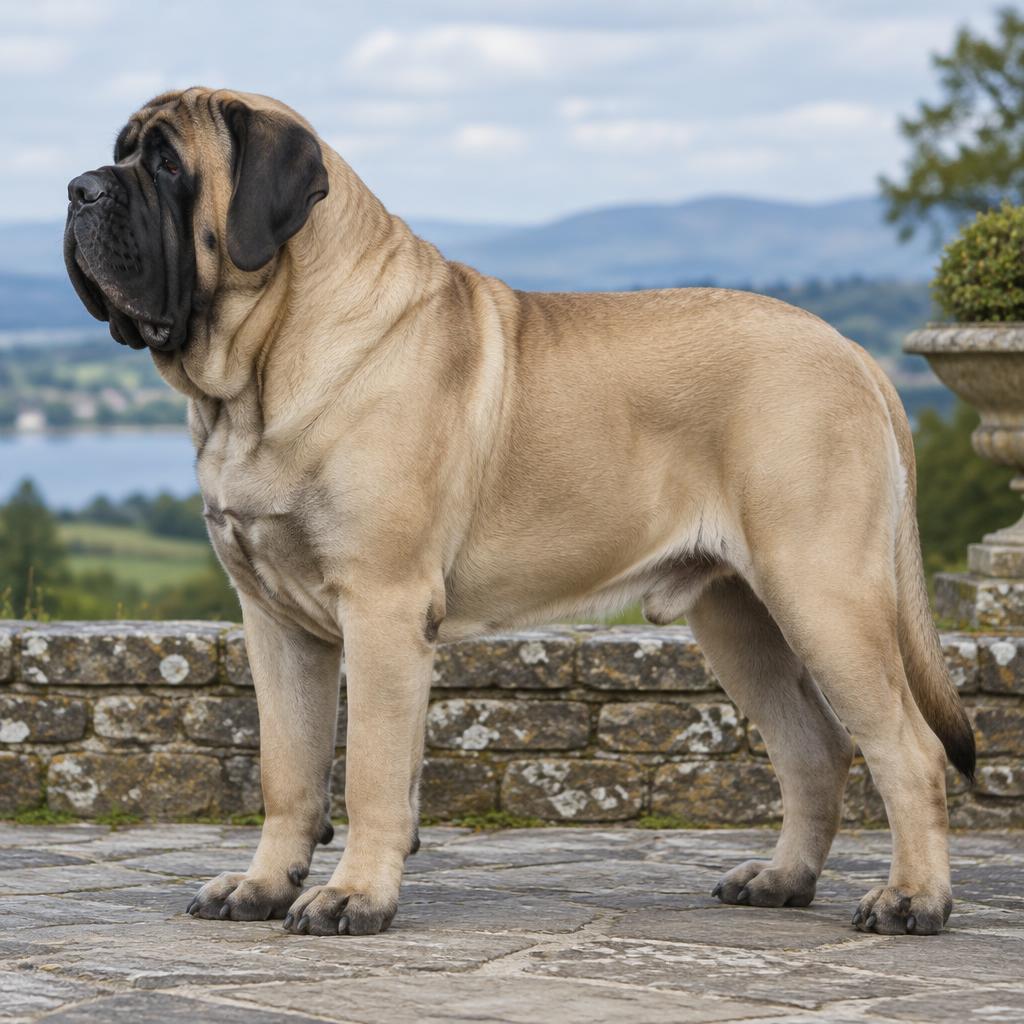
| English Mastiff | 54 to 104 kg | 4/10 | 4/10 | €228 |
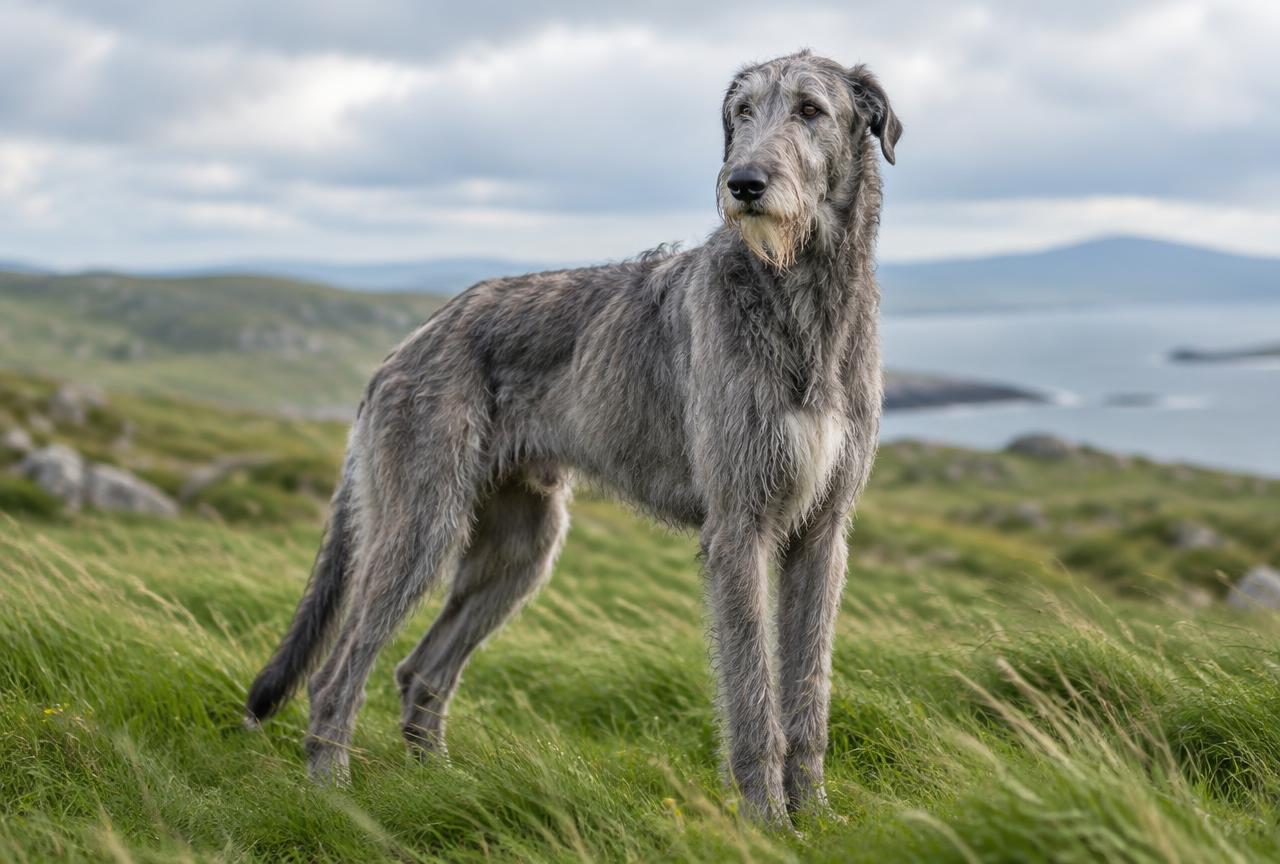
| Irish Wolfhound | 47 to 63 kg | 5/10 | 4/10 | €225 |
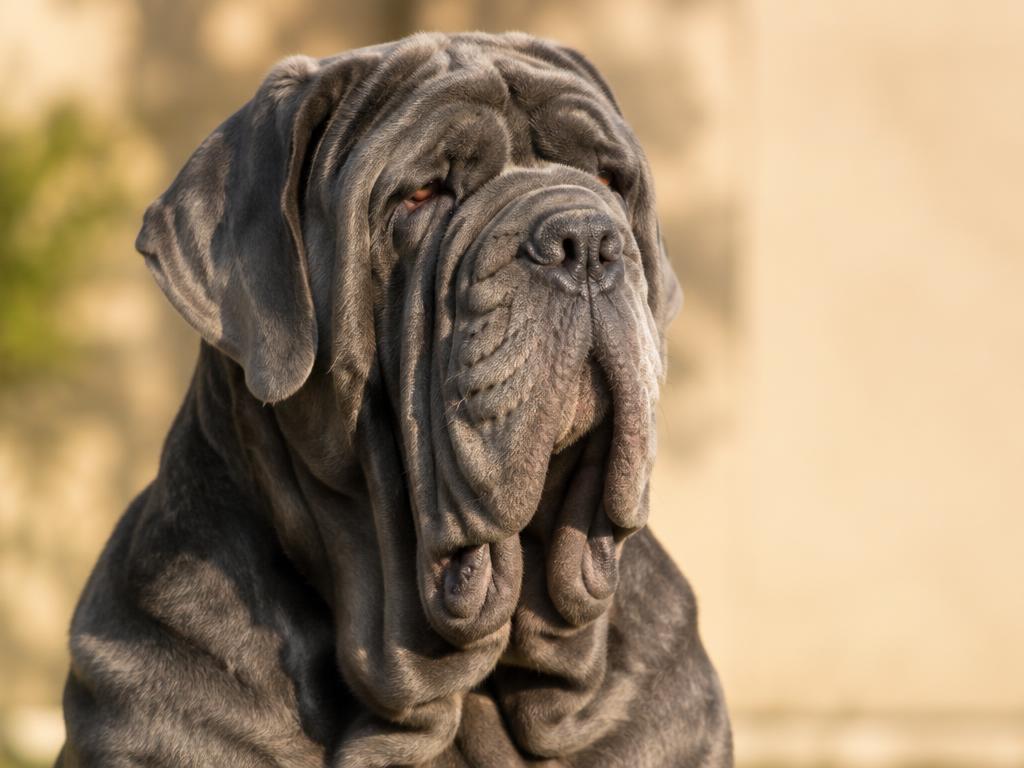
| Neapolitan Mastiff | 50 to 70 kg | 3/10 | 4/10 | €308 |
Bulldog questions, answered
What is BOAS and why does it matter for Bulldogs?
BOAS, or brachycephalic obstructive airway syndrome, is caused by the Bulldog's shortened skull crowding the airway, leading to noisy breathing, overheating and collapse risk during exertion. Checking a breeder's respiratory function grading results helps buyers choose less severely affected puppies.
Why do Bulldogs need their skin folds cleaned?
The facial and tail wrinkles trap moisture and bacteria, which can quickly cause soreness, odour and infection if left unchecked. Daily or near daily wiping and thorough drying of the folds is an essential part of routine care.
Do Bulldogs always need caesarean sections?
Not always, but a very high proportion of Bulldog litters are delivered by planned caesarean because the large head and narrow hips make natural birth frequently difficult or dangerous. This reflects a structural issue in the breed rather than simple convenience.
How do I find a health tested Bulldog breeder?
Look for breeders who can show respiratory function grading, hip scores and patella screening results for both parents, ideally registered with a recognised breed club or the Kennel Club Assured Breeder Scheme. Avoid buying based on appearance alone.
How much exercise does a Bulldog need?
Bulldogs need only short walks, generally in cool conditions, because their restricted airway limits exercise tolerance. This low activity level is a symptom of breathing difficulty rather than a lifestyle convenience, and overheating must always be avoided.
Are Bulldogs expensive to keep healthy?
Often, yes. Many Bulldogs require ongoing veterinary care for breathing, skin or joint issues, and some need surgery to widen airways or correct other structural problems. Prospective owners should budget realistically for higher lifetime veterinary costs.
Are Bulldogs good with children?
Yes, Bulldogs are typically calm, affectionate and patient with children, making them popular family companions. However, supervision during warm weather or active play is important given their limited heat and exercise tolerance.
Sources
- Bulldog breed standard, The Kennel Club
- Respiratory function grading scheme, The Kennel Club
- Bulldog breed information, American Kennel Club
- Brachycephalic dogs policy, British Veterinary Association
- Brachycephalic breed health research, Royal Veterinary College VetCompass