
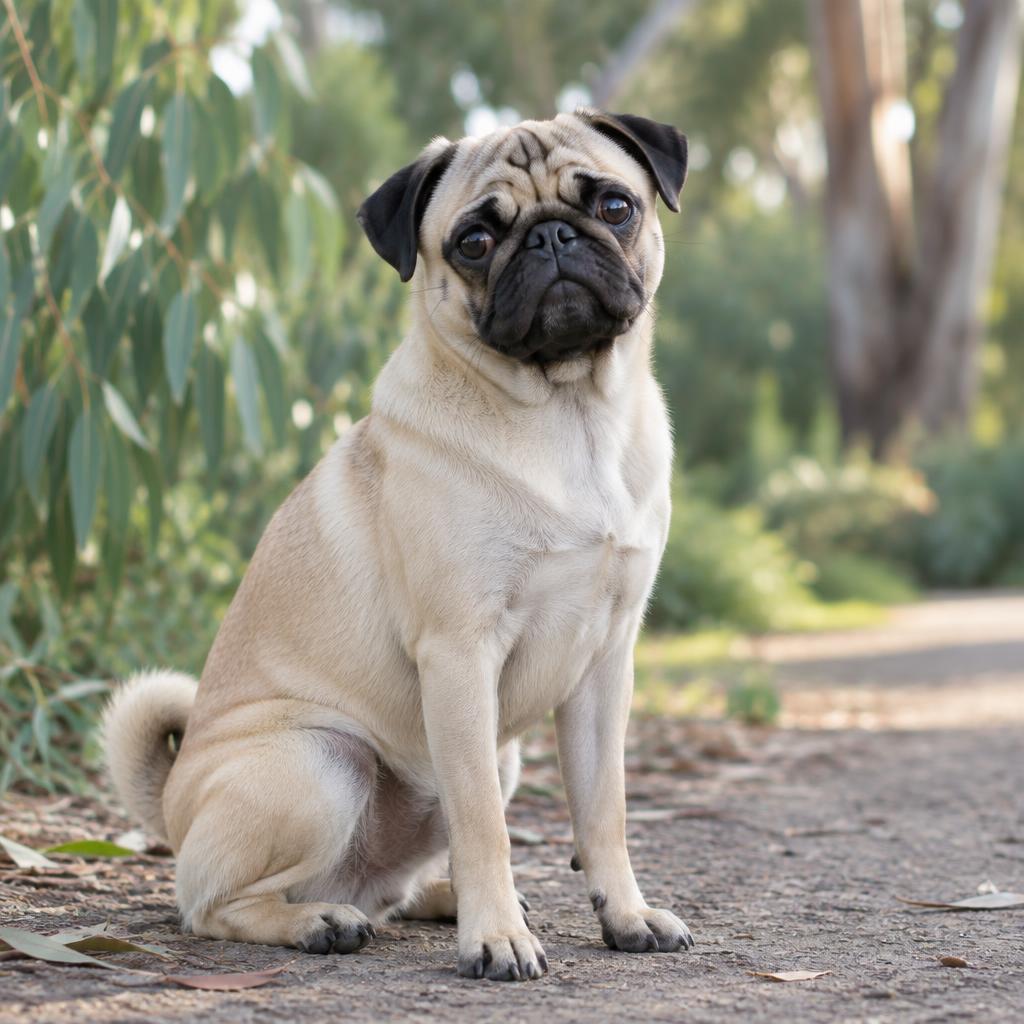
Toy group
China
The Pug is an affectionate companion breed whose extreme flat face brings serious breathing and heat risks that responsible owners must actively manage.
Reviewed against Kennel Club and breed club health guidance
A charming, people loving companion whose flat face demands honest, careful ownership.
The short version
- Pugs are affectionate, people oriented dogs bred purely for companionship.
- The breed's flattened face commonly causes real breathing difficulty, not just harmless snoring.
- Asking for Kennel Club Respiratory Function Grading results from both parents is strongly advised.
- Heatstroke risk is high; exercise should happen in cool conditions and never in a parked car.
- Strict weight control is essential, since extra weight makes breathing substantially harder.
- Weight
- 6 to 10 kg
- Height
- 25 to 33 cm
- Lifespan
- 12 to 15 yrs
- Size
- Small
- Group
- Toy
- Coat
- Short, smooth double coat
- Grown male
- 6.5 to 10 kg
- Grown female
- 6 to 9 kg
- Years to full size
- about 1
- One-off setup
- €400 to 750

Get one if…
- Owners prepared to prioritise breathing and heat management seriously
- People who will choose breeders using Kennel Club respiratory grading
- Calm households wanting a devoted indoor companion
- Owners committed to strict weight control
- People able to check eyes and skin folds daily
Think again if…
- Owners wanting an athletic or hiking companion
- Anyone unwilling to take brachycephalic health risks seriously
- Households in consistently hot climates without good indoor cooling
- People unwilling to manage portion sizes strictly
- Owners hoping to skip daily facial and eye checks
Trait profile
Pugs combine very high affection with low exercise needs, but their extreme brachycephalic structure means breathing and heat management are central, not optional, parts of ownership.
Space & setup. Pugs do well in flats given modest exercise needs, though access to a cool indoor space is more important than outdoor space in warm weather.
Allergies. The short double coat sheds more than its length suggests, so it is not a good choice for households with significant allergy concerns.
Living with a Pug
The Pug is a small companion breed of ancient Chinese origin, later favoured by European royal courts, known for its affectionate, comical nature and distinctively flat, wrinkled face. It is a loyal and sociable dog, but prospective owners need to go in with open eyes about the genuine breathing difficulties that come with its extreme brachycephalic structure.
The Pug has an ancient history in China, where it was bred as a companion for the imperial court, and it later became a favourite of European nobility after being brought west by Dutch traders. Its entire purpose, then and now, has been companionship rather than work, and it remains a thoroughly people oriented dog that is happiest close to its owner, often following from room to room and settling readily into lap life.
Temperament wise, Pugs are playful, affectionate and generally good natured with children and other pets, though they can also be stubborn, which combined with a strong love of food makes training require patience and consistency rather than force. We would rather be candid here than softening the picture: the Pug's extremely flattened face, while part of what owners find appealing, is also a genuine and serious welfare concern recognised across veterinary and canine welfare organisations. The structure, formally called brachycephaly, compresses the airway, soft palate and nasal passages, and most Pugs show at least some degree of noisy breathing, snoring or snuffling that owners often normalise as simply part of the breed, when in fact it frequently reflects a real, manageable degree of breathing obstruction.
The Kennel Club's Respiratory Function Grading Scheme, assessed by trained vets, allows breeders to score breeding dogs for breathing noise and recovery after mild exercise, and asking a breeder whether both parents have been graded, and to what result, is one of the single most useful questions a prospective owner can ask. Prospective owners should also look for a breeder prioritising a visible nose, open nostrils and the least flattened face reasonably available within the breed, since this measurably reduces breathing difficulty in offspring.
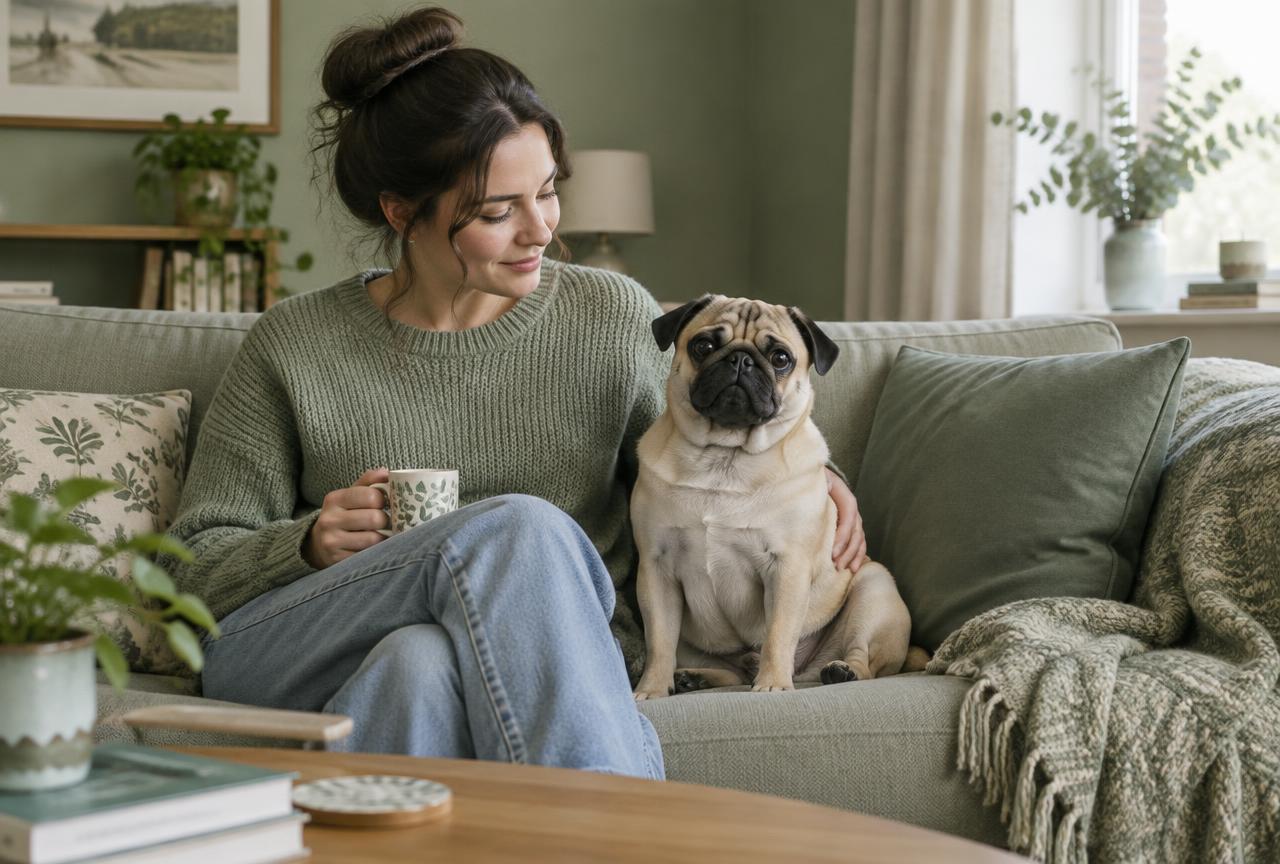
Heat is a genuine danger for this breed. Because panting is less effective at cooling when the airway is restricted, Pugs overheat far more easily than most dogs and heatstroke can develop quickly even on days that feel only mildly warm; exercise should happen in the cool of early morning or evening, never in a parked car even briefly, and any dog showing excessive panting, blue tinged gums or collapse needs emergency veterinary attention immediately. Weight control matters enormously here too, since Pugs are prone to obesity and any extra weight makes breathing substantially harder; keeping a Pug lean, with ribs easily felt, is one of the most protective things an owner can do, alongside portion controlled meals and resisting the urge to overfeed a dog whose begging can be remarkably persuasive.
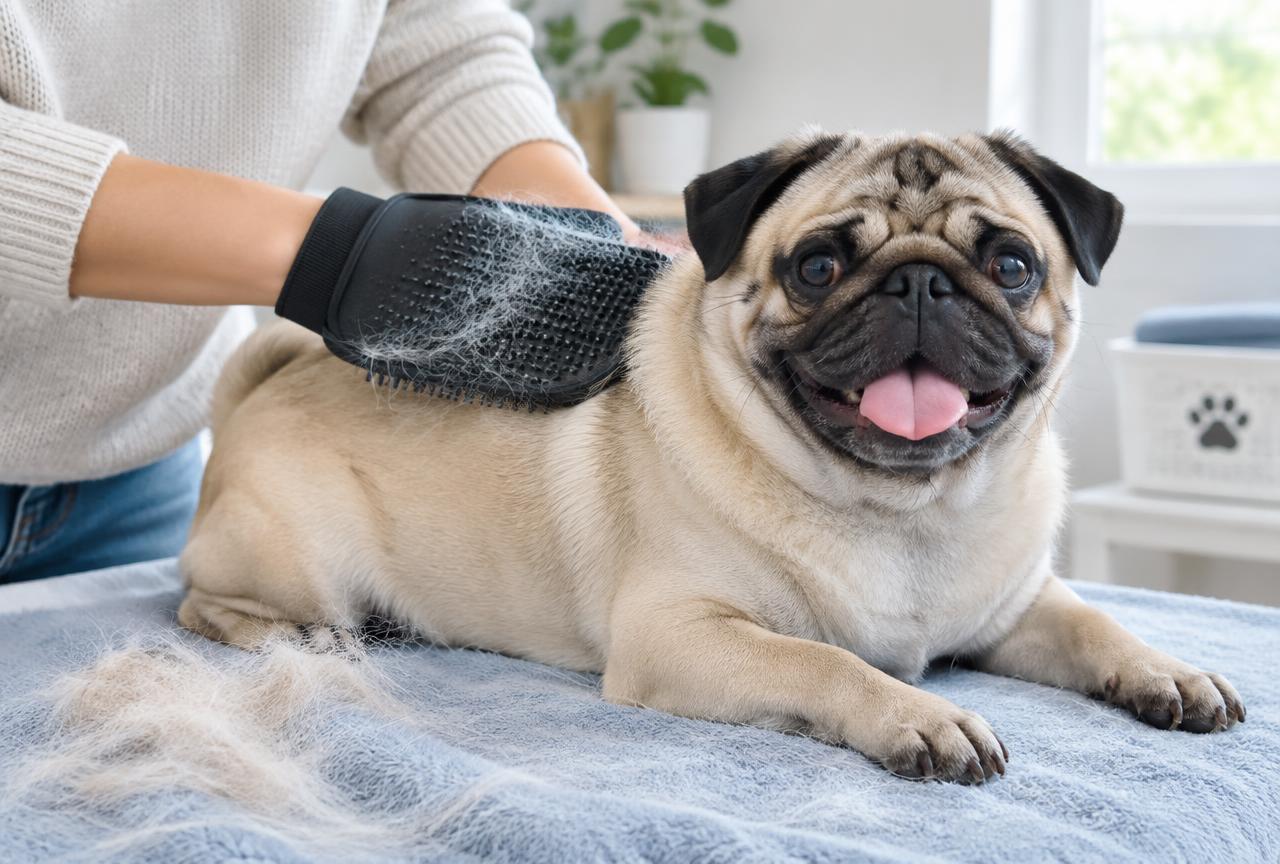
The prominent, shallow set eyes are similarly vulnerable, prone to scratches, dryness and corneal ulcers that can progress quickly if untreated, so daily checking and prompt veterinary attention to any squinting or redness is essential. Skin folds on the face need regular cleaning to prevent infection, and the double coat, while short, sheds more than its length suggests and needs weekly brushing.
This breed suits owners who want a devoted indoor companion, are genuinely prepared to manage heat and weight carefully, and who will seek out breeders using respiratory grading and conformation that favours function over extreme appearance. It is a poor match for owners wanting an athletic companion, anyone unwilling to take breathing and heat risks seriously, or those who cannot commit to daily facial fold and eye care. Chosen thoughtfully, and cared for with full awareness of its physical limitations, the Pug can still be a warm, comical and devoted companion.
It is worth being even more direct about the scale of this issue, since many Pug owners genuinely do not realise how much their dog is struggling until a vet points it out. Studies by veterinary researchers have found that a majority of Pugs show measurable signs of brachycephalic obstructive airway syndrome, and owners often describe snorting, snoring and occasional gagging as simply what Pugs do, when in fact these are frequently signs of a treatable or manageable condition that deserves veterinary assessment rather than quiet acceptance. Surgical correction of an overly long soft palate or narrow nostrils is available and can meaningfully improve quality of life in affected dogs, and a vet experienced with brachycephalic breeds is the right person to discuss this with if your Pug struggles more than mildly.
Prospective owners should also factor in that pet insurance premiums for Pugs tend to run higher than for many breeds precisely because of this elevated risk profile, and it is sensible to budget for this rather than be surprised by it later. Choosing a breeder thoughtfully makes a genuine difference here: look for parents who can complete moderate exercise without excessive noise or distress, who have open nostrils rather than pinched slit like openings, and who have ideally been assessed under the Kennel Club's grading scheme. The Pug's popularity has, if anything, made the health conversation more urgent rather than less, since demand has sometimes outpaced careful, health focused breeding.
For all these real and serious considerations, owners who go in informed, commit to weight and heat management, and seek out health tested lines generally describe the Pug as an immensely rewarding companion: comical, deeply affectionate and remarkably attuned to its owner's moods. The welfare case against extreme brachycephaly is real and should not be minimised, but it is a case for better breeding and more careful ownership rather than a reason to dismiss the dogs who already exist and need thoughtful homes.
An affectionate, people focused companion whose flattened face brings real breathing and heat risks that owners must manage seriously.
Exercise, day to day
- 1Puppies (8 to 20 weeks): very short, gentle indoor play and brief outdoor walks avoiding heat.
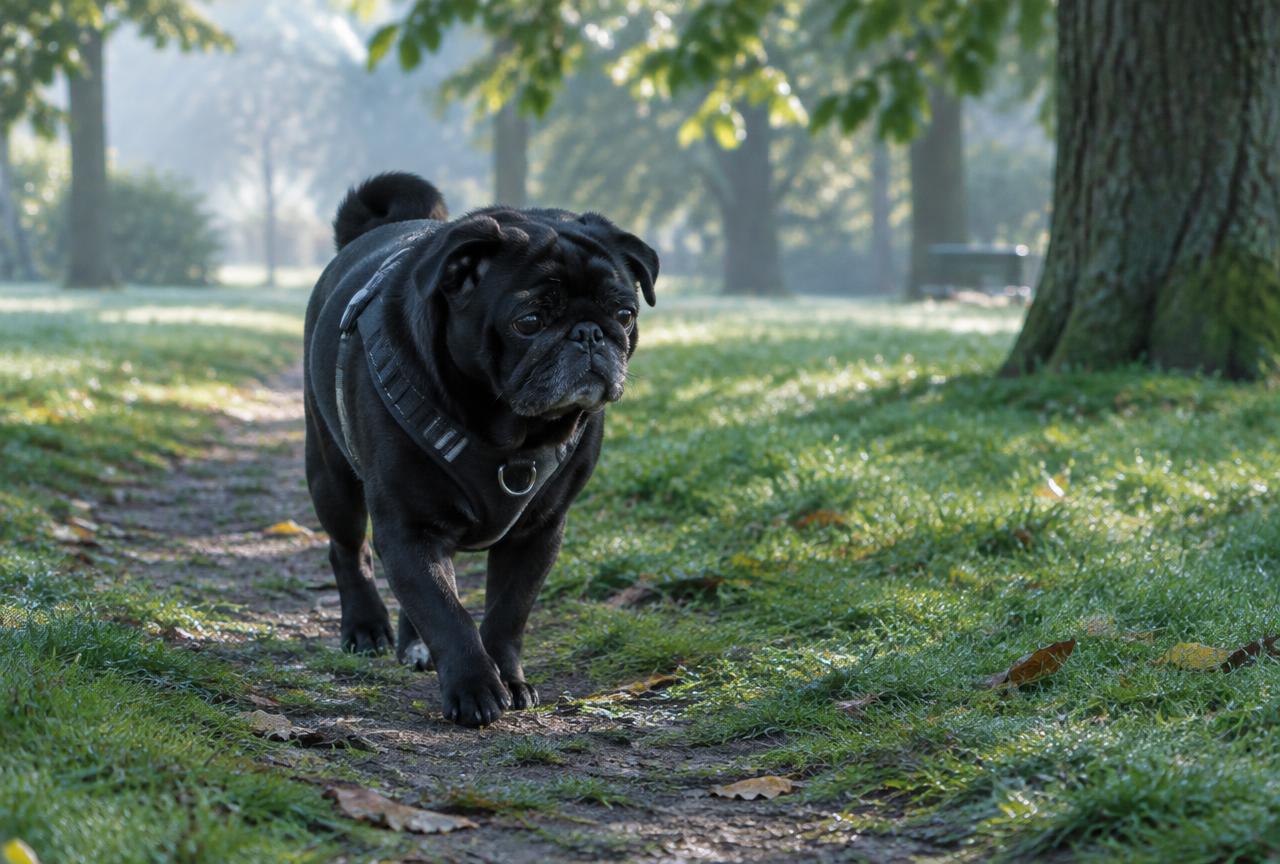
- 2Adults: around 20 minutes a day split into two short walks in cool conditions only.
- 3Exercise early morning or evening in summer, and monitor closely for laboured breathing.
- 4Never leave a Pug in a parked car, even briefly, due to high heatstroke risk.
- 5Use puzzle feeders and short training sessions for mental stimulation without overexertion.
Grooming, realistically
- 1Brush weekly with a soft bristle brush to manage shedding.
- 2Clean facial skin folds daily with a damp cloth and dry thoroughly to prevent infection.
- 3Wipe around the eyes daily and check for redness or squinting.
- 4Bathe every 4 to 6 weeks or when dirty.
- 5Trim nails every 3 to 4 weeks.
- 6Brush teeth several times a week to reduce tartar build up.
What you actually need
- Soft bristle brush
- Dog nail clippers
- Unscented wipes for facial folds
- Tear stain wipes
- Gentle dog shampoo
- Enzymatic dog toothpaste and brush
Puppy to adult
| Age | Male | Female | What is happening |
|---|---|---|---|
| 8 weeks | 1.3 to 1.8 kg | 1.2 to 1.6 kg | Small, compact puppy; breathing noise can already be present. |
| 3 months | 2.2 to 3 kg | 2 to 2.7 kg | Steady growth, early weight monitoring is worthwhile. |
| 6 months | 4 to 5.5 kg | 3.6 to 5 kg | Adolescent stage, appetite can be strong relative to size. |
| 9 months | 5 to 7 kg | 4.5 to 6.5 kg | Nearing adult weight, portion control becomes important. |
| 12 months | 6 to 9 kg | 5.5 to 8 kg | Close to adult size, lean body condition should be maintained. |
| 18 months | 6 to 10 kg | 5.5 to 9 kg | Full adult weight reached; ribs should remain easily felt. |
Ranges are typical, not targets. Judge condition by ribs and waist, and check with the ideal weight checker.
What to ask a breeder
- Can I see Kennel Club Respiratory Function Grading results for both parents?
- Does the breeder select for a visible nose, open nostrils and a less flattened face?
- Can I see eye examination and patella screening results?
- How do the parents cope with mild exercise and heat?
- What feeding guidance is given to prevent obesity in this breed?
- Can I meet both parents and see where the puppies were raised?
Health tests to ask for
Ask to see results for both parents before you put down a deposit.
- Kennel Club Respiratory Function Grading
- Eye examination (BVA/KC scheme) for ulcers and dryness
- Patella luxation check
- Hip evaluation where relevant to line
- Weight and body condition monitoring throughout life
Health watch-list
What to ask a breeder about, and what to watch for over a lifetime. This is orientation, not veterinary advice, anything you notice belongs in front of a vet.
Brachycephalic obstructive airway syndrome
CommonThe extremely flattened face commonly causes real breathing obstruction, not just harmless snoring; Kennel Club respiratory grading of breeding stock helps.
Heatstroke
NotableRestricted airways make panting less effective at cooling, so overheating can develop quickly; exercise only in cool conditions.
Corneal ulcers
CommonProminent, shallow set eyes are easily scratched; squinting or redness needs prompt veterinary attention.
Obesity
CommonExtra weight makes already restricted breathing substantially harder, so strict portion control matters more than in most breeds.
Skin fold infections
NotableFacial wrinkles trap moisture and debris; daily cleaning and thorough drying help prevent infection.
Hemivertebrae
UncommonA spinal malformation linked to the screw tail that can cause weakness or pain; imaging can identify affected dogs.
What it costs to keep one
Realistic running cost
€85 / month
About €1,020 a year, or roughly €14,280 across a 14-year life, before purchase price, neutering and one-off vet events.
Before the puppy arrives. Budget roughly €400 to 750 for a crate, bed, lead and harness, bowls, puppy classes, first vaccinations and grooming kit sized for this breed. Figures throughout are indicative and vary a good deal between countries.
Interactive · built for this breed
Is a Pug right for your home?
Seven honest questions about your space, time and household, checked against this breed's exercise need, coat, sociability and tolerance for time alone.
Fit with your routine
97%
A strong fit
Your routine suits a Pug well. Meet adult dogs of the line before you commit.
Working in your favour
- Your daily walking comfortably covers this breed's exercise need.
- Coat care fits the grooming time you offered.
Compare more breeds in the matchmaker, or plan meals with the portion calculator.
The verdict, by household
First-time owner
A good choice with realistic expectations
A loving companion, but new owners must commit seriously to heat and weight management.
Family with children
A good match with supervision
Generally affectionate and tolerant with children, though supervision avoids rough play that causes breathing distress.
Active single or couple
A good match
Suits owners wanting close company and modest exercise, provided heat exposure is carefully limited.
Owner in a flat with close neighbours
A strong choice
Modest exercise needs suit flat living well, though access to cool indoor space matters in summer.
When to call your vet
- Laboured breathing, loud snoring beyond the usual, or blue tinged gums, which require urgent attention
- Excessive panting, collapse or lethargy in warm weather, which may indicate heatstroke
- Squinting, redness or cloudiness in the eyes, which can indicate a scratch or ulcer
- Sudden or gradual weight gain, which makes breathing substantially harder
- Odour, redness or discharge from facial skin folds, which can indicate infection
Nothing here is a diagnosis. A swollen, hard belly with retching, collapse, breathing difficulty and sudden hind-leg weakness are emergencies: go straight away.
Pug vs the closest alternatives
| Breed | Weight | Energy | Grooming | € / month |
|---|---|---|---|---|
| Pug | 6 to 10 kg | 4/10 | 3/10 | €85 |
| French Bulldog | 8 to 14 kg | 4/10 | 2/10 | €112 |
| Irish Wolfhound | 47 to 63 kg | 5/10 | 4/10 | €225 |
| Great Dane | 45 to 90 kg | 5/10 | 2/10 | €302 |
Pug questions, answered
Why do Pugs breathe so noisily?
Noisy breathing in Pugs usually reflects a genuine degree of airway obstruction caused by their extremely flattened face, not simply quirky character. The Kennel Club's Respiratory Function Grading Scheme assesses breathing in adult dogs, and asking breeders for both parents' results is strongly advised.
Can Pugs overheat easily?
Yes, very easily. Restricted airways make panting a far less effective cooling method, so Pugs can develop heatstroke quickly even in mild warmth. Exercise should happen in cool conditions only, and a Pug should never be left in a parked car.
Are Pugs prone to eye problems?
Yes, their prominent, shallow set eyes are easily scratched and prone to corneal ulcers. Any squinting, redness or cloudiness should prompt an immediate vet visit, since eye injuries in this breed can worsen quickly if left untreated.
How much exercise does a Pug need?
Around 20 minutes a day split into short walks is usually sufficient, always in cool conditions. More exercise than this can risk overheating, so quality and timing matter far more than distance for this breed.
Why is weight control so important for Pugs?
Extra weight places additional strain on an airway that is already narrowed by the breed's flat face, making breathing noticeably harder. Keeping a Pug lean with ribs easily felt is one of the most protective things an owner can do for long term health.
What is Kennel Club respiratory function grading?
It is an assessment by trained vets of breathing noise and recovery after mild exercise, used to score breeding dogs and reduce inherited breathing problems over time. Asking a breeder for both parents' grading results is one of the most useful questions a buyer can ask.
Do Pugs get along with children?
Generally yes, they are affectionate and sociable, but rough play can trigger breathing distress, so supervision matters. Calm handling and short, gentle play sessions suit this breed better than boisterous games.
Sources
- Pug breed standard, The Kennel Club
- Respiratory Function Grading Scheme, The Kennel Club
- Pug breed information, American Kennel Club
- Brachycephalic dog health research, RVC VetCompass
- Heatstroke in dogs, PDSA
Put it into practice
Reading that goes with this
Nutrition
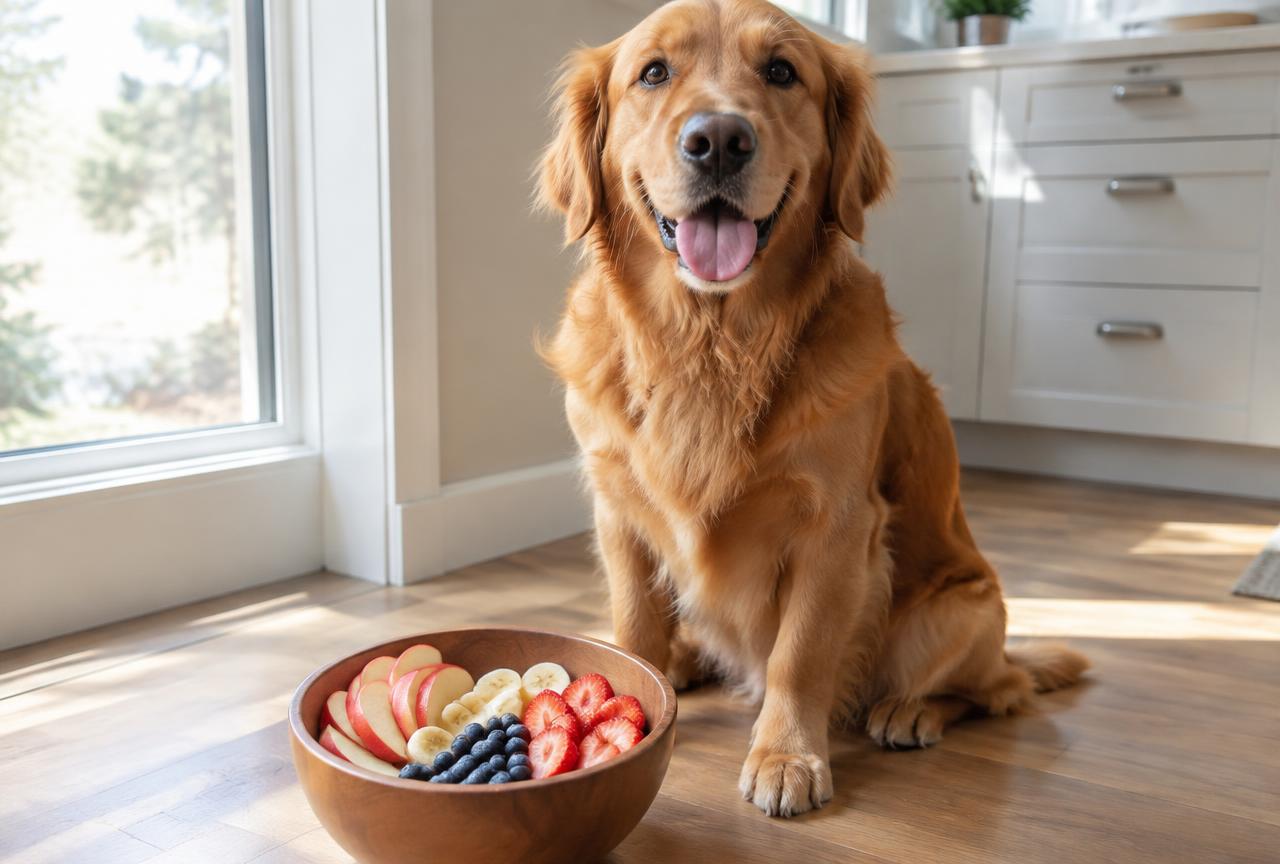
Can Dogs Eat Fruit? A Vet-Informed Guide

Health
Dog Ear Infections: Signs, Causes and Treatment

Health
Dog Reverse Sneezing: Causes and What to Do

Care
Dog Years to Human Years: The Real Science
Training
How to House Train a Puppy: A Two-Week Plan

Health
Why Is My Dog Panting So Much? Causes and Warning Signs

Health
Why Is My Dog Shaking? Causes and When to Worry
Health
Dog Eye Discharge: What the Colour Means and When to Act Fast
Health
Dog Coughing: Causes, Sounds and When to Worry
Health
Dog Sneezing: Play, Allergies and When It Means More
Health
Dog Breathing Fast: Normal Panting, Dreaming and Danger Signs
Health
Dog Dry Nose: The Myth, the Causes and When It Matters
Health
Why Does My Dog Snore? Normal Noises and When to Worry

Health
Dog Panting at Night: Causes and When to Worry
Breeds people compare with this

French Bulldog
A comic, affectionate companion built for city life, but with health needs that demand a careful breeder.
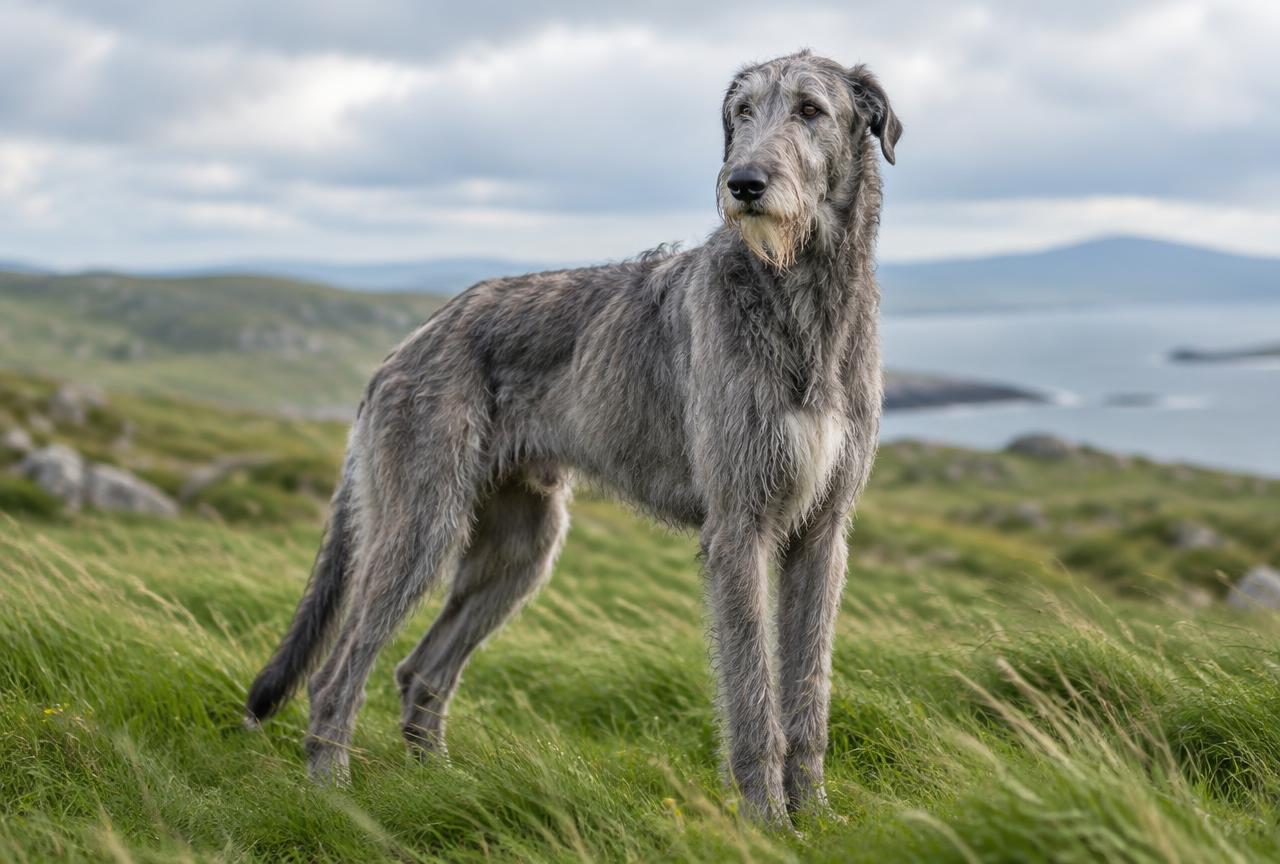
Irish Wolfhound
The tallest of all dog breeds: a gentle giant with a heartbreakingly short clock.
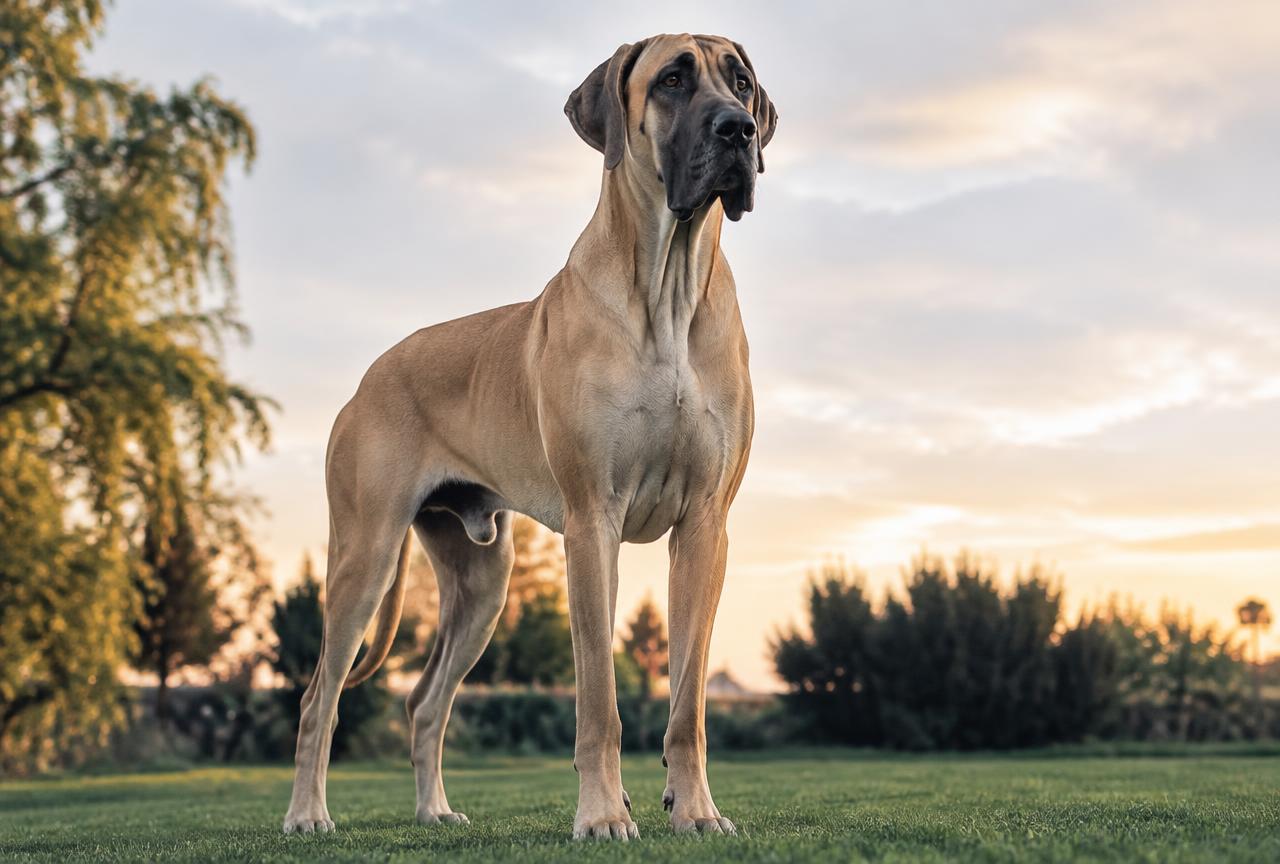
Great Dane
A gentle giant whose enormous size demands patient growth, vigilant bloat awareness and an honest look at lifespan and cost.