
Why Does My Dog Snore? Normal Noises and When to Worry
A snoring dog is usually just a relaxed dog with a certain shaped airway. But new snoring, very loud snoring, or noisy breathing while awake can point to something worth checking.
The SniffScroll desk
Published 10 October 2026
Reviewed by the SniffScroll editorial team
The short version
- Most snoring is caused by relaxed soft tissue in the airway and is harmless.
- Flat-faced breeds such as Pugs and French Bulldogs snore because of their anatomy.
- Extra weight narrows the airway and is the most common fixable cause of snoring.
- Snoring that starts suddenly in an older dog, or noise while awake, deserves a vet check.
- Filming a short clip of the noise is one of the most useful things you can bring to the vet.
If your dog snores, you are in good company: a huge number of dogs soundtrack their households every night. In most cases snoring is simply the sound of relaxed soft tissue vibrating in the airway during deep sleep, and it means nothing more than a dog who is very comfortable. The patterns that matter are change, volume and timing, and this guide will help you sort one from the other.
What actually causes the sound
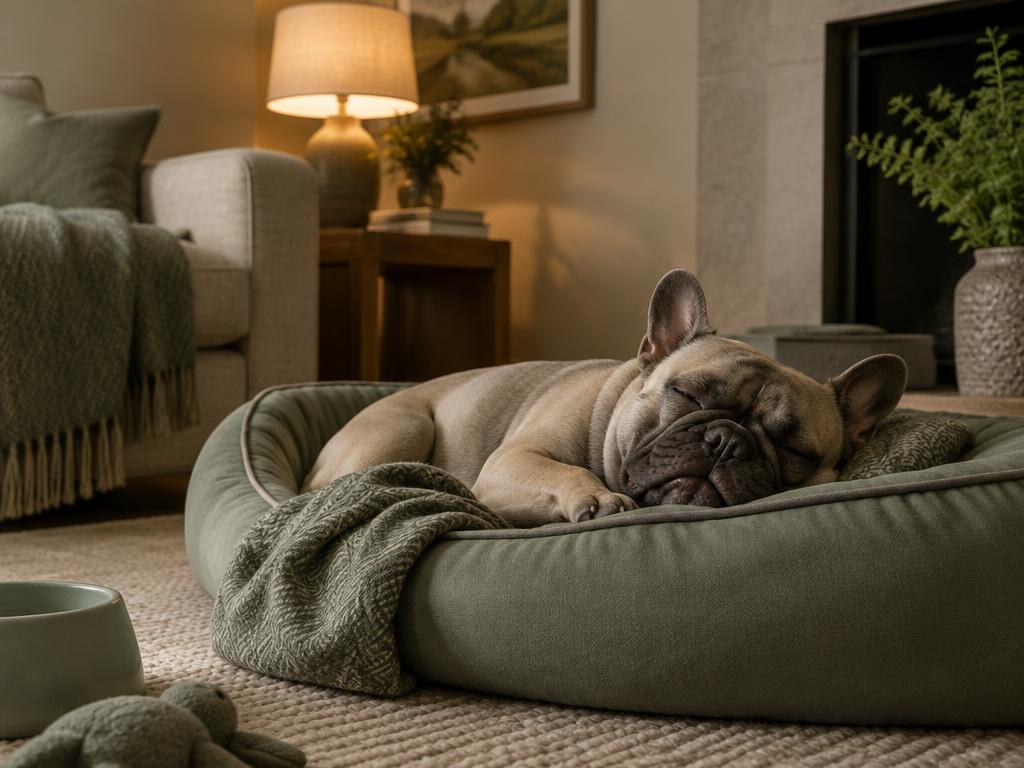
Snoring happens when air moving through the nose and throat makes relaxed soft tissue vibrate: the soft palate, the walls of the throat, sometimes the tongue. Anything that narrows that passage increases the vibration. That includes anatomy (a short skull, a long soft palate, narrow nostrils), position (on the back, chin tucked), and condition (extra fat around the throat, congestion, inflammation).
The flat-faced factor
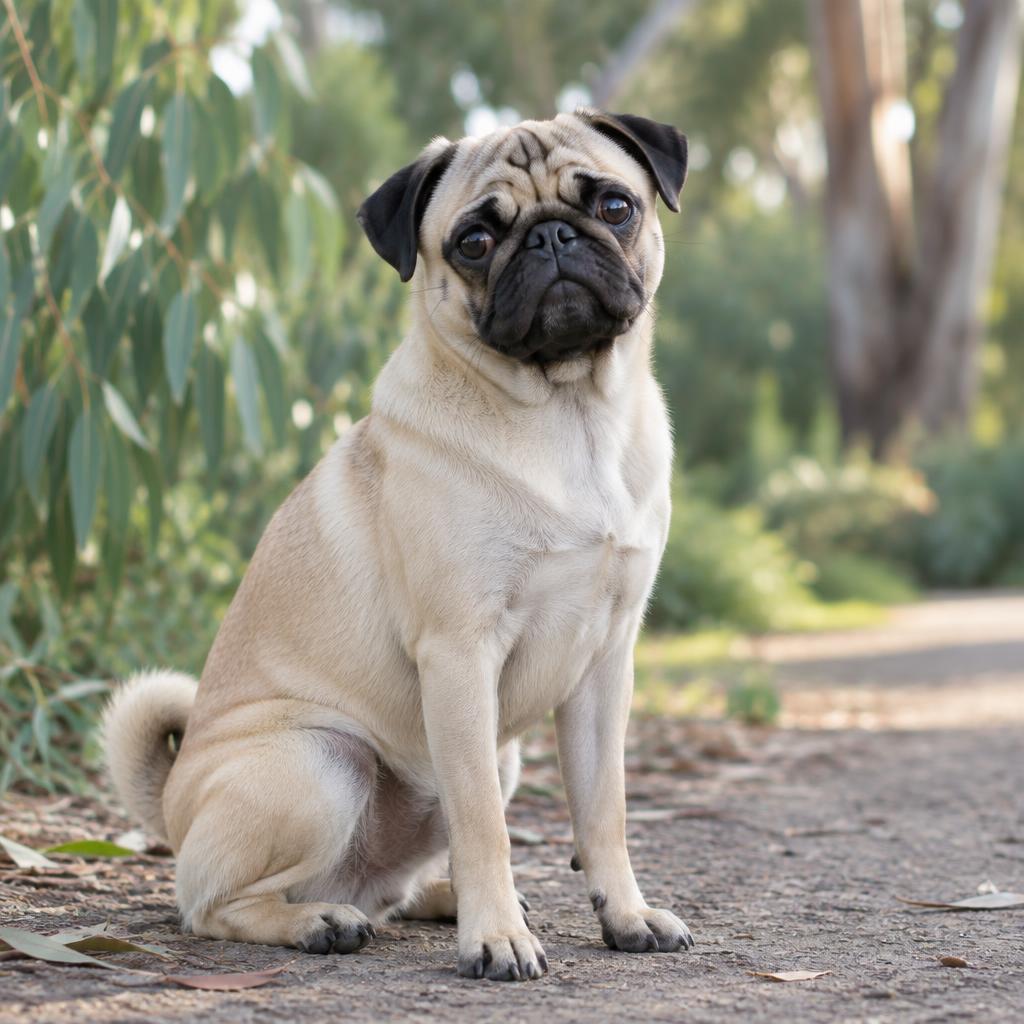
Breeds such as the French Bulldog and the Pug are famous snorers, and the reason is structural. Their shortened skulls pack the same amount of soft tissue into a much smaller space, so the airway is crowded even at rest. Many also have narrowed nostrils and an elongated soft palate, a combination known as brachycephalic obstructive airway syndrome, or BOAS.
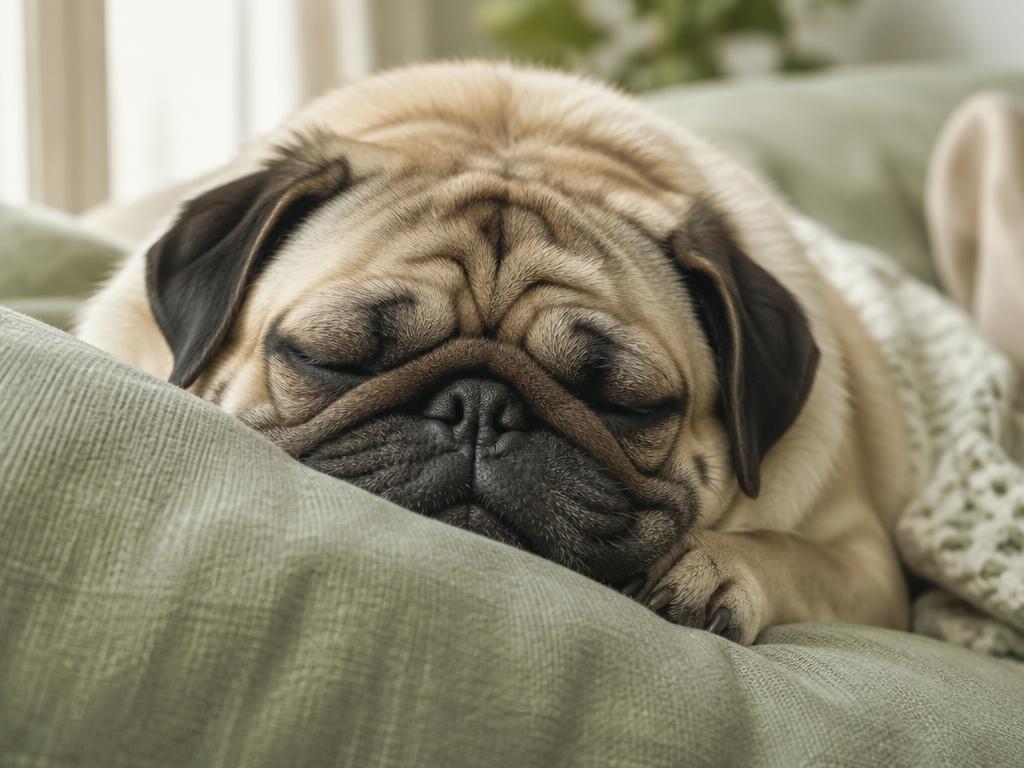
For these breeds, gentle snoring in deep sleep is expected. What is not normal is struggling for air while awake, noisy breathing during mild exercise, frequent gagging, or collapsing in warm weather. Those signs warrant a proper airway assessment, and some dogs benefit enormously from surgery to widen the nostrils or shorten the soft palate.
Weight: the most fixable cause
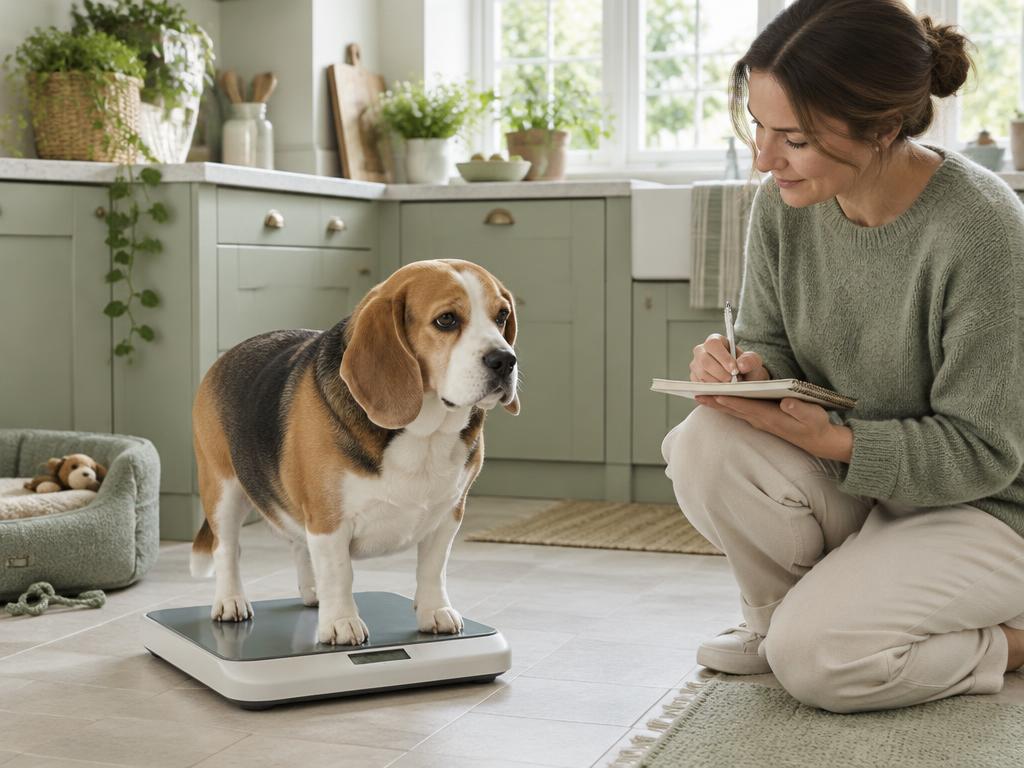
Fat does not just sit on the ribs. It deposits around the throat too, narrowing the airway from the outside. This is why so many dogs start snoring in middle age as the kilos creep on, and why weight loss is the single most effective snoring remedy. If your dog is carrying extra, our ideal weight tool will give you a target, and even a modest loss often quietens the nights noticeably.
Interactive tool
Snore sorter
Breed shape, weight and history in, normal noise versus vet check out.
What to do
- Lifelong gentle snoring, especially in flat-faced breeds, is usually just their anatomy.
- Keep weight steady and the sleeping spot comfortable.
- Mention it at the next routine check so it is on the record.
Sounds like normal snoring
Most snoring is harmless anatomy. The pattern that matters is a change: new, louder, or paired with other signs.
Position, age and environment
A dog sleeping flat on its back with its chin on its chest will snore more than the same dog curled on its side. A curved or slightly raised bed that keeps the head and neck in line can help. Older dogs snore more as throat muscle tone declines, which is usually gradual and harmless. Dust, smoke and dry air irritate the airway, so a cool, clean, well-ventilated sleeping room makes a genuine difference. Seasonal allergies can also cause temporary congestion and a few weeks of uncharacteristic noise.
What the sound itself tells you
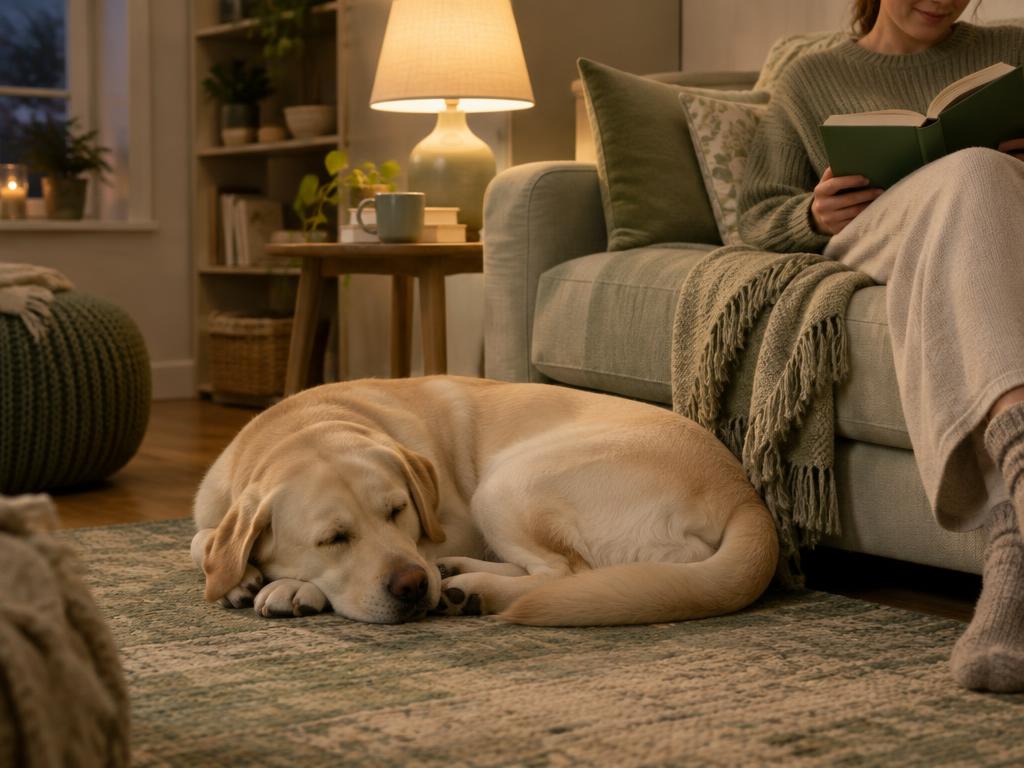
Vets learn a lot from the character of the noise, and you can gather the same clues at home. A soft, rhythmic rumble that only appears in deep sleep is the classic benign pattern. A wet, gurgling quality can suggest congestion or excess soft tissue. Snoring that stops and starts with pauses, followed by a gasp or a snort, suggests the airway is closing more completely and deserves attention. And a harsh, raspy noise that is present while the dog is awake, especially on the in-breath, is the pattern most worth filming for the vet.
Breed by breed: who snores most
Snoring is not evenly distributed across the dog world. At the top of the league sit the flat-faced breeds: Bulldogs, French Bulldogs, Pugs, Boston Terriers and their crosses, where snoring is close to universal because the anatomy guarantees it. Next come the heavy-jowled, loose-lipped breeds, whose soft palates and throat tissue have plenty of material to vibrate. At the quiet end sit the long-nosed, lean breeds such as the Greyhound, whose open airways give little to vibrate. Knowing where your dog's shape sits on that scale calibrates your expectations: a snoring Pug is Tuesday, a suddenly snoring Greyhound is a question.
The sleeping environment checklist
Small changes to where and how your dog sleeps can take the edge off benign snoring:
- A bed with a raised, curved edge that lets the head rest slightly elevated and the neck stay straight.
- A cool room: warm air worsens congestion, and dogs sleep better cool.
- No smoke, scented candles or plug-in air fresheners near the sleeping area.
- Regular washing of bedding to keep dust and dander down.
- Enough space that the dog can stretch out or curl up as they choose.
None of these will silence a flat-faced breed, but for the average dog they often turn a roar into a rumble.
Losing weight safely
If weight is the driver, the goal is slow and steady: around one to two per cent of body weight per week at most. Cut the ration by a measured amount rather than guessing, swap fatty treats for vegetables or the dog's own kibble, and add exercise gradually. Crash dieting is miserable and counterproductive for dogs just as it is for people. Your vet practice will usually weigh your dog for free and many run weight clinics, which take the guesswork out of targets.
Questions your vet may ask
If you book an appointment about snoring, expect: when did it start, is it present every night, does it happen awake or only asleep, any coughing, gagging or exercise intolerance, any weight change, and any change in the bark. Thinking through the answers beforehand, and bringing that phone video, makes the visit far more productive.
Allergies, infections and congestion
A dog that snores only in spring, or only during a bout of the sniffles, is often just congested. Dogs get their version of colds, and allergic dogs can develop inflamed, swollen nasal passages that narrow the airway for weeks at a time. If the snoring arrived with sneezing, a runny nose or paw chewing, our guide to dog allergies covers that side of the picture. Congestion-driven snoring usually resolves as the underlying irritation settles.
Snoring in puppies
A snoring puppy is usually just a sleeping puppy: young dogs sleep extraordinarily deeply, and relaxed tissue vibrates. In flat-faced breeds, though, puppyhood is the right time to have the airway assessed, because early intervention, where it is needed, gives the best outcomes. Mention the snoring at a vaccination or check-up visit and let the vet listen and look while the dog is young.
When snoring signals a problem
Most snoring is benign, but certain patterns deserve attention:
- Sudden onset in a dog that never snored, especially an older dog.
- Noise while awake or during light exercise, not just in sleep.
- Pauses, gasps or choking sounds, or sleep that seems restless and unrefreshing.
- Snoring plus other signs: coughing, gagging, reduced exercise tolerance, or a change in bark.
These can point to laryngeal paralysis (common in older Labradors and other large breeds), nasal disease, polyps, infections or, rarely, growths. None of these are things to panic about, but all of them are things to check.
When to see a vet
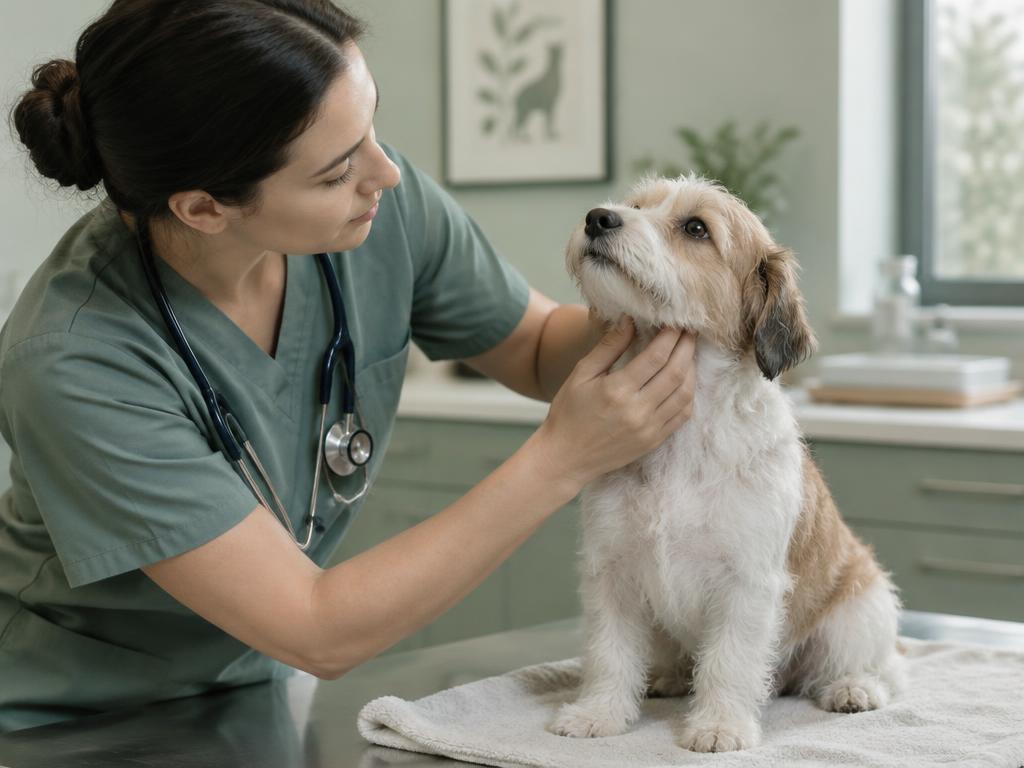
Book a routine appointment if the snoring is new, getting louder, or paired with any of the signs above. Seek urgent care if your dog is struggling to breathe while awake, has blue or grey gums, collapses, or cannot settle because of their breathing. Before the appointment, film a twenty-second clip of the noise on your phone: it is one of the most useful things you can hand a vet, because dogs so rarely perform on cue in the consulting room.
Snoring and sleep quality
A fair question is whether the snoring dog is actually sleeping well. For the typical light snorer, yes: the snoring is a by-product of deep, relaxed sleep, and the dog wakes refreshed and ready for the day. Where sleep quality suffers is in dogs whose airways close enough to rouse them repeatedly, the canine equivalent of sleep apnoea. The signs are subtle: a dog that sleeps enormous hours yet still seems tired, that wakes with a start or a snort many times a night, or that has become irritable or slow to learn. If that picture sounds familiar, it is another reason to raise the snoring with your vet rather than simply living with it.
Living with a snorer
If your dog has been given a clean bill of health and simply snores, the kindest response is acceptance plus small adjustments: keep them lean, give them a supportive bed in a cool room, and consider moving their bed if the noise travels. Most owners find that the snoring they once found strange becomes the sound they cannot sleep without. And if the soundtrack ever changes character, louder, wetter, or present while awake, you now know exactly which patterns to act on.
What treatment looks like when the airway is the problem
If the vet finds an anatomical cause, the options depend on severity. Mild cases in flat-faced breeds are often managed conservatively: strict weight control, a harness instead of a collar, avoiding heat and over-excitement, and treating any allergies. Moderate to severe cases, particularly where the dog struggles when awake or exercise-intolerant, may be offered airway surgery to widen the nostrils and shorten the soft palate. It is routine surgery with genuinely life-changing results for the right dogs: better sleep, easier exercise, cooler summers. If your flat-faced dog's snoring comes with any daytime breathing effort, asking about an airway assessment is one of the kindest things you can do for them.
Snoring and ageing
Older dogs do tend to snore more, and there are straightforward reasons: muscle tone in the throat softens with age, weight creeps on as exercise tails off, and years of minor inflammation leave the airways a little narrower. A gradual increase in volume over years, in an otherwise well dog, is usually just ageing. What ageing does not explain is a sudden change, snoring that appears in a previously silent senior, or snoring paired with coughing, exercise intolerance or restless sleep. Those patterns in an older dog deserve a check, because the list of causes at that age includes things worth catching early.
Frequently asked questions
The questions below cover the queries we hear most often about snoring dogs, from sudden onset to whether old dogs simply snore more.
Questions people actually ask
Is it normal for dogs to snore?
Yes. Like people, dogs snore when relaxed soft tissue in the throat vibrates as air passes. Light snoring in deep sleep is normal for most dogs, and flat-faced breeds often snore more or less constantly.
Why has my dog suddenly started snoring?
New snoring usually has a cause: weight gain, a new sleeping position, seasonal allergies, a mild infection, or, in older dogs, changes in the airway such as laryngeal weakness. If it appears suddenly and stays, mention it to your vet.
Why does my dog snore so loudly?
Volume comes from how much tissue is vibrating and how narrow the airway is. Flat-faced breeds, overweight dogs and dogs sleeping on their backs tend to be the loudest. Very loud snoring with pauses, gasps or restless sleep is worth a vet visit.
Should I worry if my dog makes noise breathing while awake?
Noisy breathing while awake is different from snoring and should always be checked, especially in flat-faced breeds. It can indicate narrowed nostrils, an elongated soft palate or other airway problems that a vet can assess.
Can I stop my dog snoring?
You can often reduce it. Weight loss is the single most effective fix, followed by a bed that keeps the head and neck aligned, a cool dust-free room, and treating any allergies. Flat-faced breeds may always snore somewhat, though surgery helps some individuals.
Do old dogs snore more?
Often, yes. Muscle tone in the throat decreases with age, and older dogs are more likely to carry extra weight or develop laryngeal changes. Gradual worsening with age is common, but a sudden change at any age is the pattern to act on.
Sources
Breeds mentioned

Put it into practice
Read next
Dog Dry Heaving: Causes and When It Is an Emergency
Dog dry heaving is usually throat irritation or mild nausea, but repeated unproductive retching with a swollen, tight belly can be bloat (GDV), a life-threatening emergency.


