
Dog Eye Discharge: What the Colour Means and When to Act Fast
A little sleep in the corner of the eye is normal. Coloured discharge, redness or squinting is not, and eyes are the one place where waiting can cost sight. Here is how to tell the difference.
The SniffScroll desk
Published 9 October 2026
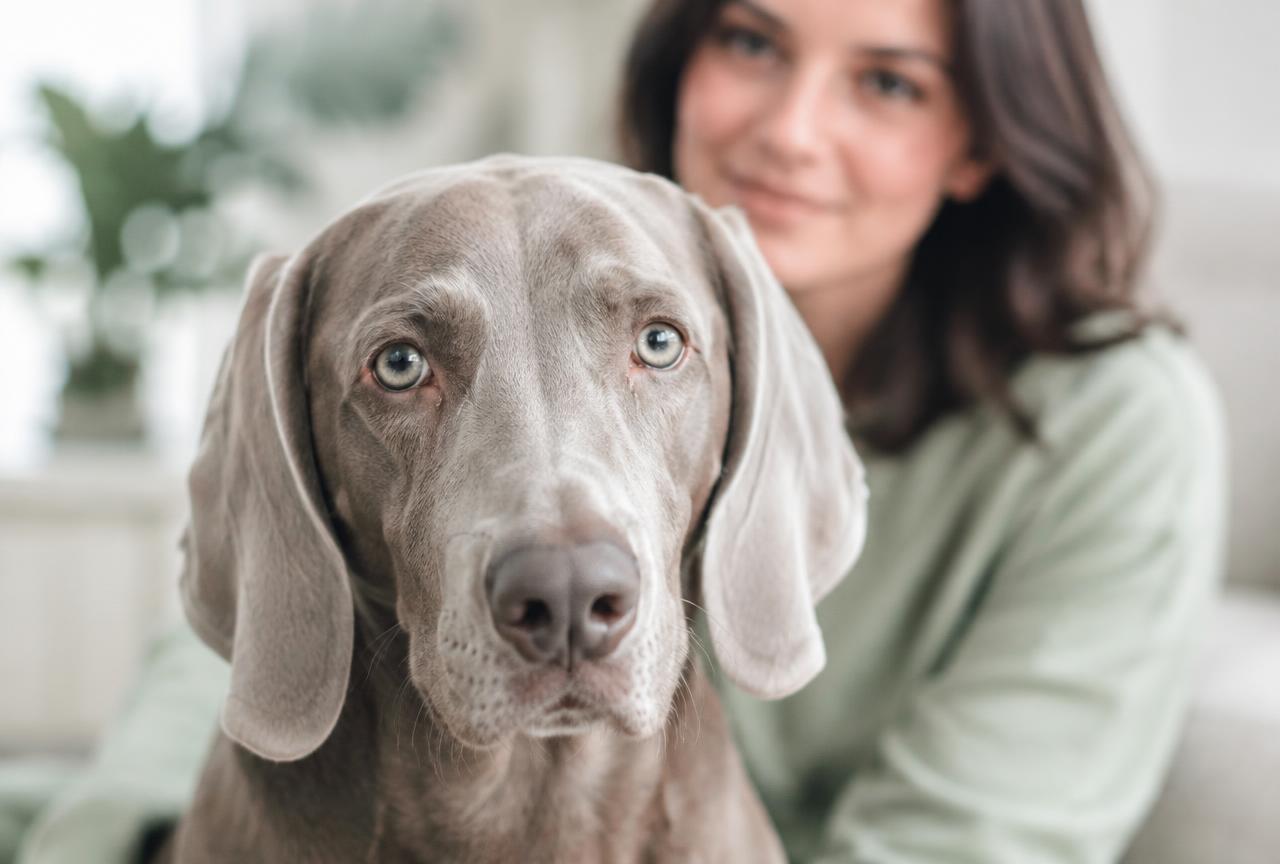
Reviewed by the SniffScroll editorial team
The short version
- A little clear discharge after sleep is normal; colour is not
- Squinting, redness or cloudiness means a same-day vet visit
- Yellow or green discharge is infection and needs prescribed drops
- Never use human eye drops on a dog
- Eyes deteriorate fast: when in doubt, go today
A bit of sleep in the corner of a dog's eye is part of life. Discharge that is constant, coloured, or comes with a red or squinting eye is something else. Eyes are the one body part where "wait and see" is genuinely risky, because some eye problems can threaten sight within hours. This guide sorts the normal from the urgent.
What is normal eye discharge in dogs?
A small amount of clear or slightly crusty discharge in the inner corner of the eye, especially after sleep, is normal and simply needs wiping away.
Tears constantly wash across the eye and drain through tiny ducts into the nose. A little overflow collects dust and dries into the familiar grey-brown "sleep" in the corner of the eye. Some dogs, particularly flat-faced breeds and small white dogs, produce more tears than their ducts can handle, so clear overflow runs down the face and stains the fur. That is cosmetic, not dangerous, though it is worth managing for comfort and skin health.
Everything beyond that, thick discharge, colour, redness, squinting, cloudiness, is outside normal and deserves attention.
Reading the discharge: what the colour tells you
Clear watery discharge suggests irritation or tear overflow, white or grey suggests early infection or blocked ducts, yellow or green suggests infection, and any blood means a same-day vet visit.
Clear and watery. Overflow tearing (epiphora) or mild irritation from wind, dust or allergies. Common in flat-faced breeds like Pugs whose prominent eyes catch everything, and in small breeds with narrow tear ducts.
White or grey, thicker. Often the start of conjunctivitis, or tears that are not draining properly and sitting in the eye. If it keeps coming back within hours of wiping, book a vet visit.
Yellow or green. Bacterial infection, usually conjunctivitis. This needs prescribed drops; it does not clear reliably on its own.
Blood-tinged or bloody. Never normal. Trauma, a foreign body or a problem inside the eye. Same-day vet.
| Discharge | Eye looks | Likely cause | Urgency |
|---|---|---|---|
| --- | --- | --- | --- |
| Clear, watery | Normal | Tear overflow, mild irritation | Monitor, clean daily |
| White or grey | Normal or mildly pink | Early conjunctivitis, blocked duct | Vet within days |
| Yellow or green | Pink or red | Bacterial conjunctivitis | Vet within a day or two |
| Bloody | Any | Trauma, foreign body | Same day |
| Any, with squinting | Red, held shut | Ulcer, glaucoma, foreign body | Same day |
The red flags: when it is an emergency
Squinting, a red eye, a cloudy or blue eye, a visibly enlarged or shrunken eye, or any discharge with obvious pain means a same-day vet visit, because eyes can be lost in hours.
The one to burn into memory is the painful eye. A dog with a corneal ulcer, a scratch on the surface of the eye, squints, blinks constantly, paws at the face and shies from light. Ulcers can perforate. Glaucoma, a sudden rise in pressure inside the eye, causes a red, painful, sometimes cloudy eye and can blind a dog within a day. Both look, at first glance, like "a bit of a sore eye". Neither can wait for the weekend to pass.
A sudden cloudy or blue-white eye, a pupil that looks wrong, or a third eyelid creeping across the eye all earn a same-day call too. With eyes, the rule is simple: pain, redness, cloudiness or colour change means today, not next week.
Common causes, from minor to serious
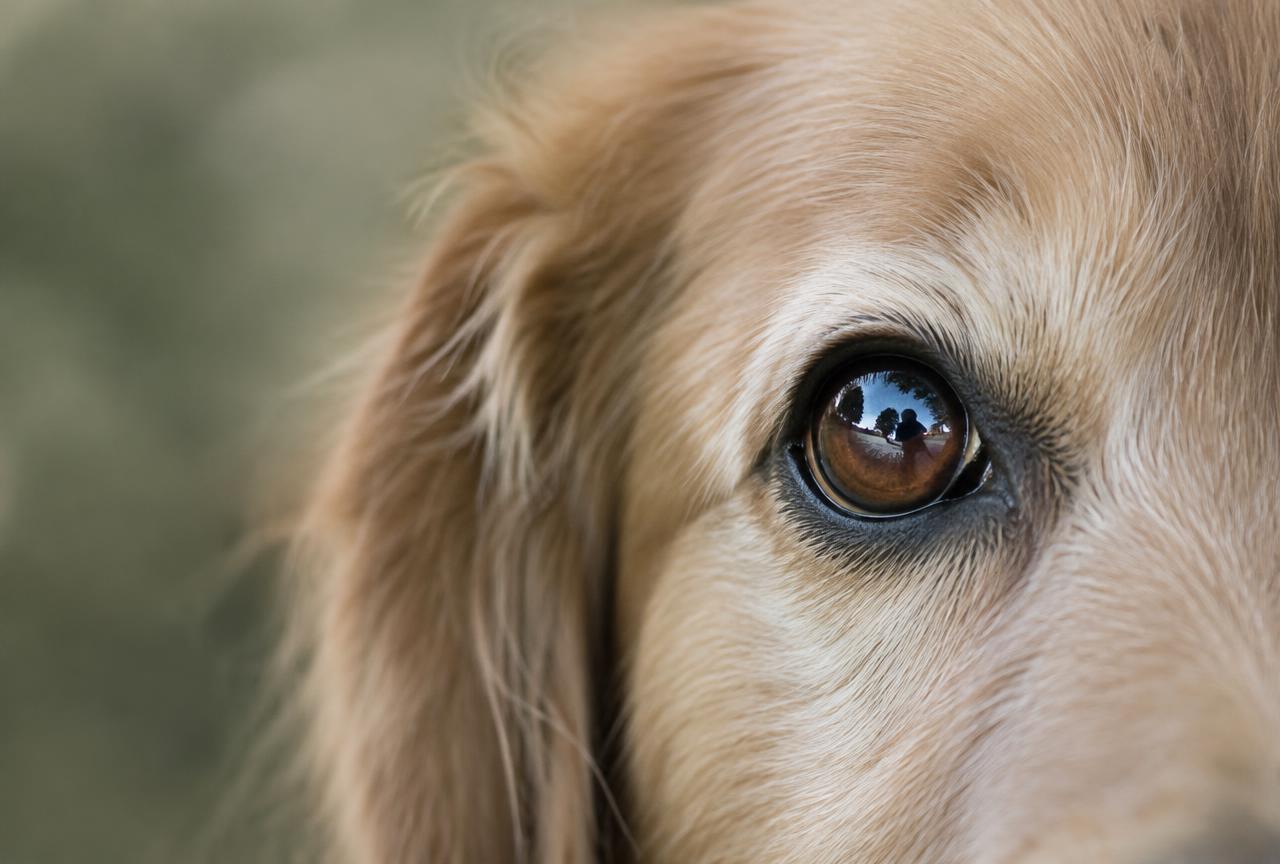
The everyday causes are allergies, conjunctivitis, blocked tear ducts and minor irritation; the serious ones are ulcers, glaucoma, dry eye and inward-rolling eyelids.
Conjunctivitis. Inflamed, pink conjunctiva with discharge. Allergic, bacterial or irritant in origin; very common and very treatable with the right drops.
Dry eye (KCS). The eye stops making tears and produces thick, sticky discharge instead. Common in Cocker Spaniels and other predisposed breeds, and needs lifelong drops.
Blocked tear ducts. Constant clear overflow with tear staining, no pain. A vet can sometimes flush the ducts.
Entropion. Eyelids that roll inward so lashes rub the eye. Painful, damaging, and fixed with a straightforward operation.
Ulcers and glaucoma. The emergencies above. Painful, red, squinting eyes that cannot wait.
Home care: what you can safely do
Safe home care is limited to gentle cleaning with cooled boiled water and preventing rubbing; anything beyond that, especially leftover human or pet eye drops, can do harm.
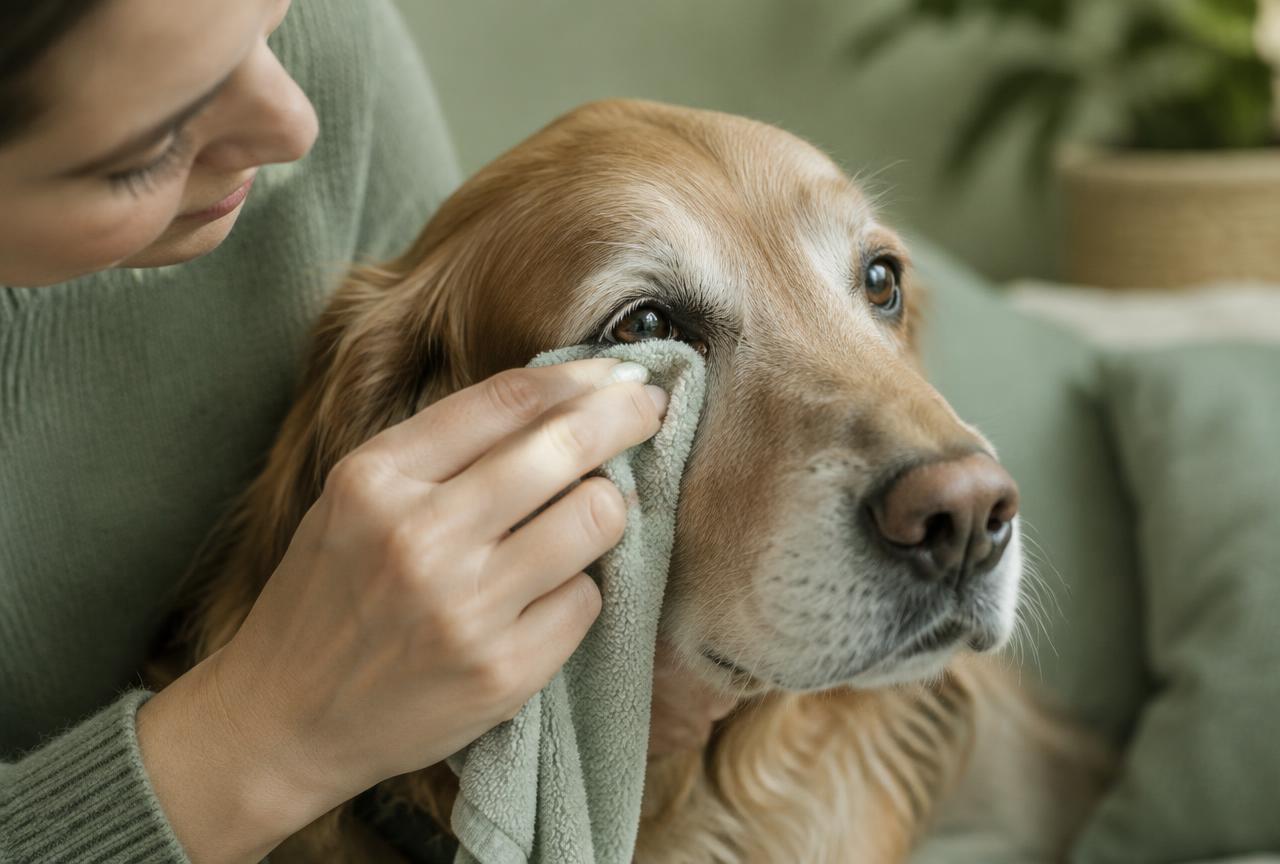
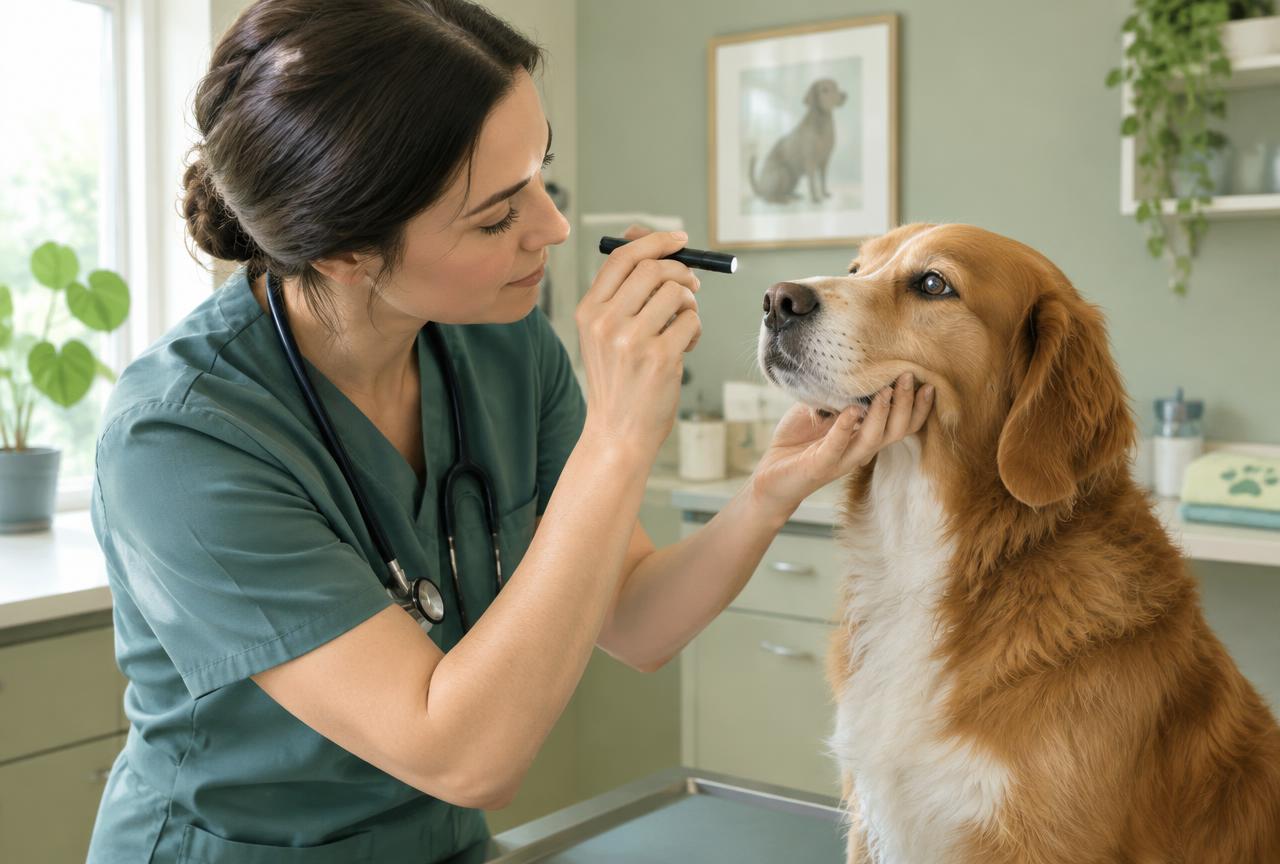
Clean once or twice daily with a soft cloth or cotton pad dampened with cooled boiled water, wiping from the inner corner outward and using a fresh piece for each eye. Keep the fur around the eyes trimmed short on long-coated dogs, or ask a groomer to. If your dog is pawing at the eye or rubbing it on furniture, that is both a red flag and a reason to prevent further damage, because a rubbed ulcer can rupture.
Do not use human eye drops, leftover drops from a previous pet, or anything bought without veterinary advice. The wrong drop on an ulcerated eye can cause serious damage. If you think the eye needs drops, the eye needs a vet.
Breed notes: who gets what
Eye shape and anatomy decide much of the risk: flat faces overflow, prominent eyes get scratched, and some breeds inherit specific eye diseases.
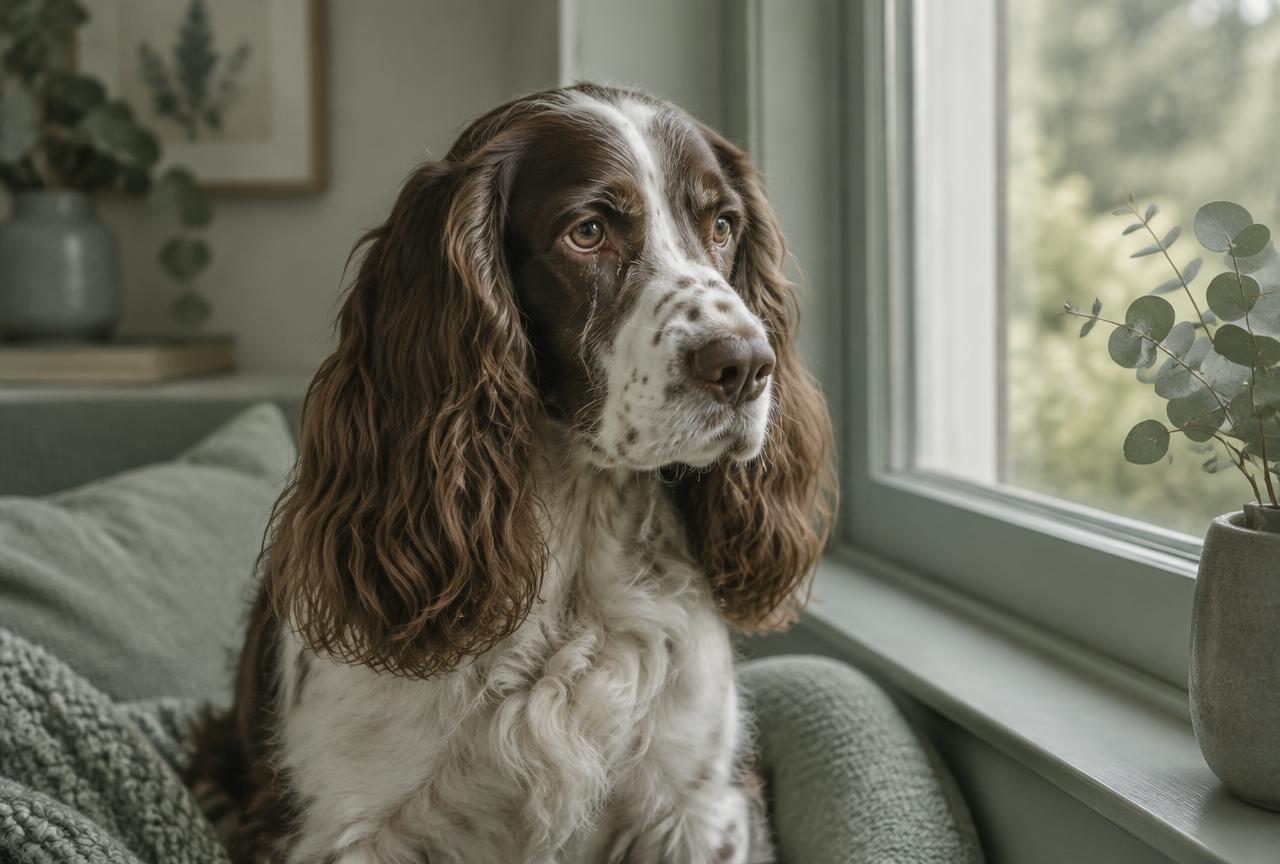
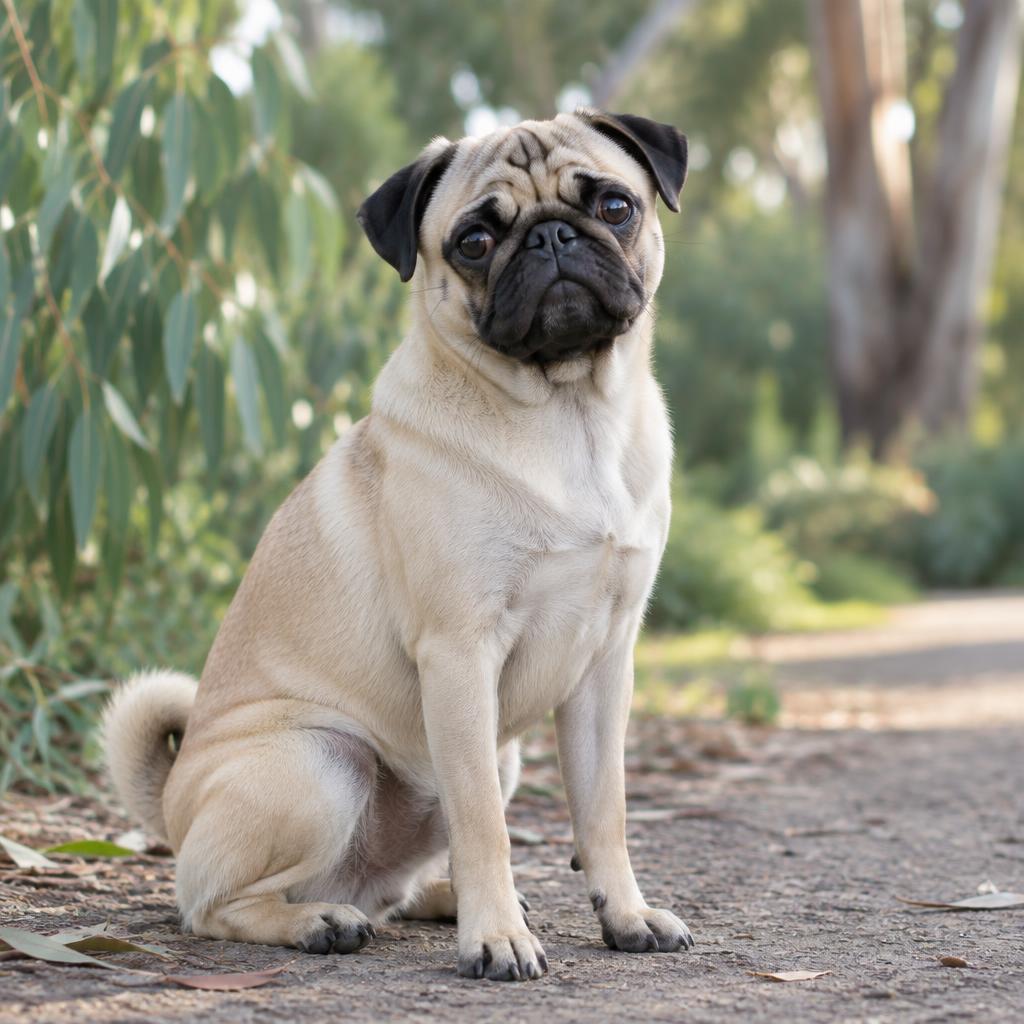
Flat-faced breeds such as the Pug have shallow eye sockets and prominent eyes that catch dust, wind and claws, plus tear ducts that kink easily. Expect more overflow tearing and a higher risk of ulcers, and take any squinting seriously. Small white breeds stain visibly because tear pigments show on pale fur. Spaniels, including the Cocker Spaniel and Shih Tzus among others, appear on the predisposition lists for dry eye and inherited eye conditions, which is why breed clubs run eye-testing schemes.
Whatever the breed, ask your vet to look at the eyes at every annual visit, and mention any discharge pattern you have noticed between visits.
A weekly eye-care routine
A minute a week keeps most eye surprises away: wipe, look, and note anything new.
Wipe the corners with cooled boiled water and a soft cloth, one fresh piece per eye. Look at both eyes side by side: they should be equally open, equally bright, with white whites and a clear surface. Note anything new, more tearing than usual, a new stain, a hint of redness, and photograph it so you can compare next week. Keep facial hair trimmed around the eyes on long-coated dogs, and keep dogs' heads inside car windows, because debris at speed is a classic cause of ulcers.
Eye discharge in puppies and seniors
Age shifts the likely causes: puppies get infections and anatomy problems, while seniors get dry eye, cataracts and the wear of a lifetime.
A puppy with a sticky eye usually has conjunctivitis picked up from the environment or littermates, and it responds quickly to prescribed drops. But puppies also have the anatomical problems: inward-rolling eyelids, extra lashes and blocked ducts all declare themselves early, so a puppy whose eye waters constantly should be examined rather than wiped indefinitely.
Senior dogs trend the other way. Tear production falls with age, so dry eye becomes more likely, and the thick, sticky discharge of dry eye is easy to mistake for infection. Cloudiness from age-related lens change is normal and painless, but it looks similar to a cataract or glaucoma to the untrained eye, which is why new cloudiness in an older dog always deserves a look. A quick tear test and pressure check in the consulting room sorts most of it in minutes.
When to see a vet
Same day: squinting, redness, cloudiness, blood, a change in eye size or shape, or obvious pain. Within days: coloured discharge, or clear discharge that is constant or recurrent.
Routine appointment: mild clear discharge that comes and goes, tear staining you would like help managing, or a first episode in a puppy. And trust the sniff test of experience: owners who know their dog's eyes well are usually right when they say "something is different". With eyes, a wasted vet trip is a far better outcome than a late one.
Interactive · eye sorter
What does your dog's eye discharge mean?
Describe what you are seeing. We will tell you whether home cleaning is enough or how quickly your dog needs a vet.
What to do
- Wipe away discharge with a soft cloth dampened with cooled boiled water, using a fresh piece for each eye.
- Clear tearing that comes and goes is common, especially in flat-faced and small breeds; monitor for changes.
- See a vet if it becomes constant, smells, or the skin beneath stays damp and sore.
Likely mild irritation or normal tearing
Eyes deteriorate fast, so the rule is simple: pain, redness, colour or swelling means a vet the same day, not a wait-and-see week.
Frequently asked questions
Why does my dog have eye boogers every morning?
A small amount of dried discharge in the inner corner after sleep is normal; tears collect dust overnight and dry there. Wipe it away daily. If the amount is large, returns within hours, or is yellow or green, that is beyond normal and worth a vet look.
Why is my dog's eye watering all of a sudden?
Sudden one-sided watering usually means something is irritating that eye: dust, a grass seed, a scratch or an inward-turned lash. If the eye is also red or squinting, or the watering does not settle within a day, see a vet the same day.
Are tear stains on white dogs a health problem?
Usually cosmetic. Brown-red staining under the eyes comes from pigments in tears and is common in small white breeds. Keep the area clean and dry and ask your vet to check the tear ducts if it is heavy. New or one-sided staining, or damp, sore skin beneath, deserves a check.
Can I use human eye drops on my dog?
No. Human drops are not formulated for dogs, some contain ingredients that are dangerous on a damaged eye, and drops of any kind can worsen an ulcer. If the eye seems to need drops, it needs a vet examination first.
What does it mean if my dog's eye is cloudy?
A blue-white haze can be harmless age-related change in the lens (nuclear sclerosis), but it can also be a cataract, glaucoma or corneal disease. Any new cloudiness deserves a vet visit within days, and a cloudy eye that is also red or painful is a same-day problem.
Why does my dog keep getting conjunctivitis?
Recurrent conjunctivitis usually has an underlying driver: allergies, dry eye, inward-rolling eyelids or blocked tear ducts. Treating each flare without finding the driver means the flares keep coming, so ask your vet about investigating the cause after the second or third episode.
Questions people actually ask
Why does my dog have eye boogers every morning?
A small amount of dried discharge in the inner corner after sleep is normal; tears collect dust overnight and dry there. Wipe it away daily. If the amount is large, returns within hours, or is yellow or green, that is beyond normal and worth a vet look.
Why is my dog's eye watering all of a sudden?
Sudden one-sided watering usually means something is irritating that eye: dust, a grass seed, a scratch or an inward-turned lash. If the eye is also red or squinting, or the watering does not settle within a day, see a vet the same day.
Are tear stains on white dogs a health problem?
Usually cosmetic. Brown-red staining under the eyes comes from pigments in tears and is common in small white breeds. Keep the area clean and dry and ask your vet to check the tear ducts if it is heavy. New or one-sided staining, or damp, sore skin beneath, deserves a check.
Can I use human eye drops on my dog?
No. Human drops are not formulated for dogs, some contain ingredients that are dangerous on a damaged eye, and drops of any kind can worsen an ulcer. If the eye seems to need drops, it needs a vet examination first.
What does it mean if my dog's eye is cloudy?
A blue-white haze can be harmless age-related change in the lens (nuclear sclerosis), but it can also be a cataract, glaucoma or corneal disease. Any new cloudiness deserves a vet visit within days, and a cloudy eye that is also red or painful is a same-day problem.
Why does my dog keep getting conjunctivitis?
Recurrent conjunctivitis usually has an underlying driver: allergies, dry eye, inward-rolling eyelids or blocked tear ducts. Treating each flare without finding the driver means the flares keep coming, so ask your vet about investigating the cause after the second or third episode.
Sources
Breeds mentioned

Put it into practice
Read next
Dog Dry Heaving: Causes and When It Is an Emergency
Dog dry heaving is usually throat irritation or mild nausea, but repeated unproductive retching with a swollen, tight belly can be bloat (GDV), a life-threatening emergency.


