Toy group
Tibet and China
Shih Tzu
The Shih Tzu is an affectionate Tibetan companion breed needing a serious daily coat commitment, careful eye care and sensible heat management for its flat face.
Reviewed against Kennel Club and breed club health guidance
A affectionate, dignified companion dog bred for lap life, not long hikes.
The short version
- Shih Tzus were bred purely as companions and are notably people focused and affectionate indoors.
- The long double coat needs daily brushing to prevent matting, or regular short professional clips.
- Large, shallow set eyes are prone to scratches and ulcers and need daily checking.
- Its moderately flat face can still cause breathing difficulty in heat, so exercise and warmth need careful management.
- Exercise needs are modest, around 20 to 30 minutes a day, making it well suited to flats.
- Weight
- 4 to 7.5 kg
- Height
- 20 to 28 cm
- Lifespan
- 10 to 16 yrs
- Size
- Small
- Group
- Toy
- Coat
- Long, dense double coat
- Grown male
- 4.5 to 7.5 kg
- Grown female
- 4 to 7 kg
- Years to full size
- about 1
- One-off setup
- €400 to 750
Get one if…
- Owners who enjoy daily grooming or can budget for regular professional clips
- Calm households wanting an affectionate indoor companion
- People who can commit to daily eye and face cleaning
- Owners who will avoid exercising the dog in hot weather
- Retirees or those working from home seeking close company
Think again if…
- Owners wanting a low maintenance, wash and go coat
- Active owners seeking a jogging or hiking companion
- Households unable to manage heat exposure carefully
- People unwilling to check eyes and breathing regularly
- Owners hoping to skip regular grooming appointments
Trait profile
Shih Tzus combine high affection and low exercise needs with a serious grooming commitment and a flat face that needs sensible heat management.
Space & setup. Shih Tzus are well suited to flats and small homes, needing more floor space for play than outdoor land, provided daily walks are still given.
Allergies. The long double coat sheds relatively little when well maintained, but it still produces dander and is not a truly hypoallergenic breed.
Living with a Shih Tzu
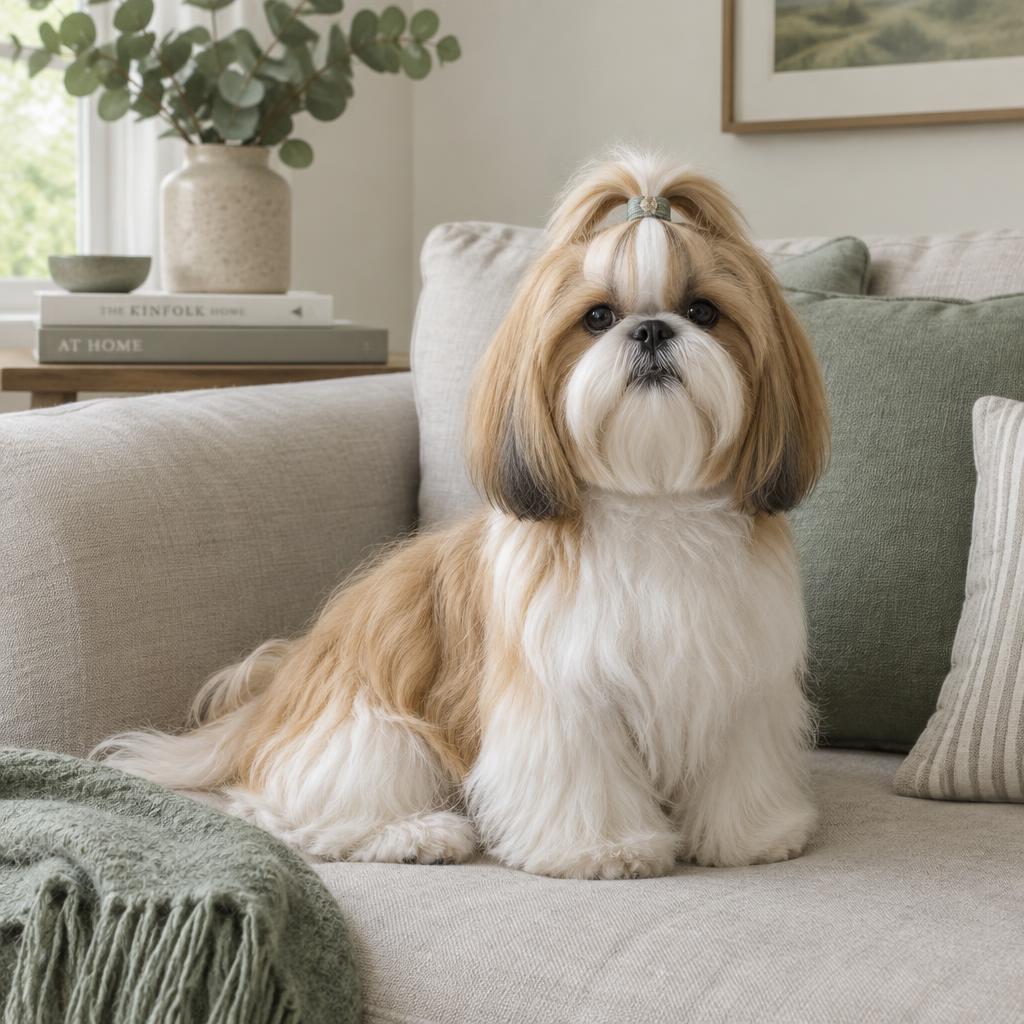
The Shih Tzu is a small companion breed developed in Tibet and refined in the Chinese imperial court, bred purely to be a devoted indoor companion rather than a working dog. Friendly, outgoing and sturdy for its size, it suits owners who want a people focused dog and who are prepared for a serious, lifelong coat commitment and the breathing considerations that come with its flat face.
The Shih Tzu was bred in Tibet and later developed further within the Chinese imperial court, with one job above all others: to be good company. Unlike most breeds on this site, it was never asked to herd, guard or hunt, and that history shows in its temperament today. It is an affectionate, people seeking dog that generally prefers a lap to a field, and it tends to get on well with calm households, older children and other pets when introduced sensibly.
Temperament wise, the Shih Tzu is outgoing and sociable but can also be surprisingly dignified and a touch stubborn, particularly around house training, which often takes longer and more consistency than owners expect. It is alert enough to announce visitors without being a persistently noisy breed. Exercise needs are modest, around 20 to 30 minutes a day split into a couple of short walks plus some indoor play, but modest does not mean none; regular gentle activity keeps weight and joints in better order over a long life that can stretch to 16 years.
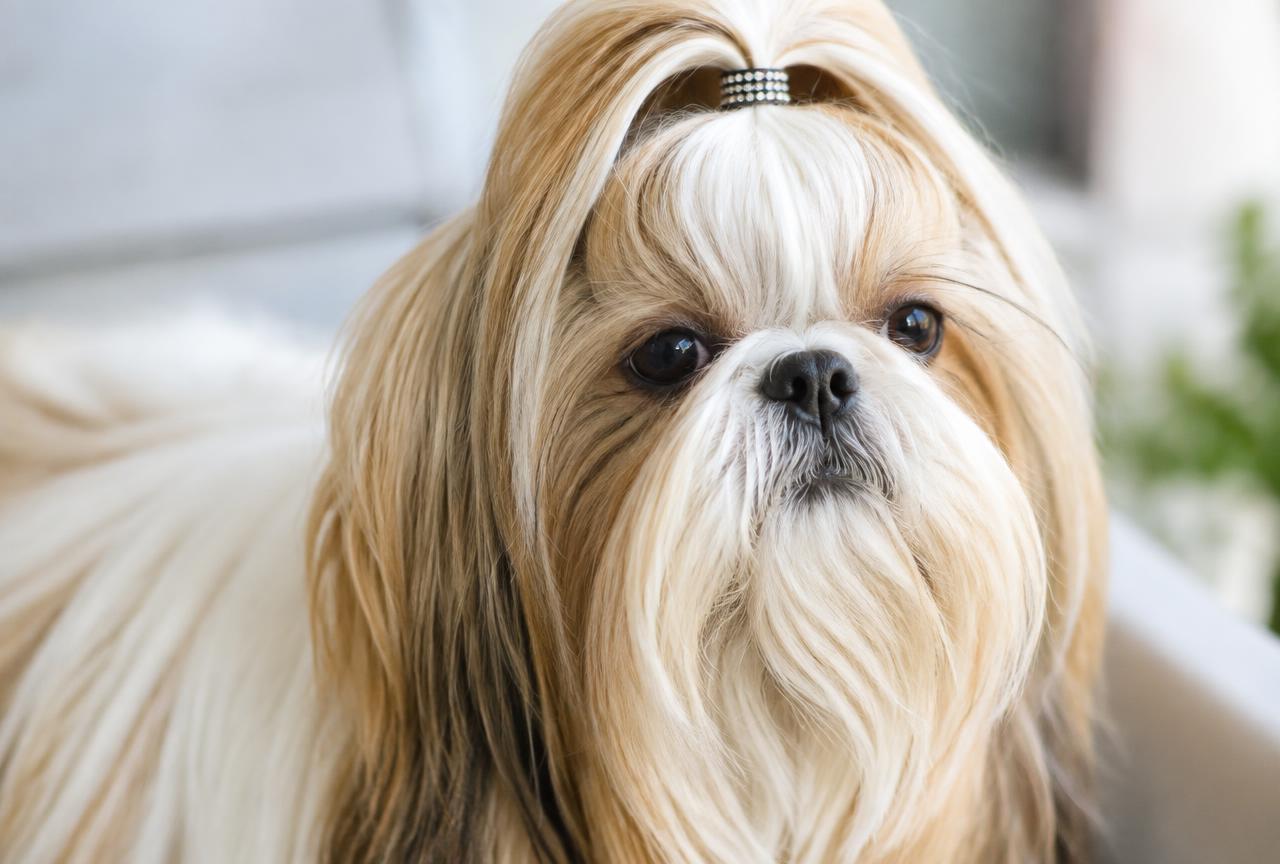
The coat is where this breed asks the most of its owner, and prospective owners should be honest with themselves before committing. The long, dense double coat mats quickly if not brushed daily, right down to the skin, and most pet owners choose to keep it clipped short every 6 to 8 weeks rather than attempt to maintain full show length. Daily brushing is not optional maintenance, it is the minimum needed to prevent painful matting, particularly behind the ears, under the legs and around the tail. The long facial hair also needs regular trimming or tying up to keep it clear of the eyes, and tear staining around the eyes is common and needs daily wiping.
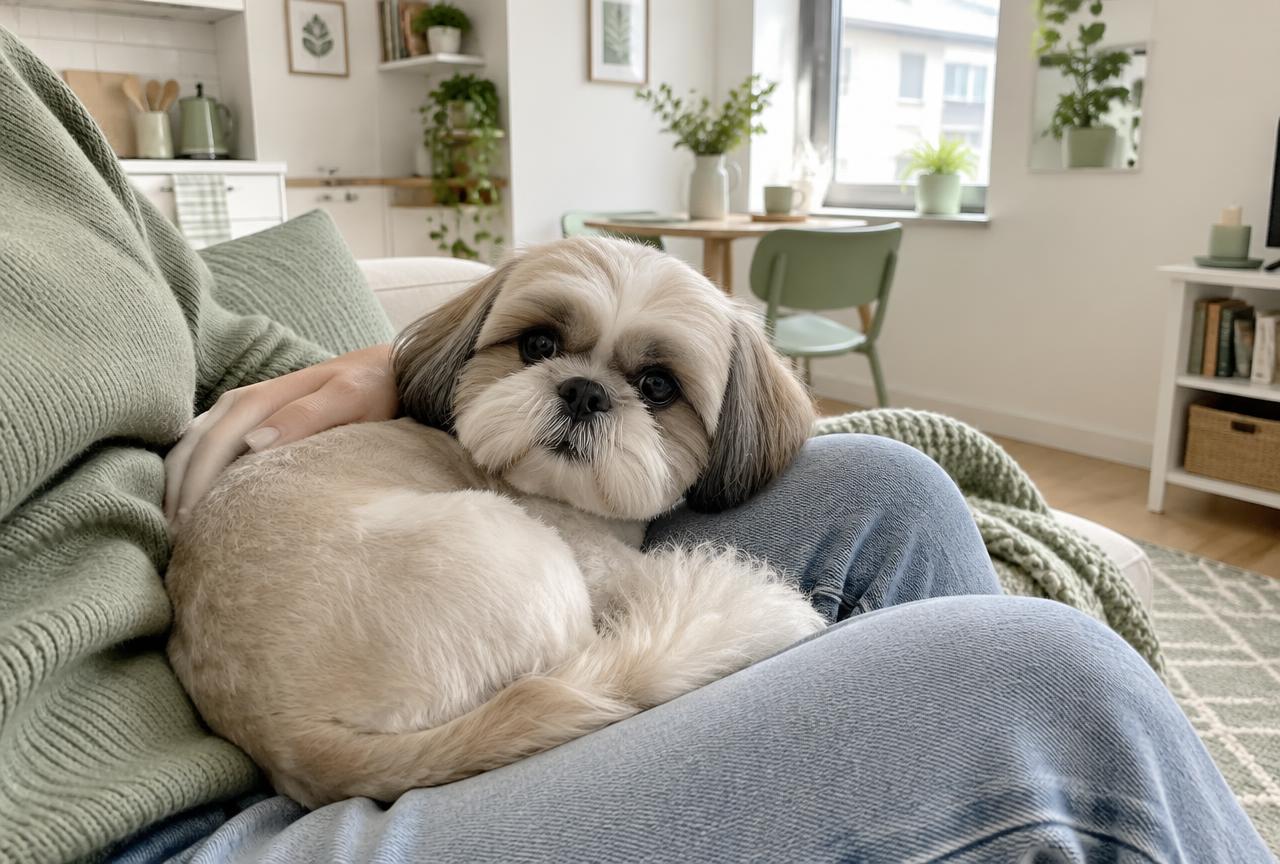
The Shih Tzu's large, prominent eyes sit shallow in their sockets, making them more vulnerable to scratches, ulcers and dryness than deeper set eyes; any squinting, redness or cloudiness warrants a prompt vet check rather than a wait and see approach. Its flat, brachycephalic face is relatively moderate compared with some extreme examples of flat faced breeds, but it still narrows the airway enough to cause snoring, snuffling and reduced heat tolerance, and owners should avoid exercising it in warm weather, never leave it in a hot car, and watch for laboured breathing or blue tinged gums as emergency signs. Choosing a breeder who selects for a visible nose, open nostrils and a longer muzzle rather than the flattest possible face meaningfully reduces these risks, which is why this breed is sometimes held up as a comparatively better flat faced option when bred thoughtfully.
Health beyond the face and eyes includes a tendency toward dental crowding given the small jaw, and patellar luxation in the knees is worth screening for in breeding stock. Overall the Shih Tzu is a fairly robust small dog provided its coat, eyes and breathing are actively managed rather than ignored.
This breed suits owners who want a genuinely affectionate companion, are realistic about daily grooming or budget for regular professional clips, and who will keep exercise sensible in hot weather. It is a poor match for owners wanting a low maintenance coat, an athletic hiking partner, or anyone unwilling to commit real time to facial and eye hygiene. In the right home, it is a warm, loyal and thoroughly good natured companion.
It is worth saying plainly that the Shih Tzu's coat is not a cosmetic preference but a daily responsibility. Owners who imagine a quick weekly brush will keep the long coat in order are usually disappointed within a few weeks, as mats form fast behind the ears, in the armpits and around the tail base, and once established they are painful to remove and often require clipping out entirely. Many pet owners sensibly opt for a practical short clip, sometimes called a puppy cut, maintained every six to eight weeks by a professional groomer, which reduces daily brushing to a more manageable few minutes while still needing attention to the face and feet.
Socially, the Shih Tzu was never selected for guarding or working instincts, and this shows in a generally easygoing, adaptable nature that travels well and settles readily into new environments, provided it has its people nearby. It can be prone to separation related distress if left alone for long stretches, since the breed's entire history has rewarded closeness to humans rather than independence. Early, gradual training to tolerate short absences helps considerably, and this is a conversation worth having with a breeder or behaviourist before problems set in.
Finally, prospective owners should think carefully about the realistic cost of ownership beyond food and insurance. Grooming alone, if outsourced to a professional, can represent one of the largest ongoing costs of keeping this breed, and veterinary costs linked to eye injuries, dental crowding or breathing checks should be budgeted for rather than treated as unlikely extras. None of this should discourage a well prepared owner, since the Shih Tzu remains one of the more genuinely companionable and good natured small breeds available, but going in with clear eyes about coat, eye and breathing care makes for a far better outcome for both dog and owner.
A loving, people oriented lap dog that demands daily coat care and careful management of its flat face in heat and exercise.
Exercise, day to day
- 1Puppies (8 to 20 weeks): very short, gentle play sessions indoors and brief outdoor walks.
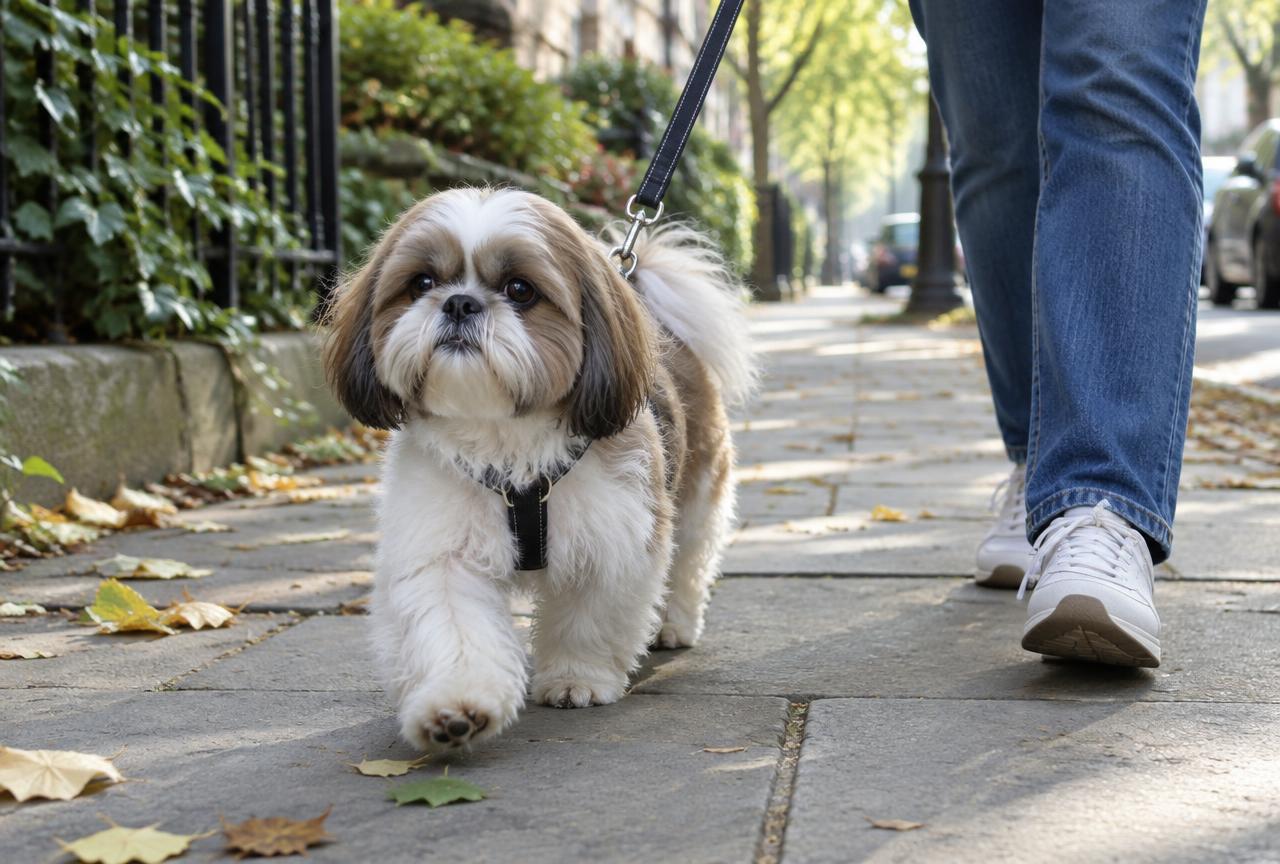
- 2Adults: around 20 to 30 minutes a day split into two short walks, avoiding hot or humid conditions.
- 3Keep walks to cooler parts of the day in summer and watch closely for laboured breathing.
- 4Indoor play and short training sessions help meet mental stimulation needs.
- 5Avoid strenuous or prolonged exercise given the breed's limited heat tolerance.
Grooming, realistically
- 1Brush the full coat daily right down to the skin to prevent matting.
- 2Trim or tie up facial hair daily to keep it clear of the eyes.
- 3Wipe tear stains from around the eyes every day with a damp cloth.
- 4Bathe every 2 to 4 weeks using a gentle shampoo suited to long coats.
- 5Book a professional clip every 6 to 8 weeks if keeping the coat short.
- 6Check and clean ears weekly and trim nails every 3 to 4 weeks.
What you actually need
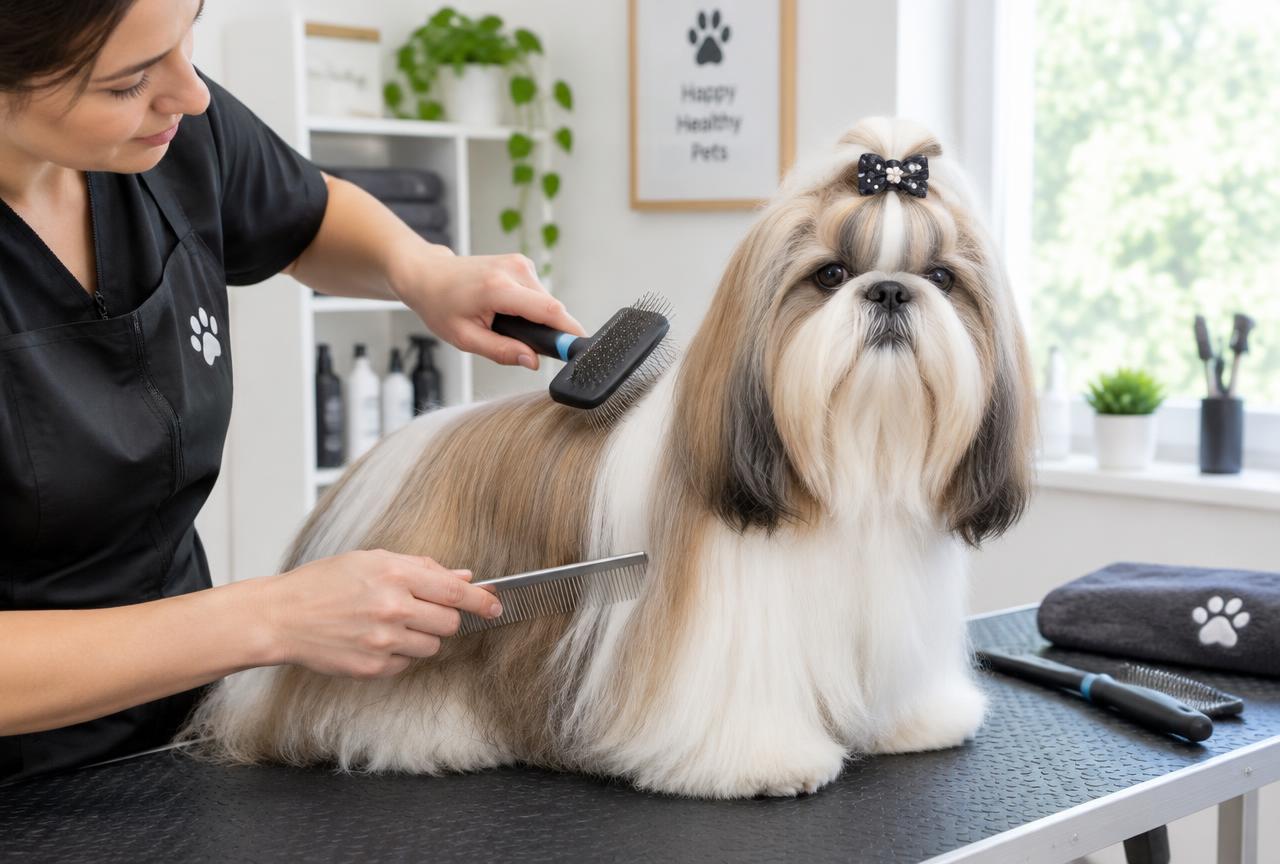
- Slicker brush and metal comb
- Dog nail clippers
- Tear stain wipes
- Grooming scissors or clippers for facial hair
- Gentle dog shampoo and conditioner
- Small bows or clips to tie up topknot hair
Puppy to adult
| Age | Male | Female | What is happening |
|---|---|---|---|
| 8 weeks | 1 to 1.5 kg | 0.9 to 1.4 kg | Tiny, sturdy puppy that needs careful handling around children. |
| 3 months | 1.8 to 2.5 kg | 1.6 to 2.3 kg | Coat begins to lengthen, early brushing habits matter. |
| 6 months | 3 to 4.5 kg | 2.8 to 4.2 kg | Adult coat coming through, matting risk increases. |
| 9 months | 4 to 6 kg | 3.8 to 5.8 kg | Nearing adult size with full double coat developing. |
| 12 months | 4.5 to 7 kg | 4 to 6.5 kg | Close to adult weight, settled temperament emerging. |
| 18 months | 4.5 to 7.5 kg | 4 to 7 kg | Full adult size and coat reached. |
Ranges are typical, not targets. Judge condition by ribs and waist, and check with the ideal weight checker.
What to ask a breeder
- Can I see eye examination and patella screening results for both parents?
- Does the breeder select for a visible nose, open nostrils and longer muzzle?
- How do the puppies cope with grooming and handling so far?
- What is the daily grooming routine the breeder follows?
- How do the parents behave in heat, and do they show signs of breathing difficulty?
- Can I meet both parents and see where the puppies were raised?
Health tests to ask for
Ask to see results for both parents before you put down a deposit.
- Eye examination (BVA/KC scheme) for ulcers and dryness
- Patella luxation check
- Hip evaluation where relevant to line
- Dental assessment given a crowded small jaw
- Respiratory assessment for brachycephalic airway concerns
Health watch-list
What to ask a breeder about, and what to watch for over a lifetime. This is orientation, not veterinary advice, anything you notice belongs in front of a vet.
Brachycephalic airway syndrome
NotableThe flat face narrows the airway, causing snoring and reduced heat tolerance; choosing breeders who favour a longer muzzle and open nostrils helps.
Corneal ulcers
CommonLarge, shallow set eyes are easily scratched; any squinting or redness should be checked promptly by a vet.
Tear staining
CommonOverflow of tears causes staining around the eyes; daily wiping keeps the area clean and reduces irritation.
Patellar luxation
NotableThe kneecap can slip out of place, causing intermittent limping; screening of breeding stock reduces risk.
Dental crowding
CommonThe small jaw often crowds teeth, increasing risk of decay and tartar build up; regular brushing matters.
Heatstroke
UncommonThe flat face reduces efficient panting, so the breed is more vulnerable to overheating in warm weather or cars.
What it costs to keep one
Realistic running cost
€108 / month
About €1,296 a year, or roughly €16,848 across a 13-year life, before purchase price, neutering and one-off vet events.
Before the puppy arrives. Budget roughly €400 to 750 for a crate, bed, lead and harness, bowls, puppy classes, first vaccinations and grooming kit sized for this breed. Figures throughout are indicative and vary a good deal between countries.
Interactive · built for this breed
Is a Shih Tzu right for your home?
Seven honest questions about your space, time and household, checked against this breed's exercise need, coat, sociability and tolerance for time alone.
Fit with your routine
96%
A strong fit
Your routine suits a Shih Tzu well. Meet adult dogs of the line before you commit.
What to sort out first
- Coat needs more brushing or trimming than you have allowed.
Working in your favour
- Your daily walking comfortably covers this breed's exercise need.
Compare more breeds in the matchmaker, or plan meals with the portion calculator.
The verdict, by household
First-time owner
A good choice with realistic expectations
A loyal, affectionate companion provided the new owner commits to daily grooming and eye care.
Family with children
A good match with supervision
Generally patient and sturdy enough for calm, supervised play with older children.
Active single or couple
An excellent match
Well suited to close company and a flat lifestyle, provided heat is managed carefully.
Owner in a flat with close neighbours
A strong choice
Modest exercise needs and small size make this one of the better flat dwelling breeds.
When to call your vet
- Squinting, redness or cloudiness in the eyes, which can indicate a scratch or ulcer
- Laboured breathing, loud snoring beyond the usual, or blue tinged gums, which require urgent attention
- Reluctance to exercise or excessive panting in warm weather
- Matted, damp or foul smelling coat, which can hide skin infections underneath
- Limping or skipping on a hind leg, which may suggest patellar luxation
Nothing here is a diagnosis. A swollen, hard belly with retching, collapse, breathing difficulty and sudden hind-leg weakness are emergencies: go straight away.
Shih Tzu vs the closest alternatives
| Breed | Weight | Energy | Grooming | € / month |
|---|---|---|---|---|
| Shih Tzu | 4 to 7.5 kg | 4/10 | 9/10 | €108 |
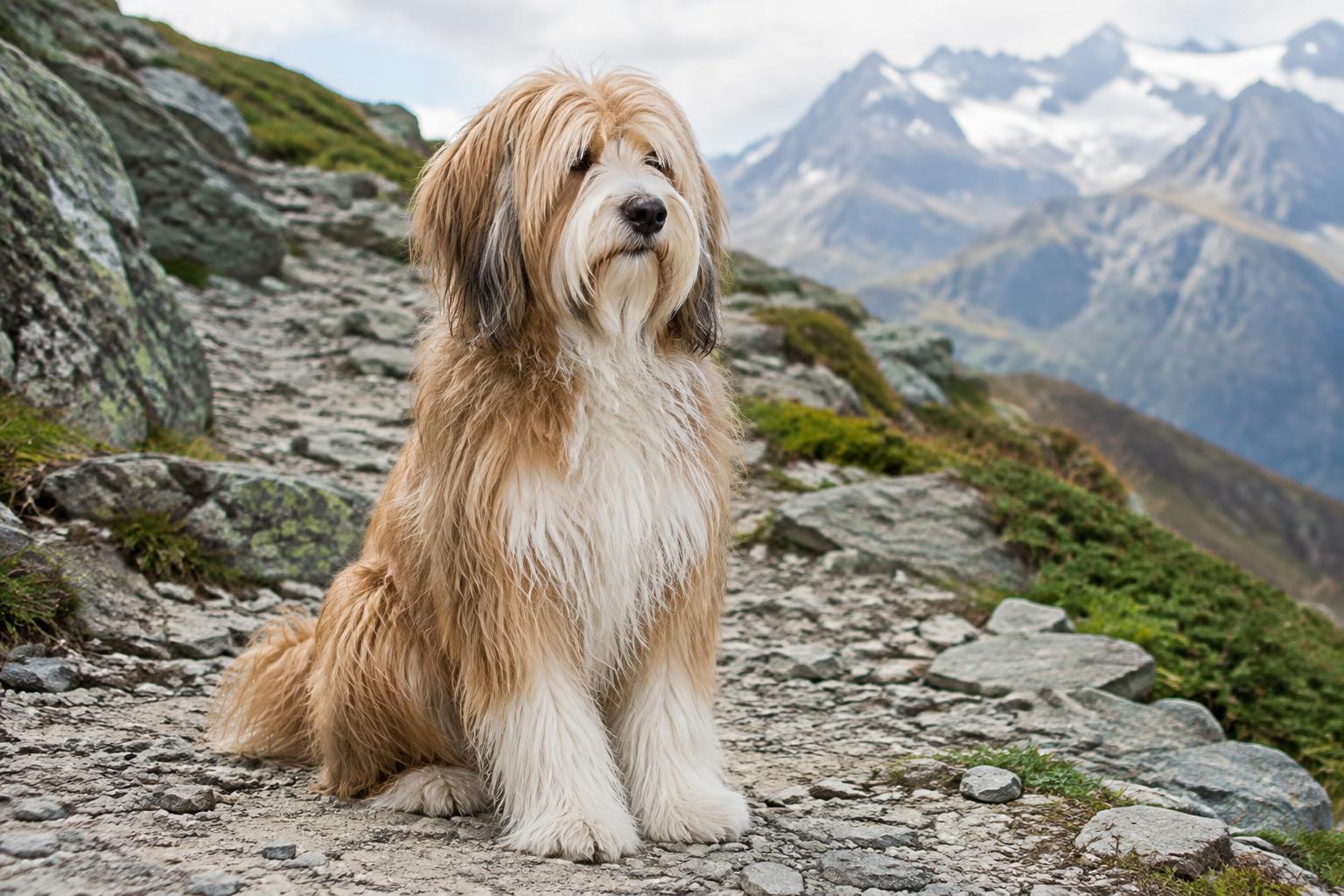
| Tibetan Terrier | 8 to 14 kg | 6/10 | 9/10 | €97 |
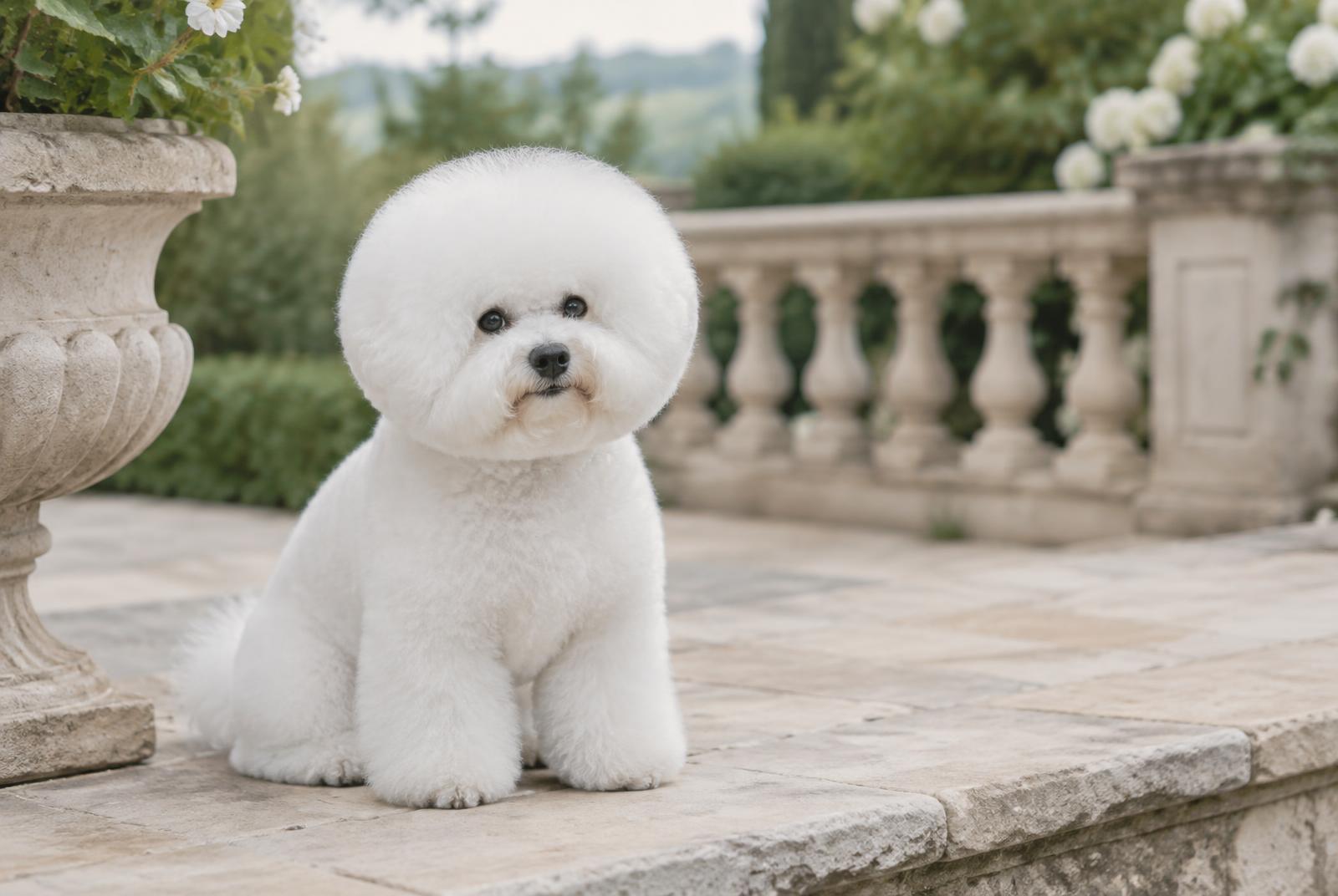
| Bichon Frise | 3 to 6 kg | 5/10 | 9/10 | €81 |
| Maltipoo | 2.5 to 7 kg | 5/10 | 8/10 | €138 |
Shih Tzu questions, answered
Do Shih Tzus need a lot of grooming?
Yes, the long double coat needs daily brushing right down to the skin to prevent painful matting. Many owners choose a shorter professional clip every 6 to 8 weeks to make care more manageable, though daily brushing is still needed between appointments.
Are Shih Tzus good flat dogs?
Generally yes, their modest exercise needs and small size suit flat living well. They still need daily short walks and should not be left for very long periods, since they are a people oriented breed that dislikes prolonged solitude.
Why do Shih Tzus get tear stains?
Their shallow eye sockets and facial structure often cause tears to overflow onto the face rather than drain normally, leading to staining. Daily wiping with a damp cloth and prompt vet checks for any redness help keep the eyes comfortable.
Can Shih Tzus overheat easily?
Yes, their flat face makes panting less efficient at cooling, so they are more vulnerable to heatstroke than longer muzzled breeds. Avoid exercise in hot weather, never leave them in a parked car, and watch for laboured breathing as a warning sign.
Are Shih Tzus easy to train?
They are intelligent but can be a touch stubborn, and house training in particular often takes longer and more consistency than owners expect. Positive, reward based methods and patience work far better than frustration or repetition without variety.
Do Shih Tzus get along with children?
They are generally affectionate and tolerant, suiting calm households and older children well. Their small size means interactions with very young or boisterous children should be supervised to avoid accidental injury.
How much exercise does a Shih Tzu need?
Around 20 to 30 minutes a day split into short walks is usually enough, alongside indoor play. More matters for weight control than distance, and exercise should always be adjusted down in hot or humid weather.
Sources
- Shih Tzu breed standard, The Kennel Club
- Shih Tzu breed information, American Kennel Club
- Brachycephalic dog health research, RVC VetCompass
- Eye screening scheme, British Veterinary Association
- Eye care in dogs, PDSA
Put it into practice
Reading that goes with this

Health
Dog Ear Infections: Signs, Causes and Treatment

Health
Dog Reverse Sneezing: Causes and What to Do

Care
Dog Years to Human Years: The Real Science

Health
Why Do Dogs Lick Their Paws? Causes and Fixes
Health
Why Do Dogs Scoot? Anal Glands, Worms and Itchy Bottoms

Health
Why Is My Dog Panting So Much? Causes and Warning Signs

Health
Why Is My Dog Shaking? Causes and When to Worry
Training
How to House Train a Puppy: A Two-Week Plan
Health
Dog Eye Discharge: What the Colour Means and When to Act Fast
Health
Dog Sneezing: Play, Allergies and When It Means More