

Crossbreed group
A deliberate designer cross, popular from the late twentieth century onwards, combining the ancient Mediterranean companion Maltese with the Poodle, one of the oldest and most versatile of European water dogs. Most Maltipoos are first-generation crosses bred for companionship rather than work.
Maltipoo
The Maltipoo crosses the Maltese with the Poodle for a small, affectionate, low-shedding companion. It trains well and suits flats, but it needs daily grooming, real company and honest expectations about coat and temperament variation.
Reviewed by the SniffScroll editorial desk
The Maltese-Poodle cross built for laps, flats and low-shedding coats.
The short version
- Affectionate, sociable and typically low shedding, but no crossbreed is truly hypoallergenic.
- Coats and temperaments vary widely between individuals in first-generation crosses.
- Grooming is the biggest commitment: daily brushing plus professional trims every six to eight weeks.
- Both parent breeds need health testing; patellas, eyes and teeth are the practical watch points.
- Dislikes being alone; households out for long hours are a poor match.
Choose a variety
Bred from a Toy Poodle or small Maltese parent, this variety suits flats and laps best, but is the most fragile around very small children.
- Weight
- 2.5 to 4 kg
- Height
- 20 to 28 cm
- Lifespan
- 12 to 15 yrs
- Size
- Toy
- Group
- Crossbreed
- Coat
- Soft, wavy to curly low-shedding coat in white, cream, apricot, grey or parti colouring
- Daily exercise
- 20 to 30 minutes a day
- Years to full size
- about 1
- One-off setup
- €800 to 1600

Get one if…
- First-time owners wanting an affectionate, trainable companion
- Flat and apartment households looking for a small, quiet-to-moderate dog
- Families with gentle, considerate children
- Owners with time for daily brushing and regular grooming
- Homes where someone is present most of the day
Think again if…
- Households where the dog would be alone for long working hours
- Owners wanting a low-maintenance coat without regular grooming
- Anyone expecting a guaranteed coat, size or temperament from a first cross
- Buyers assuming any crossbreed is hypoallergenic without testing their reaction
- Homes wanting a robust outdoor working dog
Trait profile
The Maltipoo inherits the Maltese's lapdog warmth and the Poodle's quick brain, which makes it affectionate, trainable and very people-focused. The trade-offs are a high-maintenance coat and a real need for company that long working days do not suit.
Space & setup. Small enough for any flat and genuinely suited to apartment life, provided daily exercise and company are not negotiable. A small garden is a bonus, not a requirement.
Allergies. Low shedding is genuine but no crossbreed is hypoallergenic; allergens come from skin and saliva as well as hair, so spend time with the puppy and its parents before committing.
Living with a Maltipoo
The Maltipoo is a cross between the Maltese and the Poodle, usually bred small and companion-focused. Affectionate, sociable and typically low shedding, it suits flats and first-time owners, but coats and temperaments vary between individuals and no crossbreed is truly hypoallergenic.
The Maltipoo exists because two beloved companion breeds, the Maltese and the Poodle, crossed well: both are small, affectionate and intelligent, and the combination produces a sociable, trainable family dog that typically sheds far less than a straight-coated breed. That combination has made it one of the most searched crossbreeds in the English-speaking world, and one of the most misunderstood.
The first thing honest breeders will tell you is that a first-generation cross is a genetic lottery. Some Maltipoos inherit the tight curly Poodle coat, others the silky Maltese coat, and many land somewhere in between with a soft wavy fleece that needs regular brushing to prevent matting. Temperament varies similarly: most are cheerful and people-oriented, but some lean into the Poodle's alertness and others into the Maltese's gentle clinginess. No responsible breeder can promise a specific coat, size or temperament in a first cross, and anyone who does is selling certainty they do not have.
The second thing, said clearly: no crossbreed is hypoallergenic. Poodles are often recommended to allergy sufferers because they shed less and their curly coats trap loose hair, but allergens come from skin and saliva as much as from hair, and individual reactions vary enormously. Some allergy sufferers tolerate a Maltipoo easily; others do not. Spend time with the actual puppy and its parents before committing.

Temperamentally, the Maltipoo is built for company. It is typically affectionate to everyone, good with considerate children and generally sociable with other dogs and pets. The trade-off is a genuine vulnerability to being alone: many Maltipoos dislike long hours by themselves, and separation-related distress is one of the most common behavioural complaints in the cross. Households where someone is home most of the day, or which can arrange company, do far better than those planning nine-hour absences.
Training is a strength. Both parent breeds are intelligent, and the cross is usually eager to please, making house training, basic obedience and trick training refreshingly straightforward. The main habit to manage is attention-seeking vocalisation: some Maltipoos bark for attention and will keep doing so if it works even once. Consistency and ignoring attention barking from the first week save years of frustration.
Grooming is the biggest commitment. The low-shedding coat keeps growing, mats easily and needs daily or near-daily brushing plus professional grooming every six to eight weeks. Many owners choose a shorter puppy clip for practicality. Eyes should be wiped daily to limit tear staining, and teeth need regular care because small breeds are prone to dental disease.
Health depends heavily on the parents. Both Maltese and Poodle bring real inherited conditions, and Maltipoos are small enough that luxating patellas, dental crowding and collapsing tracheas are live risks. Choosing a breeder who health-tests both parents is the single most important decision in the process. With good lines and good care, a Maltipoo typically lives twelve to fifteen years. Overall, for an owner with time for company, grooming and training, the Maltipoo is one of the most rewarding small companions available. For a household out all day, it is the wrong cross.
The cross has real practical advantages worth naming. Inheriting the Poodle side's quick learning means house training, crate training and basic obedience tend to move faster than with many toy breeds, and puzzle toys and trick training hold the breed's attention well. The Maltese side contributes centuries of specifically companion breeding: these are dogs that were never workers and never needed to be, which shows in their patience for laps, cuddles and quiet company. The combination makes an unusually good match for older owners, for households that want a dog who travels well, and for anyone introducing a first dog to a calm adult cat.
Buyer education is where the cross most often goes wrong, so it is worth saying plainly what a responsible breeder will and will not tell you. No honest breeder can guarantee a puppy will not shed, will be exactly 4 kg as an adult, or will tolerate being alone all day. What good breeders do instead is show you the parents, tell you how previous litters turned out, and health-test the adults. Ask to meet the mother, ask for patella and eye results, and treat refusal as the answer it is. The crossbreed market attracts casual breeders precisely because demand is high, and the difference between a well-bred Maltipoo and a carelessly bred one shows up within two years, usually in knees, teeth or temperament.
Day-to-day life with the breed rewards routine. Feed measured portions twice daily; small dogs gain weight quickly and overweight knees fail faster. Plan the grooming calendar in advance rather than reacting to mats. And build the alone-time training into the first month deliberately, teaching the puppy that short absences are normal and always end with the owner returning, because separation distress is far easier to prevent than to reverse.
A genuinely loving, adaptable companion that suits flats and first-time owners well, provided the daily grooming commitment and the emotional neediness are understood. Coats and temperaments vary more than buyers expect.
Exercise, day to day
- 1Puppies (8 to 20 weeks): short play sessions and gentle outings; keep walks brief while joints develop.
- 2Adolescents (4 to 12 months): two moderate walks daily plus play and short training sessions.
- 3Adults: 30 to 45 minutes daily, split between walks and indoor play; more is welcome, less is not.
- 4Mental work: puzzle feeders, trick training and scent games suit the cross and settle attention barking.
- 5Company matters as much as exercise: plan for companionship or doggy daycare during long absences.
Grooming, realistically
- 1Brush daily or near-daily with a slicker brush and metal comb to prevent matting.
- 2Book professional grooming every six to eight weeks, or learn clipping at home.
- 3Wipe around the eyes daily with a damp cloth to limit tear staining.
- 4Trim nails every three weeks and brush teeth several times a week.
- 5Bathe every three to four weeks, or sooner after muddy walks, and dry fully to prevent damp-skin issues.
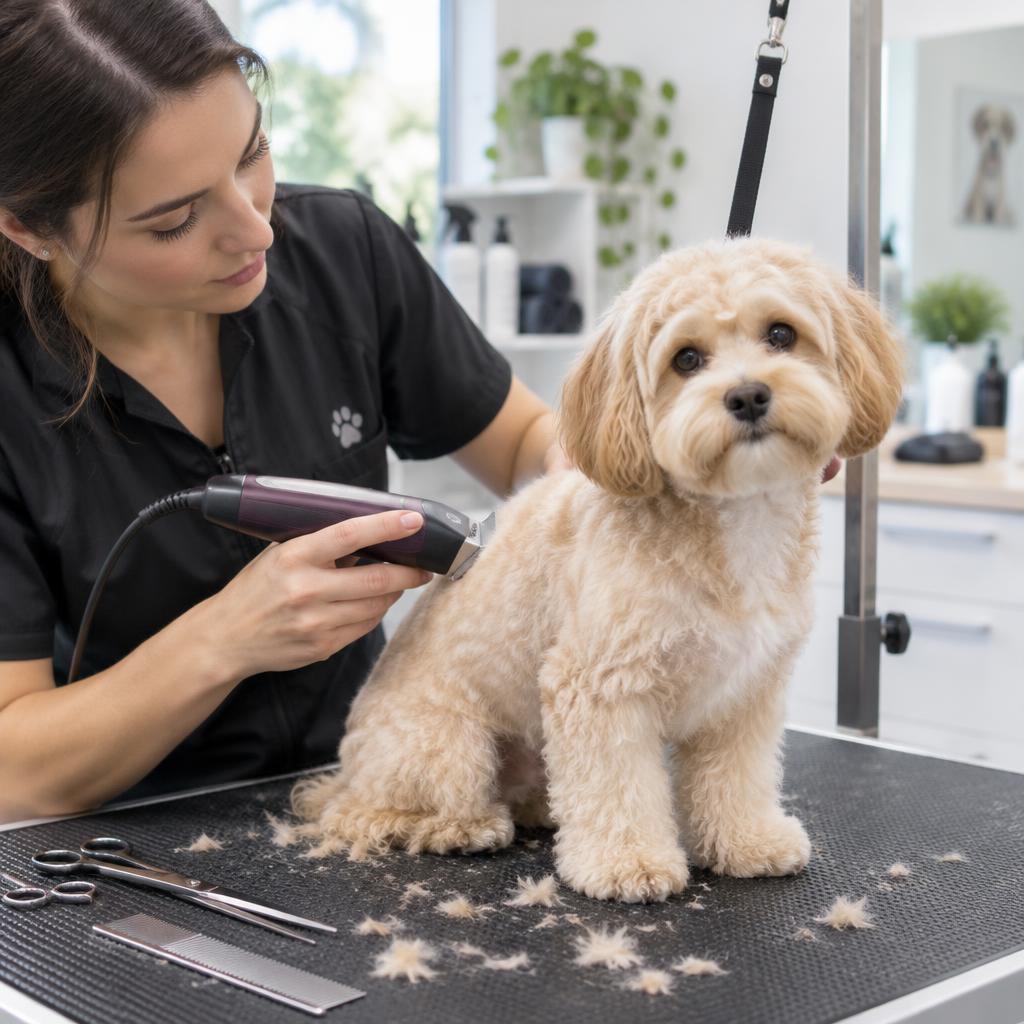
What you actually need
- Slicker brush
- Metal comb
- Blunt-ended scissors for face and paws
- Dog nail clippers
- Ear cleaning solution
- Enzymatic dog toothpaste and brush
Puppy to adult
| Age | Male | Female | What is happening |
|---|---|---|---|
| 8 weeks | 0.8 to 1.3 kg | 0.8 to 1.2 kg | Tiny and delicate; begin gentle handling and socialisation immediately. |
| 3 months | 1.5 to 2.2 kg | 1.4 to 2 kg | Rapid early growth; keep play with larger dogs supervised. |
| 6 months | 2.5 to 3.8 kg | 2.2 to 3.5 kg | Near adult height; first grooming visit due, start coat handling early. |
| 9 months | 3 to 4.8 kg | 2.8 to 4.5 kg | Almost fully grown; attention barking habits form now if reinforced. |
| 12 months | 3.5 to 6 kg | 2.8 to 5.5 kg | Adult size reached; settle into the grooming routine for life. |
| 18 months | 3.5 to 7 kg | 2.5 to 6 kg | Fully mature; coat texture may still change slightly in the second year. |
Ranges are typical, not targets. Judge condition by ribs and waist, and check with the ideal weight checker.
What to ask a breeder
- Have both parents been health tested: patellas, eyes and dental history?
- Which Poodle variety is the parent, and what sizes do the puppies typically reach?
- Can I meet the mother and see the coat types in previous litters?
- How are puppies socialised to household noises, children and handling?
- What is your policy if my allergies prove to be a problem once the puppy is home?
Health tests to ask for
Ask to see results for both parents before you put down a deposit.
- Patella examination for both parents
- Eye examination and PRA DNA status on the Poodle side
- Dental history and jaw conformation from the breeder
- Hearing check in lines with any history of congenital deafness
- Weight control; small dogs stay healthiest lean
Health watch-list
What to ask a breeder about, and what to watch for over a lifetime. This is orientation, not veterinary advice, anything you notice belongs in front of a vet.
Luxating patella
CommonSlipping kneecaps are common in small breeds and come from both parents; patella checks on breeding stock are the practical safeguard.
Progressive retinal atrophy
UncommonInherited from the Poodle side; DNA testing of parents removes most of the risk, so ask for certificates.
Dental disease
Very likelySmall mouths crowd teeth and plaque builds fast; daily brushing and regular veterinary dental checks are essential from the first year.
Tracheal collapse
UncommonMore likely in very small dogs; use a harness rather than a collar on the lead and keep weight lean.
Epilepsy
UncommonReported in both parent breeds; a family history matters, so ask the breeder what they know of the lines.
Tear staining and eye irritation
CommonShallow eye sockets from the Maltese side cause watery eyes and staining; daily wiping keeps it manageable.
What it costs to keep one
Realistic running cost
€130 / month
About €1,560 a year, or roughly €21,840 across a 14-year life, before purchase price, neutering and one-off vet events.
Before the puppy arrives. Budget roughly €800 to 1600 for a crate, bed, lead and harness, bowls, puppy classes, first vaccinations and grooming kit sized for this breed. Figures throughout are indicative and vary a good deal between countries.
Interactive · built for this breed
Is a Maltipoo right for your home?
Seven honest questions about your space, time and household, checked against this breed's exercise need, coat, sociability and tolerance for time alone.
Fit with your routine
97%
A strong fit
Your routine suits a Maltipoo well. Meet adult dogs of the line before you commit.
What to sort out first
- Coat needs more brushing or trimming than you have allowed.
Working in your favour
- Your daily walking comfortably covers this breed's exercise need.
Compare more breeds in the matchmaker, or plan meals with the portion calculator.
The verdict, by household
Very suitable
Affectionate, trainable and forgiving; the main learning curve is grooming rather than behaviour.
Excellent
Playful and gentle with considerate children; its small size means supervision around very young ones.
Good
Happy to join walks and outings, though it needs company more than stamina; not a running partner.
Excellent
Small, quiet-to-moderate and adaptable; manage attention barking early and it is an ideal flat dog.

When to call your vet
- Skipping or hopping on a hind leg, which can signal a slipping kneecap
- Cloudy eyes or bumping into furniture, worth an eye examination
- Persistent scratching or paw licking, which can signal skin allergy
- A honking cough, which can indicate tracheal irritation in small dogs
- Bad breath or difficulty eating, worth a dental check
Nothing here is a diagnosis. A swollen, hard belly with retching, collapse, breathing difficulty and sudden hind-leg weakness are emergencies: go straight away.
Maltipoo vs the closest alternatives
| Breed | Weight | Energy | Grooming | € / month |
|---|---|---|---|---|
| Maltipoo | 2.5 to 7 kg | 5/10 | 8/10 | €138 |
| Cockapoo | 4.5 to 11 kg | 6/10 | 8/10 | €163 |
| Bichon Frise | 3 to 6 kg | 5/10 | 9/10 | €81 |
| Coton de Tulear | 3.5 to 6 kg | 5/10 | 7/10 | €94 |
Maltipoo questions, answered
Are Maltipoos hypoallergenic?
No crossbreed is truly hypoallergenic. Maltipoos usually shed less than straight-coated breeds, which helps many allergy sufferers, but allergens come from skin and saliva too. Spend time with the puppy before committing.
How long do Maltipoos live?
Typically twelve to fifteen years, and some reach more, provided dental care and weight are managed well.
How big do Maltipoos get?
Between 2.5 and 7 kg and 20 to 35 cm at the shoulder, depending on whether the Poodle parent is a Toy or a Miniature. Breeders cannot guarantee an exact adult size in a first cross.
Do Maltipoos bark a lot?
Moderately. They are alert and people-oriented, and some develop attention barking if it is ever rewarded. Consistent, calm responses from the first week keep it manageable.
Can Maltipoos be left alone?
Not for long hours. The cross is very people-focused and many individuals develop separation distress if routinely left for a full working day. Company or daycare is important for this breed mix.
How often does a Maltipoo need grooming?
Daily or near-daily brushing plus professional grooming every six to eight weeks. The low-shedding coat grows continuously and mats quickly if neglected.
Are Maltipoos good with children?
Yes, with gentle and considerate children. Their small size means they can be hurt by rough play, so supervision with very young children is important.
Sources
Breeds people compare with this
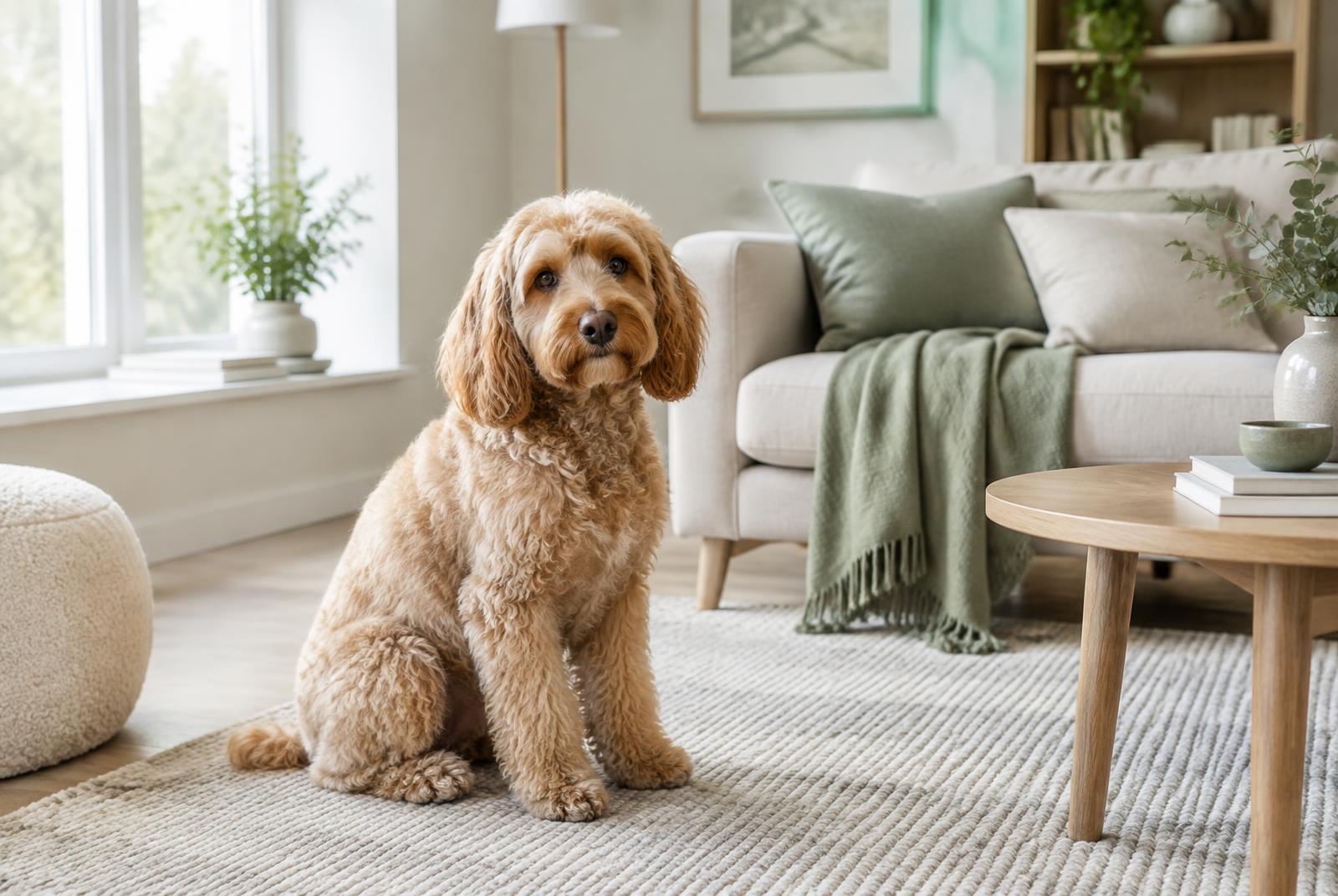
Cockapoo
An affectionate Cocker Spaniel and Poodle cross where coat, size and energy vary litter to litter, so no two Cockapoos are quite alike.
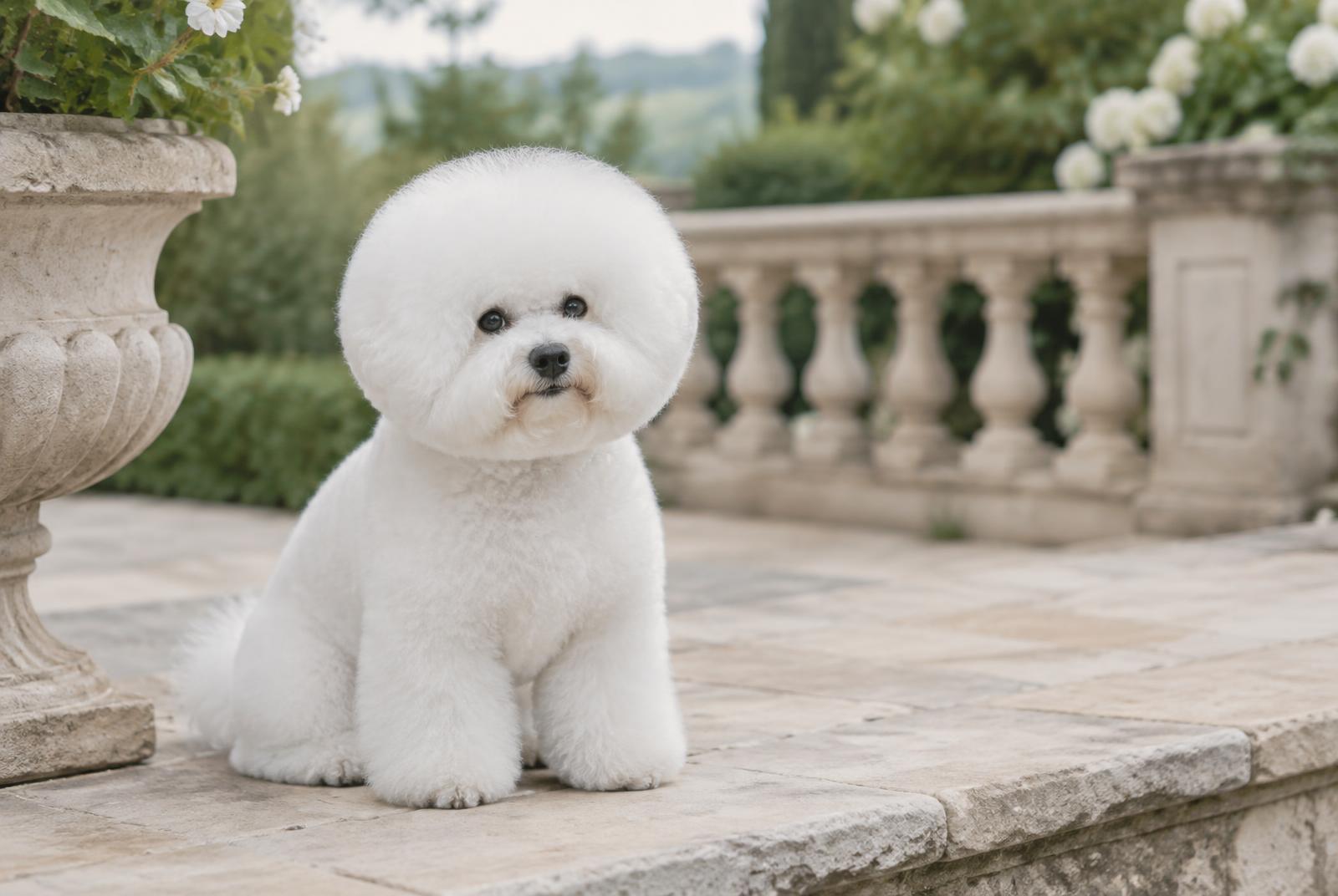
Bichon Frise
A cheerful, curly coated companion bred purely to be good company, and happiest never left alone for long.
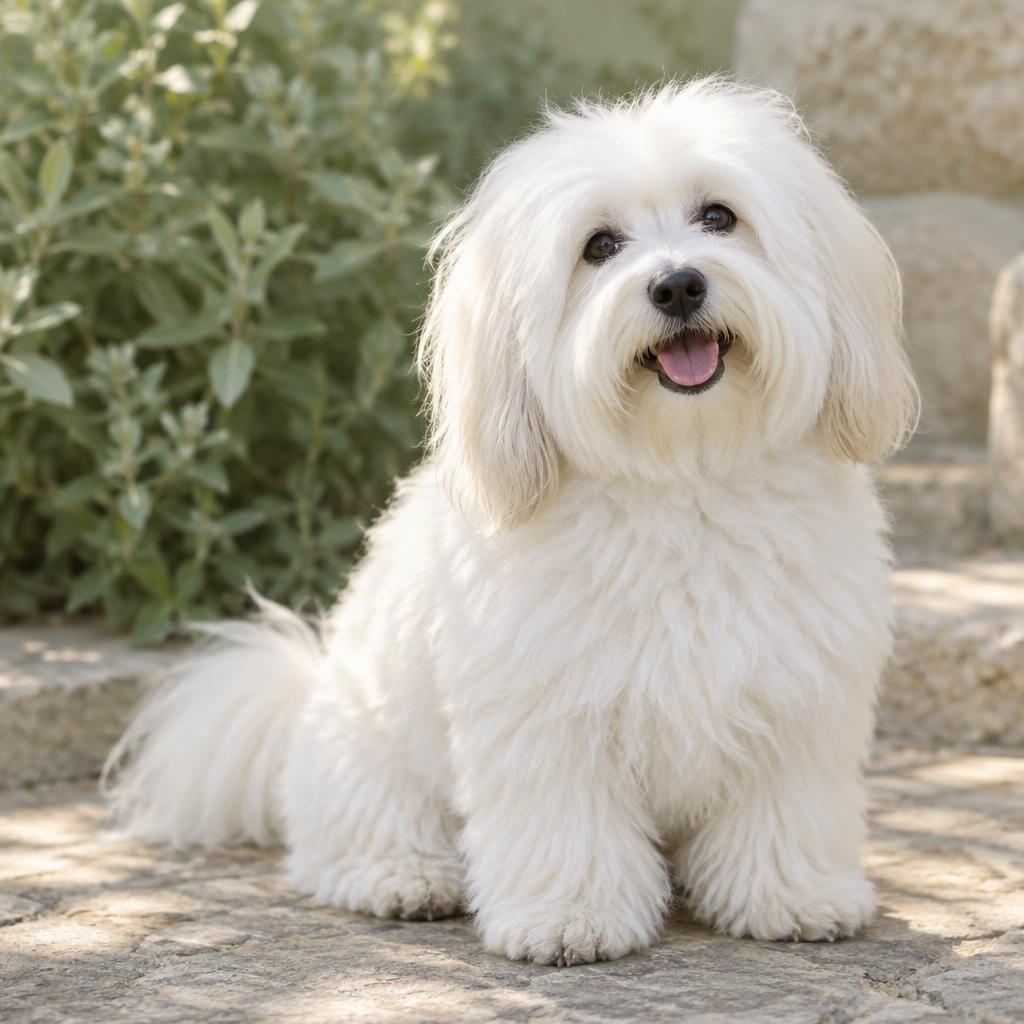
Coton de Tulear
The cotton-coated clown of Madagascar