
Toy group
France and Belgium
Bichon Frise
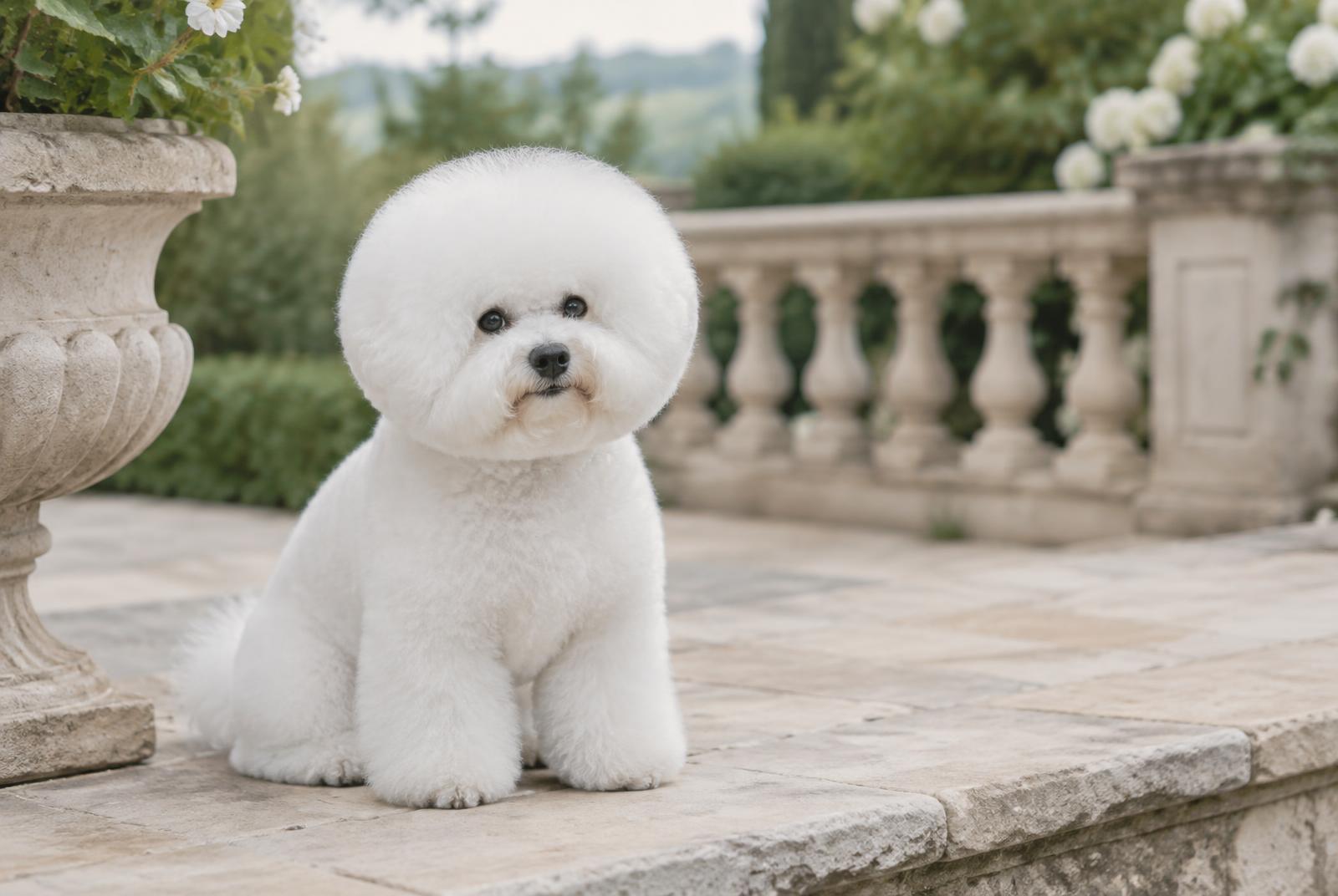
The Bichon Frise is a small, curly coated French and Belgian companion breed prized for its cheerful temperament and demanding, high maintenance coat.
Reviewed against Kennel Club and breed club health guidance
A cheerful, curly coated companion bred purely to be good company, and happiest never left alone for long.
The short version
- Bichon Frises are highly sociable and tend to bond closely with every member of the household.
- Separation distress, including barking and chewing, is commonly reported, so alone time needs gradual training.
- The curly coat mats easily and needs brushing several times a week plus professional grooming every 4 to 6 weeks.
- No breed is truly hypoallergenic, so anyone with allergies should spend time with a Bichon before committing.
- Skin allergies, patellar luxation and dental crowding are the breed's main health considerations to screen for.
- Weight
- 3 to 6 kg
- Height
- 23 to 30 cm
- Lifespan
- 12 to 15 yrs
- Size
- Small
- Group
- Toy
- Coat
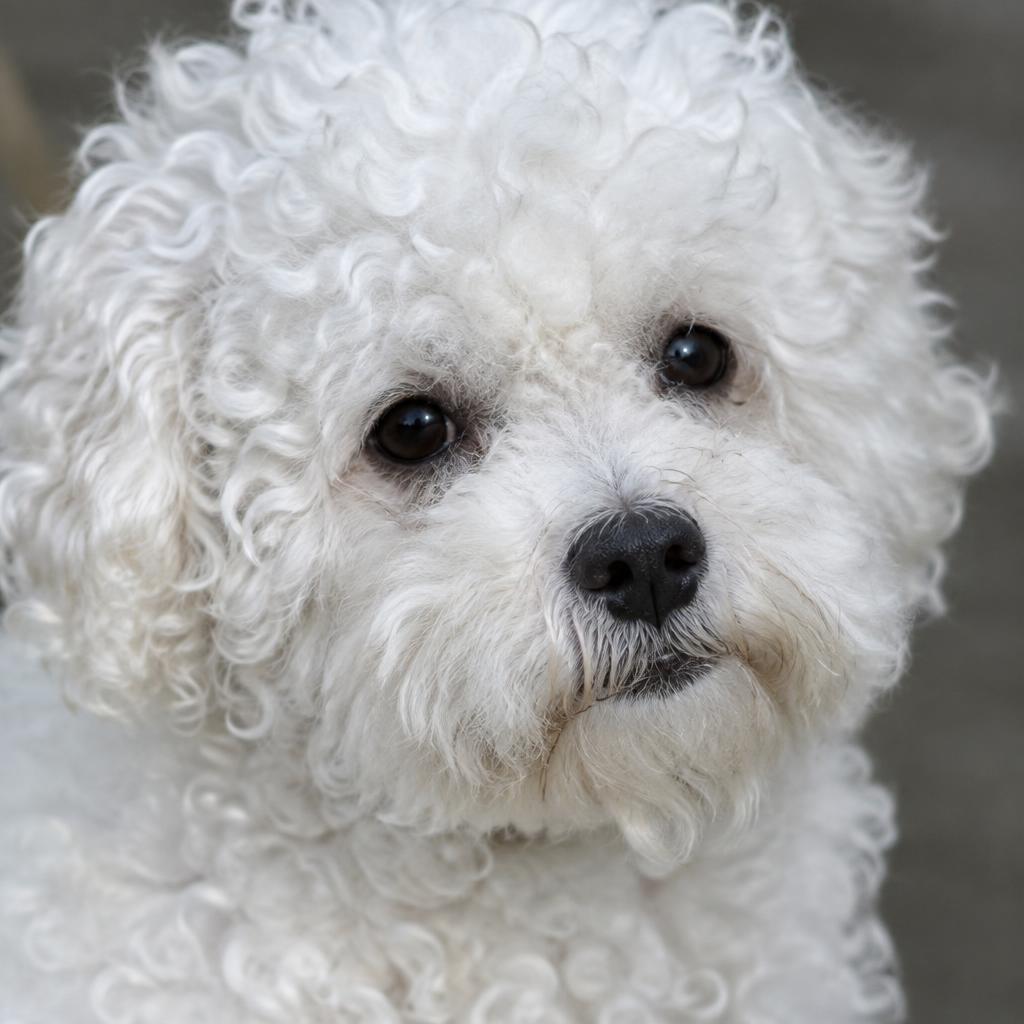
- Dense, curly, white coat with a soft undercoat
- Grown male
- 4 to 6 kg
- Grown female
- 3 to 5 kg
- Years to full size
- about 1.2
- One-off setup
- €300 to 600
Get one if…
- Owners who can offer consistent daily company rather than long stretches alone
- People happy to commit to frequent brushing and regular professional grooming
- Families with children who can play gently with a small dog
- First-time owners wanting a biddable, food motivated breed to train
- Owners without access to large outdoor space, given modest exercise needs
Think again if…
- Owners who are regularly out of the house for long working days
- Anyone hoping grooming will be occasional rather than a weekly commitment
- People relying on the breed being fully allergy proof without testing their own reaction first
- Households wanting a dog that is content being largely independent
- Owners unwilling to address separation related barking or chewing with training
Trait profile
The Bichon Frise combines strong sociability and a playful, performing streak with a genuine dislike of being left alone, so alone training from puppyhood matters as much as basic obedience work.
Space & setup. A flat or small house suits this breed well given modest exercise needs, though the dense curly coat means grooming space and tools at home are worth planning for.
Allergies. The Bichon Frise sheds very little, which has earned it a reputation as hypoallergenic, but no breed is truly non allergenic since reactions can be triggered by saliva and skin proteins as well as hair.
Living with a Bichon Frise
The Bichon Frise is a small, white, curly coated companion breed descended from Mediterranean water dogs, long associated with French and Spanish royal courts. It is known for a sociable, playful temperament and a dense coat that needs frequent, committed grooming.
The Bichon Frise descends from the small white water dogs once common across the Mediterranean, likely developed from the Barbet and related breeds, and the name itself derives from the French for curly lap dog. The breed found particular favour in French and Spanish royal courts during the Renaissance, later became a familiar sight performing in European street fairs and circuses, and was refined into the cheerful companion breed recognised today largely through French and Belgian breeding in the twentieth century. Few breeds carry quite so much ornamental history in such a small, sturdy frame.
Daily life with a Bichon Frise centres on companionship above almost everything else. This is a breed developed purely to be a pleasant presence indoors, and it shows in how readily a Bichon inserts itself into family life, trotting between rooms, greeting visitors with genuine delight and generally treating every household member as a friend rather than a stranger to be assessed. The breed's default temperament is sociable and cheerful rather than guarded or aloof, and most Bichons extend that warmth to other dogs and to children with patience, provided play stays gentle given the dog's modest size.
The defining temperament trait is this relentless sociability, paired with a notably playful, almost clownish sense of humour that owners frequently describe as the dog performing for an audience. Bichons tend to thrive on attention and will often develop small repertoires of tricks or habits simply because they enjoy the reaction they produce, which also makes them genuinely rewarding to train with reward based methods, since they are eager to please and food and praise motivated.
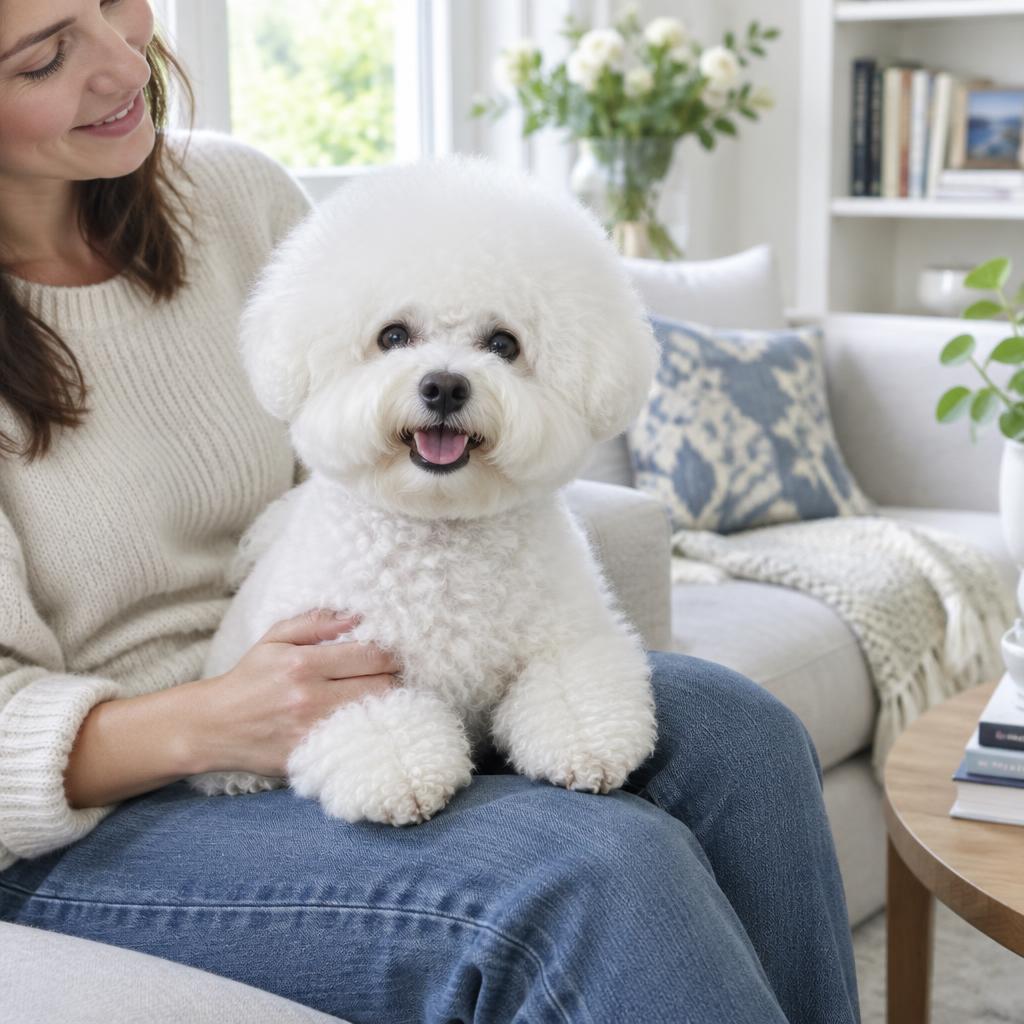
The honest limitation that deserves equal weight is the flip side of that sociability: the Bichon Frise does not cope well with being left alone for long periods, and separation distress, including excessive barking, whining and destructive chewing, is a commonly reported problem in the breed. This is not a dog suited to owners working long hours without a plan for company, daycare or a gradual alone training programme from puppyhood. Anyone drawn to the breed for its charm but unable to offer consistent company needs to think carefully before committing, since an under supported Bichon can become a genuinely distressed, difficult to settle dog.
Health wise, the Bichon Frise's curly coat and generally sturdy constitution can mask some real considerations. Skin allergies are commonly reported, often showing as itching, paw licking or recurrent skin infections, and many cases benefit from dietary management and veterinary guidance on allergens. Patellar luxation, a kneecap that slips from its normal groove, is also reported in the breed and orthopaedic screening of breeding stock reduces its incidence. Dental crowding is a genuine concern given the breed's compact jaw, making regular tooth brushing and veterinary dental checks a real priority rather than an optional extra. It is also worth addressing honestly that while Bichons are often marketed as hypoallergenic because they shed very little, no dog breed is truly non allergenic, since allergic reactions are triggered by proteins in saliva and skin as well as hair, so anyone with significant allergies should spend time with the breed before committing rather than relying on reputation alone.
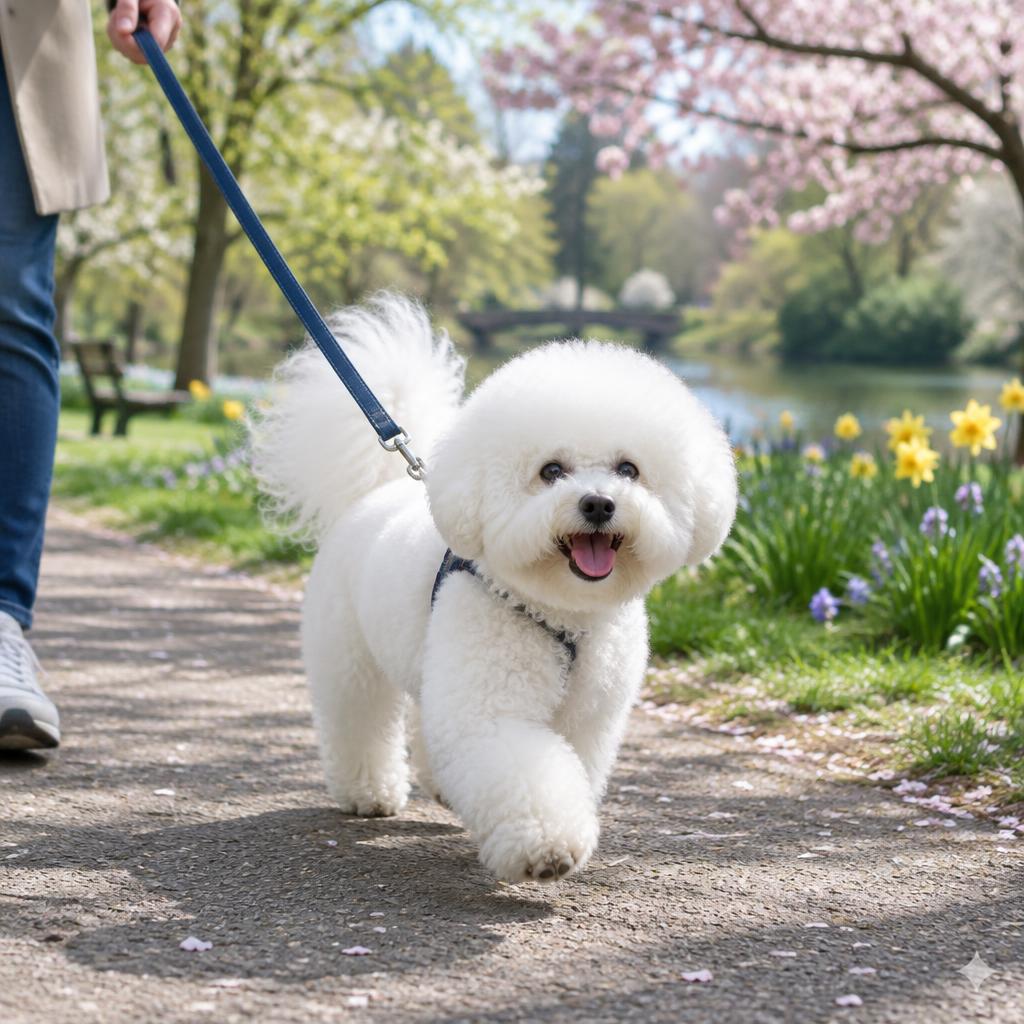
Exercise needs are modest, around 30 to 45 minutes a day split across a couple of walks, supplemented by indoor play, which makes the Bichon a genuinely practical choice for owners without access to large outdoor space. Training reality is generally favourable, since the breed's eagerness to please and food motivation make basic obedience and house training achievable with consistency, though house training can take a little longer than average and benefits from a patient, structured routine in puppyhood.
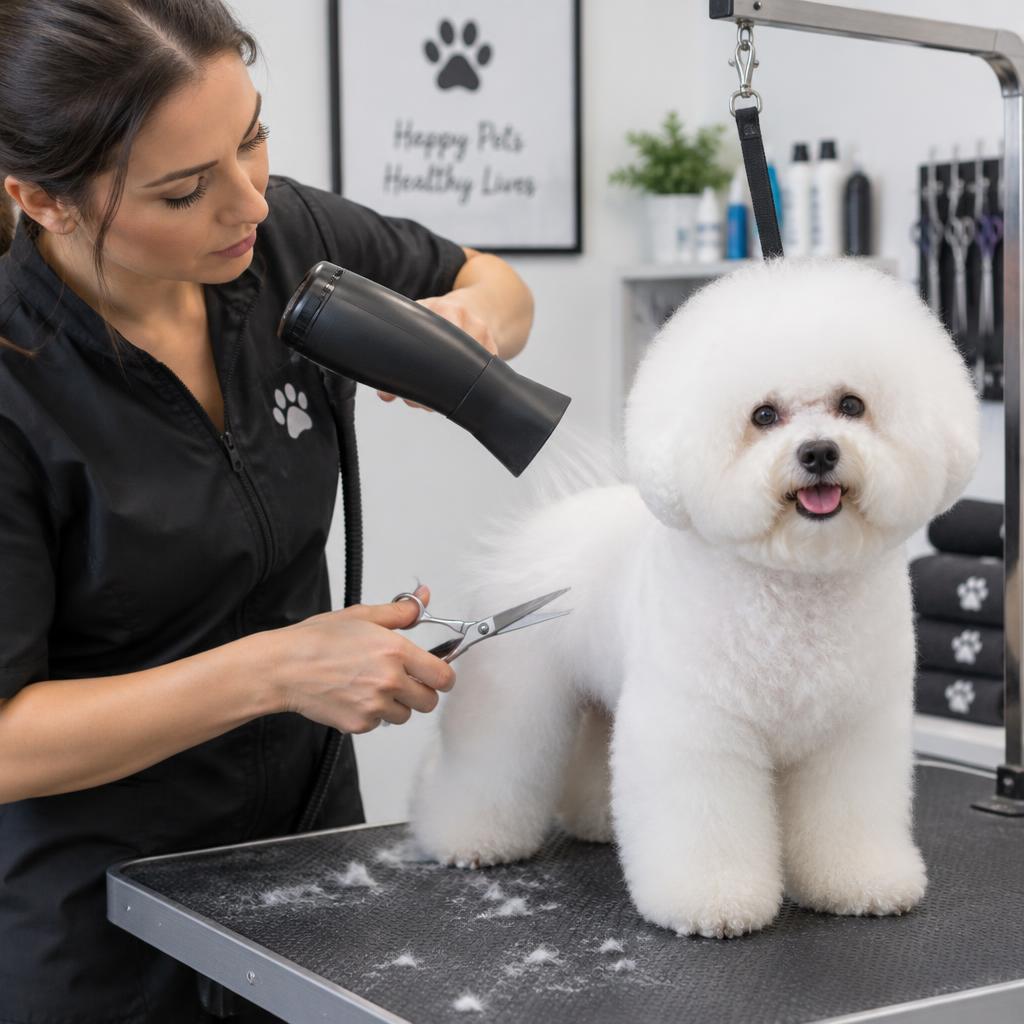
Grooming reality is the area where prospective owners most underestimate the commitment involved. The curly, dense coat mats readily if left unbrushed and requires thorough brushing several times a week right down to the skin, alongside professional grooming roughly every 4 to 6 weeks to maintain the breed's characteristic rounded shape. Owners who enjoy the look of a well groomed Bichon need to accept this as an ongoing cost and routine, not a one off styling choice.
This breed suits owners who want a cheerful, people focused companion and who can offer consistent daily company, along with those prepared to commit properly to frequent brushing and professional grooming. It does not suit owners who are out of the house for long stretches regularly, anyone hoping grooming will be occasional rather than routine, or people relying on the breed being allergy proof without first testing their own reaction. For a settled household with time to give, the Bichon Frise offers an unusually sunny, affectionate presence that rewards that investment many times over.
A sunny, sociable little companion that needs committed grooming and genuinely dislikes being left alone for long.
Exercise, day to day
- 1Puppies (8 to 20 weeks): short, gentle sessions of 5 minutes per month of age, avoiding stairs and hard jumps.
- 2Adults: 30 to 45 minutes a day split across a couple of walks, plus indoor play sessions.
- 3Alone training: build up time left alone gradually from puppyhood to reduce separation distress risk.
- 4Mental stimulation: trick training and puzzle feeders suit this playful, attention loving breed well.
- 5Social time: regular, calm introductions to visitors and other small dogs support the breed's naturally sociable nature.
Grooming, realistically
- 1Brush thoroughly several times a week, right down to the skin, to prevent matting in the dense curly coat.
- 2Book professional grooming every 4 to 6 weeks to maintain the breed's characteristic rounded shape.
- 3Clean the eye area daily, since tear staining is common on the breed's white face.
- 4Trim nails every 3 to 4 weeks and check paw pads for matting between pads.
- 5Brush teeth several times a week, as dental crowding makes this breed prone to tartar build up.
What you actually need
- Slicker brush
- Metal comb for detangling
- Dog shampoo formulated for white coats
- Eye wipes for tear staining
- Dog nail clippers
- Enzymatic dog toothpaste and brush
Puppy to adult
| Age | Male | Female | What is happening |
|---|---|---|---|
| 8 weeks | 0.9 to 1.4 kg | 0.8 to 1.3 kg | Tiny, fluffy puppy build; handle gently and begin positive socialisation early. |
| 3 months | 1.6 to 2.4 kg | 1.5 to 2.2 kg | Steady early growth; house training routines should start in earnest now. |
| 6 months | 2.8 to 3.8 kg | 2.6 to 3.5 kg | Adult coat texture begins emerging, replacing the softer puppy fluff. |
| 9 months | 3.5 to 4.6 kg | 3.2 to 4.3 kg | Close to adult height and proportion, though still filling out slightly. |
| 12 months | 4 to 5.5 kg | 3.6 to 5 kg | Nearing adult weight, with the characteristic rounded grooming shape achievable. |
| 18 months | 4.5 to 6 kg | 3 to 5 kg | Full adult size and settled, sociable adult temperament reached. |
Ranges are typical, not targets. Judge condition by ribs and waist, and check with the ideal weight checker.
What to ask a breeder
- What patella screening results can you show for both parents?
- Has either parent had ongoing issues with skin allergies or recurrent skin infections?
- How have the puppies coped with early short periods of being left alone?
- What dental care routine do you recommend given the breed's compact jaw?
- Can I meet both parents and see how they behave around visitors and other dogs?
- What grooming routine have you followed with this litter so far?
Health tests to ask for
Ask to see results for both parents before you put down a deposit.
- Patella luxation examination
- General allergy and skin history review of the line
- Dental conformation check given the breed's compact jaw
- Eye examination for tear duct and general eye health
- Hip score (BVA/KC scheme) where available
Health watch-list
What to ask a breeder about, and what to watch for over a lifetime. This is orientation, not veterinary advice, anything you notice belongs in front of a vet.
Patellar luxation
NotableA kneecap that slips out of its normal groove, which orthopaedic screening of breeding stock can help reduce; mild cases are managed, severe cases may need surgery.
Skin allergies
CommonItching, redness or recurrent skin infections are commonly reported in the breed; a vet can help identify dietary or environmental triggers.
Dental crowding
CommonThe breed's small, compact jaw makes crowded teeth and tartar build up likely; regular brushing and veterinary dental checks are genuinely important.
Tear staining
CommonPersistent staining around the eyes from excess tear production, usually managed with daily cleaning rather than being a serious health concern.
Bladder stones
UncommonMineral deposits that can form in the urinary tract; prompt veterinary attention to straining or changes in urination is important.
Separation related distress
CommonA strong dislike of being left alone that can cause barking, whining or destructive chewing; gradual alone training from puppyhood reduces the risk considerably.
What it costs to keep one
Realistic running cost
€81 / month
About €972 a year, or roughly €13,608 across a 14-year life, before purchase price, neutering and one-off vet events.
Before the puppy arrives. Budget roughly €300 to 600 for a crate, bed, lead and harness, bowls, puppy classes, first vaccinations and grooming kit sized for this breed. Figures throughout are indicative and vary a good deal between countries.
Interactive · built for this breed
Is a Bichon Frise right for your home?
Seven honest questions about your space, time and household, checked against this breed's exercise need, coat, sociability and tolerance for time alone.
Fit with your routine
97%
A strong fit
Your routine suits a Bichon Frise well. Meet adult dogs of the line before you commit.
What to sort out first
- Coat needs more brushing or trimming than you have allowed.
Working in your favour
- Your daily walking comfortably covers this breed's exercise need.
Compare more breeds in the matchmaker, or plan meals with the portion calculator.
The verdict, by household
First-time owner
A strong choice
Eager to please and food motivated, making basic training achievable, though grooming commitment should not be underestimated.
Family with children
A good match
Generally patient and playful with children who can handle a small dog gently during play.
Active single or couple
Workable with planning
Modest exercise needs suit a less active lifestyle, but the breed still needs consistent daily company.
Owner in a flat with close neighbours
An excellent match
Small size and low exercise needs suit flat living well, provided barking from separation distress is managed early.
When to call your vet
- Persistent scratching, redness or recurrent skin infections, which may indicate allergies
- Sudden lameness or skipping a hind leg, which could point to patella issues
- Excessive tear staining or discharge around the eyes, worth monitoring and cleaning daily
- Bad breath, loose teeth or visible tartar, given the breed's dental crowding risk
- Excessive barking, whining or destructive chewing when left alone, suggesting separation distress
Nothing here is a diagnosis. A swollen, hard belly with retching, collapse, breathing difficulty and sudden hind-leg weakness are emergencies: go straight away.
Bichon Frise vs the closest alternatives
| Breed | Weight | Energy | Grooming | € / month |
|---|---|---|---|---|
| Bichon Frise | 3 to 6 kg | 5/10 | 9/10 | €81 |
| Cockapoo | 4.5 to 11 kg | 6/10 | 8/10 | €163 |
| Maltipoo | 2.5 to 7 kg | 5/10 | 8/10 | €138 |
| Old English Sheepdog | 27 to 45 kg | 7/10 | 10/10 | €265 |
Bichon Frise questions, answered
What is the temperament of a Bichon Frise?
Bichon Frises are cheerful, sociable and notably playful, often described as performing for an audience once they sense an appreciative response. They bond closely with every member of the household and generally extend that warmth to visitors, children and other dogs with genuine enthusiasm.
How big do Bichon Frises get?
Males typically weigh 4 to 6 kg and females 3 to 5 kg, standing around 23 to 30 cm at the shoulder. They are classed as a small toy breed with a sturdy, rounded build, reaching full adult size by around fourteen months old.
Do Bichon Frises shed a lot?
They shed very little, which has earned the breed a reputation as hypoallergenic, though no dog is truly non allergenic since reactions can be triggered by skin and saliva proteins too. The dense curly coat mats readily without frequent, thorough brushing several times a week.
How much exercise does a Bichon Frise need?
Around 30 to 45 minutes a day split across a couple of walks, supplemented by indoor play sessions. This modest requirement makes the breed a genuinely practical choice for owners without access to large outdoor space or a very active lifestyle.
Are Bichon Frises good with children?
Yes, they are generally patient and playful with children who can handle a small dog gently, and their sociable nature makes them easy going around a busy family household. As with any small breed, play should be supervised to avoid accidental rough handling.
What health problems are common in Bichon Frises?
Skin allergies, patellar luxation and dental crowding from the breed's compact jaw are the main considerations, alongside tear staining, occasional bladder stones and a tendency toward separation related distress. Regular grooming, dental care and gradual alone training all help manage these issues over a lifetime.
How much does it cost to own a Bichon Frise?
Monthly costs typically include around 18 euros for food, 20 euros for insurance and a notably higher 35 euros for professional grooming every few weeks, alongside an initial setup cost of roughly 300 to 600 euros. Grooming is the ongoing expense new owners most often underestimate.
Sources
- Bichon Frise breed standard, The Kennel Club
- Bichon Frise breed information, American Kennel Club
- Patella screening scheme, British Veterinary Association
- Skin allergies in dogs, PDSA
- Dental disease in dogs, PDSA
Put it into practice
Reading that goes with this

Puppies
Crate Training a Puppy: A 14-Day Plan

Health
Dog Ear Infections: Signs, Causes and Treatment

Health
Why Is My Dog Shaking? Causes and When to Worry

Health
Why Do Dogs Lick Their Paws? Causes and Fixes

Care
Dog Years to Human Years: The Real Science
Health
Fleas on Dogs: How to Spot, Treat and Prevent Them
Breeds people compare with this
Cockapoo
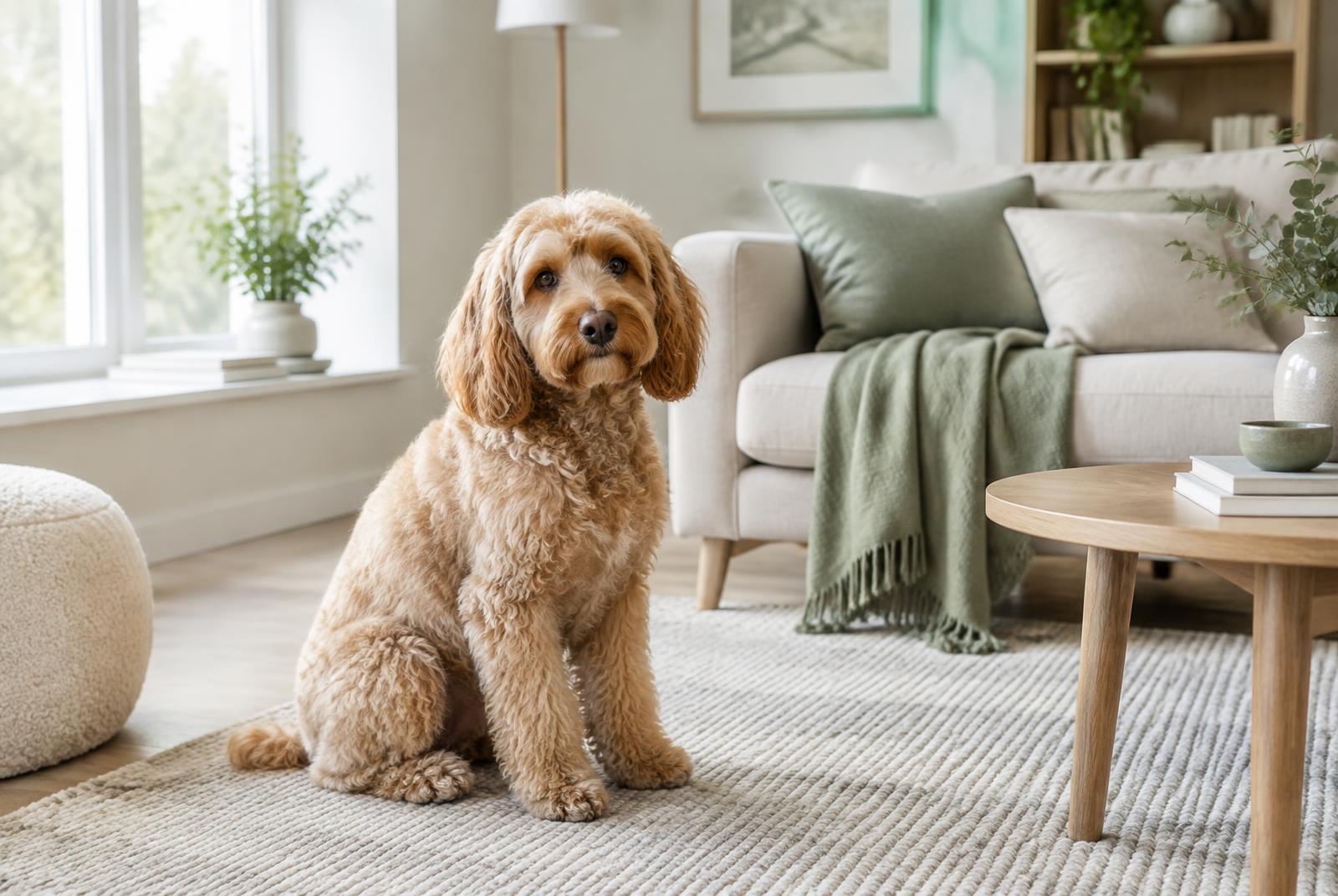
An affectionate Cocker Spaniel and Poodle cross where coat, size and energy vary litter to litter, so no two Cockapoos are quite alike.
Maltipoo
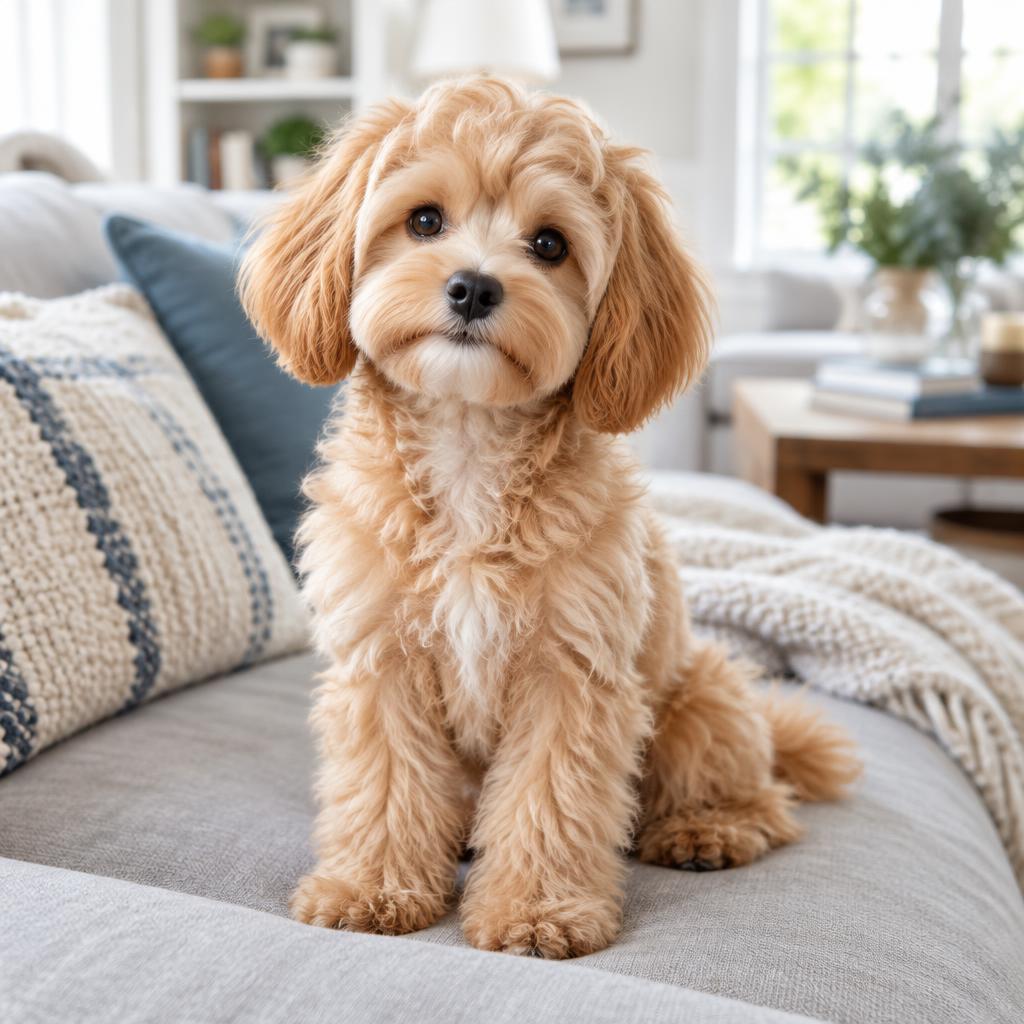
The Maltese-Poodle cross built for laps, flats and low-shedding coats.
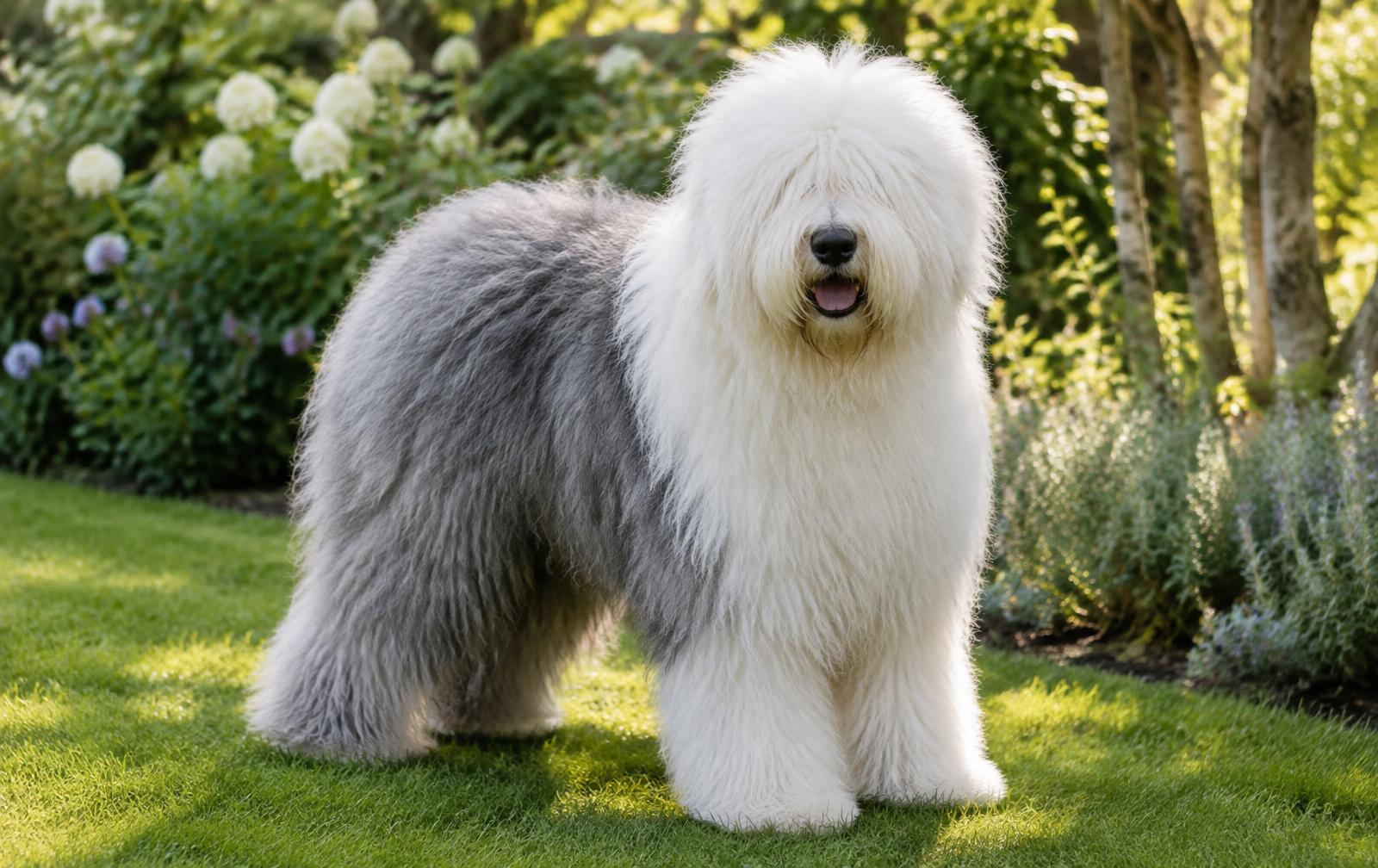
Old English Sheepdog
The shaggy clown with a bear-like roll and a herder's heart.