
Pastoral group
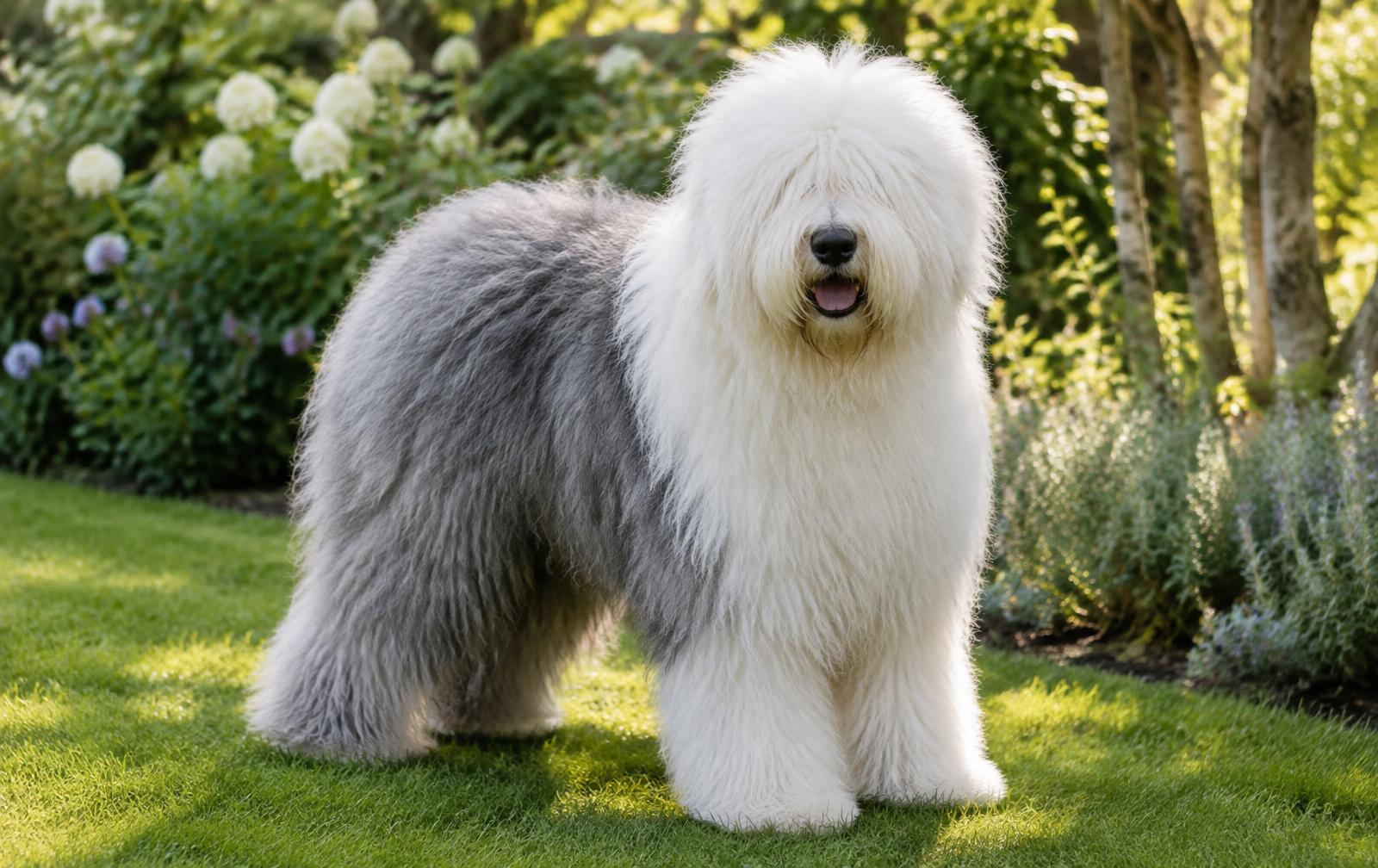
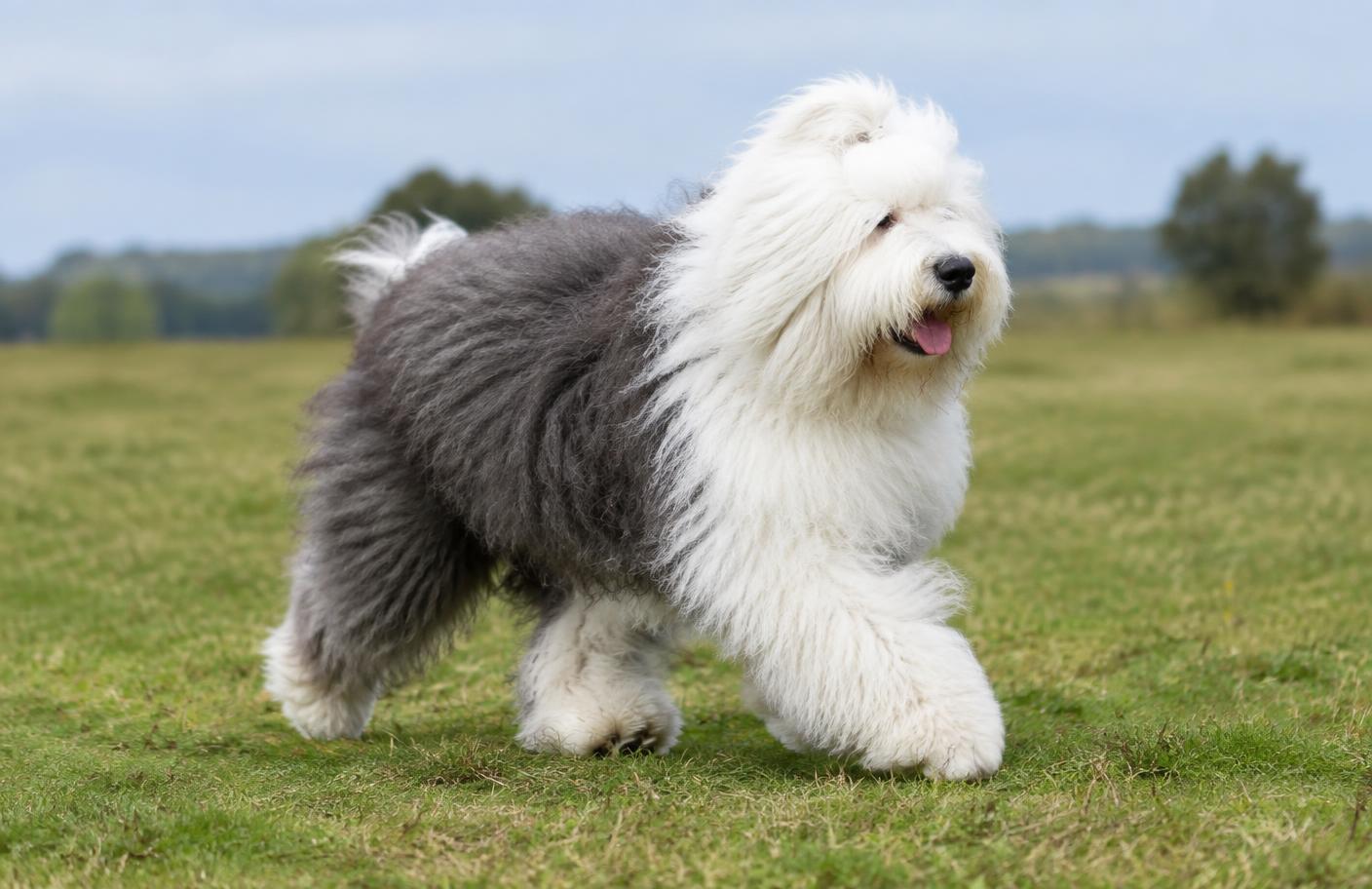
Developed in the west of England in the early nineteenth century to drive cattle and sheep to market. The docked tail that once marked it as a working drover's dog earned it the nickname Bobtail.
Old English Sheepdog
The Old English Sheepdog is a large, shaggy herding breed whose famous coat is a part-time job, whose herding instinct extends to children, and whose cheerful nature hides real grooming and exercise commitments.
Reviewed by the SniffScroll editorial desk
The shaggy clown with a bear-like roll and a herder's heart.
The short version
- The full coat needs thorough brushing several times a week down to the skin, or a regular short trim from a groomer; there is no low-effort version.
- Herding instinct means many will bump and gather children and pets, which needs training and supervision around small children.
- Adults need at least an hour of proper exercise daily despite the laid-back appearance.
- Puppies should have a BAER hearing test, and parents should be hip scored and eye tested.
- A people-loving breed that copes poorly with long days alone and has a bark that carries.
- Weight
- 27 to 45 kg
- Height
- 53 to 61 cm
- Lifespan
- 10 to 12 yrs
- Size
- Large
- Group
- Pastoral
- Coat
- Long, dense, shaggy double coat in grey, grizzle, blue or blue merle with white
- Grown male
- 32 to 45 kg
- Grown female
- 27 to 36 kg
- Years to full size
- about 2
- One-off setup
- €900 to 1600
Get one if…
- Families with children old enough to enjoy a large, boisterous, affectionate dog
- Owners who genuinely enjoy grooming or will budget for a professional groomer every six to eight weeks
- Households with a garden and time for a proper daily walk whatever the weather
- People at home most of the day who want a constant, comical companion
- Owners who find the breed's independence and humour charming rather than frustrating
Think again if…
- Anyone wanting a low-maintenance coat; mats form fast and clipping out a felted coat is miserable for dog and owner
- Flats or small homes without easy outdoor access
- Households out at work all day with no dog care arrangement
- Fastidious housekeepers; the coat brings the outdoors in
- First-time owners wanting an easy, biddable starter dog
Trait profile
Bred to move stock all day, the Old English Sheepdog combines real stamina with a clownish, people-loving nature. The herding instinct is still there: many will gently bump, circle or gather children and other pets, which is charming at six months and needs channelling by six stone.
Space & setup. A large, shaggy dog that copes badly in small flats; it needs a house with a garden and enough indoor space for a dog the size of a small sofa to stretch out without knocking things over.
Allergies. The heavy double coat sheds moderately but traps dander and brings in pollen and mud from outside, so it is a poor choice for households with significant allergy concerns.
Living with a Old English Sheepdog
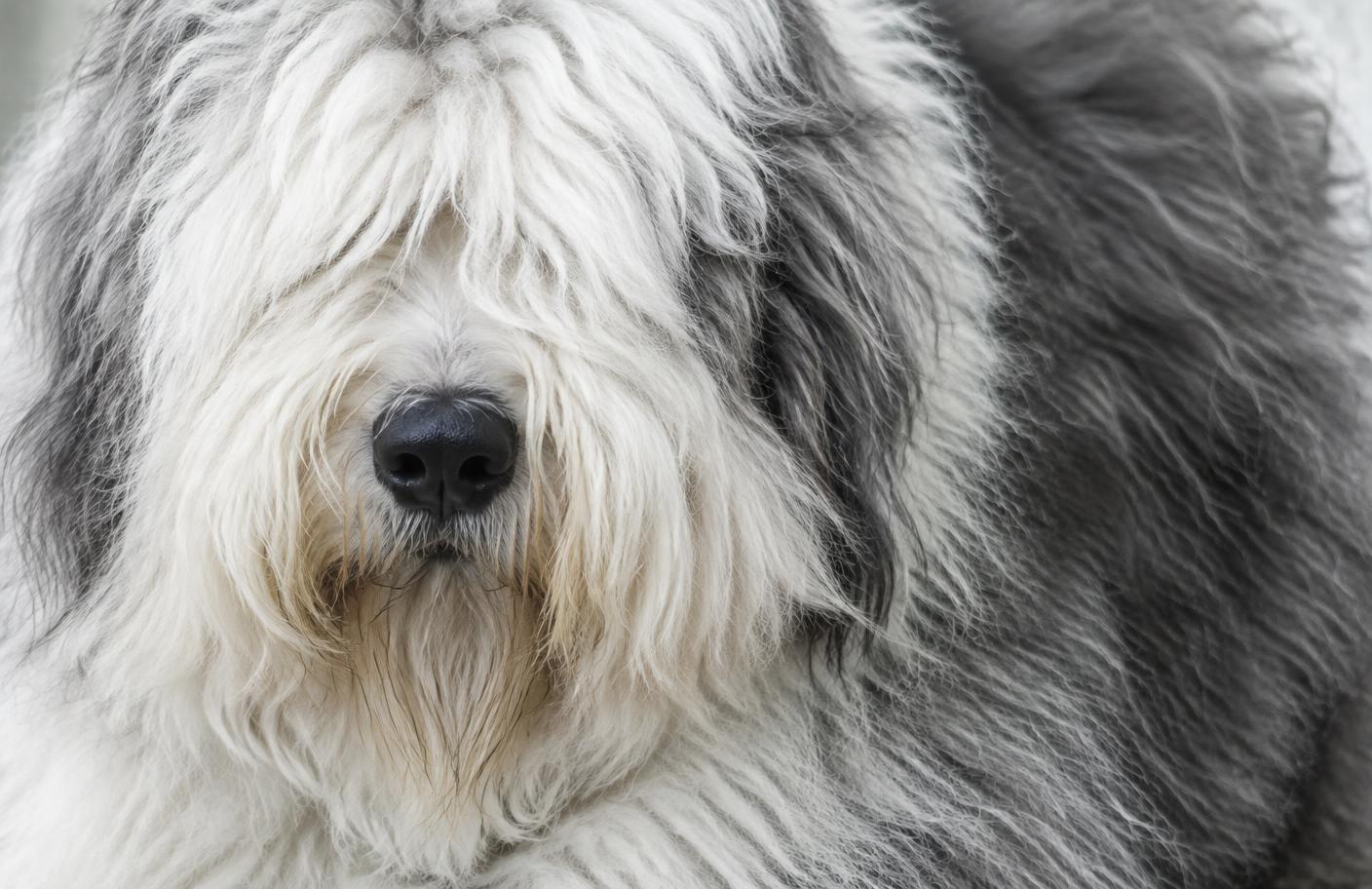
The Old English Sheepdog is a large British herding breed, instantly recognisable for its shaggy grey and white coat and hair-covered eyes. Behind the comic appearance is a capable drover's dog: affectionate, playful and gentle with family, but needing daily exercise, early training and one of the heaviest grooming commitments of any breed.
The Old English Sheepdog emerged in the early nineteenth century in the west of England, where drovers needed a dog that could move cattle and sheep along the roads to market towns and hold its own over long distances in all weathers. The dense, weatherproof double coat and the steady, rolling gait that enthusiasts describe as bear-like both come from that working past, and the docked tail that historically marked a working dog exempt from tax gave the breed its old nickname, the Bobtail. It became a show dog and later a household name through advertising, which did the breed no favours: a generation of owners fell for the shaggy image without grasping what living with it involves.
At home the breed is affectionate, gentle and genuinely funny, with a strong attachment to its people and a well-earned reputation for patience with children. The caveat is the herding instinct, which has never gone away. Many Old English Sheepdogs will circle, bump and gather children, visitors and other pets, and an adolescent dog doing this at thirty kilos or more can flatten a toddler without meaning any harm at all. Early training, calm boundaries and supervised play with small children matter. The breed is intelligent and learns quickly, but it has an independent streak and a sense of humour about obedience, so training works best when it is consistent, reward based and kept interesting rather than repetitive.
Exercise needs are moderate to substantial: an adult needs a good hour or more each day, and the breed enjoys long walks, free running in secure areas and anything that involves its people. It is not a sprint athlete like a collie, but it has real stamina and becomes bored and vocal without enough to do. Alone tolerance is limited; this is a people dog that wants to be where the family is, and long days alone tend to produce barking and chewing. The deep, ringing bark is part of the package and carries further than new owners expect.
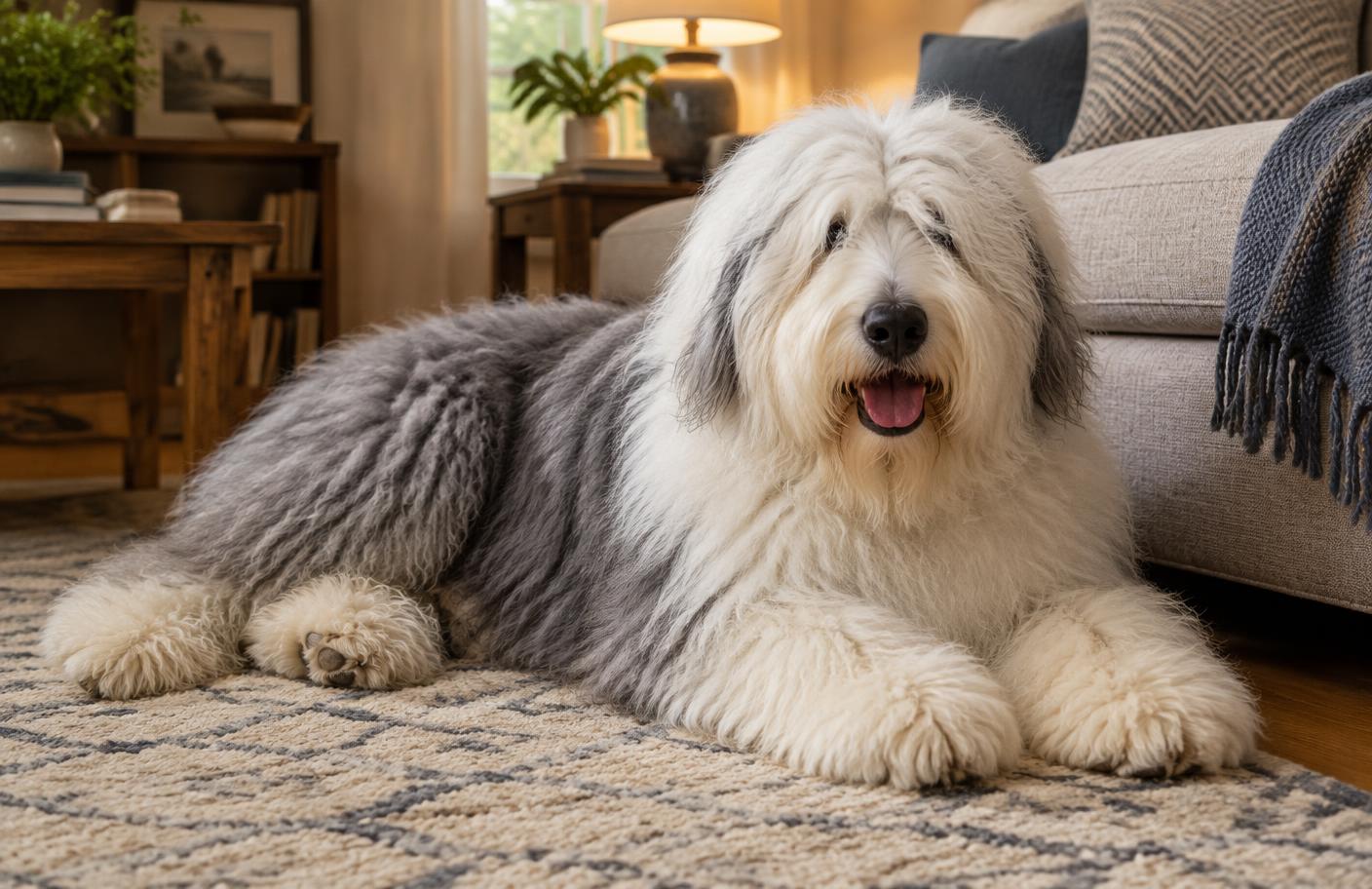
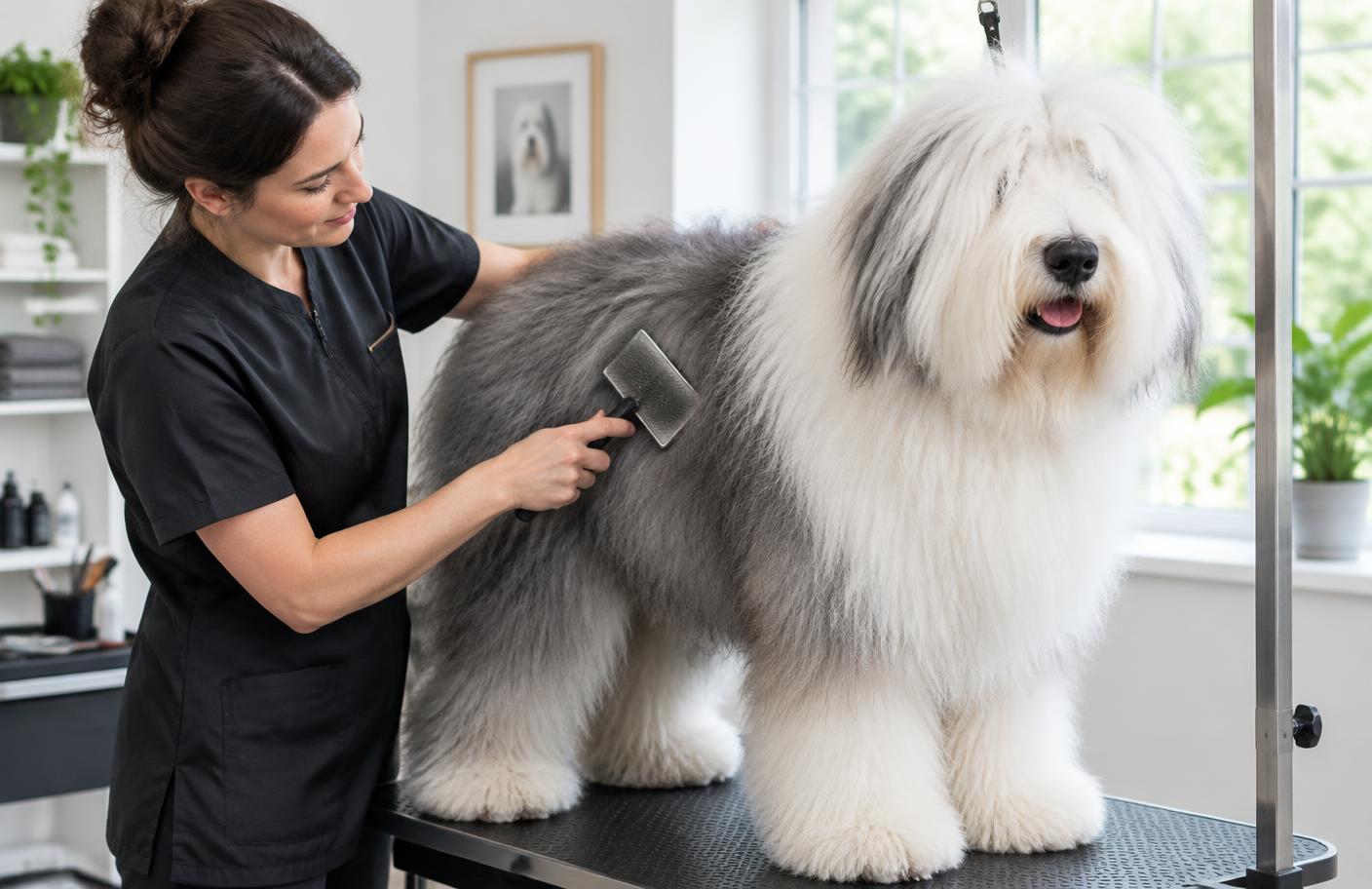
The coat is the defining commitment and deserves honesty. A full Old English Sheepdog coat needs thorough brushing several times a week, right down to the skin, or it mats into felted clumps that have to be clipped out. Many pet owners sensibly keep the dog in a shorter trim, which trades some of the look for a manageable routine, but even a clipped dog needs regular professional grooming and the coat still collects mud, leaves and everything it walks past. Budget either several hours a week with a slicker and comb or a regular appointment with a groomer who knows the breed, and expect both the time and the cost to be significant.
Health-wise the breed is reasonably robust for its size, with a typical lifespan of ten to twelve years. Hip dysplasia is the main orthopaedic concern, and responsible breeders score breeding stock. Eye conditions including cataracts and progressive retinal atrophy occur, so annual eye examinations are sensible, and congenital deafness appears often enough that puppies should have a BAER hearing test before leaving the breeder. Like other deep-chested large breeds it is at risk of bloat, so feeding two smaller meals and avoiding vigorous exercise around mealtimes is standard practice. Choose a breeder who health tests, keep the dog lean to protect its joints, and you have a gentle, comical companion unlike anything else on the lead.
A wonderful family dog for the right home, but the coat is a genuine lifestyle commitment and the exercise needs are easy to underestimate under all that hair.
Exercise, day to day
- 1Puppies (8 to 20 weeks): short, gentle play sessions and garden exploring, avoiding stairs and jumping while joints develop.
- 2Adolescents (4 to 12 months): gradually lengthening walks, no forced running until growth plates close.
- 3Adults: at least an hour a day, mixing steady walks with free running in secure areas.
- 4Mental work: training games, scent work and herding-style activities suit the breed's working brain.
- 5Heat care: the heavy coat means summer exercise should happen early or late in the day.
Grooming, realistically
- 1Brush thoroughly three to four times a week with a slicker and metal comb, working down to the skin in sections.
- 2Check behind ears, armpits and trousers daily for forming mats, and tease them out early.
- 3Bathe every six to eight weeks or as needed, drying the dense coat fully to prevent skin problems.
- 4Book a professional groom every six to eight weeks, or keep the dog in a practical shorter trim.
- 5Trim nails every three to four weeks and check ears weekly under all that hair.
What you actually need
- Slicker brush
- Long-toothed metal comb
- Dematting tool for emergencies
- Dog nail clippers
- Ear cleaning solution
- High-velocity or powerful pet dryer
- Enzymatic dog toothpaste and brush
Puppy to adult
| Age | Male | Female | What is happening |
|---|---|---|---|
| 8 weeks | 5 to 7 kg | 4.5 to 6.5 kg | A ball of fluff; coat care habits and gentle handling practice start now. |
| 3 months | 11 to 15 kg | 10 to 13 kg | Rapid early growth; keep exercise to short, gentle play while joints develop. |
| 6 months | 20 to 27 kg | 17 to 23 kg | Adolescent herding behaviour often appears; consistent training matters now. |
| 9 months | 25 to 33 kg | 21 to 28 kg | Approaching adult height, frame still filling out. |
| 12 months | 28 to 38 kg | 24 to 32 kg | Adult coat coming in; grooming demands step up noticeably. |
| 24 months | 32 to 45 kg | 27 to 36 kg | Full adult size, coat and maturity reached. |
Ranges are typical, not targets. Judge condition by ribs and waist, and check with the ideal weight checker.
What to ask a breeder
- Can I see the BAER hearing test results for this puppy?
- What are the hip scores of both parents, and have they had recent eye examinations?
- How do you socialise the puppies before they leave?
- What grooming routine do you recommend, and can you show me how to line brush?
- What is the temperament of the parents like, particularly around children and strangers?
Health tests to ask for
Ask to see results for both parents before you put down a deposit.
- Hip scores for both parents
- Annual eye examination by a veterinary ophthalmologist
- BAER hearing test for every puppy before sale
- Thyroid panel in middle age if coat or weight changes appear
- Weight management to protect joints in a heavy breed
Health watch-list
What to ask a breeder about, and what to watch for over a lifetime. This is orientation, not veterinary advice, anything you notice belongs in front of a vet.
Hip dysplasia
CommonThe main orthopaedic concern in the breed. Both parents should be hip scored, and keeping the dog lean through growth protects the joints.
Cataracts and progressive retinal atrophy
NotableInherited eye conditions occur in the breed. Annual eye examinations catch changes early, and breeding stock should be tested.
Congenital deafness
NotableAppears often enough that every puppy should have a BAER hearing test before leaving the breeder.
Gastric dilatation-volvulus (bloat)
NotableA risk in deep-chested large breeds. Feed two smaller meals, avoid exercise around mealtimes and learn the emergency signs.
Hypothyroidism
Common with ageCan appear in middle age as weight gain, lethargy or coat changes. Easily managed once diagnosed with a blood test.
Skin problems under the coat
CommonHot spots and dermatitis hide under the dense coat, especially if the dog is dried poorly after baths or mats are left to form.
What it costs to keep one
Realistic running cost
€265 / month
About €3,180 a year, or roughly €34,980 across a 11-year life, before purchase price, neutering and one-off vet events.
Before the puppy arrives. Budget roughly €900 to 1600 for a crate, bed, lead and harness, bowls, puppy classes, first vaccinations and grooming kit sized for this breed. Figures throughout are indicative and vary a good deal between countries.
Interactive · built for this breed
Is a Old English Sheepdog right for your home?
Seven honest questions about your space, time and household, checked against this breed's exercise need, coat, sociability and tolerance for time alone.
Fit with your routine
92%
A strong fit
Your routine suits a Old English Sheepdog well. Meet adult dogs of the line before you commit.
What to sort out first
- Needs more daily exercise than you have pencilled in.
- Coat needs more brushing or trimming than you have allowed.
Compare more breeds in the matchmaker, or plan meals with the portion calculator.
The verdict, by household
Possible but demanding
The grooming load and independent streak surprise many beginners; doable with grooming help and training classes.
Excellent with older children
Gentle and playful, but supervise with toddlers and train out herding bumps early.
Good match
A cheerful companion for long walks, provided the coat routine is taken seriously.
Poor fit
Too large for small spaces and the ringing bark carries through walls.
When to call your vet
- Reluctance to rise, stiffness after rest or bunny-hopping, which can signal hip problems
- Cloudiness in the eyes, bumping into furniture or night hesitation, which warrant an eye check
- A swollen, tight abdomen, unproductive retching or restlessness, which is a bloat emergency
- No response to sounds, which may indicate hearing loss
- Head shaking or odour from the ears under the heavy hair
Nothing here is a diagnosis. A swollen, hard belly with retching, collapse, breathing difficulty and sudden hind-leg weakness are emergencies: go straight away.
Old English Sheepdog vs the closest alternatives
| Breed | Weight | Energy | Grooming | € / month |
|---|---|---|---|---|
| Old English Sheepdog | 27 to 45 kg | 7/10 | 10/10 | €265 |
| Bichon Frise | 3 to 6 kg | 5/10 | 9/10 | €81 |
| Cockapoo | 4.5 to 11 kg | 6/10 | 8/10 | €163 |
| Schnoodle | 9 to 30 kg | 7/10 | 7/10 | €104 |
Old English Sheepdog questions, answered
How much grooming does an Old English Sheepdog need?
A lot. The full coat needs thorough brushing three to four times a week, working down to the skin, plus a professional groom every six to eight weeks. Many pet owners keep the dog in a shorter trim, which is far more manageable but still needs regular attention.
Are Old English Sheepdogs good with children?
Generally excellent: they are gentle, patient and playful. The caveat is the herding instinct, which leads many to bump and gather small children, so supervision and early training are important, especially while the dog is young and boisterous.
How much exercise does an Old English Sheepdog need?
At least an hour a day for a healthy adult, mixing steady walks with free running in secure areas. The shaggy look hides a working drover's dog with real stamina.
Do Old English Sheepdogs shed?
Yes, moderately, though much of the shed hair stays trapped in the coat, which is exactly why mats form so quickly. Regular brushing removes it before it felts.
How long do Old English Sheepdogs live?
Typically ten to twelve years, which is respectable for a large breed. Keeping the dog lean, health testing the parents and staying on top of coat and skin care all support a long, comfortable life.
Can an Old English Sheepdog live in a flat?
It is not recommended. This is a large dog that needs space indoors, a garden, and tolerant neighbours, because the deep, ringing bark carries. A house with outdoor access suits the breed far better.
Are Old English Sheepdogs easy to train?
They are intelligent and learn quickly, but they have an independent streak and a sense of humour about obedience. Consistent, reward-based training with plenty of variety works far better than repetition or heavy-handed methods.
Sources
Breeds people compare with this
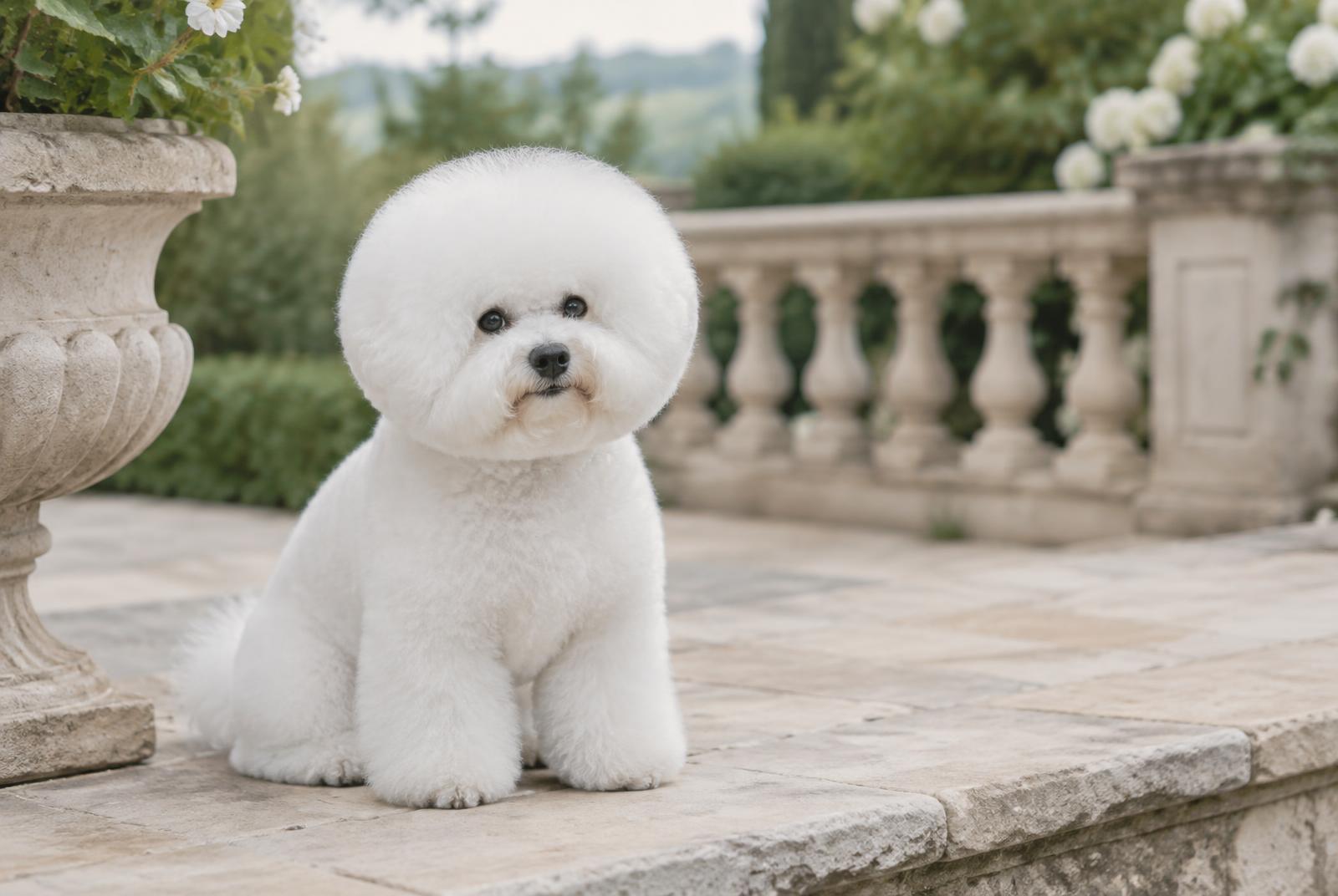
Bichon Frise
A cheerful, curly coated companion bred purely to be good company, and happiest never left alone for long.
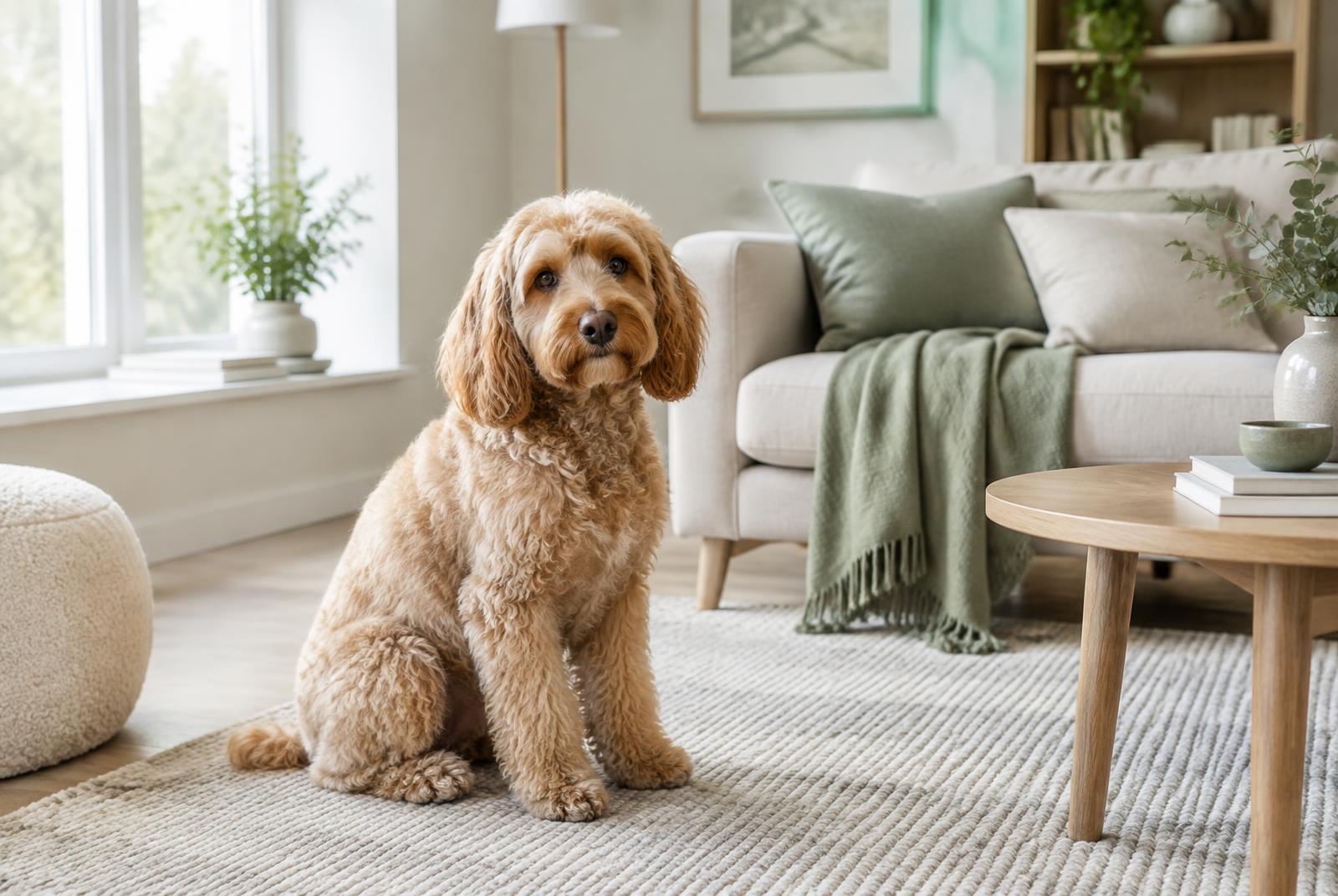
Cockapoo
An affectionate Cocker Spaniel and Poodle cross where coat, size and energy vary litter to litter, so no two Cockapoos are quite alike.
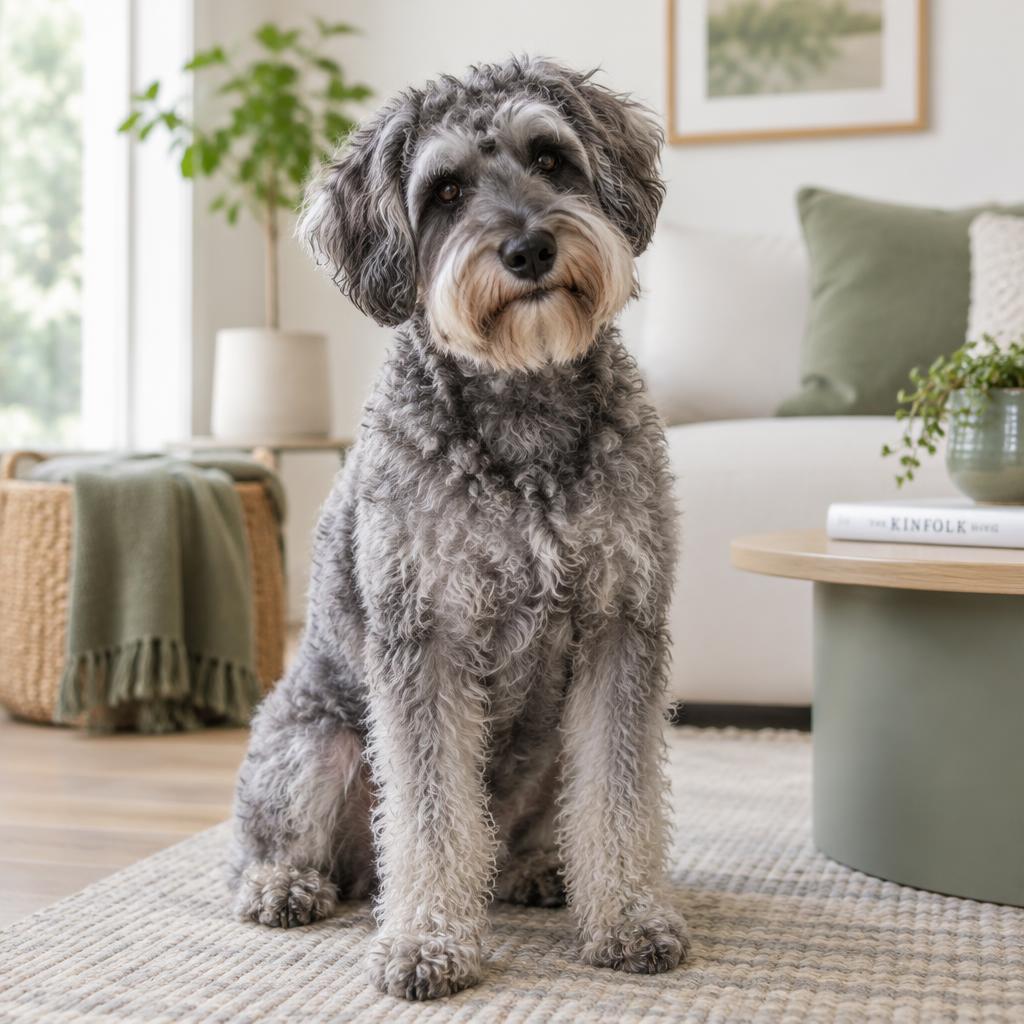
Schnoodle
The bearded brainbox in a curly coat