
Crossbreed group
United States, popularised in the United Kingdom
Cockapoo
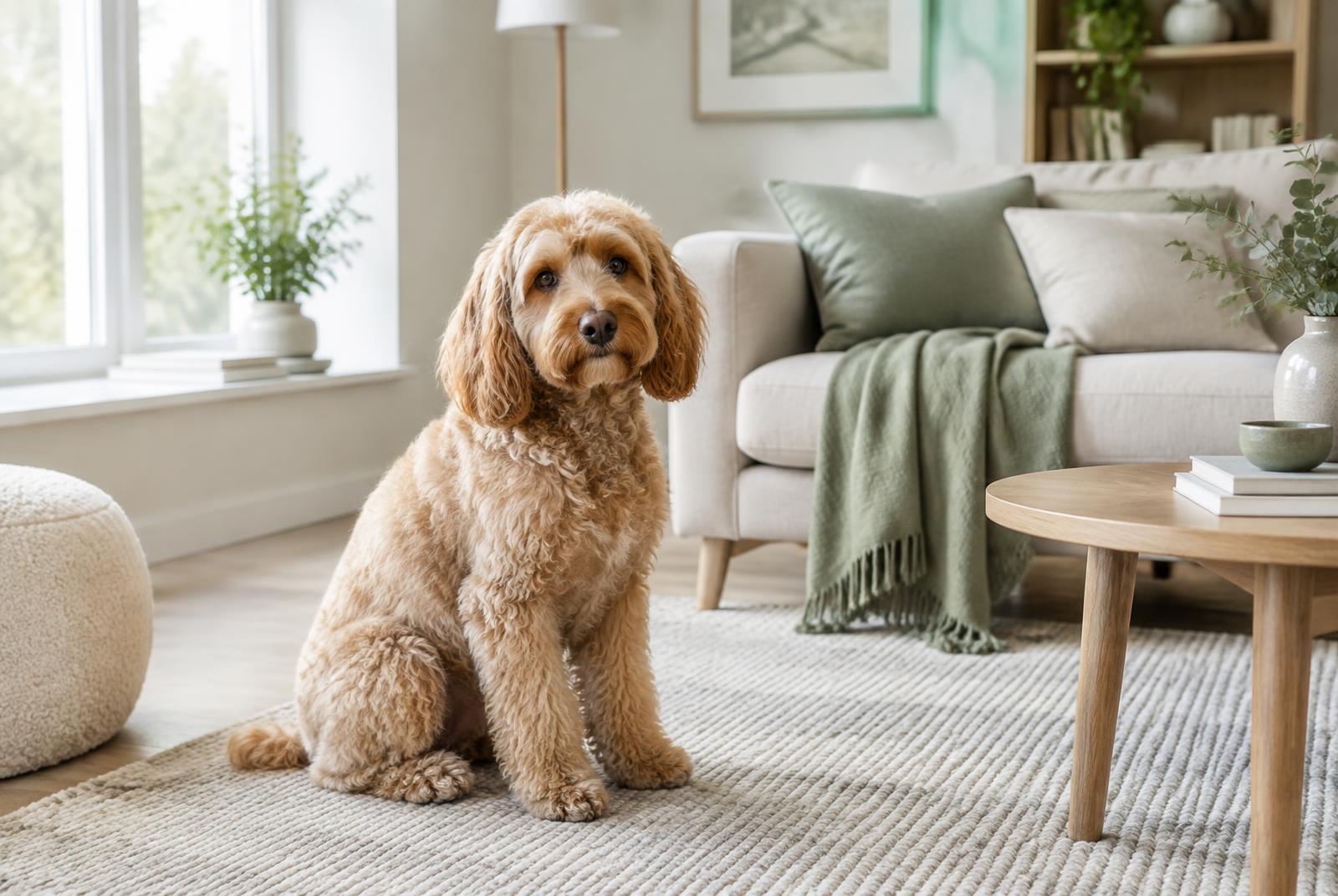
The Cockapoo crosses the Cocker Spaniel with the Poodle to produce an affectionate companion whose coat, size and energy depend heavily on which parent traits come through.
Dr Emma Whitfield, MRCVS
An affectionate Cocker Spaniel and Poodle cross where coat, size and energy vary litter to litter, so no two Cockapoos are quite alike.
The short version
- No two Cockapoos are alike: coat, size and energy vary considerably depending on the individual parents involved.
- The low allergy reputation is a gamble rather than a guarantee, since shedding and dander depend on inherited coat type.
- Grooming is a significant ongoing cost, especially for curlier coated dogs, and is often underestimated by new owners.
- Cockapoos are affectionate and sociable but can struggle with being left alone without gradual training.
- Health testing both parent breeds, Cocker Spaniel and Poodle, meaningfully reduces the risk of inherited conditions.
- Exercise needs range from moderate to fairly high depending on which parent's energy the puppy takes after.
- Weight
- 4.5 to 11 kg
- Height
- 25 to 38 cm
- Lifespan
- 12 to 15 yrs
- Size
- Small to Medium
- Group
- Crossbreed
- Coat
- Variable, from loose waves to tight curls to a flatter spaniel type coat
- Grown male
- 5 to 11 kg
- Grown female
- 4.5 to 10 kg
- Years to full size
- about 1.2
- One-off setup
- €350 to 700
Get one if…
- Owners wanting an affectionate, people focused companion that bonds closely with the family
- Households able to commit to regular professional grooming regardless of coat type
- Families realistic that allergy friendliness is a possibility rather than a certainty
- Owners willing to ask breeders for health test results on both parent breeds
- People able to offer consistent daily company and gradual alone training from puppyhood
Think again if…
- Anyone choosing a Cockapoo purely to avoid grooming costs
- Allergy sufferers relying on reputation alone rather than testing their own reaction first
- Households that cannot offer much daily company or structured alone training
- Buyers unwilling to ask for health certificates on both the Cocker Spaniel and Poodle parent
- Owners expecting a fixed, predictable size and coat type before the puppy is grown
Trait profile
The Cockapoo blends Cocker Spaniel enthusiasm with Poodle intelligence, which usually makes for a biddable, affectionate dog, though exactly how much energy and independence show through varies by individual litter.
Space & setup. Smaller, less active Cockapoos can suit a flat reasonably well, but larger or more spaniel leaning dogs need more room and daily exercise than compact living allows comfortably.
Allergies. Cockapoos are often marketed as low allergy because of the Poodle parent, but how much of that trait a puppy inherits is unpredictable, and no dog is truly non allergenic since skin and saliva proteins also trigger reactions.
Living with a Cockapoo
The Cockapoo is a crossbreed between the Cocker Spaniel and the Poodle, first developed in the United States and now hugely popular in Britain. It is known for a friendly, sociable temperament, but its coat, size and energy depend heavily on which traits each puppy inherits from its parents.
The Cockapoo is one of Britain's most popular crossbreeds, a deliberate pairing of the Cocker Spaniel and the Poodle that began in the United States in the 1960s and took off in the UK over the last two decades. It was never bred to a fixed standard in the way Kennel Club breeds are, and that is the single most important thing to understand before bringing one home: a Cockapoo is a blend of two quite different parent breeds, and the result varies considerably from litter to litter and even within the same litter.
The phrase "no two are alike" is not marketing gloss, it is simply true. Coat can range from loose waves to tight Poodle curls to something closer to a flat spaniel coat, depending on which genes dominate. Size swings from around 4.5 kg toy types bred from Toy or Miniature Poodles up past 11 kg for larger, spaniel leaning dogs. Energy levels follow the same pattern: some Cockapoos are biddable and fairly settled indoors, others carry the Cocker Spaniel's enthusiasm for activity and need proper daily exercise to stay content. Anyone choosing a Cockapoo should ask the breeder detailed questions about the specific parents involved rather than relying on generic breed descriptions found online, because those descriptions genuinely do not apply evenly across the crossbreed.
Temperament tends toward the affectionate and sociable, drawing on the friendliness of both parent breeds. Cockapoos are usually eager to please, generally good with children and other dogs, and often described as devoted companions who want to be wherever their people are. That devotion has a flip side: many Cockapoos struggle with being left alone for long periods and can develop separation related barking or chewing if alone training is skipped in puppyhood. This is a breed that wants company, not a dog suited to an empty house for nine hours a day.
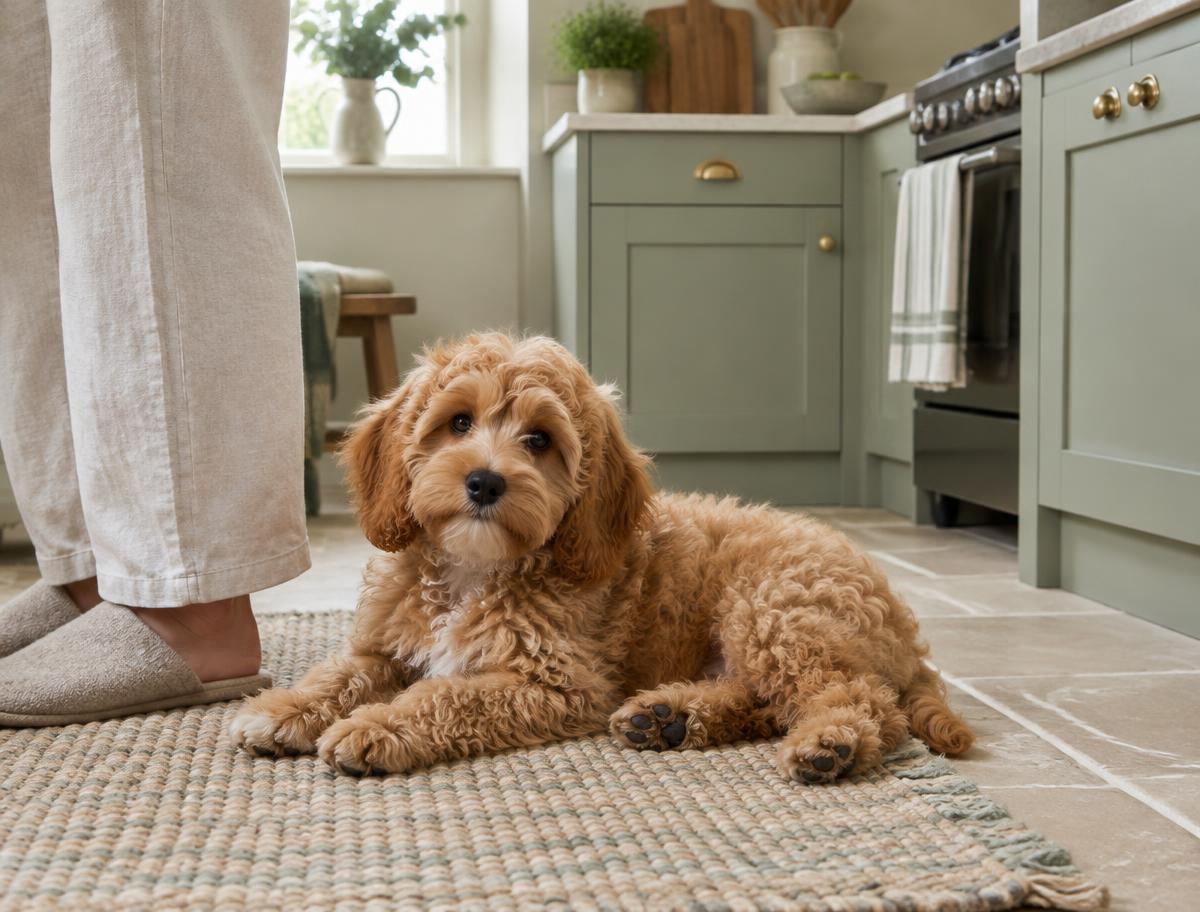
The low allergy claim attached to Cockapoos deserves a properly honest treatment, because it is the main reason many families choose the breed and it is also the main area where expectations and reality part ways. Poodles shed very little and their coat type can reduce the airborne dander that triggers reactions in some allergy sufferers, but a Cockapoo inherits only a portion of that trait, and which portion depends entirely on individual genetics. A spaniel coated Cockapoo will shed close to a full coated Cocker Spaniel. Even the curlier, more Poodle like puppies offer no guarantee, since allergens come from skin and saliva proteins as well as loose hair. Families with a genuine allergy in the household should treat any low allergy claim as a gamble rather than a promise, and should ideally spend real time with the specific puppy, or at least a parent with a similar coat type, before committing.
Grooming is the hidden cost that catches a lot of new owners out. A curlier coated Cockapoo mats just as readily as a Poodle and needs brushing several times a week plus a professional groom roughly every six weeks, often at a similar price to grooming a full Poodle. Owners who pick a Cockapoo expecting an easy, wash and go coat because it is "only half Poodle" are usually disappointed, since the curlier the coat, the more grooming work it demands, not less.
Health wise, because the Cockapoo is a first or multi generation cross rather than a line bred pedigree, it can draw on a wider gene pool, which sometimes reduces the frequency of conditions concentrated in either parent breed through hybrid vigour. That benefit only holds, however, if both parent breeds have been properly health tested, since a Cockapoo can just as easily inherit a known Cocker Spaniel or Poodle condition as avoid it. Conditions worth screening for include progressive retinal atrophy and hereditary cataracts carried through the Poodle and Cocker Spaniel lines, hip dysplasia, patellar luxation and ear infections linked to the breed's floppy ears and often dense ear hair. Anyone buying a Cockapoo puppy should ask to see health certificates for both parents, not just one, and should be wary of breeders who cannot produce any screening paperwork at all.
Exercise needs sit in the moderate range overall but genuinely depend on which parent the dog takes after, so plan for 45 to 60 minutes a day and be ready to adjust upward if the Cocker Spaniel side comes through strongly. Training tends to go well given the intelligence of both parent breeds, and most Cockapoos respond nicely to reward based methods, though consistency matters since some lines can be a little stubborn.
This breed suits families and individuals who want an affectionate, sociable dog, who can commit to regular professional grooming regardless of coat type, and who are realistic that allergy friendliness is a possibility rather than a guarantee. It does not suit anyone choosing a Cockapoo purely to avoid grooming costs, households that cannot offer much daily company, or allergy sufferers unwilling to test their reaction to the actual puppy first. Chosen from a breeder who tests both parents and described honestly rather than romantically, the Cockapoo can be a genuinely rewarding companion, but it pays to go in with eyes open about the variation built into every litter.
A warm, people focused crossbreed whose coat, size and allergy friendliness vary from dog to dog, so grooming and health testing both deserve real attention.
Exercise, day to day
- 1Puppies (8 to 20 weeks): short, gentle play sessions, avoiding excessive jumping or hard surfaces.
- 2Adults: 45 to 60 minutes a day, adjusted upward for dogs with stronger spaniel energy.
- 3Mental stimulation: puzzle feeders and scent games suit this intelligent crossbreed well.
- 4Alone training: build up time left alone gradually from puppyhood to reduce separation distress.
- 5Social time: regular play with other dogs supports the breed's naturally sociable temperament.
Grooming, realistically
- 1Brush at least three to four times a week, more often for curlier coats, to prevent matting close to the skin.
- 2Book professional grooming every five to six weeks regardless of coat type, since even wavy coats tangle.
- 3Clean ears weekly and check for odour or redness, given the breed's floppy, often hairy ears.
- 4Trim nails every three to four weeks and keep an eye on paw hair that can trap debris.
- 5Brush teeth several times a week to support dental health through adulthood.
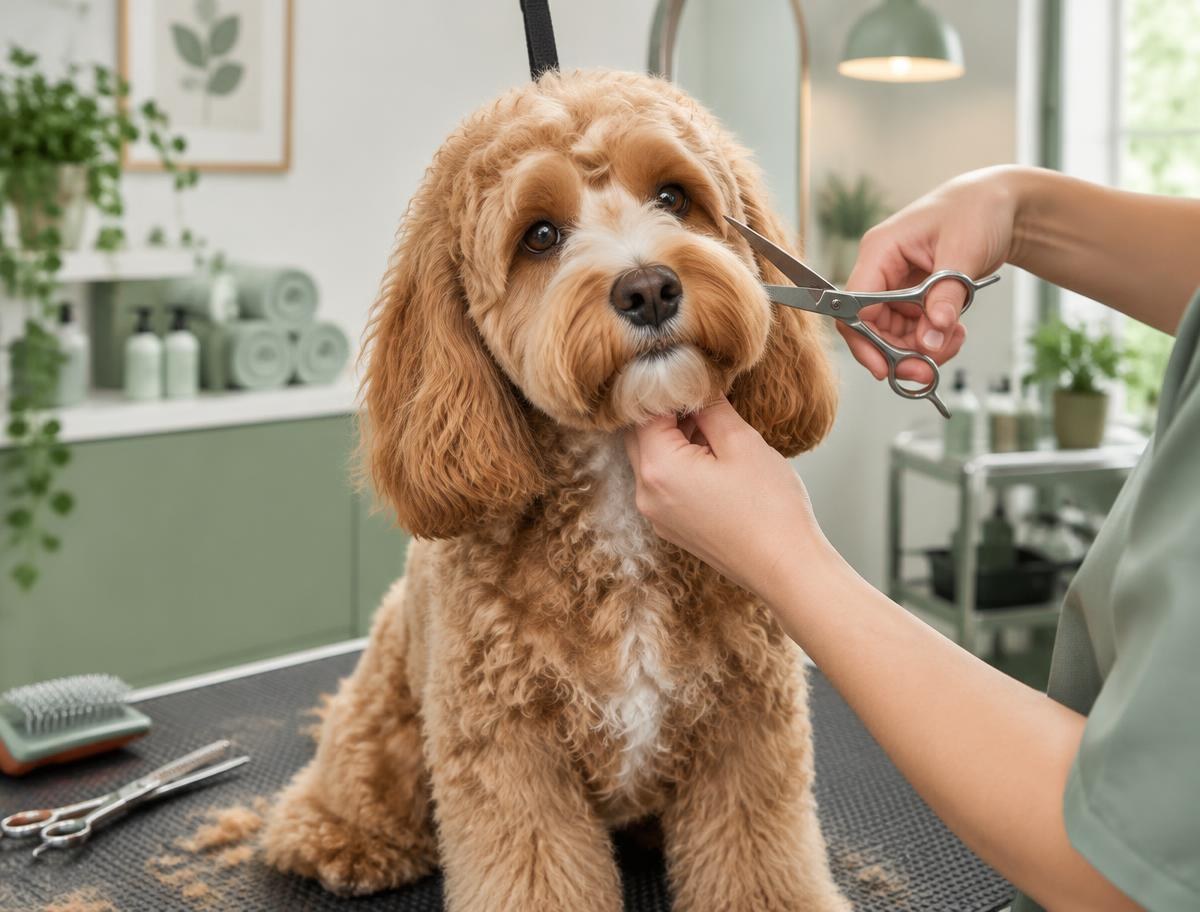
What you actually need
- Slicker brush
- Metal comb for detangling
- Dog shampoo and conditioner
- Ear cleaning solution
- Dog nail clippers
- Grooming scissors for paws and face
Puppy to adult
| Age | Male | Female | What is happening |
|---|---|---|---|
| 8 weeks | 1.5 to 2.5 kg | 1.4 to 2.3 kg | Small, soft coated puppy; begin gentle handling and socialisation straight away. |
| 3 months | 2.8 to 4.5 kg | 2.5 to 4 kg | Steady growth; coat type starts to hint at whether it will lean curly or looser. |
| 6 months | 4.5 to 7.5 kg | 4 to 7 kg | Adolescent energy increases noticeably; consistent training routines matter here. |
| 9 months | 5.5 to 9 kg | 5 to 8.5 kg | Approaching adult height, though frame may still fill out further. |
| 12 months | 6 to 10.5 kg | 5.5 to 10 kg | Most Cockapoos are close to adult size, though larger types may continue filling out. |
| 18 months | 6.5 to 11 kg | 6 to 10 kg | Full adult size and settled temperament generally reached by this point. |
Ranges are typical, not targets. Judge condition by ribs and waist, and check with the ideal weight checker.
What to ask a breeder
- What health test results can you show for both the Cocker Spaniel and Poodle parent?
- What coat type, size and temperament do the parents have, and what does that suggest for this litter?
- Has either parent, or previous litters, shown signs of separation related distress?
- What grooming routine have the puppies had so far, and what coat type do you expect them to develop?
- Can I meet both parents, or at least the mother, and see their temperament around people?
- What eye and hip screening has been carried out on the parents?
Health tests to ask for
Ask to see results for both parents before you put down a deposit.
- Hip score (BVA/KC scheme)
- Eye examination for progressive retinal atrophy and cataracts
- Patella luxation examination
- General health review of both parent breeds
Health watch-list
What to ask a breeder about, and what to watch for over a lifetime. This is orientation, not veterinary advice, anything you notice belongs in front of a vet.
Progressive retinal atrophy
UncommonAn inherited eye condition that can lead to gradual blindness, carried by both Cocker Spaniel and Poodle lines; DNA testing of parents reduces the risk considerably.
Ear infections
CommonFloppy, often hairy ears trap moisture and debris, making regular cleaning and checking an important routine rather than an occasional task.
Hip dysplasia
UncommonA malformation of the hip joint that can cause discomfort and arthritis over time; hip scoring of breeding parents helps reduce incidence.
Patellar luxation
UncommonA kneecap that slips from its normal groove, more associated with the Poodle side of the cross; orthopaedic screening of breeding stock helps lower the risk.
Separation related distress
CommonA strong attachment to people that can cause barking, whining or destructive chewing if alone training is not introduced gradually from puppyhood.
Skin and coat matting
CommonCurlier coated Cockapoos mat readily without frequent brushing, which can lead to painful skin irritation underneath if neglected.
What it costs to keep one
Realistic running cost
€163 / month
About €1,956 a year, or roughly €27,384 across a 14-year life, before purchase price, neutering and one-off vet events.
Before the puppy arrives. Budget roughly €350 to 700 for a crate, bed, lead and harness, bowls, puppy classes, first vaccinations and grooming kit sized for this breed. Figures throughout are indicative and vary a good deal between countries.
Interactive · built for this breed
Is a Cockapoo right for your home?
Seven honest questions about your space, time and household, checked against this breed's exercise need, coat, sociability and tolerance for time alone.
Fit with your routine
96%
A strong fit
Your routine suits a Cockapoo well. Meet adult dogs of the line before you commit.
What to sort out first
- Needs more daily exercise than you have pencilled in.
- Coat needs more brushing or trimming than you have allowed.
Compare more breeds in the matchmaker, or plan meals with the portion calculator.
The verdict, by household
First-time owner
A good match
Generally trainable and affectionate, though grooming and coat variability should be understood before committing.
Family with children
A strong choice
Sociable and playful with children, particularly when raised with structured early socialisation.
Active single or couple
A good match
Moderate to fairly high exercise needs suit an owner able to provide daily walks and activity.
Owner in a flat with close neighbours
Workable with planning
Smaller, calmer individuals can suit flat life, but larger or more energetic dogs need more space and exercise.

When to call your vet
- Persistent ear odour, redness or head shaking, which may indicate an ear infection
- Cloudy eyes or reduced night vision, which could point to inherited eye conditions
- Lameness or reluctance to jump, which may suggest hip or patella issues
- Excessive scratching or skin irritation, worth investigating for allergies
- Excessive barking, destructive chewing or distress when left alone
Nothing here is a diagnosis. A swollen, hard belly with retching, collapse, breathing difficulty and sudden hind-leg weakness are emergencies: go straight away.
Cockapoo vs the closest alternatives
| Breed | Weight | Energy | Grooming | € / month |
|---|---|---|---|---|
| Cockapoo | 4.5 to 11 kg | 6/10 | 8/10 | €163 |
| Maltipoo | 2.5 to 7 kg | 5/10 | 8/10 | €138 |
| Bernedoodle | 11 to 41 kg | 6/10 | 8/10 | €194 |
| Goldendoodle | 20 to 35 kg | 7/10 | 8/10 | €170 |
Cockapoo questions, answered
Are Cockapoos hypoallergenic?
Not reliably. Cockapoos inherit a variable mix of Cocker Spaniel and Poodle coat traits, so shedding and dander depend on the individual dog. No breed is truly non allergenic, and allergy sufferers should spend time with the specific puppy before committing.
How big do Cockapoos get?
Size varies considerably depending on whether the Poodle parent was Toy, Miniature or Standard, ranging roughly from 4.5 to 11 kg and 25 to 38 cm at the shoulder. Ask the breeder about the specific parents to get a realistic estimate for a given litter.
How much grooming does a Cockapoo need?
Most Cockapoos need brushing three to four times a week and a professional groom every five to six weeks, and curlier coated dogs mat just as readily as a Poodle. Grooming is often the ongoing cost that new owners underestimate.
Are Cockapoos good with children?
Generally yes, they are sociable and playful, and most do well in family households with proper early socialisation. As with any dog, supervision with young children is sensible regardless of temperament.
Do Cockapoos have health problems?
Being a crossbreed can reduce the concentration of some inherited conditions, but Cockapoos can still inherit issues from either parent, including eye conditions, hip dysplasia and ear infections. Buying from a breeder who health tests both the Cocker Spaniel and Poodle parent reduces this risk.
How much exercise does a Cockapoo need?
Most need 45 to 60 minutes a day, though dogs with stronger spaniel energy may need more. Energy levels vary by individual, so it is worth discussing the parents' activity levels with the breeder beforehand.
Can Cockapoos be left alone?
Not for long stretches without training. Cockapoos tend to form close attachments to their owners and can develop separation related barking or chewing if left alone too often without gradual alone training from puppyhood.
Sources
Put it into practice
Reading that goes with this

Puppies
Crate Training a Puppy: A 14-Day Plan

Nutrition
Can Dogs Eat Apples? Pips, Cores and Portions
Behaviour
Dog Separation Anxiety: Signs, Causes and a Training Plan

Health
Why Do Dogs Lick Their Paws? Causes and Fixes

Training
How to Stop a Puppy Biting: A Week-by-Week Plan

Puppies
How to Socialise a Puppy: The First 16 Weeks
Breeds people compare with this

Maltipoo
The Maltese-Poodle cross built for laps, flats and low-shedding coats.
Bernedoodle
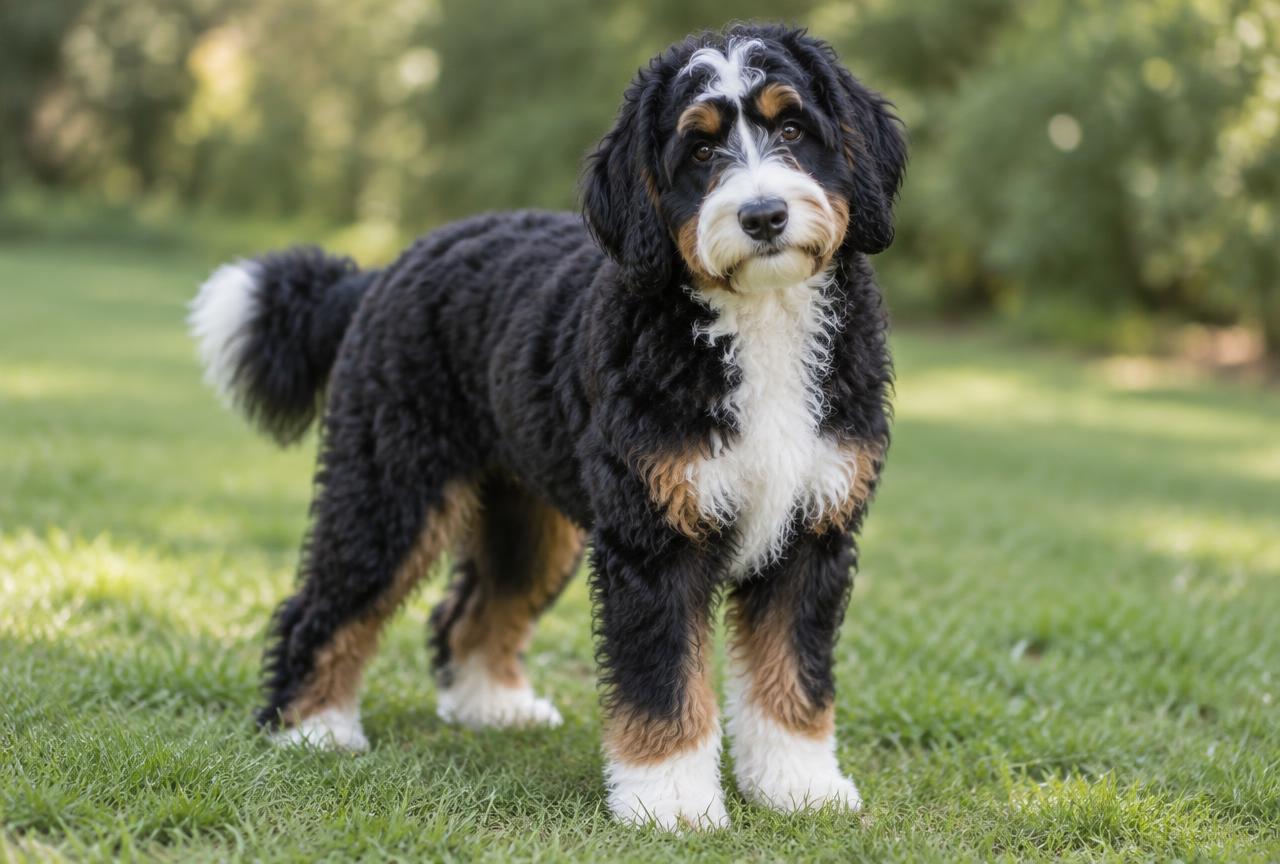
The Bernese Mountain Dog-Poodle cross built for family life, with a striking coat and a short lifespan shadow to plan for.

Goldendoodle
A friendly, trainable Golden Retriever and Poodle cross whose coat, size and health depend heavily on the specific pairing behind it.