

Crossbreed group
United States and Australia, deliberately bred from a Golden Retriever and a Poodle
Goldendoodle
A Golden Retriever and Poodle cross, friendly and popular, but coat, size and temperament vary litter to litter with nothing guaranteed.
Reviewed against Kennel Club, AKC and breed club health guidance
A friendly, trainable Golden Retriever and Poodle cross whose coat, size and health depend heavily on the specific pairing behind it.
The short version
- Goldendoodles vary considerably litter to litter in coat type, size and temperament, so meeting the specific puppy and parents matters more than the name.
- No generation, including F1b or multigenerational, is guaranteed hypoallergenic, and reactions can still occur even with a low shedding coat.
- The wavy to curly coat mats easily and needs brushing several times a week plus professional grooming every 6 to 8 weeks.
- Separation distress and general puppyism are genuinely common, so gradual alone training from day one is important.
- Both parent breeds carry health risks, so screening of both the Golden Retriever and Poodle parent is essential, not optional.
Choose a variety
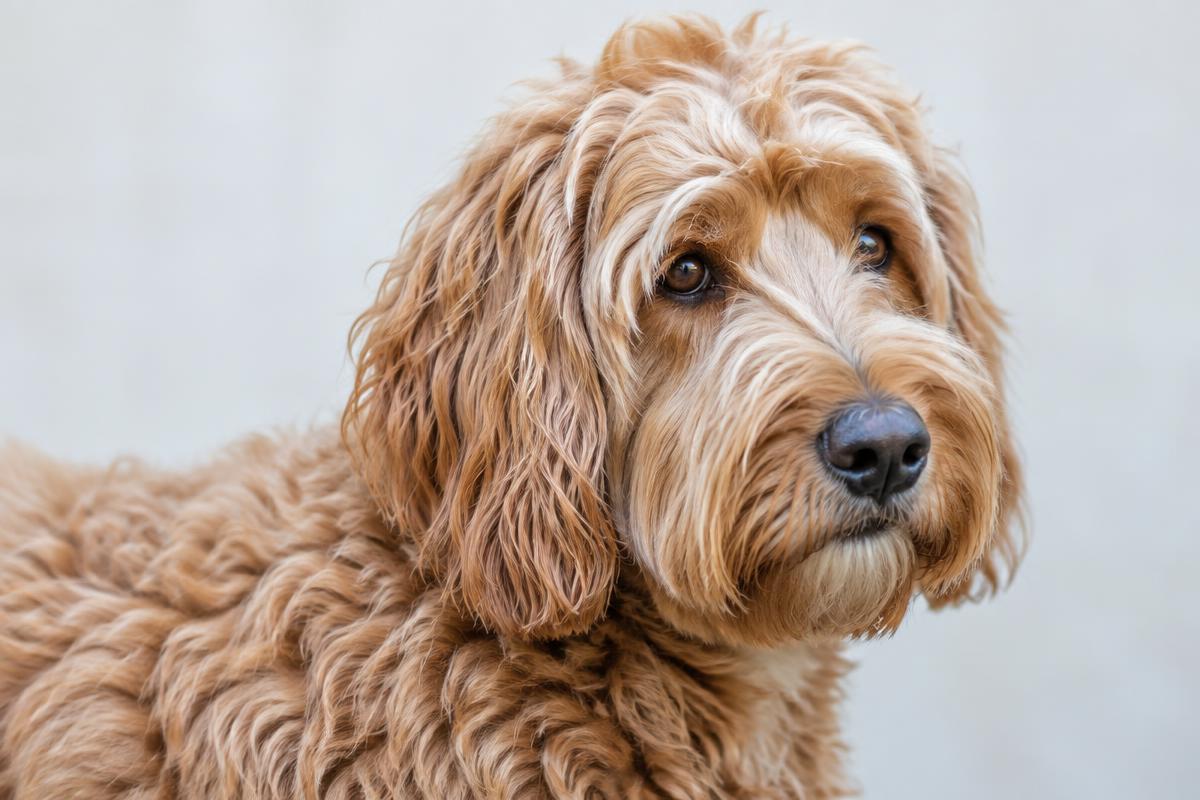
Bred from a Miniature Poodle parent, this variety suits owners wanting the Goldendoodle temperament in a smaller, flat friendlier frame, though coat upkeep stays the same.
- Weight
- 7 to 15 kg
- Height
- 35 to 45 cm
- Lifespan
- 10 to 13 yrs
- Size
- Small
- Group
- Crossbreed
- Coat
- Wavy to curly coat, varying from loose waves to tight curls depending on the individual dog
- Daily exercise
- 30 to 45 minutes a day
- Years to full size
- about 1.8
- One-off setup
- €500 to 1200
Get one if…
- Owners who can offer consistent daily company and structured alone training from puppyhood
- Active families with space and time for well over an hour of exercise most days
- People happy to commit to frequent brushing and regular professional grooming appointments
- First-time owners wanting a biddable, food motivated dog that responds well to training
- Households prepared to research the specific breeder and generation carefully before committing
Think again if…
- Owners who are out of the house for long working days without a plan for company
- Anyone choosing this cross purely to avoid allergies without meeting the specific puppy first
- People hoping for a coat that never mats or needs professional grooming
- Households wanting a smaller, low energy dog without checking which variety they are buying
- Owners unwilling to source puppies from breeders who health test both parent breeds
Trait profile
The Goldendoodle combines the Golden Retriever's eagerness to please with the Poodle's intelligence, but that same people focused nature means separation distress and prolonged puppyism are genuinely common without early, structured training.
Space & setup. Most Goldendoodles do best with a garden and regular access to open space, since their exercise needs and size make small flats a genuinely difficult fit for the larger varieties.
Allergies. Goldendoodles are often marketed as hypoallergenic because of their Poodle parentage, but no generation, including F1b and multigenerational lines, is truly non allergenic, since reactions are triggered by saliva and skin proteins as well as hair, and coat type varies considerably even within one litter.
Living with a Goldendoodle
The Goldendoodle is a Golden Retriever and Poodle cross from the United States and Australia, prized for a friendly temperament, though coat type, size and health vary considerably between litters and generations.
The Goldendoodle is a deliberate cross between the Golden Retriever and the Poodle, first developed in the United States and Australia from the 1990s onward as breeders sought a dog with the Golden Retriever's friendly, biddable temperament and the Poodle's low shedding coat. It is now one of the most searched dog names online, and that popularity has driven huge demand from breeders of widely varying standards, which is the first honest thing any prospective owner should understand before falling for a photograph.
Because a Goldendoodle is a cross rather than a settled breed, there is genuine variation between litters, and even within a single litter, in coat type, adult size, energy level and temperament. Some puppies take more strongly after the Golden Retriever parent, with a looser coat and calmer disposition, while others favour the Poodle side, with tighter curls and a sharper, more alert temperament. This variation is not a flaw in any individual breeder's work, it is simply the nature of combining two breeds, and anyone drawn to the Goldendoodle name alone, rather than a specific puppy from a specific pairing, is taking on more uncertainty than the marketing around the cross usually admits.
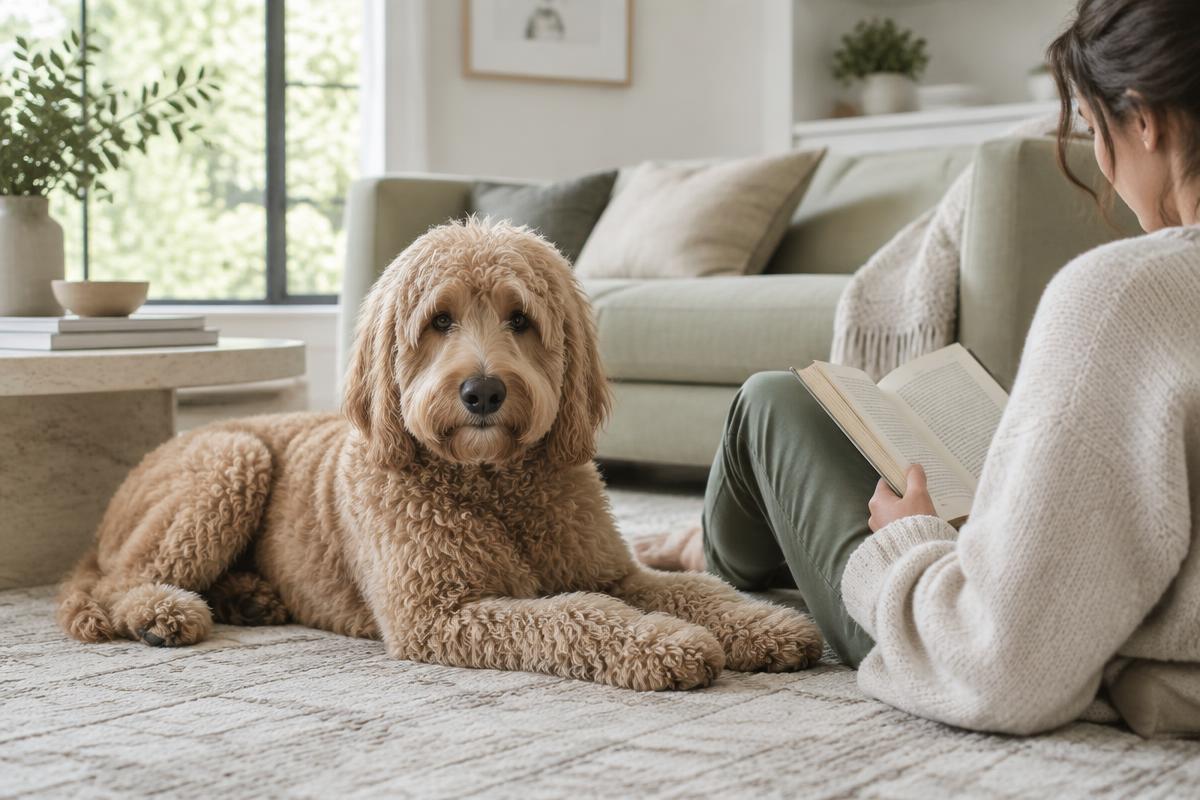
Temperament tends to combine the best known traits of both parent breeds: friendly, sociable, eager to please and generally good with children and other dogs. Most Goldendoodles are genuinely biddable and respond well to reward based training, inheriting the Poodle's intelligence and the Golden Retriever's willingness to work with people. That same people focused nature has a real cost, however, since separation distress and general puppyism, including prolonged chewing, jumping and mouthing well past the usual puppy stage, are commonly reported in the cross, and owners need a serious plan for gradual alone training from the first week home rather than assuming a naturally easygoing dog will simply settle on its own.
Health is where honesty matters most. Because the Goldendoodle draws from two breeds, it can inherit conditions from either side, and a crossbreed parentage does not automatically confer hybrid vigour or protect against inherited disease. From the Golden Retriever side, hip and elbow dysplasia, progressive retinal atrophy and other inherited eye conditions, and subaortic stenosis, a heart condition affecting the outflow from the heart, are all genuine considerations. From the Poodle side, Addisons disease, a hormonal condition affecting the adrenal glands, and sebaceous adenitis, an inflammatory skin condition affecting the coat and skin glands, are both documented concerns. Larger, deeper chested standard sized dogs also carry a bloat risk that smaller varieties do not share to the same degree. Crucially, a crossbreed is not automatically health tested simply by virtue of being a cross, and prospective owners should expect, and ask for, hip, elbow, eye and cardiac screening on both the Golden Retriever and the Poodle parent, not just one side of the pairing.
Coat and grooming reality is another area where expectations often fall short. The wavy to curly coat, while generally lower shedding than a straight coated breed, is not maintenance free, and it mats readily around the ears, armpits and collar line if not brushed thoroughly several times a week. Drop ears combined with a heavy coat also raise the risk of ear infections, so weekly ear checks and cleaning are a genuine, ongoing part of ownership rather than an occasional task. Professional grooming every 6 to 8 weeks is realistic for most owners wanting to keep the coat manageable.
Exercise needs are substantial once the dog is grown, generally 60 to 90 minutes a day across walks and off lead activity, reflecting both parent breeds' working and sporting backgrounds. This is not a low energy companion breed, and an under exercised Goldendoodle can become a genuinely difficult, frustrated dog to live with.
This cross suits active households able to offer consistent company, sustained exercise and a real grooming commitment, along with owners who approach a specific litter and breeder with proper scrutiny rather than buying on name recognition alone. It does not suit owners seeking a guaranteed hypoallergenic dog, a low exercise companion, or anyone unwilling to ask hard questions about health testing on both sides of the pairing. For the right household, prepared for the variation and the ongoing coat work, the Goldendoodle offers a genuinely affectionate, trainable family dog.
A friendly, trainable cross whose coat, size and temperament vary litter to litter, and whose popularity has outpaced consistent health testing from some breeders.
Exercise, day to day
- 1Puppies (8 to 20 weeks): short, gentle sessions of around 5 minutes per month of age, avoiding repeated jumping or stairs.
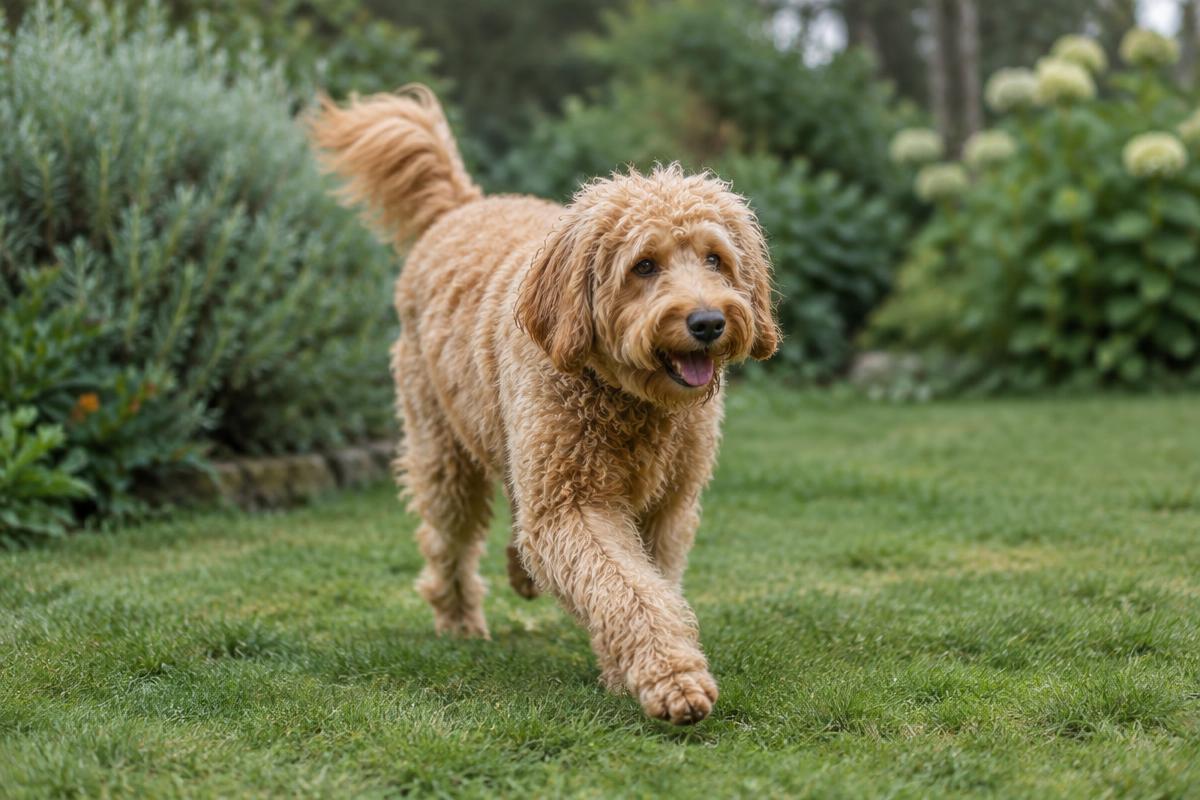
- 2Adults: 60 to 90 minutes a day across walks, free running and retrieving games, adjusted to the individual dog's size and build.
- 3Alone training: build up time left alone gradually from the first weeks home, since separation distress is genuinely common in the breed.
- 4Mental stimulation: scent work, puzzle feeders and obedience training suit this intelligent, biddable cross well.
- 5Swimming and water retrieving are often enjoyed, reflecting both parent breeds' working backgrounds.
Grooming, realistically
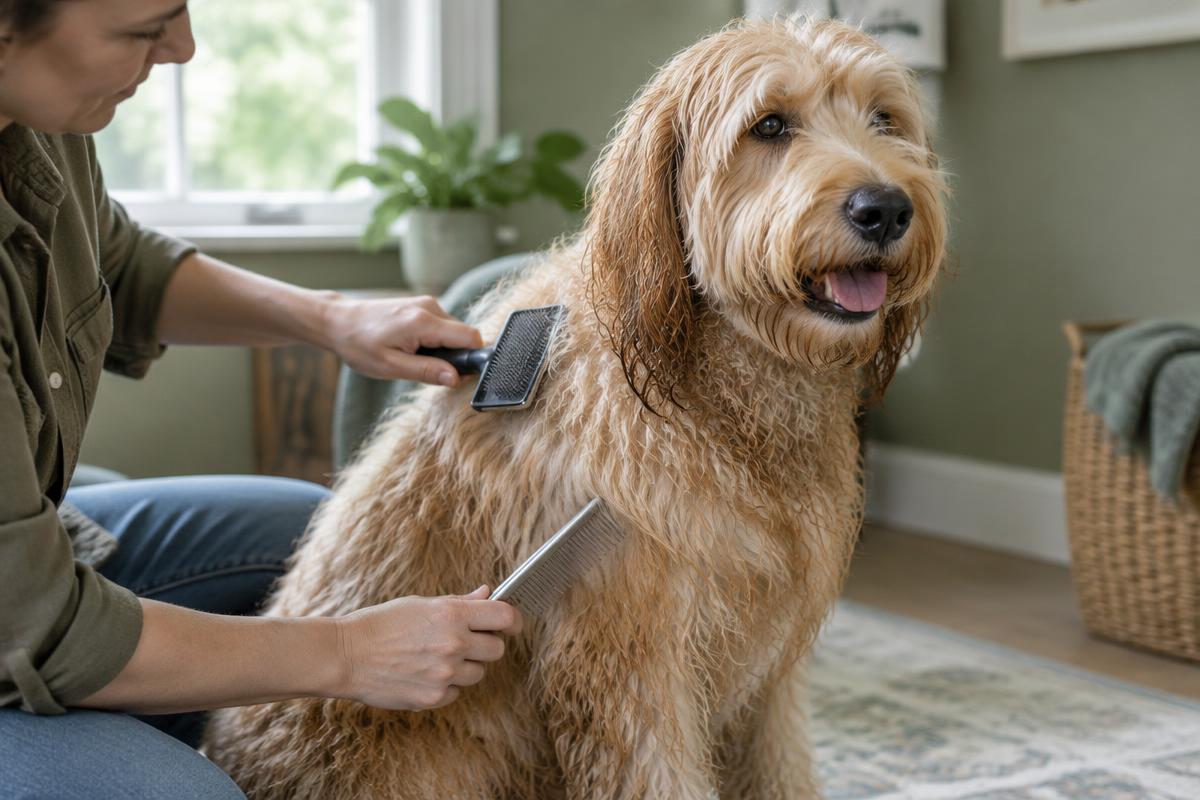
- 1Brush thoroughly several times a week, right down to the skin, paying close attention to the ears, armpits and collar area where mats form first.
- 2Book professional grooming every 6 to 8 weeks to keep the coat manageable and to check skin condition underneath.
- 3Check and clean ears weekly, since drop ears combined with a heavy coat increase the risk of ear infections.
- 4Trim nails every 3 to 4 weeks and check paw pads for hidden matting between pads.
- 5Brush teeth several times a week to reduce tartar build up over the dog's lifetime.
What you actually need
- Slicker brush
- Metal comb for detangling
- Dog shampoo and conditioner for curly or wavy coats
- Grooming scissors or clippers for face and paw trims
- Dog nail clippers
- Enzymatic dog toothpaste and brush
Puppy to adult
| Age | Male | Female | What is happening |
|---|---|---|---|
| 8 weeks | 3.5 to 7.5 kg | 3 to 7 kg | Wide variation at this age depending on which variety and parent sizes are behind the litter. |
| 3 months | 7 to 14 kg | 6 to 13 kg | Rapid early growth; house training and gentle socialisation should be well underway. |
| 6 months | 13 to 24 kg | 11 to 22 kg | Adult coat texture starts to emerge, replacing the softer puppy coat underneath. |
| 9 months | 17 to 30 kg | 15 to 28 kg | Approaching adult height, though standard sized dogs are still filling out through the chest. |
| 12 months | 20 to 34 kg | 18 to 32 kg | Close to adult weight for mini and medium varieties, though standards may still be maturing. |
| 18 to 24 months | 22 to 35 kg | 20 to 33 kg | Full adult size and settled adult temperament generally reached by around two years old. |
Ranges are typical, not targets. Judge condition by ribs and waist, and check with the ideal weight checker.
What to ask a breeder
- Can you show hip, elbow and eye screening results for both parents, not just one?
- Has either parent, or close relatives, been tested or treated for Addisons disease or sebaceous adenitis?
- What generation is this litter, and what coat types have previous litters from this pairing produced?
- How have the puppies been introduced to short periods alone so far?
- Can I meet both parents and see their temperament and build in person?
- What is your plan if a puppy in this litter does not turn out to be low shedding?
Health tests to ask for
Ask to see results for both parents before you put down a deposit.
- Hip score (BVA/KC or OFA scheme) for both parent breeds
- Elbow score for both parent breeds
- Eye examination for progressive retinal atrophy and other inherited eye conditions
- Cardiac examination for subaortic stenosis, particularly on the Golden Retriever side
- General health history review for Addisons disease and sebaceous adenitis on the Poodle side
Health watch-list
What to ask a breeder about, and what to watch for over a lifetime. This is orientation, not veterinary advice, anything you notice belongs in front of a vet.
Hip and elbow dysplasia
CommonA malformation of the hip or elbow joint inherited from the Golden Retriever side, which can cause stiffness or lameness; hip and elbow scoring of both parents helps reduce the risk.
Progressive retinal atrophy and other eye conditions
NotableAn inherited, gradual deterioration of the retina that can lead to blindness, reported in both parent breeds; annual eye examination of breeding stock reduces the risk of passing it on.
Subaortic stenosis
UncommonA narrowing near the heart's main outflow valve associated with the Golden Retriever side, which can cause fainting or exercise intolerance in affected dogs; cardiac screening of breeding stock is advisable.
Addisons disease
UncommonA hormonal condition affecting the adrenal glands, documented in Poodle lines, causing lethargy, vomiting or poor appetite; diagnosis requires veterinary blood testing and lifelong management.
Sebaceous adenitis
UncommonAn inflammatory skin condition affecting the glands of the coat, associated with Poodle ancestry, leading to dry, flaky skin and coat loss; skin biopsy confirms diagnosis and management focuses on the skin barrier.
Bloat (gastric dilatation volvulus)
NotableA life threatening twisting of the stomach more associated with the larger standard variety's deep chest; feeding smaller meals and avoiding vigorous exercise around mealtimes can reduce the risk, and it is always a veterinary emergency.
What it costs to keep one
Realistic running cost
€135 / month
About €1,620 a year, or roughly €19,440 across a 12-year life, before purchase price, neutering and one-off vet events.
Before the puppy arrives. Budget roughly €500 to 1200 for a crate, bed, lead and harness, bowls, puppy classes, first vaccinations and grooming kit sized for this breed. Figures throughout are indicative and vary a good deal between countries.
Interactive · built for this breed
Is a Goldendoodle right for your home?
Seven honest questions about your space, time and household, checked against this breed's exercise need, coat, sociability and tolerance for time alone.
Fit with your routine
93%
A strong fit
Your routine suits a Goldendoodle well. Meet adult dogs of the line before you commit.
What to sort out first
- Needs more daily exercise than you have pencilled in.
- Coat needs more brushing or trimming than you have allowed.
Compare more breeds in the matchmaker, or plan meals with the portion calculator.
The verdict, by household
First-time owner
A good match
Biddable and eager to please, though the exercise and grooming commitment is substantial for someone new to dog ownership.
Family with children
A strong choice
Generally patient, playful and sociable with children, provided the dog gets enough daily exercise to settle well indoors.
Active single or couple
An excellent match
A genuinely good fit for owners wanting an active, trainable companion for long walks, runs or water based activity.
Owner in a flat with close neighbours
A poor fit
Larger varieties and high exercise needs make flat living genuinely difficult without a garden and daily access to open space.
When to call your vet
- Stiffness, reluctance to jump or exercise, which could point to hip or elbow dysplasia
- Cloudy eyes, bumping into objects or reluctance in dim light, which may indicate progressive retinal atrophy
- Fainting, exercise intolerance or a heart murmur noted at a check up, which could suggest subaortic stenosis
- Lethargy, vomiting or poor appetite, which may indicate Addisons disease and warrants prompt veterinary attention
- Excessive drooling, a swollen abdomen or unproductive retching, which are emergency signs of bloat in larger varieties
Nothing here is a diagnosis. A swollen, hard belly with retching, collapse, breathing difficulty and sudden hind-leg weakness are emergencies: go straight away.
Goldendoodle vs the closest alternatives
| Breed | Weight | Energy | Grooming | € / month |
|---|---|---|---|---|
| Goldendoodle | 20 to 35 kg | 7/10 | 8/10 | €170 |
| Cockapoo | 4.5 to 11 kg | 6/10 | 8/10 | €163 |
| Bernedoodle | 11 to 41 kg | 6/10 | 8/10 | €194 |
| Soft Coated Wheaten Terrier | 14 to 20 kg | 7/10 | 8/10 | €122 |
Goldendoodle questions, answered
Are Goldendoodles hypoallergenic?
No generation of Goldendoodle is truly hypoallergenic, including F1b and multigenerational lines, since allergic reactions are triggered by saliva and skin proteins as well as hair. Coat type also varies between puppies in the same litter, so anyone with allergies should spend time with the specific puppy before committing rather than relying on the name alone.
How big does a Goldendoodle get?
Size depends heavily on which variety you choose, ranging from around 7 to 15 kg for a mini to 23 to 35 kg for a standard, with height from 45 to 66 cm. Even within one litter, size can vary noticeably depending on which parent the puppy takes after more strongly.
How much exercise does a Goldendoodle need?
Adult Goldendoodles generally need 60 to 90 minutes of exercise a day, including walks and off lead activity such as retrieving or swimming. This is a genuinely active cross, reflecting both the Golden Retriever's and the Poodle's working backgrounds, and it does not suit a low exercise lifestyle.
Do Goldendoodles have separation anxiety?
Separation distress is genuinely common in the breed, given how people focused both parent breeds are, and it can show as barking, chewing or house soiling when left alone. Gradual alone training from the first week home makes a real difference and should not be left until problems appear.
What health problems are common in Goldendoodles?
Hip and elbow dysplasia, progressive retinal atrophy and other eye conditions, and subaortic stenosis are inherited risks from the Golden Retriever side, while Addisons disease and sebaceous adenitis are documented concerns from the Poodle side. Larger standard sized dogs also carry a bloat risk, and screening both parents before buying a puppy is essential.
How much grooming does a Goldendoodle need?
The wavy to curly coat needs brushing several times a week, right down to the skin, with particular attention to the ears, armpits and collar line where mats form first. Most owners also book professional grooming every 6 to 8 weeks, and weekly ear checks matter given the combination of drop ears and a heavy coat.
How much does it cost to own a Goldendoodle?
Monthly costs typically include around 55 euros for food, 40 euros for insurance and 65 euros for professional grooming, with an initial setup cost of roughly 500 to 1200 euros depending on the variety. Grooming and food costs rise notably with the standard sized variety compared with a mini.
Sources
- Golden Retriever breed standard, The Kennel Club
- Poodle breed information, American Kennel Club
- Hip and elbow scoring schemes, British Veterinary Association
- Subaortic stenosis in dogs, The Veterinary Nurse
- Addisons disease in dogs, PDSA
Put it into practice
Reading that goes with this





Breeds people compare with this
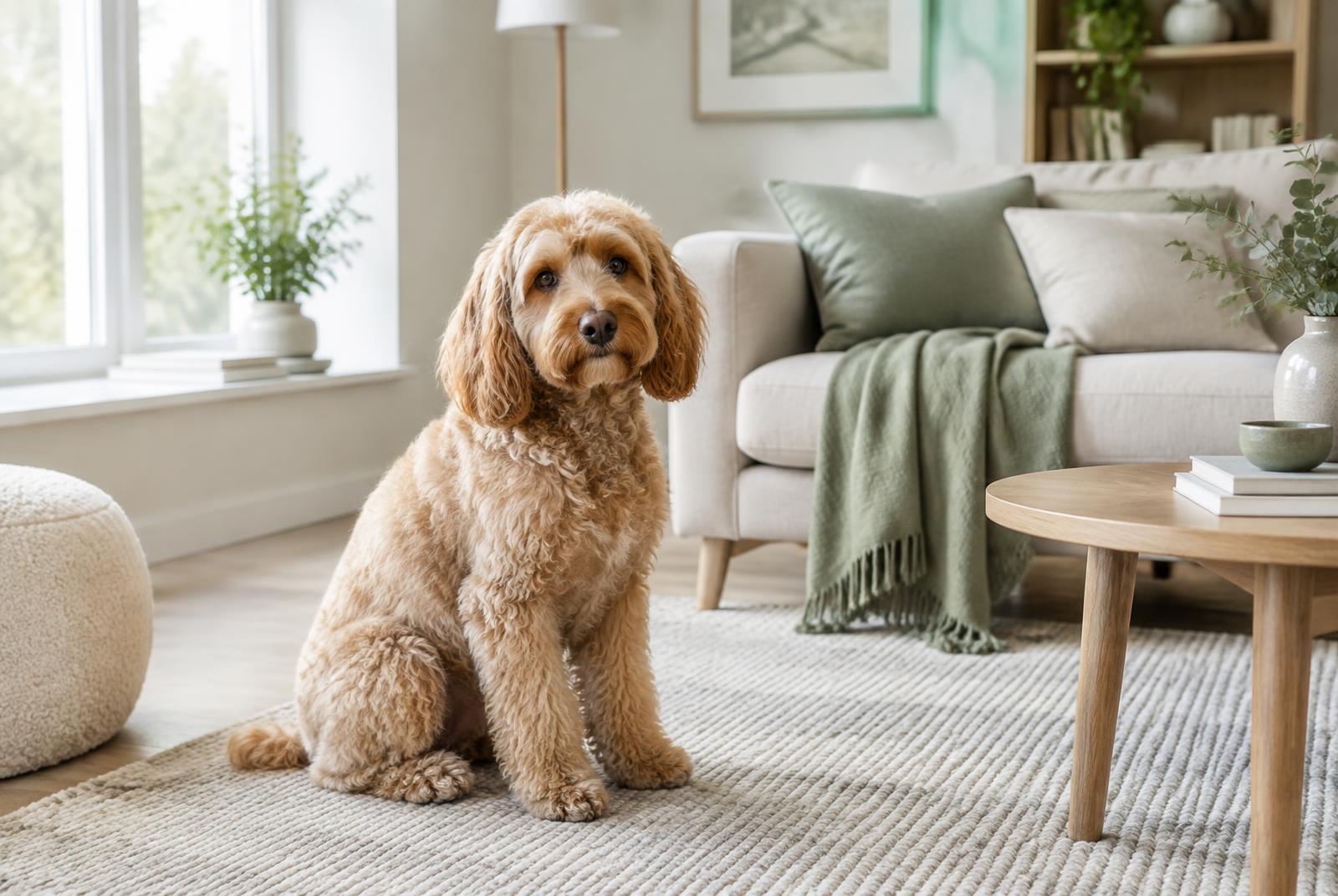
Cockapoo
An affectionate Cocker Spaniel and Poodle cross where coat, size and energy vary litter to litter, so no two Cockapoos are quite alike.
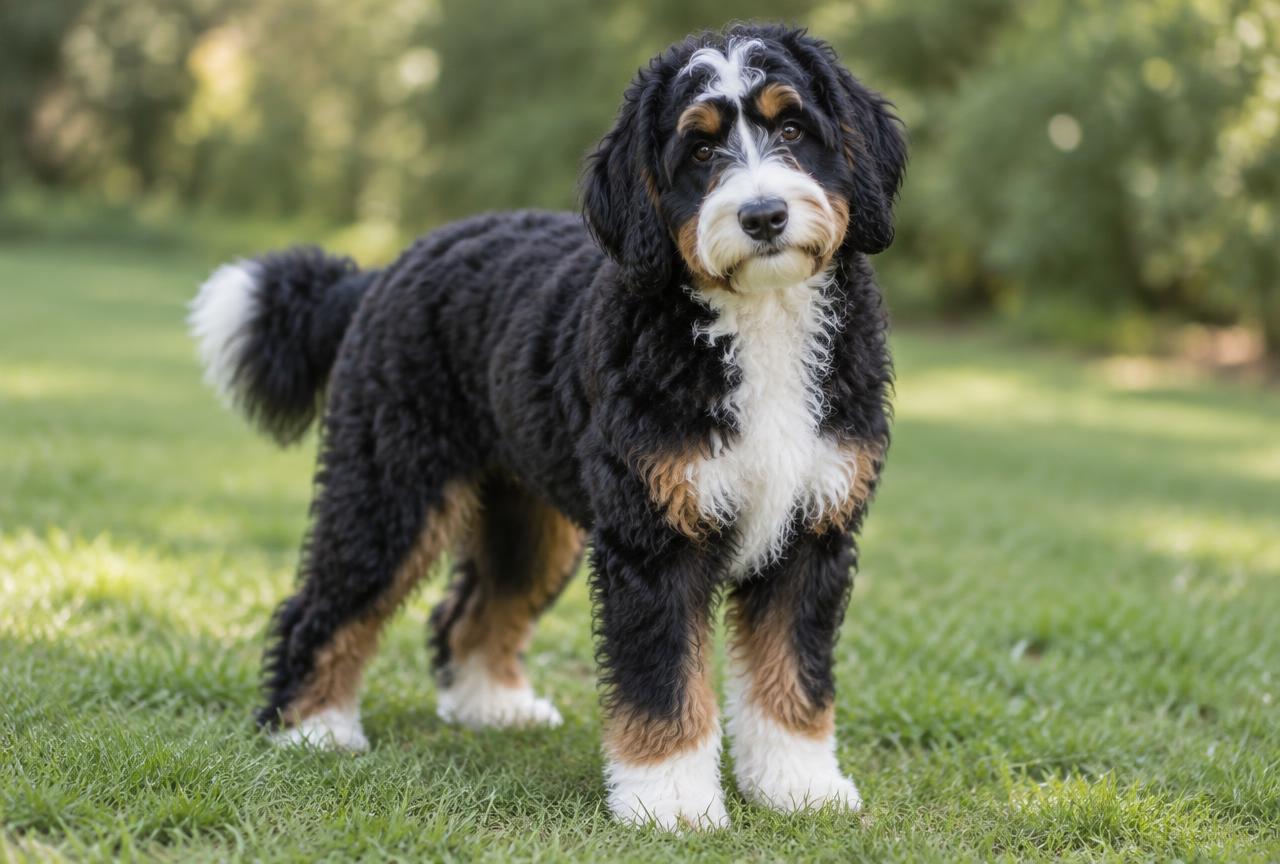
Bernedoodle
The Bernese Mountain Dog-Poodle cross built for family life, with a striking coat and a short lifespan shadow to plan for.
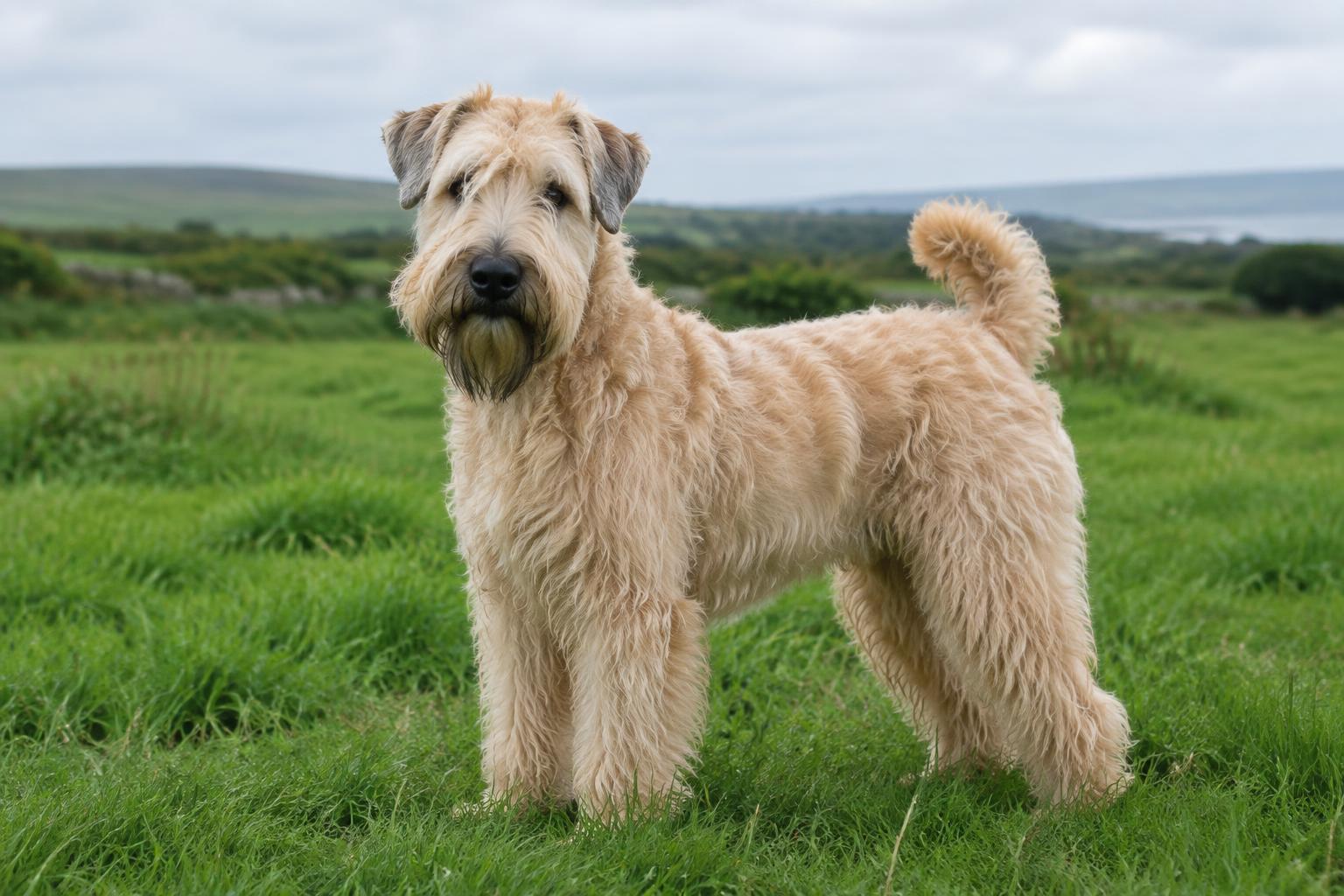
Soft Coated Wheaten Terrier
The bouncy Irish terrier with a silky coat and a joyful greeting