
Terrier group
Ireland
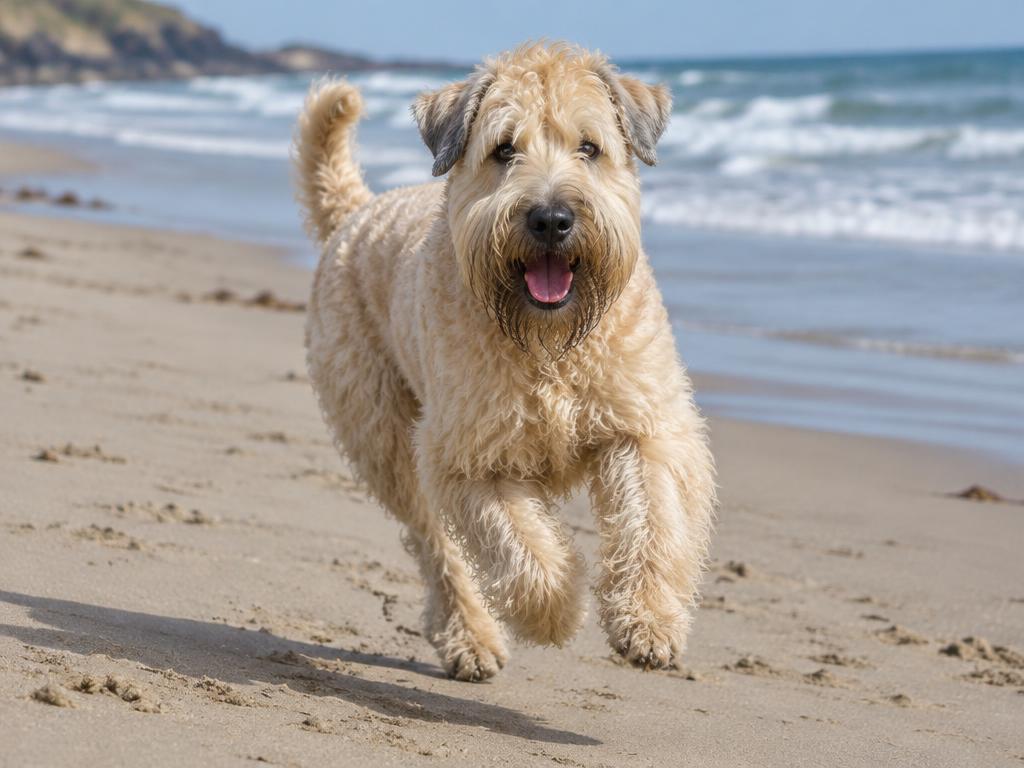
Soft Coated Wheaten Terrier
A joyful Irish terrier with a silky, low-shedding coat, for families who love daily grooming and an enthusiastic welcome home.
Reviewed by the SniffScroll editorial team
The bouncy Irish terrier with a silky coat and a joyful greeting
The short version
- Adults usually weigh 14 to 20 kg and stand 43 to 48 cm
- Affectionate and playful, famous for the bouncing 'Wheaten greetin'
- Low shedding, but the silky coat needs combing most days
- Ask about protein-losing kidney and gut disease in the lines
- Annual urine and blood checks help catch problems early
- Weight
- 14 to 20 kg
- Height
- 43 to 48 cm
- Lifespan
- 12 to 15 yrs
- Size
- Medium
- Group
- Terrier
- Coat
- Soft, silky, wavy single coat
- Grown male
- 16 to 20 kg
- Grown female
- 14 to 18 kg
- Years to full size
- about 1.5
- One-off setup
- €650 to 1150
Get one if…
- Active, cheerful families
- Owners happy to comb most days
- People who enjoy training and play
- Some allergy sufferers, after meeting adult dogs
Think again if…
- Anyone wanting a low-maintenance coat
- Homes with small pets that may be chased
- Owners out at work all day
- People who dislike exuberant greetings
Trait profile
Scores reflect a typical adult Wheaten.
Space & setup. Adapts to most homes with daily exercise; gardens need secure fencing.
Allergies. A single coat with no undercoat sheds very little, which suits some allergy sufferers, but no dog is hypoallergenic.
Living with a Soft Coated Wheaten Terrier
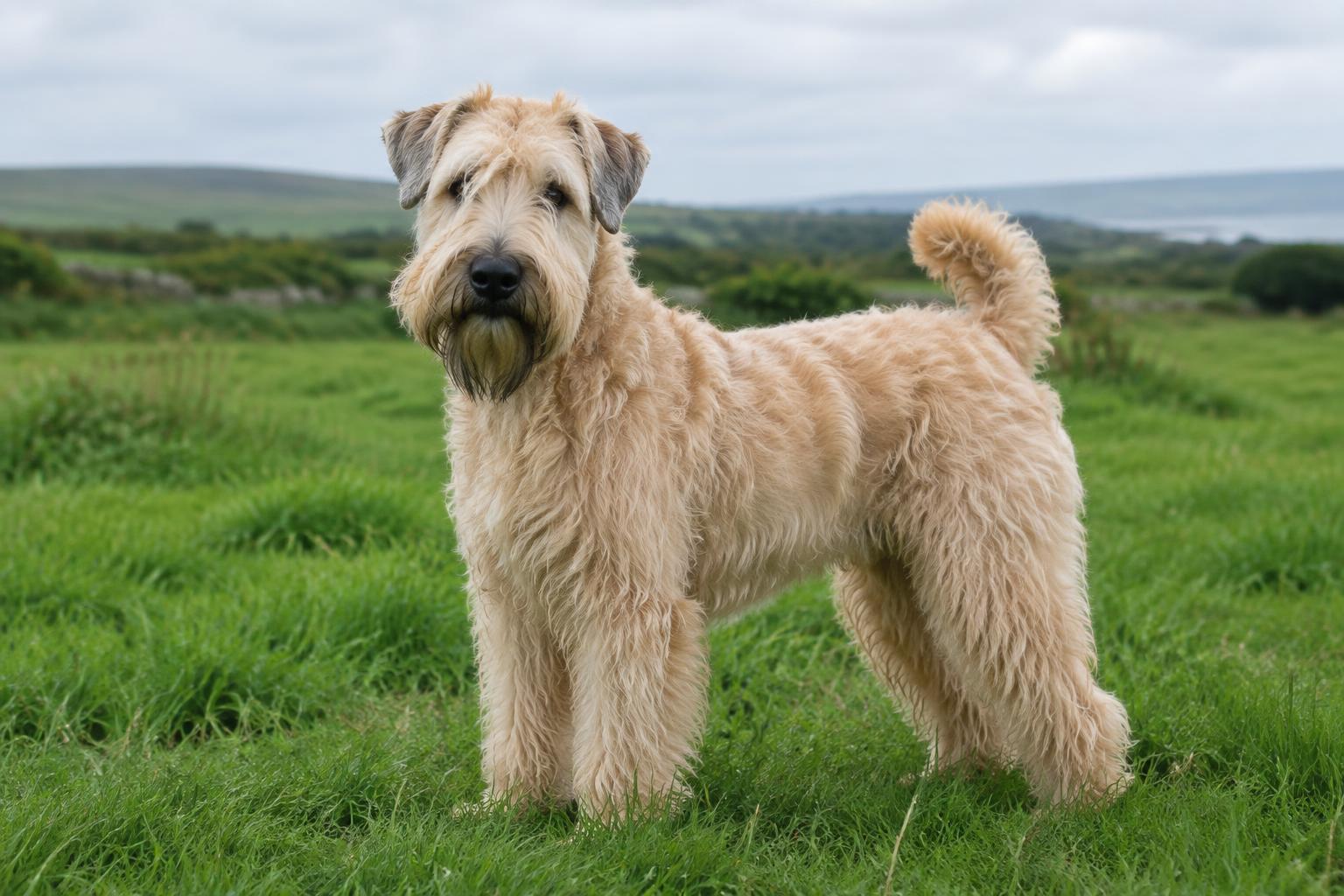
The Soft Coated Wheaten Terrier is a medium Irish farm terrier with a silky, wavy, wheat-coloured single coat. It is cheerful, affectionate and less sharp than many terriers, famous for its exuberant jumping greeting. The coat sheds little but needs daily brushing, and the breed needs screening for kidney and gut protein-losing diseases.
The Soft Coated Wheaten Terrier spent centuries as an all-purpose farm dog in Ireland. It killed rats, guarded the yard, helped herd livestock and kept the family company, and it was often the dog of people who could not afford a hunting breed. It was only recognised by the Irish Kennel Club in 1937, but it is one of the oldest Irish terrier types. Today most Wheatens are family dogs, and they are very good at it.
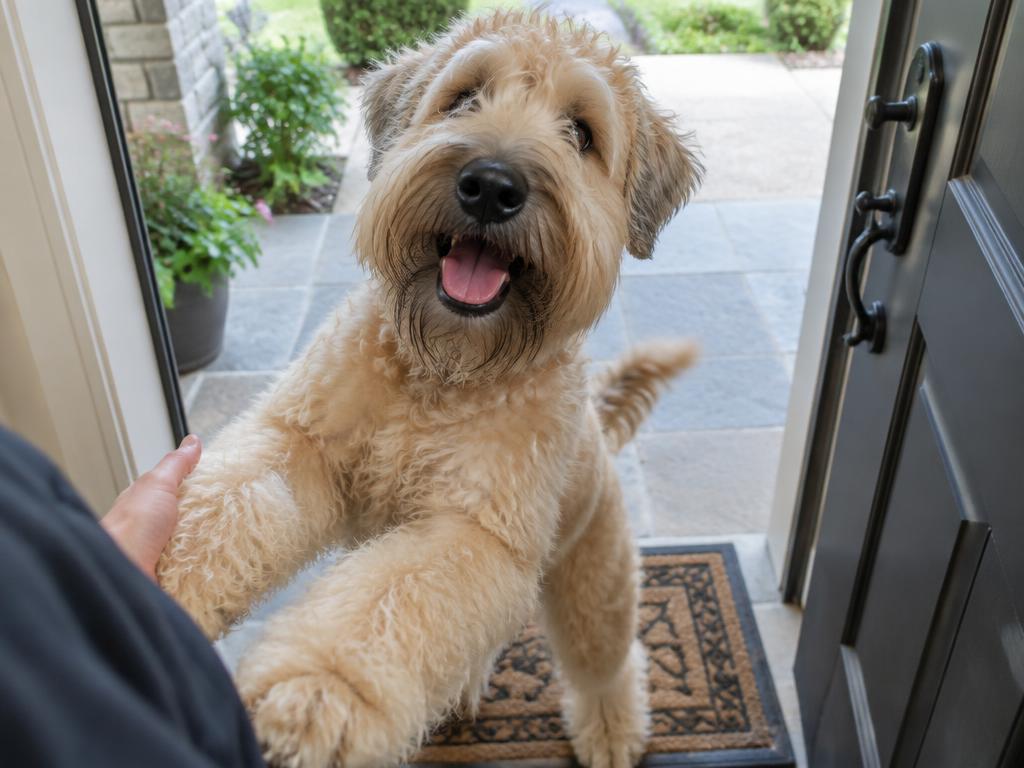
The breed's defining trait is joy. Wheatens are affectionate, outgoing and keen to be involved, and they greet people with such enthusiasm that owners call it the "Wheaten greetin'": a bouncing, jumping, face-licking welcome. It is charming the first time and less charming with muddy paws on a visitor's coat. Training a calm greeting from puppyhood is one of the most useful things a Wheaten owner can do.
They are terriers, though softer than most. They are less combative with other dogs than many terrier breeds, but they still have a chase instinct, and some will pursue cats, squirrels or small pets. Recall needs practice, and gardens need secure fencing. They can be stubborn and quickly bored by repetition, so short, varied, reward-based sessions work best. They are sensitive to harsh handling.
Exercise needs are moderate to high. Around an hour a day of walks, play and training suits most adults. Wheatens love games, fetch and social walks, and many enjoy agility. They stay playful well into adulthood and are often described as puppy-like for years.
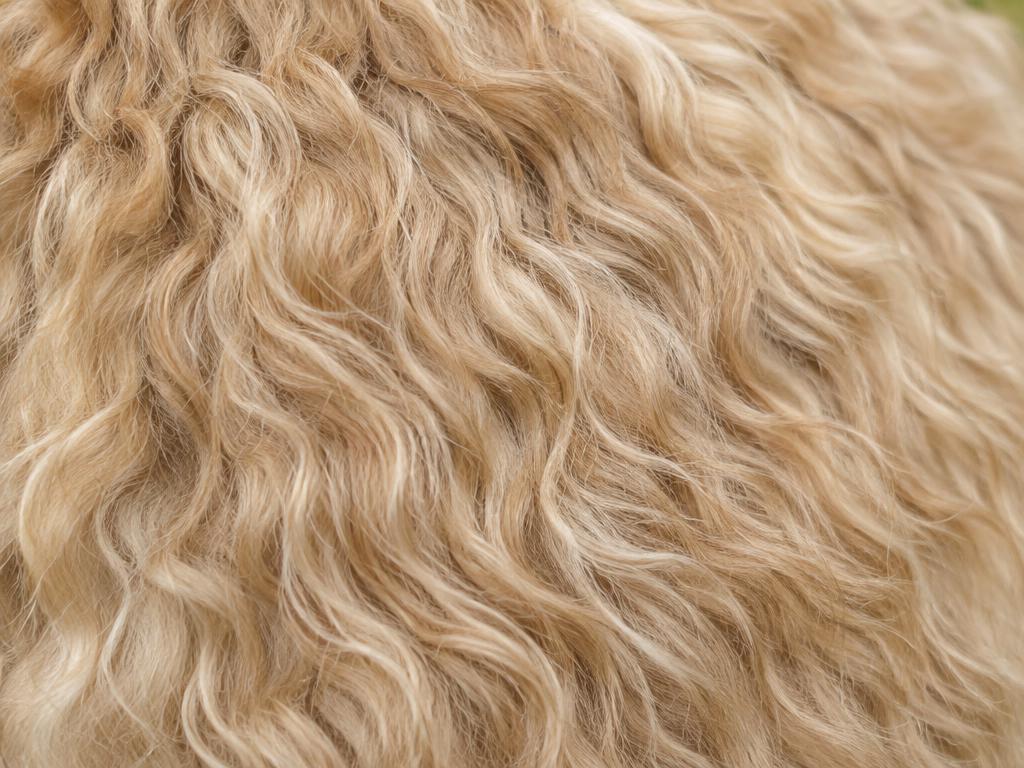
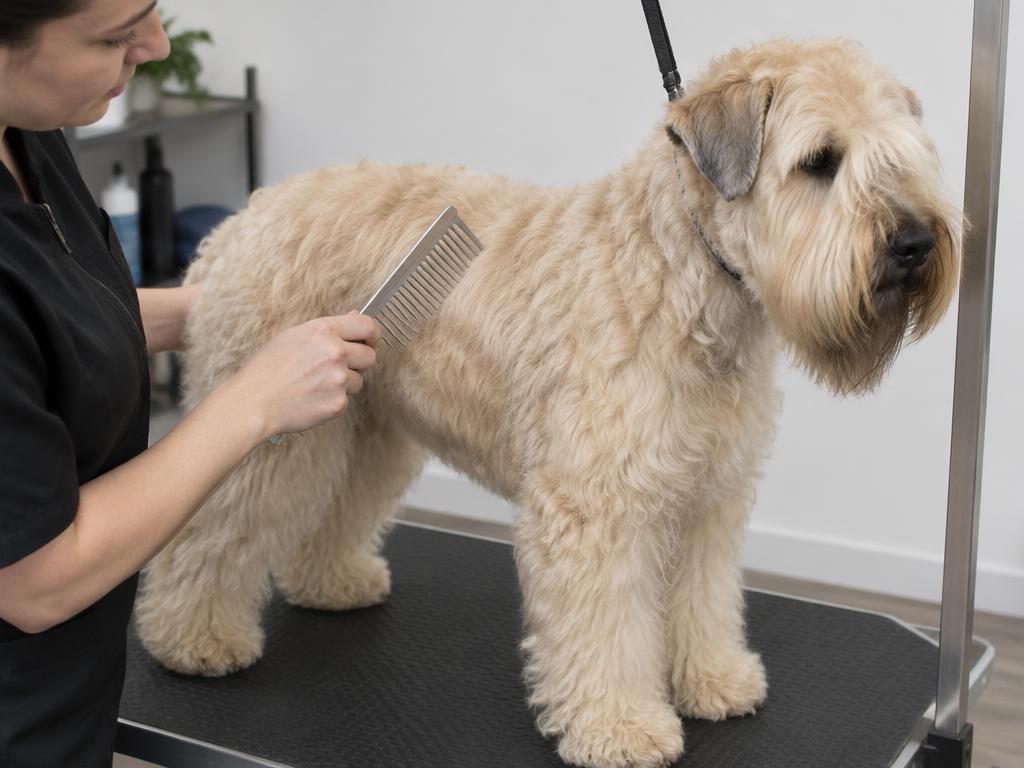
The coat is unusual for a terrier. There is no harsh outer coat and no undercoat, just a single layer of soft, silky, gently waving hair. Puppies are born darker and lighten to the adult wheaten colour by about two years. Because there is no undercoat, Wheatens shed very little, which suits some allergy sufferers, though no dog is truly hypoallergenic. The trade-off is maintenance: the soft coat tangles and mats easily, so it needs combing down to the skin most days, and a professional trim every six to eight weeks. Leaves, twigs and mud cling to it, so expect to tidy after walks.
Health needs particular attention in this breed. Wheatens are prone to protein-losing nephropathy, where the kidneys leak protein, and protein-losing enteropathy, where the gut does. Both can be serious. Responsible breeders screen their dogs, and annual urine and blood checks for your own dog can catch early signs. A DNA test for a risk variant linked to these conditions exists, and clubs encourage its use. Addison's disease, renal dysplasia and eye problems are also recorded, and hip dysplasia occurs. Ask breeders specifically about protein-losing disease in the lines, and look for openness rather than reassurance.
Costs are moderate for food and insurance, but grooming adds up, typically a professional trim every couple of months plus good tools at home.
Who suits a Wheaten? Active, cheerful families who enjoy daily grooming and are around a lot, and who can teach polite greetings. Who should think again? Anyone wanting a wash-and-go coat, homes with small pets that might be chased, and owners not prepared for regular health checks. For the right family, the Wheaten is a joyful, loyal and endlessly entertaining companion.
A happy, bouncy, people-loving terrier; wonderful family fun, provided you love brushing and can teach four paws on the floor.
Exercise, day to day
- 1Around an hour of walks and play daily
- 2Fetch, agility or scent games to channel the energy
- 3Recall practice on a long line in open areas
Grooming, realistically
- 1Comb right down to the skin most days
- 2Professional trim every six to eight weeks
- 3Check the coat for burrs and mud after walks
- 4Brush teeth daily and trim nails monthly
What you actually need
- Wide-toothed metal comb
- Pin brush
- Slicker brush
- Detangling spray
- Dog toothbrush and paste
Puppy to adult
| Age | Male | Female | What is happening |
|---|---|---|---|
| 8 weeks | 2.5 to 4 kg | 2.3 to 3.6 kg | Darker puppy coat; begin handling, combing and calm greetings. |
| 3 months | 5 to 7.5 kg | 4.5 to 7 kg | Teach four paws on the floor before the jumping habit sets in. |
| 6 months | 10 to 14 kg | 9 to 12.5 kg | Coat lengthens and starts tangling; comb daily. |
| 9 months | 13 to 17 kg | 11.5 to 15 kg | Adolescent bounce; keep training short and fun. |
| 12 months | 15 to 19 kg | 13 to 17 kg | Close to adult size; colour still lightening. |
| 2 years | 16 to 20 kg | 14 to 18 kg | Fully mature, with the adult wheaten colour. |
Ranges are typical, not targets. Judge condition by ribs and waist, and check with the ideal weight checker.
What to ask a breeder
- Do you screen your dogs for protein-losing nephropathy and enteropathy?
- Have the parents had the relevant DNA test, and what were the results?
- Are urine protein and blood results available for both parents?
- Are the parents hip scored and eye examined?
- Can I meet the mother?
Health tests to ask for
Ask to see results for both parents before you put down a deposit.
- Urine protein and blood screening for protein-losing disease
- PLN-associated DNA test
- Hip score
- Eye examination
Health watch-list
What to ask a breeder about, and what to watch for over a lifetime. This is orientation, not veterinary advice, anything you notice belongs in front of a vet.
Protein-losing nephropathy
UncommonThe kidneys leak protein; annual urine checks help catch it early.
Protein-losing enteropathy
UncommonThe gut leaks protein, causing diarrhoea and weight loss; needs veterinary management.
Addison's disease
UncommonVague signs such as lethargy and vomiting; diagnosed with a blood test.
Renal dysplasia
RareAbnormal kidney development, usually showing in young dogs.
Hip dysplasia
UncommonScreened by hip scoring.
Allergic skin disease
CommonItchy skin and ear infections are frequent; diet and parasite control help.
What it costs to keep one
Realistic running cost
€122 / month
About €1,464 a year, or roughly €20,496 across a 14-year life, before purchase price, neutering and one-off vet events.
Before the puppy arrives. Budget roughly €650 to 1150 for a crate, bed, lead and harness, bowls, puppy classes, first vaccinations and grooming kit sized for this breed. Figures throughout are indicative and vary a good deal between countries.
Interactive · built for this breed
Is a Soft Coated Wheaten Terrier right for your home?
Seven honest questions about your space, time and household, checked against this breed's exercise need, coat, sociability and tolerance for time alone.
Fit with your routine
93%
A strong fit
Your routine suits a Soft Coated Wheaten Terrier well. Meet adult dogs of the line before you commit.
What to sort out first
- Needs more daily exercise than you have pencilled in.
- Coat needs more brushing or trimming than you have allowed.
Compare more breeds in the matchmaker, or plan meals with the portion calculator.
The verdict, by household
First-time owner
Good fit with support
Friendly and forgiving, but grooming and health checks need commitment.
Family with children
Good fit
Playful and affectionate; teach calm greetings around small children.
Active single or couple
Good fit
Loves walks, games and company.
Home with cats or small pets
Think carefully
Some Wheatens chase; early, careful introductions are essential.
When to call your vet
- Drinking and urinating more than usual (kidneys)
- Chronic diarrhoea, vomiting or weight loss (gut)
- Swollen belly or fluid under the skin
- Lethargy and poor appetite
- Itchy skin or ear infections
Nothing here is a diagnosis. A swollen, hard belly with retching, collapse, breathing difficulty and sudden hind-leg weakness are emergencies: go straight away.
Soft Coated Wheaten Terrier vs the closest alternatives
| Breed | Weight | Energy | Grooming | € / month |
|---|---|---|---|---|
| Soft Coated Wheaten Terrier | 14 to 20 kg | 7/10 | 8/10 | €122 |
| Goldendoodle | 20 to 35 kg | 7/10 | 8/10 | €170 |
| Poodle | 20 to 32 kg | 8/10 | 8/10 | €170 |
| Portuguese Water Dog | 16 to 27 kg | 8/10 | 8/10 | €139 |
Soft Coated Wheaten Terrier questions, answered
Do Wheaten Terriers shed?
Very little. They have a single coat with no undercoat, but that soft coat needs combing most days to stop mats.
Are Wheaten Terriers hypoallergenic?
No dog is fully hypoallergenic, but their low shedding suits some allergy sufferers. Meet adult dogs first.
What is the 'Wheaten greetin''?
Their exuberant, jumping, face-licking welcome. It is easy to love but worth training into a calmer greeting.
Are Wheatens good with children?
Usually very. They are playful and affectionate, though their bouncing can knock over small children.
What health tests should Wheaten parents have?
Ask about protein-losing kidney and gut disease screening, the related DNA test, hip scores and eye examinations.
Why is my Wheaten puppy so dark?
Wheaten puppies are born darker and lighten gradually, reaching their adult colour at around two years.
How long do Wheaten Terriers live?
Most live around 12 to 15 years.
Sources
Put it into practice
Reading that goes with this



Breeds people compare with this

Goldendoodle
A friendly, trainable Golden Retriever and Poodle cross whose coat, size and health depend heavily on the specific pairing behind it.
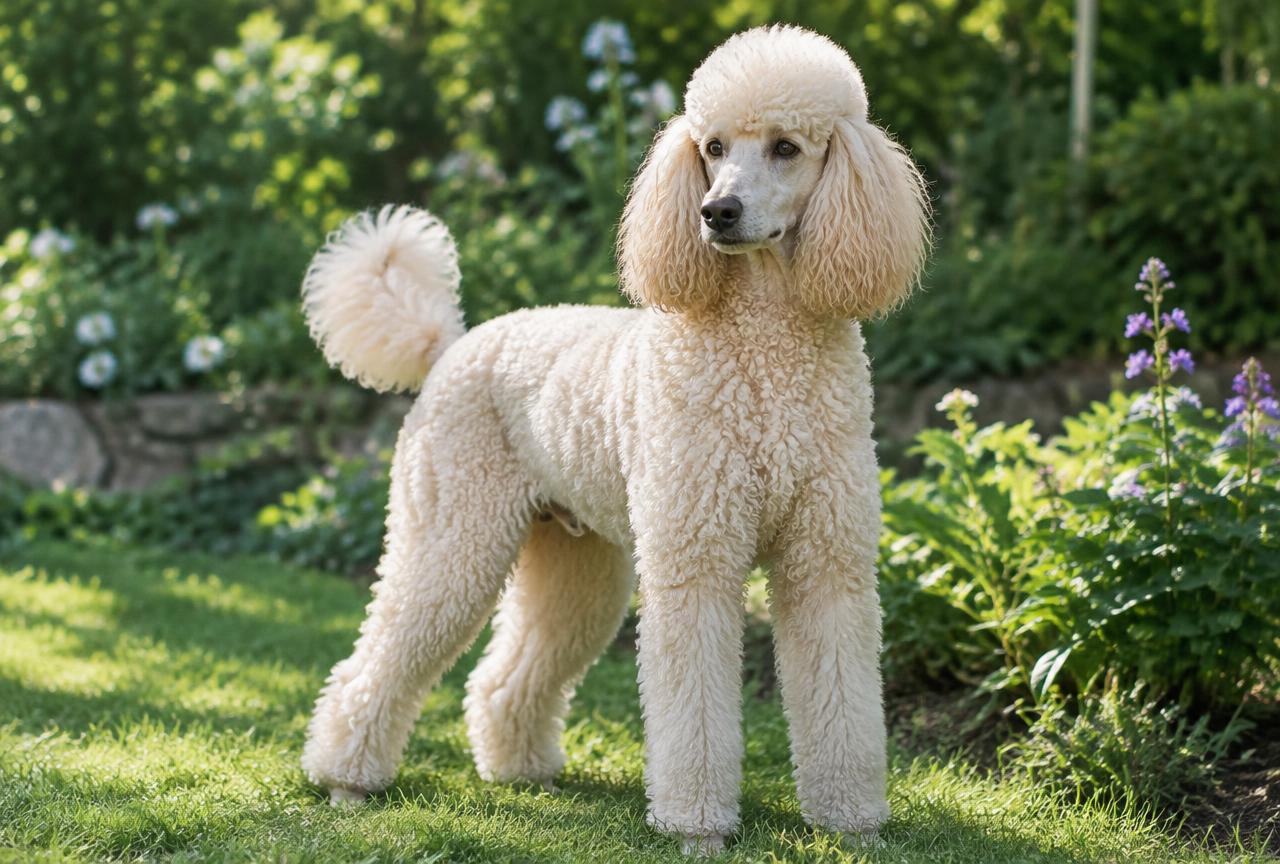
Poodle
A brilliant, low shedding companion that comes in three sizes but one sharp mind.
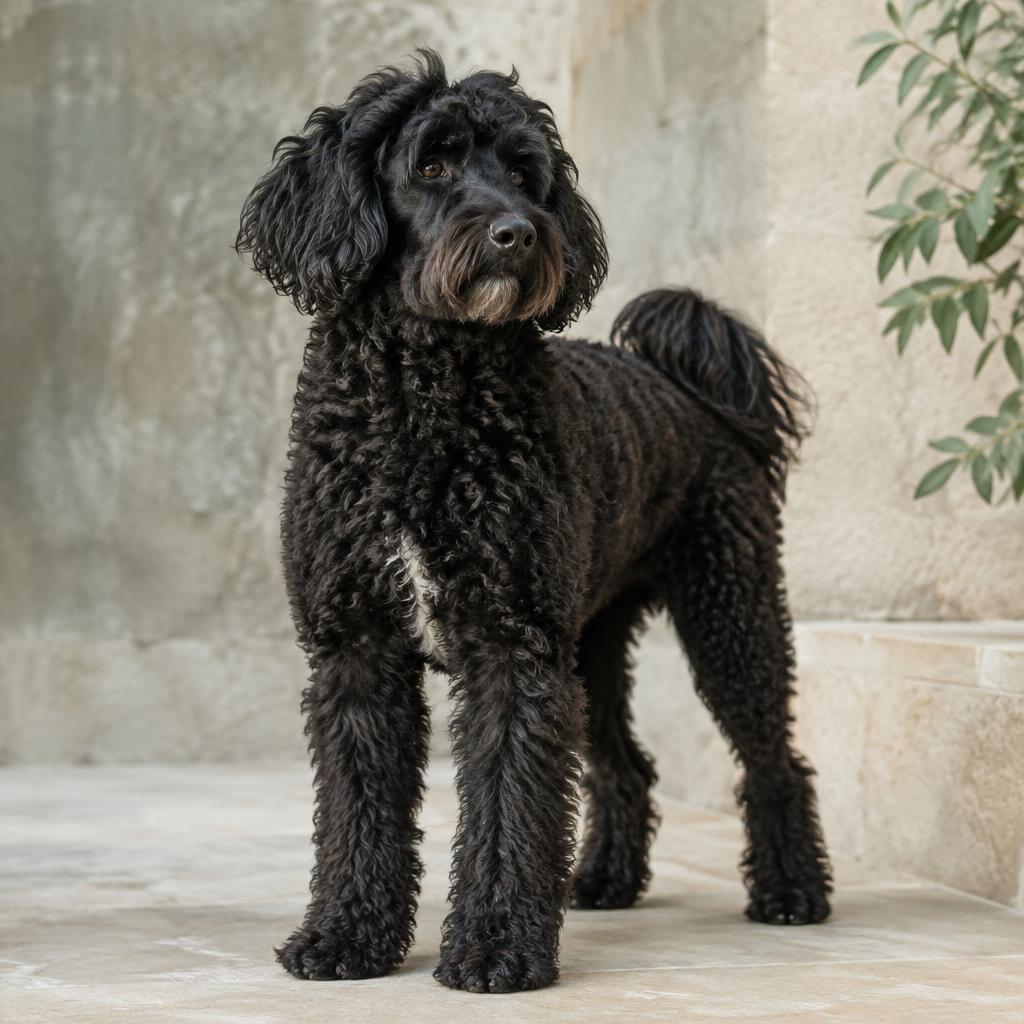
Portuguese Water Dog
A working water dog in a family-sized, low-shedding coat.