
Dog Sneezing: Play, Allergies and When It Means More
Most sneezing is a nose doing its job or a dog having fun. One-sided, bloody or relentless sneezing is the nose asking for help.
The SniffScroll desk
Published 10 October 2026
Dr Emma Whitfield, BVSc MRCVS
The short version
- Sneezing during play is a recognised excitement and calming signal, and needs no treatment.
- Sneezing that starts on walks or in grass points to inhaled irritants or pollen.
- Reverse sneezing, a loud inward snort, looks alarming but is almost always harmless.
- Discharge or sneezing from one nostril only, or any blood, needs a veterinary check.
- Frequent sneezing fits with pawing at the nose can mean something is lodged inside.
Most sneezes are just a nose at work
A dog's nose filters warm air, cold air, dust, pollen and the occasional blade of grass, and sneezing is how it clears the queue. A few sneezes a day in a dog who is otherwise well is not a symptom; it is housekeeping.
The questions that matter are when the sneezing happens, what comes out, and whether it comes from one nostril or both. Those three answers sort nearly every sneezing dog into harmless or worth a look.
The play sneeze and the reverse sneeze
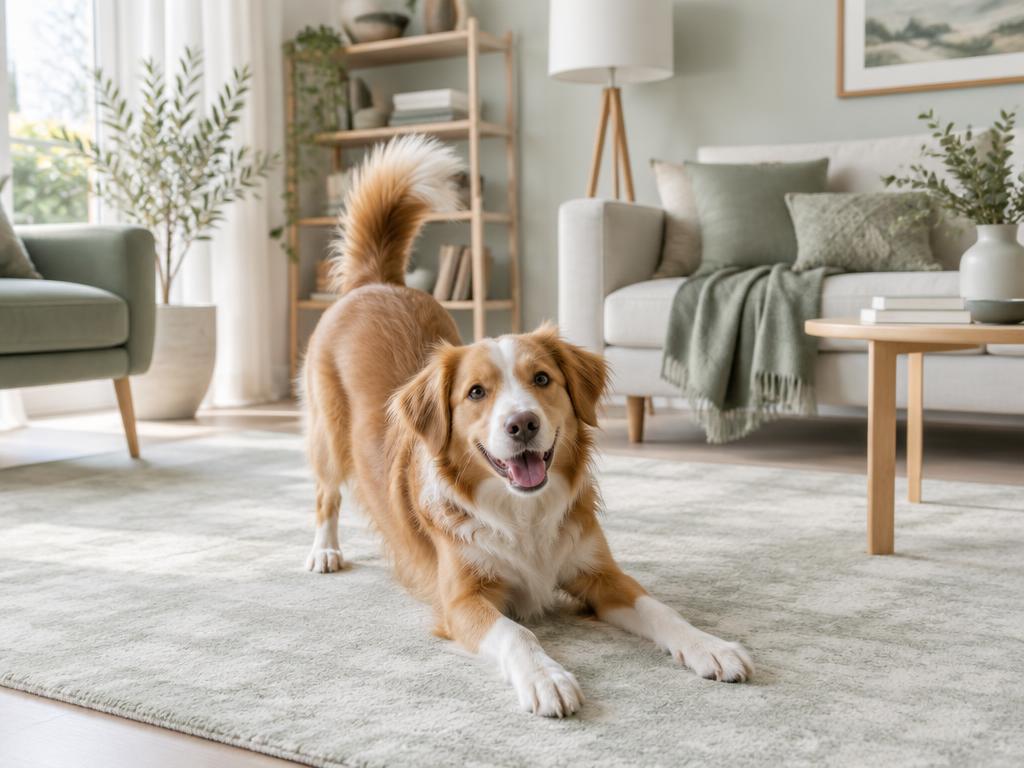
Two of the most worrying-looking sneezes are the most harmless. The play sneeze is a genuine social signal: dogs sneeze during rough play to say this is still a game. If your dog sneezes mid-wrestle and carries on happily, you are watching good manners, not illness.
The reverse sneeze is the one that frightens owners. Instead of air blasting out, it is pulled rapidly in, producing a loud snorting, honking fit, often with the neck stretched and the elbows out. It looks like choking. It is not. Episodes last seconds to a minute, end as suddenly as they start, and the dog is completely unbothered afterwards. Flat-faced breeds such as the Pug and French Bulldog do it most. Gently stroking the throat or briefly covering the nostrils so the dog swallows can end an episode sooner.
Allergies and irritants
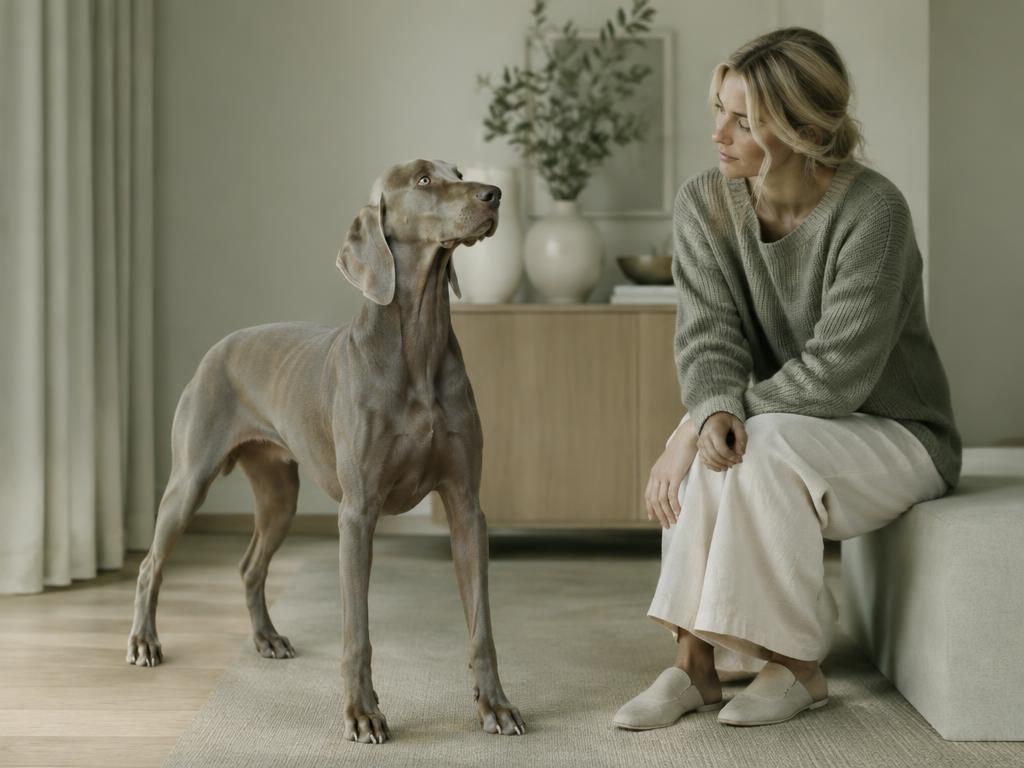
Sneezing that starts outdoors, in long grass, or in a particular season points to inhaled irritants or pollen. Dogs more often show allergies through their skin, as our guide to dog allergies explains, but some genuinely do sneeze their way through summer.
| Pattern | Likely cause | First move |
|---|---|---|
| --- | --- | --- |
| Sneezes on walks, in grass | Pollen, grass irritation | Rinse the snout after walks |
| Sneezes indoors, year-round | Dust, household sprays, perfume | Ventilate, drop scented products |
| Sudden violent fits | Possible grass seed or foreign body | Vet if not settled in hours |
| Seasonal, both nostrils, clear discharge | Allergy | Track the pattern, mention at check-up |
Scented candles, air fresheners and cleaning sprays are underrated triggers. If the sneezing started when a new product arrived, remove it for a fortnight and see.
Sneezing through the year
Like noses, sneezes have a calendar, and learning your dog's version of it removes most of the guesswork. Spring and early summer bring tree and grass pollen and the start of seed season. High summer is peak grass-seed time, when sudden violent fits on walks earn same-day attention. Autumn brings mould spores and leaf litter, and winter moves the triggers indoors: heating dust, closed windows and scented products doing their worst in stale air.
If your dog sneezes seasonally, keep a light record for one full year, just a note of when fits cluster. A dog who sneezes every May and every September is telling you something a vet can use, because seasonal patterns point firmly at allergy and away from most nastier causes, and they open the door to simple management timed to the calendar rather than year-round worry.
The signs that change the answer
Three findings move a sneeze from watch to act. One-sided discharge or sneezing suggests something inside one nostril: a grass seed, a tooth root abscess draining upward, or, in older dogs, a growth. Blood, beyond a single streak after a violent fit, always earns a check. Pawing at the nose with repeated fits means irritation the dog cannot clear, and a grass seed will not come out on its own.
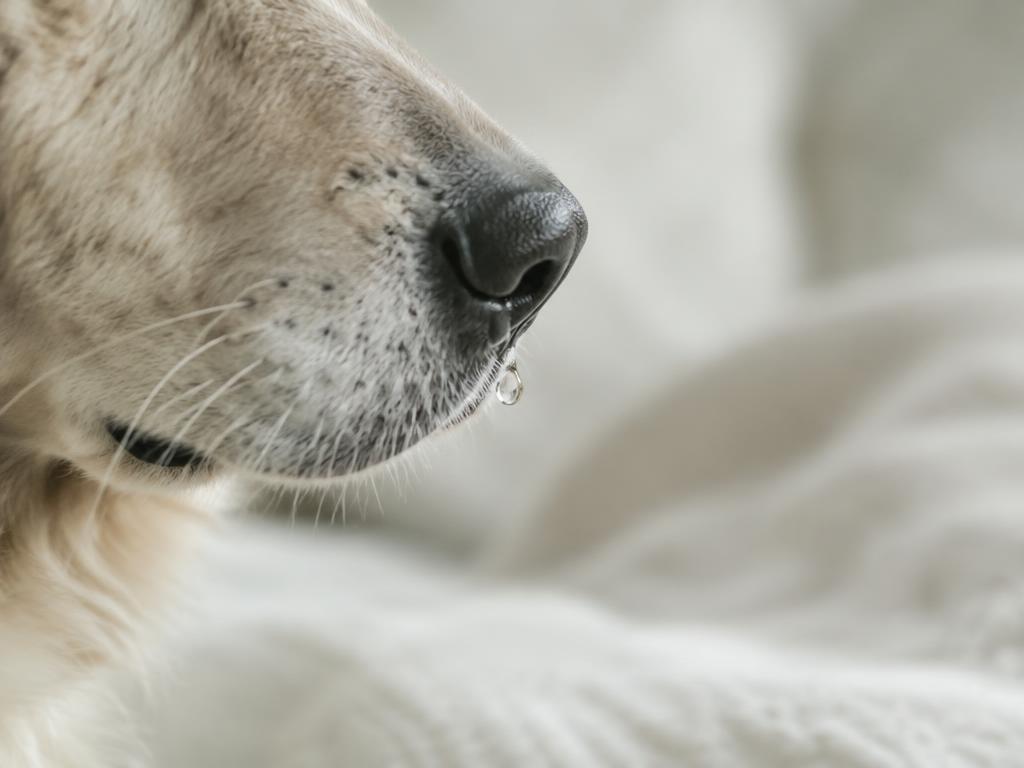
Dental disease is the sneaky one. The roots of the upper teeth sit just beneath the nasal passages, and an abscessed tooth can present as one-sided sneezing and discharge in a dog who still eats happily. If your dog's breath has changed too, our guide to dog bad breath is worth a read alongside this one.
Read a sneeze by its pattern: when it happens, what comes out, and whether both nostrils share it.
What the vet can actually do
Owners sometimes hesitate over sneezing because it feels too small for an appointment. It is not, and the consultation is usually quick and satisfying. The vet will examine the nose and face for symmetry and swelling, look at the teeth, since upper tooth roots sit just beneath the nasal passages, and listen to the story of when and how the sneezing happens. Many cases are settled there: a dental problem, an irritant, an allergy pattern.
When the answer is not visible from the outside, the next step is usually imaging and a look up the nose under sedation, called rhinoscopy. That is how grass seeds are found and removed, how polyps and growths are identified, and how a stubborn one-sided discharge finally gets its explanation. Allergy-driven sneezing is managed rather than cured: antihistamines or other medication in season, snout rinses after walks, and environmental changes at home. None of this is dramatic, and most sneezing dogs who see a vet are back to normal quickly. The ones who do badly are the ones whose one-sided, bloody or relentless sneezing was watched for months instead of weeks.
The grass seed problem
If this article has one warning worth remembering, it is this one. Grass seeds, the arrow-shaped awns of wild barley and similar grasses, are built to travel one way. Inhaled up a nostril during a walk, they lodge and then migrate, and they do not come out on their own. The signature is a sudden, violent sneezing fit during or just after a walk in long grass, often with pawing at the nose, sometimes with a little blood.
A dog showing that picture needs a vet the same day. The seed is usually removable under sedation if it is caught early; left for weeks, it can migrate deeper and turn a simple procedure into a difficult one. In seed season, keeping to cut grass, checking the coat and paws after walks, and treating a sudden sneezing storm as a same-day problem rather than a wait-and-see one is the whole strategy.
Sneezing in flat-faced breeds
Flat-faced dogs sneeze more, snort more and reverse sneeze more, because the same shortened anatomy that gives them their faces gives them turbulent airways. For a Pug or a French Bulldog, a baseline level of nasal noise is normal, and owners learn their own dog's soundtrack quickly. What matters in these breeds is change: louder than usual, more frequent than usual, or paired with discharge. Their airways have less reserve, so infections and obstructions escalate faster, and the threshold for a check should be set lower than for a long-nosed dog.
Puppies, adults and seniors: how sneezing changes with age
A sneezing puppy is almost always a healthy one. Puppies explore the world nose-first, hoovering up dust, grass and whatever the floor holds, and their sneezes are the sound of that education. Play sneezing is at its most theatrical in the young too. The exception worth knowing is the puppy with persistent one-sided discharge, which can signal a cleft palate or another congenital issue, usually spotted much earlier at the first vet checks.
Healthy adults follow the patterns this article describes: play, pollen, irritants and the occasional seed. Seniors shift the balance again. In a dog over eight, new persistent sneezing, especially one-sided or blood-streaked, carries a higher chance of dental disease and nasal growths, and the threshold for a check drops accordingly. An older dog's sneeze that would earn a fortnight of watching in a three-year-old earns an appointment instead. The same sign, read through the dog's age, is the whole art of it.
A note on sneezing and the household
Sneezing fits sometimes arrive in clusters that have nothing to do with the dog's nose at all. New carpets, fresh paint, a builder's dust, a switched laundry detergent on the dog's bedding: the nose notices all of it before you do. If sneezing started the week something in the house changed, change it back and watch for a fortnight. This costs nothing and solves a surprising share of cases.
It is also worth saying plainly that dogs do not catch human colds, and we do not catch theirs. A sneezing dog and a sneezing owner in the same house usually share an environment, dusty, dry or pollen-heavy, rather than a virus. If the whole household is sneezing, look at the house before you look at the dog.
When to see a vet
Book within a few days for coloured discharge, daily fits lasting more than a week, or sneezing paired with a reduced appetite. Book promptly, within a day, for any blood, one-sided discharge, facial swelling, or a sudden violent fit that will not settle. Trust the trend: a nose that is getting worse is telling you something a single sneeze cannot.
Interactive · sneeze checker
Is the sneezing normal?
Tell us when the sneezing happens and what, if anything, comes out. We will sort the harmless from the worth-a-visit.
What to do
- Note when the sneezing happens: play, walks, mealtimes or rest. The pattern is the clue.
- Check the nose in good light for discharge, and whether it comes from one nostril or both.
- Sneezing during play is a recognised calming and excitement signal in dogs; it needs no treatment at all.
Sounds like normal sneezing
A sneeze is usually just a nose doing its job. One-sided, bloody or relentless sneezing is the nose asking for help.
The calm owner's checklist
When the sneezing starts, run the same short sequence every time and you will rarely go wrong. First, check the context: play, walk, mealtime or rest. Second, look at the nose in good light for discharge, and note whether it comes from one nostril or both. Third, watch for pawing, rubbing the face along the ground, or fits that repeat within the hour. Fourth, think back over the fortnight for new products, new places and new routines.
That sequence answers most sneezing questions in five minutes. Play context plus a happy dog means carry on. Outdoor context plus clear discharge means rinse the snout and watch. One nostril, blood, pawing or a sudden violent storm means the vet. And a pattern you cannot explain after a fortnight of watching means the same. The nose is honest; it just needs reading in context, and context is the one thing only you can supply.
Keeping noses comfortable
Rinsing or wiping the snout after grassy walks removes pollen before it irritates. Keeping the house free of heavy fragrance helps sensitive noses year-round. And knowing your dog's normal, how often they sneeze on an ordinary day, is what turns a real change into something you notice early rather than late.
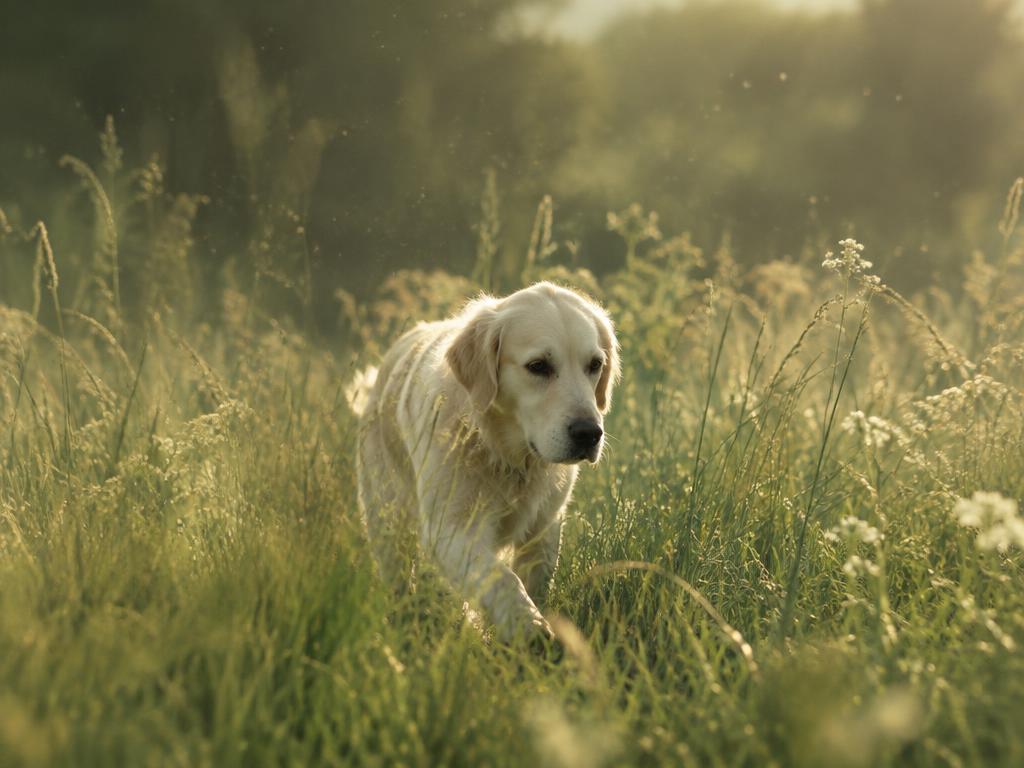
Keeping track without over-worrying
The sneezing diary need not become an obsession. A note on your phone with the date, the setting and anything you noticed, discharge, blood, a walk in long grass, is enough. Patterns emerge from a handful of entries: sneezes that only happen on the meadow loop point to pollen or grass seeds; sneezes that only happen after dinner point at the bowl or something in the food; sneezes that arrive with guests point at excitement rather than illness. Bring the notes to any appointment. They compress the history-taking, and they stop the consultation depending on memory. Most sneezing dogs, once the one-off foreign bodies and the rare stubborn infections are excluded, simply sneeze, and the diary is what lets everyone relax about it.
Questions people actually ask
Why does my dog sneeze when playing?
Play sneezing is a real, documented behaviour: dogs sneeze during rough-and-tumble to signal that the play is friendly. It is completely normal and needs nothing but appreciation.
What is reverse sneezing?
A sudden episode of rapid, loud inward snorts, often with the neck stretched out. It looks dramatic but is harmless, usually triggered by excitement or throat irritation, and passes in under a minute. Gently stroking the throat can shorten it.
Why is my dog sneezing so much all of a sudden?
A sudden burst of frequent sneezing, especially with pawing at the nose, can mean a grass seed or similar has been inhaled. If it does not settle within a few hours, or discharge appears, see a vet.
Can dogs get hay fever?
Yes, though it shows differently than in people. Pollen more often causes itchy skin than sneezing in dogs, but some dogs do sneeze seasonally. If sneezing tracks the seasons or particular places, allergies are a fair suspect.
Is a bloody sneeze an emergency?
It needs prompt attention, within a day. A single blood streak after a violent sneezing fit can be a broken surface vessel, but recurring blood, especially from one nostril, can signal a foreign body, dental disease or a growth.
Should I worry if my dog sneezes every day?
A few sneezes a day in a well dog is just a nose working. Daily sneezing fits, or a clear increase over weeks, deserves a check, particularly in older dogs.
Sources
Breeds mentioned
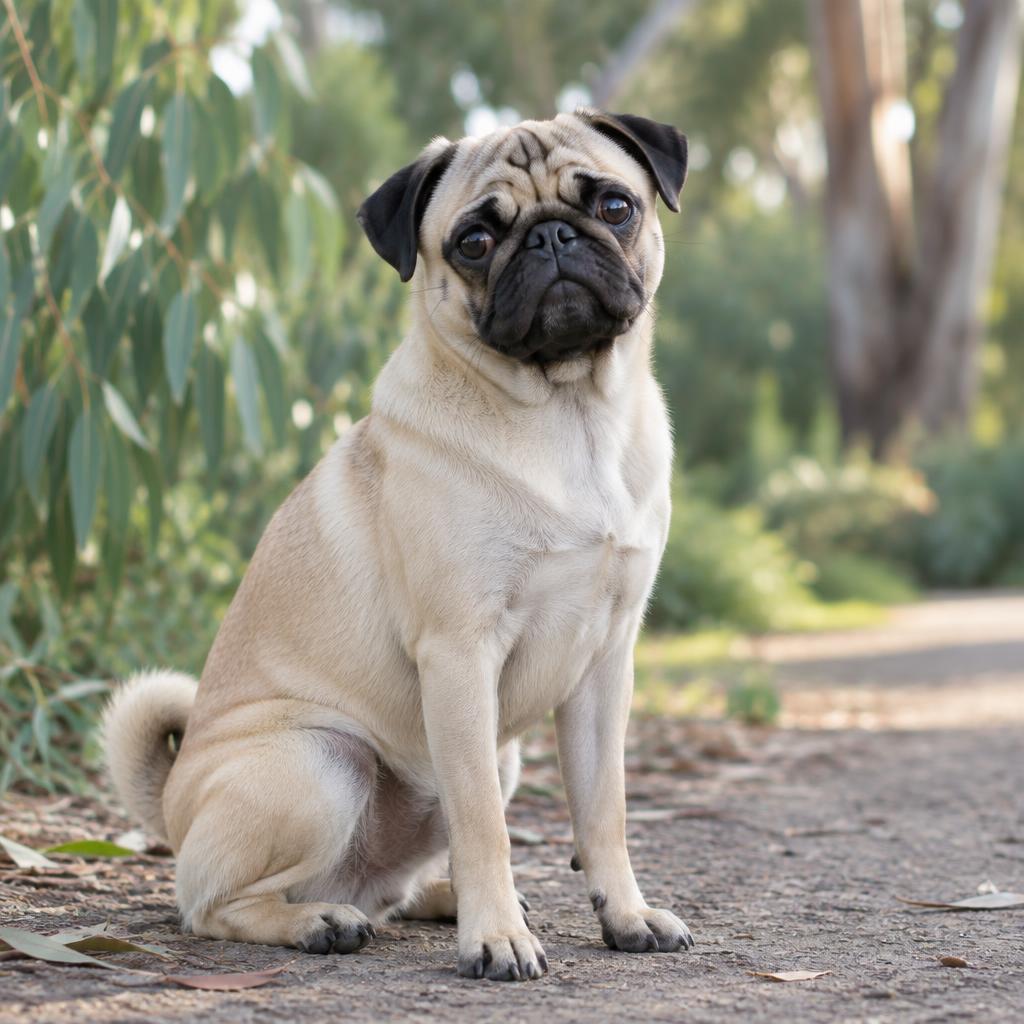
Pug
A charming, people loving companion whose flat face demands honest, careful ownership.

French Bulldog
A comic, affectionate companion built for city life, but with health needs that demand a careful breeder.

Beagle
A merry, sociable scenthound with a powerful nose and a mind of its own outdoors.

Shih Tzu
A affectionate, dignified companion dog bred for lap life, not long hikes.
Put it into practice
Read next
Dog Dry Heaving: Causes and When It Is an Emergency
Dog dry heaving is usually throat irritation or mild nausea, but repeated unproductive retching with a swollen, tight belly can be bloat (GDV), a life-threatening emergency.


