
Why Do Dogs Scoot? Anal Glands, Worms and Itchy Bottoms
A dog dragging its bottom across the floor is telling you something is itchy or full back there. Here is how to find the cause and fix it.
The SniffScroll desk
Published 9 October 2026
Reviewed against current veterinary guidance
The short version
- Full or blocked anal glands are the commonest cause of scooting.
- Rice-like segments around the bottom mean tapeworm: worm and treat fleas together.
- Firm stools empty the glands naturally, so fibre and a healthy weight help most dogs.
- Do not squeeze glands or lance swellings at home.
- Any swelling, discharge or pain near the bottom needs a vet within a day or two.
Few things make a dog owner wince quite like the sight of their dog sitting down on the living room rug and hauling themselves across it by the front legs. Dog scooting looks comical, and sometimes it is nothing more than a passing itch. But a dog dragging its bottom is telling you something is uncomfortable back there, and in most cases the cause is simple to find and easy to fix. The commonest culprit by a long way is the anal glands, followed by worms, allergies and soft stools.
This guide explains what scooting means, how to tell the likely cause from the signs, what you can safely do at home, and when a quick vet visit will save your dog a lot of discomfort.
Why do dogs scoot? The short answer
Dogs scoot because something around the bottom is itchy, full or sore, and dragging it along the ground is the only way they can scratch it. The most common cause is full or blocked anal glands. Other frequent causes are tapeworm, flea or food allergy, soft stools that leave the area irritated, and less often a skin infection, a tangle of matted fur or a small injury. Occasional scooting is normal; scooting several times a day, a fishy smell or any swelling means the glands or skin need checking.
What are anal glands, and why do they cause problems?
Anal glands are two small scent sacs that sit just inside the bottom at roughly four and eight o'clock, and they cause trouble when they fail to empty. Every dog has them. They fill with a strong-smelling, oily secretion that acts as a personal scent signature, which is why dogs sniff each other's rear ends when they meet.
Normally the glands empty a little each time your dog passes a firm stool, because the poo presses against them on the way out. When that does not happen, the fluid thickens, the sacs swell and the area becomes itchy and uncomfortable. Your dog responds the only way it can: by scooting, licking or chewing at the base of the tail.
Several things make gland problems more likely:
- Soft or loose stools, which do not press on the glands enough to empty them.
- Being overweight, because extra fat around the bottom changes the angle and pressure.
- Allergies, which inflame the skin and gland ducts so they narrow.
- Small breed size. Small dogs such as the Cavalier King Charles Spaniel, Chihuahua, Shih Tzu and Beagle are over-represented in UK veterinary data on anal sac disease.
Left alone, a full gland can become impacted (thick and blocked), then infected, and finally abscessed. An abscess appears as a hot, painful swelling beside the bottom that can burst through the skin. It is not an emergency in the life-threatening sense, but it is very painful and needs veterinary treatment.
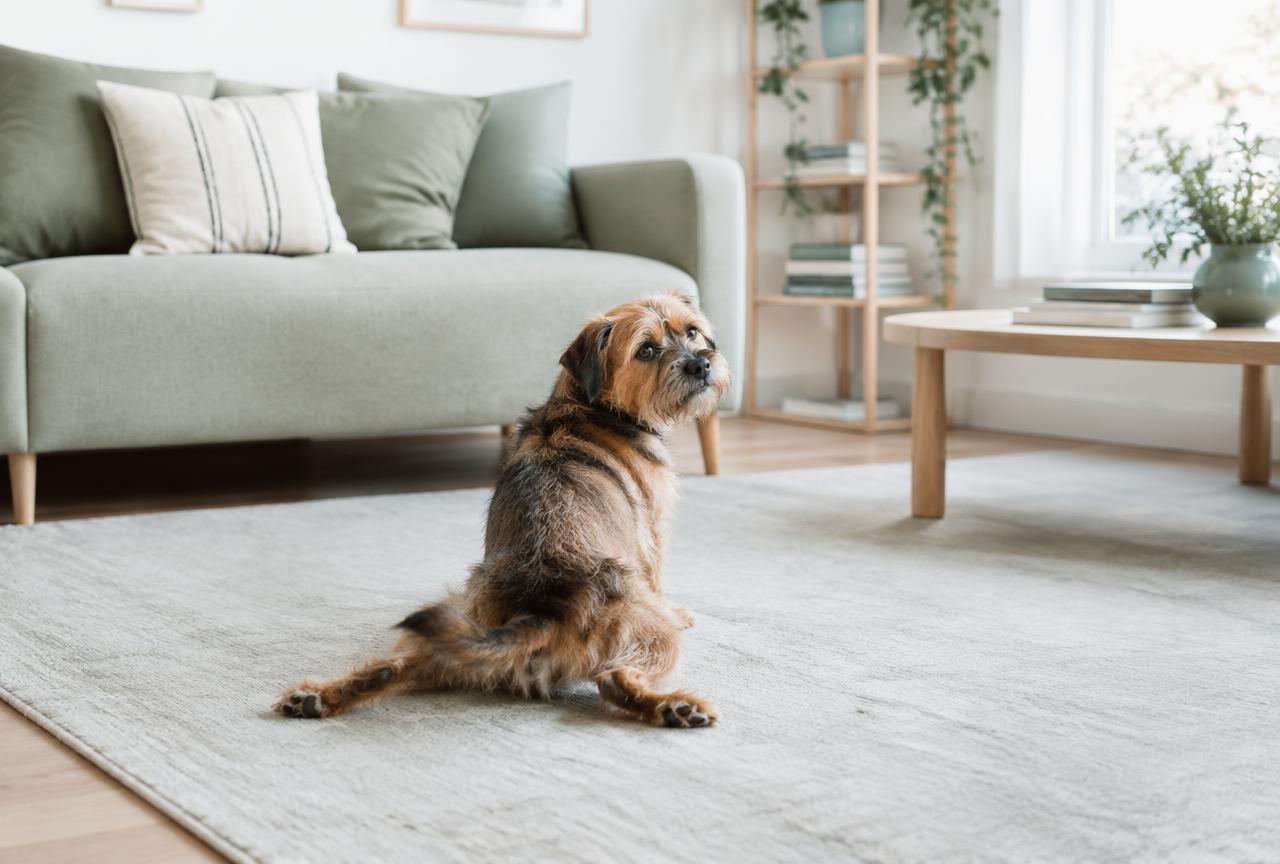
The common causes of scooting compared
The pattern of signs usually points clearly to one cause, and this table sets out how to tell them apart.
| Cause | Typical signs | How common | What helps |
|---|---|---|---|
| --- | --- | --- | --- |
| Full or impacted anal glands | Fishy smell, frequent scooting, licking under the tail | Very common | Gland expression by a vet or nurse, fibre, weight loss |
| Anal gland abscess | Red or purple swelling beside the bottom, pain, discharge | Occasional | Vet treatment, antibiotics and pain relief |
| Tapeworm | Rice-like segments around the bottom or in poo | Common | Wormer containing praziquantel, plus flea control |
| Flea allergy | Itching at the tail base and lower back, flea dirt | Very common | Effective flea treatment for every pet and the home |
| Food or environmental allergy | Itchy paws, ears and belly too, recurring | Common | Vet-led allergy management |
| Soft stools or diarrhoea | Messy bottom, irritated skin | Common | Treat the gut upset, firm the stool |
| Matted fur or debris | Long-coated dog, visible tangle or dried poo | Occasional | Gentle clipping and cleaning |
Is it worms?
Worms cause some scooting, but much less than most people think, and tapeworm is the one to look for. The tapeworm that dogs most often carry in the UK and Europe, *Dipylidium caninum*, is caught by swallowing an infected flea during grooming. Segments of the worm, each about the size and shape of a grain of rice, wriggle out of the bottom and can cause itching. You may see them stuck to the fur around the bottom, on the dog's bedding, or moving on a fresh poo. When dried they look like sesame seeds.
If you see these segments, two things need doing on the same day: a wormer that covers tapeworm (many cheaper wormers only cover roundworm, so check for praziquantel on the label), and an effective flea treatment for every pet in the house. Without the flea treatment, the tapeworm comes straight back. Our full guide to worms in dogs covers the other worm types and how often to treat, and the fleas on dogs guide explains how to clear an infestation properly.
Roundworm rarely causes scooting in adult dogs, and lungworm does not cause it at all. So a dog that scoots but is up to date with a broad wormer is much more likely to have a gland or skin problem than worms.
Allergies and itchy skin
Allergies are a hidden driver of scooting because they make the skin around the bottom inflamed and itchy, and they also make the anal glands more likely to block. A dog with an allergy rarely itches in only one place. Look for paw licking, recurrent ear infections, red armpits or belly, and chewing at the lower back. If your dog scoots and also has itchy paws or ears, an allergy is a strong possibility.
The commonest allergy in dogs is flea allergy dermatitis, where a single bite causes days of intense itching focused on the rump and tail base. Environmental allergy (to pollen, dust mites or moulds) and food allergy come next. Our guide to why your dog is itching walks through how vets tell these apart.
What can I do at home?
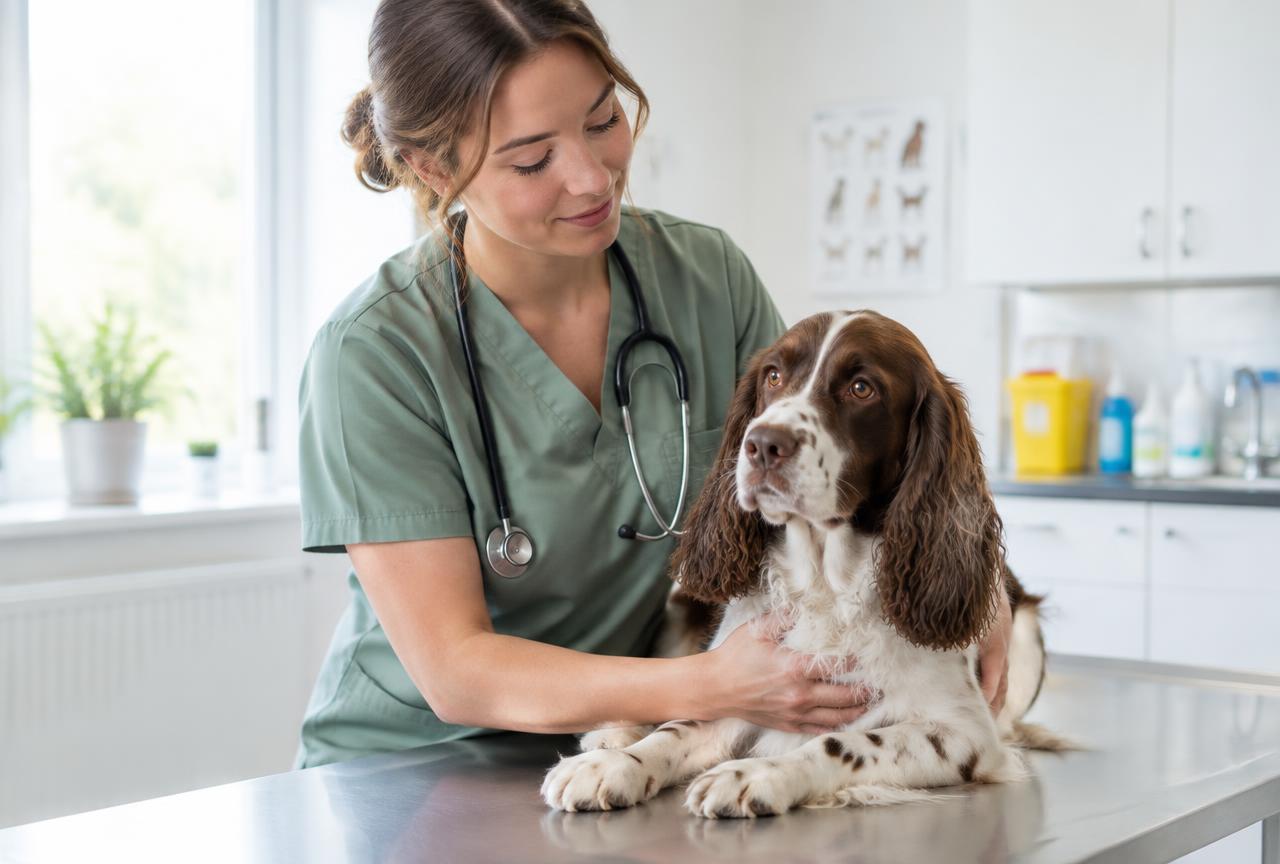
You can safely do several things at home to ease scooting and stop it coming back, but squeezing the glands yourself is not one of them unless your vet has shown you how. Here is the step-by-step plan most vets suggest.
- 1Look closely. Lift the tail in good light. Check for swelling, redness, discharge, matted fur, dried poo or white rice-like segments.
- 2Clean gently. Wipe the area with lukewarm water and a soft cloth or an unscented pet wipe. Trim matted fur with blunt-ended scissors or, better, ask a groomer.
- 3Check parasite treatment dates. If flea or worm treatment is overdue, give it now. Use a wormer that covers tapeworm if you have seen segments.
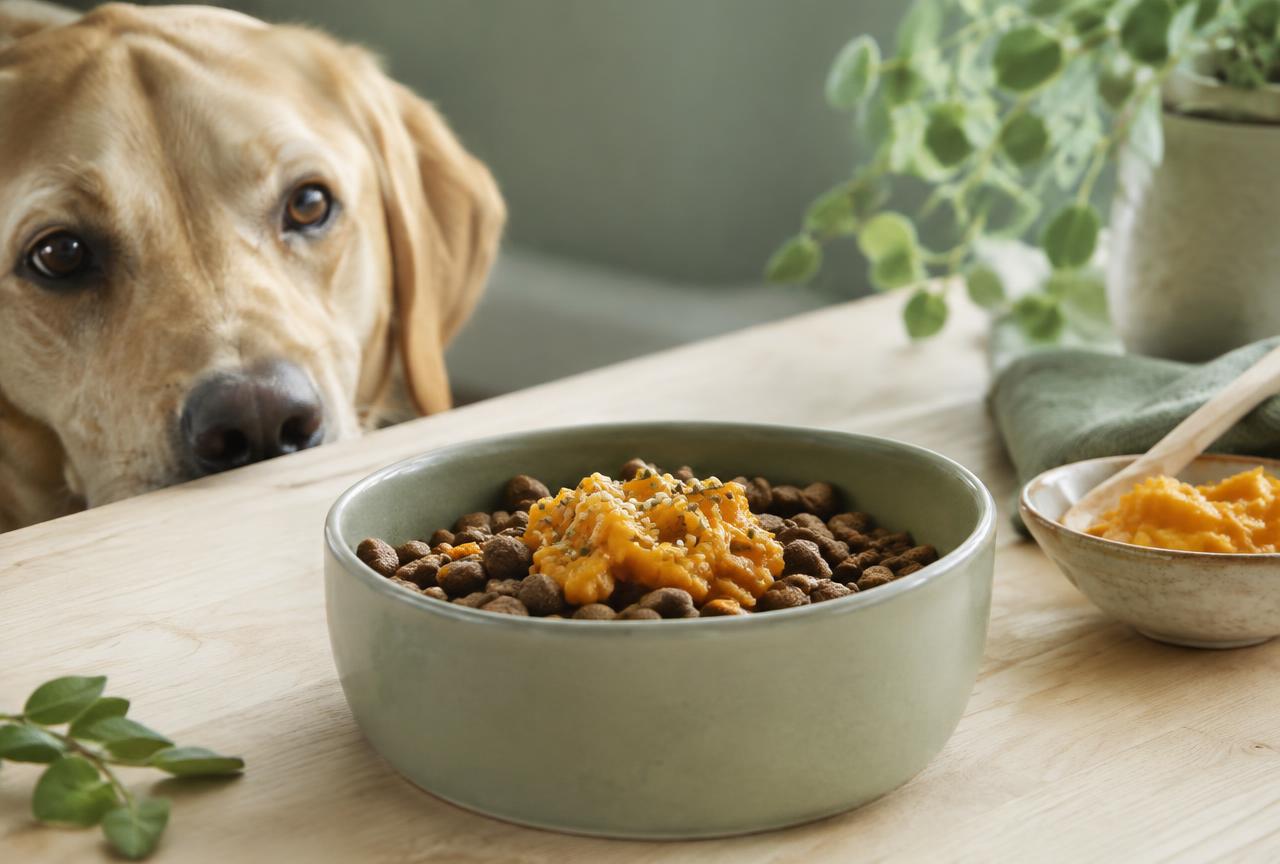
- 4Firm up the stools. Add fibre to help the glands empty naturally. A teaspoon to a tablespoon of plain cooked pumpkin (not pie filling) per meal, depending on size, or a vet-recommended fibre supplement. Introduce it gradually.
- 5Help your dog lose weight if needed. Even a small loss changes the pressure on the glands. Our ideal weight calculator shows your dog's target range.
- 6Book a gland check if scooting carries on for more than a few days, or straight away if you notice a smell or swelling.
Warm compresses (a clean cloth soaked in warm water, held against the area for five minutes) can soothe a sore bottom while you wait for an appointment, but they do not replace treatment of an impacted or infected gland.
Firm poo is the best gland treatment there is. Most dogs with recurring gland trouble improve once their stools are consistently well formed.
Should I have my dog's glands expressed regularly?
Routine gland emptying is only worth doing for dogs that have a proven, recurring problem, and doing it unnecessarily can make things worse. Some groomers express glands as part of every groom. Many vets now advise against this for dogs that have never had trouble, because repeated squeezing can inflame the ducts and stop the glands emptying on their own.
For dogs that do have repeated problems, your vet may suggest expression every four to eight weeks, alongside diet changes and allergy management. A small number of dogs with persistent infections or abscesses benefit from surgery to remove the glands, which is usually a last resort.
A quick checklist for a scooting dog
Use this list whenever you see your dog scooting more than once or twice:
- Has my dog had soft stools in the last week?
- Is there a fishy smell from the back end?
- Can I see any swelling, redness or discharge beside the bottom?
- Are there rice-like segments in the fur or on the bedding?
- Is flea and worm treatment up to date for every pet in the house?
- Is my dog itchy anywhere else, such as paws, ears or belly?
- Is my dog carrying extra weight?
- Is the fur around the bottom clean and free of tangles?
The interactive sorter below turns these answers into a likely cause and next step.
Interactive · scoot sorter
Why is your dog scooting?
Answer a few questions and we will point you to the most likely cause and the right next step.
What to do
- Keep worming and flea prevention up to date and recheck if scooting becomes regular.
Probably a one-off itch
An occasional scoot after a soft poo or a walk through long grass is common. Watch for a pattern over the next week.
When should I see the vet?
See your vet within a day or two if you notice swelling, redness or discharge near the bottom, if your dog is in obvious pain sitting down, or if scooting goes on for more than three or four days. These signs suggest an impacted or infected gland, which needs a professional to empty it and sometimes antibiotics and pain relief.
Book a same-day appointment if:
- There is a hot, red or purple swelling beside the bottom, or a wound that is leaking blood or pus.
- Your dog cries out, will not sit, or holds the tail clamped down.
- There is blood in the stool or your dog is straining with nothing coming out.
- Your dog seems unwell, lethargic or off food alongside the scooting.
A gland check is quick and inexpensive in most practices. If problems keep coming back, ask your vet about allergy testing and a long-term diet plan rather than repeated emptying alone.
Which dogs are most prone?
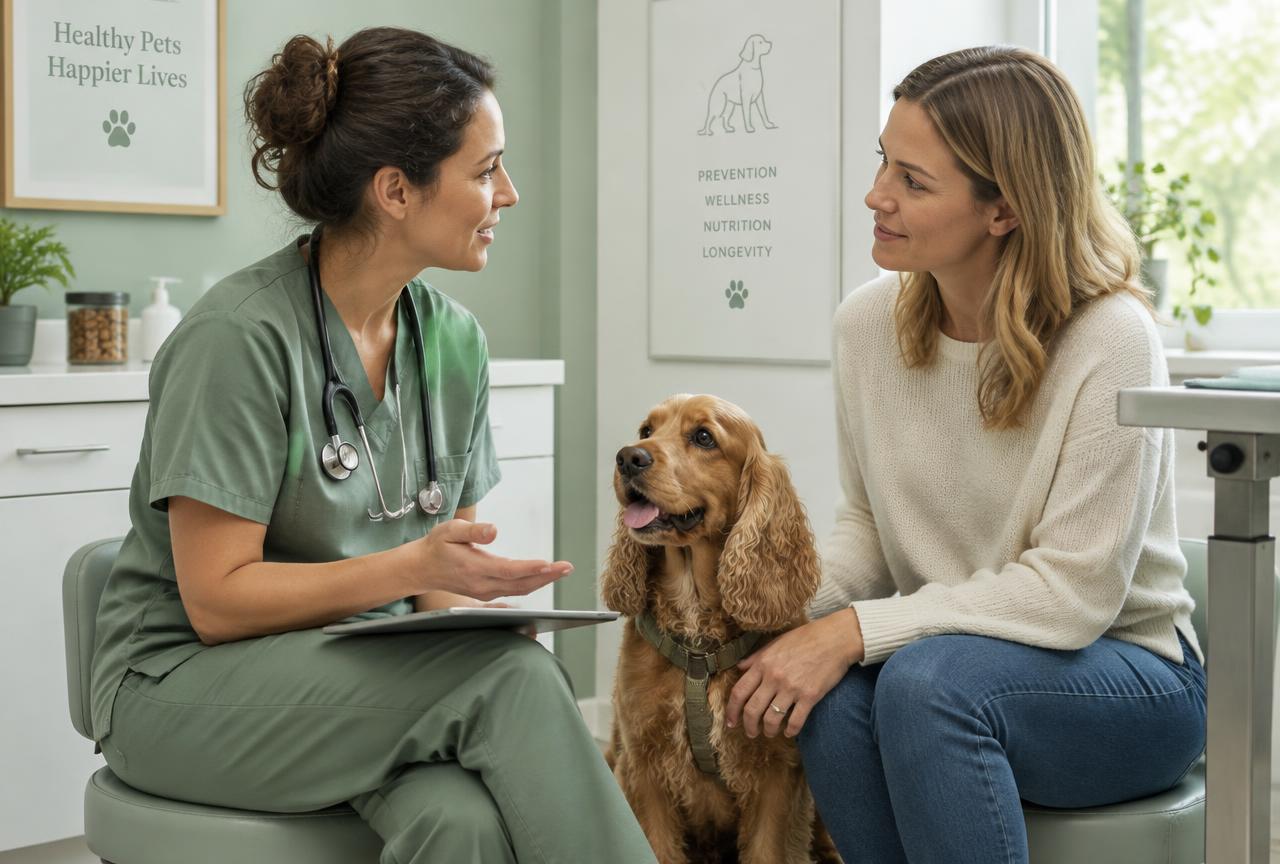
Small and toy breeds, overweight dogs and dogs with allergies scoot most often. A Royal Veterinary College study of UK first-opinion practice records found anal sac disorders affected around 4 percent of dogs each year, with breeds such as the Cavalier King Charles Spaniel, King Charles Spaniel, Cocker Spaniel, Shih Tzu and Bichon Frise at higher risk. Larger breeds are not immune, though: a Labrador Retriever that is overweight and prone to soft stools can have just as much trouble.
The bottom line
Scooting is common, rarely serious and usually fixable. In most dogs it means the anal glands are full, and the long-term answer is firm stools, a healthy weight and good parasite control. Look closely, clean the area, check treatment dates, and book a gland check if it carries on. Any swelling, discharge or pain means a vet visit soon, because an abscess will not get better on its own.
Questions people actually ask
Is dog scooting always worms?
No. Worms, mainly tapeworm, cause some scooting, but full anal glands are a far more common cause. Allergies and soft stools come next.
Can I express my dog's anal glands myself?
Only if your vet has shown you how and your dog has a proven recurring problem. Squeezing healthy glands can inflame them.
How often should anal glands be emptied?
Only when needed. Dogs with no problems should not have routine expression. Dogs with recurring trouble may need it every four to eight weeks.
What can I add to my dog's food to help the glands?
Fibre, such as a spoonful of plain cooked pumpkin or a vet-recommended fibre supplement, helps form firmer stools that empty the glands.
Is scooting an emergency?
Not usually, but a hot, red swelling, discharge, blood or obvious pain needs a vet the same day or next.
Why does my dog smell fishy?
A fishy smell from the back end is almost always anal gland fluid, either leaking from full glands or released when the dog is frightened.
Sources
Breeds mentioned

Cavalier King Charles Spaniel
An affectionate, adaptable toy spaniel that thrives on human company above almost anything else.
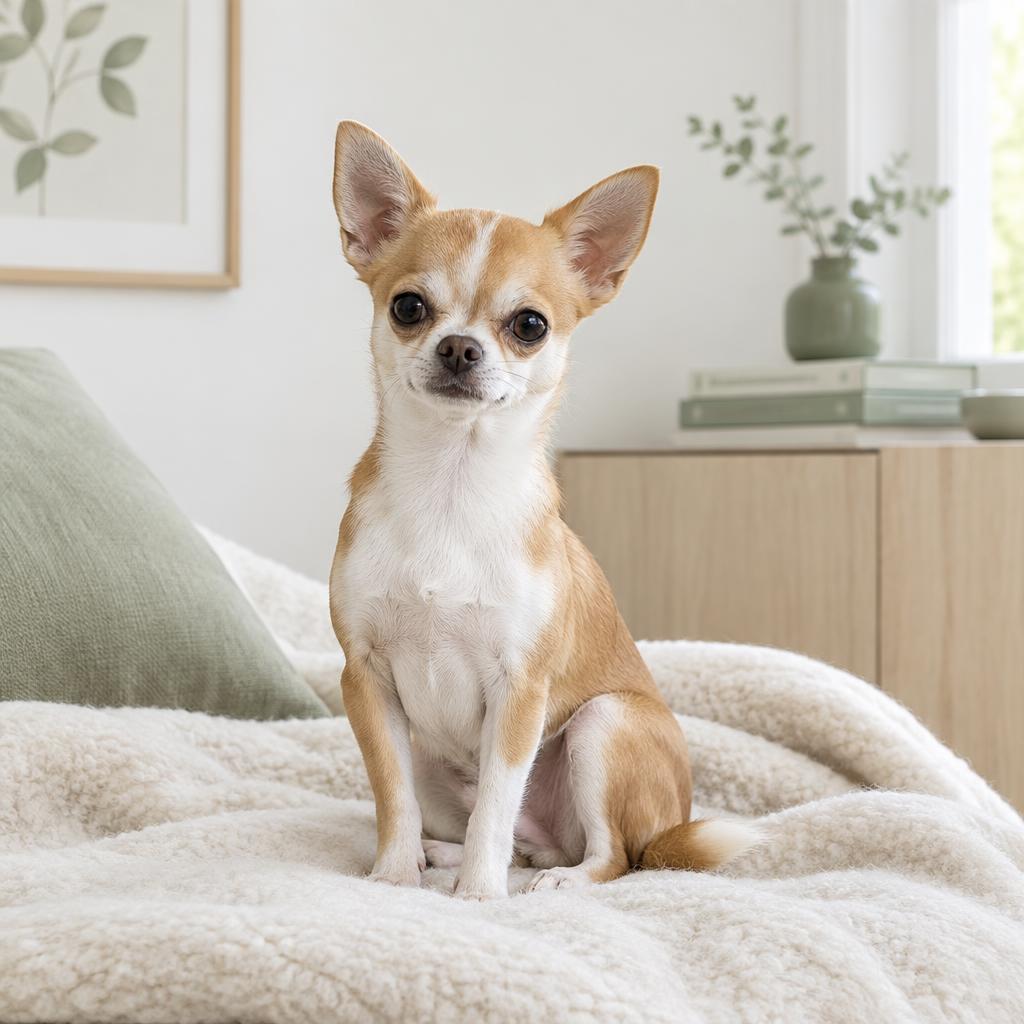
Chihuahua
A tiny, big-hearted toy breed that needs careful handling, dental care and protection from the cold.

Shih Tzu
A affectionate, dignified companion dog bred for lap life, not long hikes.

Beagle
A merry, sociable scenthound with a powerful nose and a mind of its own outdoors.
Put it into practice
Read next
Dog Dry Heaving: Causes and When It Is an Emergency
Dog dry heaving is usually throat irritation or mild nausea, but repeated unproductive retching with a swollen, tight belly can be bloat (GDV), a life-threatening emergency.


