
Dog Worms: Types, Symptoms and a Worming Schedule
Roundworm, tapeworm and lungworm are caught in different ways and need different treatments. Here is what to know and how often to worm.
The SniffScroll desk
Published 9 October 2026

Reviewed against current veterinary guidance
The short version
- Nearly all puppies have roundworm; worm every two weeks until twelve weeks old.
- Adults need worming at least every three months, monthly if higher risk.
- Lungworm comes from slugs and snails and needs a specific prescription product.
- Tapeworm needs praziquantel, plus flea control.
- Picking up poo and washing hands protects children from roundworm eggs.
Worms in dogs are one of those subjects most owners would rather not think about, but almost every dog will meet them at some point. Puppies are usually born with roundworm, adult dogs pick up worm eggs from soil, grass and scavenged food, and fleas carry tapeworm. Some worms cause little more than an upset tummy; others, such as lungworm, can be life-threatening. A simple, sensible worming schedule and a few everyday habits keep your dog, and your family, protected.
This guide explains the main types of worms in dogs, the symptoms to watch for, how often to worm by age and lifestyle, and when to see the vet.
What are the main types of worms in dogs? The short answer
The main worms in dogs in the UK and Europe are roundworms, tapeworms, lungworm, hookworms and whipworms. Roundworm is the most common, especially in puppies. Tapeworm is usually caught from swallowing fleas. Lungworm comes from eating slugs and snails and can cause serious illness. Most adult dogs should be wormed at least every three months, monthly if they scavenge, eat raw food or live with young children, and puppies need worming every two weeks until twelve weeks old. Your vet will tailor the plan to your dog.
The worms you need to know about
Each type of worm is caught differently and causes different problems, and not every wormer covers them all. This table compares them.
| Worm | How dogs catch it | Common signs | Risk to people | Covered by most wormers? |
|---|---|---|---|---|
| --- | --- | --- | --- | --- |
| Roundworm (*Toxocara canis*) | From the mother before birth and in milk, eggs in soil | Pot belly in puppies, vomiting, diarrhoea, poor growth | Yes, eggs can cause eye and organ damage, especially in children | Yes |
| Tapeworm (*Dipylidium*) | Swallowing infected fleas | Rice-like segments around the bottom, scooting | Rare | Only if it contains praziquantel |
| Tapeworm (*Echinococcus*, *Taenia*) | Eating raw offal, carcasses, prey | Usually none in dogs | *Echinococcus* can cause serious cysts in people | Only if it contains praziquantel |
| Lungworm (*Angiostrongylus vasorum*) | Eating slugs and snails, or their slime on toys and bowls | Coughing, tiring easily, bleeding, bruising, collapse | No | Only specific prescription products |
| Hookworm | Eggs and larvae in soil, through the skin | Anaemia, diarrhoea, weight loss | Can cause skin irritation | Most |
| Whipworm | Eggs in soil | Chronic diarrhoea with mucus | No | Some |

Roundworm: the commonest worm
Roundworm is the most common worm in dogs, and nearly all puppies have it. Larvae lie dormant in the mother's tissues and pass to the puppies before they are born and through her milk. Infected puppies can develop a pot belly, a dull coat, diarrhoea, vomiting and poor growth, and heavy burdens can cause a blockage. You may see spaghetti-like worms in vomit or poo.
In adult dogs, roundworm usually causes no signs at all, but infected dogs still pass millions of eggs in their poo. These eggs become infectious after a few weeks in the environment and can survive in soil for years. If a child swallows them, the larvae can migrate through the body and, rarely, cause blindness. This is the main reason regular worming and picking up after your dog matters so much.
Tapeworm: flat, segmented and linked to fleas
Tapeworms are flat, segmented worms that attach to the gut wall, and the commonest in dogs is caught by swallowing an infected flea. You may notice small, white, rice-like segments around the bottom, on bedding or on the surface of fresh poo, and the itch can make dogs scoot.
Other tapeworms are caught from eating raw meat, offal, carcasses or prey such as rabbits. One, *Echinococcus granulosus*, is found in parts of the UK and Europe where dogs have access to sheep carcasses, and can cause serious cysts in people. Dogs that hunt, scavenge or eat raw food need more frequent tapeworm treatment.
Many wormers only cover roundworm. For tapeworm, check the product contains praziquantel. And always treat for fleas at the same time, or the tapeworm returns.
Lungworm: the one that can be dangerous
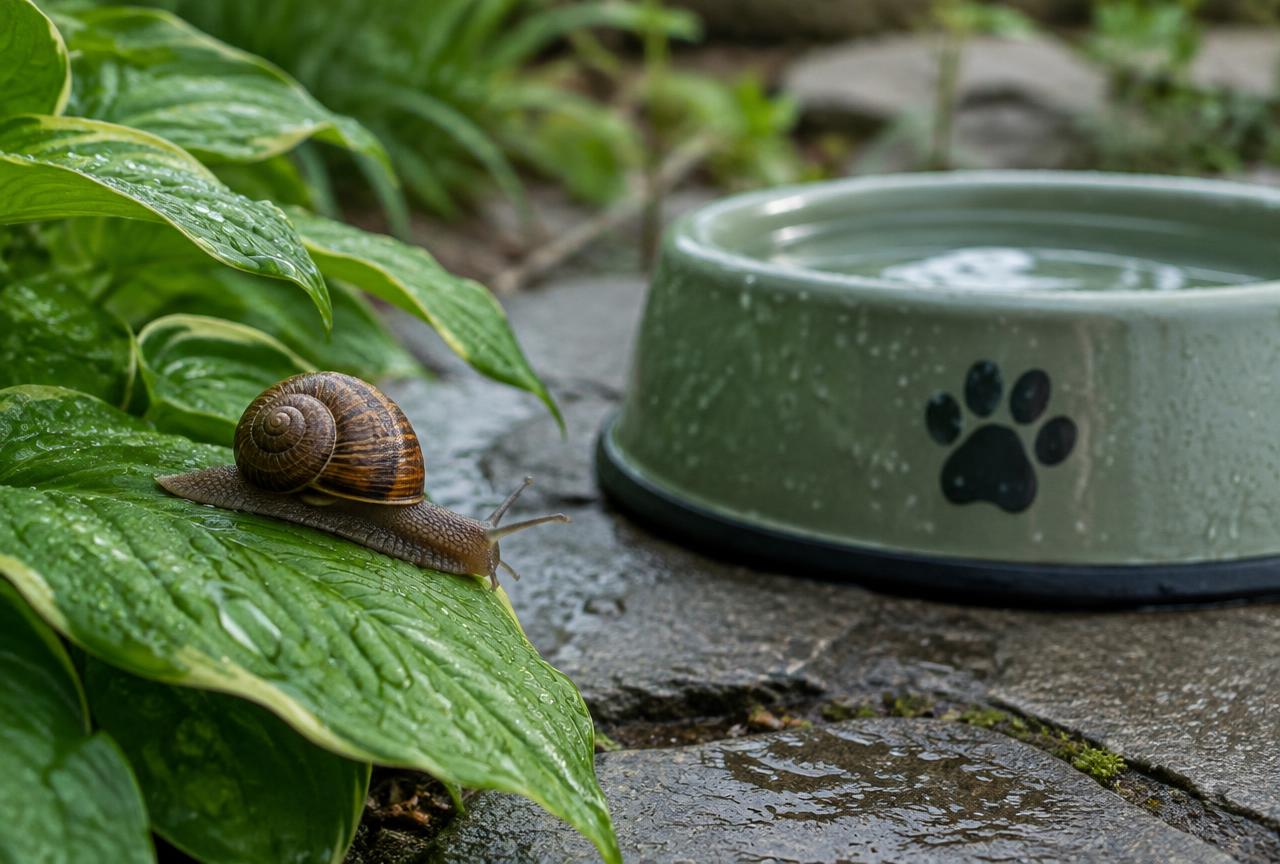
Lungworm (*Angiostrongylus vasorum*) is the most serious worm for dogs in the UK and parts of Europe, and it is caught by eating slugs and snails, even tiny ones on grass, toys or water bowls left outside. The adult worms live in the heart and the blood vessels of the lungs, and the infection can cause coughing, breathing difficulty, tiring on walks, weight loss and, critically, problems with blood clotting. Signs of a clotting problem include nosebleeds, bleeding from minor cuts that will not stop, and bruising.
Lungworm has spread across the UK over the past twenty years and is now found in most regions. Young dogs and curious dogs that eat or play with slugs are most at risk, and breeds such as the Cavalier King Charles Spaniel, Jack Russell Terrier and Staffordshire Bull Terrier feature regularly in case reports, likely because of their habits rather than genetics. Most routine wormers do not cover lungworm; you need a specific prescription product, usually given monthly.
What are the symptoms of worms in dogs?
Many dogs with worms show no signs at all, which is why routine prevention matters more than waiting for symptoms. When signs do appear, they can include:
- Worms or rice-like segments in poo, vomit or around the bottom.
- Diarrhoea, sometimes with mucus or blood; see our guide to dog diarrhoea.
- Vomiting.
- A pot belly, especially in puppies.
- Weight loss despite a normal or increased appetite.
- A dull, dry coat.
- Scooting or licking the bottom.
- Coughing, tiring easily, bleeding or bruising (lungworm).
- Pale gums from anaemia (hookworm).
How often should I worm my dog?
How often to worm your dog depends on age and lifestyle, and European parasite experts (ESCCAP) recommend worming adult dogs at least four times a year, and monthly for higher-risk dogs. Here is a typical schedule; your vet will adjust it.
- 1Puppies from two to twelve weeks: every two weeks, with a product safe for young puppies.
- 2Puppies from three to six months: monthly.
- 3Adult dogs, low risk: at least every three months.
- 4Adult dogs, higher risk: monthly. This includes dogs that scavenge or eat poo, eat raw food, hunt, or live with young children or vulnerable people.
- 5Lungworm risk: monthly lungworm prevention with a licensed product if your dog has contact with slugs and snails, which in the UK means most dogs.
- 6Pregnant and nursing dogs: a vet-led plan to reduce the roundworm passed to the puppies.
An alternative for some adult dogs is a faecal egg count every three months, which tests a poo sample for worm eggs and treats only if needed. It works well for roundworm and some other worms, but it does not reliably detect tapeworm or lungworm, so ask your vet whether it suits your dog.
Worming is not just for your dog. Regular treatment and picking up poo protects children, who are the most likely to be harmed by roundworm eggs.
Everyday habits that cut worm risk
Alongside a worming schedule, a few simple habits reduce your dog's exposure:
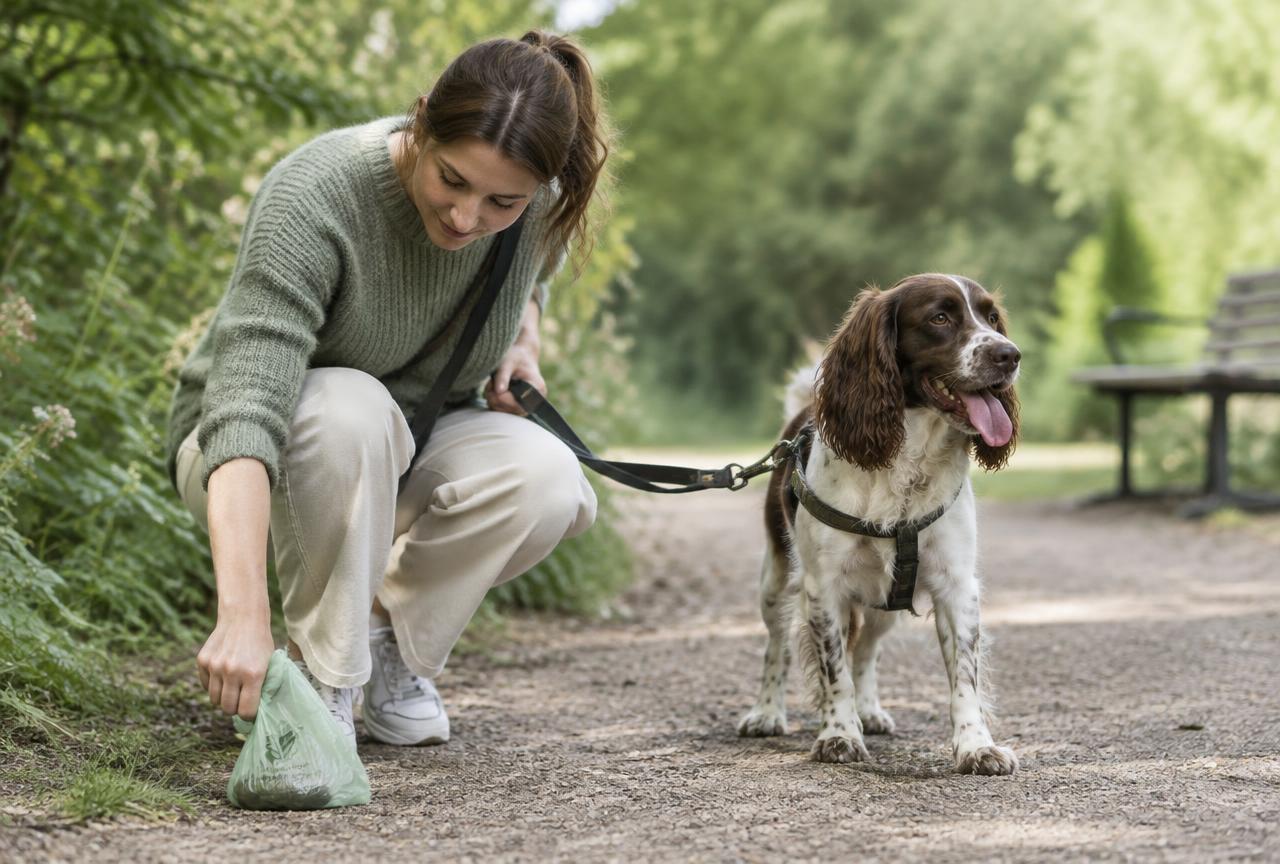
- Pick up poo straight away, in the garden as well as on walks.
- Wash hands after handling your dog, its toys and especially after picking up poo, and teach children to do the same.
- Bring water bowls and toys in at night, when slugs and snails are active.
- Keep flea prevention up to date for every pet in the house.
- Discourage scavenging, eating poo and eating carcasses; our guide to why dogs eat poop has training tips.
- If you feed raw, use products frozen to recognised standards and discuss tapeworm cover with your vet.
Plan your dog's worming
Use the planner below to see a suggested worming frequency based on your dog's age and lifestyle.
Interactive · worming planner
How often should you worm your dog?
Answer a few lifestyle questions to see a suggested worming frequency based on European parasite-risk guidance.
Your worming plan
- Pick up poo promptly and wash hands after; roundworm eggs can stay infective in soil for years.
- An alternative to routine worming is a faecal egg count every 3 months; ask your practice.
- Confirm the product and timing with your vet, who knows local risks.
Suggested: Every 3 months
This is a general guide only. Your vet will tailor it to your area, your dog's health and the products available.
Common myths about worms
A few persistent myths lead owners to under-treat or over-treat. Garlic does not prevent worms, and it is toxic to dogs in larger amounts; see our list of foods dogs must never eat. Dragging the bottom is not proof of worms; anal glands are a far more common cause. An indoor or town dog is not worm-free: eggs arrive on shoes, slugs reach the smallest gardens and fleas hitchhike in. Natural or herbal wormers have no good evidence behind them and should not replace licensed products. Finally, one wormer does not cover everything, so always check the label for the worms it treats, particularly tapeworm and lungworm.
When should I see the vet?
See your vet if you see worms in your dog's poo or vomit despite regular worming, if your puppy has a pot belly or is not growing well, or if your dog has persistent diarrhoea, vomiting or weight loss. Your vet can test a poo sample, identify the worm and choose the right treatment.
Seek urgent veterinary care if your dog has:
- Coughing, breathing difficulty or tires very quickly on walks.
- Nosebleeds, bleeding that will not stop from a small cut, bruising or blood in the eyes, which can signal lungworm.
- Pale gums, weakness or collapse.
- Repeated vomiting, or vomiting with a swollen, painful belly.
These signs need same-day attention, because lungworm and severe infections can become life-threatening, but they are treatable when caught early.

The bottom line
Worms in dogs are common and mostly easy to prevent. Puppies need worming every two weeks to twelve weeks of age, then monthly to six months. Adults need treatment at least every three months, monthly if they scavenge, eat raw food or live with young children, and most UK dogs benefit from monthly lungworm prevention. Pick up poo, keep fleas under control, and ask your vet to tailor a plan to your dog's lifestyle and where you live.
Questions people actually ask
How often should I worm my dog?
At least every three months for low-risk adults, monthly for dogs that scavenge, eat raw food or live with young children, and every two weeks for puppies under twelve weeks.
What do worms in dog poo look like?
Roundworms look like spaghetti; tapeworm segments look like grains of rice, and like sesame seeds when dried.
Can I catch worms from my dog?
Yes, roundworm eggs can infect people, especially children. Regular worming, picking up poo and washing hands prevent this.
Do all wormers cover lungworm?
No. Most routine wormers do not. Lungworm needs a specific licensed product, usually monthly, from your vet.
What are the signs of lungworm?
Coughing, tiring quickly, breathing difficulty, nosebleeds, bruising and bleeding that will not stop. It needs urgent vet care.
Can indoor dogs get worms?
Yes. Eggs come in on shoes, fleas carry tapeworm, and even small gardens have slugs and snails.
Sources
Breeds mentioned

Cavalier King Charles Spaniel
An affectionate, adaptable toy spaniel that thrives on human company above almost anything else.

Jack Russell Terrier
A bold, tireless working terrier with huge personality packed into a small frame.

Staffordshire Bull Terrier
A muscular, people loving terrier that thrives on closeness and firm, fair handling.

Beagle
A merry, sociable scenthound with a powerful nose and a mind of its own outdoors.
Put it into practice
Read next
Dog Dry Heaving: Causes and When It Is an Emergency
Dog dry heaving is usually throat irritation or mild nausea, but repeated unproductive retching with a swollen, tight belly can be bloat (GDV), a life-threatening emergency.


