
Utility group
Tibet
Tibetan Terrier
A devoted, sure-footed companion from the Himalayas for owners who love brushing and want a long-lived friend.
Reviewed by the SniffScroll editorial team
The shaggy 'holy dog' of Tibet, devoted and sure-footed, and not a terrier at all
The short version
- Adults usually weigh 8 to 14 kg and stand 36 to 41 cm
- Not a true terrier: a gentle, devoted companion breed
- Long double coat needs brushing at least twice a week
- Expect heavy matting as the puppy coat changes at 10 to 18 months
- Ask for lens luxation, PRA and NCL DNA tests on both parents
- Weight
- 8 to 14 kg
- Height
- 36 to 41 cm
- Lifespan
- 12 to 16 yrs
- Size
- Medium
- Group
- Utility
- Coat
- Long, fine double coat
- Grown male
- 9 to 14 kg
- Grown female
- 8 to 12.5 kg
- Years to full size
- about 1.5
- One-off setup
- €550 to 1000
Get one if…
- Families or couples who are home a fair amount
- Owners happy to brush several times a week
- Flats or houses with daily outings
- People wanting a long-lived, devoted companion
Think again if…
- Anyone wanting a low-maintenance coat
- Owners out at work all day
- People expecting a scrappy working terrier
- Very boisterous homes with harsh handling
Trait profile
Scores reflect a typical adult Tibetan Terrier.
Space & setup. Adapts well to flats with daily walks; loves climbing and jumping where safe.
Allergies. Sheds little, which suits some allergy sufferers, but no dog is hypoallergenic.
Living with a Tibetan Terrier
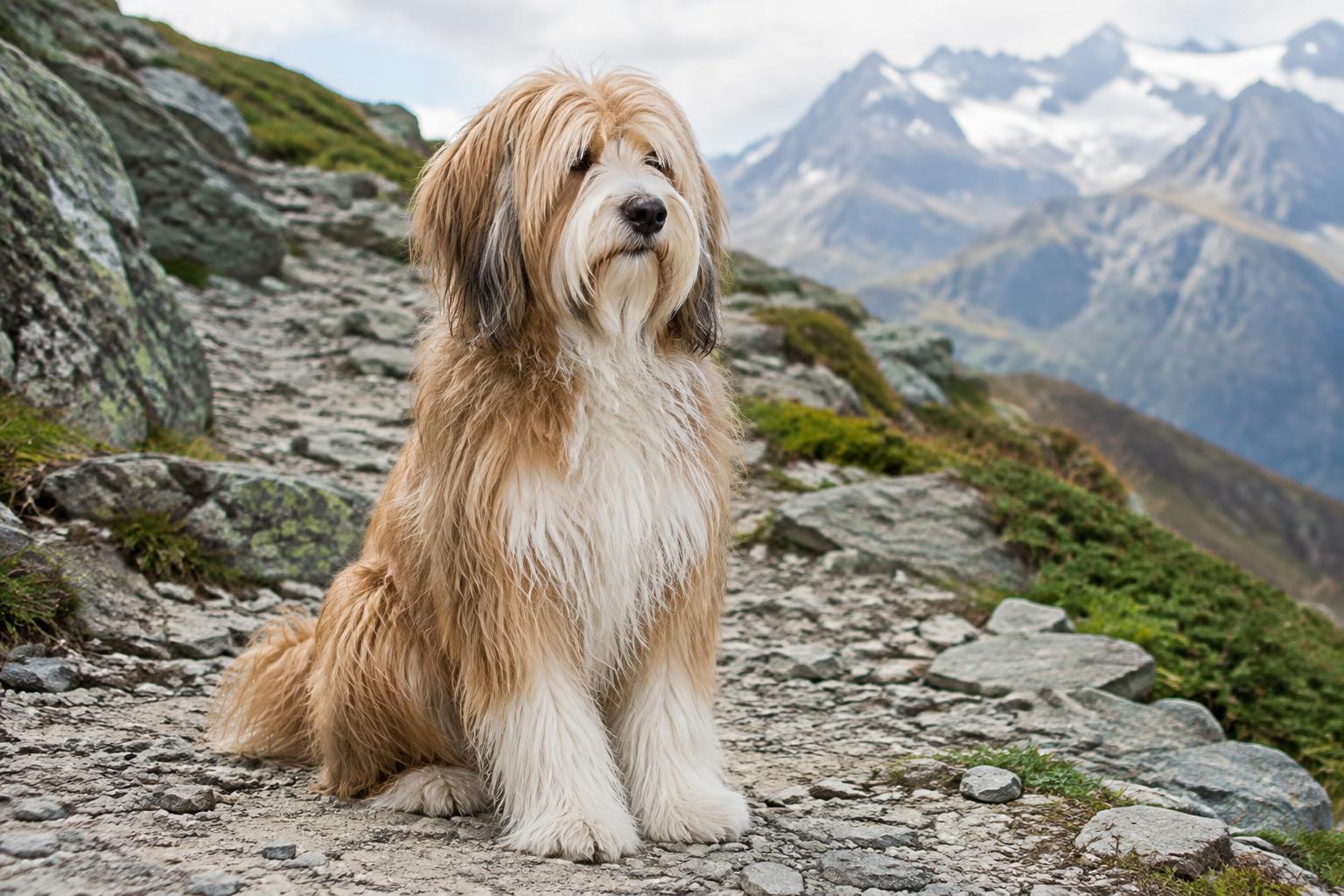
The Tibetan Terrier is a medium, long-coated companion from the Himalayas, kept for centuries by monasteries and nomadic families. Despite the name, it is not a true terrier. It is devoted, sensitive and adaptable, with large snowshoe feet and a long double coat that needs regular brushing. DNA tests exist for several inherited eye and brain diseases.
The Tibetan Terrier comes from the high valleys of Tibet, where it was kept by monks and nomadic families as a companion, a good-luck charm and an all-round helper. Tradition holds that these dogs were never sold, only given as gifts. The breed reached Britain in the 1920s through Dr Agnes Greig, an English doctor working in India, and it is still sometimes called the holy dog of Tibet.
The name causes confusion. The Tibetan Terrier is not a terrier in the working sense; it was never bred to go to ground after vermin. Western visitors simply named it for its size. In temperament it is much closer to a companion breed, with none of the scrappiness many people expect from terriers. The Kennel Club places it in the Utility group.
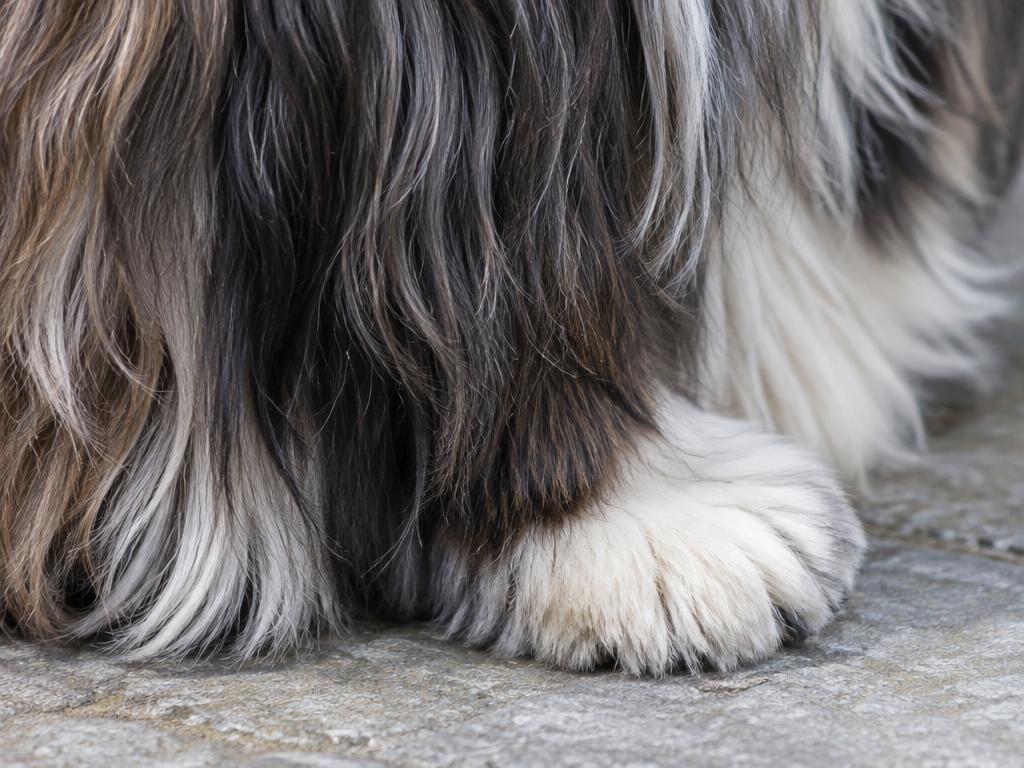
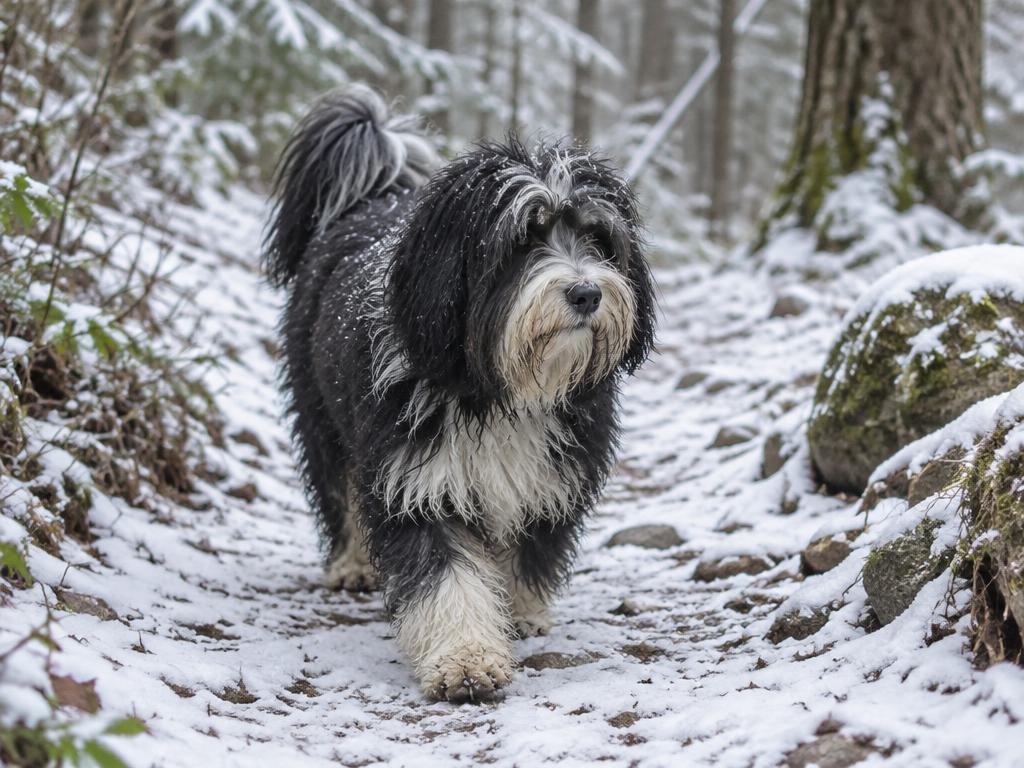
Life at altitude shaped its body. Tibetan Terriers have large, flat, round feet often described as snowshoes, which help them grip snow and rocky ground, and a compact, square build. They are agile and surprisingly athletic, and many love climbing and jumping.
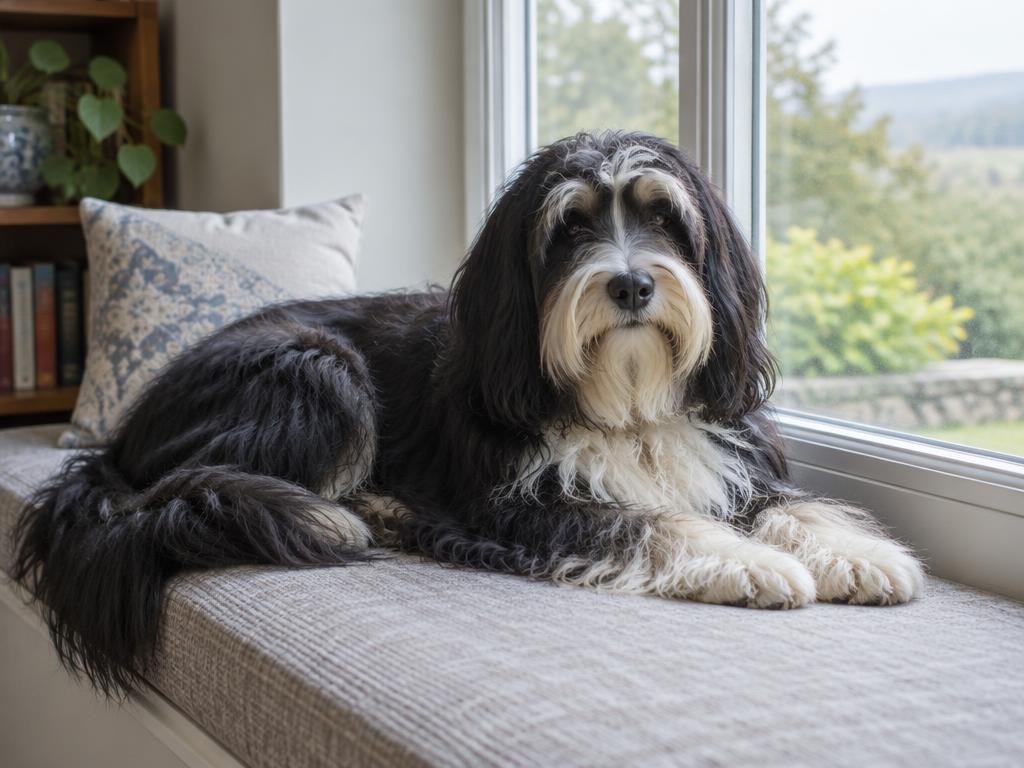
They are devoted to their families and want to be involved in daily life. With strangers they are often reserved at first, which makes early socialisation important. They are sensitive dogs that respond to calm, kind handling, and they can be stubborn when bored or pushed. Training works best with short, varied, reward-based sessions. They are alert and will bark to announce visitors, though usually not excessively.
Exercise needs are moderate. Around 45 to 60 minutes a day of walks and play suits most adults, and many enjoy agility or long country walks. They adapt well to different homes, including flats, provided they get daily outings and company. Like many companion breeds, they dislike long hours alone.
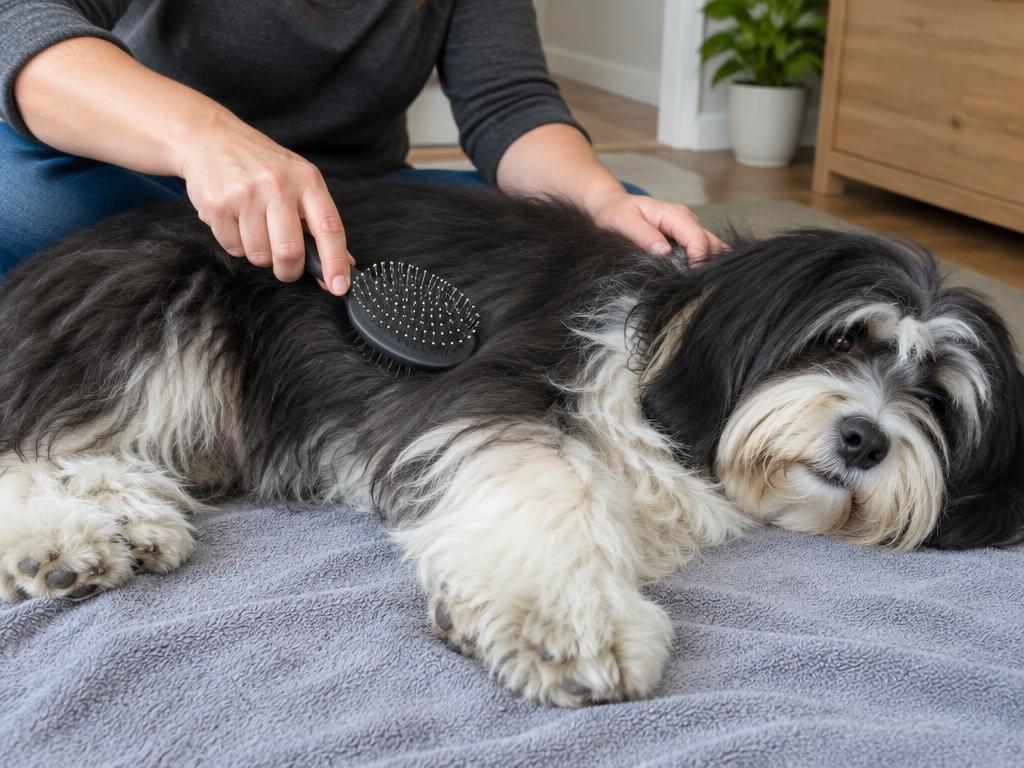
The coat is the main commitment. It is long, fine and profuse over a soft, woolly undercoat, and it parts naturally along the back. It tangles and mats readily, especially behind the ears, under the legs and as the puppy coat changes to adult coat between about 10 and 18 months, when matting can be dramatic. Plan to brush thoroughly at least twice a week, ideally more, and to keep the hair between the pads trimmed. Many pet owners choose a shorter puppy clip from a groomer to keep things manageable. Shedding is low, though no dog is hypoallergenic.
Health is generally good and the breed is known for long life, with many reaching their mid-teens. Several inherited conditions have DNA tests, and responsible breeders use them: primary lens luxation, where the lens of the eye slips out of place and can cause painful glaucoma; progressive retinal atrophy, which causes gradual blindness; and neuronal ceroid lipofuscinosis, a rare inherited brain disease. Hip dysplasia and patellar luxation are also screened, and annual eye examinations are encouraged by breed clubs. Ask to see test results for both parents.
Costs are moderate. A medium dog does not eat a great deal, but grooming tools and professional trims add up over a long life.
Who suits a Tibetan Terrier? Families, couples and older owners who are home a fair amount, enjoy a devoted, sensitive companion and are happy to brush often. Who should think again? Anyone wanting a wash-and-go coat, homes where the dog would be alone all day, and people looking for a classic tough terrier. For the right home, a Tibetan Terrier is a loyal, adaptable and long-lived friend.
An affectionate, adaptable companion with a mountain dog's agility; long-lived and lovely, provided you enjoy grooming.
Exercise, day to day
- 145 to 60 minutes of walks and play daily
- 2Agility, climbing or scent games for variety
- 3Short, varied training sessions
Grooming, realistically
- 1Brush to the skin at least twice a week; daily during the coat change
- 2Trim hair between the pads
- 3Keep the eye area clean and hair clear of the eyes
- 4Brush teeth daily and trim nails monthly
What you actually need
- Pin brush
- Slicker brush
- Wide-toothed metal comb
- Detangling spray
- Small round-tipped scissors
Puppy to adult
| Age | Male | Female | What is happening |
|---|---|---|---|
| 8 weeks | 1.8 to 2.8 kg | 1.6 to 2.5 kg | Start brushing, handling and gentle socialisation. |
| 3 months | 3.5 to 5 kg | 3 to 4.5 kg | Meet many calm people to prevent wariness of strangers. |
| 6 months | 6.5 to 9.5 kg | 5.5 to 8.5 kg | Coat lengthens; check behind ears and under legs daily. |
| 9 months | 8 to 12 kg | 7 to 11 kg | Coat change may begin; brushing becomes a daily job. |
| 12 months | 8.5 to 13 kg | 7.5 to 12 kg | Close to adult size. |
| 18 months | 9 to 14 kg | 8 to 12.5 kg | Fully mature with the adult coat in. |
Ranges are typical, not targets. Judge condition by ribs and waist, and check with the ideal weight checker.
What to ask a breeder
- Have both parents been DNA tested for primary lens luxation, PRA and NCL?
- Do the parents have current eye examination certificates?
- Are the parents hip scored and patella checked?
- How old did dogs in these lines live to?
- Can I meet the mother?
Health tests to ask for
Ask to see results for both parents before you put down a deposit.
- Primary lens luxation DNA test
- PRA DNA test
- NCL DNA test
- Annual eye examination
- Hip score and patella check
Health watch-list
What to ask a breeder about, and what to watch for over a lifetime. This is orientation, not veterinary advice, anything you notice belongs in front of a vet.
Primary lens luxation
UncommonThe lens slips out of place and can cause painful glaucoma; a DNA test is available.
Progressive retinal atrophy
UncommonGradual loss of sight starting with night vision; DNA tests help breeders avoid it.
Neuronal ceroid lipofuscinosis
RareAn inherited brain disease affecting vision and behaviour; DNA tested.
Hip dysplasia
UncommonScreened by hip scoring.
Patellar luxation
UncommonA slipping kneecap causing a skipping gait.
Hypothyroidism
UncommonLow thyroid hormone causing weight gain and lethargy; treated with tablets.
What it costs to keep one
Realistic running cost
€97 / month
About €1,164 a year, or roughly €16,296 across a 14-year life, before purchase price, neutering and one-off vet events.
Before the puppy arrives. Budget roughly €550 to 1000 for a crate, bed, lead and harness, bowls, puppy classes, first vaccinations and grooming kit sized for this breed. Figures throughout are indicative and vary a good deal between countries.
Interactive · built for this breed
Is a Tibetan Terrier right for your home?
Seven honest questions about your space, time and household, checked against this breed's exercise need, coat, sociability and tolerance for time alone.
Fit with your routine
94%
A strong fit
Your routine suits a Tibetan Terrier well. Meet adult dogs of the line before you commit.
What to sort out first
- Needs more daily exercise than you have pencilled in.
- Coat needs more brushing or trimming than you have allowed.
Compare more breeds in the matchmaker, or plan meals with the portion calculator.
The verdict, by household
First-time owner
Good fit with support
Kind and adaptable; the coat and sensitivity need patience.
Family with children
Good fit
Affectionate with respectful children; dislikes rough handling.
Older owner
Good fit
Moderate exercise needs and a devoted nature suit calmer homes.
Owner out all day
Often difficult
Bonds closely and dislikes long hours alone.
When to call your vet
- A red, painful or cloudy eye (possible lens luxation, an emergency)
- Bumping into things at night (PRA)
- Changes in behaviour, coordination or vision in a young dog
- Skipping on a back leg (patellas)
- Matted coat pulling at the skin
Nothing here is a diagnosis. A swollen, hard belly with retching, collapse, breathing difficulty and sudden hind-leg weakness are emergencies: go straight away.
Tibetan Terrier vs the closest alternatives
| Breed | Weight | Energy | Grooming | € / month |
|---|---|---|---|---|
| Tibetan Terrier | 8 to 14 kg | 6/10 | 9/10 | €97 |
| Shih Tzu | 4 to 7.5 kg | 4/10 | 9/10 | €108 |
| Bichon Frise | 3 to 6 kg | 5/10 | 9/10 | €81 |
| Lagotto Romagnolo | 11 to 16 kg | 6/10 | 8/10 | €124 |
Tibetan Terrier questions, answered
Is a Tibetan Terrier really a terrier?
No. It was never bred to hunt vermin; Western visitors named it for its size. It is a companion breed in the Kennel Club's Utility group.
Do Tibetan Terriers shed?
Very little, but the long coat tangles easily and needs brushing at least twice a week.
What is the coat change?
Between about 10 and 18 months, the puppy coat is replaced by the adult coat and mats form fast. Daily brushing gets you through it.
Are Tibetan Terriers good with children?
Usually, with respectful children. They are affectionate but sensitive and do not enjoy rough handling.
Can Tibetan Terriers live in flats?
Yes. They adapt well to flats given daily walks and plenty of company.
What health tests should Tibetan Terrier parents have?
DNA tests for primary lens luxation, PRA and NCL, current eye certificates, hip scores and patella checks.
How long do Tibetan Terriers live?
They are long-lived, often 12 to 16 years.
Sources
Put it into practice
Reading that goes with this



Breeds people compare with this
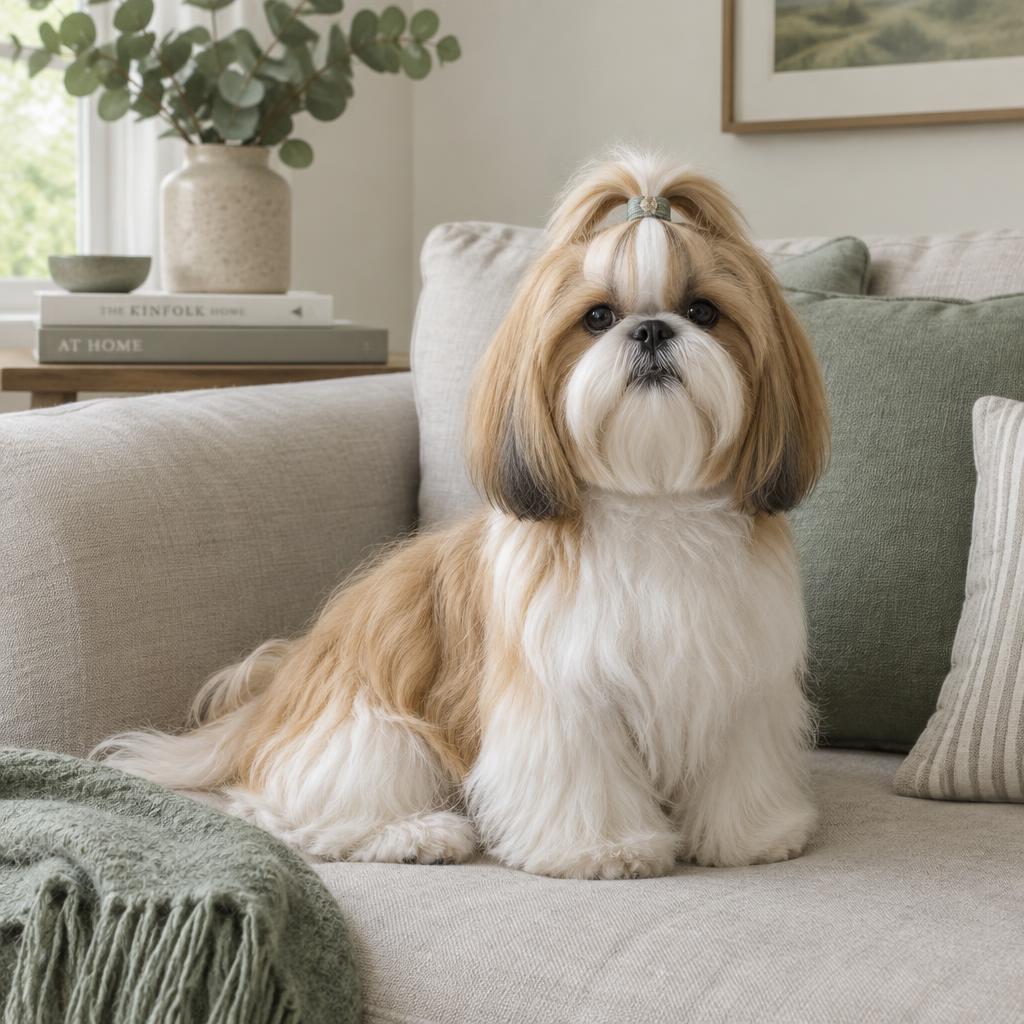
Shih Tzu
A affectionate, dignified companion dog bred for lap life, not long hikes.
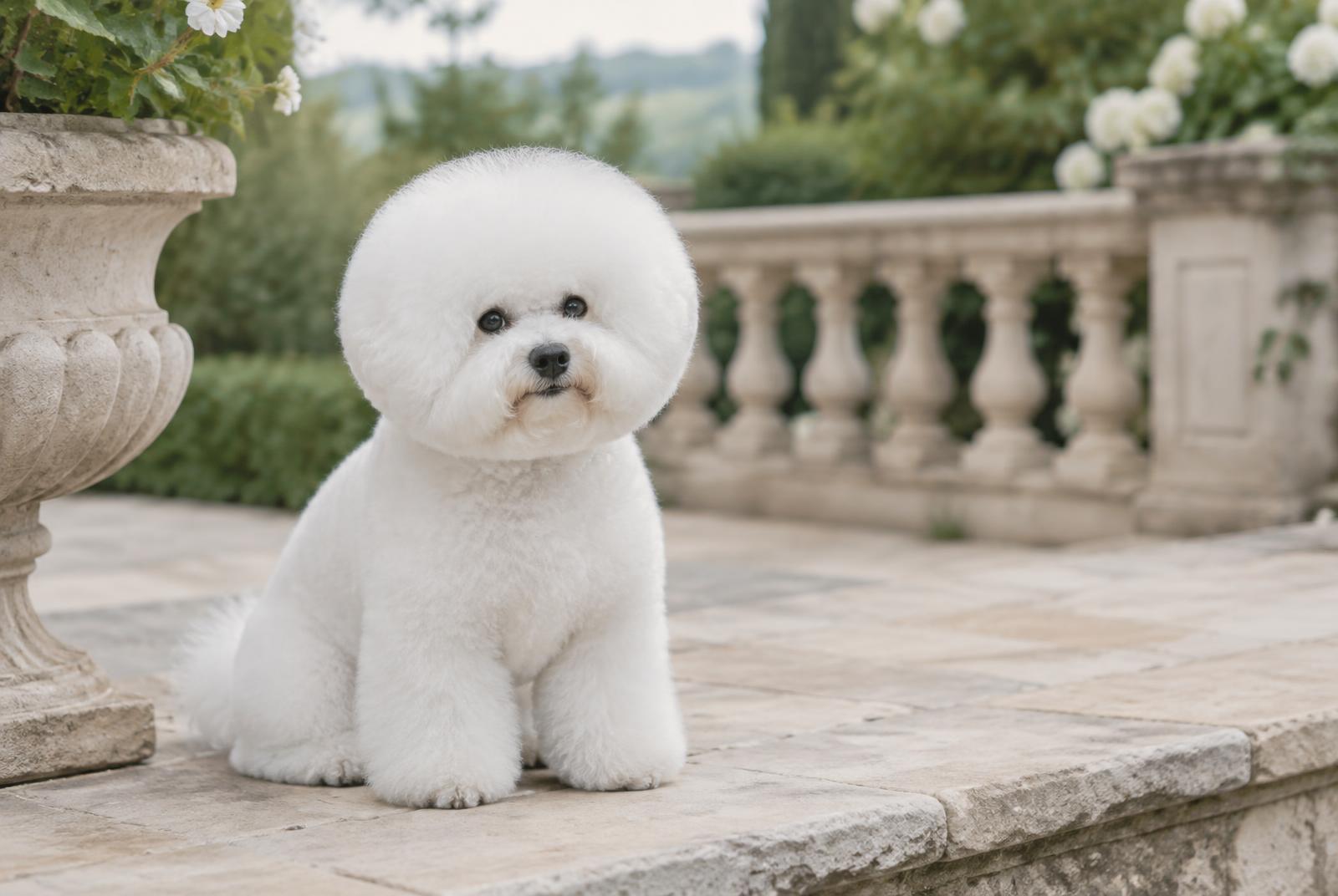
Bichon Frise
A cheerful, curly coated companion bred purely to be good company, and happiest never left alone for long.
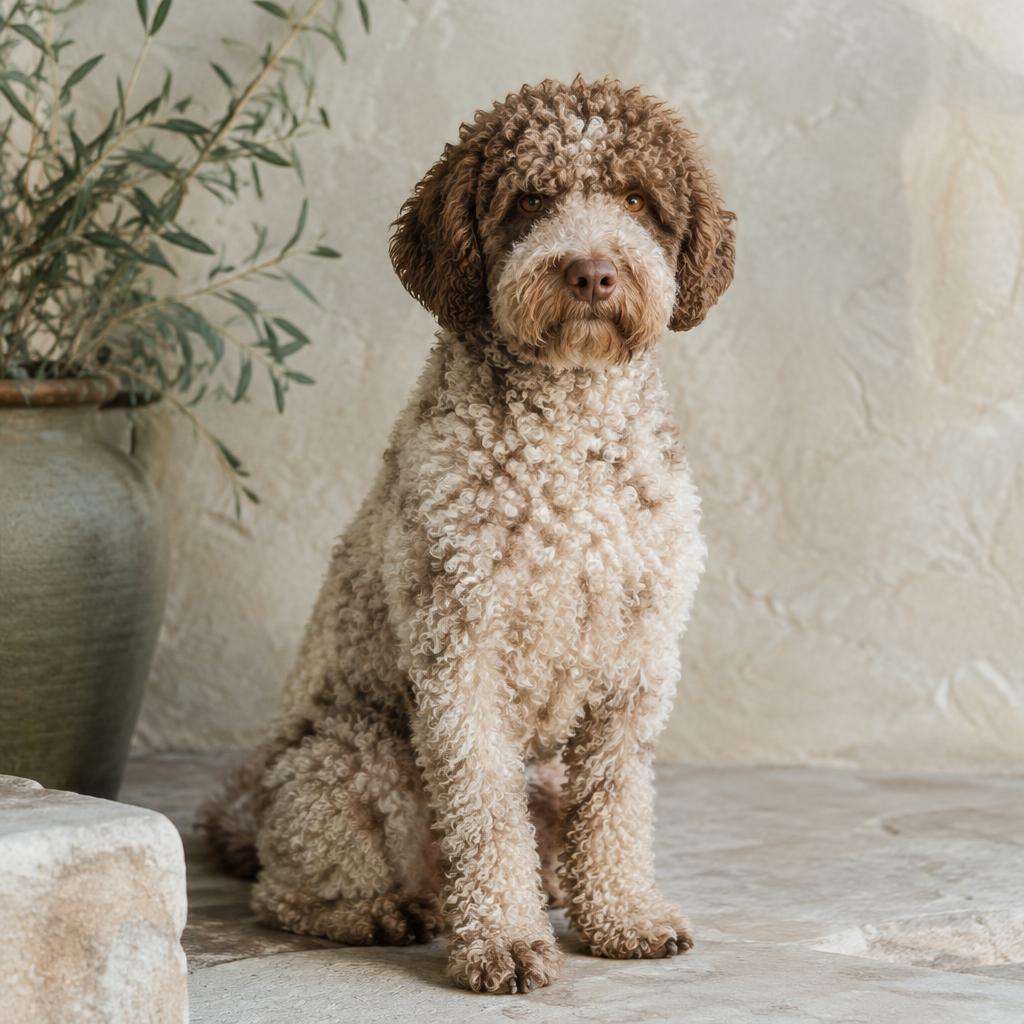
Lagotto Romagnolo
The truffle dog: a woolly, nose-driven worker with a calmer nature than most doodles.