
Dog Breathing Fast: Normal Panting, Dreaming and Danger Signs
Speed alone rarely tells the story. Rate, effort and gum colour together separate a dreaming dog from a struggling one.
The SniffScroll desk
Published 10 October 2026
Dr Emma Whitfield, BVSc MRCVS
The short version
- A resting rate under about 30 breaths a minute is normal for most dogs; count while asleep or fully relaxed.
- Fast, twitchy breathing during dream sleep is normal, especially in puppies.
- Panting in heat should ease within minutes of moving somewhere cool; if it does not, treat it as overheating.
- Effortful breathing at rest, elbows out, neck stretched, belly heaving, is an emergency sign.
- Blue, grey or very pale gums with fast breathing means go straight to a vet.
Learn the number before you need it
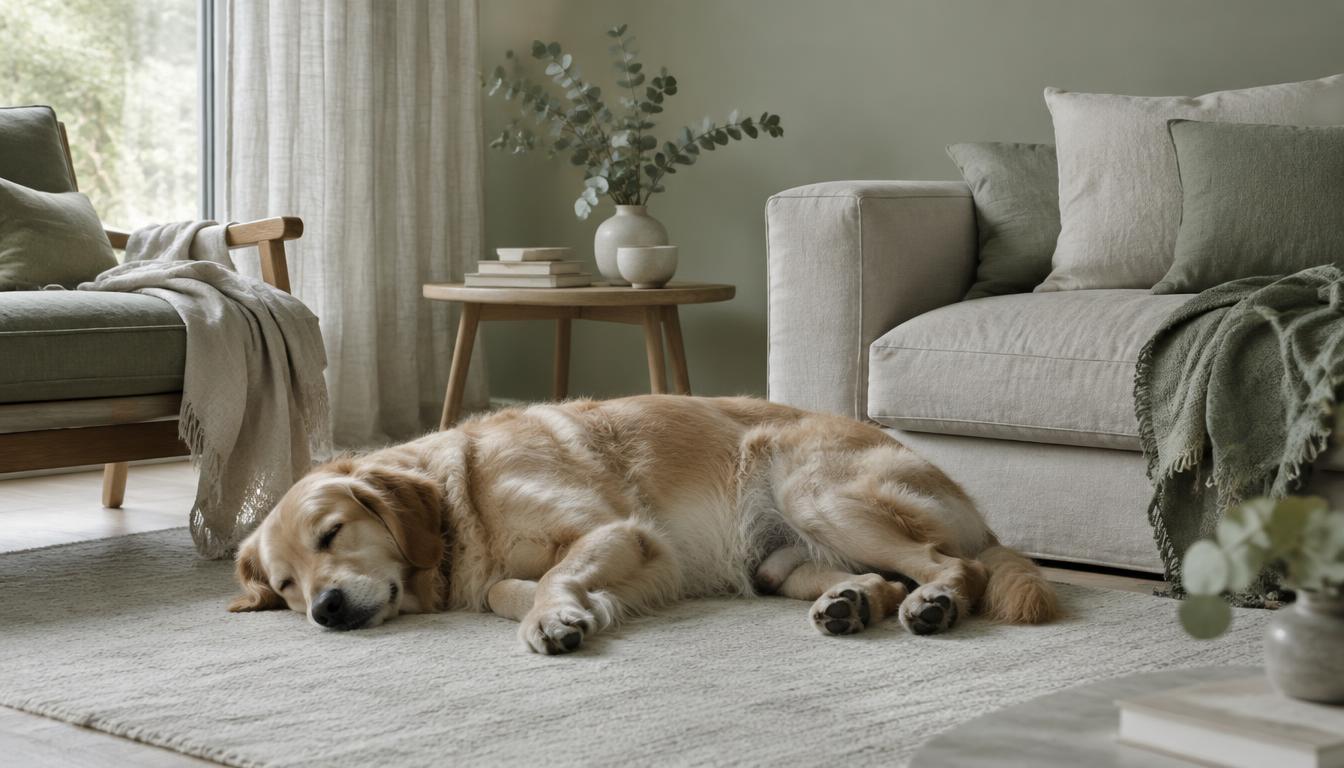
The most useful thing you can do about your dog's breathing is learn their normal resting rate before anything is wrong. Count while your dog is asleep or properly relaxed: one rise and fall of the chest is one breath, and a full minute of counting gives you the number.
Most healthy dogs rest at under 30 breaths a minute, often much lower. Puppies and small dogs run faster; deep-chested adults can rest at 15. The absolute number matters less than your dog's own baseline and whether it is changing. Write it down a few times over a week and keep it in your phone.
Panting, pain and the hidden causes
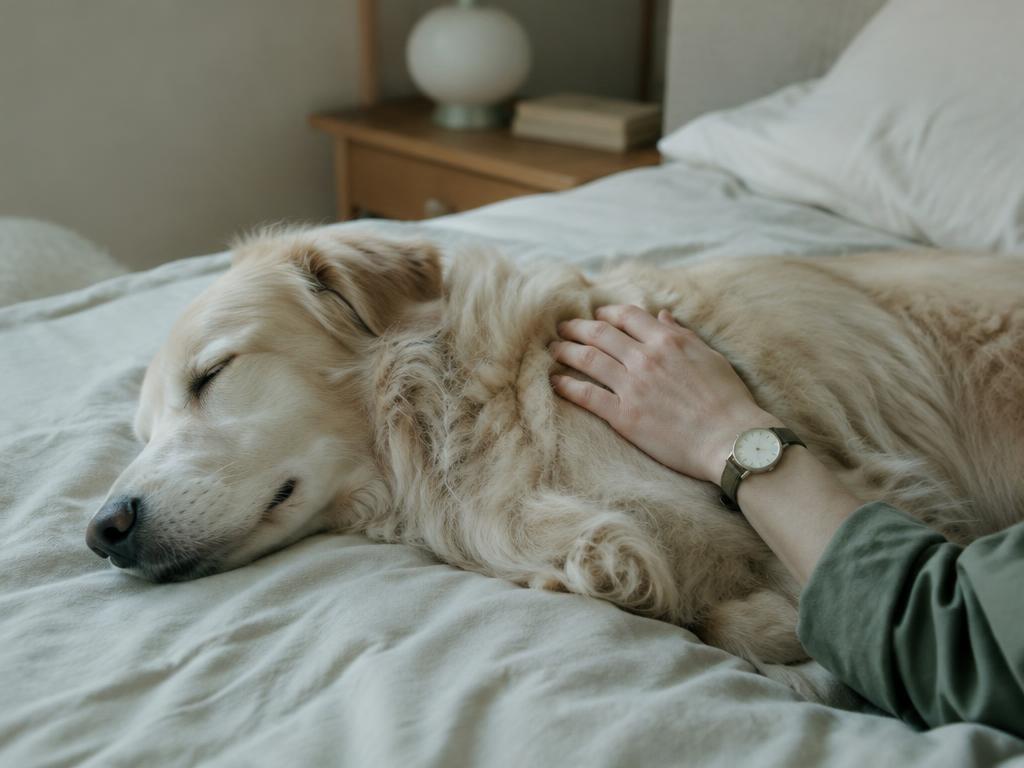
Panting is not only about heat. It is also one of the main ways dogs show pain, anxiety and nausea, which is why a panting dog in a cool room at rest always deserves a second look. Pain panting often comes with restlessness, a tucked or hunched posture, and a dog who cannot settle in any position. Nausea panting usually arrives with lip licking, swallowing and drooling. Anxiety panting has a context you can name: fireworks, travel, a visitor, a storm.
The hidden causes matter because they change the response. Cooling a dog who is actually in pain does nothing; reassuring a dog who is actually nauseous does nothing. When the panting has no thermal explanation, scan the rest of the dog: posture, appetite, last meal, last wee, any limp, any new medicine. If the scan turns up nothing and the panting persists at rest, that is itself a finding, and it earns a vet call the same day.
The harmless reasons for fast breathing
Three everyday situations produce fast breathing that means nothing. Dreaming is the commonest: during active sleep dogs breathe quickly, paddle their legs and whimper, and it is entirely normal, especially in puppies whose sleep is busy. Heat is the second: dogs cannot sweat through their skin, so panting is their radiator, and a panting dog on a warm day is a dog cooling down. Excitement and stress are the third: the vet's waiting room, a thunderstorm or the doorbell all raise the rate, and it settles as the moment passes.
The test for all three is context and recovery. A dreaming dog wakes up normal. A hot dog settles within minutes of reaching shade and water. A worried dog settles when the worry ends. Fast breathing that ignores its context is the kind that matters.

Exercise, fitness and the recovery test
After hard exercise, panting is expected, and the useful measure is not the panting itself but the recovery. A fit dog who has been running should be back to quiet, settled breathing within ten to twenty minutes of stopping, tongue back in, able to lie down and doze. A dog who is still panting hard half an hour after moderate exercise, or who pants disproportionately to the effort, is telling you something about fitness, weight, heat, or their heart and lungs.
This recovery test is a gentle way to keep honest about condition. Dogs lose fitness gradually, and owners adjust walks gradually with them, so the change is invisible day to day. If your dog's recovery has quietly stretched over the past year, or a walk that used to be easy now leaves them blown, that is worth a mention at the next check-up. Weight is the commonest fixable cause, and our ideal weight tool will tell you honestly where your dog sits. Sometimes the kindest interpretation of fast breathing is not illness at all, but a dog asking for a fitter year.
Heat: the line between panting and overheating
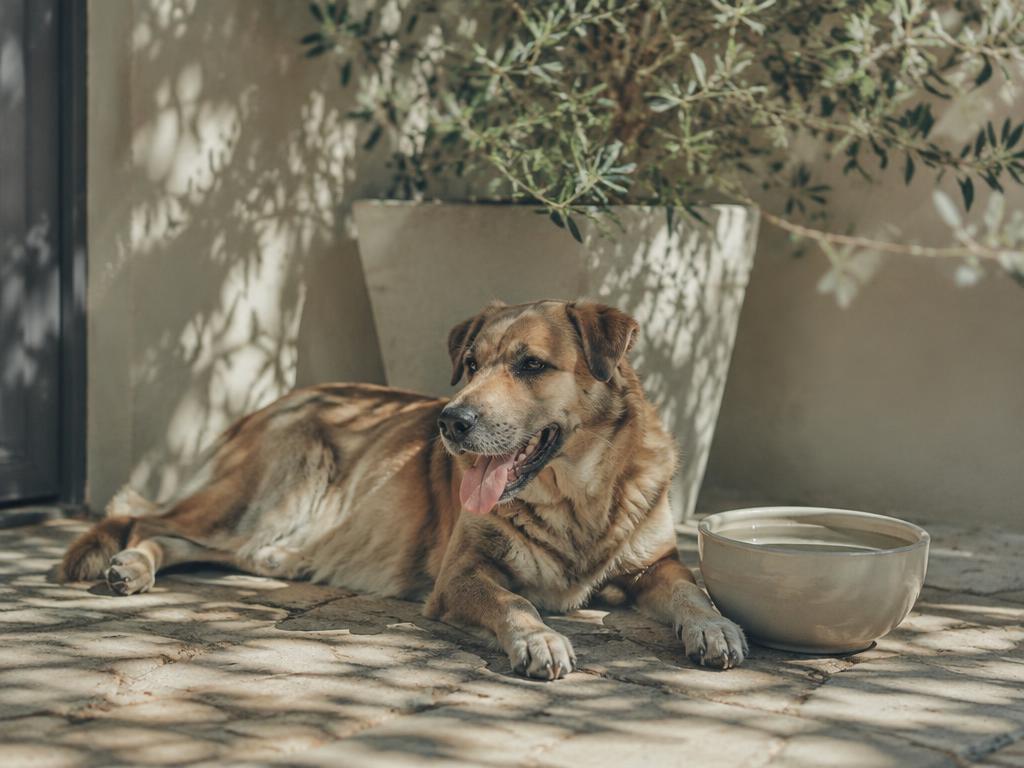
Panting in warmth is healthy right up until it stops working. The warning signs of heatstroke are panting that escalates rather than settles, thick drooling, restlessness, a dark or bright red tongue, and wobbliness. Flat-faced breeds such as the Pug, French Bulldog and Boxer overheat fastest, because their airways move air poorly.
If you suspect overheating: move to shade or indoors, offer small amounts of cool water, wet the coat with cool (not icy) water, especially the belly and groin, and call a vet while you cool. Do not wait to see if it passes. Heatstroke worsens fast and is genuinely dangerous.
Building the baseline habit
The whole subject of breathing gets easier once counting is a habit rather than a project. The practical approach is to count once a month, always at the same point in the evening when the dog is deeply asleep, and keep the numbers in one note on your phone. It takes a minute. After three months you own something genuinely valuable: a personal normal range for your dog, measured in calm conditions, that no vet could reconstruct after the fact.
This matters most for the breeds and ages where breathing problems creep. An older dog, a flat-faced dog, a breed prone to heart disease: for these, the monthly count is the cheapest early-warning system in dog ownership. A rate that drifts from 18 to 24 to 29 over six months is a finding, even in a dog who seems perfectly well, and it is exactly the kind of finding that lets a vet act early, when acting early works.
The signs that mean go now
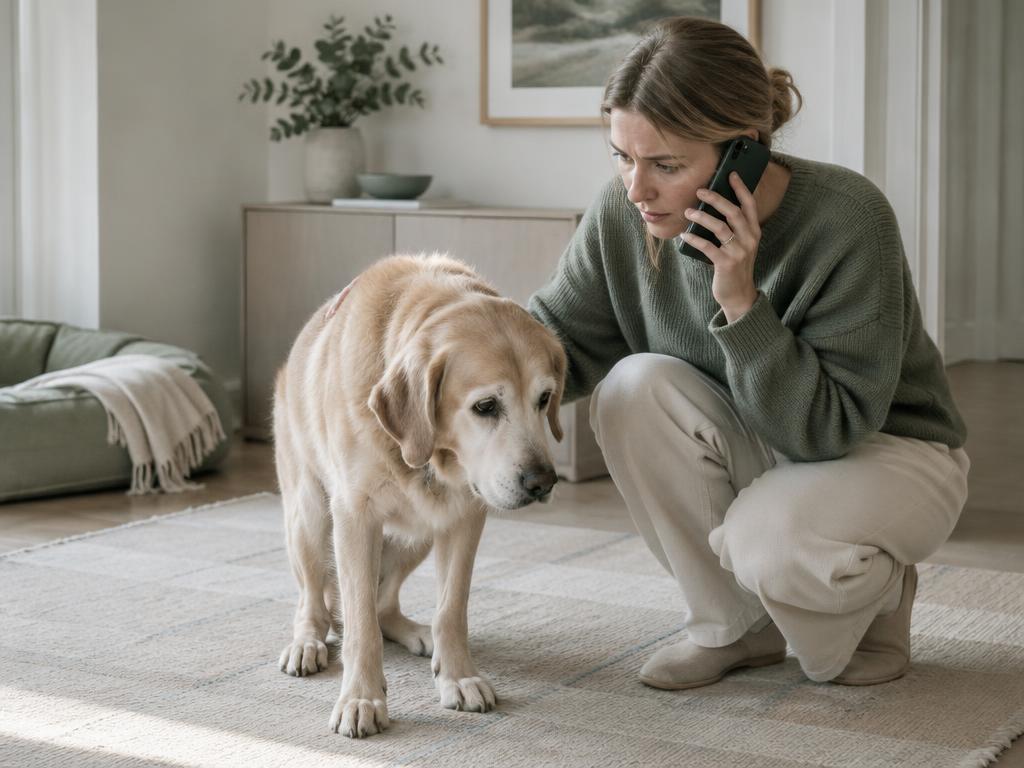
Effort matters more than speed. A dog breathing 40 times a minute while asleep and relaxed is a different picture from a dog breathing 30 times a minute with obvious work. Effort signs are: elbows held away from the chest, neck stretched forward, the belly heaving with each breath, nostrils flaring, and breathing with the mouth wide open at rest in a cool room.
| Sign | What it suggests | Urgency |
|---|---|---|
| --- | --- | --- |
| Fast but relaxed, asleep | Dreaming, normal | None |
| Panting in heat, settles with cooling | Normal cooling | Watch |
| Panting in heat, escalating, drooling | Heatstroke | Emergency |
| Effortful breathing at rest | Airway, lung or heart trouble | Emergency |
| Blue, grey or very pale gums | Not enough oxygen | Emergency |
| Resting rate creeping up over weeks | Early heart or lung disease | Book a check |
Gum colour is the check anyone can do: lift the lip and look. Healthy gums are pink and moist. Blue, grey, white or very pale gums with fast breathing mean the dog is not getting enough oxygen, and that is a get-in-the-car situation.
Speed is a number; effort is a story. A dog working hard to breathe needs help whatever the count says.
Breed and age: whose breathing needs closer watching
Flat-faced breeds live closer to the edge of their airways than other dogs. A Pug or Boxer panting on a mild day may simply be a short nose doing its best, but the same anatomy means heat and excitement tip them into trouble faster, and their noisy baseline makes real changes harder to hear. Owners of these breeds should treat escalating noise, not just speed, as a warning sign.
At the other end of the scale, deep-chested and athletic breeds can have remarkably slow resting rates, sometimes in the low teens, and a rise into the twenties can be significant for them even though it would be normal for another dog. This is the strongest argument for knowing your own dog's number: normal is a range across dogs, but it is a narrow band within one dog.
Puppies breathe faster than adults in general, and their sleep breathing is famously busy. Unless a puppy is also dull, off food or struggling, fast breathing in a young dog is almost always dreaming or development, not disease.
What the vet will do with a fast-breathing dog
For a non-emergency visit about breathing rate, expect a careful listen to heart and lungs, a check of gum colour and pulse quality, and questions about cough, exercise tolerance and any fainting or restlessness at night. If anything suggests heart or lung disease, the usual next steps are chest X-rays, sometimes an ultrasound of the heart, and blood tests. Many practices now ask owners to log resting rates at home for a week before or after the visit, because home numbers, taken in sleep, are far more reliable than anything measured in a stressful consulting room. Your log is not homework; it is genuinely diagnostic.
The slow changes worth catching
Not every breathing problem announces itself. A resting rate that creeps from 20 to 30 to 35 over a month, in an older dog who seems otherwise fine, can be the earliest sign of heart disease, well before coughing or fainting appears. This is why the baseline matters: a Cavalier King Charles Spaniel whose rate you have tracked for a year gives their vet something far better than a guess.
Interactive · breathing rate check
Is the breathing too fast?
Count your dog's resting breaths, then tell us the rate and the context. We will tell you what is normal and what is not.
What to do
- Count breaths while your dog is asleep or fully relaxed: one rise and fall of the chest is one breath. Count for a full minute.
- A resting rate under about 30 breaths a minute is normal for most dogs; write down what you get so trends are visible.
Breathing looks normal
Speed alone rarely tells the story. Rate, effort and gum colour together separate a dreaming dog from a struggling one.
Pain also raises the breathing rate, and dogs hide pain well. Fast breathing paired with restlessness, a tucked posture or reluctance to lie down deserves a check even without other signs. If your dog is older and the change is gradual, book a routine appointment and bring your rate log; if the change is sudden, or comes with effort or odd gum colour, treat it as urgent.
Putting it all together
Breathing questions feel alarming because breathing is fundamental, but the framework is genuinely simple. Learn the resting rate in deep sleep and record it monthly. Read every episode of fast breathing against its context: dream, heat, excitement, or none of those. Watch effort rather than speed, because a dog working to breathe is always more urgent than a dog breathing quickly. And check the gums whenever you are unsure, because pink buys time and blue, grey or white does not.
With those four habits, almost every breathing question resolves itself into watch, cool down, book a check, or go now. The dogs who do best are the ones whose owners noticed a slow change early, or recognised a fast change instantly. Both come from the same place: knowing what your dog looks like on an ordinary day, so the extraordinary one cannot hide.
Questions people actually ask
Why is my dog breathing fast while sleeping?
During dream sleep dogs breathe quickly, twitch and even vocalise; this is normal and commonest in puppies. Check the rate during deep, still sleep instead, when it should settle under about 30 breaths a minute.
How do I count my dog's breathing rate?
Wait until your dog is asleep or fully relaxed. Watch the chest: one rise and fall is one breath. Count for a full minute, or for 30 seconds and double it. Repeat over a few days to find your dog's normal.
When is panting a problem?
Panting is normal after exercise, in heat and during excitement. It is a problem when it happens at rest in a cool room, when it does not settle within minutes of cooling down, or when it comes with effort, restlessness or pale gums.
Why is my old dog breathing fast at rest?
In older dogs a rising resting rate can be an early sign of heart or lung disease, pain, or conditions such as Cushing's. A rate creeping up over days or weeks deserves a vet visit even if the dog seems otherwise fine.
What does laboured breathing look like?
Elbows held out from the chest, neck stretched forward, exaggerated belly movement, flared nostrils, or breathing with the mouth wide open at rest. These are effort signs, and they mean the dog is working hard to move air.
Can anxiety make a dog breathe fast?
Yes. Fear, stress and excitement all raise the breathing rate, and it settles as the dog settles. Fast breathing in a calm dog in a calm moment is the kind that needs attention.
Sources
Breeds mentioned
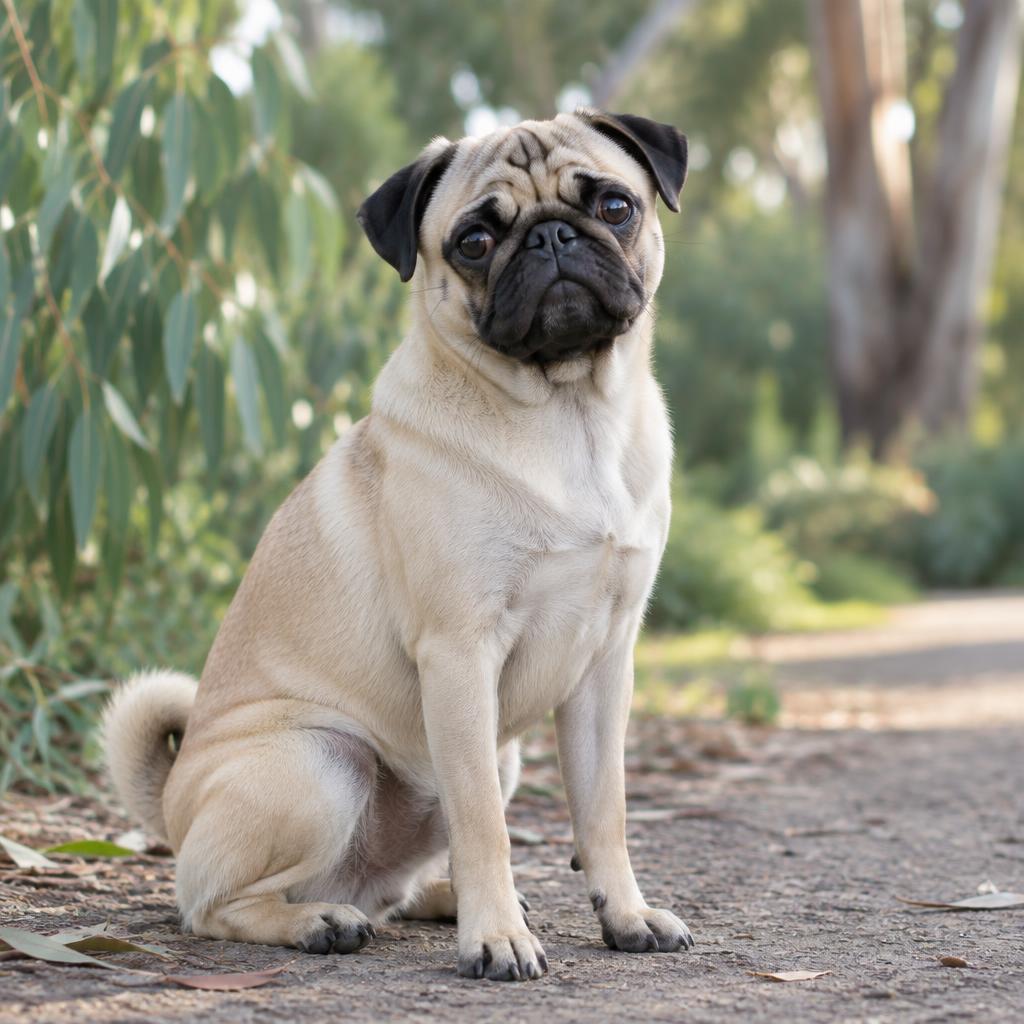
Pug
A charming, people loving companion whose flat face demands honest, careful ownership.

French Bulldog
A comic, affectionate companion built for city life, but with health needs that demand a careful breeder.
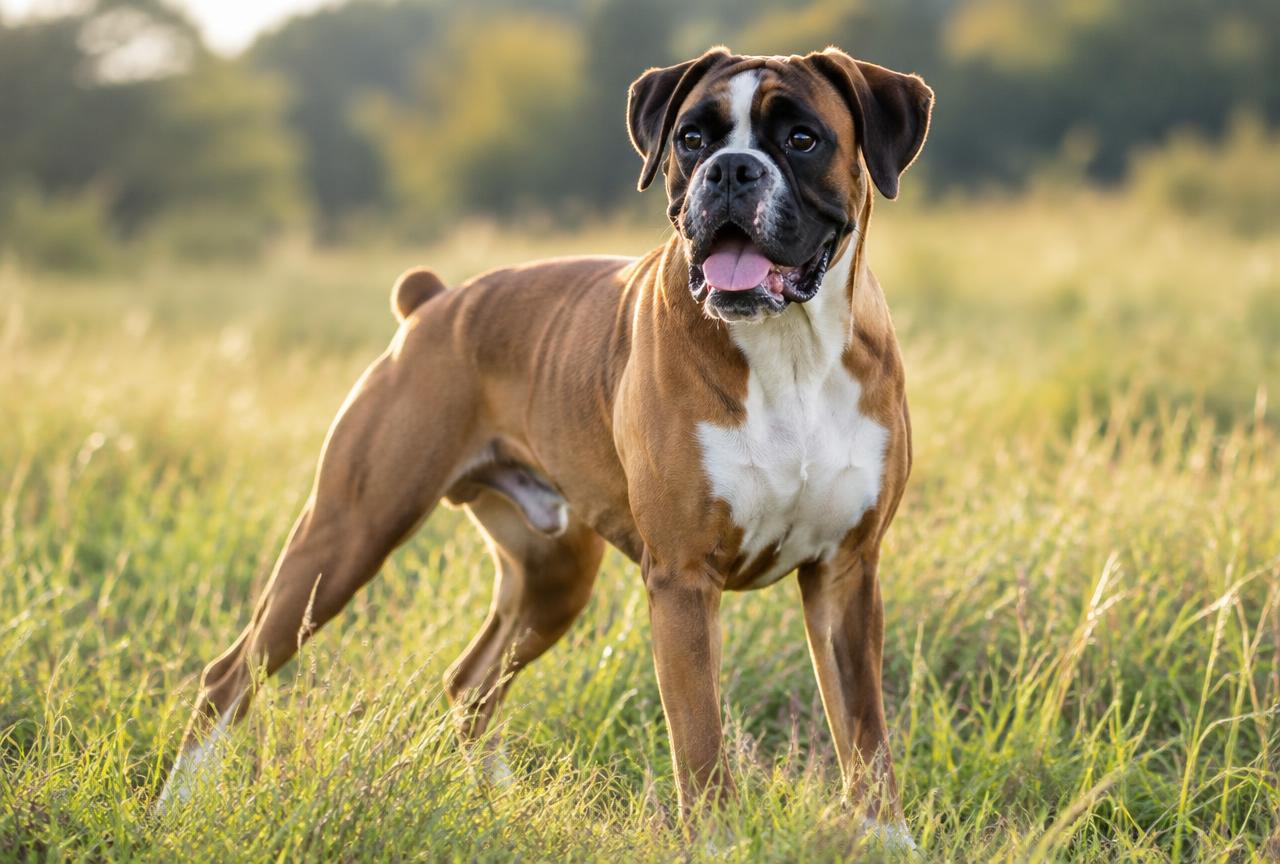
Boxer
An energetic, devoted working dog known for its playful spirit and protective nature.

Cavalier King Charles Spaniel
An affectionate, adaptable toy spaniel that thrives on human company above almost anything else.
Put it into practice
Read next
Dog Dry Heaving: Causes and When It Is an Emergency
Dog dry heaving is usually throat irritation or mild nausea, but repeated unproductive retching with a swollen, tight belly can be bloat (GDV), a life-threatening emergency.


