Utility group
One of the world's oldest recognisable breeds, developed in northern China over two thousand years ago as an all-purpose hunting, guarding and hauling dog. It arrived in Britain in the late eighteenth century and was an immediate curiosity.
Chow Chow
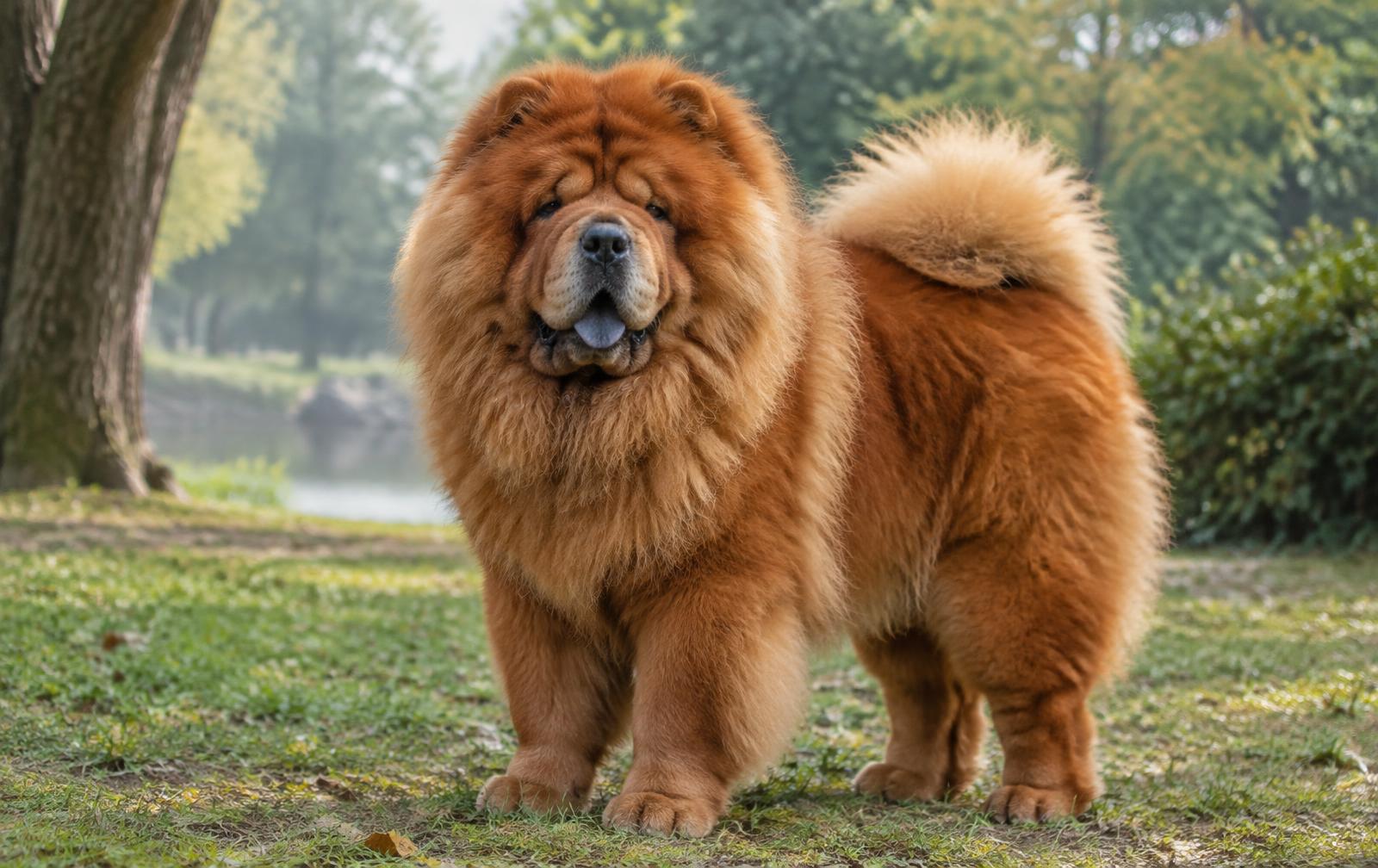
The Chow Chow is an ancient Chinese guardian with a lion's mane, a blue-black tongue and a famously independent streak. Dignified and devoted to its own people, it is reserved with strangers, intolerant of heat and demanding of early, serious socialisation.
Reviewed by the SniffScroll editorial desk
The aloof lion dog with the blue-black tongue.
The short version
- Deeply loyal to family but aloof with strangers and often intolerant of other dogs; early, serious socialisation is essential.
- The dense coat needs brushing several times a week and sheds heavily, with two major seasonal coat blows.
- Genuinely vulnerable to heat: cool rooms, shade and summer walk timing are welfare essentials.
- Calm and quiet indoors with modest exercise needs, around an hour a day.
- Not a breed for first-time owners or for anyone wanting a sociable park dog.
- Weight
- 20 to 32 kg
- Height
- 46 to 56 cm
- Lifespan
- 9 to 12 yrs
- Size
- Medium
- Group
- Utility
- Coat
- Very dense double coat, rough or smooth, in red, black, blue, cinnamon or cream
- Grown male
- 25 to 32 kg
- Grown female
- 20 to 27 kg
- Years to full size
- about 1.5
- One-off setup
- €800 to 1500
Get one if…
- Experienced owners who appreciate an independent, guardian-minded dog
- Quiet adult households wanting a calm, dignified companion
- Owners committed to serious early socialisation and ongoing training
- People who enjoy grooming or will budget for regular professional grooms
- Households without other dogs, or with careful same-household management
Think again if…
- First-time owners
- Families with toddlers or a constant flow of visiting children
- Multi-dog households wanting an easy-going addition
- Hot climates without air conditioning
- Anyone wanting a demonstrative, everyone-is-my-friend dog
Trait profile
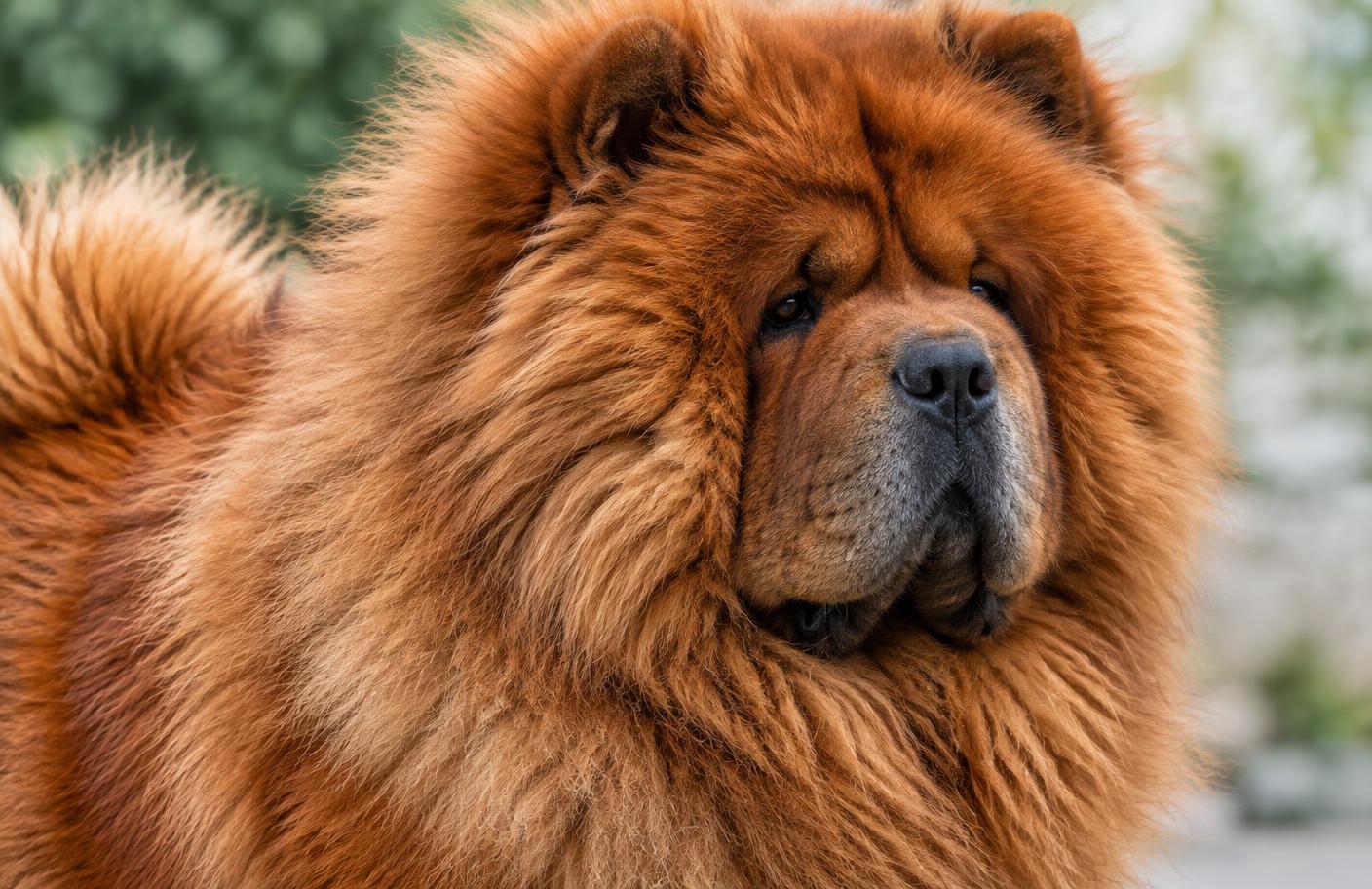
The Chow Chow is famously fastidious: clean, quiet, independent and selective about affection. It bonds deeply with its own people while remaining politely indifferent to everyone else, and it guards home and family without fuss. This is a temperament to respect and manage, not to train into something it is not.
Space & setup. Adaptable to smaller homes thanks to its calm, quiet indoor nature, but it needs cool rooms in summer, a shaded garden, and neighbours comfortable with a protective dog that takes its territory seriously.
Allergies. The dense double coat sheds heavily, especially during the twice-yearly coat blow, and holds dander close to the skin. A poor choice for allergy sufferers.
Living with a Chow Chow
The Chow Chow is an ancient Chinese breed, compact and powerful beneath a dense double coat, with a lion-like mane, a blue-black tongue and a dignified, aloof character. Devoted to its family but reserved with strangers and often intolerant of other dogs, it suits experienced owners who appreciate an independent, guardian-minded companion.
The Chow Chow is one of the oldest recognisable dog breeds in the world, with roots in northern China going back more than two thousand years, where it worked as a hunter, hauler, guardian and, historically, a source of fur and food. The blue-black tongue, the lion-like mane and the distinctive stilted rear gait are all ancient features, and the breed reached Britain in the late eighteenth century as an exotic curiosity before becoming a fashionable show dog. Understanding that guardian heritage is the key to understanding the dog in front of you.
Temperament is where the Chow Chow differs most from the breeds it is photographed beside. It is devoted and quietly affectionate with its own family, often attaching most strongly to one person, but it is genuinely aloof with strangers and does not want to be fussed by them. It is frequently intolerant of other dogs, particularly of the same sex, and early, extensive socialisation is not optional polish but the foundation of a safe adult dog. A well-bred, well-socialised Chow is dignified and manageable; an under-socialised one is a liability, and the difference is made in the first months of life. This is not a breed for first-time owners or for people who want a sociable park dog.
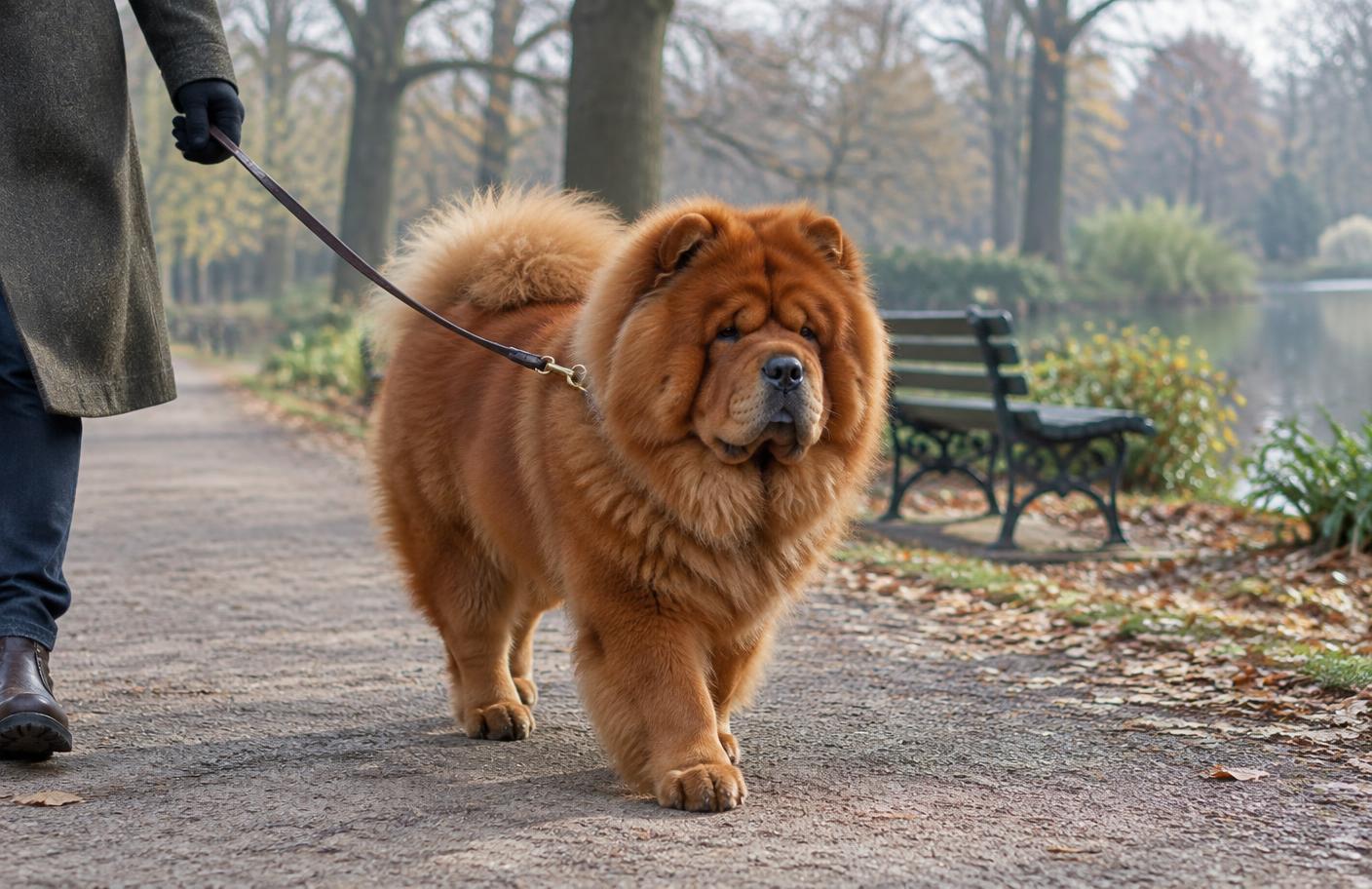
Exercise needs are modest for the size: two reasonable walks a day totalling around an hour suit most adults, and the breed is calm and quiet indoors, which makes it more adaptable to smaller homes than its bulk suggests. The serious environmental constraint is heat. The dense double coat and shortened muzzle make the Chow Chow genuinely vulnerable to overheating, and summer management, meaning cool rooms, shade, water and walks at the cool ends of the day, is a welfare issue, not a comfort preference.
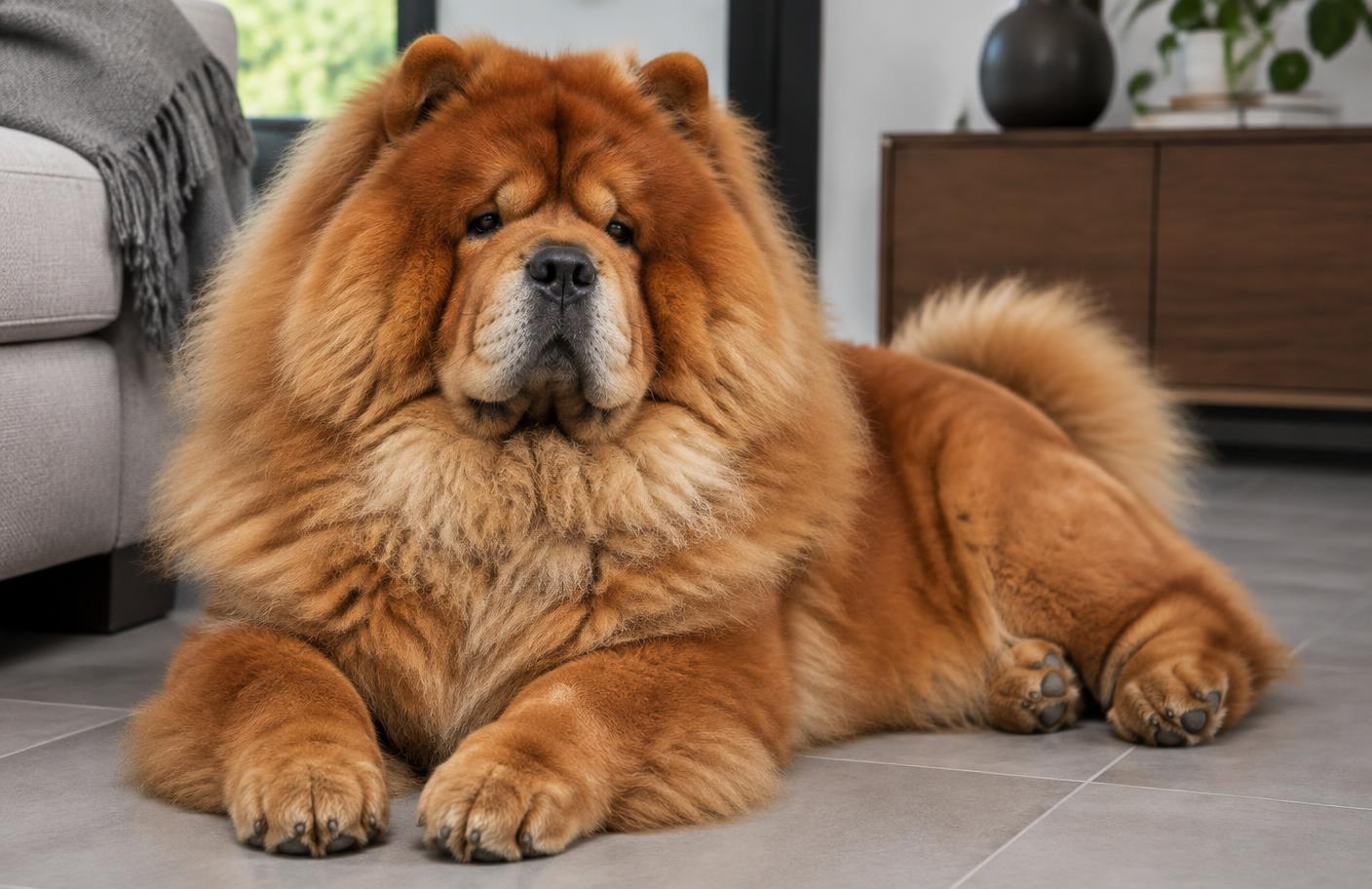
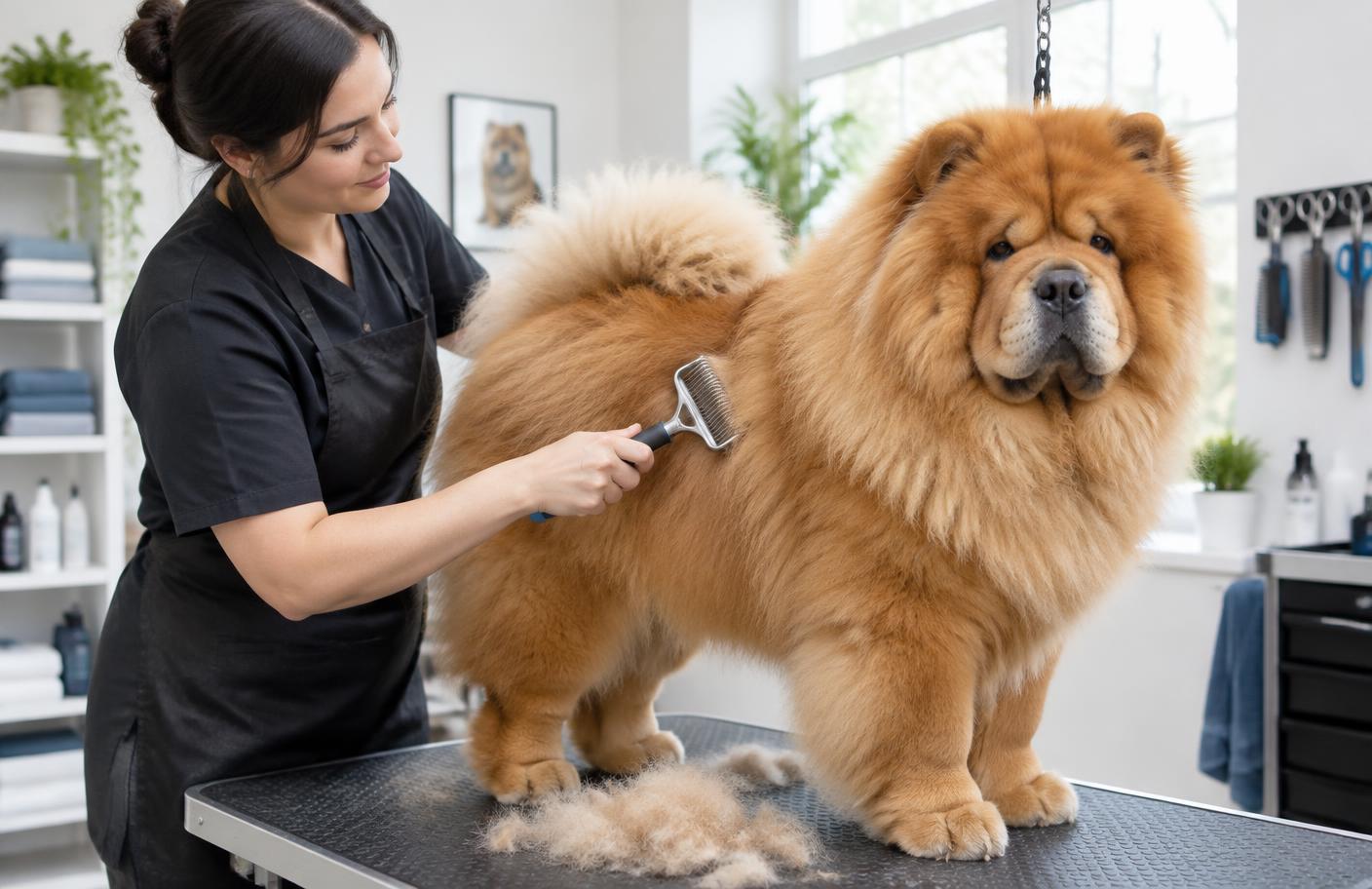
The coat is a major commitment. The rough variety carries a huge double coat that needs thorough brushing several times a week and sheds heavily all year, with two dramatic seasonal coat blows that fill bin bags. Mats form behind the ears, in the trousers and around the mane if brushing lapses, and professional grooming every six to eight weeks is a realistic budget line. The smooth variety is somewhat easier but still sheds heavily. Either way, this is one of the heavier-shedding breeds you can live with.
Health considerations are moderate but specific. Hip and elbow dysplasia occur, so parents should be scored, and entropion, where the eyelid rolls inward, is common enough in the breed that puppies' eyes should be checked carefully. Cruciate ligament injuries, hypothyroidism and the heat intolerance already mentioned round out the watch-list, and the typical lifespan is nine to twelve years. For an experienced owner who wants a quiet, dignified, genuinely loyal guardian and accepts the grooming, the shedding and the socialisation workload, the Chow Chow is unlike any other companion. For everyone else, it is a breed to admire from a respectful distance.
Magnificent to look at and deeply loyal to its own circle, but the Chow Chow is a serious breed: aloof with strangers, often poor with other dogs, heavy-shedding and heat-sensitive. Experienced owners only.
Exercise, day to day
- 1Puppies (8 to 20 weeks): short, gentle play and socialisation outings; avoid over-exercising growing joints.
- 2Adolescents (4 to 12 months): two moderate walks a day, building gradually, with calm lead training.
- 3Adults: around an hour a day split into two walks; the breed is not a jogging partner.
- 4Heat rule: in warm weather walk early morning and late evening only, and watch for heavy panting.
- 5Mental work: calm training sessions suit the breed better than high-arousal games.
Grooming, realistically
- 1Brush thoroughly three to four times a week with a slicker and undercoat rake, down to the skin.
- 2During coat blow, brush daily; the undercoat comes out in clumps.
- 3Check behind ears, mane, trousers and tail for mats at every session.
- 4Bathe every six to eight weeks, drying the dense coat completely to avoid hot spots.
- 5Book professional grooms every six to eight weeks if not managing the coat at home.
What you actually need
- Slicker brush
- Undercoat rake
- Metal comb
- High-velocity or powerful pet dryer
- Dog nail clippers
- Ear cleaning solution
- Enzymatic dog toothpaste and brush
Puppy to adult
| Age | Male | Female | What is happening |
|---|---|---|---|
| 8 weeks | 4 to 5.5 kg | 3.5 to 5 kg | Socialisation window is open; gentle exposure to people, places and handling starts immediately. |
| 3 months | 9 to 12 kg | 8 to 11 kg | Rapid growth; keep exercise gentle and socialisation intensive. |
| 6 months | 17 to 22 kg | 14 to 19 kg | Adolescence; aloofness with strangers often appears now, so keep social experiences positive. |
| 9 months | 21 to 27 kg | 17 to 23 kg | Approaching adult height; puppy coat giving way to the dense adult coat. |
| 12 months | 24 to 30 kg | 19 to 26 kg | Near adult weight; first full coat blow often happens around now. |
| 18 months | 25 to 32 kg | 20 to 27 kg | Full adult size and coat; maturity continues into the third year. |
Ranges are typical, not targets. Judge condition by ribs and waist, and check with the ideal weight checker.
What to ask a breeder
- What are the hip and elbow scores of both parents?
- Have the parents had eye examinations, and is there any entropion in the line?
- How do you socialise the puppies, and what will you have done before they leave?
- Can I meet both parents and see how they behave with strangers?
- What support do you offer with socialisation and training after the puppy comes home?
Health tests to ask for
Ask to see results for both parents before you put down a deposit.
- Hip and elbow scores for both parents
- Eye examination, with particular attention to entropion
- Thyroid panel in middle age if symptoms appear
- Heat management plan for every summer
- Weight control to protect joints under a heavy frame
Health watch-list
What to ask a breeder about, and what to watch for over a lifetime. This is orientation, not veterinary advice, anything you notice belongs in front of a vet.
Hip and elbow dysplasia
CommonJoint malformation occurs in the breed. Both parents should be hip and elbow scored, and keeping the dog lean through growth protects the joints.
Entropion
CommonThe eyelid rolls inward, irritating the eye. Common enough that puppies' eyes should be checked carefully; severe cases need surgical correction.
Heat intolerance
Very likelyThe dense coat and shortened muzzle make overheating a genuine danger. Summer management is a welfare essential, not a preference.
Cruciate ligament injury
NotableThe breed's straight rear legs put strain on the knee. Weight control and avoiding repetitive jumping reduce the risk.
Hypothyroidism
Common with ageCan appear in middle age as weight gain, lethargy or coat changes. Easily managed once diagnosed.
Skin problems under the coat
NotableHot spots and dermatitis develop under the dense coat, especially if drying after baths is rushed or mats are left in place.
What it costs to keep one
Realistic running cost
€220 / month
About €2,640 a year, or roughly €29,040 across a 11-year life, before purchase price, neutering and one-off vet events.
Before the puppy arrives. Budget roughly €800 to 1500 for a crate, bed, lead and harness, bowls, puppy classes, first vaccinations and grooming kit sized for this breed. Figures throughout are indicative and vary a good deal between countries.
Interactive · built for this breed
Is a Chow Chow right for your home?
Seven honest questions about your space, time and household, checked against this breed's exercise need, coat, sociability and tolerance for time alone.
Fit with your routine
93%
A strong fit
Your routine suits a Chow Chow well. Meet adult dogs of the line before you commit.
What to sort out first
- Coat needs more brushing or trimming than you have allowed.
Working in your favour
- Your daily walking comfortably covers this breed's exercise need.
Compare more breeds in the matchmaker, or plan meals with the portion calculator.
The verdict, by household
Not recommended
The combination of guarding instinct, dog intolerance and grooming load needs an experienced hand.
Only with older, calm children
Loyal to its own family but intolerant of rough handling and visiting friends; supervision is essential.
Possible
Suits calm, experienced owners who walk rather than run with their dog and value a quiet home companion.
Workable with care
Quiet and calm indoors, but the guarding instinct around the front door and corridor noise needs management.
When to call your vet
- Excessive panting, drooling or distress in warm weather, which is a heat emergency in this breed
- Squinting, tearing or rubbing at the eyes, which can indicate entropion
- Stiffness or reluctance to rise, worth hip and elbow checks
- Sudden hind-leg lameness, which can signal a cruciate injury
- Weight gain, lethargy or coat changes, which warrant a thyroid panel
Nothing here is a diagnosis. A swollen, hard belly with retching, collapse, breathing difficulty and sudden hind-leg weakness are emergencies: go straight away.
Chow Chow vs the closest alternatives
| Breed | Weight | Energy | Grooming | € / month |
|---|---|---|---|---|
| Chow Chow | 20 to 32 kg | 4/10 | 8/10 | €220 |
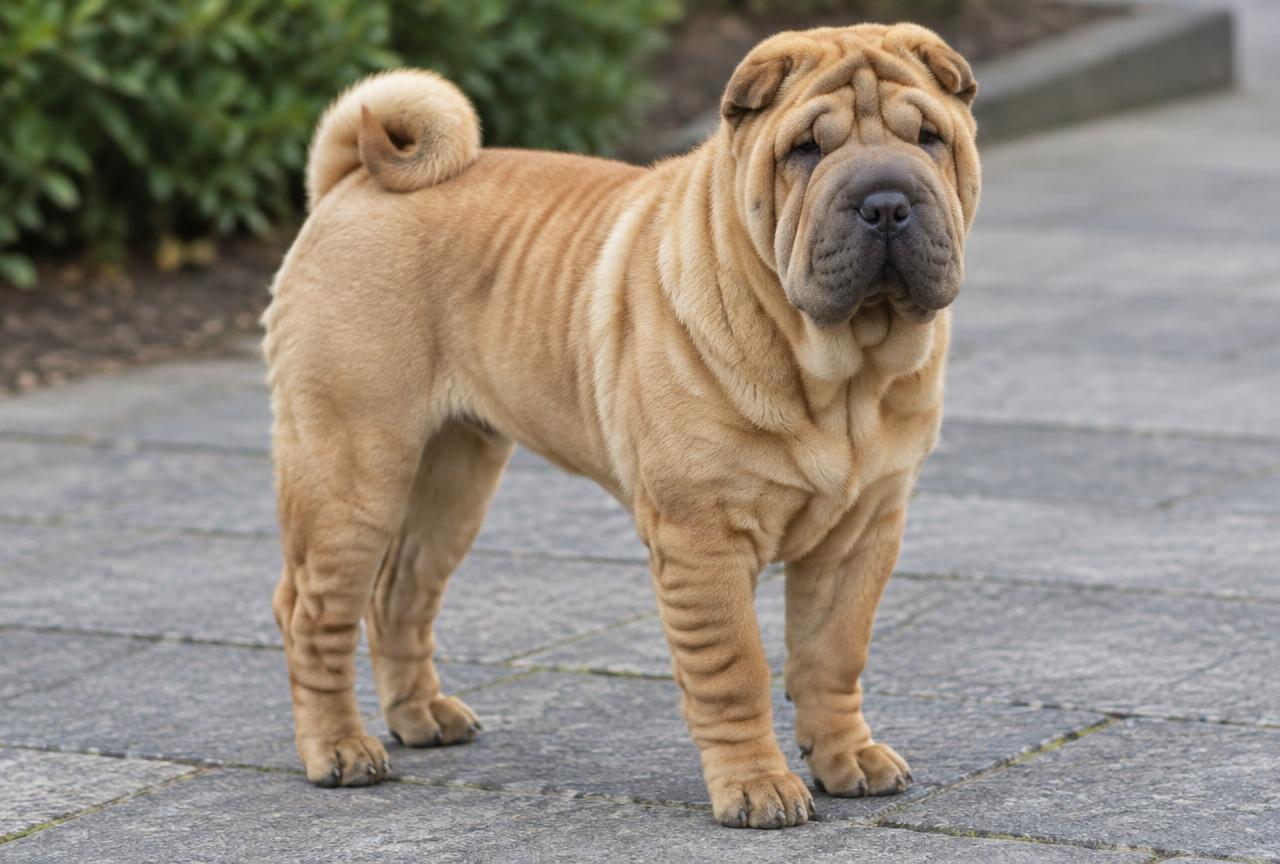
| Shar Pei | 18 to 25 kg | 4/10 | 5/10 | €147 |
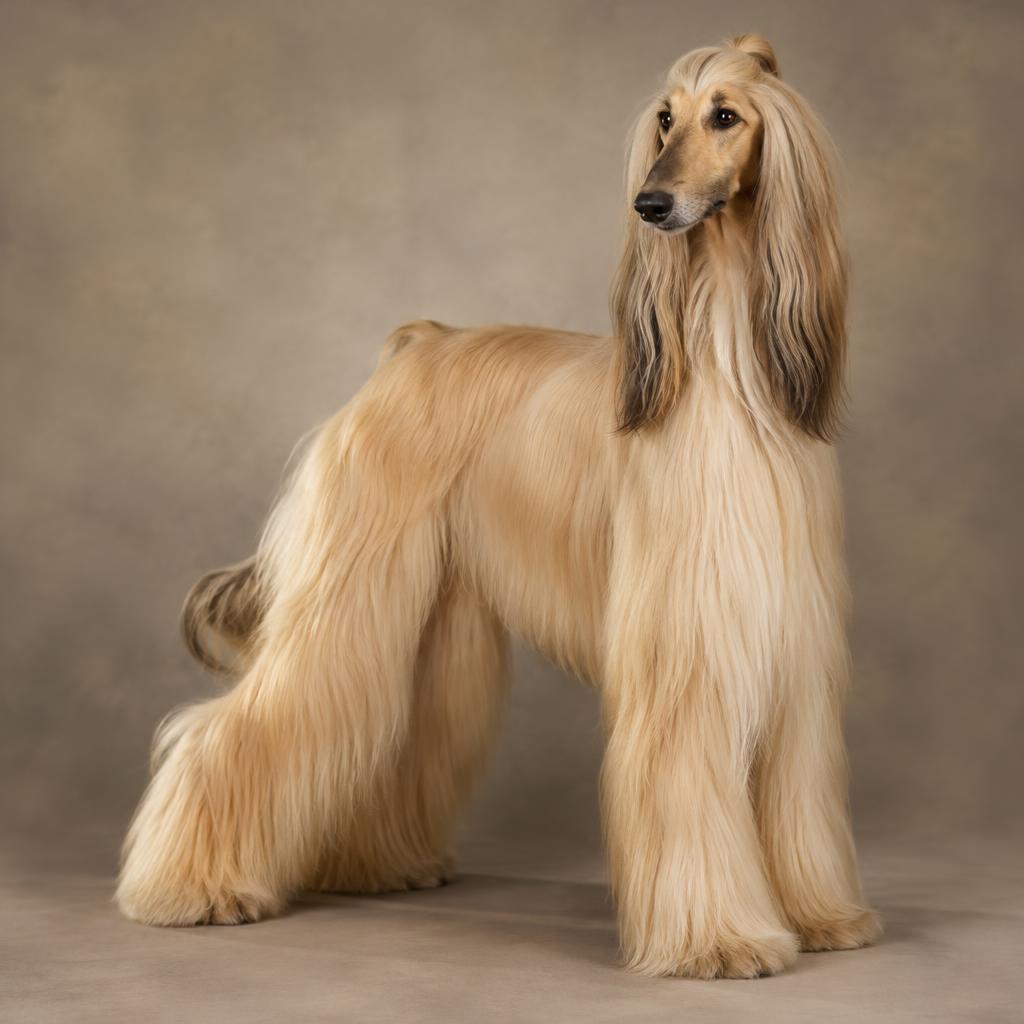
| Afghan Hound | 20 to 27 kg | 6/10 | 10/10 | €235 |
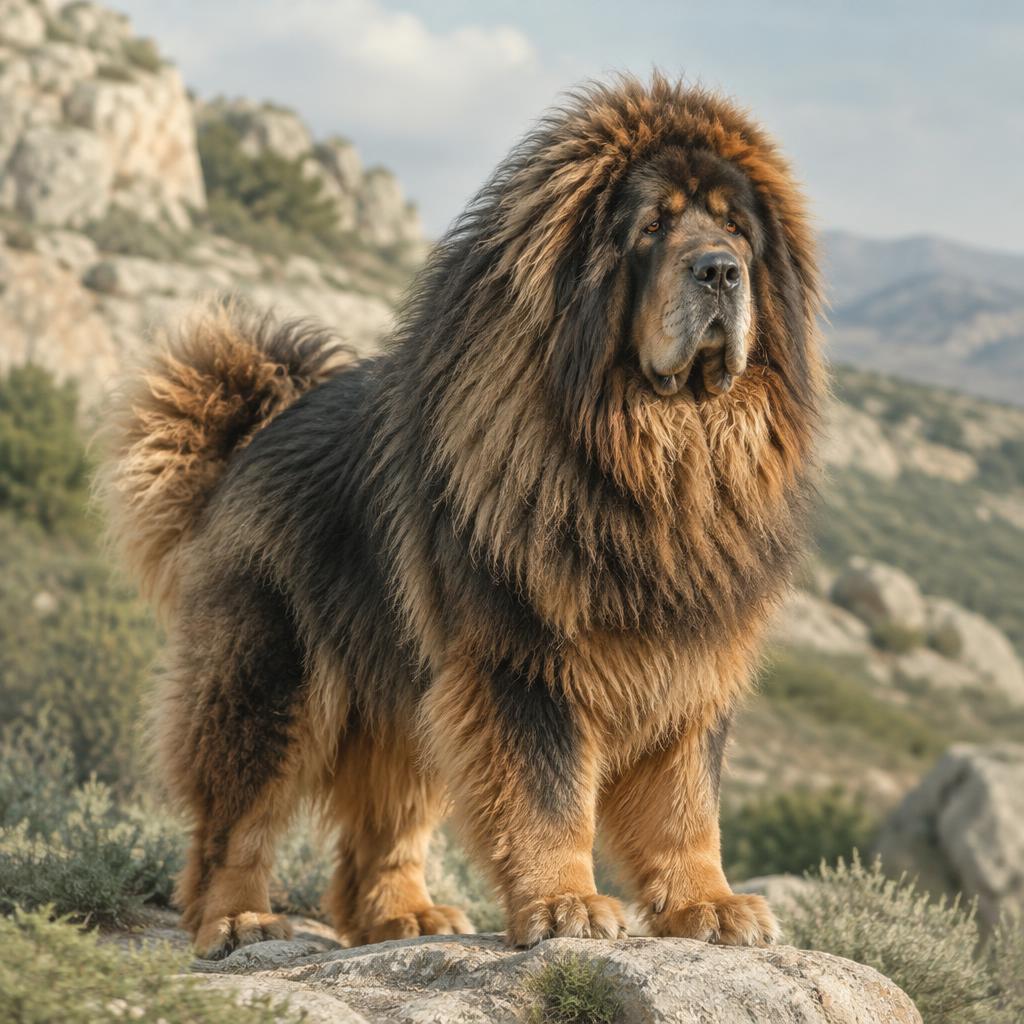
| Tibetan Mastiff | 34 to 73 kg | 4/10 | 7/10 | €485 |
Chow Chow questions, answered
Are Chow Chows aggressive?
They are not randomly aggressive, but they are serious guardians: aloof with strangers, often intolerant of other dogs and protective of home and family. A well-bred, well-socialised Chow is dignified and manageable, but socialisation from puppyhood is essential and the breed is not for inexperienced owners.
Why do Chow Chows have blue tongues?
The blue-black tongue is an ancient breed trait, one of only a few breeds to share it. Puppies are born with pink tongues that darken to blue-black by eight to ten weeks, and a fully dark tongue is a mark of good breed type.
Do Chow Chows shed a lot?
Yes, heavily. The dense double coat sheds all year and blows out dramatically twice a year, filling bin bags over a few weeks. Thorough brushing several times a week, daily during the blow, is the only way to stay ahead of it.
How much exercise does a Chow Chow need?
Around an hour a day split into two walks suits most adults. The breed is calm and not built for running, and in warm weather exercise must move to the cool ends of the day because the breed overheats easily.
Are Chow Chows good with children?
They can be loyal and gentle with their own family's older, calm children, but they do not tolerate rough handling or a stream of visiting children well. Supervision is essential, and the breed suits adult households best.
How long do Chow Chows live?
Typically nine to twelve years. Choosing health-tested parents, keeping the dog lean and managing heat carefully all support a longer, healthier life.
Can a Chow Chow live with other dogs?
Often with difficulty. Many Chows are intolerant of other dogs, particularly of the same sex. Careful early socialisation helps, and some live happily with a well-matched companion, but it should never be assumed.