Working group
An ancient breed originating from the Himalayan regions of Tibet, Nepal and India. It was used for centuries as a guardian of homes and livestock, often working in pairs or groups to deter large predators like snow leopards and wolves.
Tibetan Mastiff
The Tibetan Mastiff is a giant, independent guardian that requires an experienced hand and plenty of space. It is fiercely loyal to family but aloof with strangers and prone to nocturnal barking.
Reviewed by the SniffScroll editorial desk
The ancient, independent guardian primitive of the Himalayas.
The short version
- A primitive guardian breed that is highly independent and not traditionally biddable.
- Requires extremely secure fencing (6ft+) and is prone to nocturnal barking.
- A giant coat that needs regular care and results in a massive annual shedding event.
- Not a first-time dog; needs an owner who respects their guarding instincts and size.
- Significant health watch-points include hip and elbow dysplasia, thyroid issues and bloat.
- Weight
- 34 to 73 kg
- Height
- 61 to 76 cm
- Lifespan
- 10 to 12 yrs
- Size
- Giant
- Group
- Working
- Coat
- Dense, thick double coat with a heavy ruff around the neck, appearing in black, gold, blue or black and tan.
- Grown male
- 45 to 73 kg
- Grown female
- 34 to 54 kg
- Years to full size
- about 2
- One-off setup
- €2500 to 6000
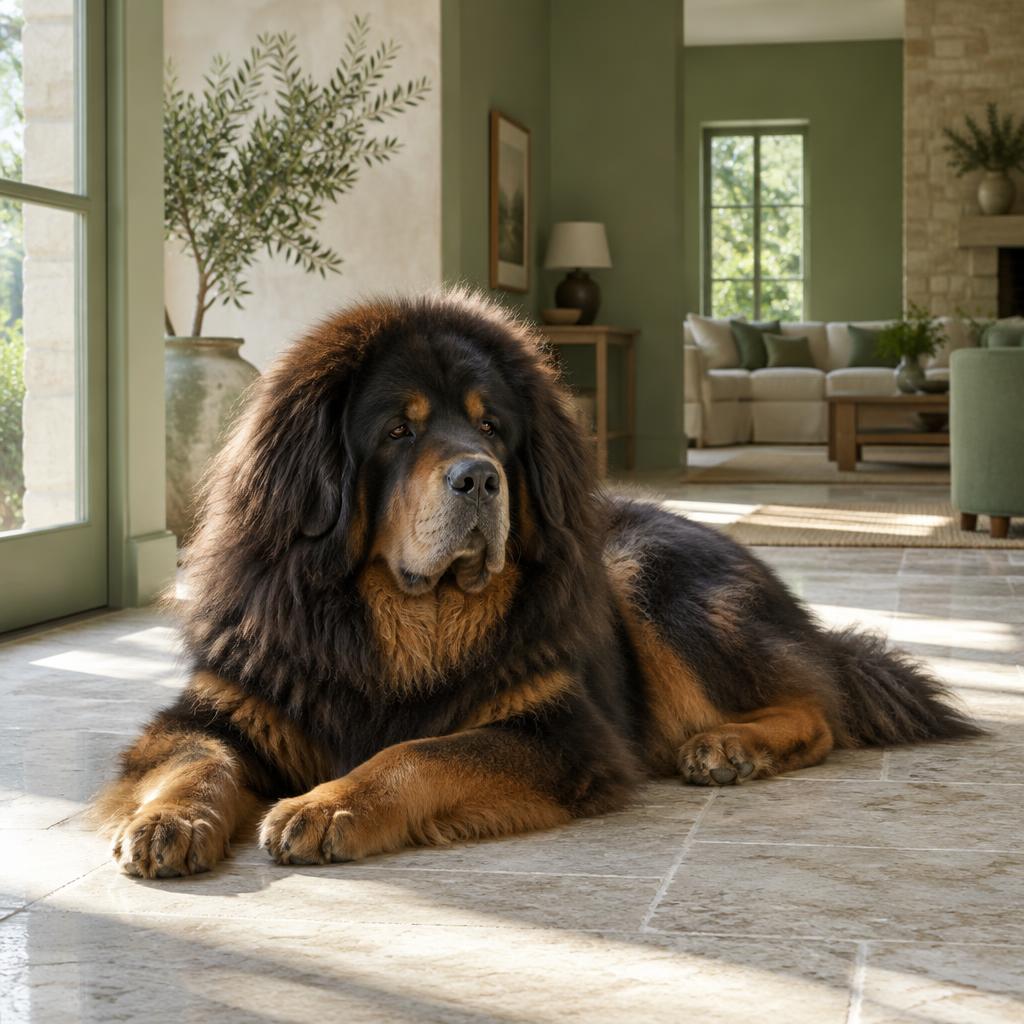
Get one if…
- Experienced owners who understand primitive guardian breeds
- Homes with large, securely fenced gardens (minimum 6ft)
- Households looking for a serious and dedicated guard dog
- Owners who appreciate an independent and stoic personality
- Rural or semi-rural dwellers with no close neighbours
Think again if…
- First-time dog owners or those without guardian breed experience
- Flat or apartment dwellers due to size and nocturnal barking
- Households without extremely secure, high boundary fencing
- Owners wanting a highly biddable, off-lead companion
- Families who cannot commit to lifelong socialisation and giant-breed costs
Trait profile
The Tibetan Mastiff is a guardian primitive, meaning it retains a level of independence and nocturnal awareness that modern companion breeds have lost.
Space & setup. A giant breed that requires a large home and a very secure garden. They are not suited to apartment living or urban areas where nocturnal barking will disturb neighbours.
Allergies. The Tibetan Mastiff is a heavy shedder, particularly during the annual seasonal blow of the undercoat. It is not suitable for allergy sufferers.
Living with a Tibetan Mastiff
The Tibetan Mastiff is a giant, powerful guardian breed known for its independent nature and imposing presence. Originally bred to protect livestock and monasteries, it is a loyal but aloof companion that requires an experienced owner, significant space and very secure fencing.
The Tibetan Mastiff is not a dog in the conventional sense: it is a guardian primitive, an ancient lineage that has spent millennia watching over flocks and monasteries in the high Himalayas. Unlike the more eager-to-please breeds of the Working group, the Tibetan Mastiff operates with a profound sense of independence. It does not look to its owner for instructions on how to react to a situation; it assesses the environment and decides for itself. For the unprepared owner, this trait can be overwhelming, but for those who understand the breed, it is the hallmark of a magnificent and ancient partner. This is a dog that requires space, respect and a deep understanding of canine psychology, making it entirely unsuitable for first-time owners or those living in confined urban settings.
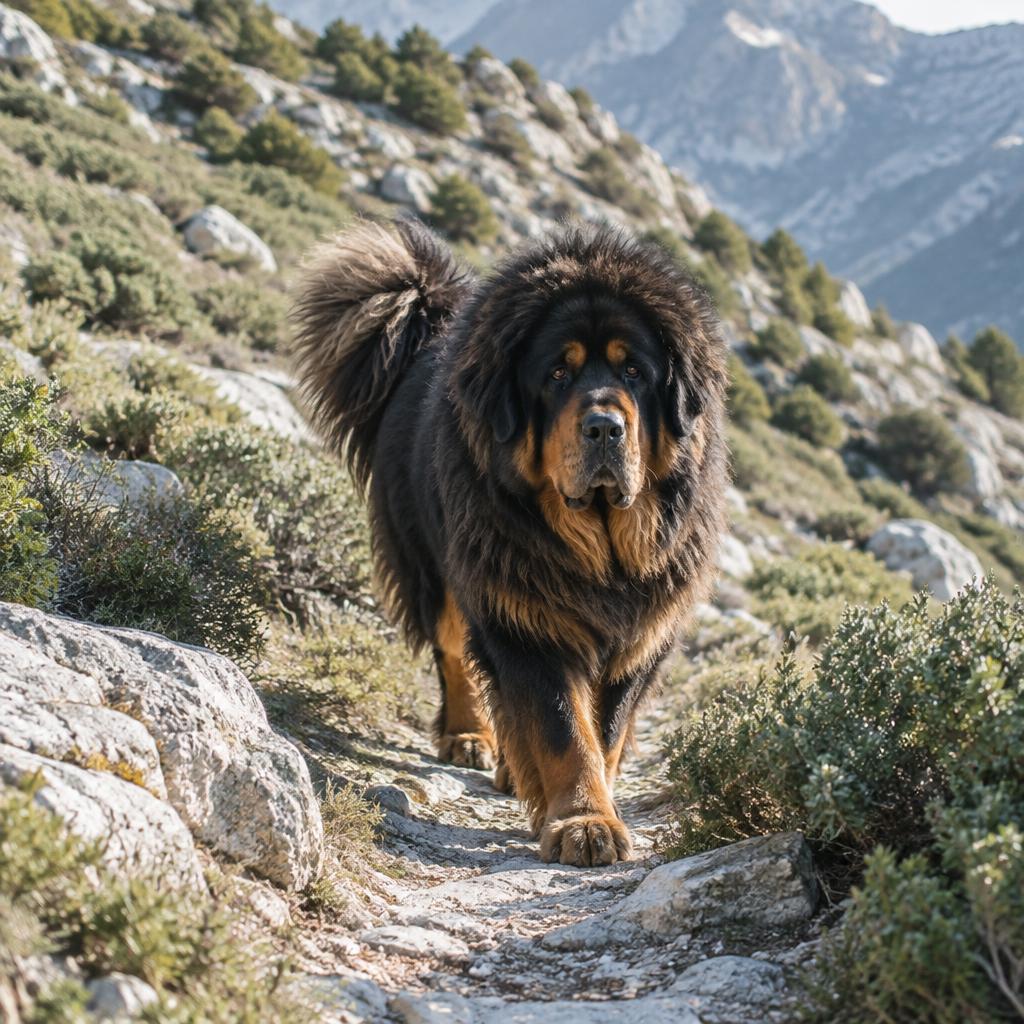
The temperament of the Tibetan Mastiff is defined by its role as a nocturnal sentry. In their native Tibet, these dogs were often tethered during the day and released at night to guard property. This history has left the modern breed with a strong instinct to be awake and alert during the hours of darkness. Nocturnal barking is a common trait, as the dog will vocalise to warn off potential intruders, whether those are genuine threats or merely the sound of a distant car. Because of this, the breed is a poor choice for high-density housing where neighbours will not appreciate a booming, giant-voiced alarm at three in the morning. Secure fencing is not just a suggestion; it is a requirement. A Tibetan Mastiff requires a garden with a minimum of six-foot-high, sturdy fencing, as they are surprisingly capable climbers and will patrol their boundaries with absolute dedication.
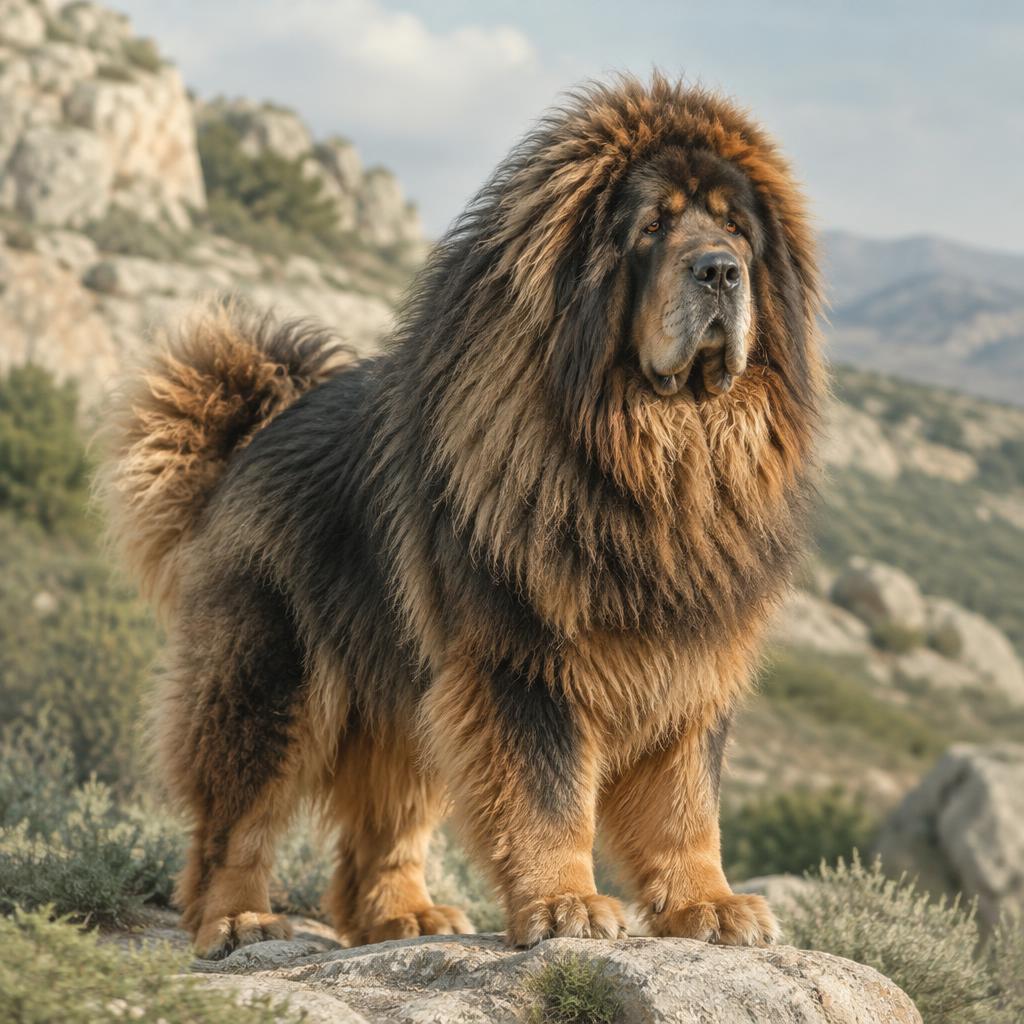
How big do tibetan mastiffs get? This is one of the most frequent questions from prospective owners, and the answer is substantial. Males typically stand at least 66 centimetres at the shoulder and can weigh up to 73 kilograms, while females are slightly smaller but still formidable. This physical presence, combined with a thick, lion-like ruff of hair around the neck, makes them one of the most imposing sights in the dog world. However, their size is only half the story. The tibetan mastiff temperament is one of quiet dignity at home, provided their needs are met. They are famously loyal to their family and can be gentle with their own children, but they remain aloof and suspicious of strangers. Socialisation must begin early and continue for the rest of its life. An undersocialised dog of this size is a significant liability, as their natural guarding instinct can easily transition into over-protection if not carefully managed.
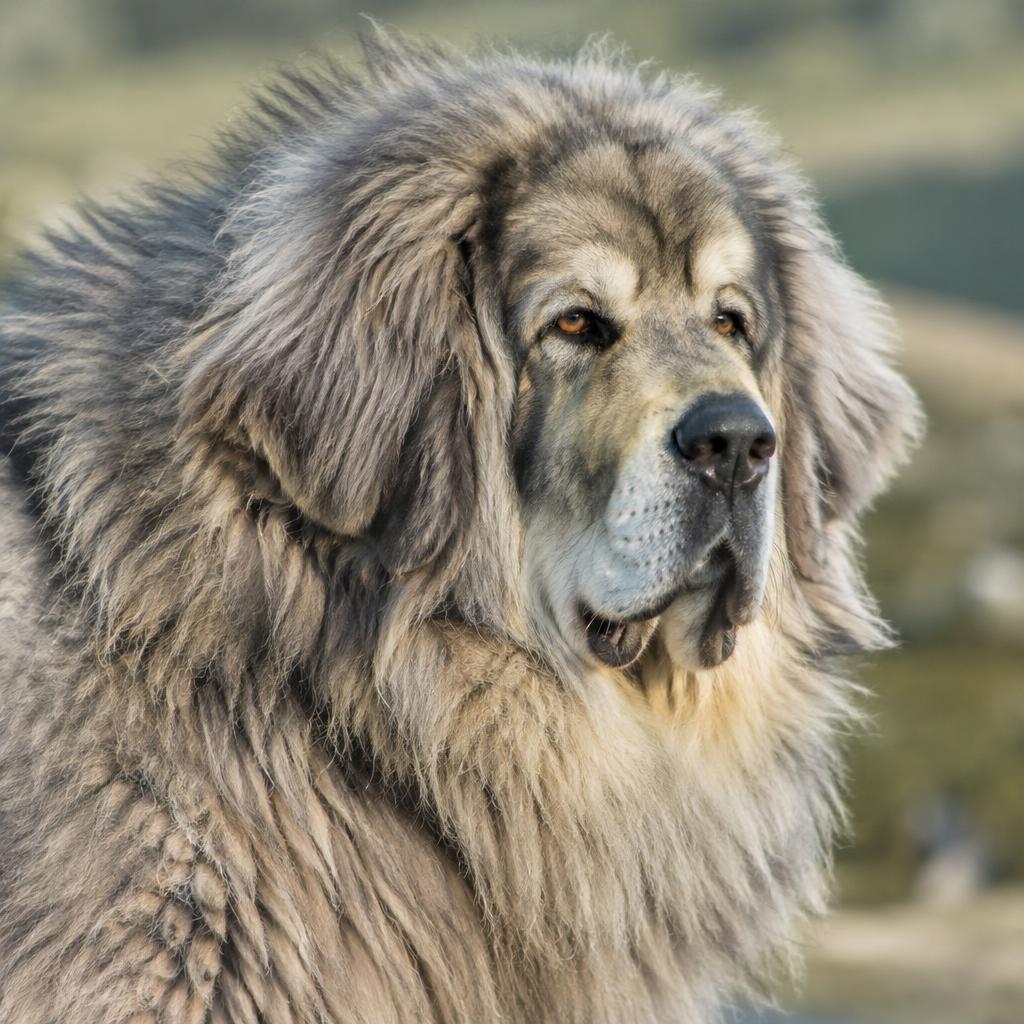
Training a Tibetan Mastiff is a lesson in patience. They are highly intelligent but lack the biddability found in breeds like Labradors or Collies. They will often ignore commands if they do not see a valid reason to follow them, especially if they are focused on their guardian duties. Force-based methods will fail utterly, leading only to a breakdown in trust and potential reactivity. Instead, owners must focus on positive reinforcement and clear, consistent boundaries. Even the best-trained Tibetan Mastiff is unlikely to be reliable off-lead in an unsecured area, as their instinct to wander and patrol will almost always override a recall.
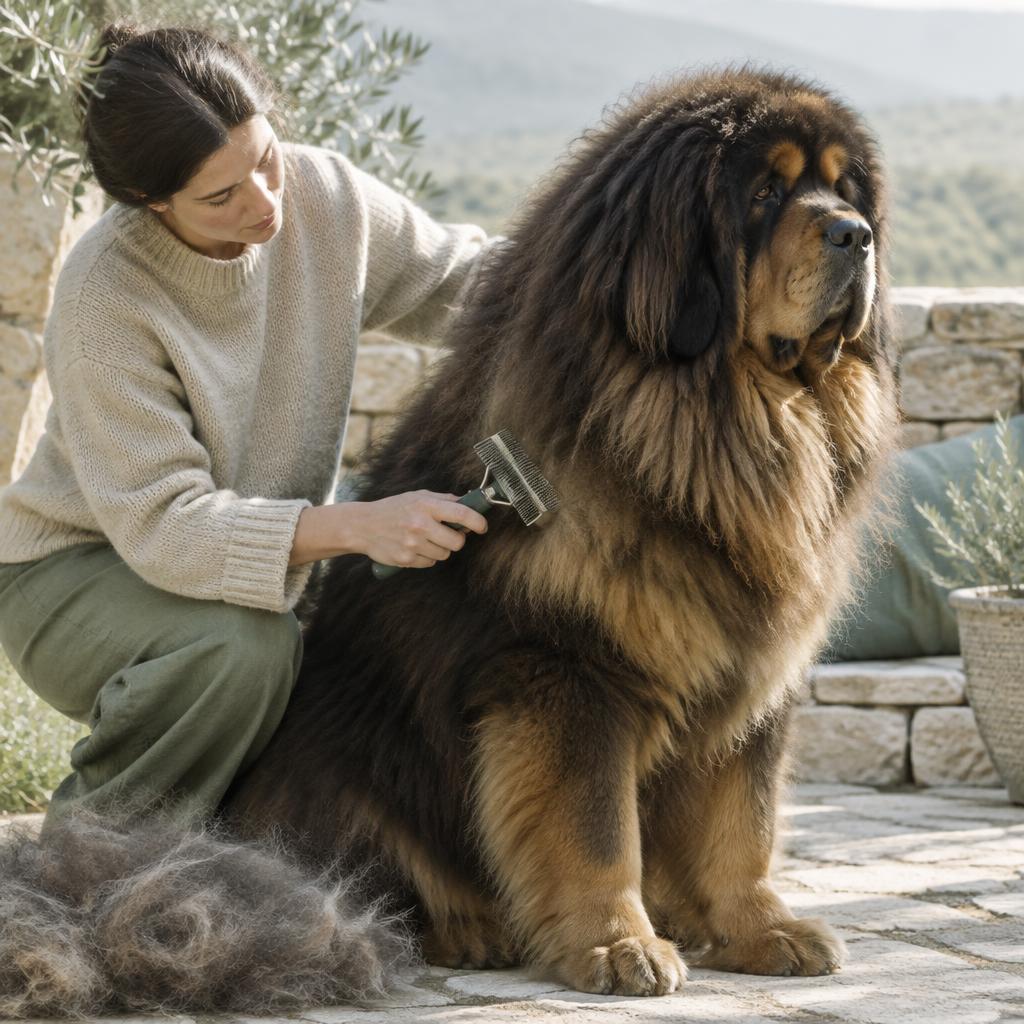
Grooming is another significant commitment. Tibetan mastiff grooming involves managing a massive, dense double coat designed to withstand Himalayan winters. For most of the year, a thorough brushing once or twice a week is sufficient. However, once a year, usually in the spring, the breed will blow its entire undercoat. During this time, the amount of hair shed is staggering, and daily brushing becomes essential to manage the fallout. Despite the volume of hair, the breed is surprisingly clean and lacks the typical doggy odour, though they do drool, particularly after drinking or when hot.
Prospective owners must also be aware of the tibetan mastiff health problems that can affect the breed. Like many giant breeds, they are prone to hip and elbow dysplasia, which can lead to mobility issues. Hypothyroidism is also relatively common, requiring lifelong medication. Eye issues, such as entropion and ectropion where the eyelids fold inwards or outwards, can cause significant irritation. More seriously, the breed is at risk for bloat, a life-threatening condition where the stomach twists. Owners must be vigilant about feeding practices and know the signs of an emergency. The tibetan mastiff price is high, often ranging from two thousand to five thousand Euros for a well-bred puppy from health-tested parents, and the ongoing costs for food and insurance are equally substantial.
For the right person, a Tibetan Mastiff is a peerless companion. They share a similar stoicism and presence with other giant guardians like the Newfoundland, Saint-Bernard and Great-Pyrenees, but they retain a wilder, more primitive edge. They are not dogs that will fetch a ball or perform tricks for entertainment. Instead, they are silent witnesses to your life, providing a sense of security and ancient connection that few other breeds can match. If you have the space, the secure fencing and the experience to lead such a powerful mind, the rewards are immense. But if you seek a dog that will obey every whim, the Tibetan Mastiff is not the breed for you.
A majestic and powerful guardian that offers unmatched protection and loyalty to its family, but its independent spirit and nocturnal barking habits make it a challenging choice for all but the most experienced and well-equipped owners.
Exercise, day to day
- 1Puppies: strictly limited, low-impact exercise to protect growing giant-breed joints.
- 2Adults: two moderate walks a day, ideally in a quiet area where they can observe their surroundings.
- 3Free movement: access to a large, secure garden is vital for their mental health and patrolling instinct.
- 4Avoid high-intensity activities like agility, which can put excessive strain on heavy frames.
- 5Mental work: provide puzzle feeders and varied walking routes to satisfy their intelligent, watchful minds.
Grooming, realistically
- 1Brush the coat thoroughly at least twice a week with a slicker brush and long-toothed comb.
- 2Increase to daily brushing during the annual spring blow to manage the undercoat shedding.
- 3Check and clean the large ears weekly to prevent infections.
- 4Trim nails every four weeks, as their weight makes overgrown nails very uncomfortable.
- 5Wipe the flews (lips) after drinking to manage drool and prevent damp-skin irritation.
What you actually need
- Long-toothed metal comb
- Large slicker brush
- Undercoat rake
- Heavy-duty nail clippers
- Ear cleaning solution
- Absorbent towels for drool
Puppy to adult
| Age | Male | Female | What is happening |
|---|---|---|---|
| 8 weeks | 8 to 12 kg | 7 to 10 kg | Already a substantial size; socialisation with household noises is critical. |
| 3 months | 15 to 20 kg | 13 to 17 kg | Rapid growth phase; avoid high-impact exercise to protect developing joints. |
| 6 months | 30 to 40 kg | 25 to 35 kg | Half adult weight; start consistent lead training before they become too strong. |
| 9 months | 45 to 55 kg | 38 to 48 kg | Approaching full height but still filling out; adolescent stubbornness may peak. |
| 12 months | 55 to 65 kg | 45 to 55 kg | Young adult size; continue thyroid monitoring and joint-friendly exercise. |
| 24 months | 64 to 73 kg | 48 to 59 kg | Full physical and mental maturity reached; the coat is at its most impressive. |
Ranges are typical, not targets. Judge condition by ribs and waist, and check with the ideal weight checker.
What to ask a breeder
- Have the parents been hip and elbow scored by the BVA or OFA?
- Is there a family history of hypothyroidism or degenerative myelopathy?
- How do you socialise your puppies before they leave for their new homes?
- What is the temperament of the parents, especially regarding strangers?
- Can you provide a full thyroid profile for the dam and sire?
Health tests to ask for
Ask to see results for both parents before you put down a deposit.
- Hip and elbow dysplasia scoring through the BVA or OFA
- Full thyroid profile to check for hypothyroidism
- Eye examination by a specialist for entropion and ectropion
- DNA testing for Degenerative Myelopathy (DM) where available
- Regular veterinary checks for early signs of bloat or gastric torsion
Health watch-list
What to ask a breeder about, and what to watch for over a lifetime. This is orientation, not veterinary advice, anything you notice belongs in front of a vet.
Hip and elbow dysplasia
CommonA major concern in giant breeds; hip and elbow scoring of parents is essential before purchase.
Hypothyroidism
NotableRelatively common in the breed; causes weight gain and skin issues, but is manageable with daily medication.
Entropion and ectropion
Common with ageEyelids folding inwards or outwards can cause chronic irritation and may require surgical correction.
Bloat (Gastric Torsion)
NotableA life-threatening emergency common in deep-chested giant breeds; avoid feeding immediately before or after exercise.
Degenerative myelopathy
UncommonA progressive neurological disease affecting the hind legs; DNA screening of parents can help assess risk.
Panosteitis
NotableGrowing pains often seen in rapidly maturing giant breeds; causes temporary lameness that shifts between legs.
What it costs to keep one
Realistic running cost
€485 / month
About €5,820 a year, or roughly €64,020 across a 11-year life, before purchase price, neutering and one-off vet events.
Before the puppy arrives. Budget roughly €2500 to 6000 for a crate, bed, lead and harness, bowls, puppy classes, first vaccinations and grooming kit sized for this breed. Figures throughout are indicative and vary a good deal between countries.
Interactive · built for this breed
Is a Tibetan Mastiff right for your home?
Seven honest questions about your space, time and household, checked against this breed's exercise need, coat, sociability and tolerance for time alone.
Fit with your routine
93%
A strong fit
Your routine suits a Tibetan Mastiff well. Meet adult dogs of the line before you commit.
What to sort out first
- Coat needs more brushing or trimming than you have allowed.
Working in your favour
- Your daily walking comfortably covers this breed's exercise need.
Compare more breeds in the matchmaker, or plan meals with the portion calculator.
The verdict, by household
Unsuitable
Too independent and powerful for a novice; the guarding instincts require expert management.
Suitable with caution
Can be gentle with their own children, but their size and guarding nature require constant supervision.
Good
Suited to those who enjoy a stoic companion, but their lack of off-lead reliability limits hiking options.
Unsuitable
The combination of giant size and nocturnal barking makes this a recipe for neighbour disputes.
When to call your vet
- Lameness or stiffness in the hindquarters, potential signs of dysplasia
- Weight gain, lethargy or coat changes indicating thyroid issues
- Excessive pawing at eyes or discharge, which may signal lid problems
- Sudden abdominal swelling and pacing, indicating life-threatening bloat
- Weakness in the back legs that progresses over time (DM)
Nothing here is a diagnosis. A swollen, hard belly with retching, collapse, breathing difficulty and sudden hind-leg weakness are emergencies: go straight away.
Tibetan Mastiff vs the closest alternatives
| Breed | Weight | Energy | Grooming | € / month |
|---|---|---|---|---|
| Tibetan Mastiff | 34 to 73 kg | 4/10 | 7/10 | €485 |
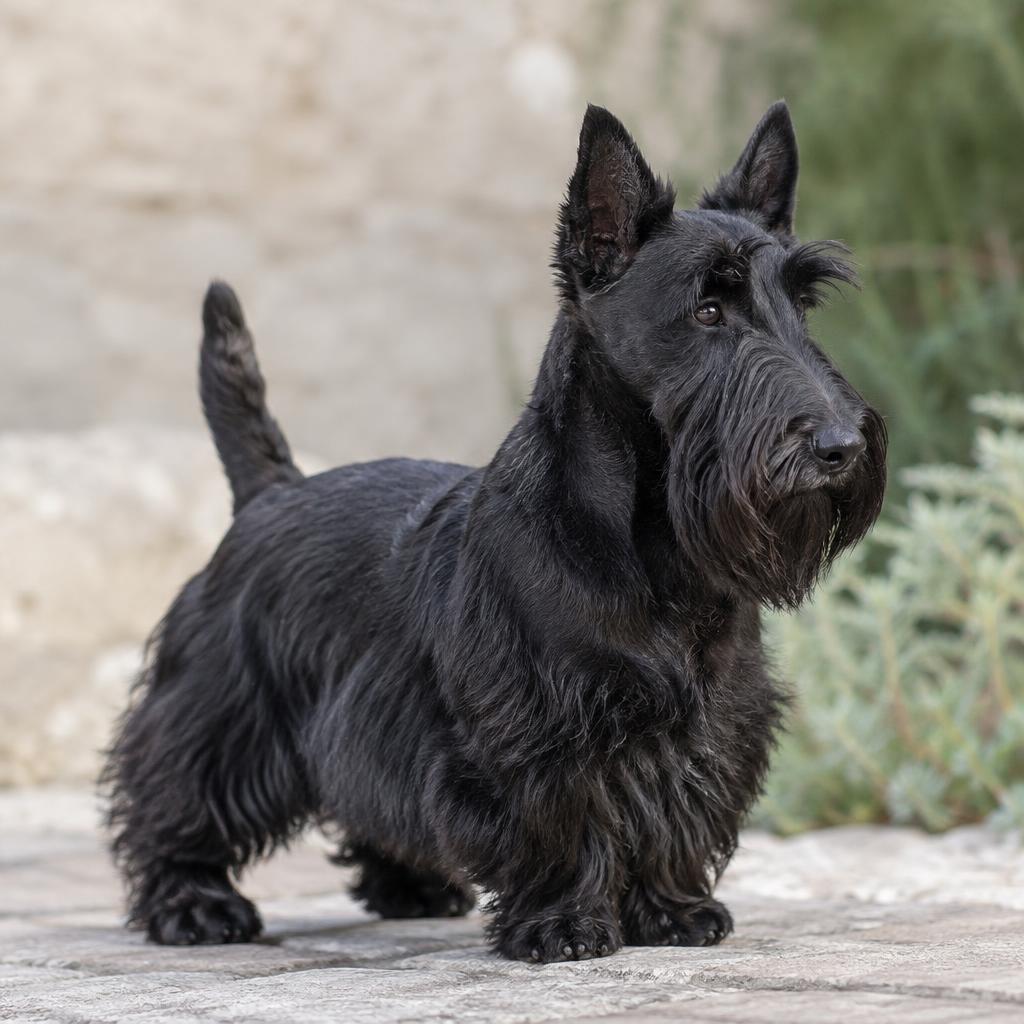
| Scottish Terrier | 8 to 10.5 kg | 6/10 | 7/10 | €76 |
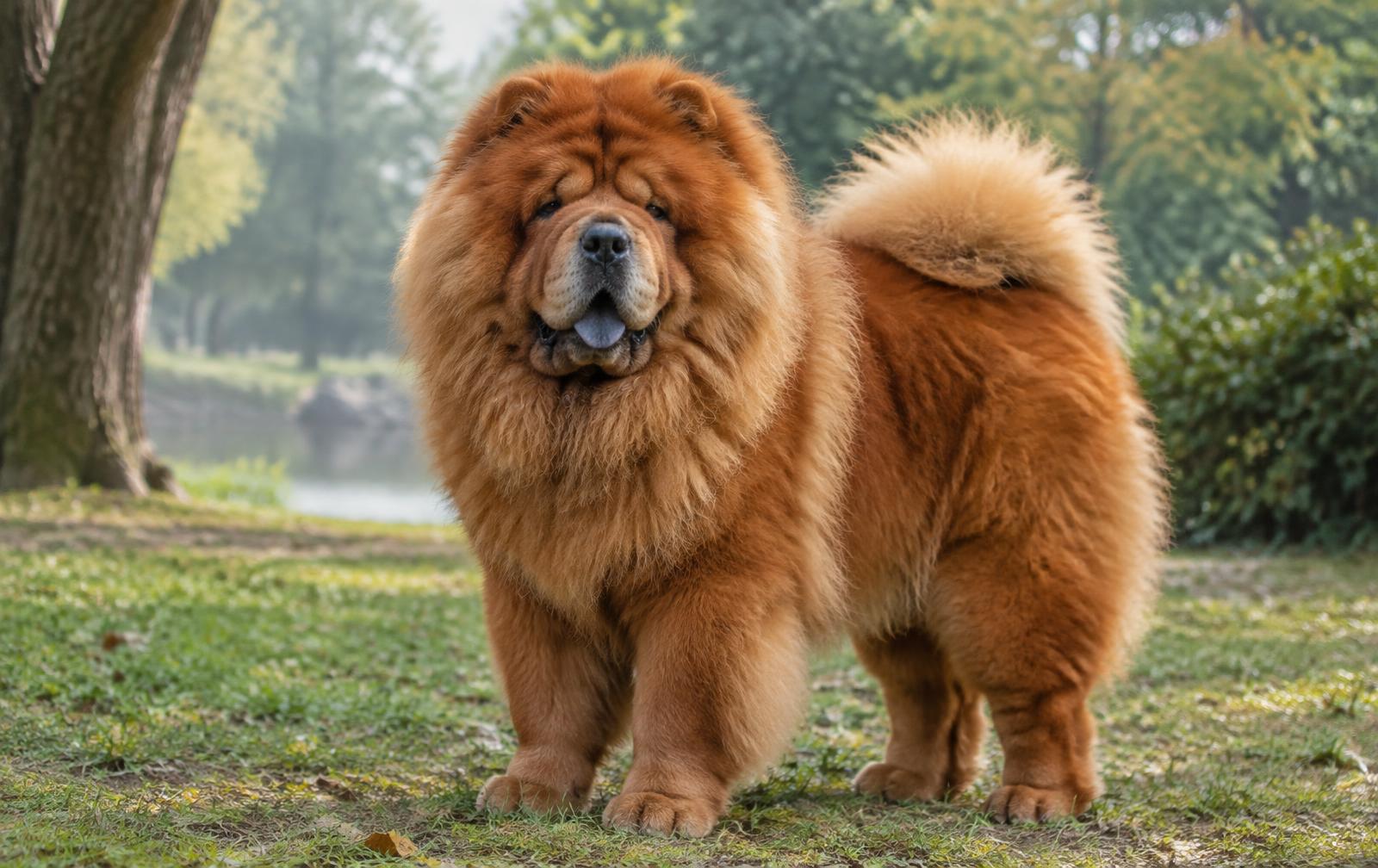
| Chow Chow | 20 to 32 kg | 4/10 | 8/10 | €220 |
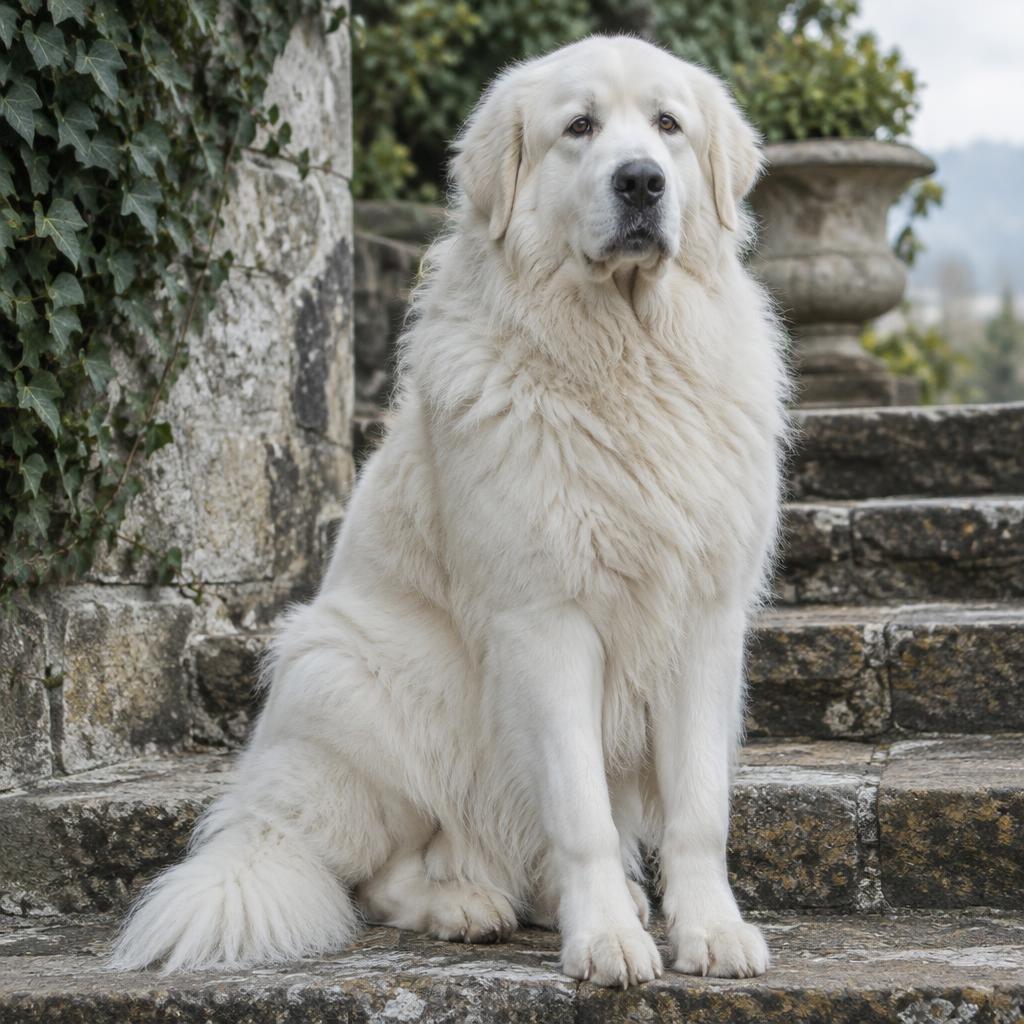
| Great Pyrenees | 40 to 60 kg | 4/10 | 7/10 | €204 |
Tibetan Mastiff questions, answered
How big do tibetan mastiffs get?
They are giant dogs. Males stand at least 66 cm and weigh 45 to 73 kg, while females stand at least 61 cm and weigh 34 to 54 kg. Their thick coat makes them appear even larger.
Is a Tibetan Mastiff a good first dog?
No. Their extreme independence, physical power and guarding instincts require an experienced owner who understands primitive breeds. They are not recommended for novice owners.
Why do Tibetan Mastiffs bark at night?
They are nocturnal by nature, bred to guard property while their owners slept. They are highly alert to sounds in the dark and will use their deep bark to warn off perceived threats.
How much does a Tibetan Mastiff cost?
The tibetan mastiff price usually ranges from €2,000 to €5,000 for a well-bred puppy. Monthly costs for food, insurance and care for a giant breed are also significantly higher than average.
Do Tibetan Mastiffs shed a lot?
Yes. While they have a heavy coat year-round, they undergo a massive seasonal 'blow' of their undercoat once a year, during which daily brushing is required to manage the hair loss.
Are Tibetan Mastiffs aggressive?
They are naturally protective and aloof with strangers, but they should not be randomly aggressive. Proper socialisation and training are vital to ensure their guarding instinct remains controlled.
Can they live in a city?
It is not recommended. Their giant size, need for space and loud nocturnal barking make them poorly suited to urban environments and close-proximity living.