Terrier group
Scotland
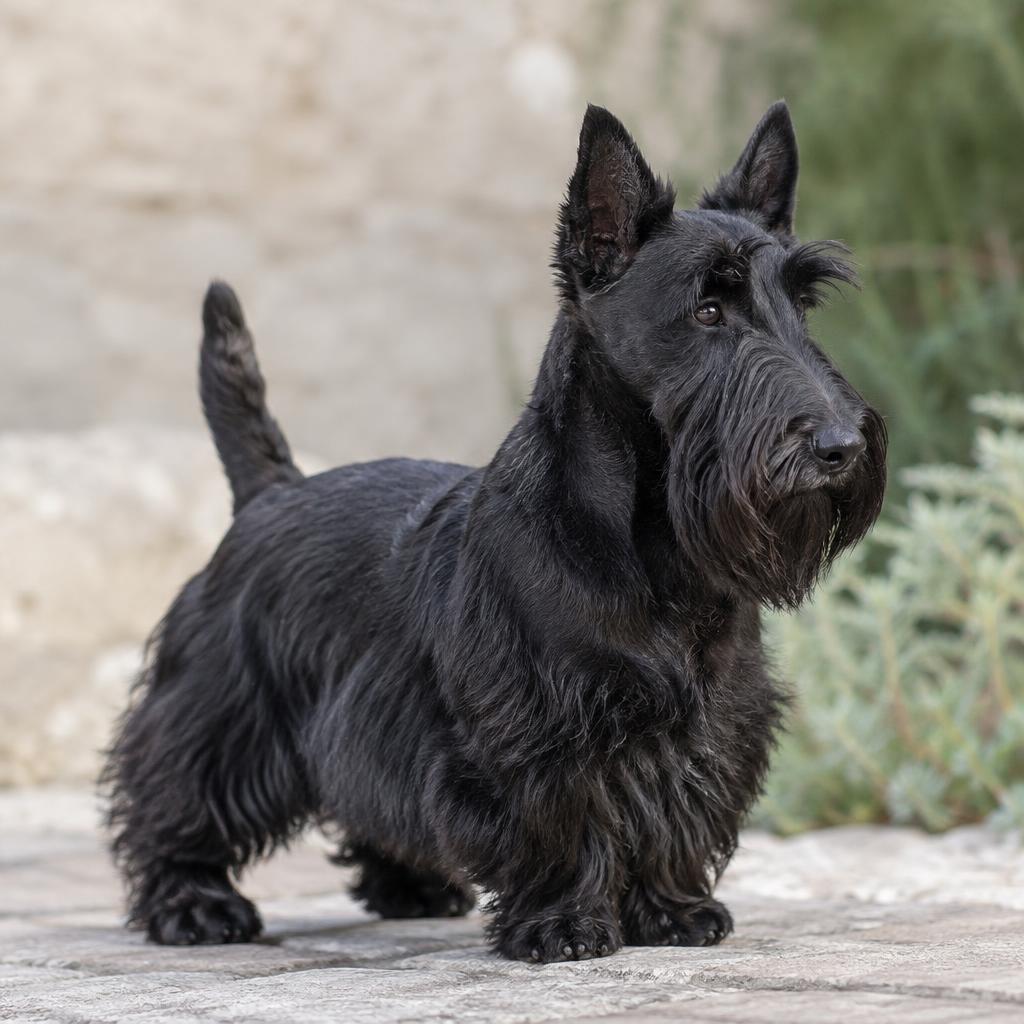
Scottish Terrier
Independent, dignified and quietly hilarious, the Scottie is a small dog for people who respect a big personality.
Reviewed by the SniffScroll editorial team
The dignified little Scotsman with a big opinion
The short version
- A genuinely independent terrier: loyal to its people, aloof with strangers, and never needy.
- Needs about an hour of exercise daily; short legs, but a real working dog underneath.
- Prey drive is strong and permanent: small pets are not safe, and recall around wildlife is unreliable.
- The wiry coat needs weekly brushing and stripping or clipping every six to eight weeks.
- Generally long-lived at twelve to fifteen years, with some breed-specific health watch-points.
- Weight
- 8 to 10.5 kg
- Height
- 25 to 28 cm
- Lifespan
- 12 to 15 yrs
- Size
- Small
- Group
- Terrier
- Coat
- Wiry double
- Grown male
- 8.5 to 10.5 kg
- Grown female
- 8 to 10 kg
- Years to full size
- about 1.5
- One-off setup
- €400 to 900
Get one if…
- Owners who appreciate an independent, cat-like dog with real character
- Singles and couples wanting a small but genuinely sturdy companion
- Homes with secure gardens and a consistent daily routine
- People happy to keep up regular grooming or learn to hand-strip
- Experienced owners who enjoy training a thinking dog on its own terms
Think again if…
- Families with toddlers or very young children
- Homes with rabbits, guinea pigs or other small pets
- Anyone wanting a reliably off-lead dog around wildlife
- First-time owners expecting an eager-to-please dog
- Multi-dog households without careful introductions
Trait profile
A serious, self-possessed terrier: devoted to its own people, reserved with everyone else, and always its own dog.
Space & setup. Adapts well to flats and small homes thanks to its size and moderate exercise needs, provided it gets a proper daily walk and mental stimulation.
Allergies. Not hypoallergenic, but the wiry coat sheds lightly and some allergy sufferers cope better with the breed than with heavy shedders. Regular grooming keeps loose hair down.
Living with a Scottish Terrier
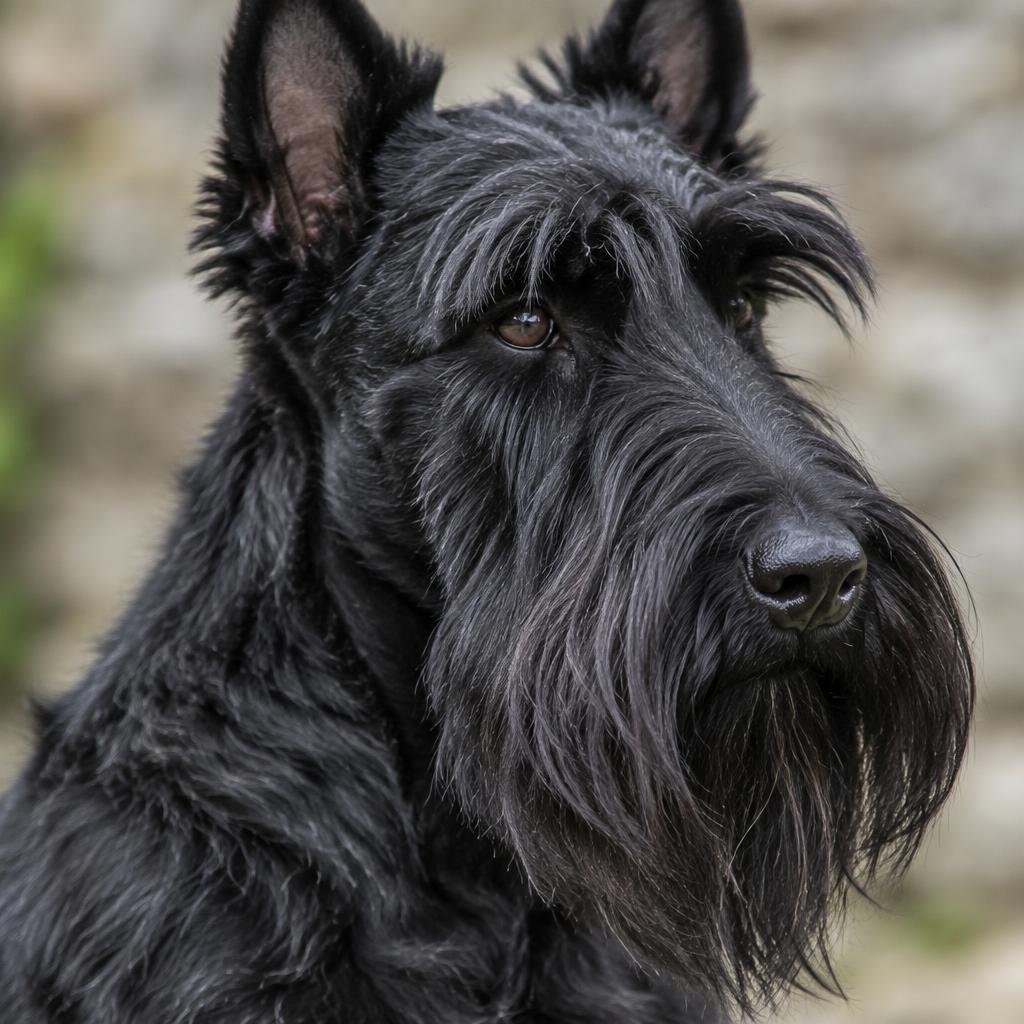
A compact, bearded terrier with a famously independent mind, a wiry double coat and a loyalty that is earned rather than given away.
The Scottish Terrier, the Scottie to its friends, is one of the most recognisable dogs in the world and one of the most misunderstood. People see the beard, the eyebrows and the short legs and expect a jolly little companion. What they get is a serious, self-possessed working terrier who happens to be small.
Living with a Scottie is a lesson in negotiation. This is a breed that was developed to work alone, underground, making its own decisions about vermin without any human input. That heritage shows up every day as a dog who hears your command, considers it, and decides whether it was a good idea. Training a Scottie is entirely possible, but it has to be worth the dog's while: short sessions, good rewards, and no repetition for repetition's sake. Owners who understand this find the breed quietly brilliant. Owners who expect a Labrador in a small suit end up frustrated.
With family, the Scottie is deeply loyal and often bonds most intensely with one person. Affection is real but reserved; this is not a dog that flings itself at strangers or suffers fools. With children the picture is mixed. A Scottie will tolerate respectful older children well, but it has little patience for grabbing, chasing or being treated as a toy, and it will say so. Families with toddlers should look carefully at whether they can manage that boundary honestly.
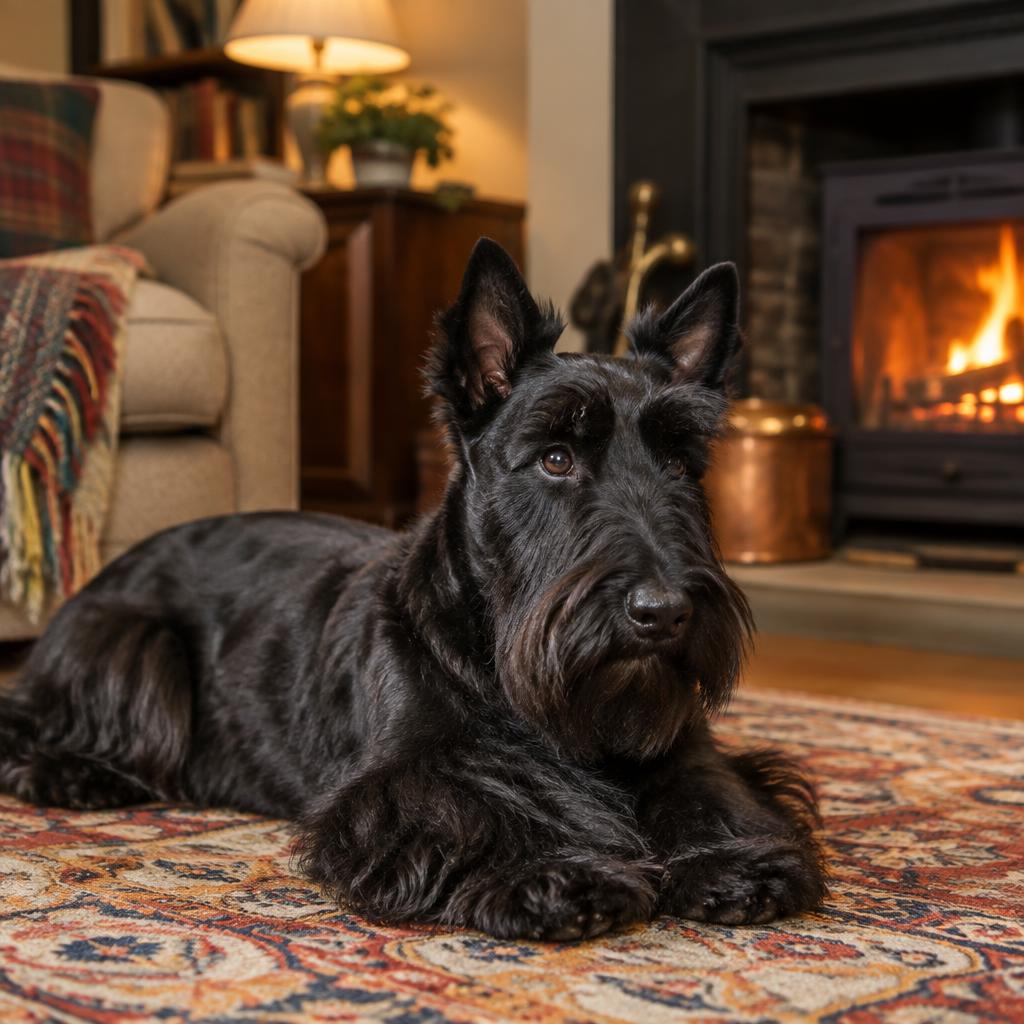
Other animals are the bigger issue. The prey drive is strong and entirely genuine: small furry things that run are to be chased, and no amount of training fully removes the instinct. Many Scotties live peacefully with a family cat they were raised with, but small pets like rabbits and guinea pigs are simply not safe, and off-lead reliability around wildlife is poor. With other dogs the breed can be scrappy, particularly with dogs of the same sex, and early, ongoing socialisation matters a great deal.
Exercise needs are moderate and manageable: a good hour a day split into walks and play keeps most Scotties content, and their short legs mean a brisk walk covers less ground than you might think. They are alert and will bark at the doorbell, the postman and suspicious leaves, which makes them excellent little watchdogs and occasionally unpopular neighbours.
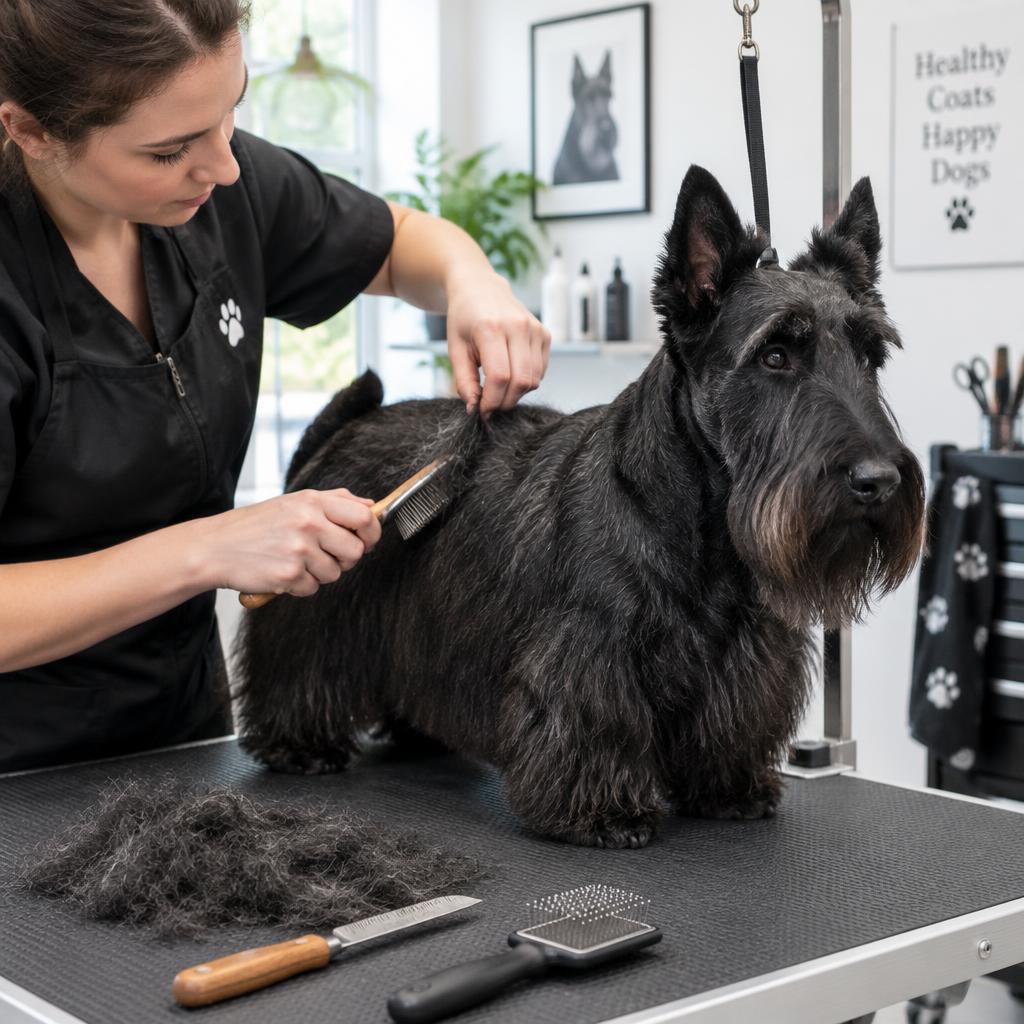
The coat is a commitment. The harsh outer coat and soft undercoat need weekly brushing and professional grooming or hand-stripping every six to eight weeks to keep the classic outline. Most pet owners opt for clipping, which is easier but softens the coat over time. Beards need wiping after meals and drinks, or they become a crusty mess.
Health is generally fair for a pedigree, with a typical lifespan of twelve to fifteen years, but the breed carries some specific risks. Scottie cramp, a movement disorder triggered by excitement, is unusual but characteristic. Bladder cancer (transitional cell carcinoma) occurs at notably higher rates than in most breeds, and von Willebrand's disease, a bleeding disorder, appears in some lines. Good breeders test and talk about these things openly.
Who suits a Scottie? Someone who wants a small dog with a big personality, appreciates independence rather than obedience, can offer a secure garden and a consistent routine, and finds the breed's solemn dignity funny rather than annoying. Who should look elsewhere? Anyone wanting an eager-to-please first dog, a reliable off-lead companion, or a dog that adores everyone it meets. The Scottie is none of those things, and its devotees would not change a whisker.
The Scottish Terrier is a dog of considerable character packed into a very small frame.
Exercise, day to day
- 1Puppies (8 to 20 weeks): short play sessions and garden exploring; avoid long walks while joints develop.
- 2Adolescents (4 to 12 months): build to two decent walks a day, with training kept short and rewarding.
- 3Adults: about an hour daily suits most; brisk walks, sniffing time and play all count.
- 4Mental work: puzzle feeders, scent games and short training sessions keep the clever mind settled.
- 5Garden time is a bonus, not a substitute: a bored Scottie digs and patrols.
Grooming, realistically
- 1Brush the coat thoroughly once or twice a week with a slicker and comb, working through the furnishings and beard.
- 2Hand-strip every six to eight weeks to keep the coat harsh, or book a clipping appointment on the same cycle.
- 3Wipe the beard after meals and water to stop staining and crusting.
- 4Bathe only when needed, using a shampoo suited to wire coats.
- 5Trim nails every three to four weeks and check ears and teeth weekly.
What you actually need
- Slicker brush
- Metal comb
- Stripping knife for hand-stripping
- Dog nail clippers
- Ear cleaning solution
- Enzymatic dog toothpaste and brush
Puppy to adult
| Age | Male | Female | What is happening |
|---|---|---|---|
| 8 weeks | 1.5 to 2 kg | 1.4 to 1.9 kg | Bold from the start; begin gentle handling and short, rewarding training early. |
| 3 months | 3 to 3.8 kg | 2.8 to 3.5 kg | Puppy coat soft; the harsh adult coat develops over the first year. |
| 6 months | 5.5 to 7 kg | 5 to 6.5 kg | Adolescent independence peaks; keep sessions short and worthwhile. |
| 9 months | 7 to 8.5 kg | 6.5 to 8 kg | Near adult height; adult coat coming in and first full groom due. |
| 12 months | 8.5 to 10 kg | 8 to 9.5 kg | Adult size essentially reached; character still maturing. |
| 18 months | 8.5 to 10.5 kg | 8 to 10 kg | Fully mature; the settled, dignified adult emerges. |
Ranges are typical, not targets. Judge condition by ribs and waist, and check with the ideal weight checker.
What to ask a breeder
- Have the parents been tested for von Willebrand's disease, and can I see the certificates?
- Is there any history of Scottie cramp or bladder cancer in your lines?
- How are the puppies socialised, and what have they been exposed to so far?
- What are the parents' temperaments like with strangers and other dogs?
- Can you show me how to groom the coat, or recommend a groomer who hand-strips?
Health tests to ask for
Ask to see results for both parents before you put down a deposit.
- Von Willebrand's disease DNA test for breeding stock
- Breeder history of Scottie cramp and bladder cancer in the line
- Regular urine checks from middle age, and prompt investigation of any blood in urine
- Weight control; a lean Scottie is kinder on short legs
- Annual eye and heart checks from middle age
Health watch-list
What to ask a breeder about, and what to watch for over a lifetime. This is orientation, not veterinary advice, anything you notice belongs in front of a vet.
Transitional cell carcinoma (bladder cancer)
NotableOccurs at markedly higher rates than in most breeds. Blood in the urine or straining should always be checked promptly; early detection improves options.
Von Willebrand's disease
UncommonAn inherited bleeding disorder present in some lines. A DNA test exists and responsible breeders test before breeding.
Scottie cramp
UncommonA breed-specific movement disorder triggered by excitement or exercise. Episodes are brief and not painful, but affected dogs should not be bred from.
Luxating patella
CommonKneecaps that slip out of place are seen in many small breeds. Mild cases need monitoring; severe ones may need surgery.
Hypothyroidism
Common with ageAn underactive thyroid can cause weight gain, coat changes and lethargy in middle age. It is easily managed with daily medication once diagnosed.
Cushing's disease
Common with ageOverproduction of cortisol in older dogs, causing thirst, panting and a pot-bellied look. Manageable with medication once identified.
What it costs to keep one
Realistic running cost
€76 / month
About €912 a year, or roughly €12,768 across a 14-year life, before purchase price, neutering and one-off vet events.
Before the puppy arrives. Budget roughly €400 to 900 for a crate, bed, lead and harness, bowls, puppy classes, first vaccinations and grooming kit sized for this breed. Figures throughout are indicative and vary a good deal between countries.
Interactive · built for this breed
Is a Scottish Terrier right for your home?
Seven honest questions about your space, time and household, checked against this breed's exercise need, coat, sociability and tolerance for time alone.
Fit with your routine
97%
A strong fit
Your routine suits a Scottish Terrier well. Meet adult dogs of the line before you commit.
What to sort out first
- Needs more daily exercise than you have pencilled in.
- Coat needs more brushing or trimming than you have allowed.
Compare more breeds in the matchmaker, or plan meals with the portion calculator.
The verdict, by household
Possible with preparation
The independence surprises people used to eager breeds; read up and work with a trainer who knows terriers.
Best with older children
Tolerant of respectful older children but has little patience for grabbing or rough handling by toddlers.
Excellent
A brilliant companion for daily walks and a quiet evening; character in a portable package.
Good with training
Small and adaptable, but the alert barking at doors and footsteps needs early management.
When to call your vet
- Blood in the urine or straining to urinate, at any age
- Stiffness or odd movement after excitement or exercise
- Bleeding that takes unusually long to stop after a minor cut
- Lethargy, weight loss or loss of appetite lasting more than a day
- Lumps, skin changes or persistent scratching
Nothing here is a diagnosis. A swollen, hard belly with retching, collapse, breathing difficulty and sudden hind-leg weakness are emergencies: go straight away.
Scottish Terrier vs the closest alternatives
| Breed | Weight | Energy | Grooming | € / month |
|---|---|---|---|---|
| Scottish Terrier | 8 to 10.5 kg | 6/10 | 7/10 | €76 |
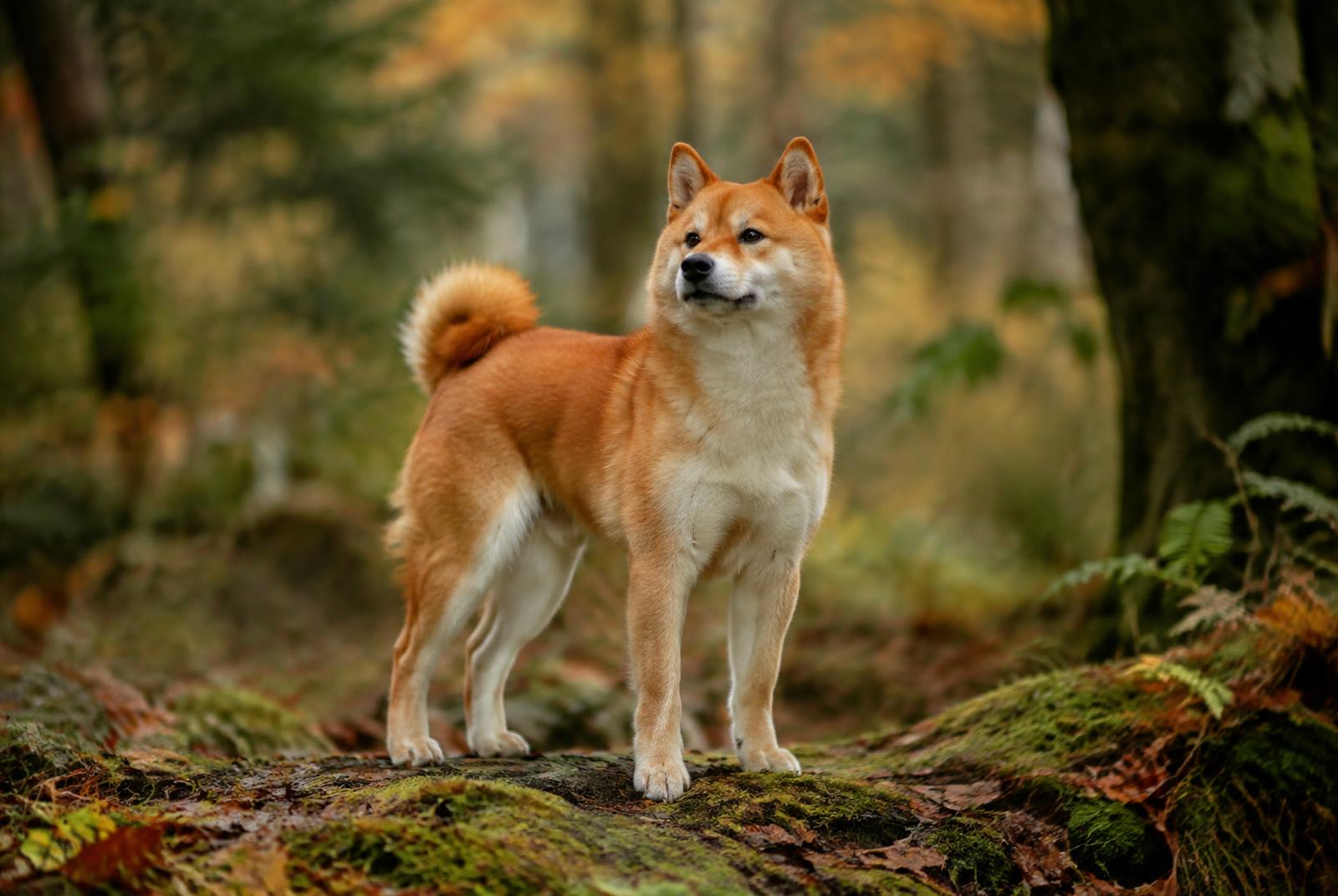
| Shiba Inu | 8 to 11 kg | 7/10 | 5/10 | €74 |
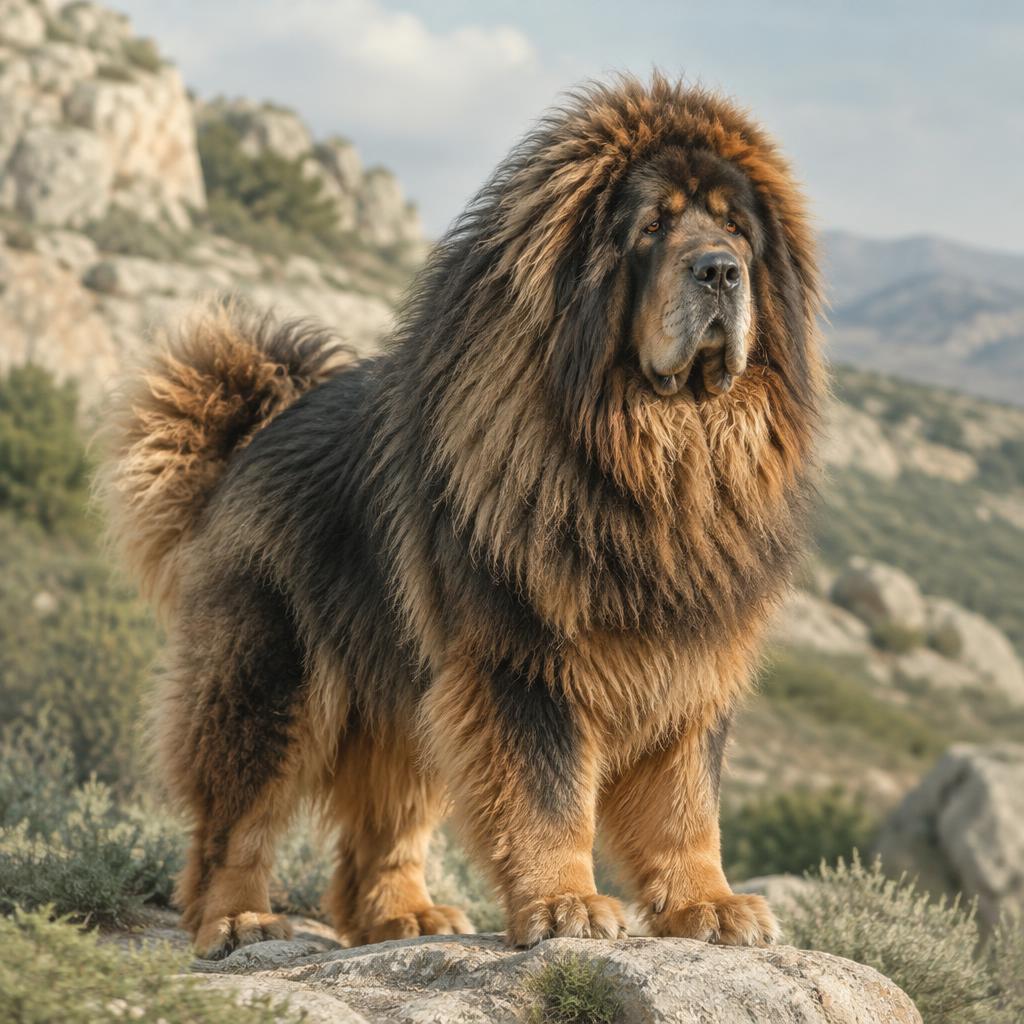
| Tibetan Mastiff | 34 to 73 kg | 4/10 | 7/10 | €485 |
| Lhasa Apso | 5 to 8 kg | 5/10 | 8/10 | €140 |
Scottish Terrier questions, answered
How long do Scottish Terriers live?
Typically twelve to fifteen years, which is good for a pedigree breed. Keeping them lean, staying on top of dental care and investigating urinary symptoms promptly all support a long, healthy life.
Do Scottish Terriers shed?
Lightly. The wiry double coat holds onto loose hair rather than dropping it around the house, which is why regular brushing and stripping or clipping matter. They are not hypoallergenic, but some allergy sufferers find them easier to live with than heavy shedders.
Are Scottish Terriers good with children?
They do best with older children who understand how to treat a dog respectfully. Scotties have limited patience for grabbing, chasing or rough handling, so they are generally not the easiest choice for families with toddlers.
Are Scottish Terriers easy to train?
They are intelligent but famously independent. Training works best in short sessions with good rewards and no dull repetition. They learn quickly; they simply reserve the right to decide whether your request was sensible.
How much exercise does a Scottish Terrier need?
About an hour a day suits most adults, split into walks and play. Their short legs mean they tire sooner than larger terriers, but they still need a proper daily outing and mental stimulation, not just garden time.
Do Scottish Terriers get on with other pets?
With other dogs, early socialisation helps, though some Scotties are scrappy with same-sex dogs. Small pets such as rabbits and guinea pigs are not safe around them: the prey drive is strong and entirely genuine.
How much grooming does a Scottish Terrier need?
A thorough brush once or twice a week, plus hand-stripping or clipping every six to eight weeks. The beard needs wiping after meals. Budget for professional grooming unless you learn to strip the coat yourself.