Utility group
Japan
Shiba Inu
The Shiba Inu is a small, fox faced Japanese hunting breed known for striking looks, fierce independence and a stubborn, self reliant streak.
Reviewed against Kennel Club and breed club health guidance
A fox faced, fiercely independent Japanese hunting breed that answers to its own agenda.
The short version
- Shiba Inus were bred to hunt independently and retain a strong, largely untrainable instinct to roam.
- Off lead recall is notoriously unreliable, so secure fencing is essential rather than optional.
- The breed's coat blows out twice yearly, requiring daily brushing during those weeks.
- Patellar luxation, hip dysplasia and some eye conditions are worth screening in breeding stock.
- This is not a beginner's cuddle dog, and affection tends to arrive strictly on the Shiba's own terms.
- Weight
- 8 to 11 kg
- Height
- 33 to 41 cm
- Lifespan
- 13 to 16 yrs
- Size
- Small
- Group
- Utility
- Coat
- Double coat, stiff straight outer with thick soft undercoat
- Grown male
- 9 to 11 kg
- Grown female
- 8 to 10 kg
- Years to full size
- about 1.5
- One-off setup
- €350 to 650
Get one if…
- Owners who admire a dog with genuine independence of character
- People with a securely fenced garden and no safe off lead space
- Experienced owners prepared to train with patience rather than insist on instant obedience
- Households wanting a naturally clean, low odour dog between coat blows
- Owners happy with affection delivered on the dog's own terms
Think again if…
- First-time owners hoping for a constantly affectionate, biddable companion
- Households without secure fencing, given the breed's escape artistry
- Anyone expecting reliable off lead recall around wildlife or traffic
- Families wanting a dog that tolerates constant handling from very young children
- Owners unwilling to manage dramatic seasonal coat blowing twice a year
Trait profile
The Shiba Inu pairs sharp intelligence with a strongly independent, self reliant streak, so training rewards patience and routine far more than it rewards raw obedience drilling.
Space & setup. A house with a securely fenced garden suits this breed far better than a flat, since the Shiba is an accomplished escape artist and a dedicated, persistent digger and climber when bored.
Allergies. The Shiba Inu is not hypoallergenic; it sheds lightly year round and blows its undercoat dramatically twice a year, which can trouble people sensitive to dog dander.
Living with a Shiba Inu
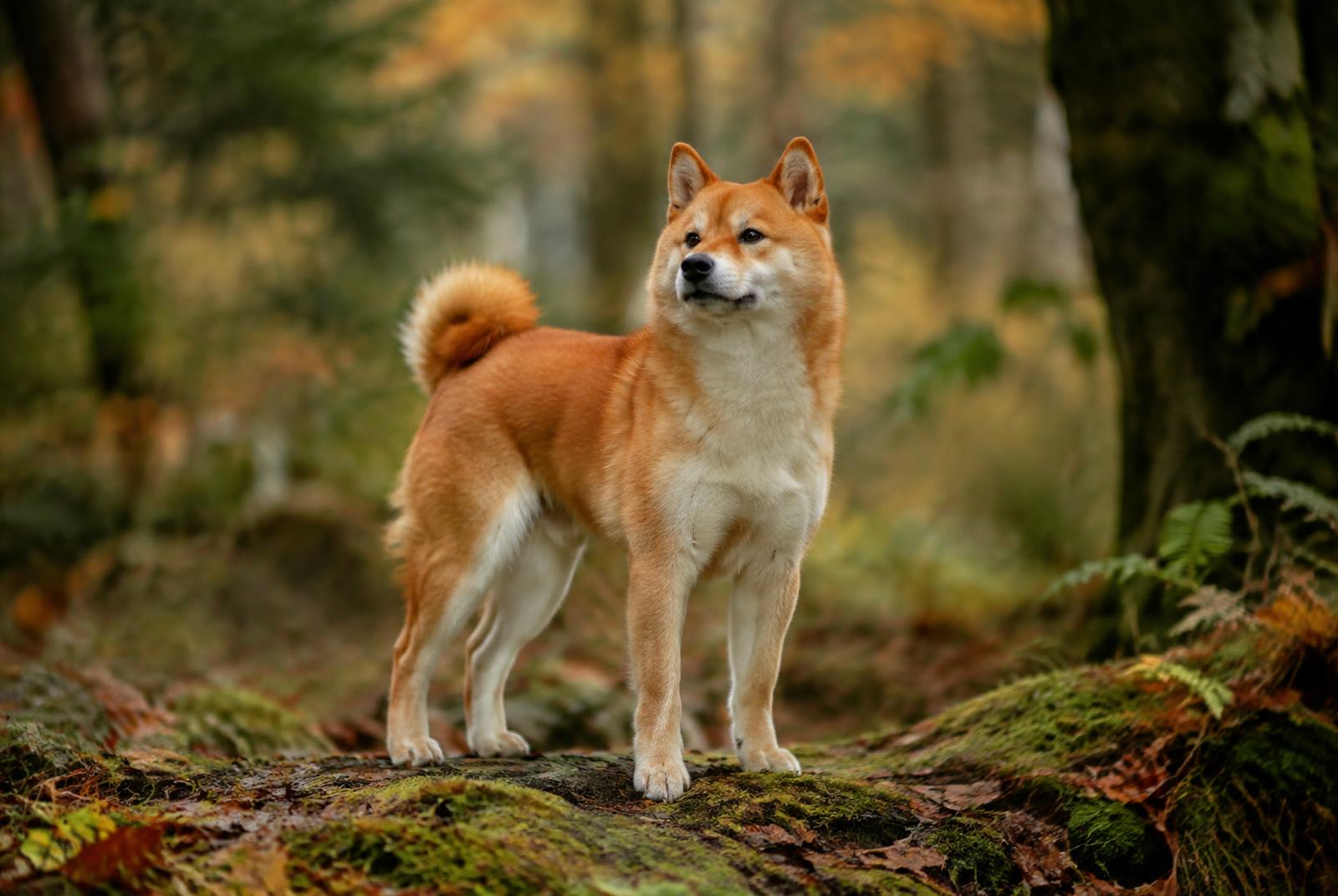
The Shiba Inu is Japan's smallest native hunting breed, originally used to flush birds and small game in mountainous terrain. It is prized today for its striking, fox like appearance, its spotless self grooming habits and its strongly independent, self reliant temperament.
The Shiba Inu is one of Japan's oldest native breeds, originally developed in the mountainous districts of the country to flush small game and birds for hunters working on foot. The name itself is thought to refer to the brushwood terrain the dog once worked through, and that heritage still shows in the breed's compact, efficient build and its complete self reliance in the field. Nearly wiped out during the Second World War through bombing and distemper, the Shiba was rebuilt from a small number of surviving bloodlines in the decades afterwards, and the dog that resulted is admired today as much for its fox like good looks as for its strongly independent character.
Daily life with a Shiba Inu is unlike life with most companion breeds, and prospective owners do well to understand this before bringing one home. This is a dog that was bred to think for itself while working at a distance from a handler, not to check in constantly for instruction, and that instinct has not been bred out by decades of companion ownership. A Shiba will happily spend an evening curled up in its own space rather than draped across a lap, and many owners describe the breed's affection as real but delivered strictly on the dog's own terms, rarely on request. This is a dog that chooses its moments and rarely apologises for it.
The defining temperament trait is this very independence, paired with a famously stubborn streak and sharp intelligence. Shiba Inus learn quickly when they see a reason to, but they are notorious among trainers for simply declining to repeat a cue they consider pointless, and the breed's online reputation for dramatic vocal protest, the so called Shiba scream, is well earned when a dog is asked to do something it dislikes, such as having its nails trimmed or being bathed. Owners who want a biddable dog that lives to please will find the Shiba frustrating rather than charming.
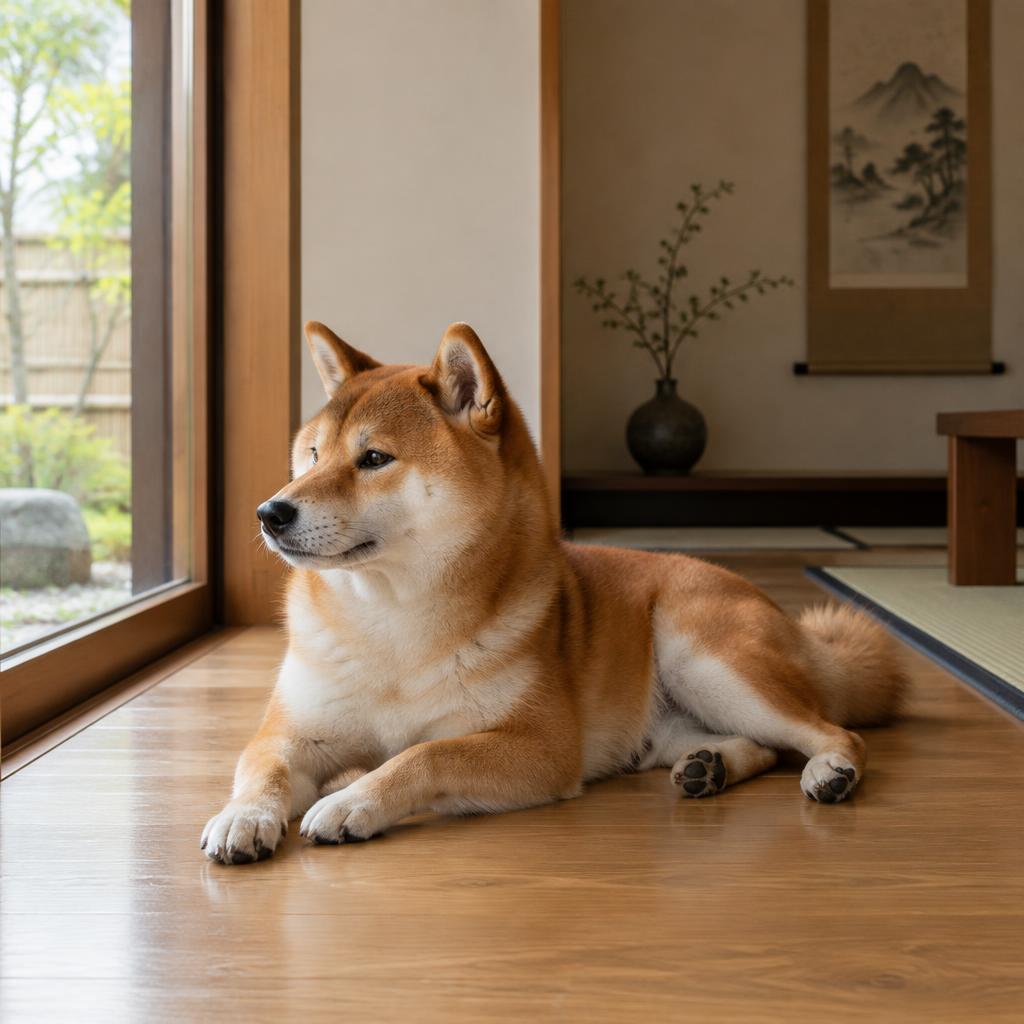
The honest limitation that every prospective owner needs to hear is recall. Shiba Inus retain a strong hunting instinct and a self reliant streak that makes off lead reliability extremely rare even with experienced trainers, and a loose Shiba that spots something interesting will often simply leave, unbothered by calling or whistling. The breed is also a determined escape artist, adept at squeezing through gaps and scaling fences that would stop many other dogs of similar size, so secure garden boundaries are not optional. For these reasons the Shiba is firmly not a beginner's cuddle dog, and it does not suit anyone hoping for an affectionate lapdog that will happily be carried around or handled constantly by small children.
Health wise, the Shiba Inu is a relatively robust breed by pedigree standards, but a few conditions deserve attention. Patellar luxation, where the kneecap slips from its normal position, is reported in the breed and orthopaedic examination of breeding stock helps reduce it. Hip dysplasia occurs at lower rates than in many breeds of similar size but is still worth screening through hip scoring schemes. Allergies, showing as itchy skin or recurrent ear trouble, are also reported, and glaucoma has been documented within some lines, making eye testing a sensible precaution. None of these conditions are alarming in isolation, but a careful breeder should be able to produce clear or scored results for the parents.
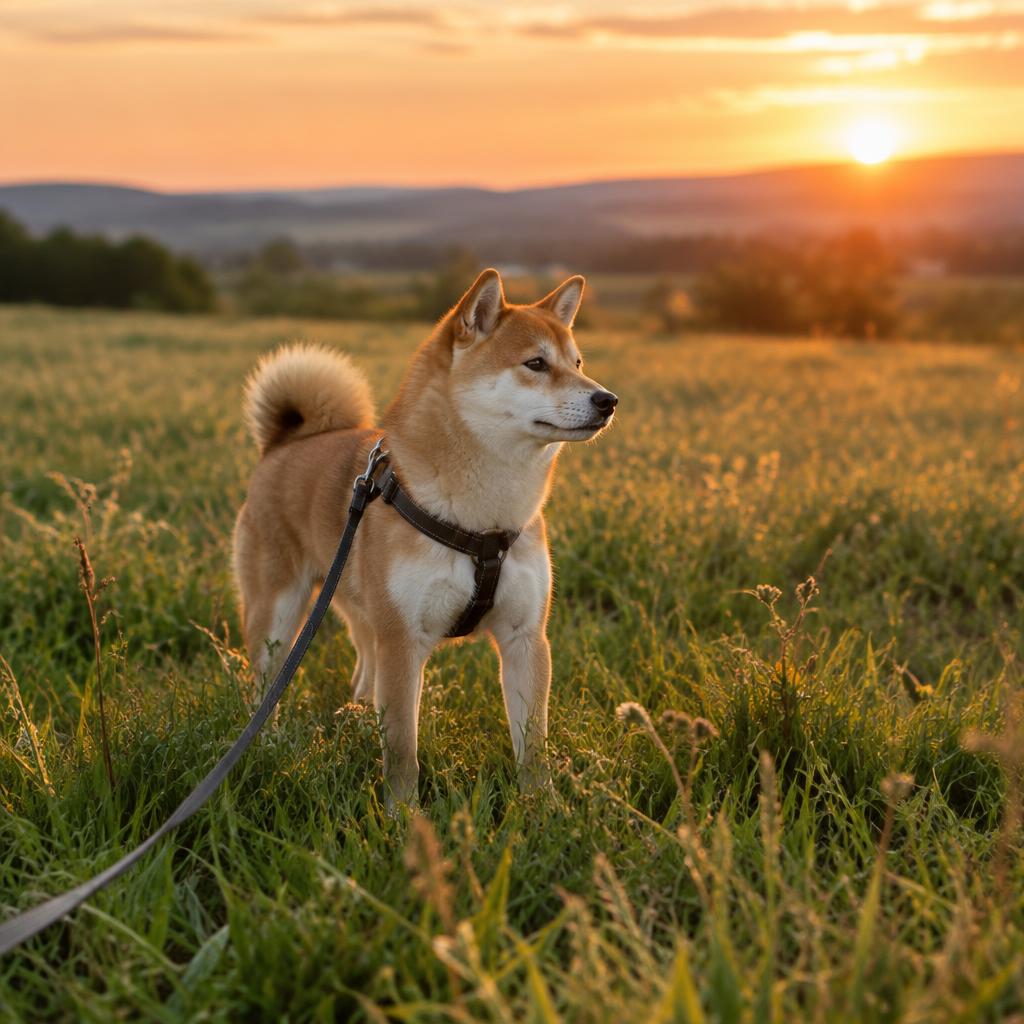
Exercise needs are moderate rather than extreme, typically around 45 minutes to an hour a day, but the quality of that exercise matters more than the quantity. A securely fenced garden and leash walks in varied, scent rich environments do far more for a Shiba's wellbeing than repetitive laps of a park. Training reality demands patience: short, varied, reward based sessions work better than long drilling, and most experienced owners accept that total off lead freedom is simply not realistic for this breed in unenclosed spaces, whatever the dog's age or training history.
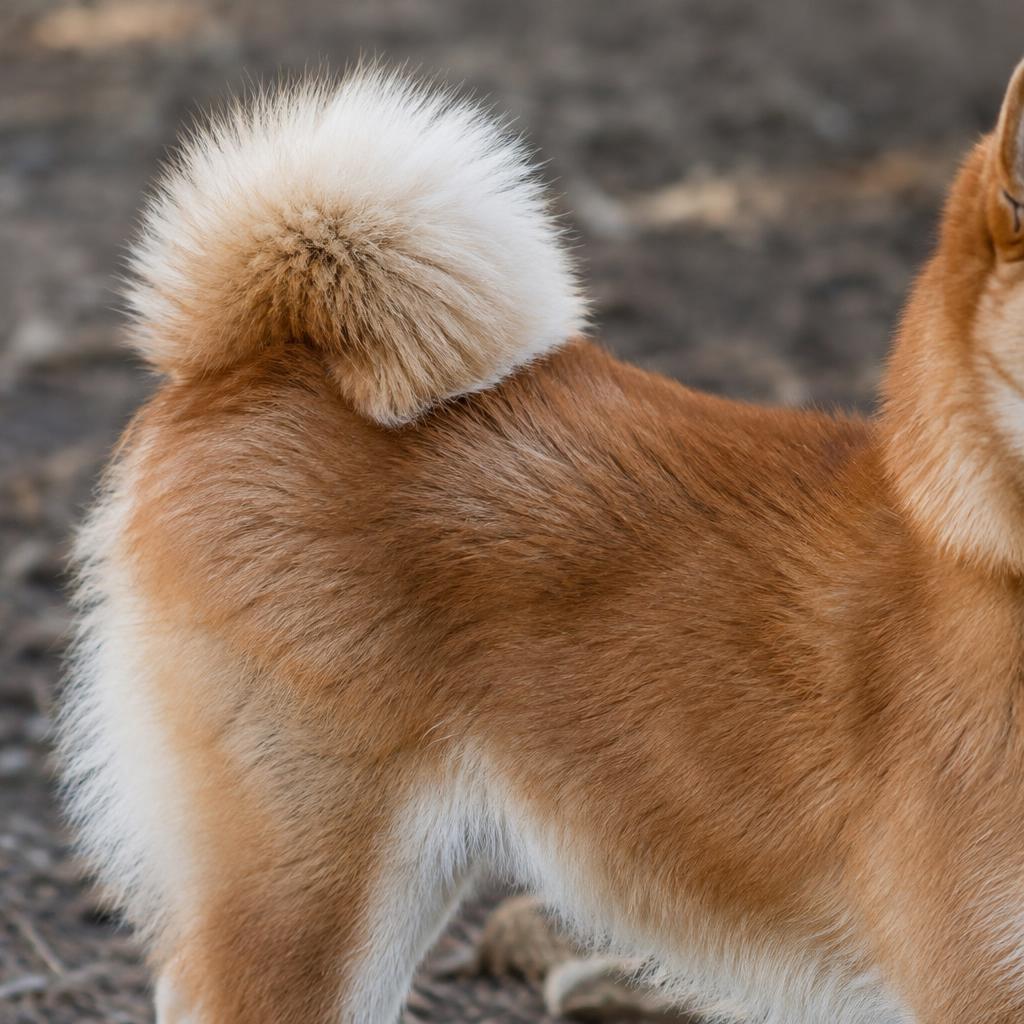
Grooming reality is dominated by the Shiba's double coat, which sheds lightly for most of the year before blowing out dramatically twice annually, usually in spring and autumn, when daily brushing becomes necessary to manage the volume of loose undercoat. Outside these periods, weekly brushing is generally sufficient, and the coat is naturally clean, needing infrequent bathing.
This breed suits owners who admire a dog with genuine independence of spirit, who have secure outdoor space, and who are prepared to train with patience rather than expect instant obedience. It does not suit first time owners hoping for a conventionally affectionate companion, households without a securely fenced garden, or anyone unwilling to accept that recall will likely never be fully trustworthy off lead. For the right owner, drawn to a dog that behaves rather more like a small, opinionated fox than a traditional pet, the Shiba Inu is a deeply rewarding, endlessly characterful companion.
A striking, self reliant little hunter that demands secure fencing, patient training and acceptance of its independent terms.
Exercise, day to day
- 1Puppies (8 to 20 weeks): short, gentle sessions of 5 minutes per month of age, avoiding hard surfaces and repetitive jumping.
- 2Adults: 45 to 60 minutes a day of leash walking in varied, scent rich environments rather than repetitive laps.
- 3Secure garden time: daily off lead access within a genuinely escape proof boundary, never in open or unfenced spaces.
- 4Mental stimulation: scent games and puzzle feeders suit this independent breed better than repetitive obedience drilling.
- 5Recall management: treat recall as a lifelong management issue rather than a problem to be solved, and use a long line in open areas.
Grooming, realistically
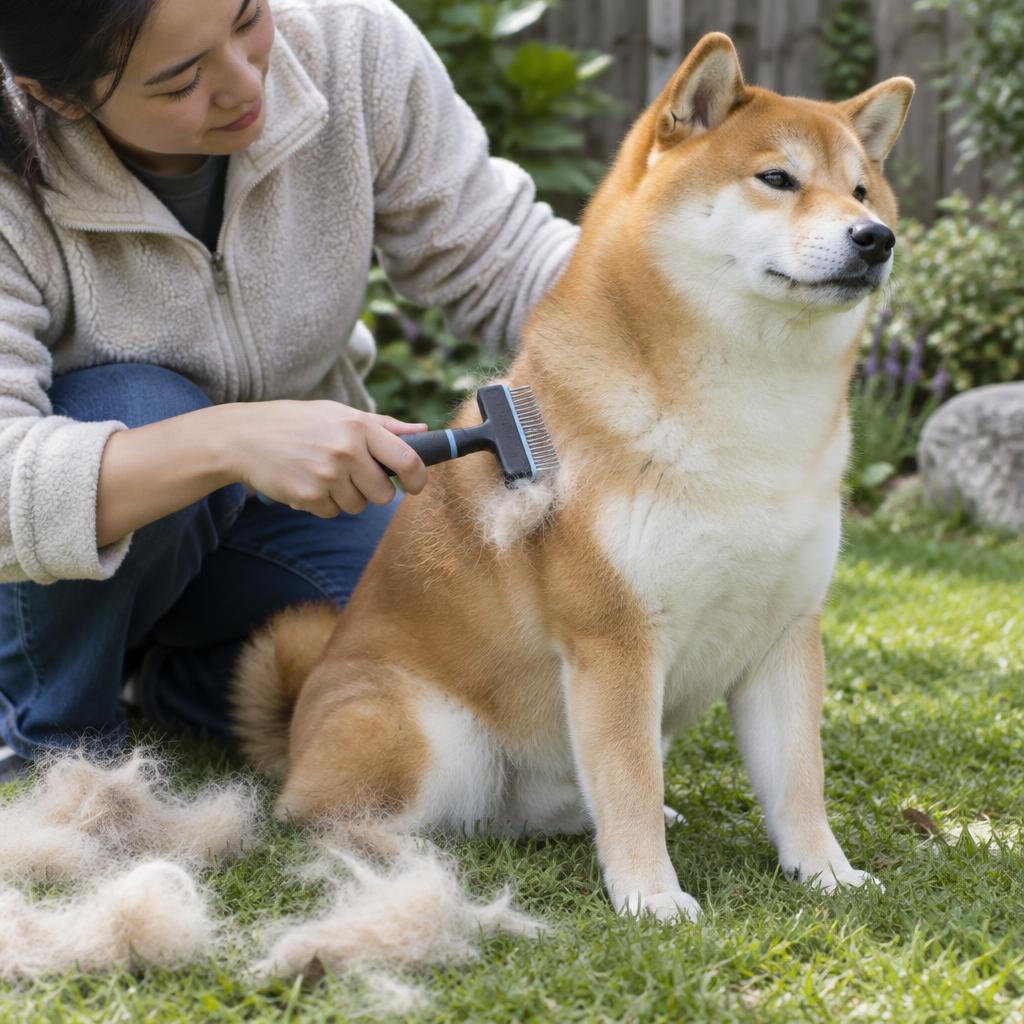
- 1Brush weekly with a slicker brush or undercoat rake to manage the dense double coat.
- 2During the twice yearly coat blow, brush daily to clear loose undercoat and reduce shedding around the home.
- 3Bathe only occasionally, as the Shiba's coat is naturally clean and self grooming, much like the breed itself.
- 4Trim nails every 3 to 4 weeks and check paws after walks on rough ground.
- 5Brush teeth several times a week to guard against tartar build up.
What you actually need
- Slicker brush
- Undercoat rake
- Mild dog shampoo
- Dog nail clippers
- Enzymatic dog toothpaste and brush
- Lint roller for shedding season
Puppy to adult
| Age | Male | Female | What is happening |
|---|---|---|---|
| 8 weeks | 1.8 to 2.5 kg | 1.6 to 2.2 kg | Small, fox faced puppy already showing an alert, watchful character. |
| 3 months | 3.2 to 4.3 kg | 2.8 to 3.8 kg | Steady early growth; socialisation to people and other dogs should begin in earnest now. |
| 6 months | 5.5 to 7.2 kg | 4.8 to 6.3 kg | Adolescent testing behaviour and selective hearing often peak around this age. |
| 9 months | 6.8 to 8.8 kg | 6 to 7.8 kg | Close to adult height, though chest and muscle still filling out. |
| 12 months | 7.8 to 10 kg | 6.8 to 8.8 kg | Nearing adult weight, with adult coat texture largely established. |
| 18 months | 8 to 11 kg | 7 to 9 kg | Full adult size and the settled, dignified adult temperament reached. |
Ranges are typical, not targets. Judge condition by ribs and waist, and check with the ideal weight checker.
What to ask a breeder
- What patella and hip screening results can you show for both parents?
- Has either parent been eye tested, given reported glaucoma in some lines?
- How have the puppies responded to early recall and socialisation work?
- What has your experience been with escape attempts or fence testing in older dogs from this line?
- Can I meet both parents and observe how they react to handling and grooming?
- What feeding and coat care routine do you recommend through the seasonal coat blow?
Health tests to ask for
Ask to see results for both parents before you put down a deposit.
- Patella luxation examination
- Hip score (BVA/KC scheme) where available
- Eye examination for glaucoma and other hereditary conditions
- General allergy and skin history review of the line
- Thyroid function check where recommended by the breed club
Health watch-list
What to ask a breeder about, and what to watch for over a lifetime. This is orientation, not veterinary advice, anything you notice belongs in front of a vet.
Patellar luxation
NotableA kneecap that slips from its normal groove, ranging from mild to requiring surgery; orthopaedic screening of breeding stock helps reduce incidence in the breed.
Hip dysplasia
UncommonMalformed hip joints that can lead to arthritis over time; hip scoring through the BVA or KC scheme is worth requesting from a breeder.
Glaucoma
UncommonRaised pressure within the eye reported within some lines, which can threaten vision if untreated; eye examination of breeding stock is a sensible precaution.
Skin allergies
NotableItchy skin or recurrent ear irritation reported in the breed; dietary management and prompt veterinary advice help control flare ups.
Hypothyroidism
UncommonAn underactive thyroid gland that can cause weight gain and lethargy; thyroid function testing is recommended for some breeding lines.
Allergic or atopic dermatitis
CommonRecurrent skin inflammation that can appear seasonally; a vet can help identify triggers and build a long term management plan.
What it costs to keep one
Realistic running cost
€74 / month
About €888 a year, or roughly €13,320 across a 15-year life, before purchase price, neutering and one-off vet events.
Before the puppy arrives. Budget roughly €350 to 650 for a crate, bed, lead and harness, bowls, puppy classes, first vaccinations and grooming kit sized for this breed. Figures throughout are indicative and vary a good deal between countries.
Interactive · built for this breed
Is a Shiba Inu right for your home?
Seven honest questions about your space, time and household, checked against this breed's exercise need, coat, sociability and tolerance for time alone.
Fit with your routine
96%
A strong fit
Your routine suits a Shiba Inu well. Meet adult dogs of the line before you commit.
What to sort out first
- Needs more daily exercise than you have pencilled in.
Working in your favour
- Coat care fits the grooming time you offered.
Compare more breeds in the matchmaker, or plan meals with the portion calculator.
The verdict, by household
First-time owner
Approach with caution
The Shiba's stubbornness and unreliable recall can overwhelm an owner without prior dog training experience.
Family with children
Workable with older children
Better suited to households with older, calmer children who respect the dog's independent, less cuddly nature.
Active single or couple
A strong choice
Enjoys structured walks and scent work with an owner who respects its self reliant streak rather than forcing closeness.
Owner in a flat with close neighbours
Difficult without a garden
Vocal protest and a need for secure outdoor space make flat living genuinely challenging for this breed.
When to call your vet
- Sudden lameness or reluctance to bear weight on a hind leg, which may indicate patella issues
- Cloudiness or redness in the eyes, worth checking promptly given reported glaucoma risk
- Persistent scratching, redness or recurrent ear irritation, which may point to allergies
- Stiffness or reduced mobility after rest, which could suggest developing hip dysplasia
- Noticeable change in appetite or energy, since a usually alert Shiba going quiet is worth investigating
Nothing here is a diagnosis. A swollen, hard belly with retching, collapse, breathing difficulty and sudden hind-leg weakness are emergencies: go straight away.
Shiba Inu vs the closest alternatives
| Breed | Weight | Energy | Grooming | € / month |
|---|---|---|---|---|
| Shiba Inu | 8 to 11 kg | 7/10 | 5/10 | €74 |
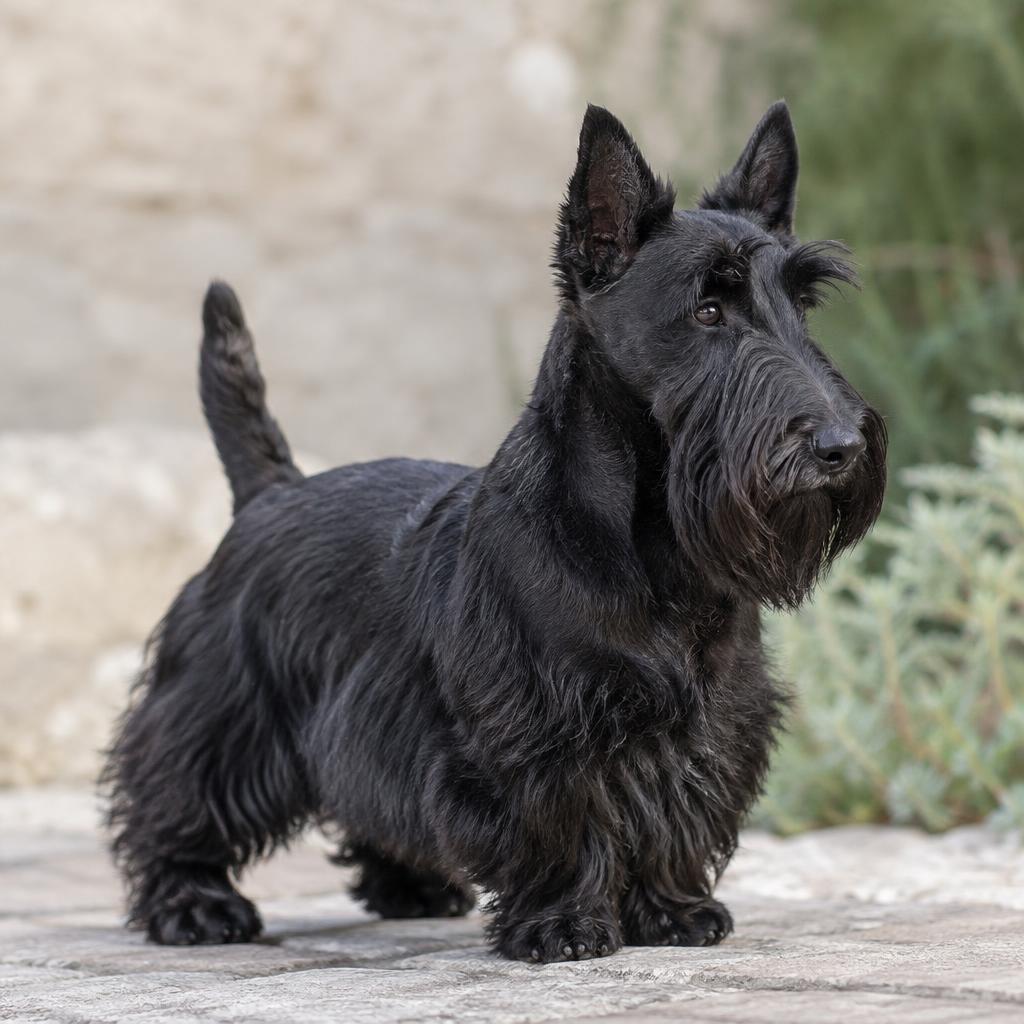
| Scottish Terrier | 8 to 10.5 kg | 6/10 | 7/10 | €76 |
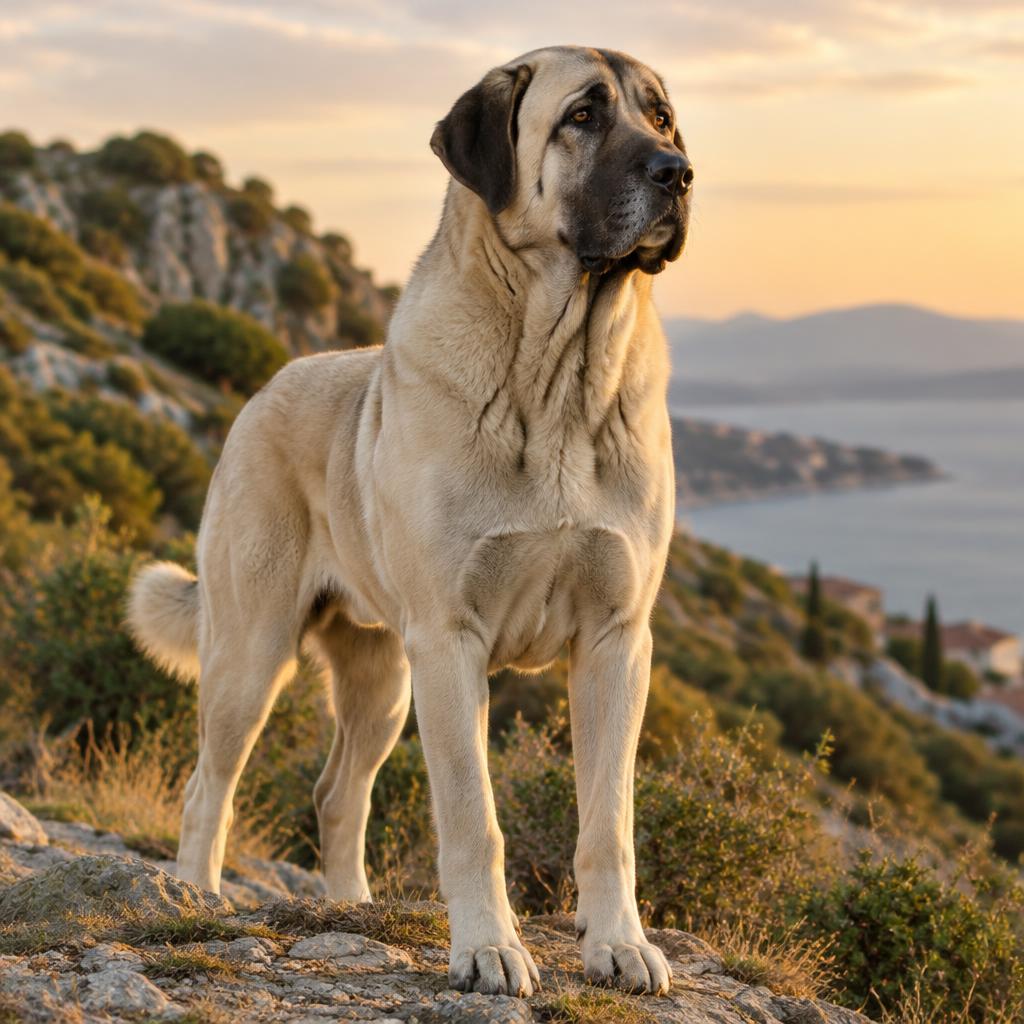
| Anatolian Shepherd | 40 to 65 kg | 6/10 | 4/10 | €220 |
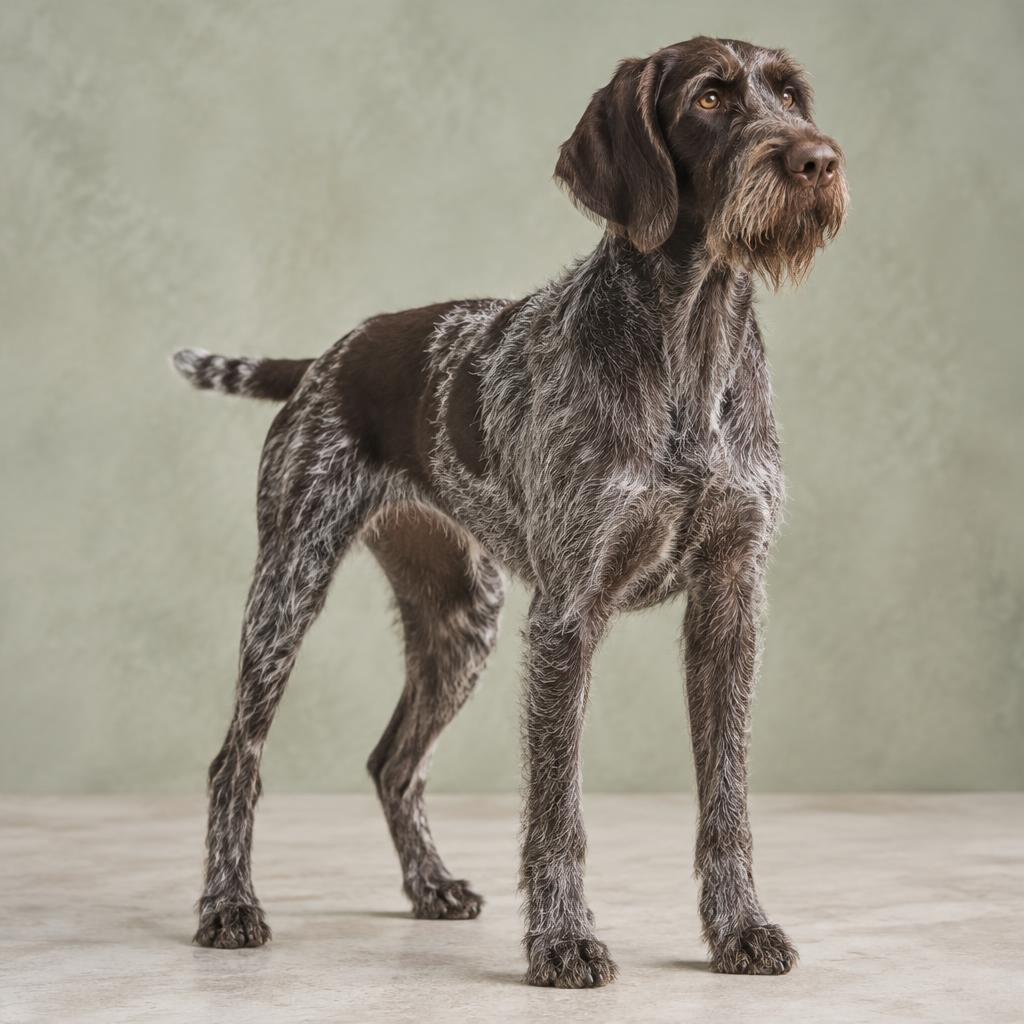
| German Wirehaired Pointer | 25 to 32 kg | 9/10 | 4/10 | €103 |
Shiba Inu questions, answered
What is the temperament of a Shiba Inu?
Shiba Inus are famously independent, alert and intelligent, widely noted for a self reliant streak and selective affection that owners of more clingy breeds often find surprising. They form genuine bonds with their family but rarely crave constant physical closeness, and they can be notoriously stubborn when asked to do something they see no reason for.
How big do Shiba Inus get?
Males typically weigh 9 to 11 kg and females 8 to 10 kg, standing around 35 to 41 cm at the shoulder for males and slightly less for females. They are classed as a small breed with a compact, muscular build, reaching full adult size by around eighteen months old.
Do Shiba Inus shed a lot?
Yes, the dense double coat sheds lightly year round and then blows out dramatically twice a year, usually spring and autumn, producing large amounts of loose undercoat. Daily brushing during these periods is genuinely necessary, while weekly brushing suffices the rest of the year.
How much exercise does a Shiba Inu need?
Around 45 to 60 minutes a day of leash walking in varied, scent rich environments, plus daily access to a securely fenced garden. Off lead exercise in open spaces is not recommended, since the breed's hunting instinct makes recall notoriously unreliable.
Are Shiba Inus good with children?
They can live well with older, calmer children who respect the dog's independent nature, but they are not typically a cuddly, tolerant breed for very young children who want to handle a dog constantly. Supervision and teaching gentle interaction matter considerably with this breed.
What health problems are common in Shiba Inus?
Patellar luxation, hip dysplasia and skin allergies are the main considerations, alongside reported glaucoma risk and occasional hypothyroidism in some lines. Screening of breeding stock through orthopaedic and eye examinations, along with allergy and thyroid history review, helps reduce the likelihood of these conditions.
How much does it cost to own a Shiba Inu?
Monthly costs typically include around 30 euros for food, 24 euros for insurance and smaller amounts for grooming and parasite prevention, alongside an initial setup cost of roughly 350 to 650 euros for equipment. Secure fencing is an additional upfront cost many new owners underestimate.
Sources
- Shiba Inu breed standard, The Kennel Club
- Shiba Inu breed information, American Kennel Club
- Hip and eye screening schemes, British Veterinary Association
- Shiba Inu health statistics, Orthopedic Foundation for Animals
- Patellar luxation in dogs, PDSA